Half Day Flats Fishing in Suffolk Virginia
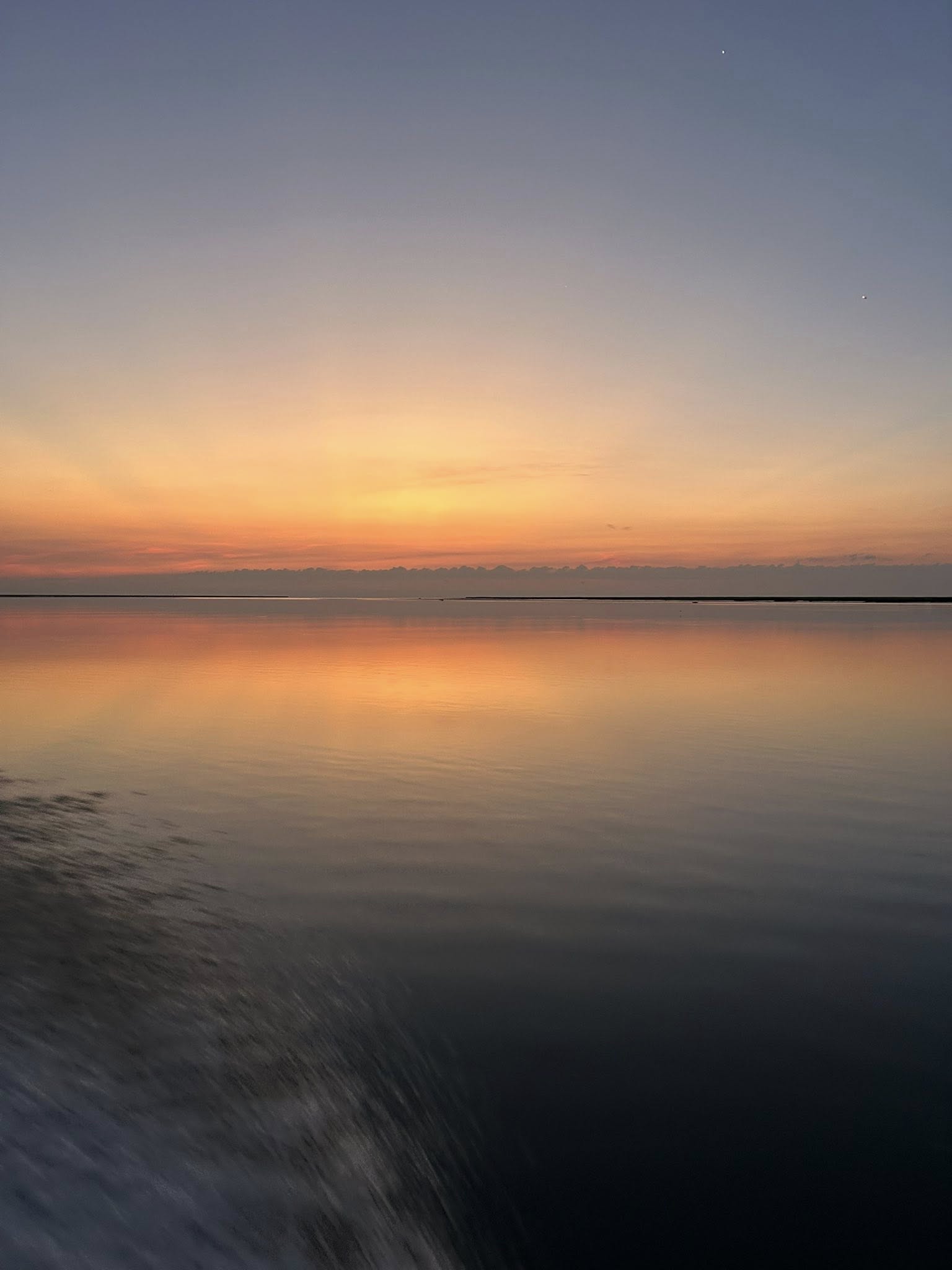
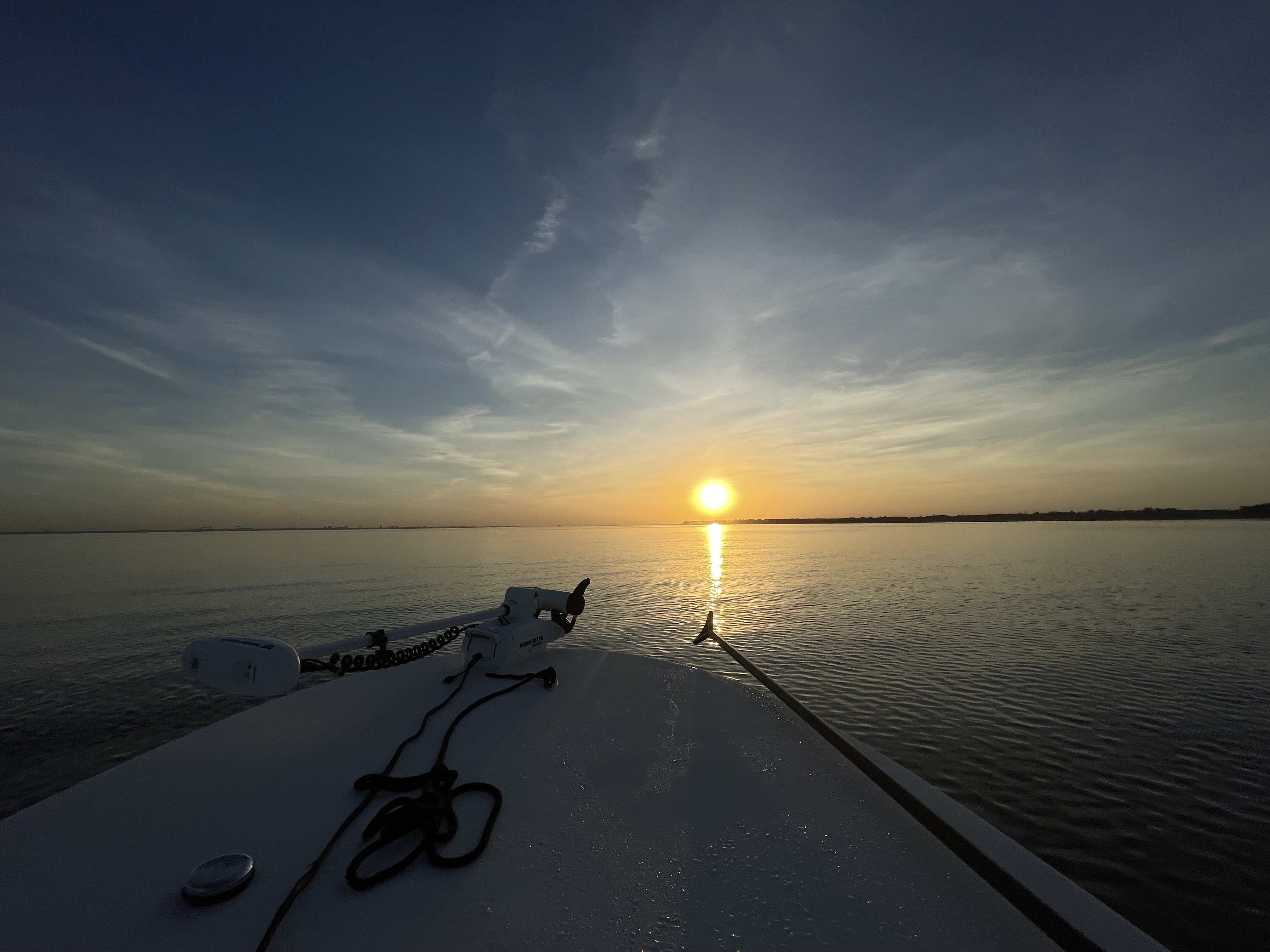
Suffolk's shallow-water flats offer some of the best sight fishing on the East Coast, and this six-hour charter puts you right in the middle of the action. Captain Jason knows these grass beds and oyster bars like the back of his hand, and he's got the patience to teach you the subtle art of flats fishing. With just two anglers max, you'll get the kind of personalized instruction that makes all the difference between going home with stories and going home with technique. Dawn departure means you're working the prime feeding windows when reds are tailing and trout are busting bait in the shallows.
What to Expect on the Water
This isn't your typical deep-water charter where you drop lines and wait. Flats fishing is all about reading the water, spotting fish, and making precise casts to spooky targets in skinny water. Jason runs a technical fishery here, poling quietly through turtle grass beds and working the drop-offs where structure holds bait. You'll learn to pick apart oyster bars, identify feeding signs, and adjust your approach based on tide, wind, and water clarity. The boat stays shallow, sometimes in just two feet of water, so you're always close to the action. Quality light-tackle gear is provided, along with a selection of artificials and live bait depending on what's working. Ice, water, and fishing licenses are handled, so you can focus entirely on improving your casting and fish-reading skills.
Light Tackle Techniques
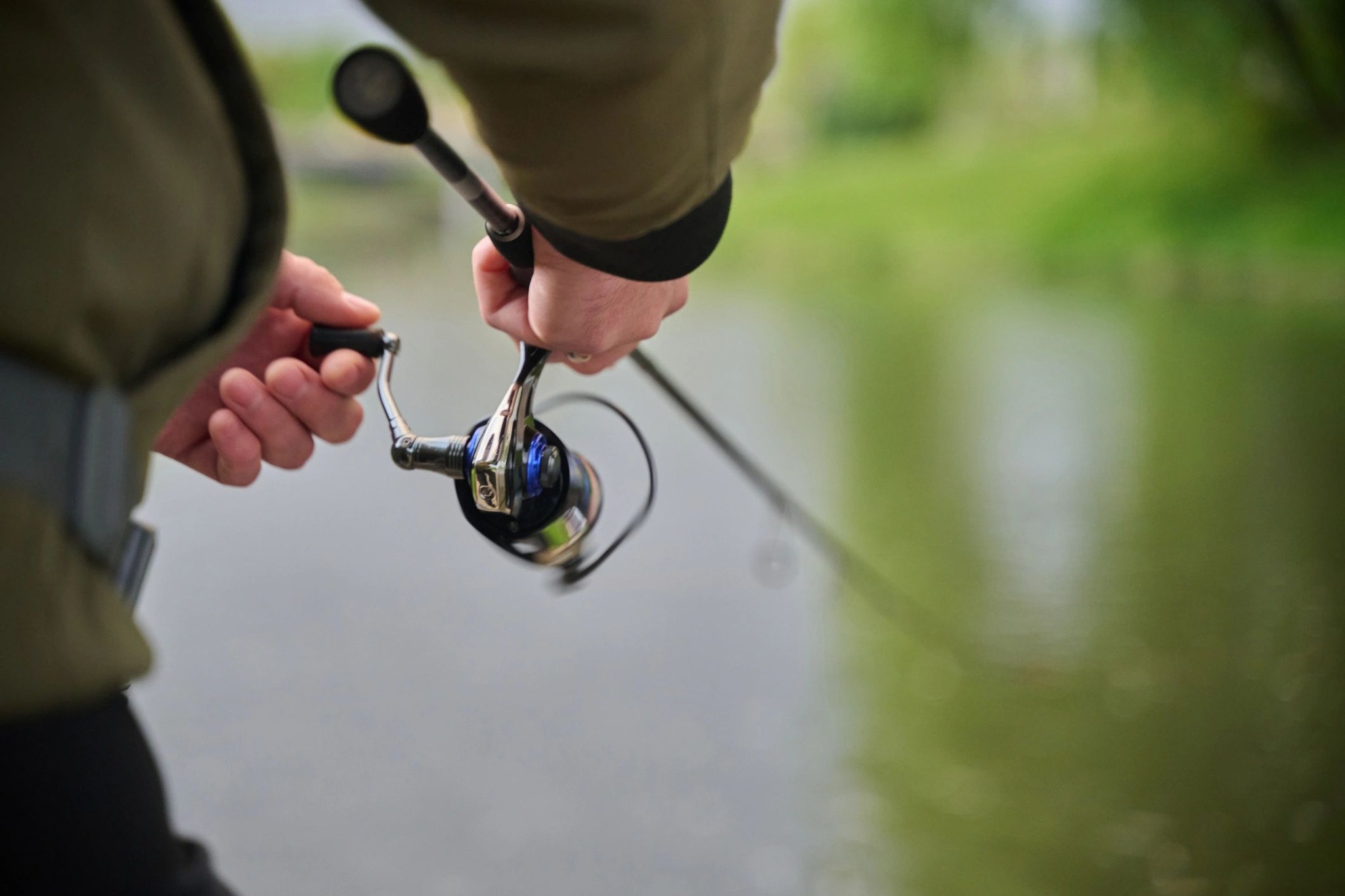
Southeast Virginia flats demand finesse, and Jason specializes in the light-tackle approach that makes these fish so challenging and rewarding. You'll work with spinning gear spooled with 15-20 pound braid, throwing everything from soft plastics on jig heads to topwater plugs when conditions are right. The key here is presentation—these fish see plenty of pressure, so your cast placement and retrieve speed matter more than lure color. Jason teaches the wade-and-cast method for working grass beds, plus boat-based sight fishing techniques for cruising reds and schools of breaking trout. Tidal movement drives everything in this fishery, so you'll learn to read current edges, work structure on moving water, and time your drifts to stay in the strike zone. When tarpon show up in summer, the game changes completely—these silver kings require heavier leaders and a completely different fighting approach, but the light tackle makes every jump spectacular.
Top Catches This Season
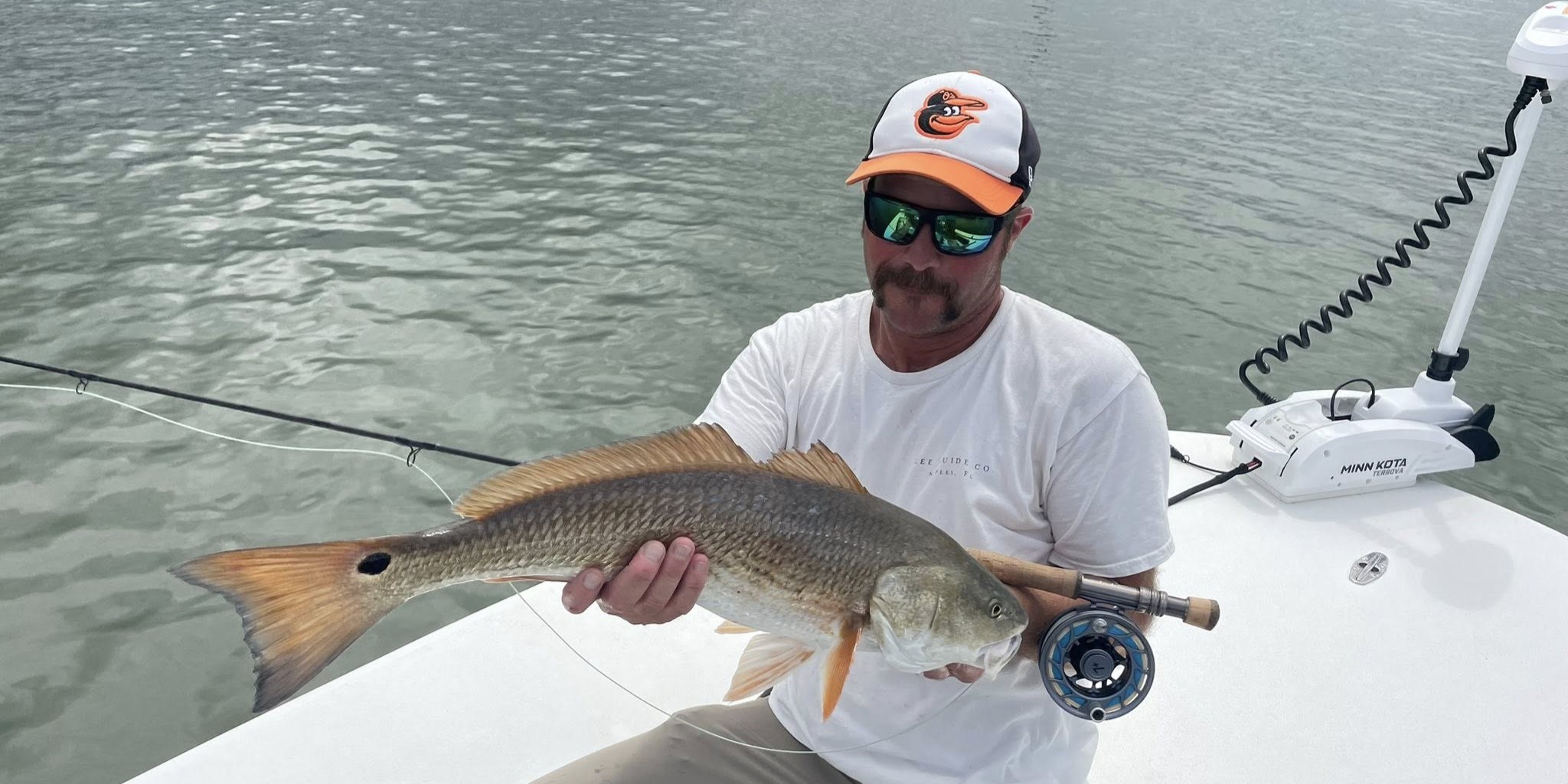
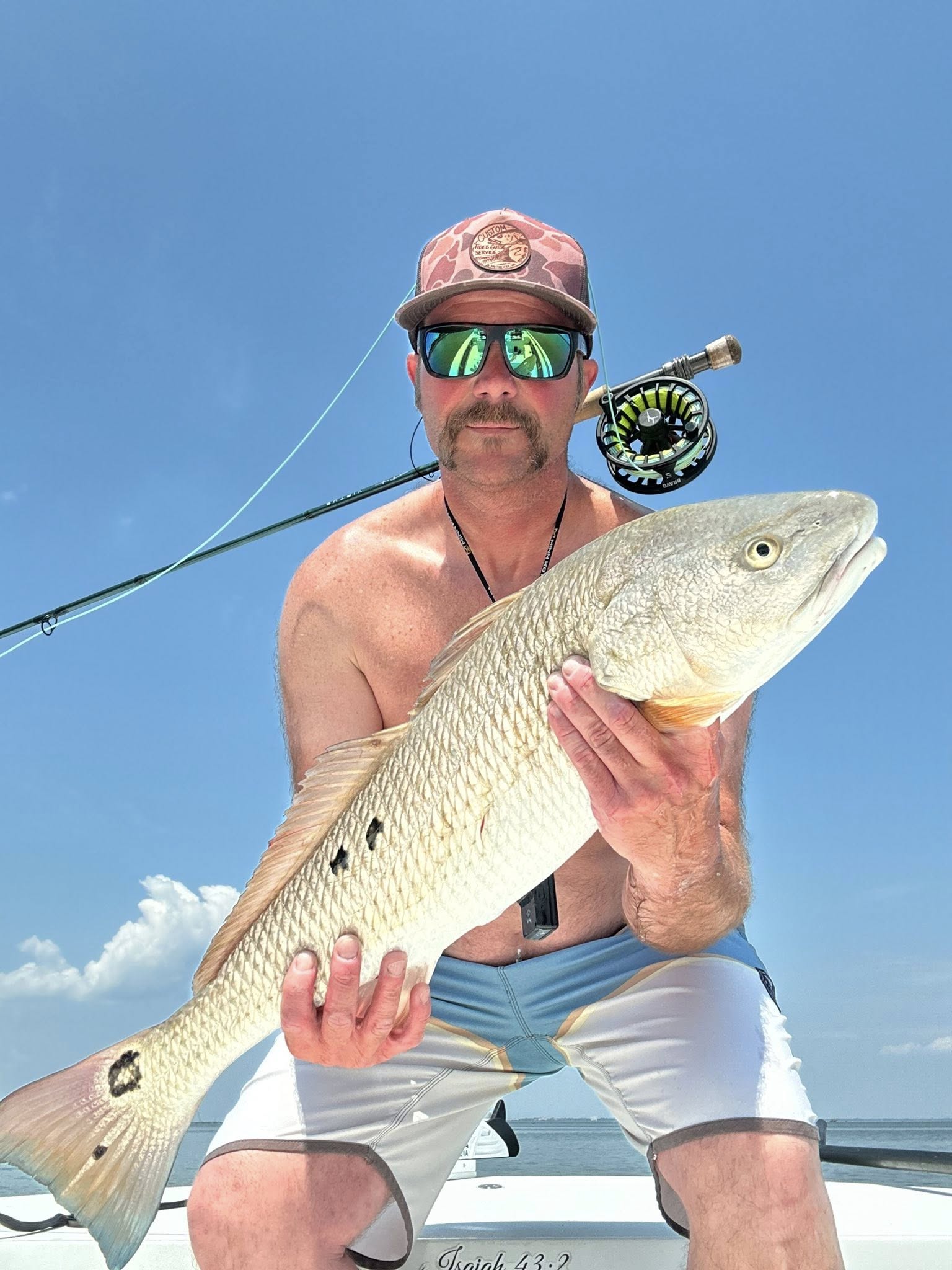
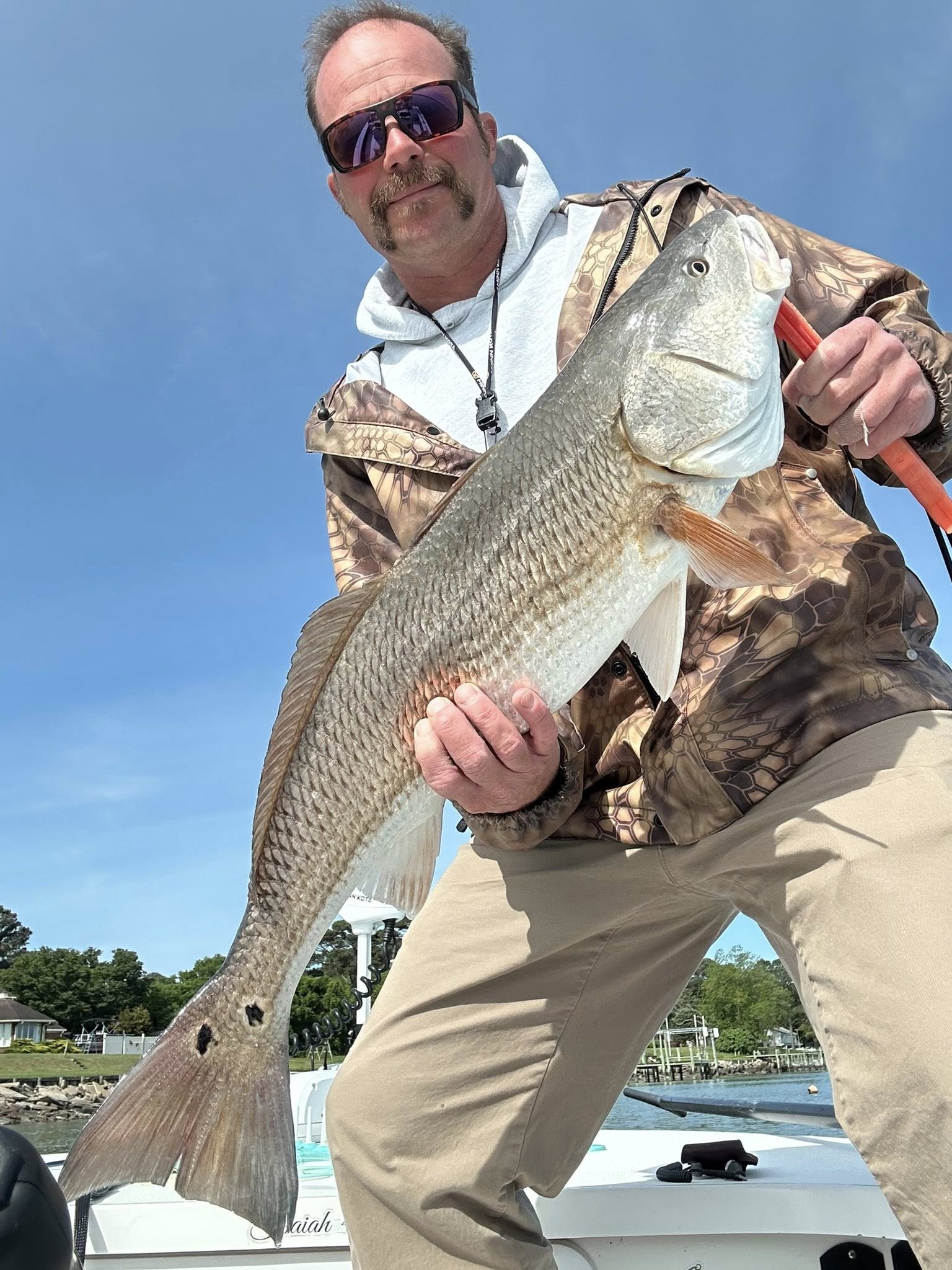
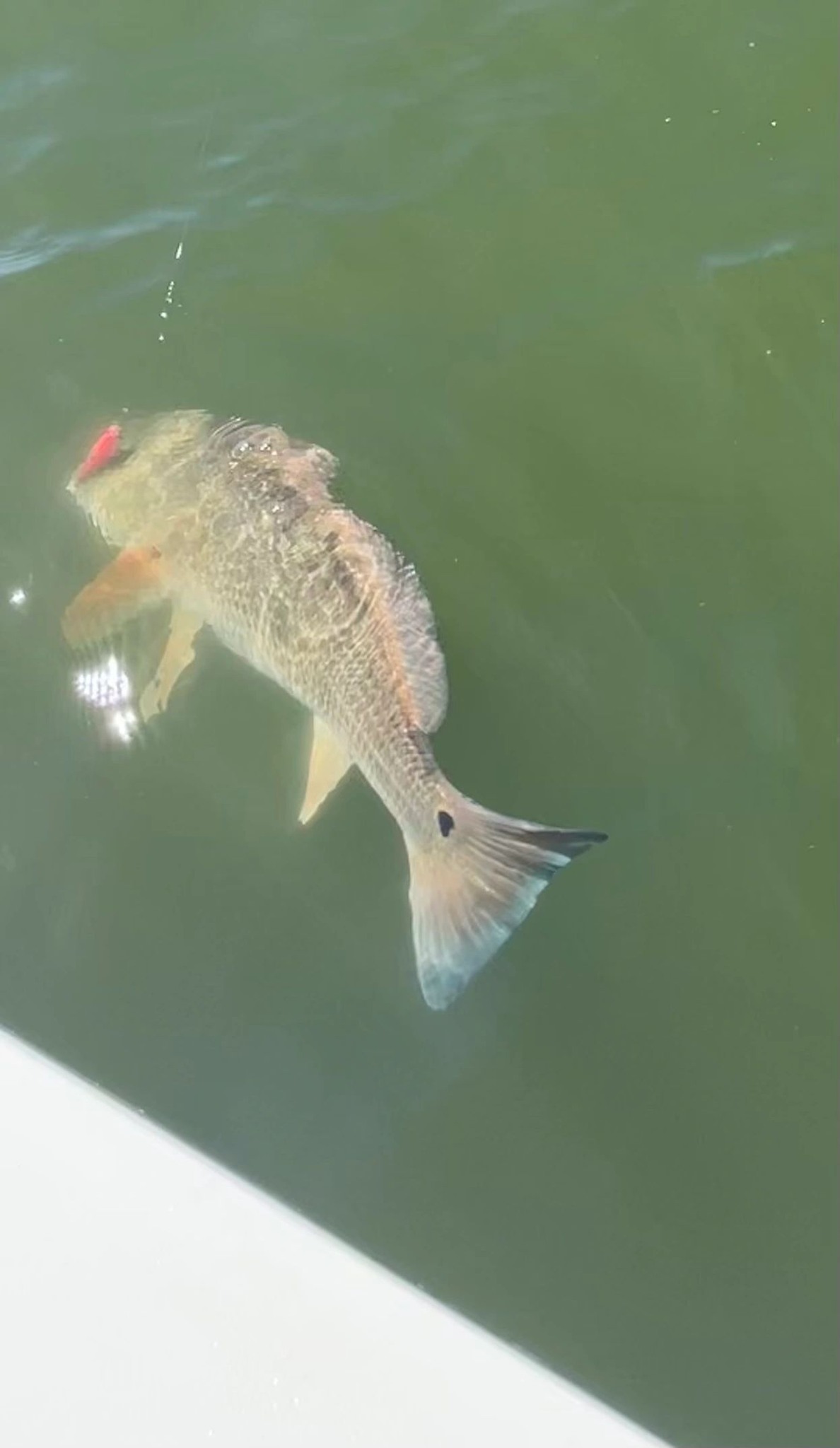
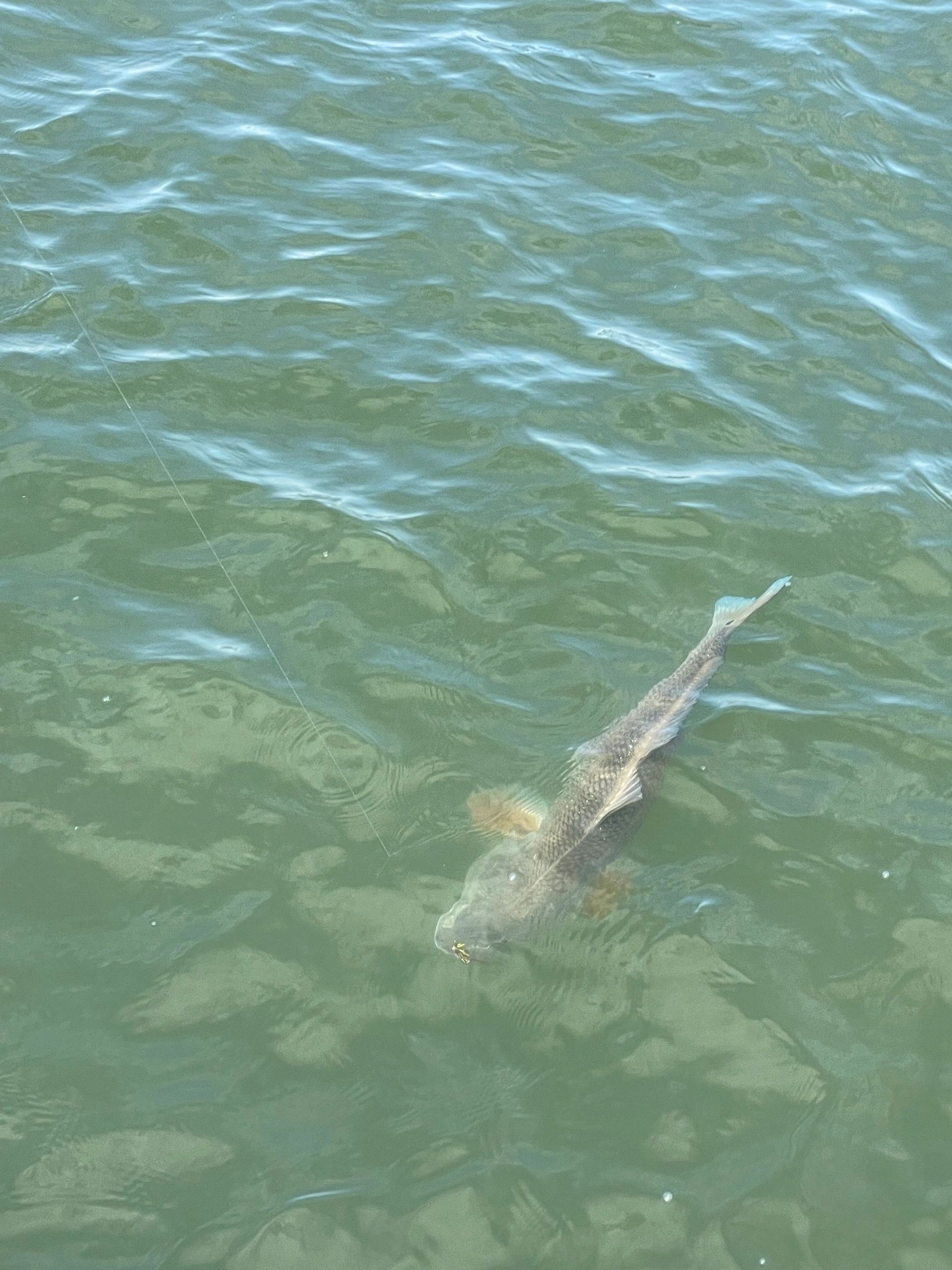
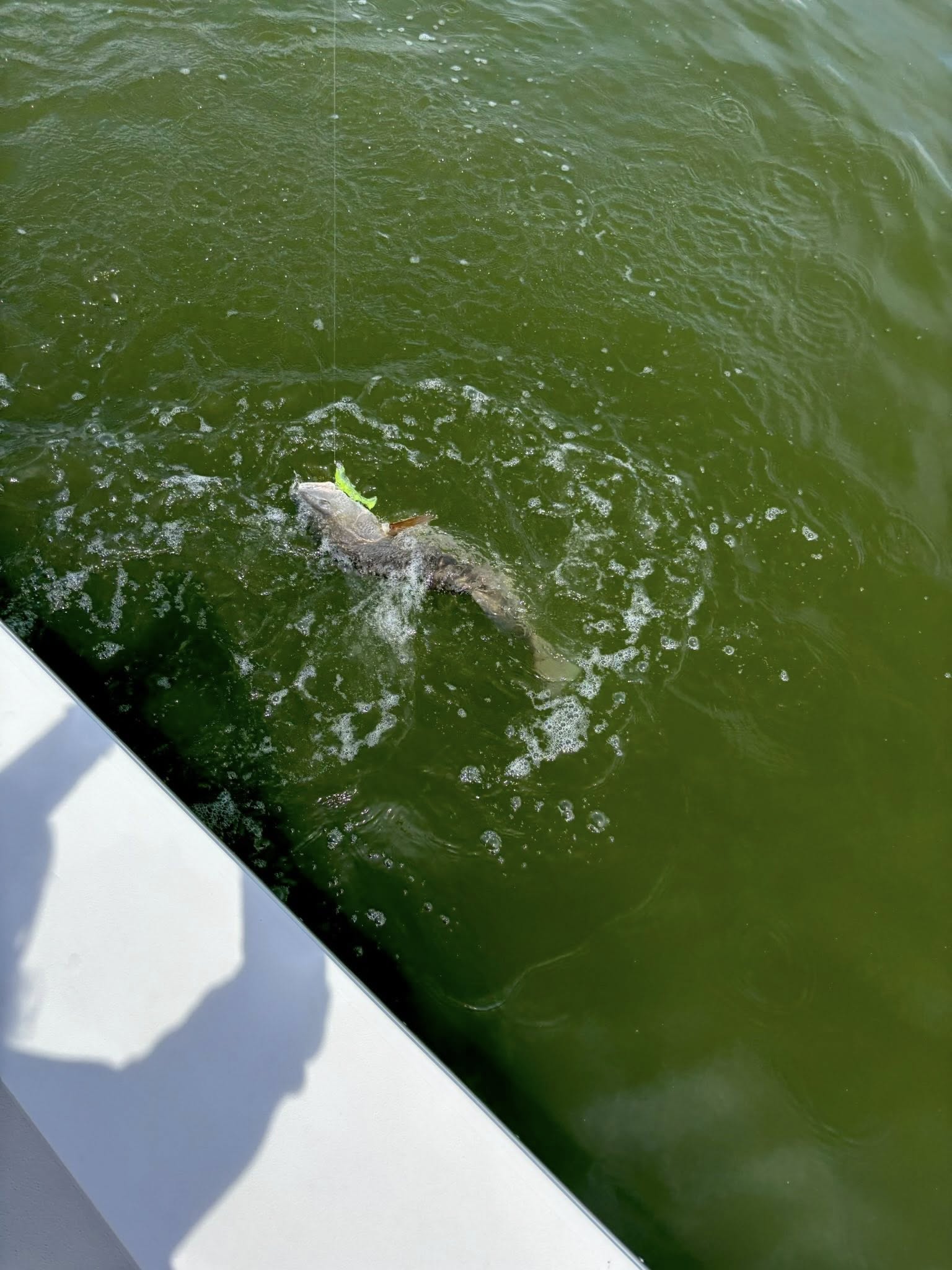
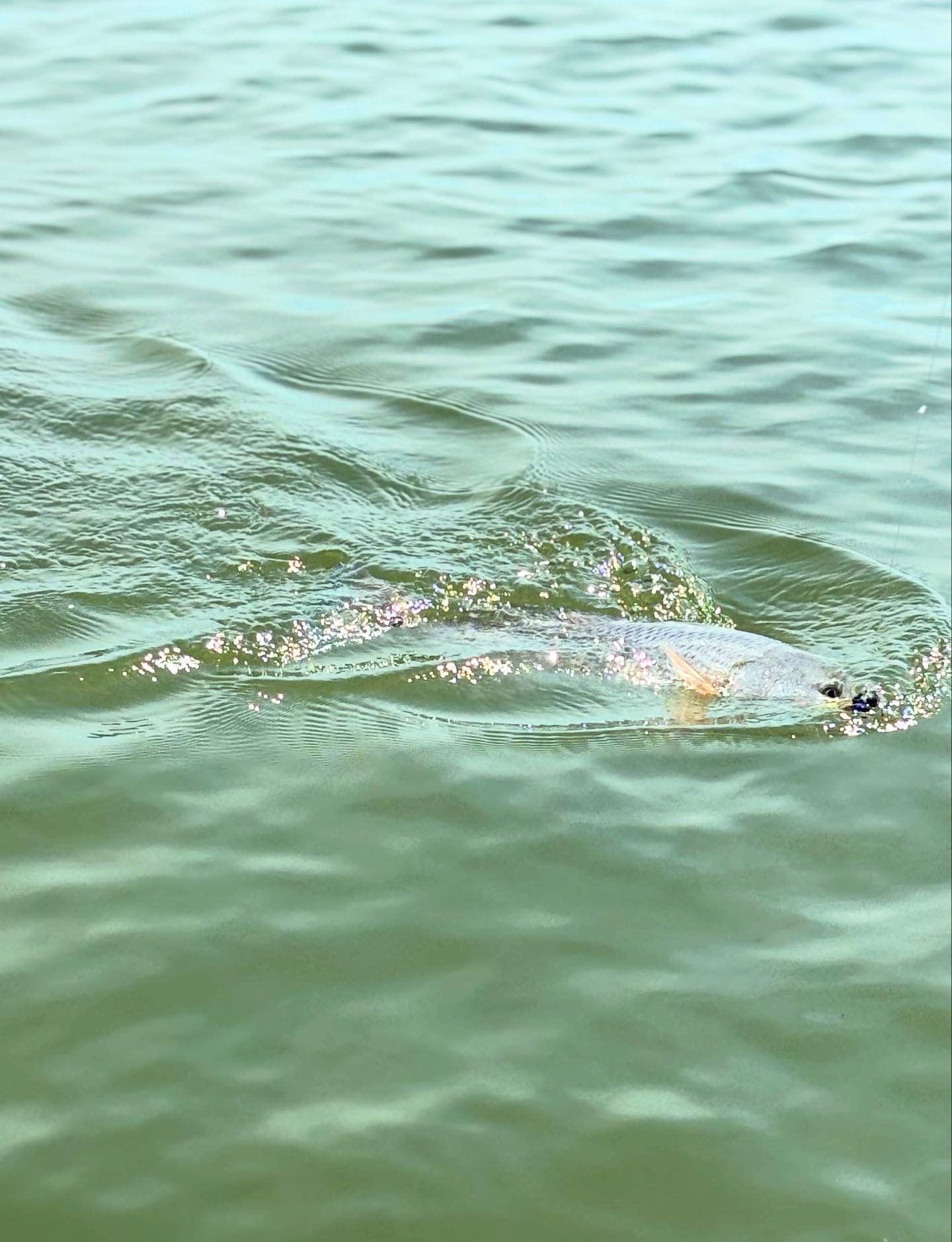
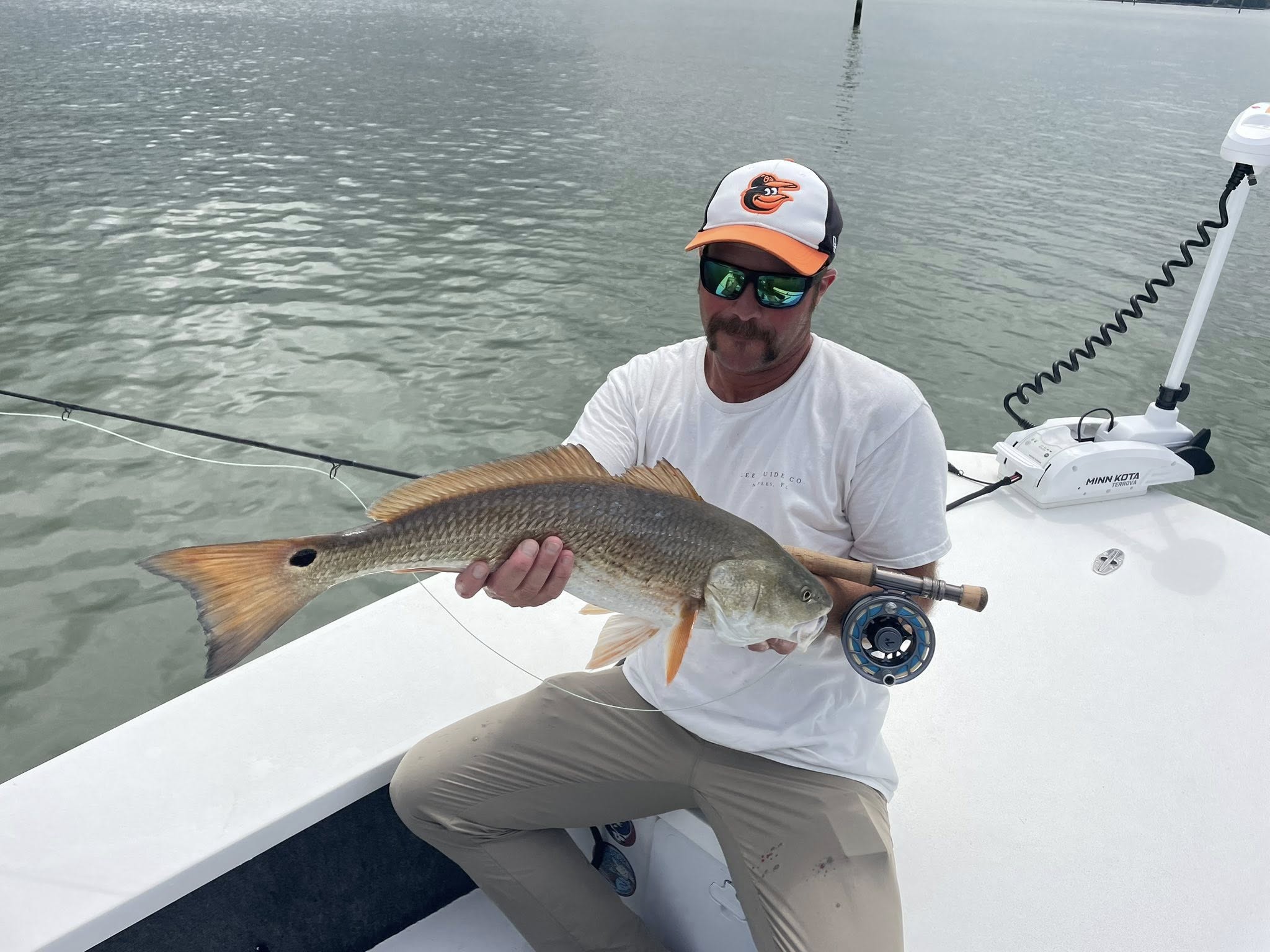
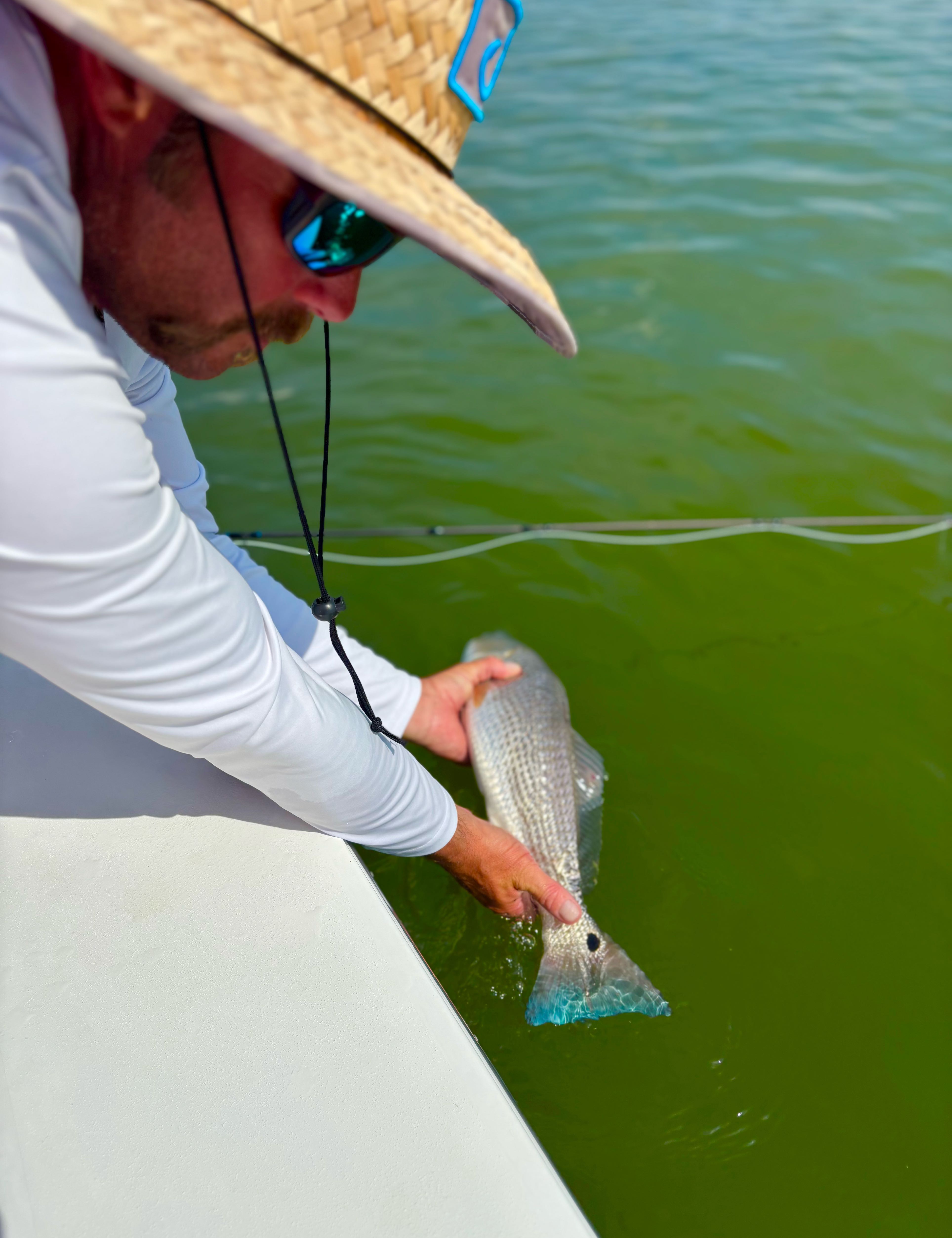
Redfish are the bread and butter of Suffolk flats fishing, and these copper-colored bruisers provide consistent action year-round. Most Suffolk reds run 20-35 inches, with plenty of slot-sized fish for dinner and oversized bulls that'll test your drag. They're most active on moving tides, cruising grass beds and tailing in the shallows during warmer months. What makes reds special here is the sight fishing opportunities—you'll actually see these fish before you cast, watching them work oyster bars and push wakes through skinny water. The fight is bulldogging power, and they'll use every oyster bar and grass bed to try breaking you off.
Speckled trout bring a different kind of excitement to these waters, especially during spring and fall runs when schools move through in numbers. Suffolk specks average 14-20 inches, with occasional gator trout pushing 25 inches and 6-plus pounds. They're more temperature sensitive than reds, preferring water in the 60-75 degree range, which makes late spring and early fall prime time. Trout fishing here is often a numbers game—when you find them, you can catch them consistently on soft plastics bounced along grass edges. They're also more willing to hit topwater than most people expect, especially during low-light periods at dawn and dusk.
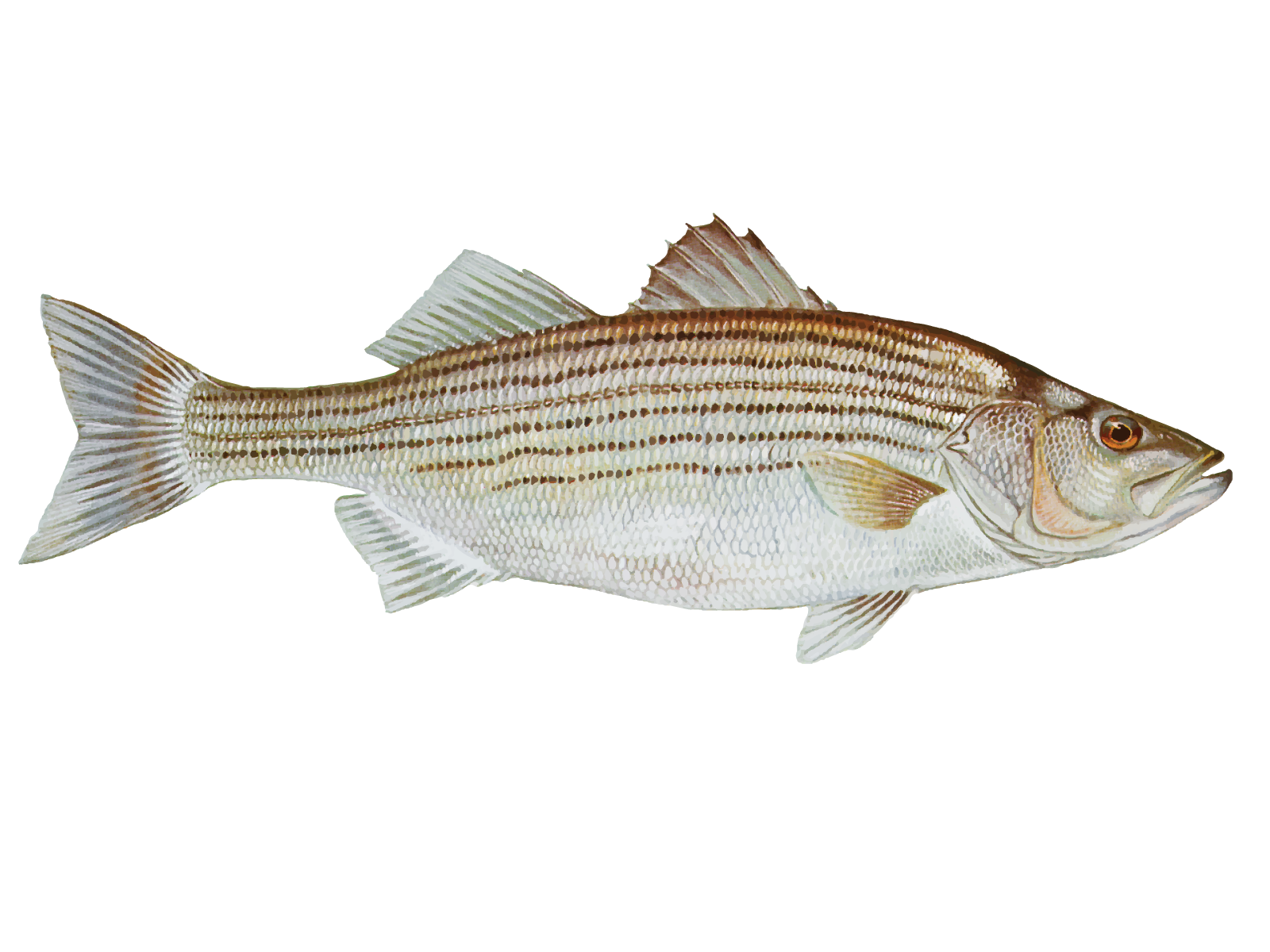
Striped bass add serious pulling power to the mix, particularly during their spring and fall migrations through Virginia waters. Suffolk stripers range from schoolie size up to legitimate cows in the 30-40 inch range. They're structure-oriented fish, holding around oyster bars and channel edges where baitfish concentrate. When the water temperature hits their comfort zone, usually spring through early summer and again in fall, they become aggressive feeders that'll chase artificials and crush live bait. The fight is pure power—long runs and head-shaking jumps that'll remind you why these fish are so popular up and down the coast.
Summer brings the real prize fish—tarpon—to Suffolk's flats, and hooking one on light tackle is a bucket-list experience. These silver kings show up when water temperatures climb into the upper 70s and 80s, usually June through August. Virginia tarpon typically run 40-100 pounds, which sounds manageable until you hook one and realize you're connected to a fish that can jump 6 feet out of the water. They're primarily catch-and-release fish, and the light tackle makes every moment of the fight memorable. Finding them requires patience and skill—they roll and show on the surface, but getting them to eat takes the right presentation at exactly the right moment.
Time to Book Your Spot
Suffolk's flats fishing delivers the kind of technical angling that improves your skills while providing consistent action on quality fish. Jason's approach combines local knowledge with hands-on instruction, so you're learning techniques you can use anywhere while fishing some of Virginia's best shallow-water habitat. The two-angler limit ensures personalized attention, and the customizable schedule means you can target specific species or techniques based on your interests. Summer tarpon dates fill quickly—serious anglers book these trips months in advance. Whether you're new to flats fishing or looking to refine your sight fishing skills, this charter provides the perfect combination of action and education in one of the East Coast's premier shallow-water fisheries.
 Private Trip
 Flats/Shallows Fishing
 Virginia


 Six-hour light-tackle charter targeting red drum and speckled trout