Plymouth Fishing Charters | 6 Hour Charter Trip
When you're looking for some serious fishing action in Massachusetts waters, Captain Ed's six-hour Plymouth fishing charters deliver exactly what you're after. These waters around Plymouth and Cape Cod Bay have been feeding New England families for centuries, and they're still packed with trophy fish that'll give you the fight of your life. Whether you're bringing the kids for their first taste of saltwater fishing or you're a weekend warrior looking to land that personal best, this charter puts you right where the fish are biting.
What to Expect on the Water
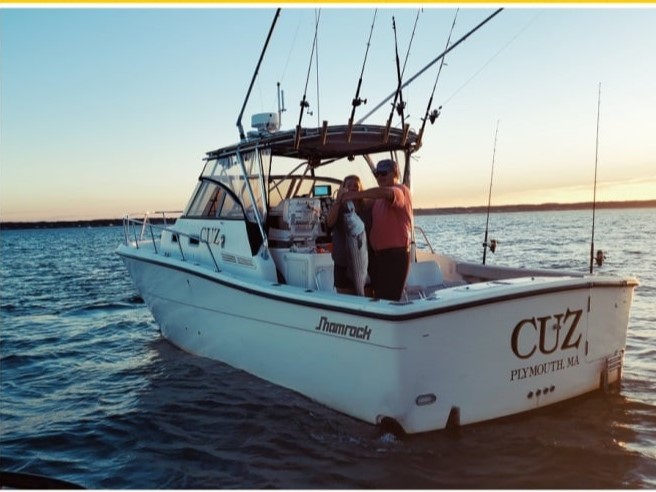
Your day starts early – that's when the fish are most active and the competition is lightest. Captain Ed knows these waters like the back of his hand, from the deeper channels where bluefin tuna cruise to the shallow flats where stripers love to ambush baitfish. The boat comfortably handles up to six anglers, so you've got plenty of room to work without bumping elbows when that big fish hits. You'll spend six solid hours on the water, moving between proven hotspots based on what's been biting lately and where the bait is showing up on the fish finder. The captain provides all the tackle you'll need, from heavy spinning gear for the bigger fish to lighter setups when the action calls for finesse. Don't worry about bringing your own gear unless you've got a lucky rod you can't leave behind – everything on board is tournament-quality and ready to handle whatever Plymouth Bay throws at you.
Tactics That Put Fish in the Boat
Out here, we're working both structure and open water depending on what's running. Early season often means trolling the deeper parts of the bay with wire line and heavy spoons, especially when the bluefin are pushing bait up from the depths. As the water warms up, we'll switch to live bait fishing around the rocky structure and drop-offs where stripers like to hang out. Captain Ed's got the electronics to mark fish and bait, but he also reads the water the old-school way – watching for bird activity, temperature breaks, and those subtle current lines that hold fish. When the bite is on, you might find yourself casting topwater plugs into feeding fish or dropping chunks of fresh mackerel down to trophy stripers holding tight to the bottom. The gear is matched to the conditions – heavy braid for deep water work, fluorocarbon leaders when the fish are spooky, and circle hooks that help ensure good releases when you're practicing catch and release.
What Anglers Are Saying
"Would highly recommend Captain Ed. He worked hard, put us on fish, and it was a pleasure to get to know him" - John
Species You'll Want to Hook
Bluefin tuna are the holy grail of Plymouth Bay fishing, and when they're around, everything else takes a backseat. These fish show up in late spring and stick around through fall, following the massive schools of herring and mackerel that fuel their incredible growth. A typical bay bluefin runs anywhere from 40 to 200 pounds, and they'll test every inch of your tackle and technique. What makes them so special isn't just their size – it's their speed and power. When a bluefin takes your bait and makes that first run, you'll understand why anglers travel from around the world to fish these waters. The meat is incredibly valuable if you decide to keep one for the table, but many anglers are going catch-and-release these days to preserve the fishery.
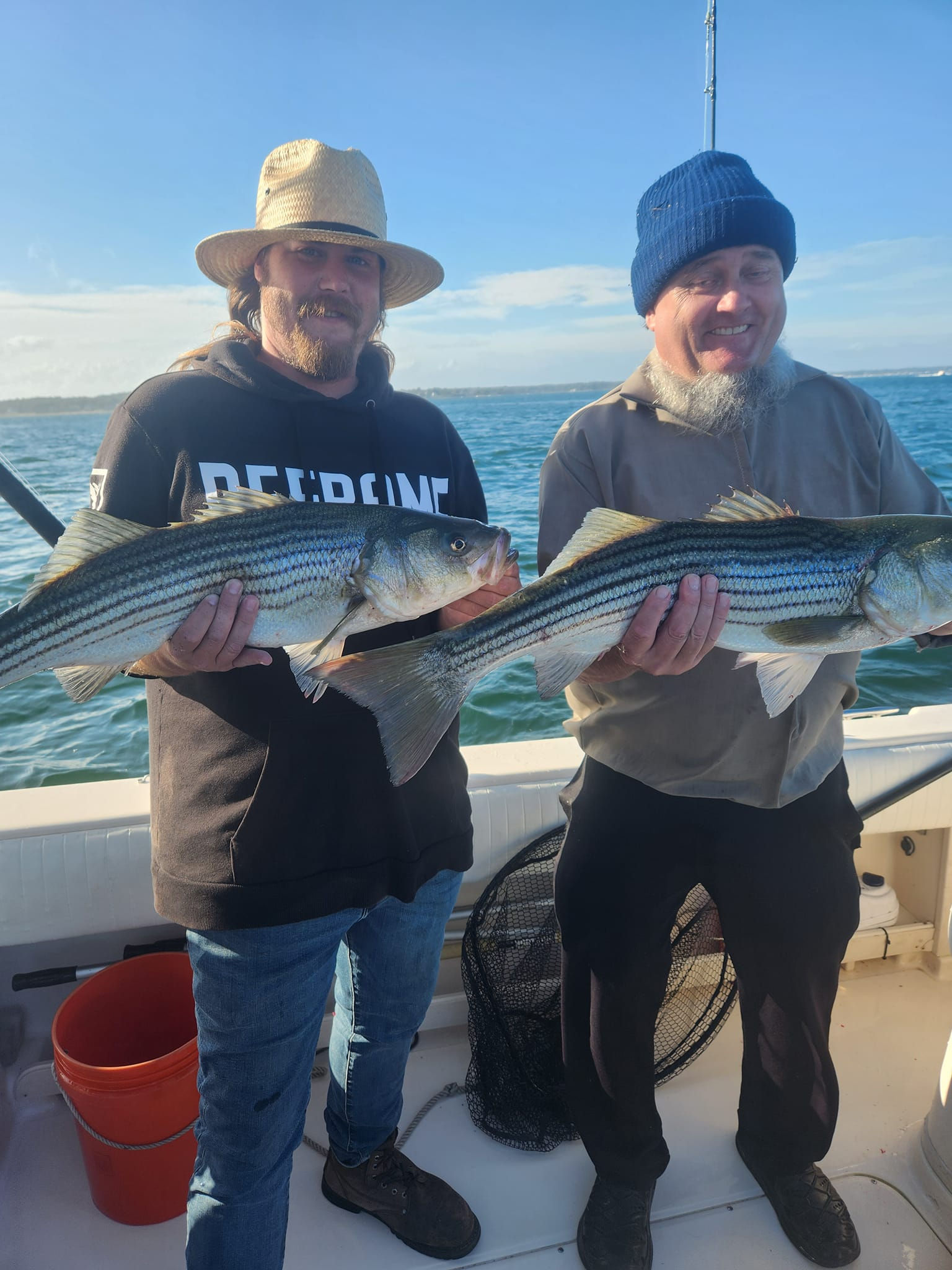
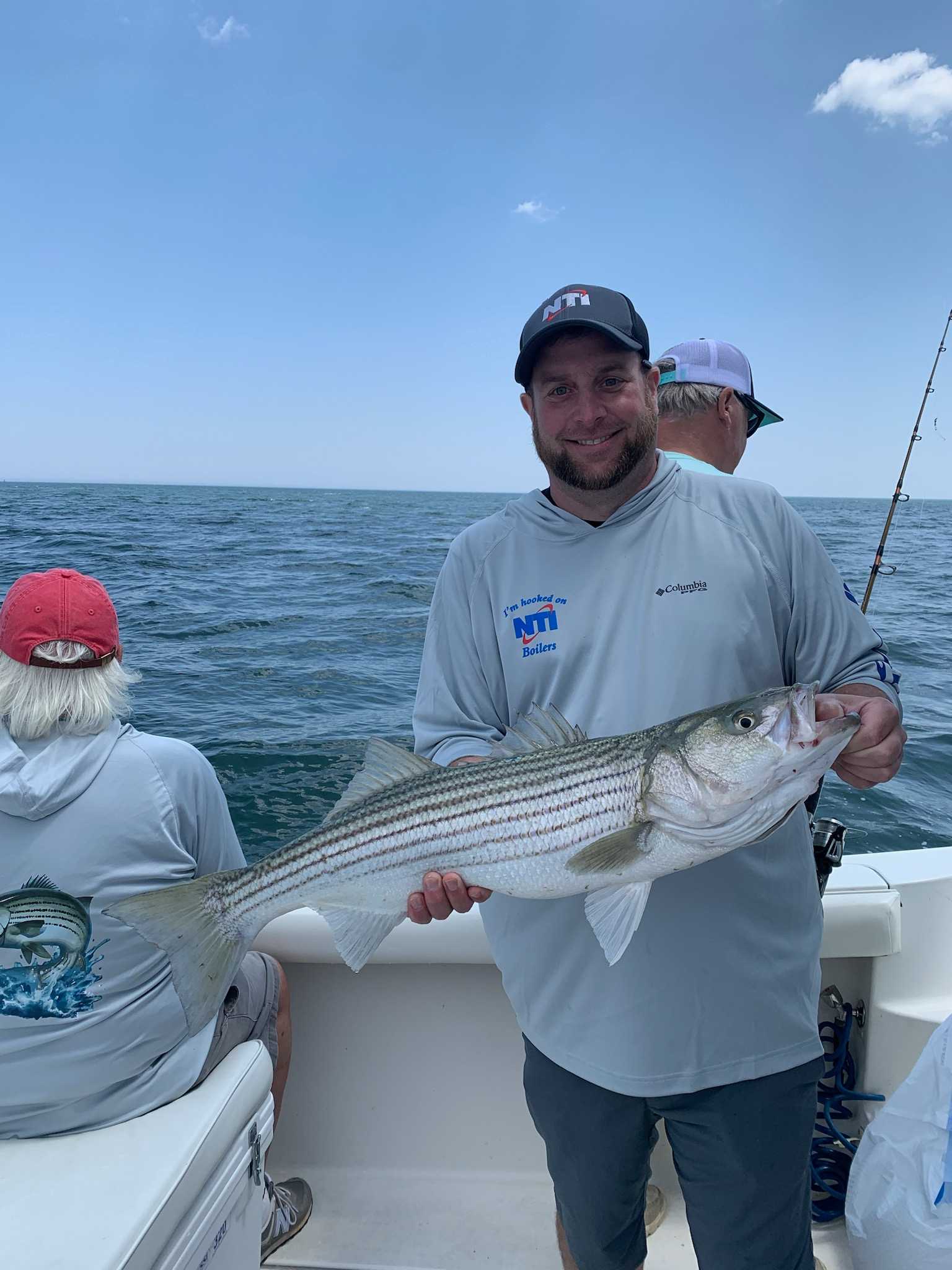
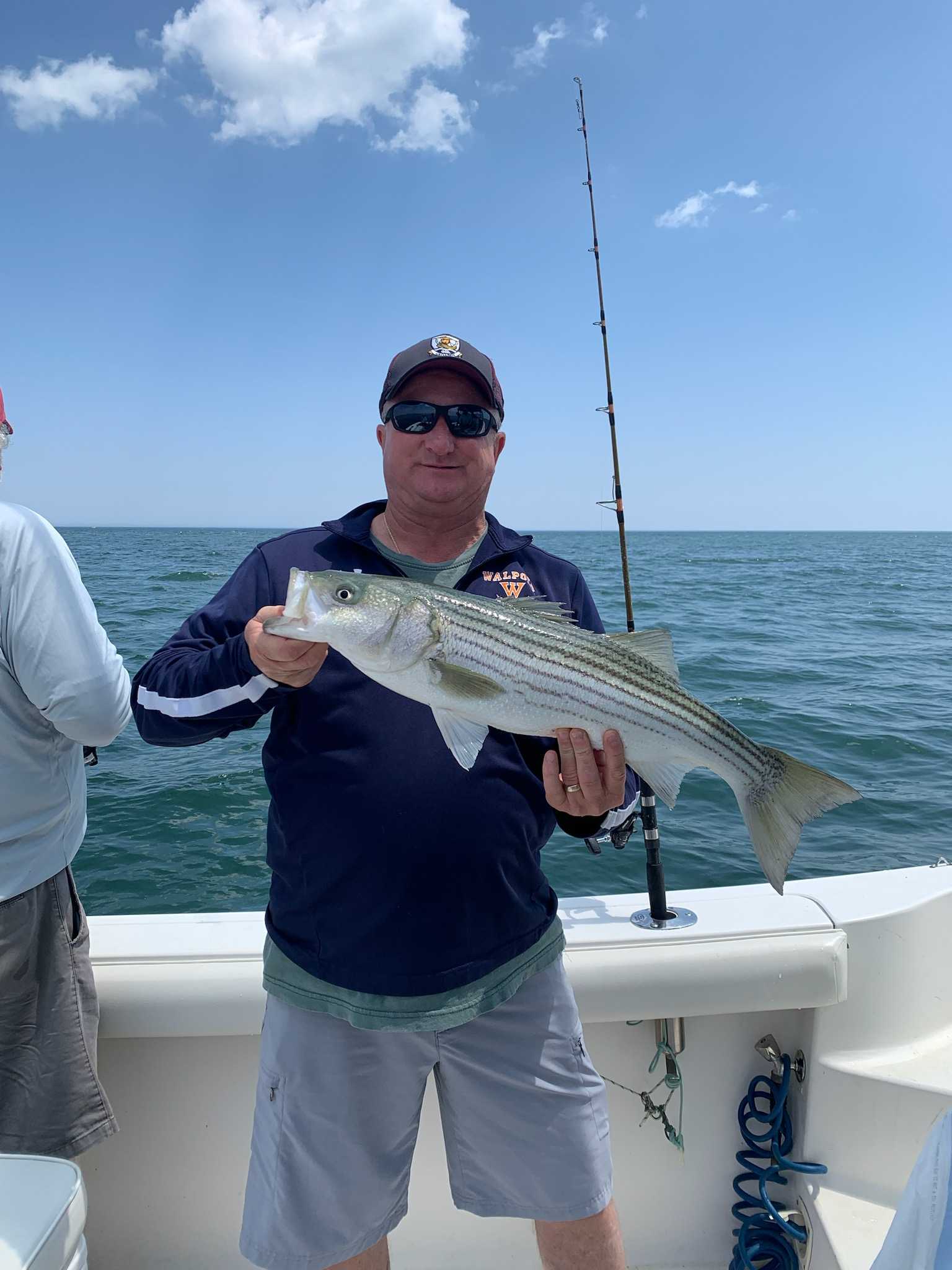
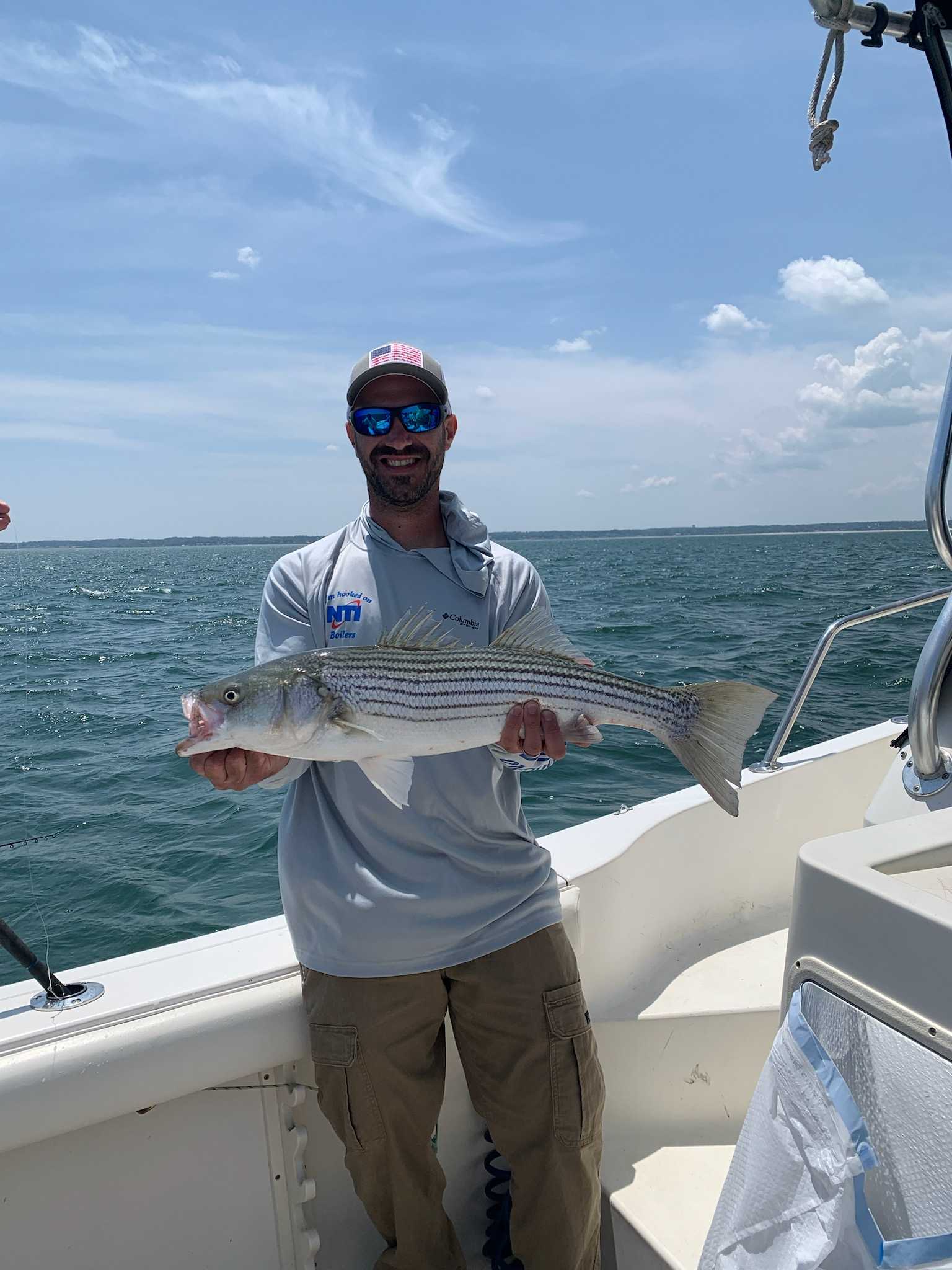
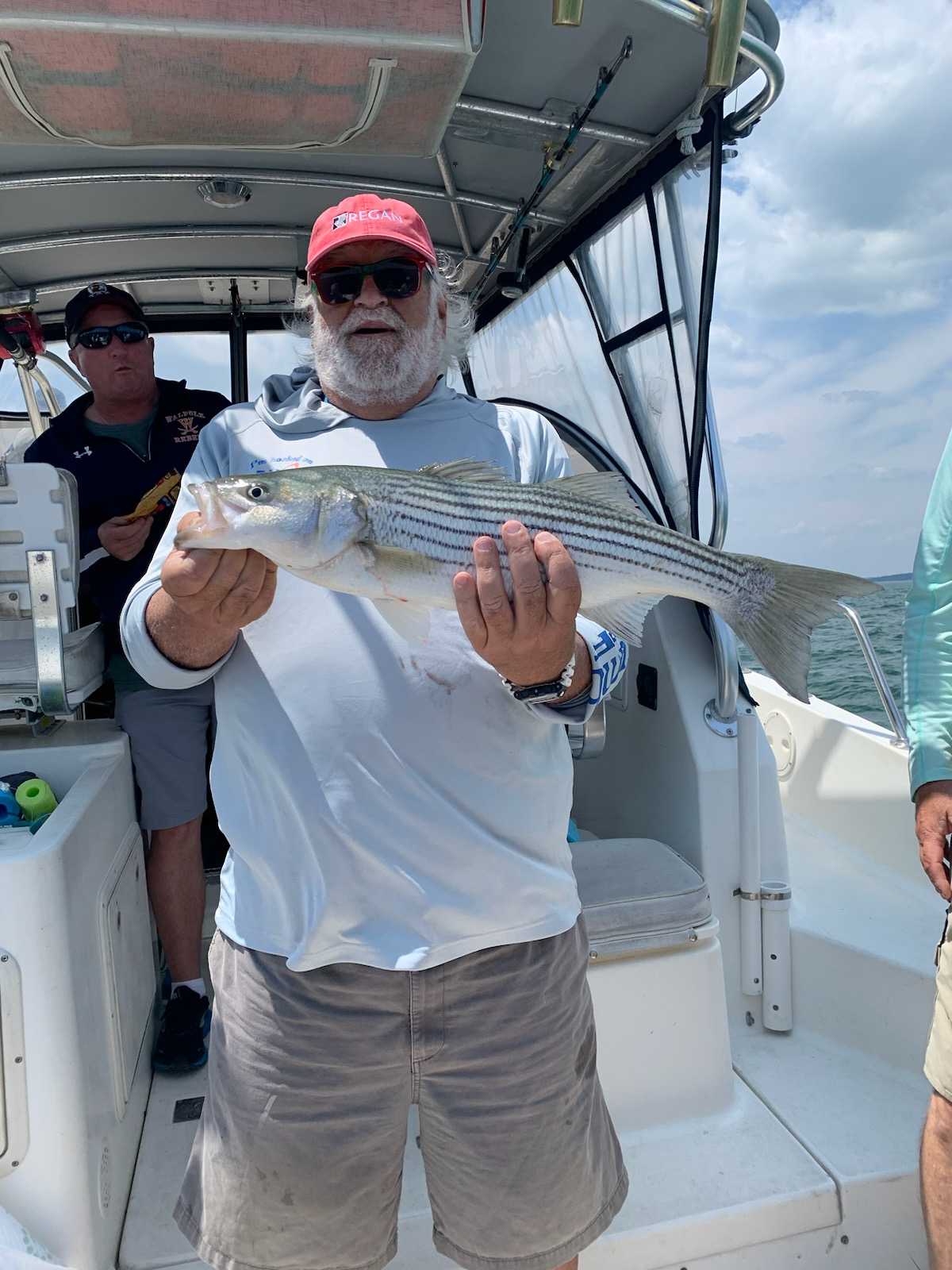
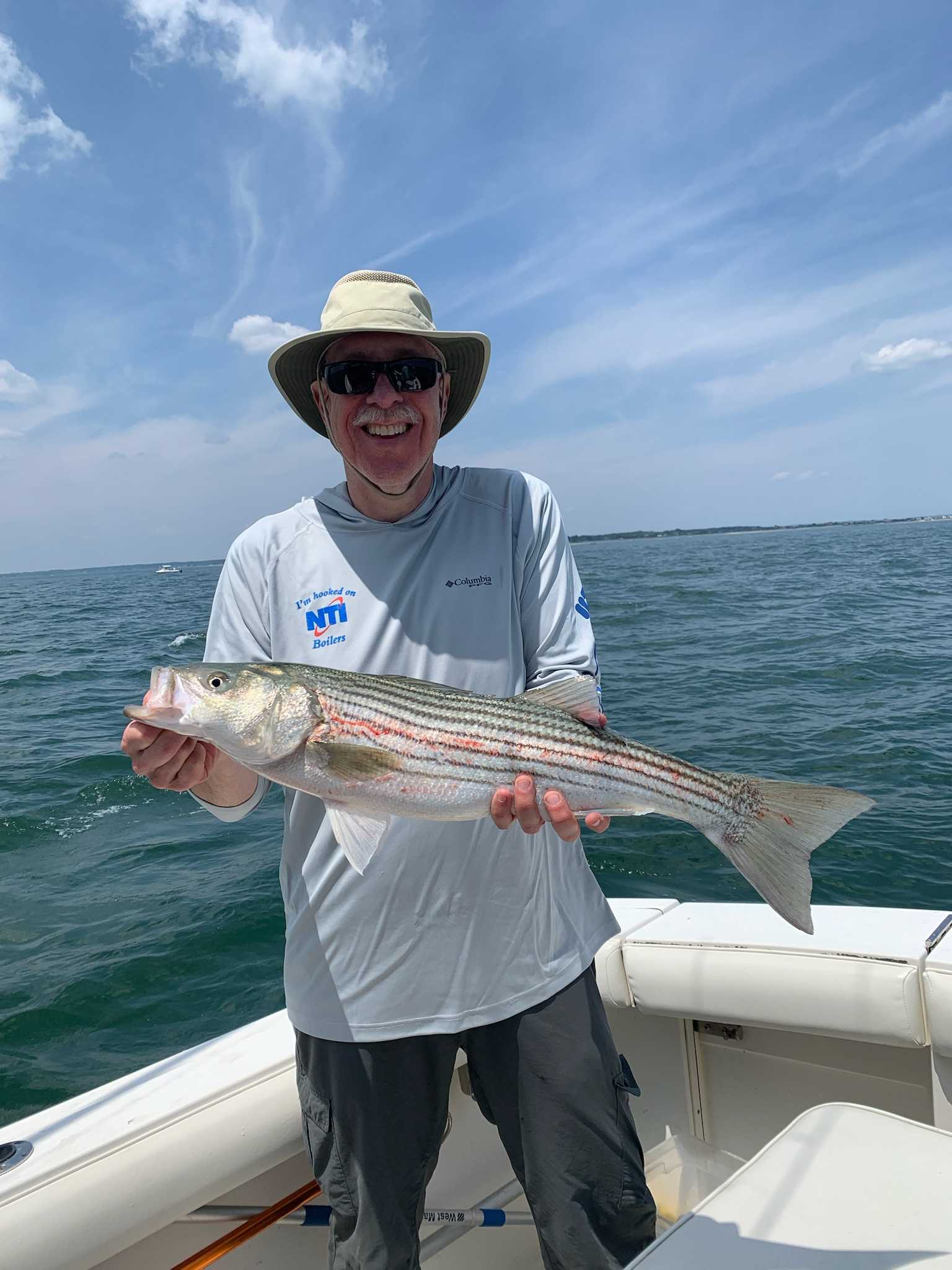
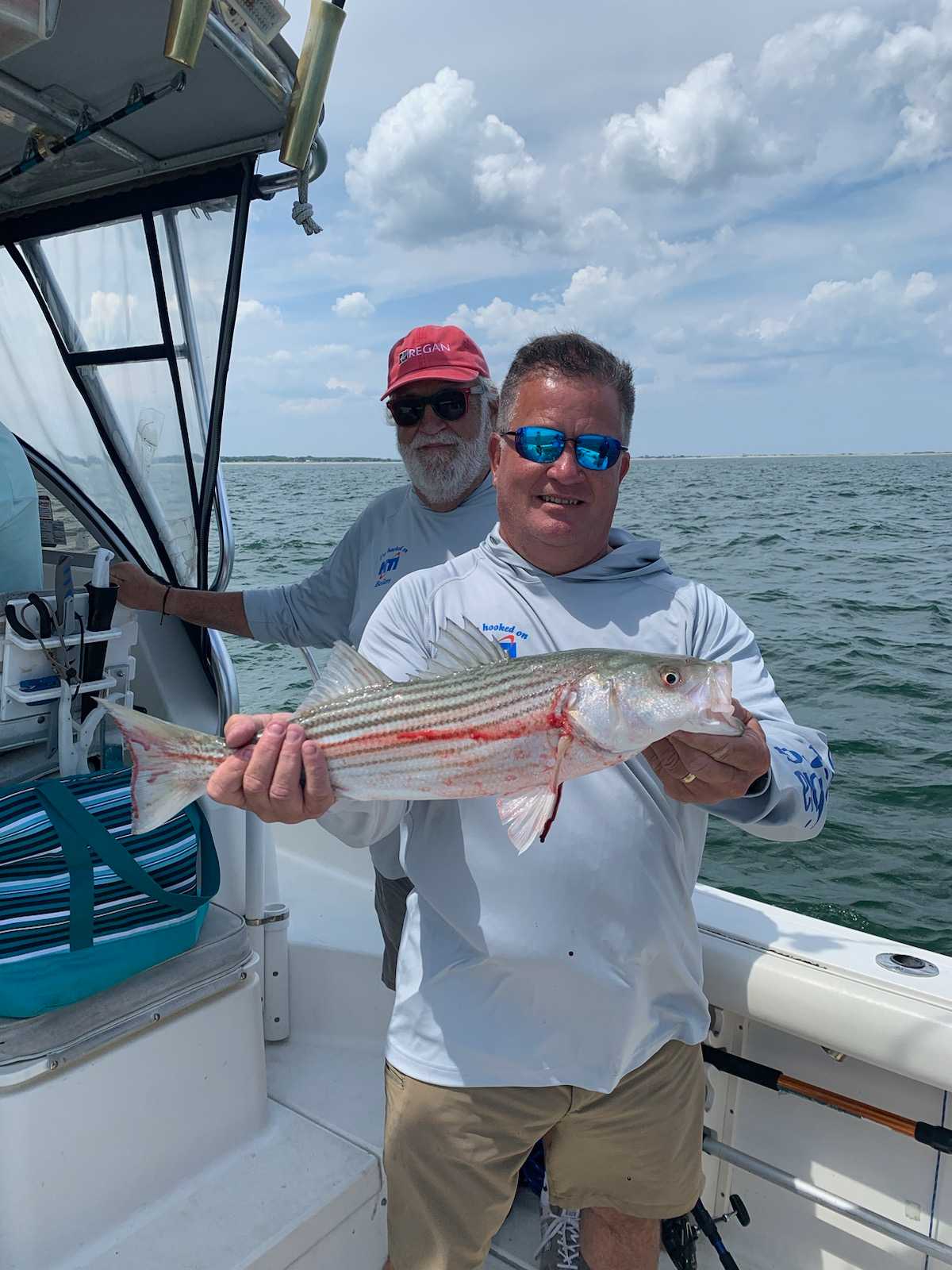
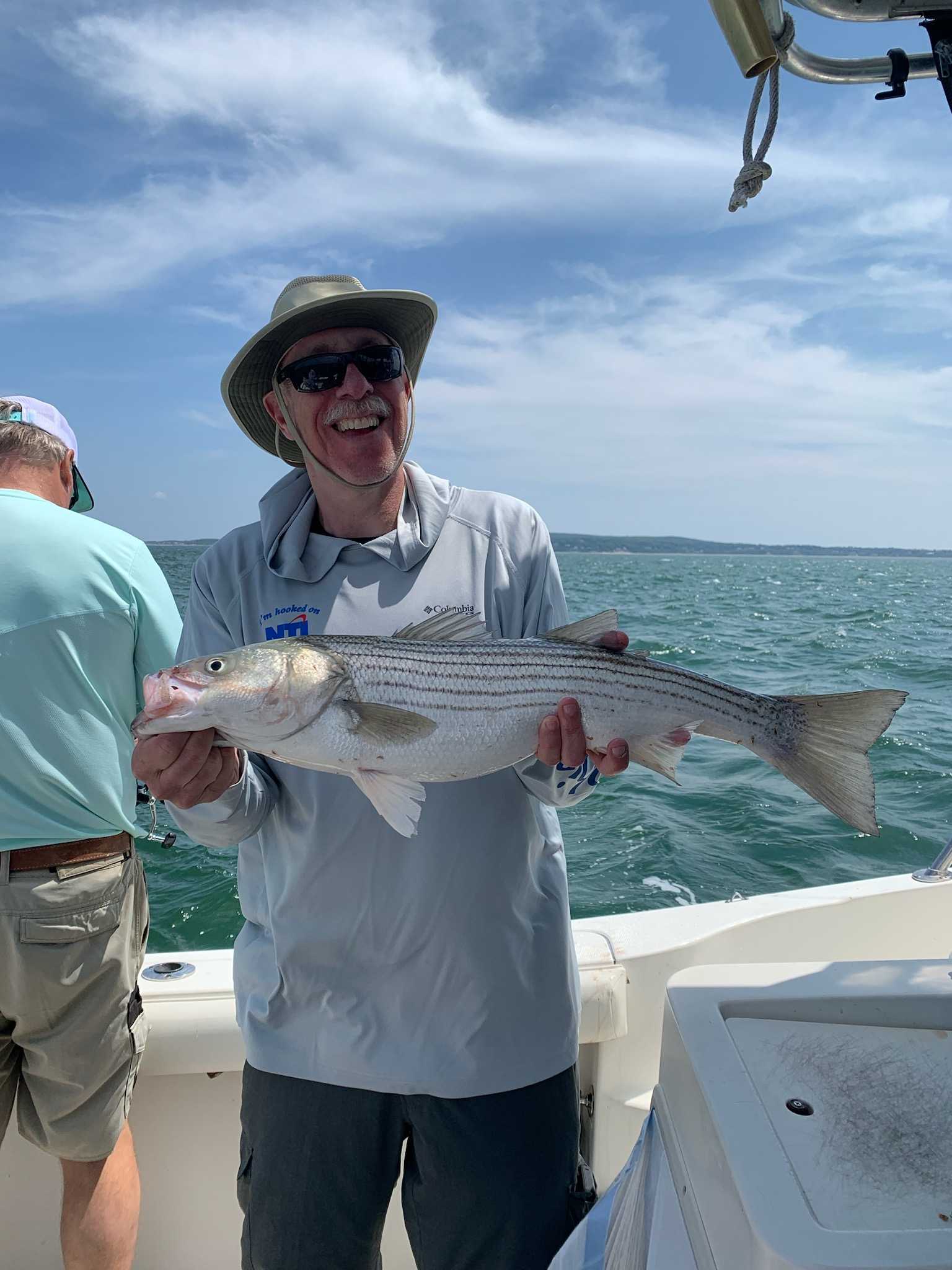
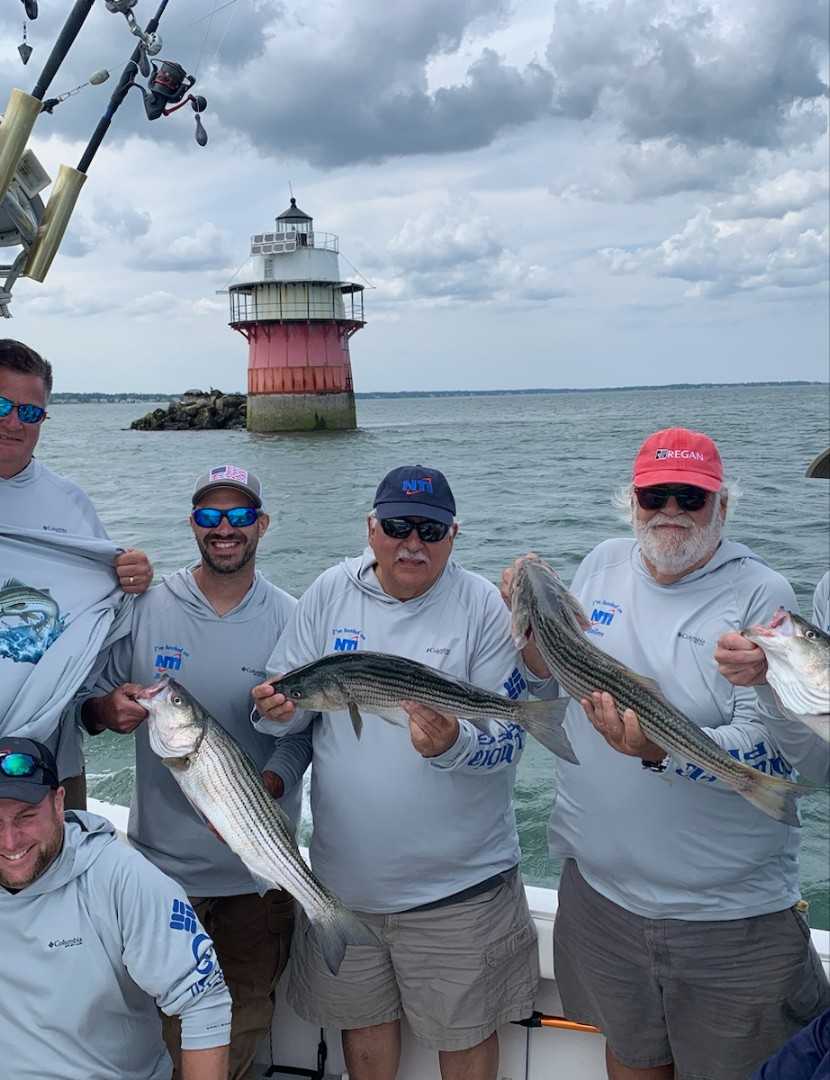
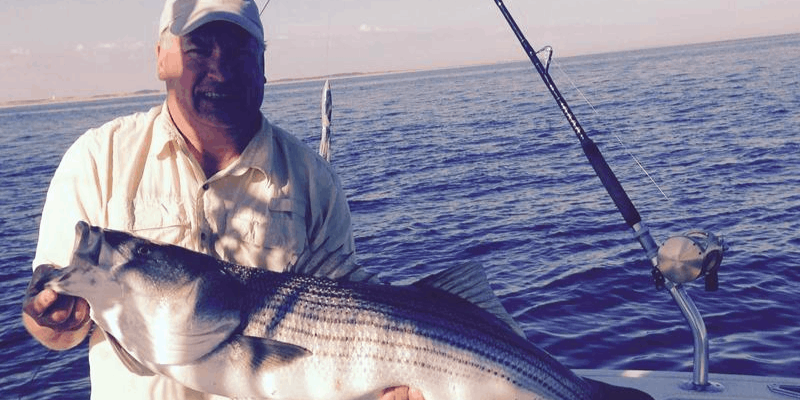
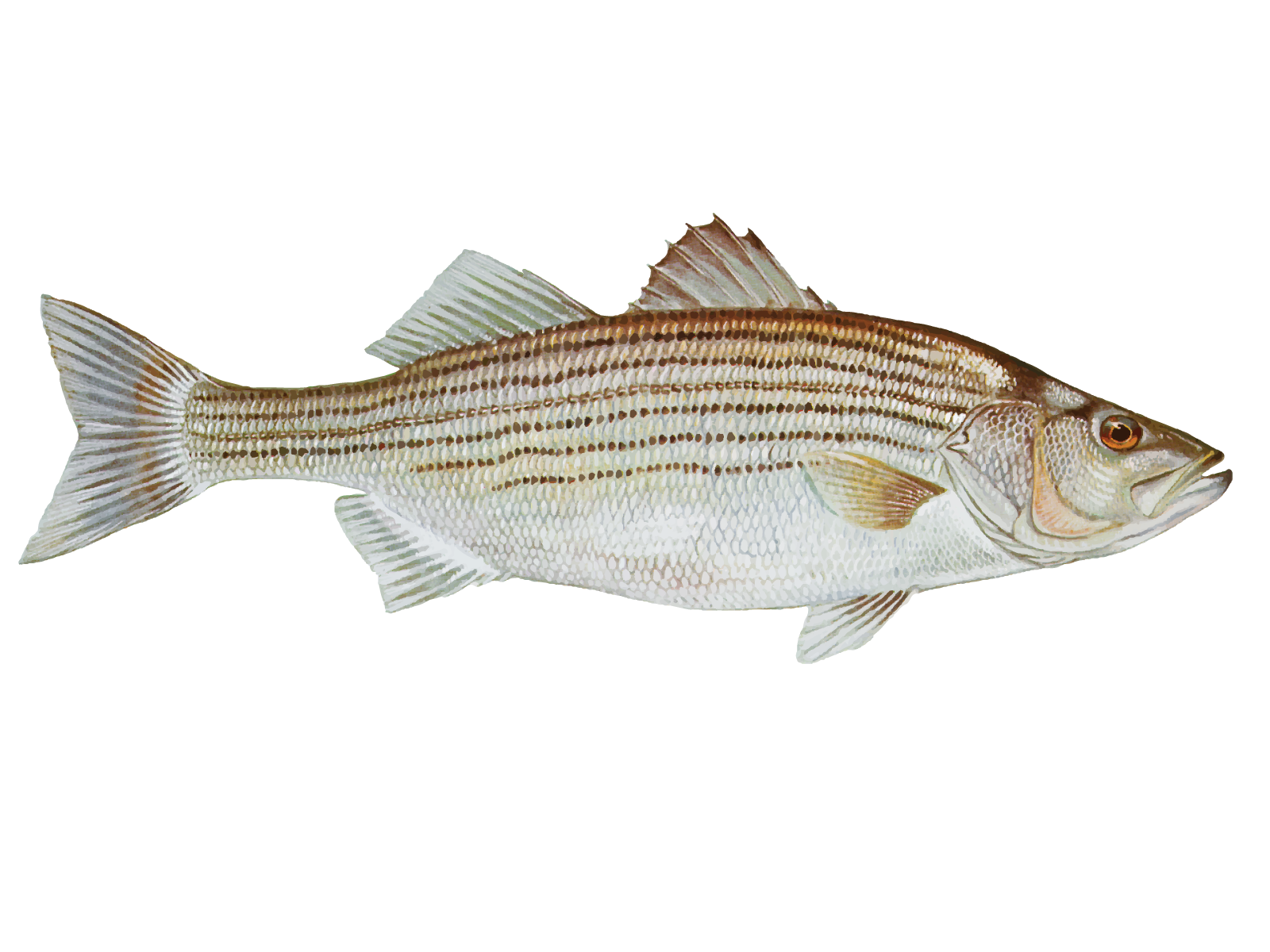
Striped bass are the backbone of Massachusetts fishing, and Plymouth Bay holds some true giants. These fish move into the bay following the spring herring runs and stick around through the fall, feeding heavily to build up reserves for their southern migration. Spring fish are typically hungry after the winter spawn and will hit just about anything you throw at them. Fall fishing can be even better when the fish are gorging on bait before heading south. A good Plymouth Bay striper runs 28 to 40 inches, with fish over 40 inches not uncommon during peak season. They're smart fish that have seen plenty of lures, so having a captain who knows how to present baits naturally makes all the difference.
Summer flounder, or fluke as most locals call them, are the perfect target when you want consistent action and great table fare. These flatfish love the sandy bottom areas of Plymouth Bay, where they bury themselves and ambush passing baitfish. Peak season runs from late spring through early fall, with the biggest fish typically showing up in deeper water during the hottest summer months. A keeper fluke in Massachusetts waters needs to be at least 19 inches, but the bay regularly produces fish in the 3 to 6-pound range. They're excellent eating and great fun on light tackle – just don't let their reputation as bottom fish fool you, because big fluke will absolutely smoke drag when they want to.
Bluefish are the perfect fish for kids and beginning anglers because they're aggressive, fight hard, and aren't too picky about presentations. When the blues are blitzing bait on the surface, the action can be absolutely wild – you can literally see the water boiling with feeding fish. They show up in Plymouth Bay during the warmer months and can range from small "snapper" blues perfect for kids to tackle-busting choppers that'll weigh 10 pounds or more. Fresh bluefish is fantastic on the grill, but you want to ice them down immediately and eat them within a day or two for the best flavor.
Atlantic mackerel might not be the biggest fish in the bay, but they're incredibly important to the ecosystem and can provide fast action when the bigger fish aren't cooperating. They travel in huge schools and are a primary food source for just about every predator fish in these waters. When you find a school of mackerel, you can often catch them as fast as you can drop your line, and they make excellent live bait for bigger fish. They're also surprisingly good eating when they're fresh – much better than most people expect from what they consider a "
 4.8(6 Reviews)
 Private Trip
 Inshore Fishing
 Top Rated
 Plymouth, MA



 Six-hour inshore fishing charter in Plymouth and Cape Cod Bay waters