Full-Day Backcountry Fishing Adventure
Looking for a fishing trip that covers all the bases? This 8-hour private backcountry charter gives you and one other angler the chance to explore multiple fishing environments in a single day. Starting at 8:00 AM, you'll work through river systems, inshore flats, nearshore waters, and backcountry spots that most anglers never see. At $500 for two people, you're getting serious bang for your buck – that's a full day on the water with a captain who knows where the fish are biting. The best part? If the weather doesn't cooperate or plans change, you can cancel up to three days out without penalty.
What to Expect on the Water
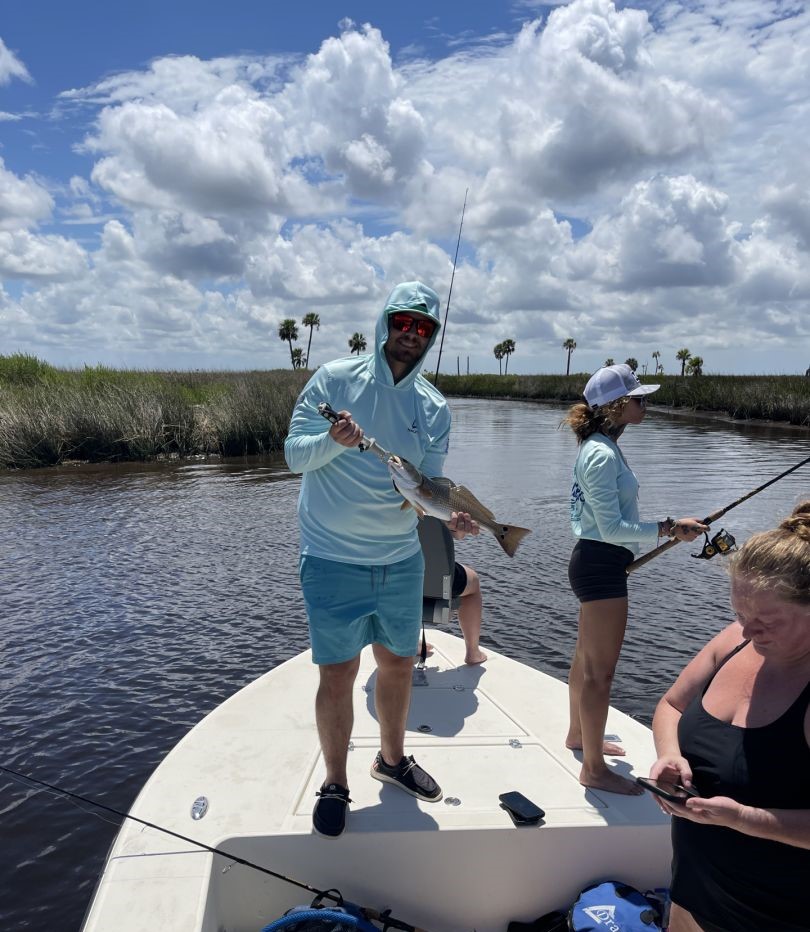
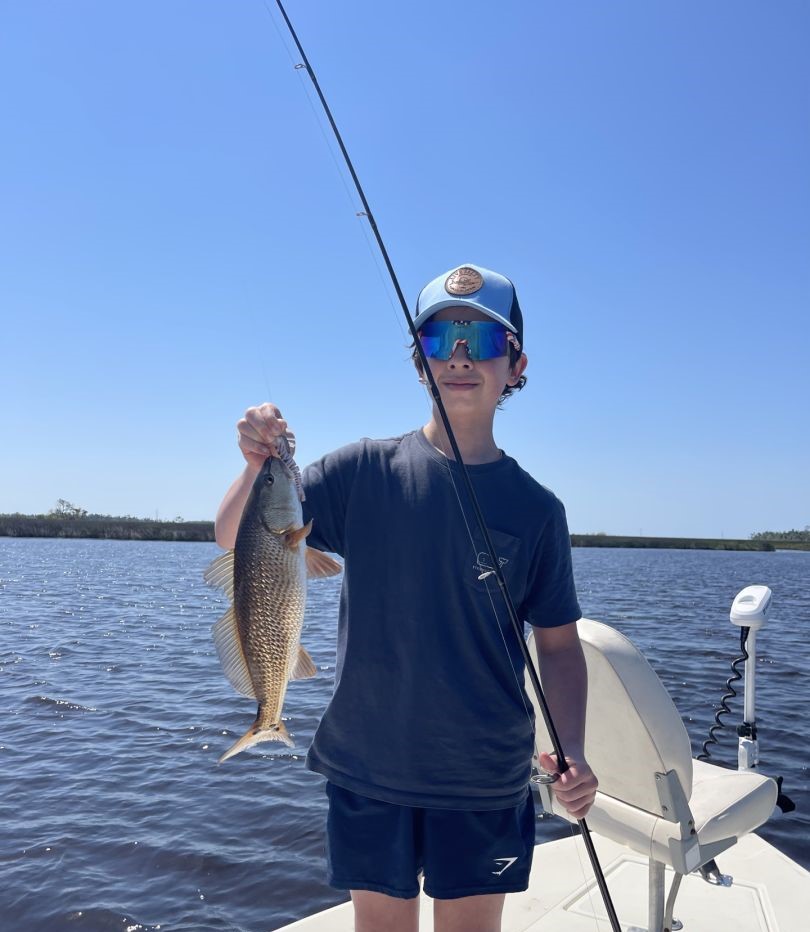
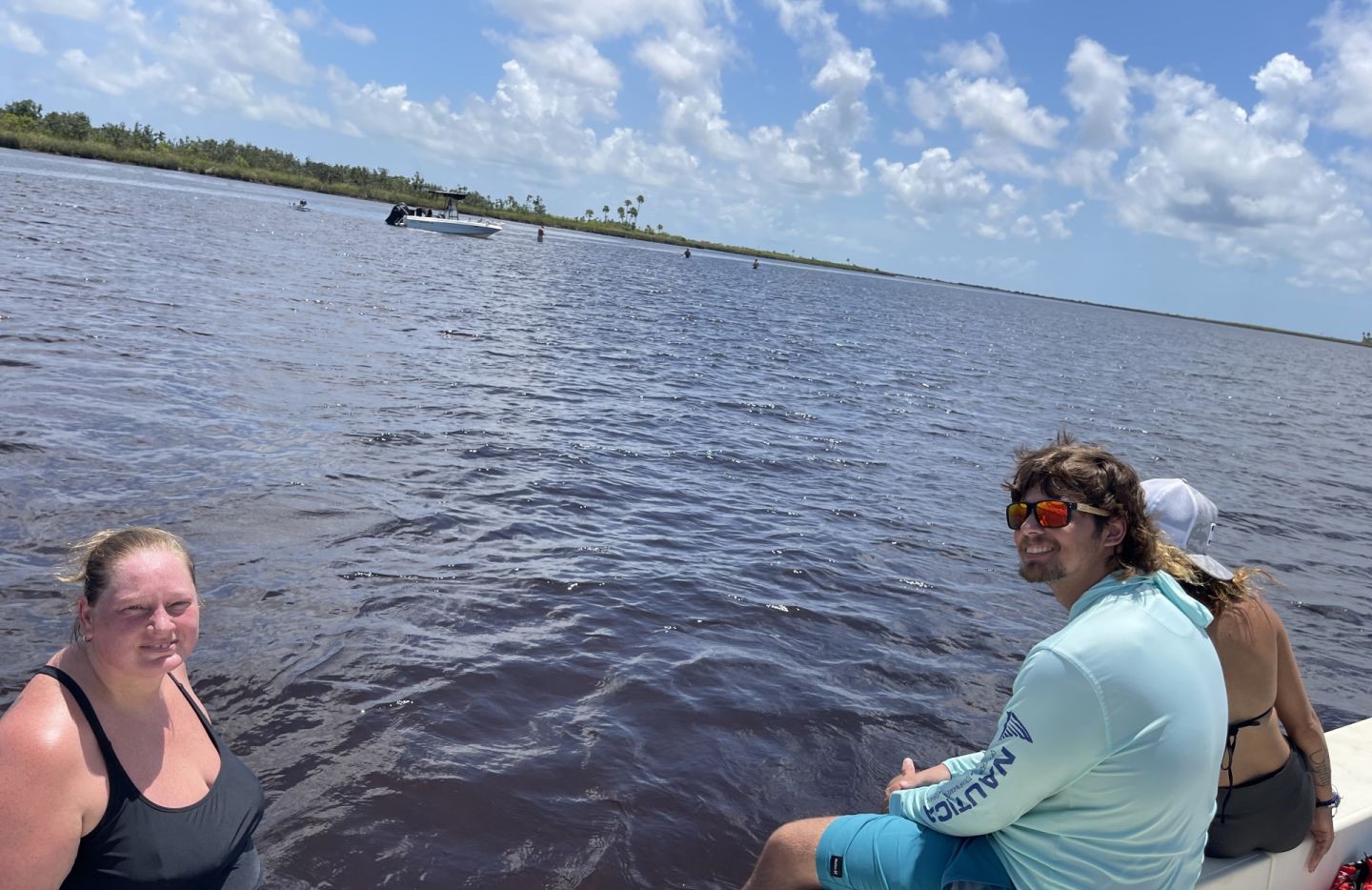
This isn't your typical half-day fishing trip where you hit one spot and call it good. Over eight hours, you'll move between different fishing environments depending on conditions, tides, and what's biting. The backcountry is where this trip really shines – shallow water flats, oyster bars, and creek mouths that hold some serious fish. Your captain will read the water and adjust the game plan throughout the day. Early morning might find you working creek mouths for redfish, midday could mean hitting deeper holes for black drum, and the afternoon might wrap up with some light tackle action on the flats. The private setup means no fighting for rod space or dealing with other anglers' gear – just you, your fishing partner, and a captain focused on putting you on fish.
Tackle Box & Techniques
Versatility is the name of the game on this charter. You'll cycle through different techniques based on what you're targeting and where you're fishing. Bottom fishing works great when you're over structure looking for sheepshead or black drum – drop a Carolina rig with the right bait and let the fish come to you. Light tackle gets the nod on the flats where redfish and trout cruise in skinny water. If you're into fly fishing, bring your 8-weight – there's nothing like watching a red blow up on a well-placed clouser. Popping with topwater lures during the right conditions can produce some heart-stopping strikes, especially early and late in the day. When you move to deeper water or need to cover ground, trolling lets you search for fish while staying mobile. Heavy tackle comes into play if bigger fish show up or conditions get rough. The captain will have the right gear for each situation, but bringing your own favorite rods is always welcome.
Top Catches This Season
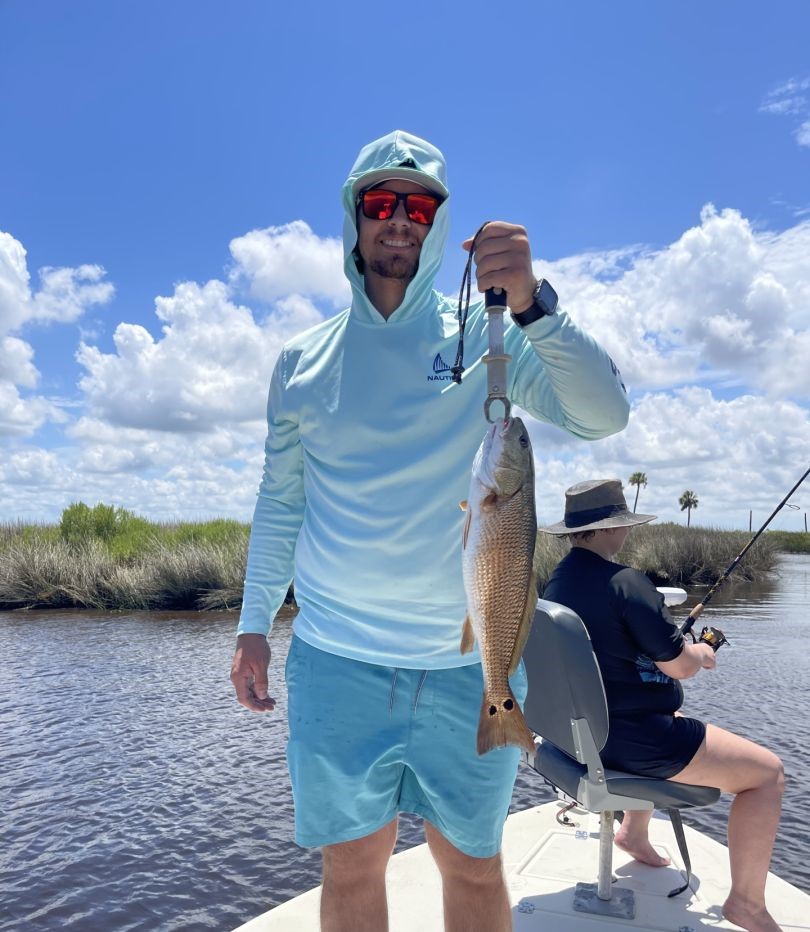
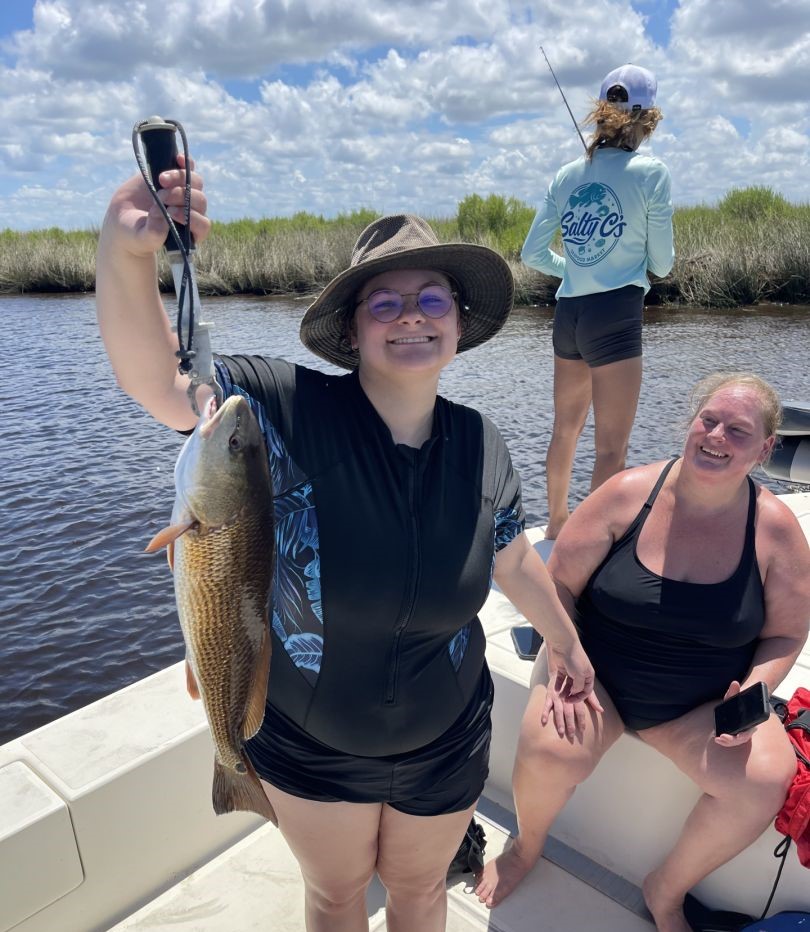
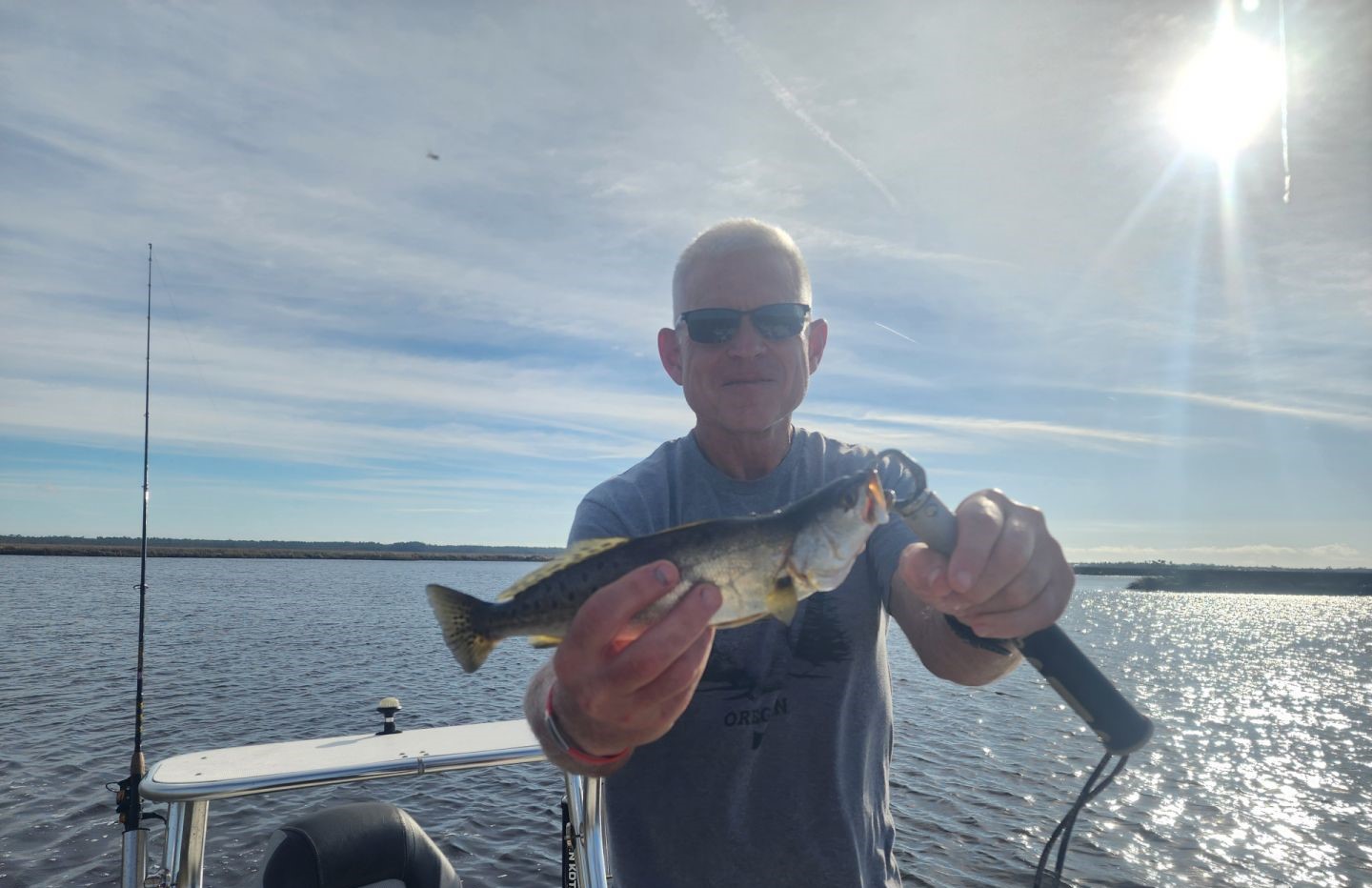
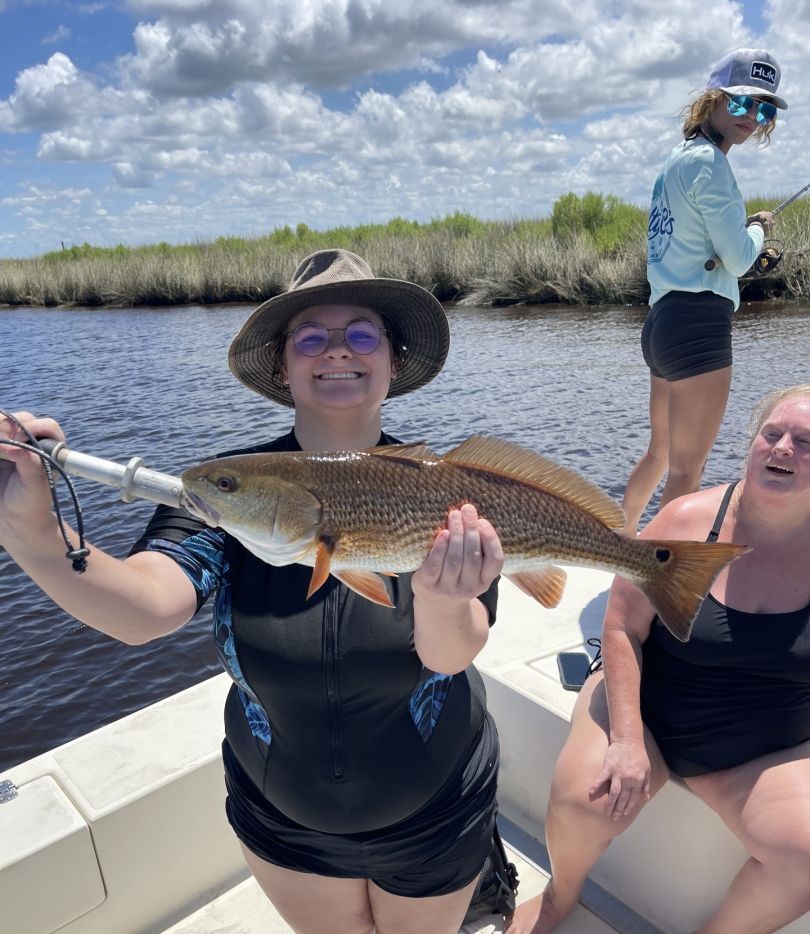
The target species list reads like a backcountry angler's wish list. Black drum are the heavyweight champions of this fishery – these bruisers can push 30+ pounds and will test your drag system. They love oyster bars and deeper holes, especially during moving water. Summer flounder provide excellent table fare and a good fight on light tackle. Look for them around sandy bottoms and channel edges where they ambush baitfish. Sheepshead are the technical challenge of the group – these bait thieves require patience and the right presentation around structure. Their crushing bite and zebra stripes make them a favorite target. Sea trout, particularly the bigger gator trout, patrol grass flats and drop-offs. They'll hit both live bait and artificials, making them perfect for anglers who like variety. Redfish are the stars of the show in backcountry waters. These copper-colored fighters cruise shallow flats, root around oyster bars, and provide some of the most visual fishing you'll find. A slot red on light tackle in two feet of water is pure fishing magic.
Time to Book Your Spot
An 8-hour private charter covering multiple fishing environments for $500 is tough to beat, especially with the species diversity these waters offer. The flexible cancellation policy takes the risk out of booking, and the private setup means you're not sharing the experience with strangers. Whether you're a seasoned angler looking to explore new water or someone wanting to maximize their time on a fishing trip, this backcountry adventure delivers. The combination of techniques, environments, and target species means there's always something happening. Book early – good captains and prime dates fill up fast, especially during peak seasons when the fishing is hot.
 Private Trip
 Backcountry Fishing
 Florida


 Full-day private charter targeting redfish, trout, and flounder