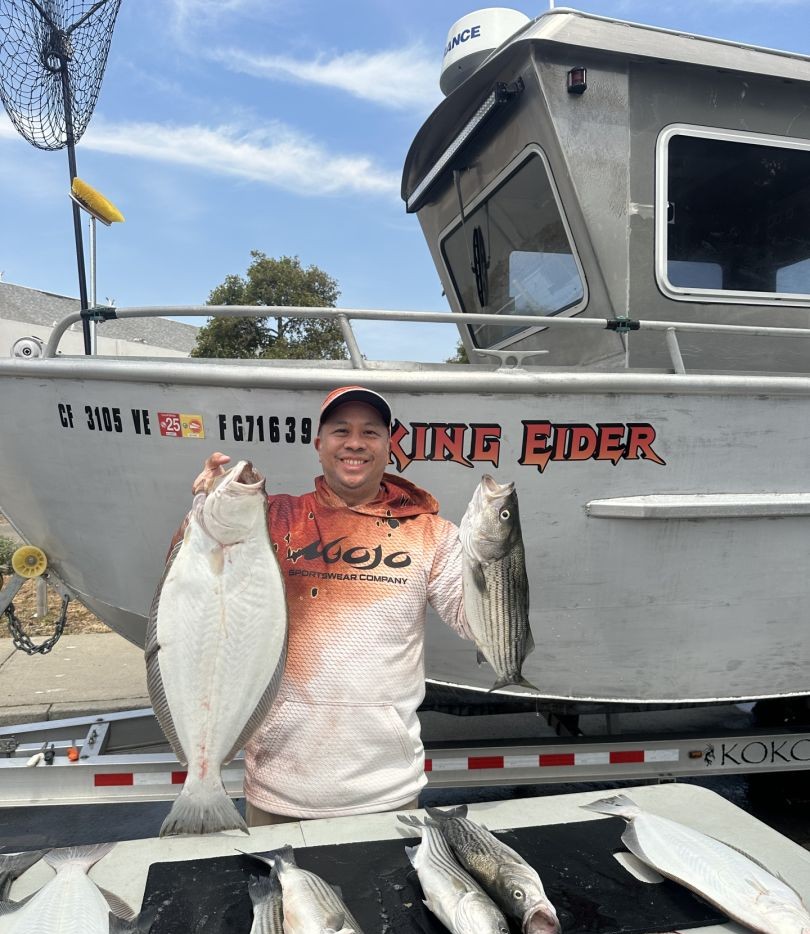
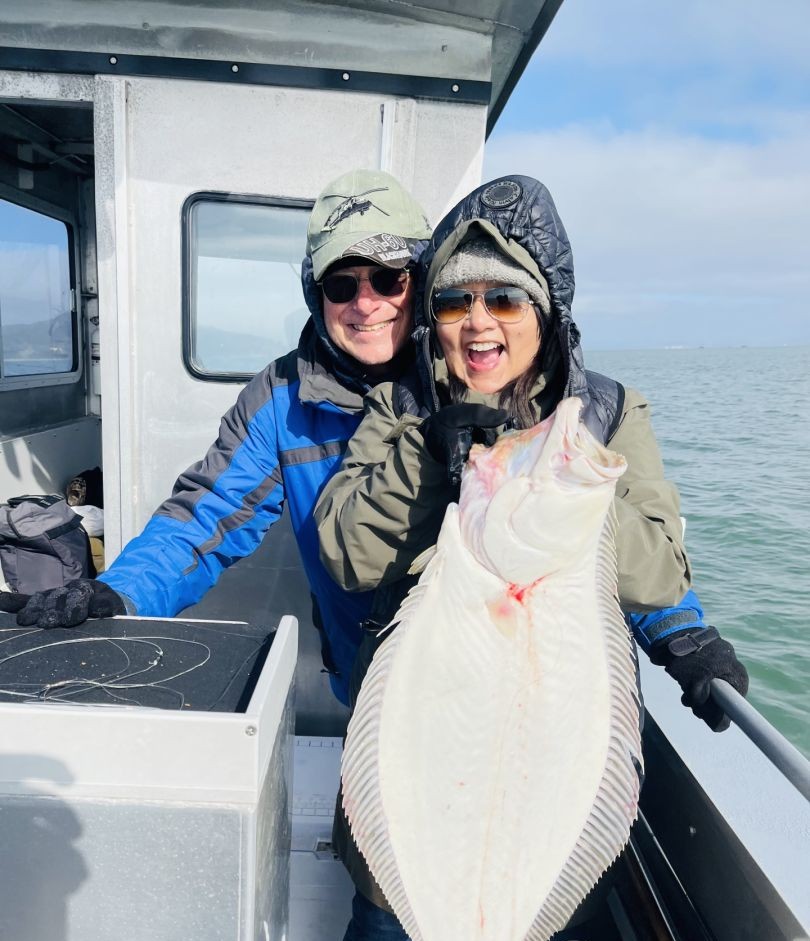
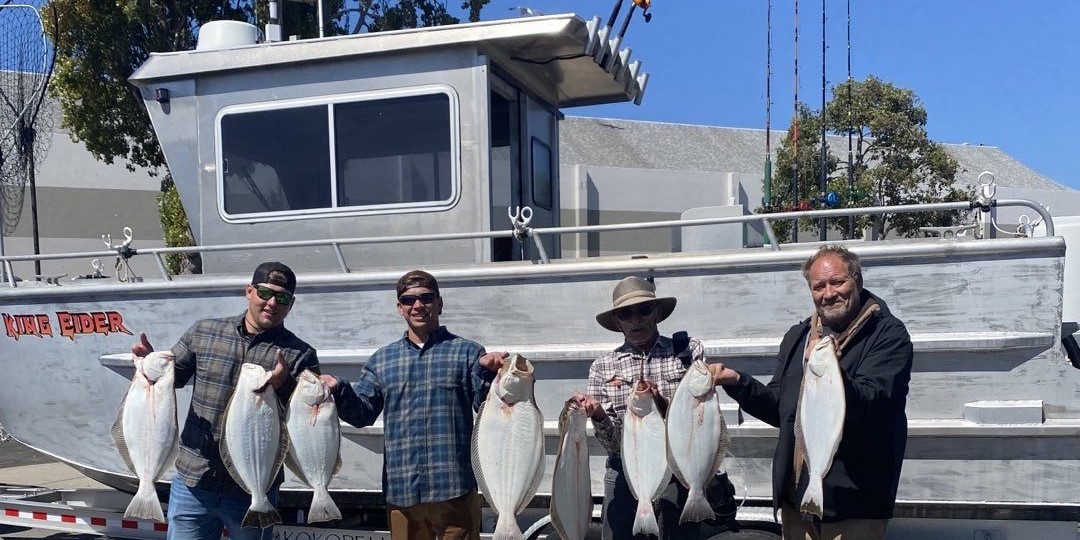
California Sturgeon Fishing Trip!
Looking for a fishing adventure that'll get your drag screaming? This offshore sturgeon trip out of California waters is where serious anglers come to tangle with some of the biggest, strongest fish swimming in the Pacific. Captain David Rooney knows exactly where these prehistoric giants hang out, and he's ready to put you on them. With room for just 5 anglers, you'll get the personalized attention and prime fishing spots that make the difference between going home with stories and going home with bragging rights.
What to Expect on the Water
This isn't your typical half-day fishing trip – we're talking about a real offshore experience that separates the weekend warriors from the dedicated anglers. You'll be heading out into California's prime sturgeon waters where these ancient fish have been cruising for millions of years. The boat fires up early, and we'll be running to productive grounds where the bottom structure and currents create perfect sturgeon habitat. Expect to be anchored up over muddy bottoms in 20-60 feet of water, sometimes deeper depending on conditions and where the fish are holding. The action can be steady once you dial in the right spots, but sturgeon fishing requires patience – these fish don't rush into anything. When they do hit though, you'll know it. That slow, heavy pull followed by a freight train run will test every bit of your tackle and technique. Don't plan on bringing lunch – you'll be too focused on your rod tip to think about eating, and we keep things simple so you can concentrate on fishing.
Tackle Talk & Techniques
Sturgeon fishing is all about heavy tackle and patience. We're talking 7-8 foot medium-heavy to heavy rods with conventional reels loaded with at least 30-pound test, though 40-50 pound is even better when you're targeting the big whites. The standard rig is a Carolina setup with a sliding sinker – usually 6-8 ounces depending on current – above a swivel, then 18-24 inches of 60-80 pound leader to your hook. Circle hooks in sizes 8/0 to 10/0 are the way to go, and they're required in many areas anyway. Bait is king in the sturgeon game: fresh salmon roe, ghost shrimp, mud shrimp, bloodworms, and anchovies are all top producers. The key is keeping your bait fresh and your presentation natural. You'll be fishing right on the bottom, letting the current work your bait while you wait for that telltale tap-tap-pull that signals a sturgeon is mouthing your offering. When you get bit, don't set the hook hard – let the circle hook do its job as the fish moves off with the bait. These fish fight dirty too, rolling and using their bony plates to try cutting your line, so be ready for a battle that can last 20-30 minutes on a good fish.
Top Catches This Season
The sturgeon bite in California waters has been solid, with anglers consistently connecting with fish ranging from slot-sized keepers to massive specimens that'll make your arms burn. Early morning and late afternoon seem to be prime time, especially when the tide is moving. We've been seeing good numbers of fish in the 4-6 foot range, with some real monsters pushing 7-8 feet showing up for lucky anglers. The key has been staying mobile and following the bait fish – where you find schools of anchovies and sardines, the sturgeon aren't far behind. Recent trips have produced multiple hookups, with some days seeing every angler on the boat get bent. The fish have been holding in their typical spots over muddy bottoms, but they've also been pushing into shallower water during certain tidal movements, which has made for some exciting fishing in 25-35 feet of water.
Species You'll Want to Hook
White Sturgeon are the crown jewel of California sturgeon fishing and the main target on this trip. These massive fish can live over 100 years and reach lengths of 15+ feet, though most fish you'll encounter run 4-8 feet. They're bottom feeders with excellent senses of smell and taste, using their barbels to locate food in murky water. The best fishing typically runs from late fall through early spring when water temperatures drop and the fish become more active. What makes white sturgeon so special is their incredible fighting ability – they're pure power wrapped in prehistoric armor. When hooked, they'll make long, sustained runs and perform barrel rolls trying to throw the hook. The regulations are strict with slot limits to protect breeding stock, but landing a keeper white sturgeon is a legitimate trophy that many anglers chase for years.
Shortnose Sturgeon are the smaller cousins in California waters, typically running 2-4 feet in length. They're actually quite rare to encounter, making them a special catch when they do show up. These fish prefer deeper, cooler waters and are more commonly found in the northern parts of the state. They feed primarily on small crustaceans, worms, and mollusks, so smaller baits often work better. While they don't have the size of their white sturgeon relatives, they're scrappy fighters that will surprise you with their strength. Most shortnose sturgeon must be released due to their conservation status, but getting one to the boat is still a memorable experience that adds variety to any sturgeon trip.
Shovelnose Sturgeon round out the trio and are probably the most aggressive feeders of the bunch. Running 2-4 feet on average, they're found throughout California's coastal and bay waters. These fish have a distinctive shovel-shaped snout and are more active during warmer months compared to their larger cousins. They'll hit a variety of baits and tend to fight harder pound-for-pound than white sturgeon, making multiple runs and staying active throughout the fight. Shovelnose are also great eating if you're within the regulations, with firm, white meat that's perfect for the grill. They're often the most cooperative species when fishing gets
 Private Trip
 Offshore Fishing
 San Francisco, CA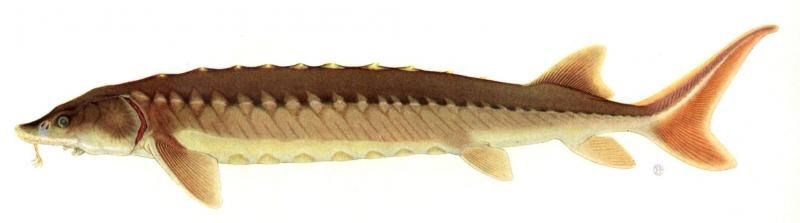


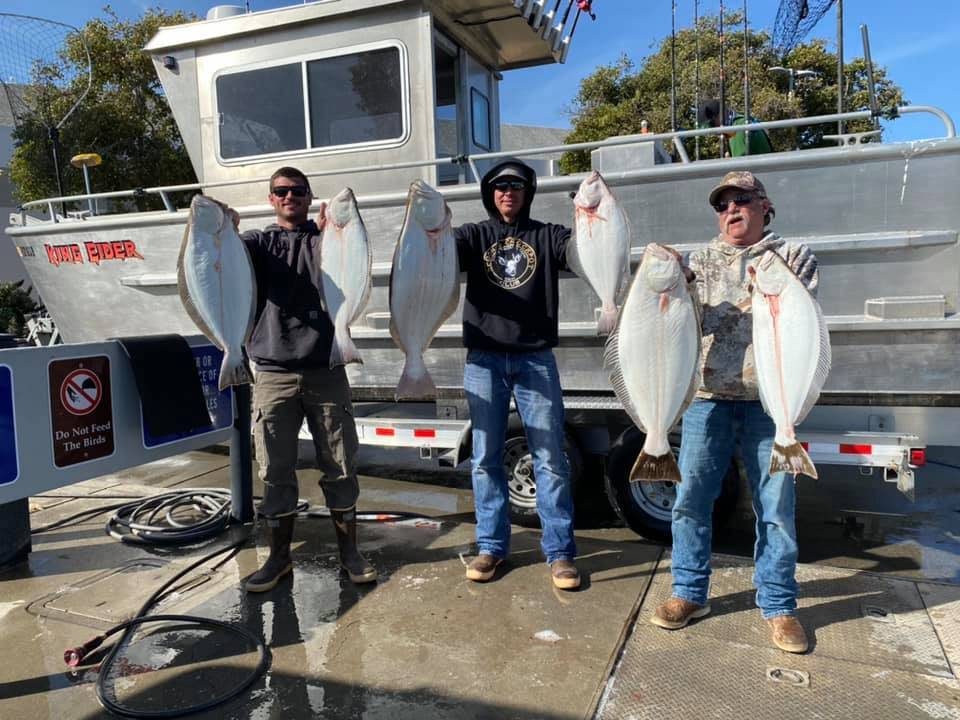
 Offshore sturgeon fishing adventure in California waters