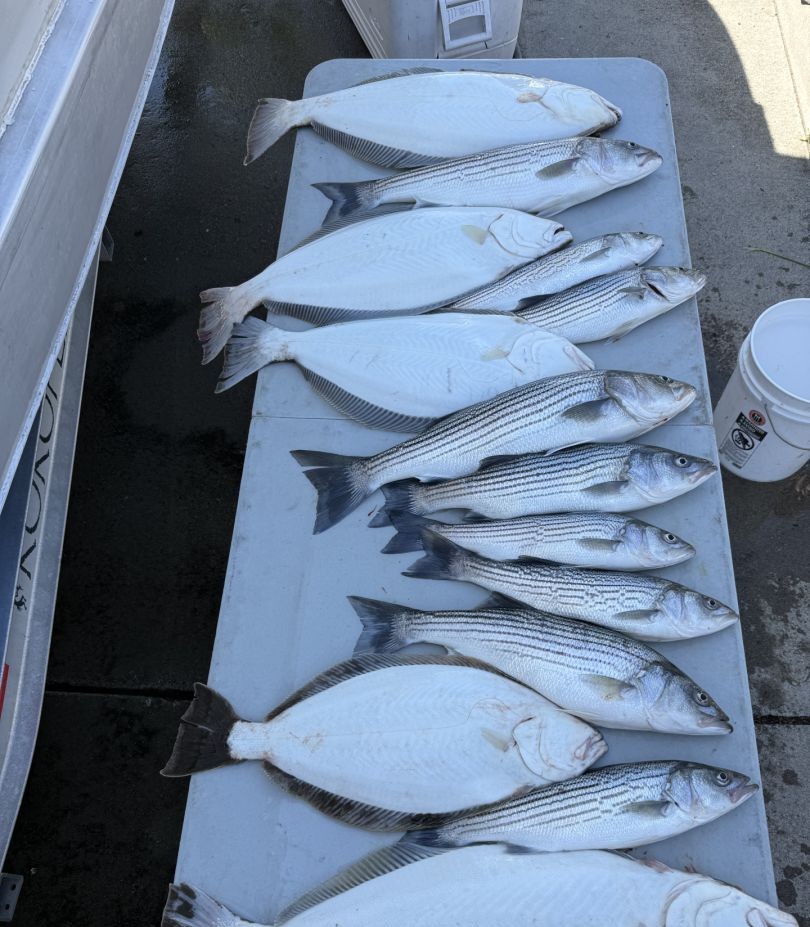
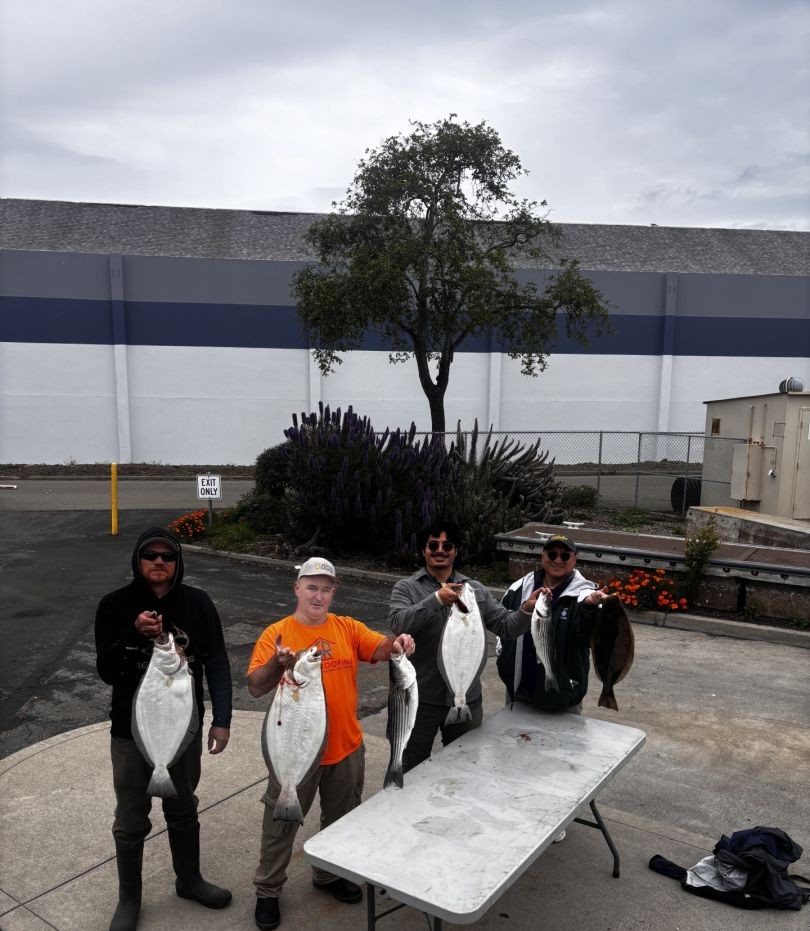
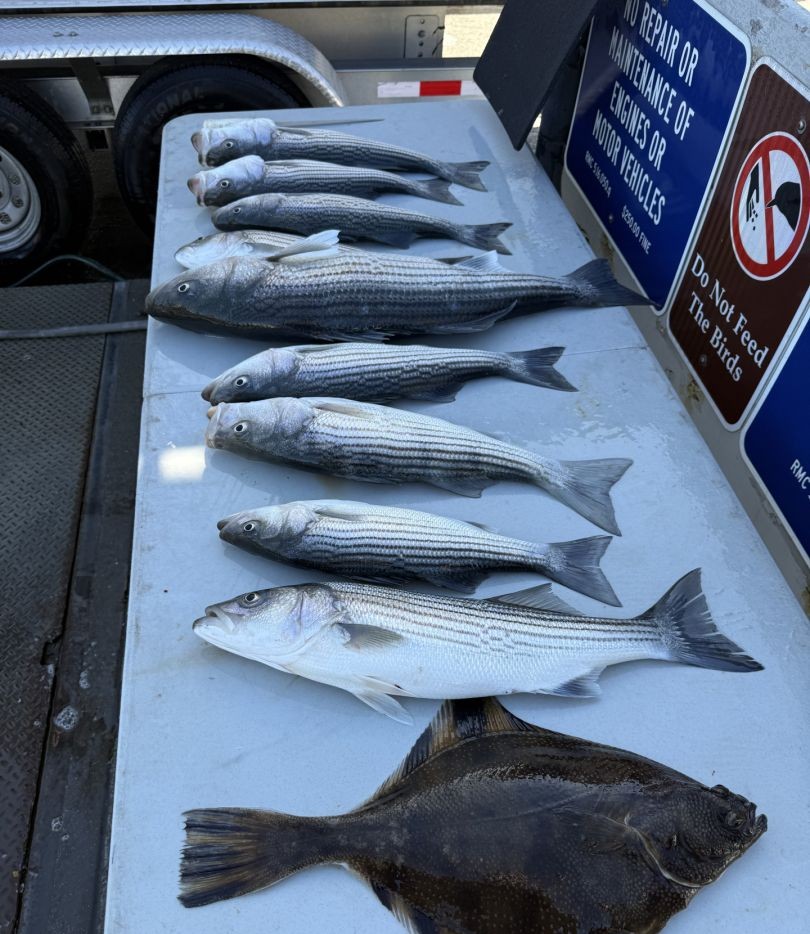
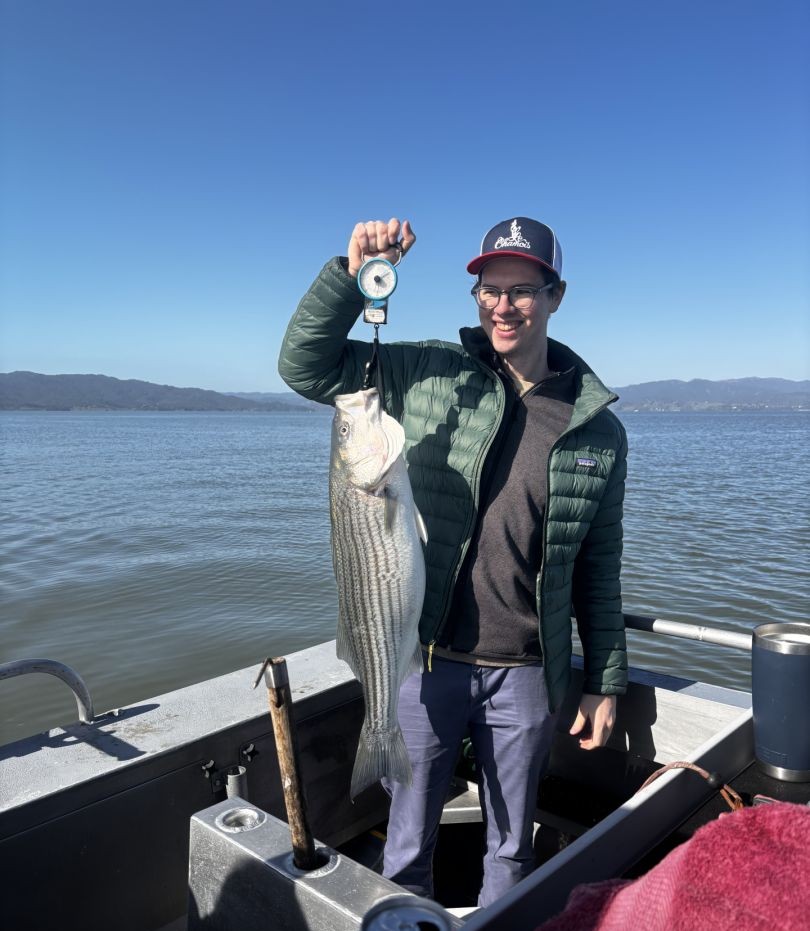
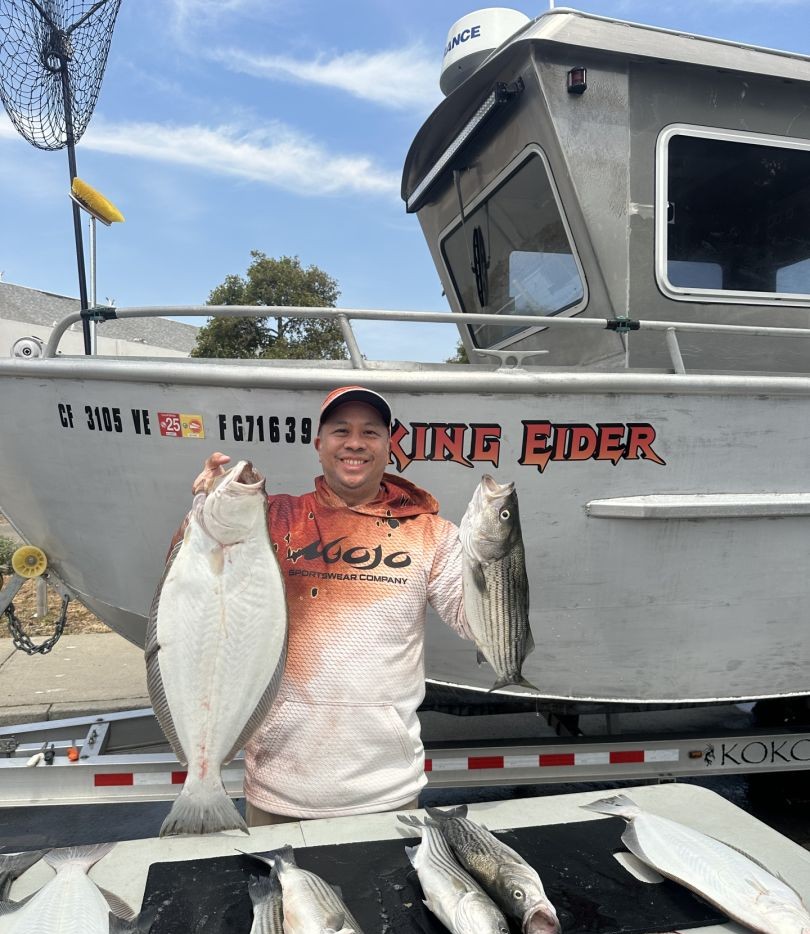
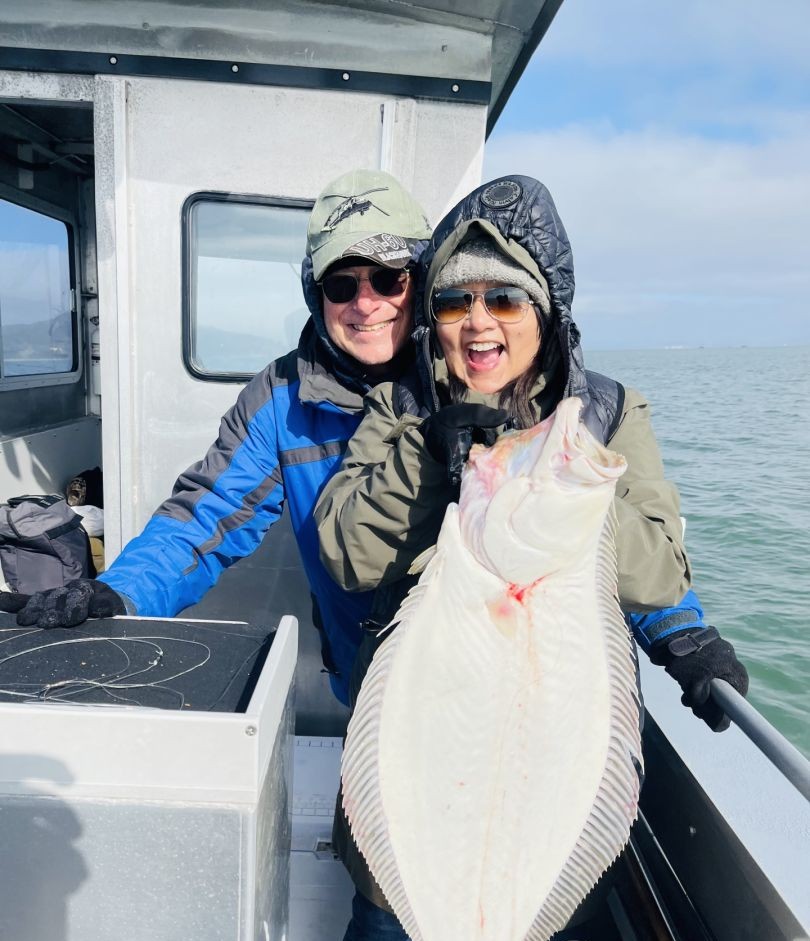
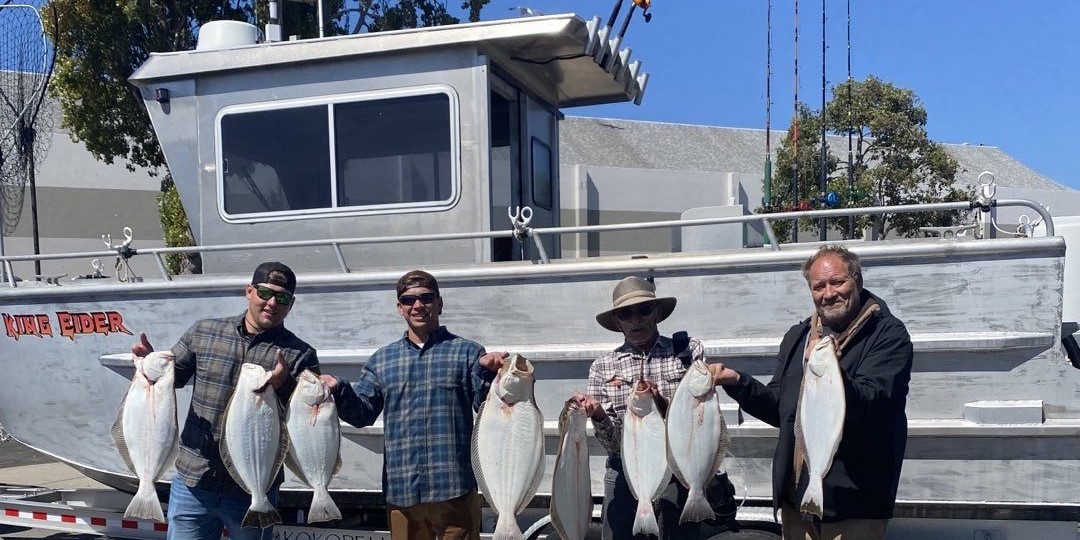
Striper Fishing and Halibut Fishing Trip California!
If you're serious about putting some quality fish in the cooler, this 8-hour offshore adventure with Captain David Rooney is exactly what you've been looking for. We're talking about a full day on the water targeting some of California's most prized species – striped bass and halibut – with plenty of time to work the best spots and really dial in on where the fish are holding. This isn't a rushed half-day deal where you're barely getting your lines wet before heading back to the dock. With 8 solid hours, we can cover serious ground and hit multiple productive areas until we find what we're after.
What to Expect on the Water
Captain David knows these offshore waters like the back of his hand, and he's not shy about putting in the work to get you on fish. The beauty of booking a dedicated 8-hour charter is that we've got the flexibility to chase the bite wherever it takes us. Some days the stripers are stacked up on the shallow structure, other days we're grinding deeper water for those barn door halibut. The boat accommodates up to 5 anglers, so you're not fighting for rail space or dealing with a crowded deck – there's plenty of room to work your gear and actually enjoy the experience. Captain David handles all the navigation and fish-finding, plus he's happy to clean your catch at the end of the day for a small additional fee. Just remember to pack your own snacks and drinks because 8 hours on the water works up an appetite, and staying fueled keeps you sharp when that big fish finally decides to bite.
Techniques and Tackle
Offshore fishing for stripers and halibut requires a completely different approach than what you might use from shore or in the bay. We're talking about working structure, drop-offs, and current breaks where these fish stack up to ambush baitfish. For stripers, we'll often start with live bait – anchovies or sardines – fished on sliding sinker rigs that let the bait move naturally in the current. When the bass are aggressive, we'll switch to iron jigs or swimbaits that we can work through the water column to trigger reaction strikes. Halibut fishing is more of a patience game – we're drifting or slow-trolling with live bait near the bottom, watching for that subtle tap that means a flatfish just picked up your offering. Captain David provides all the rods, reels, and terminal tackle you'll need, but if you've got your own favorite setup, bring it along. The key to success out here is reading the conditions and adapting your technique – some days the fish want a slow, finesse presentation, other days they're crushing anything that moves.
Top Catches This Season
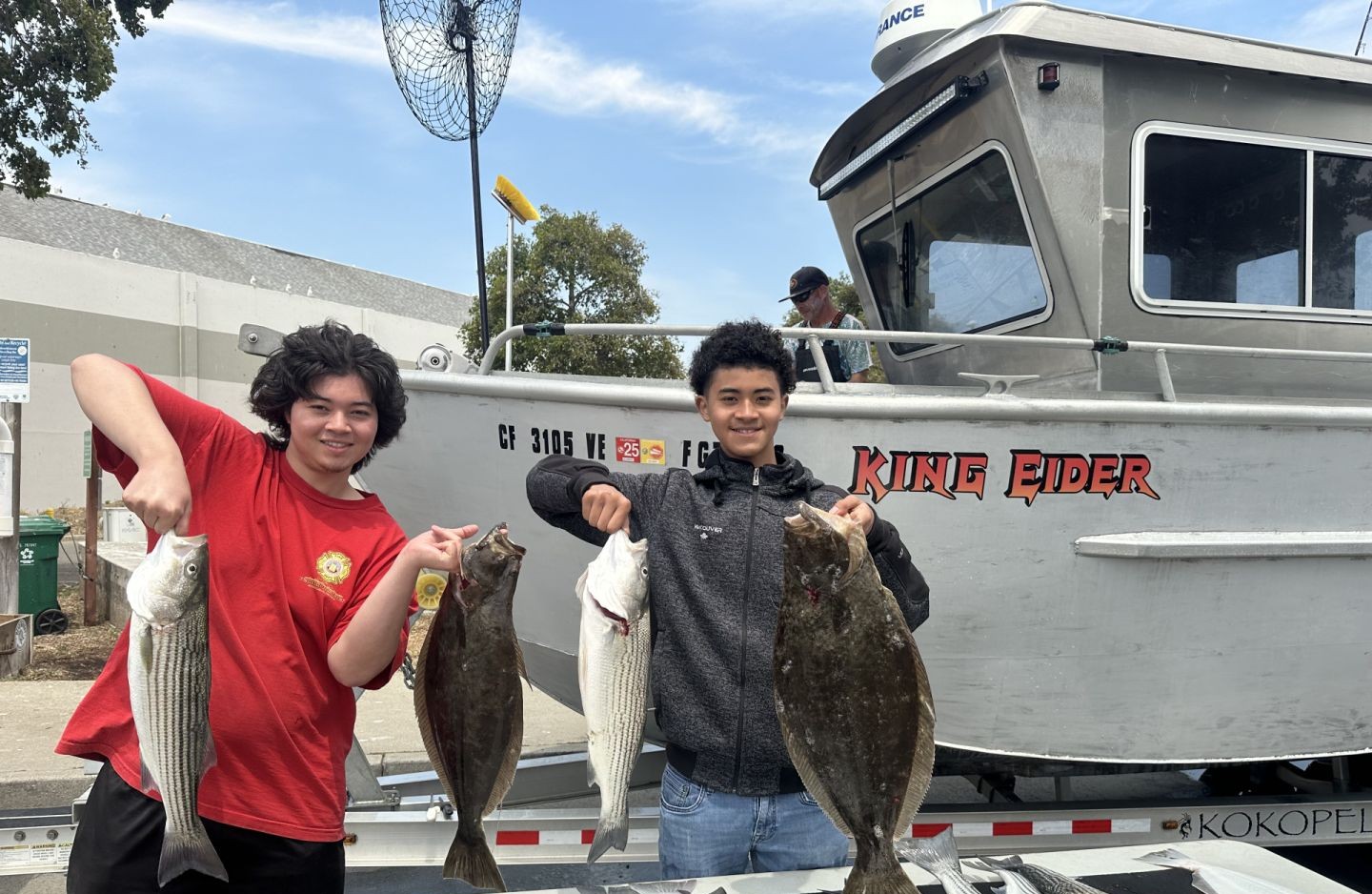
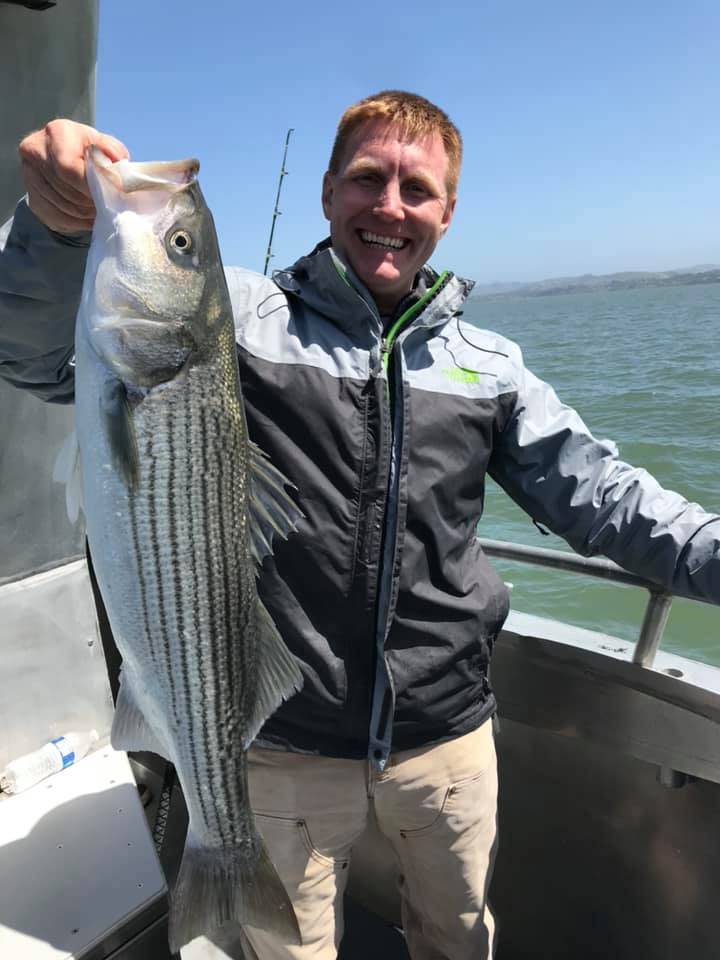
The striped bass fishing off California has been consistently solid, with fish ranging from schoolies in the 18-24 inch range all the way up to those trophy-class cows that push 40+ inches and really test your drag system. These fish are incredibly strong fighters – they'll make blistering runs and use their broad shoulders to put serious pressure on your tackle. What makes stripers so special is their willingness to feed aggressively when conditions are right. You'll often see them boiling on the surface, chasing bait balls with birds diving overhead – it's pure chaos and some of the most visual fishing you'll experience on the West Coast. The best part about targeting stripers offshore is that you're typically dealing with bigger, healthier fish that have been feeding heavily on sardines, anchovies, and squid.
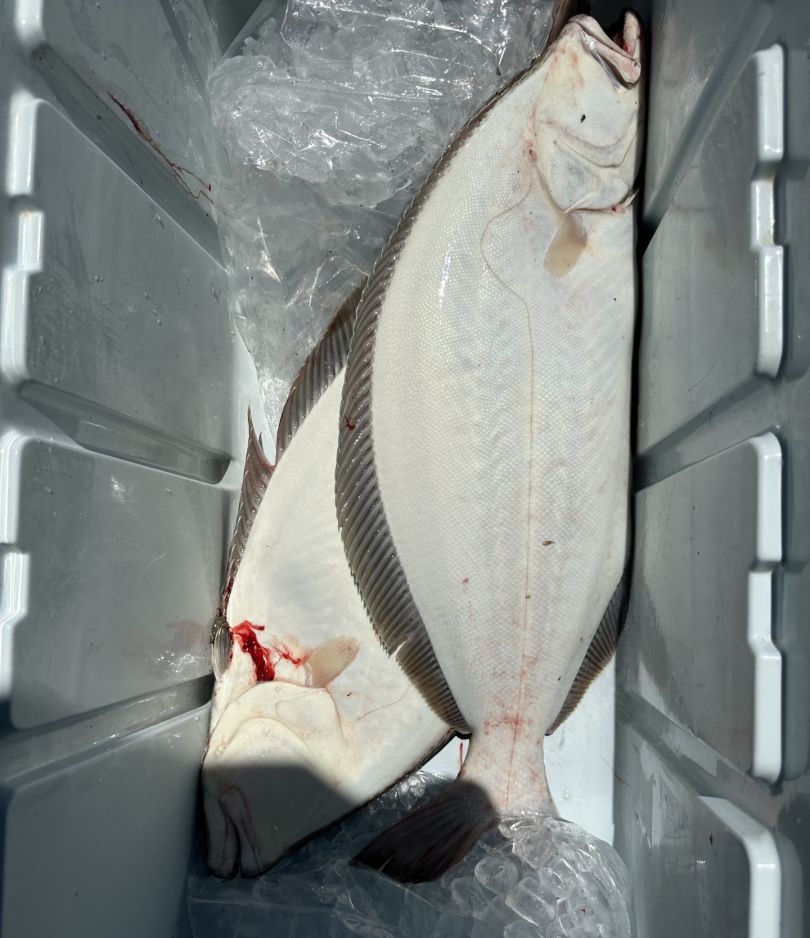
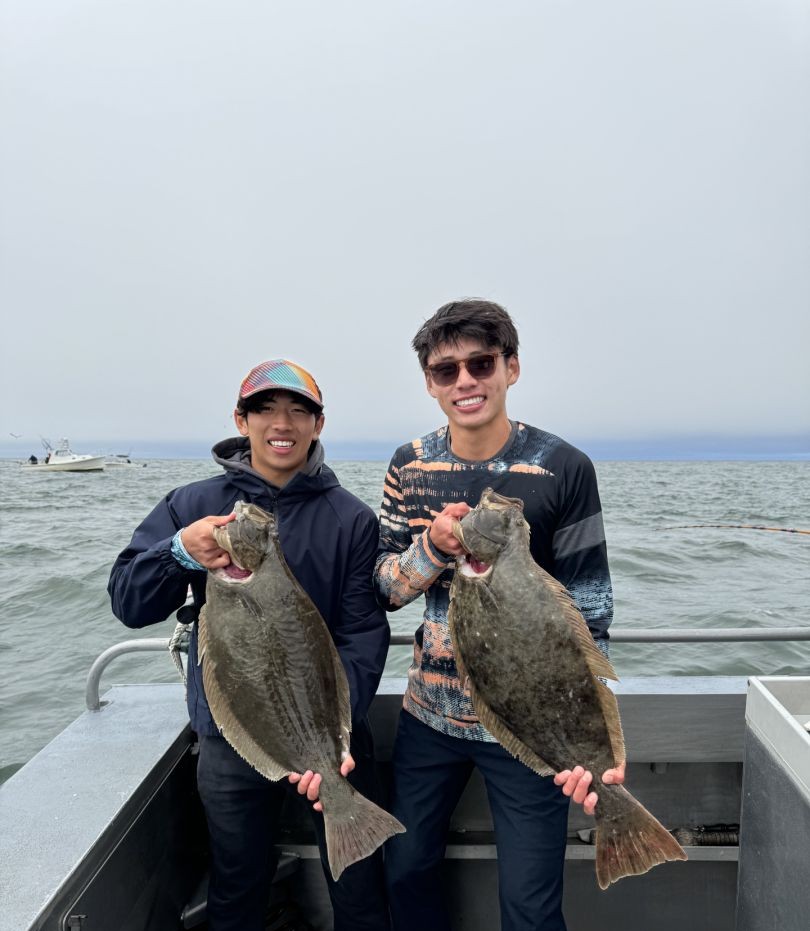
Pacific halibut are the real prize for many anglers, and for good reason. These flatfish can grow massive – we're talking about fish that can weigh 50, 100, even 200+ pounds in some cases. Even a 20-30 pound halibut provides an incredible fight and enough fillets to feed the whole family. Halibut are ambush predators that bury themselves in sand or mud, waiting for prey to swim overhead. They're most active during moving tides when baitfish are being pushed around by the current. The bite can be subtle – just a gentle tap or your sinker feeling "different" – so staying connected to your bait and paying attention is crucial. When you hook into a good halibut, be prepared for a bulldogging fight that tests every knot and connection on your rig.
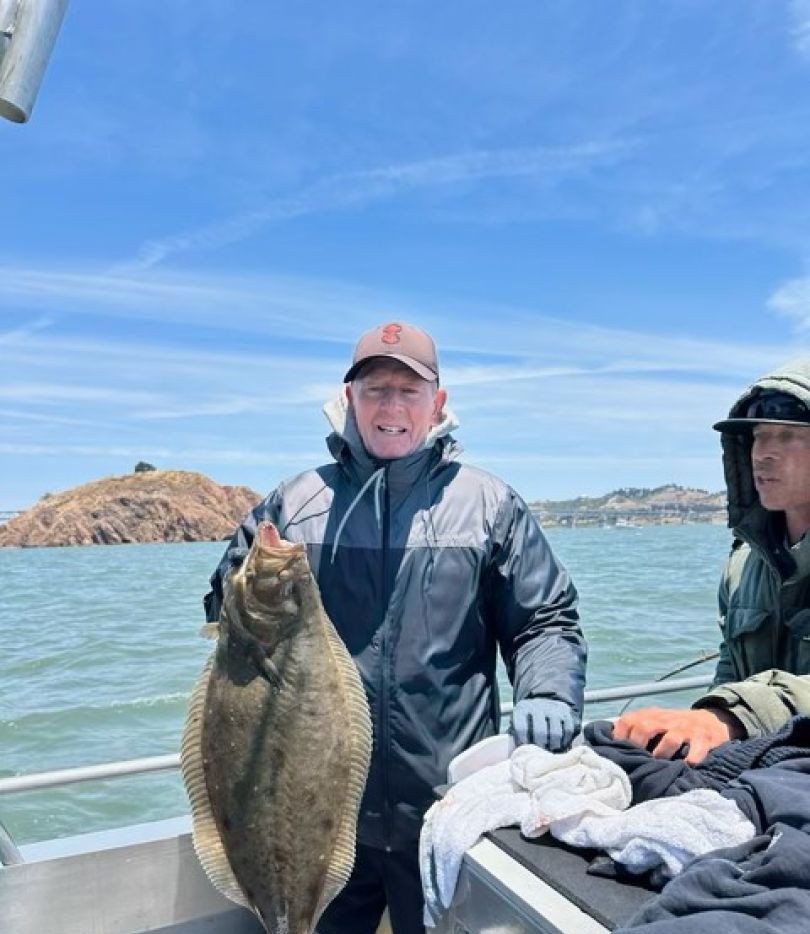
Don't overlook the bonus species we encounter regularly on these trips. Vermilion rockfish are gorgeous red fish that love rocky structure and provide excellent table fare. They're scrappy fighters for their size and often bite when the stripers and halibut slow down. Lingcod are aggressive predators with massive mouths full of teeth – they'll crush large baits and jigs, providing explosive strikes and powerful fights. California flounder might not get as much attention as their Pacific halibut cousins, but they're plentiful, delicious, and a blast to catch on lighter tackle. Each species requires slightly different techniques and adds variety to what's already an action-packed day on the water.
Time to Book Your Spot
This 8-hour offshore adventure represents serious value for anglers who want to maximize their time on productive water. With Captain David's local knowledge, quality gear, and willingness to work hard for your fish, you're setting yourself up for the kind of day that has you planning your next trip before you even hit the dock. The boat only takes 5 anglers, so spots fill up fast, especially during prime fishing months when the bite is hot. Whether you're targeting trophy stripers, barn door halibut, or just looking to load the cooler with a mixed bag of quality fish, this trip delivers the goods. Don't spend another weekend wondering what you missed – book your spot and experience why Captain David Rooney's charters have become the go-to choice for serious offshore fishing in California waters.
 Private Trip
 Offshore Fishing
 San Francisco, CA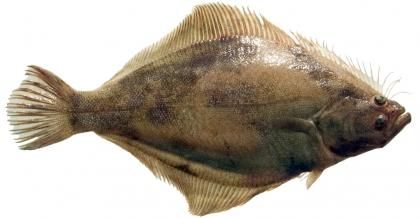


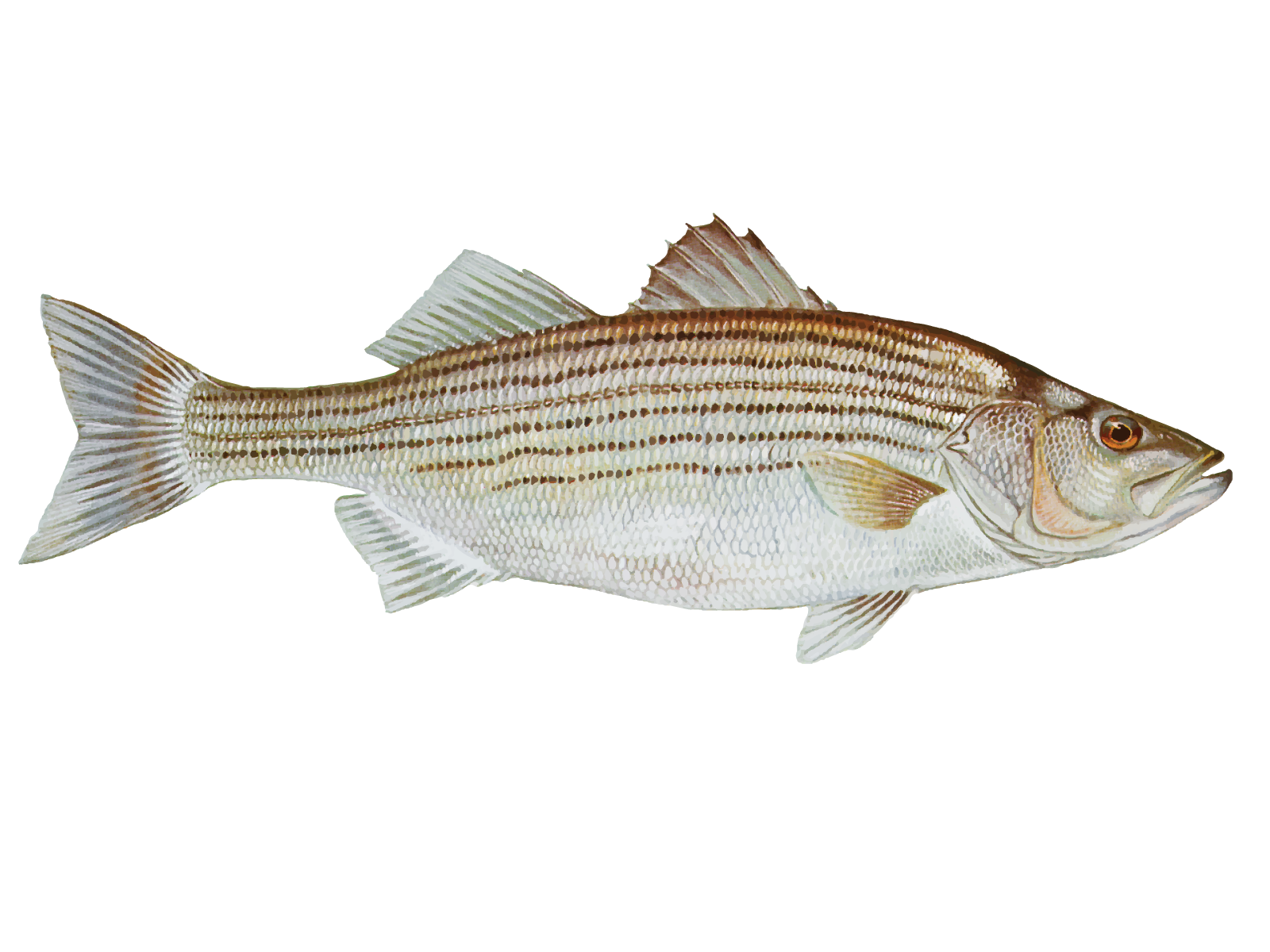

 8-hour offshore trip targeting Striped Bass and Halibut