Extended Half Day Fishing in St. Petersburg
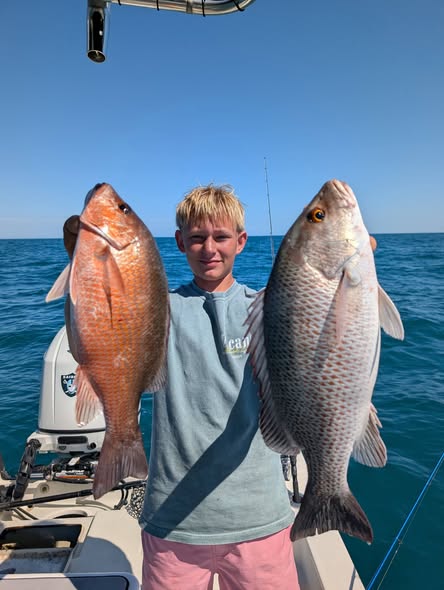
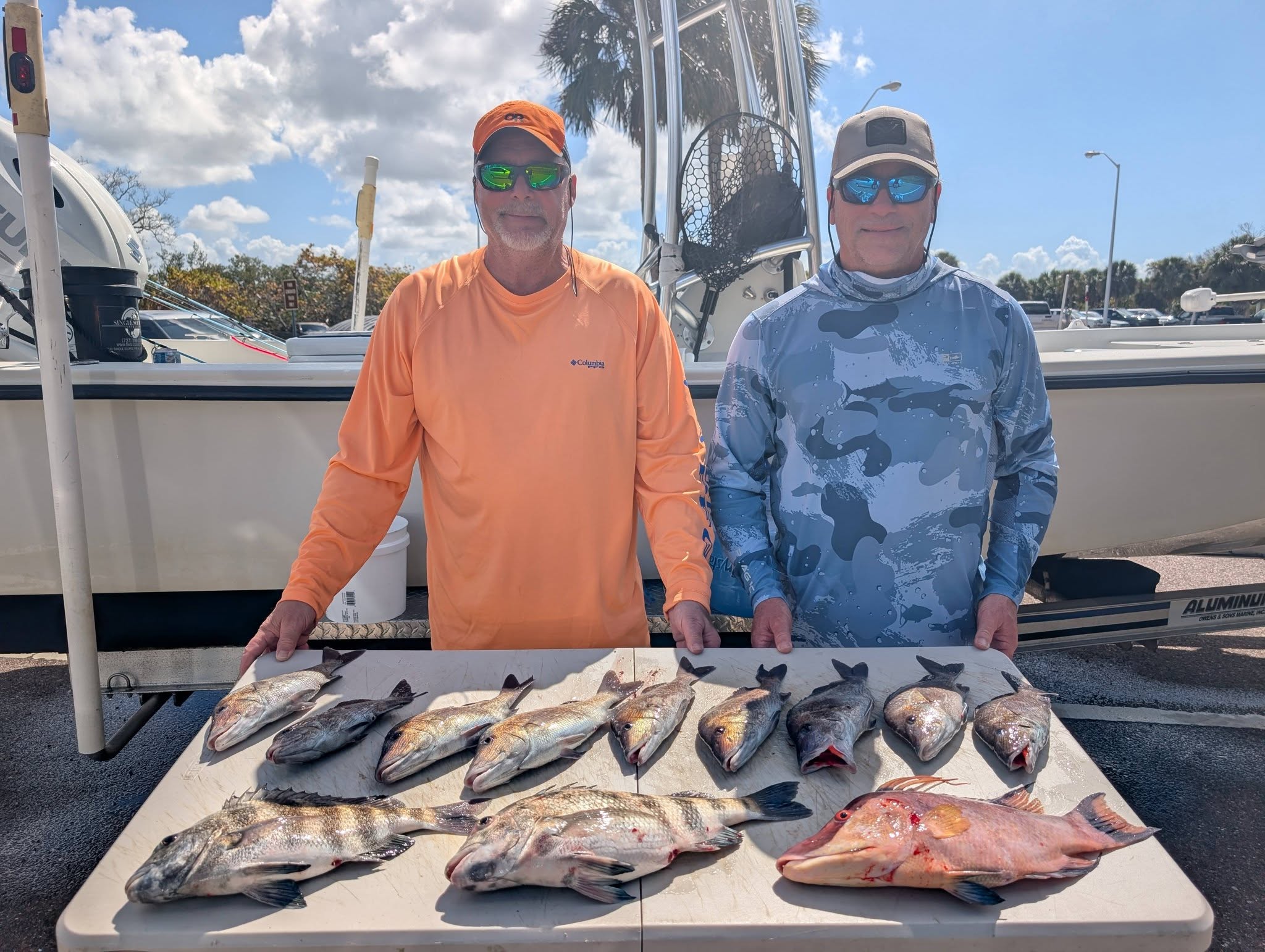
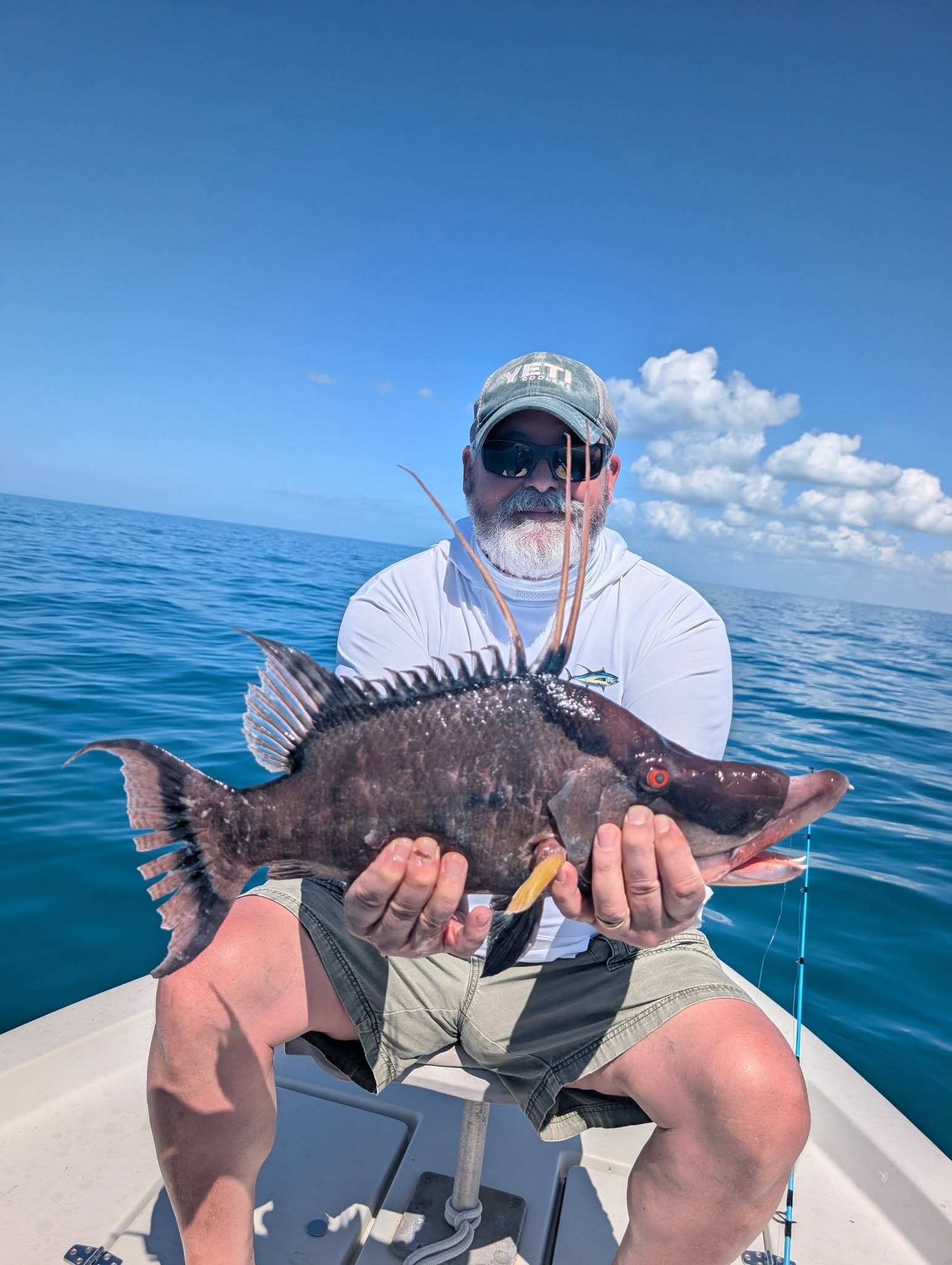
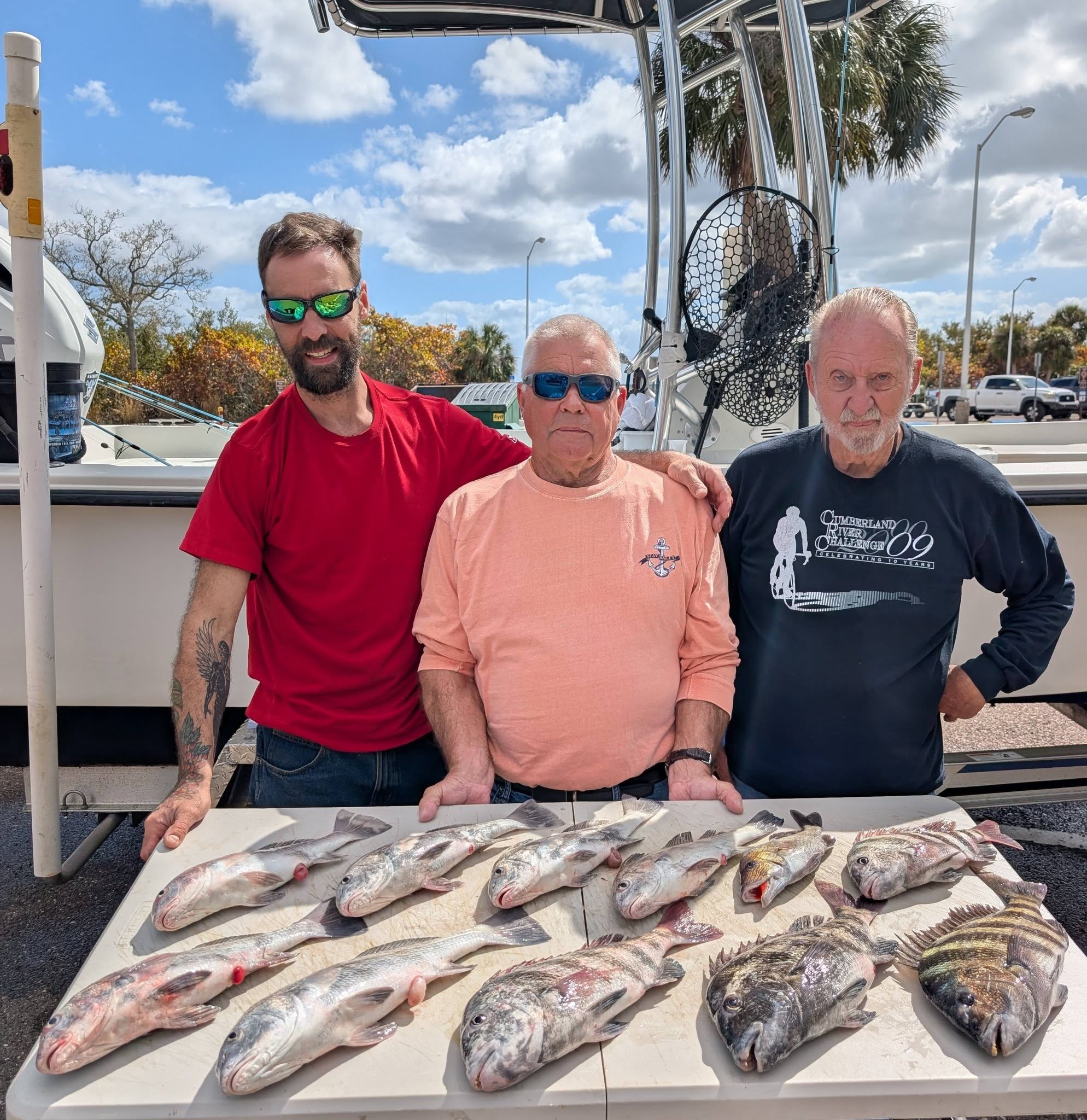
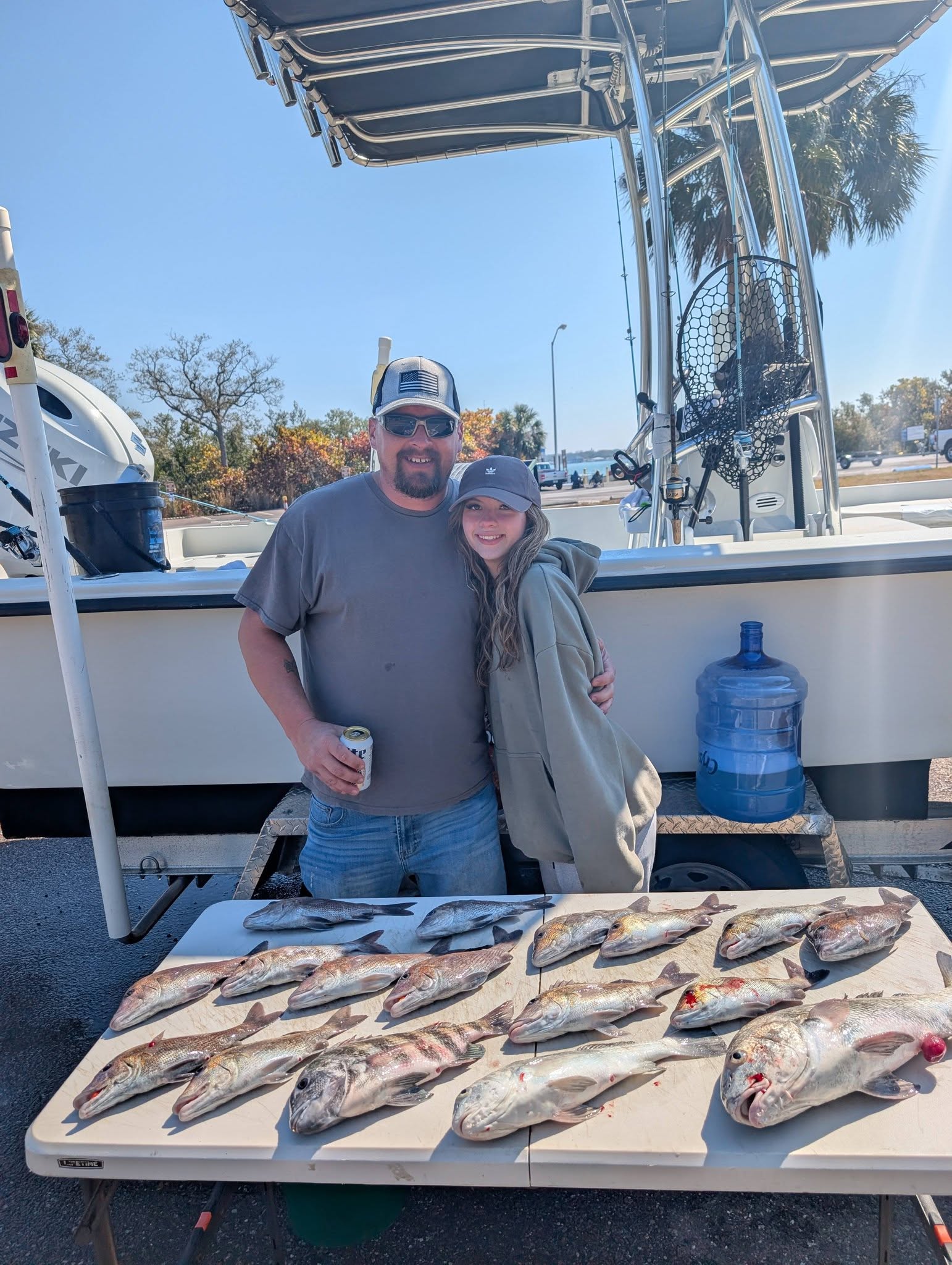
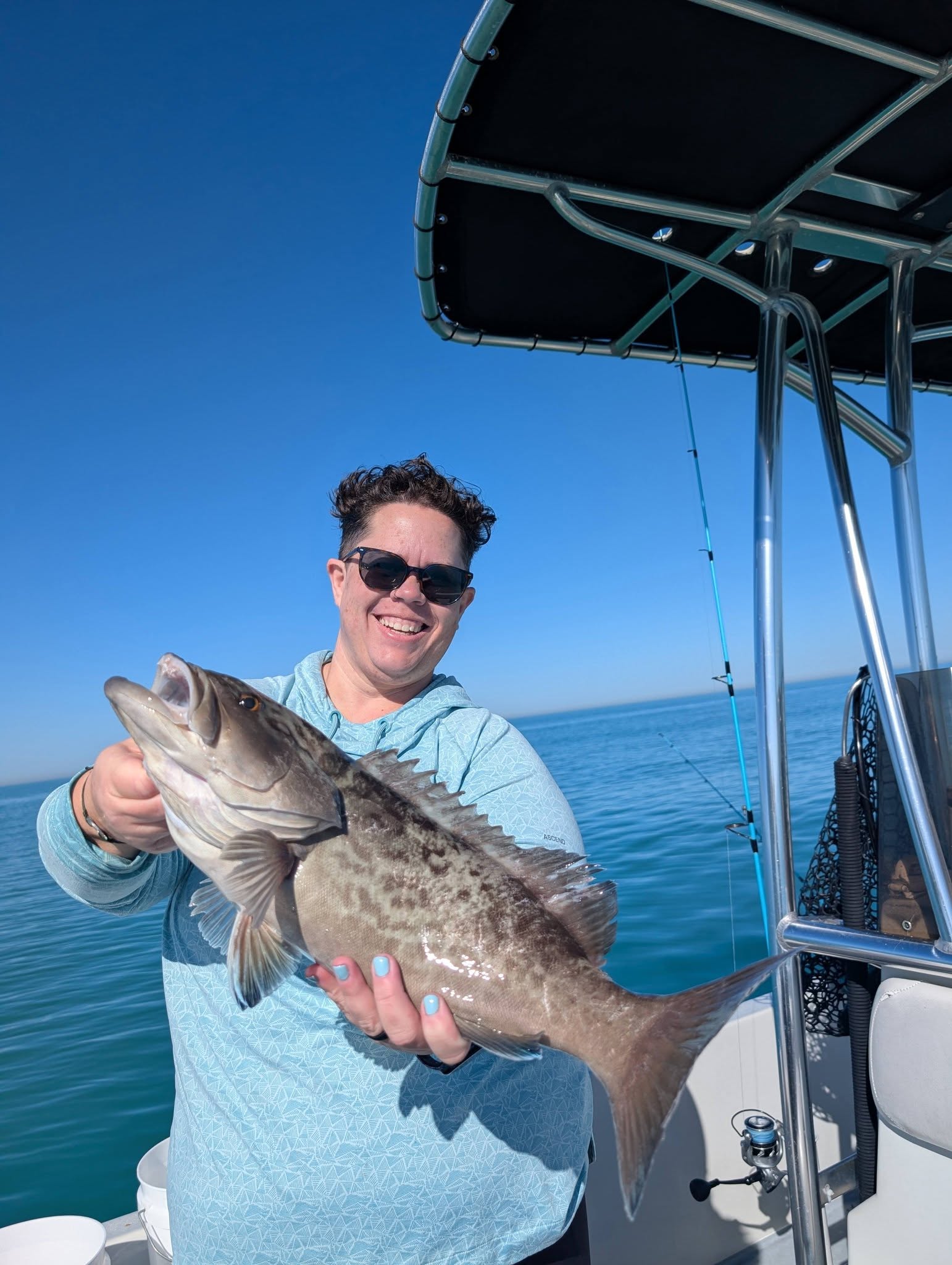
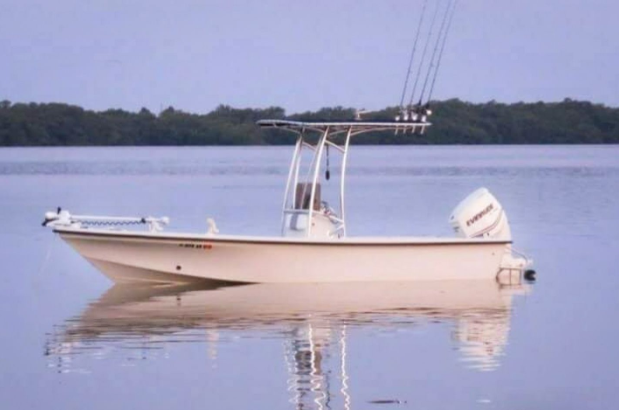
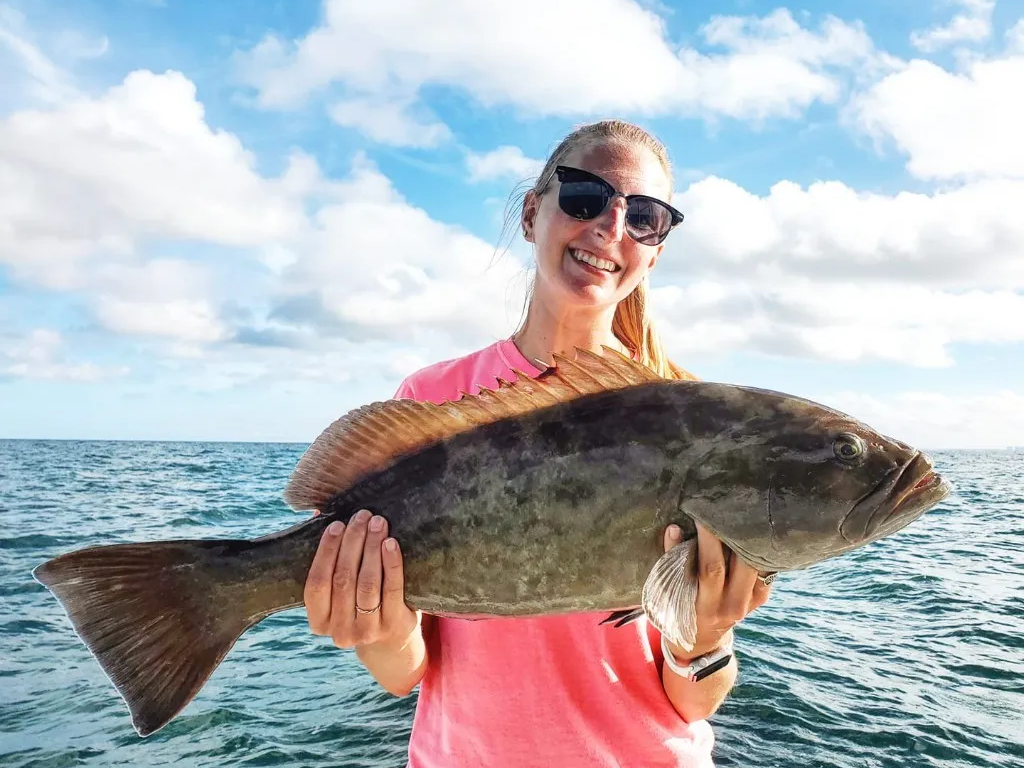
St. Petersburg's inshore waters offer some of the best fishing in Florida, and this 6-hour charter puts you right in the heart of the action. Captain Hank runs a tight ship with all the gear you need - quality rods, reels, tackle, and bait included. You'll target a solid mix of species including Cobia, Grouper, Flounder, Sheepshead, King Mackerel, and Sea Trout across multiple productive spots. With just 2 anglers max, you get personalized attention and plenty of room to work your lines. This isn't a cattle boat operation - it's focused fishing for serious anglers who want results.
What to Expect on the Water
Your day starts early with a rundown of the game plan and safety briefing. Captain Hank knows these waters like the back of his hand and adjusts tactics based on tides, weather, and what's been biting lately. You'll move between different structures - grass flats for trout and flounder, hard bottom for grouper and sheepshead, and open water edges for cobia and kings. The boat stays mobile, so if one spot isn't producing, you're quickly repositioned to find active fish. Expect to use live bait, cut bait, and artificials depending on the target species and conditions. The captain provides all terminal tackle and will re-rig as needed throughout the day.
Techniques and Gear Setup
This charter covers multiple fishing techniques to maximize your success across different species. For grouper, you'll drop live pinfish or grunt on heavy tackle to rocky bottom structure. Sheepshead require finesse with small hooks and fiddler crabs around pilings and bridges. Cobia fishing involves sight casting or presenting baits near markers and structure where these bronze torpedoes cruise. King mackerel action happens with live sardines or threadfins on wire leaders, either slow trolled or drifted. Flounder and trout work best with bucktails, soft plastics, or live shrimp over grass flats and sandy holes. All rods are matched to the technique - from light spinning gear for trout to stout conventional outfits for grouper.
Customer Stories
"Captain Hank did a great job and is very knowledgeable. He put us on the fish and fish several different areas. I will definitely be back to fish with him again. Can't recommend him enough." - Thomas Huffington
Species You'll Want to Hook
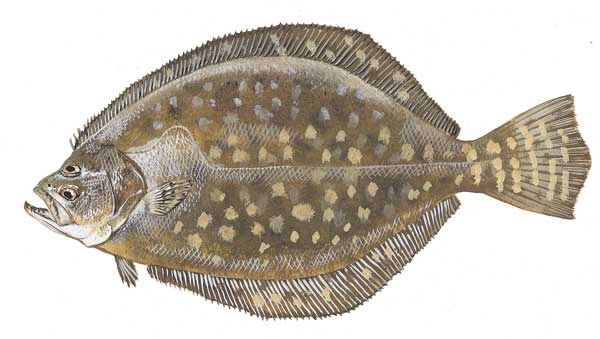
Southern Flounder are ambush predators that lie buried in sand waiting for prey to swim by. These flatfish average 2-4 pounds but can reach 8+ pounds in St. Pete waters. Fall and winter months produce the best flounder action as they move toward passes and deeper water. They're excellent table fare and put up a surprising fight for their size. Look for them around sandy edges, creek mouths, and anywhere current creates a feeding opportunity.
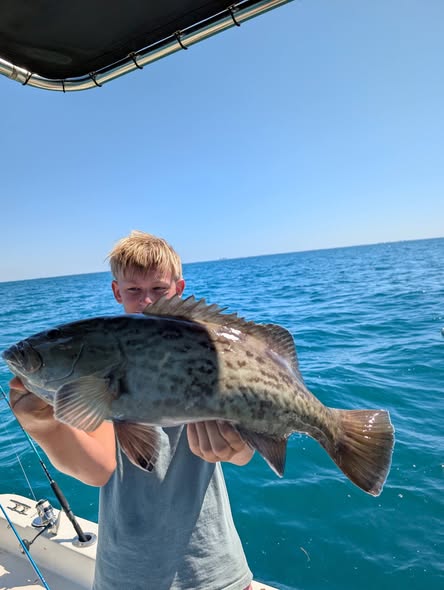
Goliath Grouper are the giants of the reef, reaching weights over 400 pounds. While harvest is prohibited, catching and releasing these massive fish creates memories that last a lifetime. They're curious and often approach the boat, making for great photo opportunities. Summer months offer the best goliath action around wrecks, bridges, and deep holes. The fight is more about power than speed - imagine trying to pull a Volkswagen off the bottom.
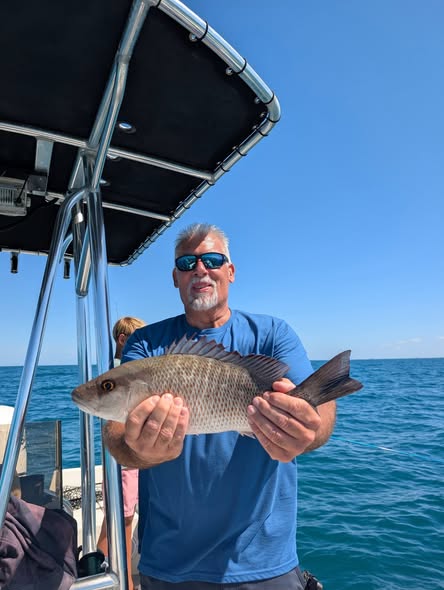
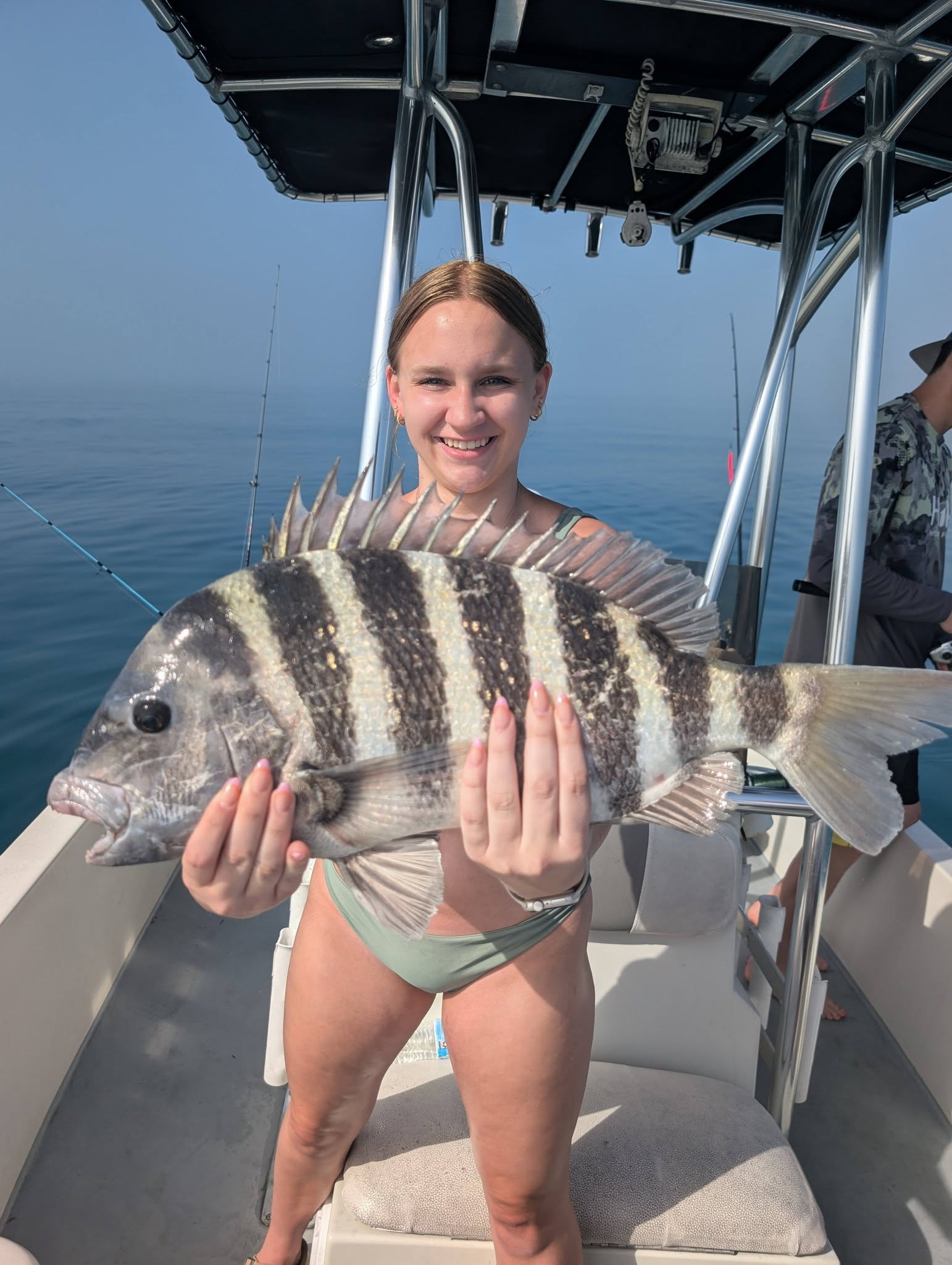
Sheepshead are the convicts of the sea with their black and white stripes and human-like teeth. They average 2-5 pounds and are notorious bait stealers with incredible finesse. Winter months bring the best sheepshead fishing around structure like docks, bridges, and oyster bars. They're picky eaters that require patience and skill to hook consistently. The reward is some of the best eating fish in the Gulf.
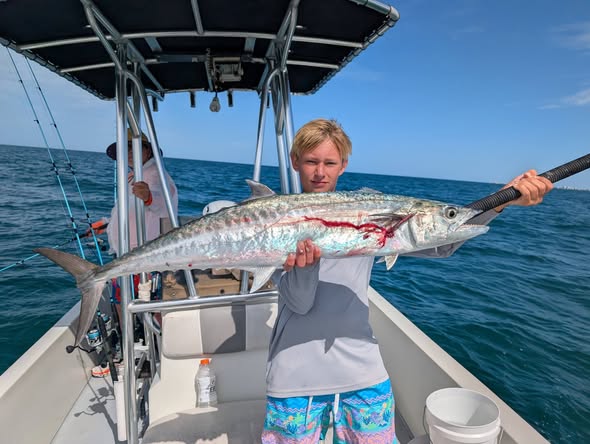
King Mackerel are speed demons that can reach 30+ pounds and strip line like crazy. These silver bullets are built for speed with razor-sharp teeth and powerful runs. Spring through fall offers peak king fishing, especially around temperature breaks and bait schools. They're aggressive predators that will test your drag system and fighting skills. The initial run is explosive, and they often jump during the fight.
Sea Trout are the bread and butter of inshore fishing in St. Pete. These spotted beauties range from keeper-sized 15-inchers to trophy gator trout over 6 pounds. They're active year-round but peak in spring and fall over grass flats. Trout are aggressive feeders that hit artificials and live bait with equal enthusiasm. They're also excellent table fare when kept within slot limits.
Cobia are bronze-colored bruisers that average 20-40 pounds and fight like freight trains. They're curious fish that often follow rays and sharks, making sight fishing opportunities common. Spring migration brings the best cobia action as they move along the coast. These fish are prized for their white, flaky meat and challenging fights that combine power with endurance. They're also known to follow hooked fish to the boat, creating multiple hookup opportunities.
Time to Book Your Spot
This extended half-day trip delivers serious fishing action with a captain who knows how to put you on fish. Six hours gives you time to target multiple species and adapt to changing conditions throughout the day. The small group size means personalized service and room to fish comfortably. With all gear included and free cancellation up to one day prior, there's no reason to wait. St. Petersburg's inshore waters are productive year-round, but the best days book quickly. Captain Hank's local knowledge and commitment to finding fish makes this a top-rated choice for both visiting and local anglers looking to experience world-class inshore fishing.
 5.0(1 Reviews)
 Private Trip
 Inshore Fishing
 St. Petersburg, FL


 Six-hour inshore fishing trip targeting cobia, grouper, and kingfish