Marathon Reef & Wreck Fishing Adventure
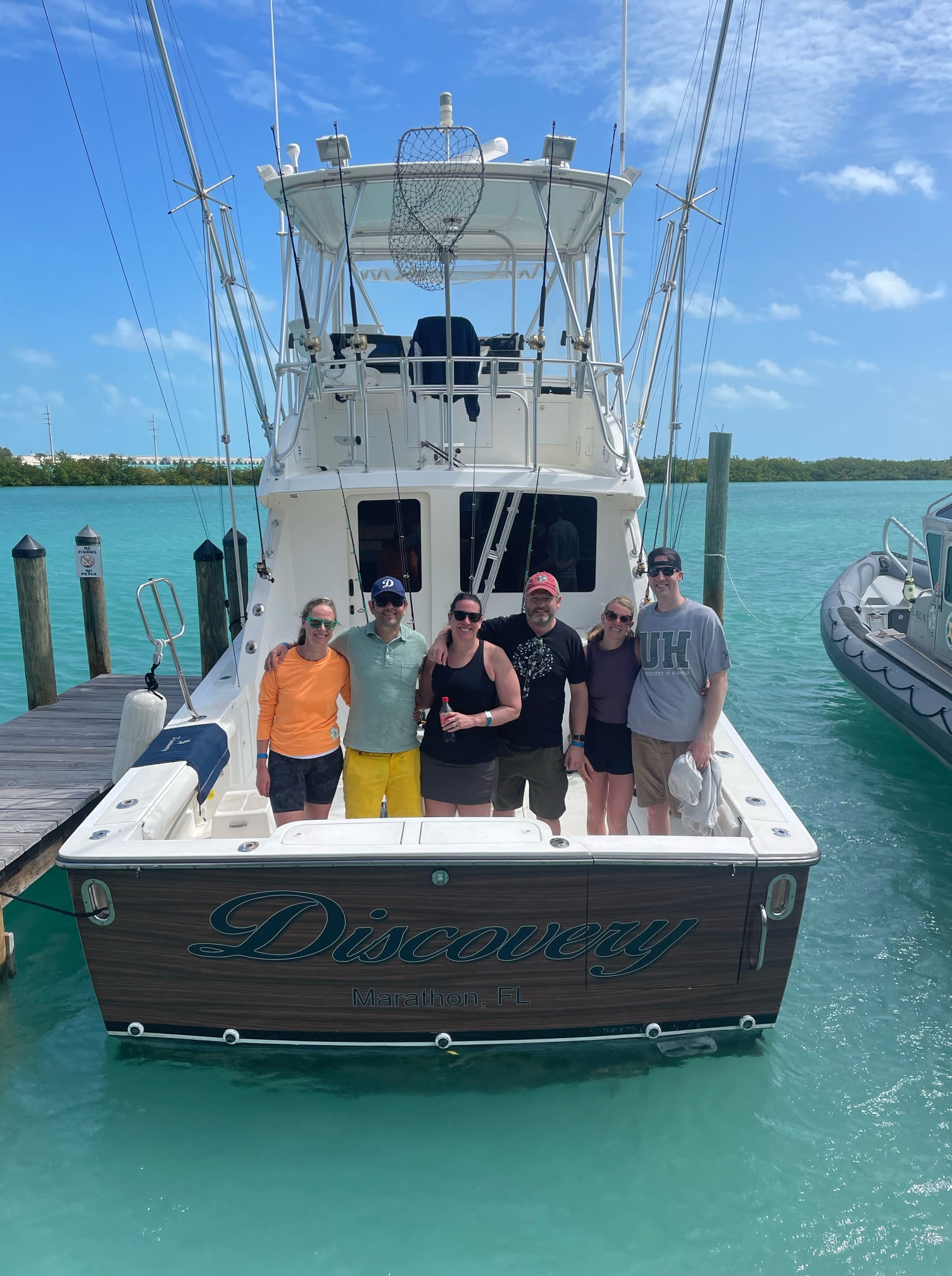
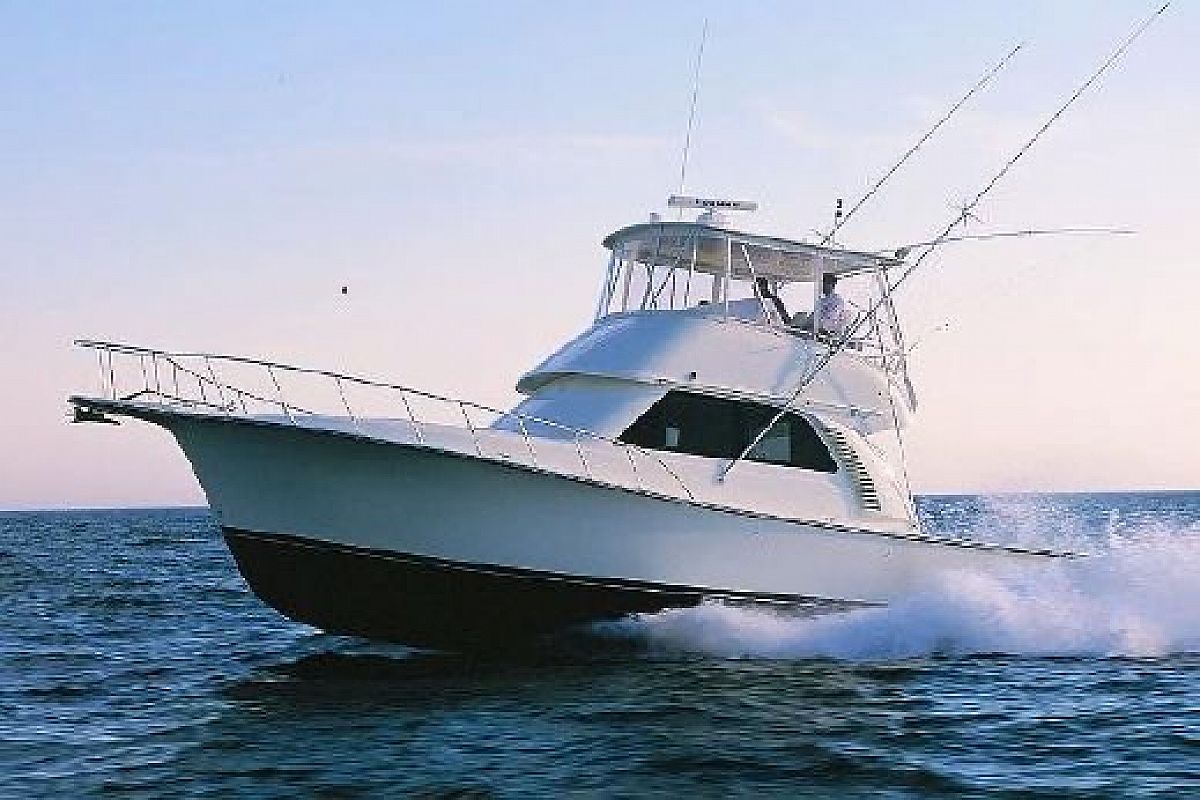
Looking for some serious fishing action in the Florida Keys? This half-day reef and wreck trip out of Marathon puts you right where the fish are biting. We're talking 4 hours aboard a top-rated Grady White Canyon 376, hitting productive spots just 5-10 miles offshore where the snappers stack up thick and the grouper hide in every ledge. Your morning starts at 7:30 AM sharp, and by the time you're back at the dock, you'll have stories to tell and hopefully a cooler full of fillets. Our experienced captains know these waters like the back of their hand – every wreck, every reef, every spot where the amberjack patrol and the cobia cruise.
What to Expect on the Water
This isn't your typical party boat deal – we keep it intimate with just 6 anglers max, so you get the personalized attention that makes all the difference. The Grady White rides smooth even when the seas pick up, giving you a stable platform to work from whether you're dropping baits to the bottom or working the mid-water column. We'll cruise out to our best-producing reef and wreck sites, places where the bottom structure holds fish year-round. The captain will read the conditions and adjust the game plan – maybe we start on a wreck for some grouper action, then move to a reef edge where the yellowtails are schooled up. Every trip is different based on what's biting, but that's what keeps it interesting. You'll get hands-on coaching from guides who've been working these waters for years, picking up techniques that'll make you a better angler long after this trip ends.
Techniques & Tackle Setup
Reef and wreck fishing is all about getting your bait down to where the fish live, and that means understanding structure. We'll be bottom fishing with medium to heavy tackle, using circle hooks and weights heavy enough to get down through the current. Live bait works magic out here – pilchards, sardines, and ballyhoo are the go-to choices, though we'll also run some cut bait for the grouper that prefer a smelly chunk of bonito or mackerel. The key is reading your rod tip and feeling the bite through all that weight and current. When a big mutton snapper picks up your bait, you'll know it – they don't nibble, they crush it. For the amberjack, we might switch tactics and work vertical jigs around the wreck structure, especially when we mark fish suspended off the bottom. The captain will set you up with the right gear for each spot and talk you through the technique, but be ready to adjust as conditions change throughout the morning.
Species You'll Want to Hook
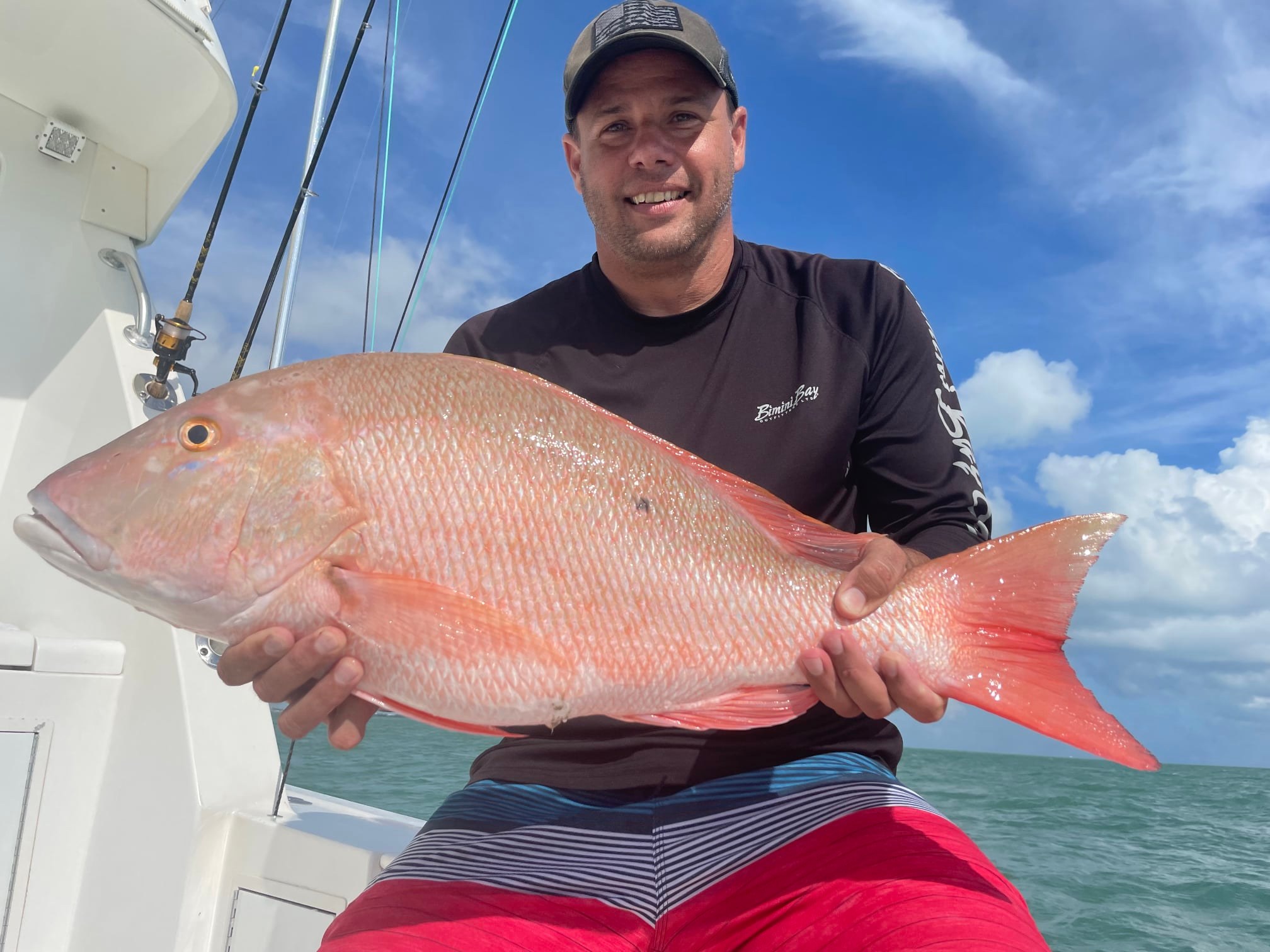
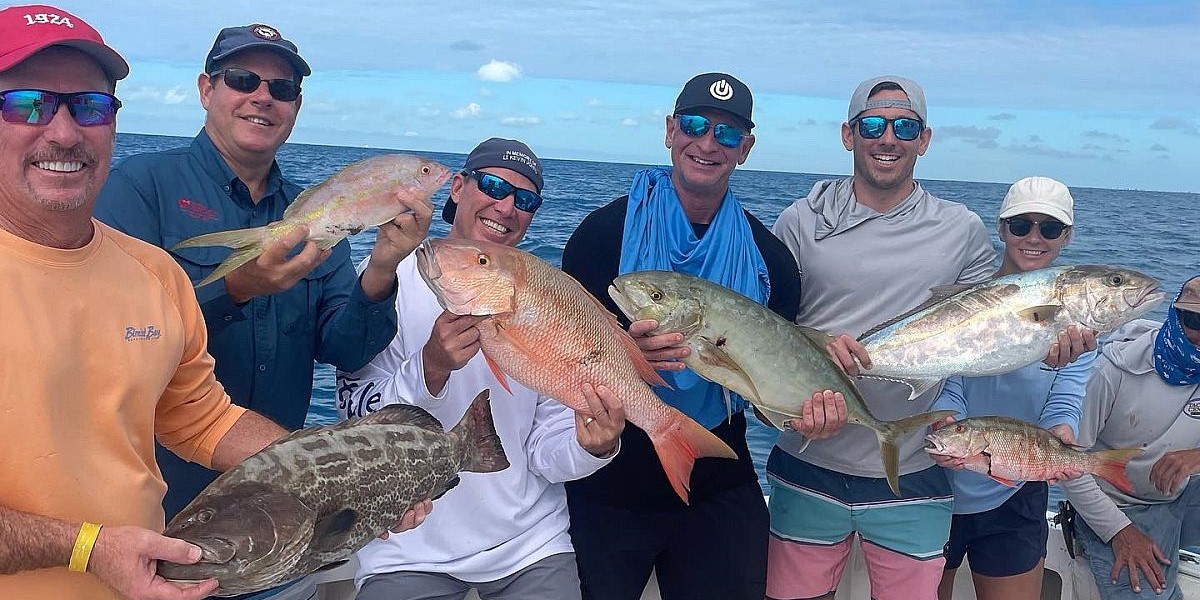
Mutton Snapper are the bread and butter of Marathon reef fishing, and for good reason – they're abundant, they fight hard, and they taste even better. These copper-colored beauties average 3-8 pounds but can push into the teens when you find the right school. They're structure-oriented fish, so we'll target them around coral heads and rocky bottom where they feel comfortable. Muttons are notorious bait stealers, so you need to stay sharp and set the hook at the first solid thump. Best action typically happens during moving water, especially on the incoming tide when they get aggressive and competitive.
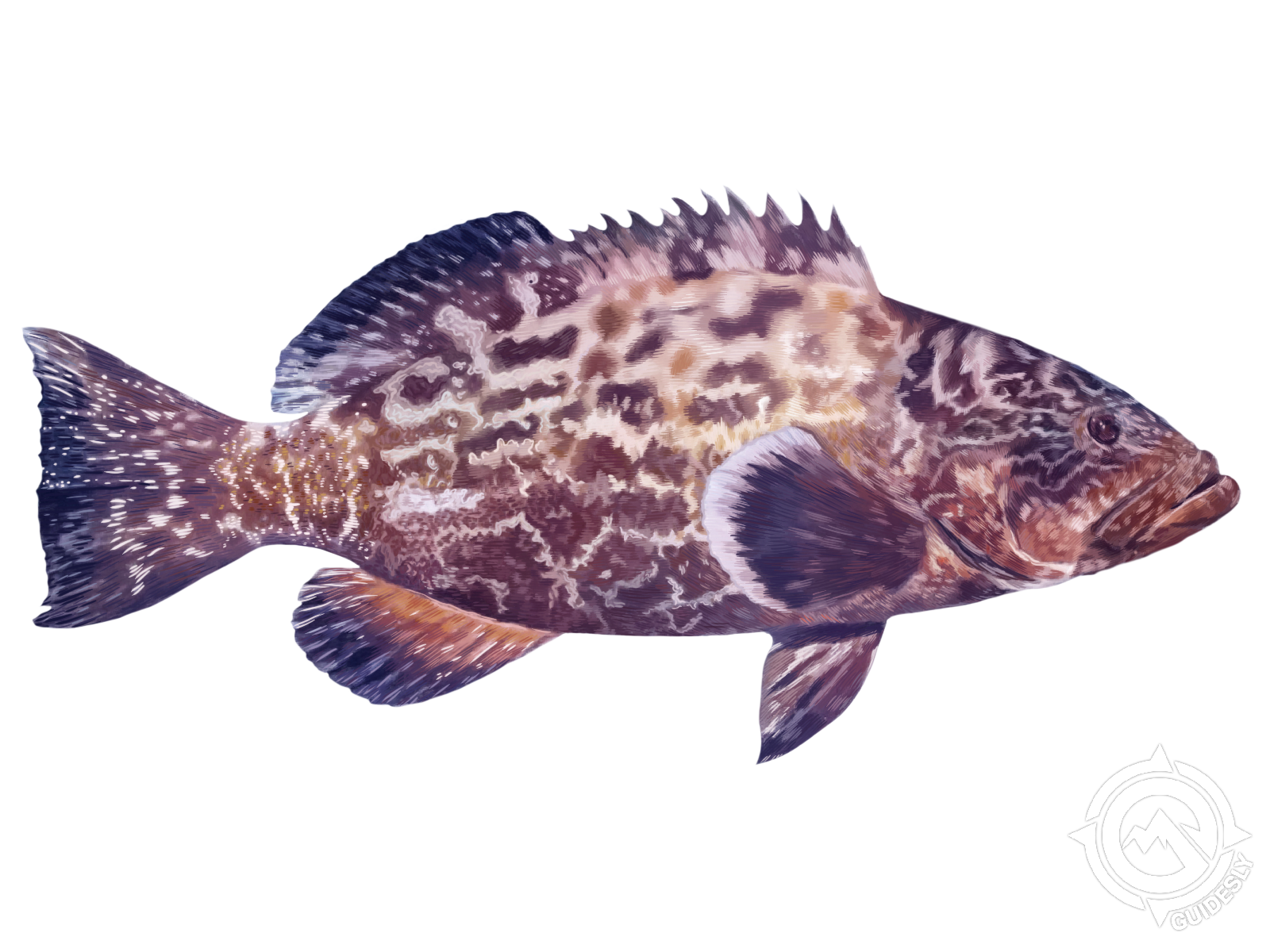
Black Grouper are the prize catch that every angler hopes for when fishing the wrecks. These bottom-dwelling bruisers can weigh anywhere from 5 to 50+ pounds, and they'll test your tackle and technique every time. Grouper are ambush predators that live in holes and under ledges, so getting your bait right to them is crucial. When a big black grouper eats, you've got about two seconds to turn his head before he dives back into his hole and cuts you off. They're regulated pretty strictly, so we'll make sure you know the size limits, but a legal grouper is always a trophy worth celebrating. The meat is firm and white – perfect for the grill or fryer.
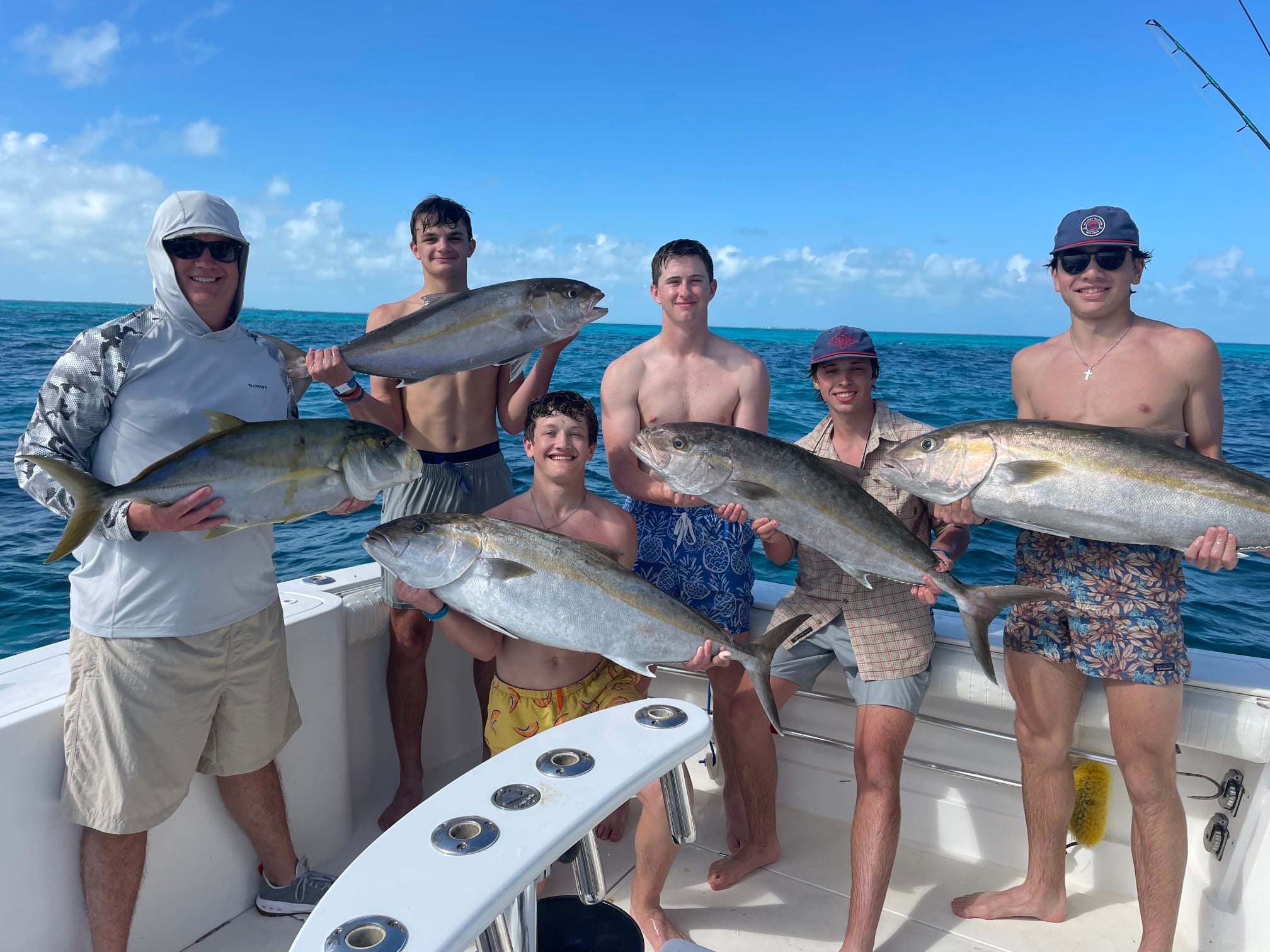
Yellowtail Amberjack bring the speed and power that gets your heart pumping. These silver missiles can show up anywhere from 10 to 60 pounds, and they fight like fish twice their size. AJ's are schooling fish that cruise the wrecks looking for baitfish, so when you find them, the action can be non-stop. They're incredibly strong and will take you on long, searing runs that test your drag system. The key is keeping steady pressure and not horsing them – they've got soft mouths that'll tear out if you get too aggressive. Amberjack are excellent table fare when prepared right, with firm white meat that works great smoked or blackened.
Cobia are the wild cards of this fishery – you never know when one might show up, but when they do, it's always exciting. These brown sharks (as some folks call them) are curious fish that often cruise near the surface around structure. They're excellent eating and put up a solid fight, typically ranging from 20-40 pounds in these waters. Cobia respond well to live bait but they'll also take artificials if you work them right. They're sight feeders with excellent vision, so presentation matters more than with some other species.
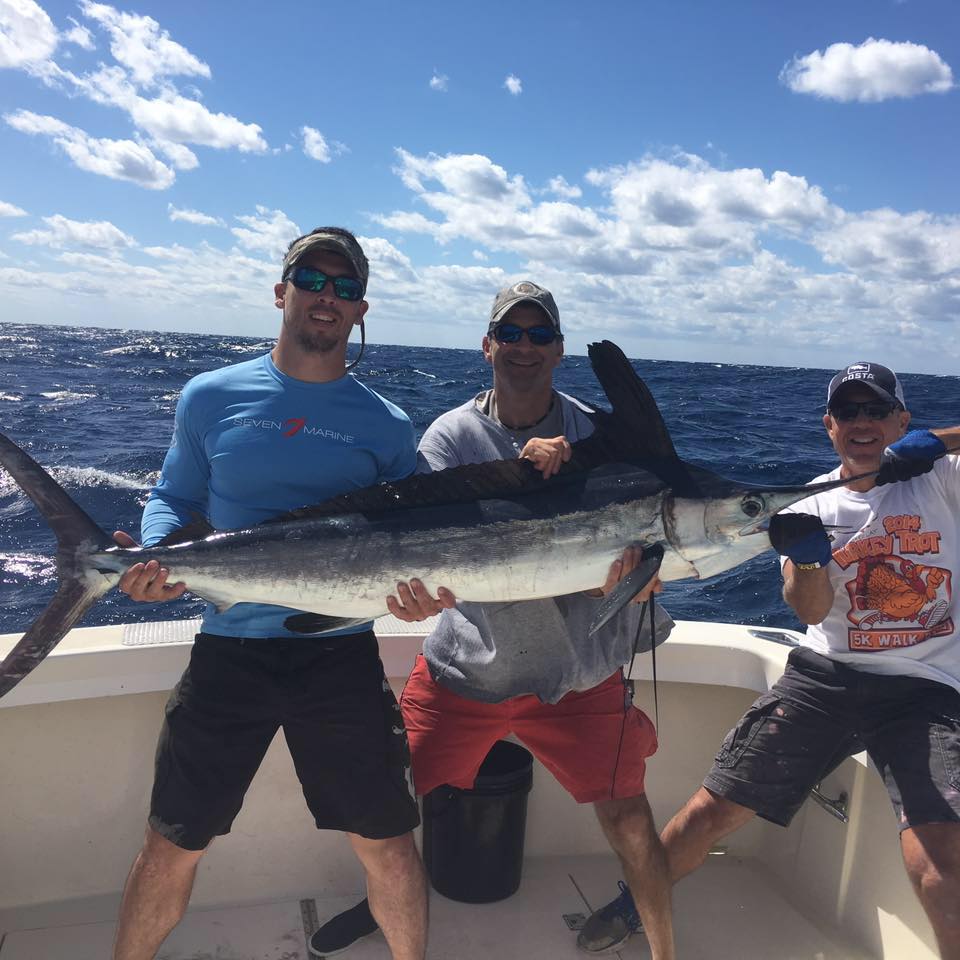
Atlantic Sailfish add the offshore glamour to what's typically considered an inshore trip. When conditions are right and the blue water pushes in close, we might encounter these spectacular gamefish while working the outer reefs. Sailfish are pure excitement – acrobatic jumps, blistering runs, and that iconic dorsal fin that gives them their name. While they're not table fare (we practice catch and release), hooking a sail is a memory that lasts forever. They typically show up when we're working live bait for other species, often surprising everyone on board with their sudden appearance.
Time to Book Your Spot
This world-class fishing experience books up fast, especially during peak season when the weather's most reliable
 Private Trip
 Wrecks/Reefs Fishing
 Marathon, FL


 Private 4-hour reef and wreck fishing aboard Grady White Canyon 376