Full Day Fort Lauderdale Deep Sea Fishing
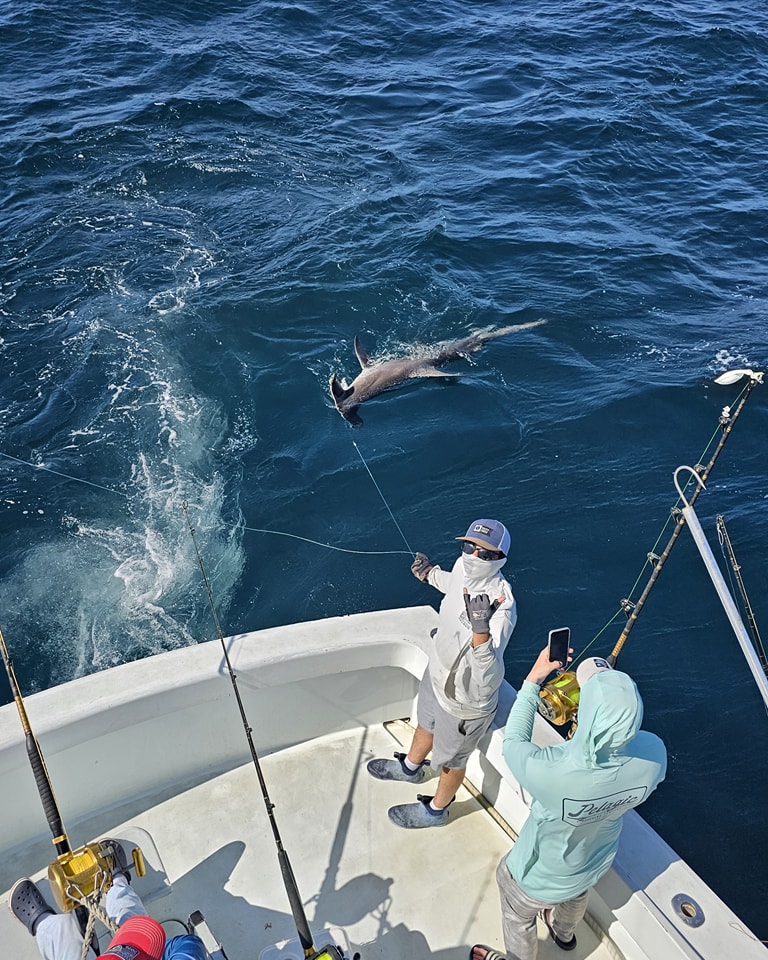
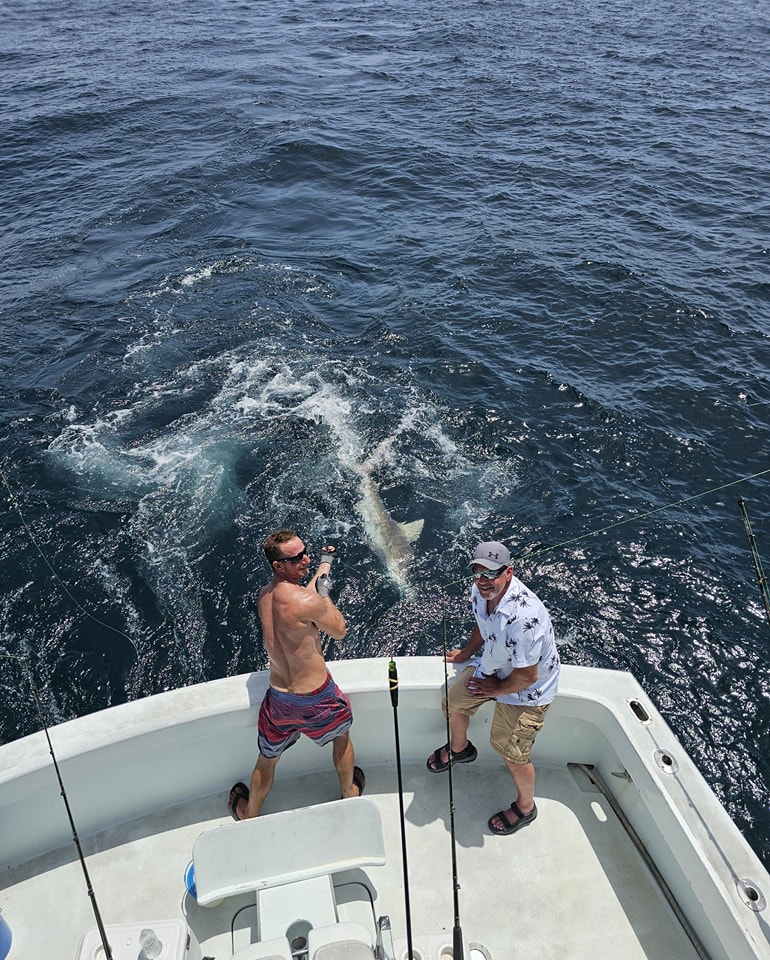
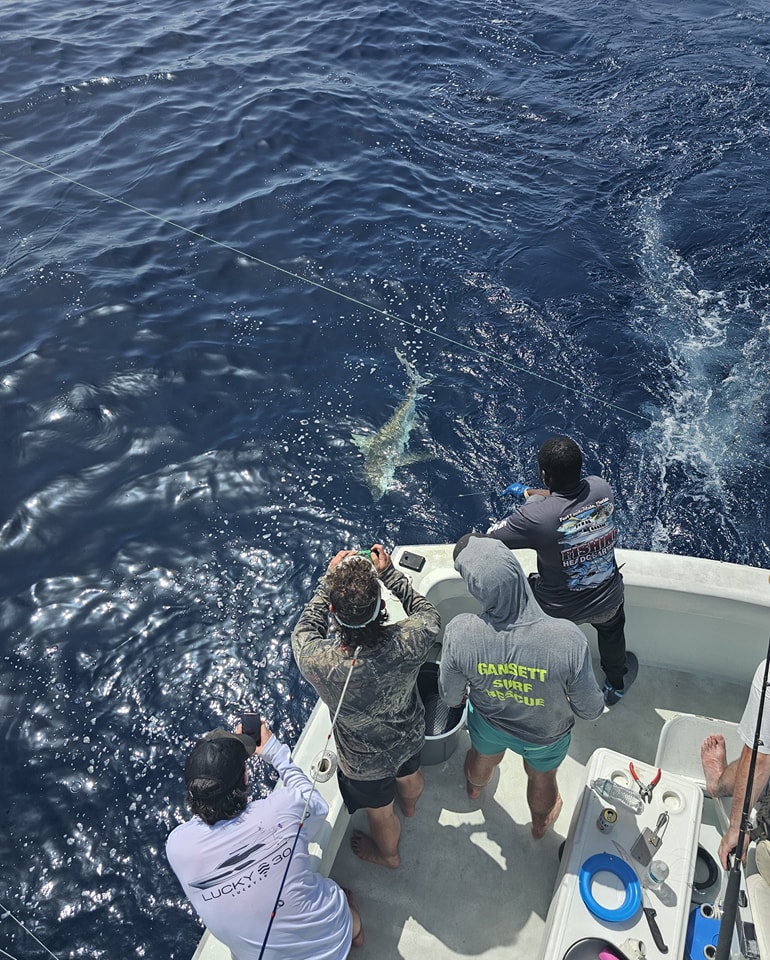
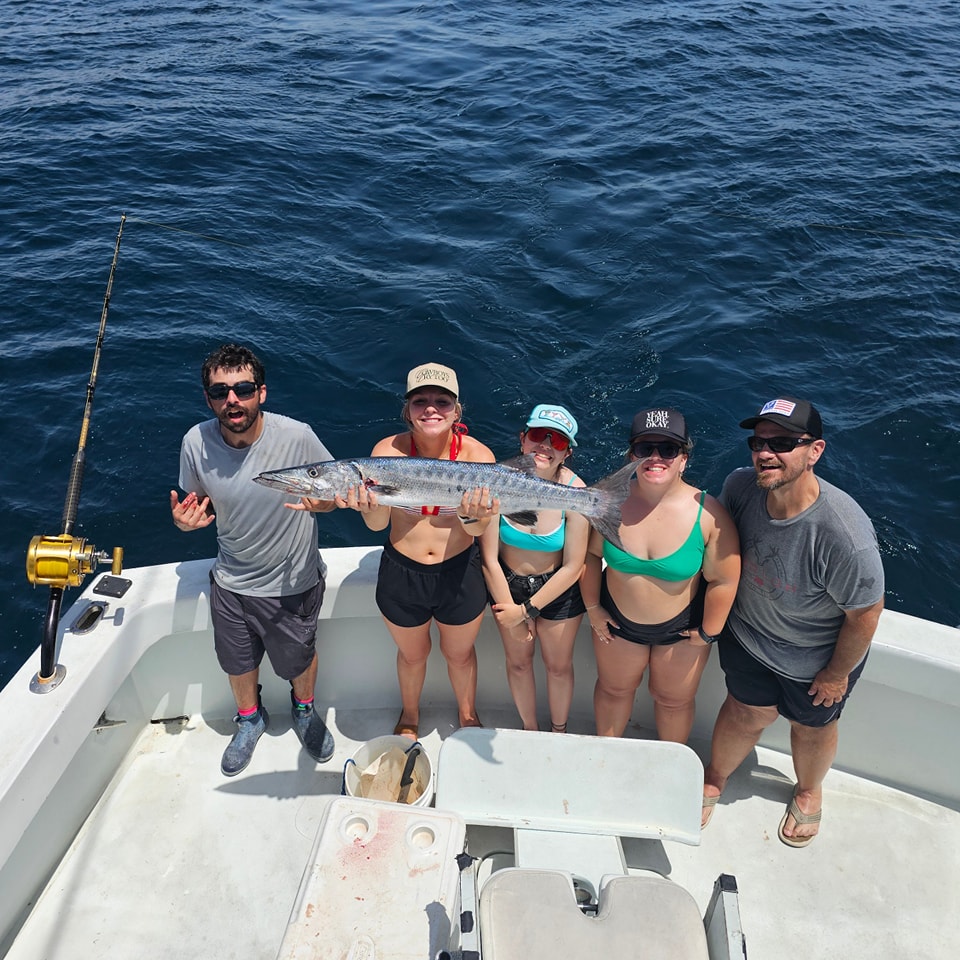
Picture this: you're 8 hours into blue water aboard a 46' Hatteras with Captain Will Daley, fighting chair locked and loaded, watching your outriggers dance as something big takes a swipe at your spread. That's exactly what you'll get with Don't Tell Mom Sportfishing – a no-nonsense, full-day offshore adventure that puts you right in the heart of South Florida's best fishing grounds. We're talking serious sportfishing here, not some half-day tourist run. With room for up to 6 anglers, top-shelf electronics, and a captain who knows these waters like the back of his hand, this trip delivers the kind of action that keeps guys coming back season after season.
What to Expect on the Water
Captain Will runs a tight ship on the Don't Tell Mom, and you'll feel it the moment you step aboard at 301 Seabreeze Blvd. This isn't your typical charter boat – we're talking about a 46-foot Hatteras built for serious offshore work. The first mate knows his stuff and will have you rigged up and ready before you clear the inlet. Two live wells keep your baits frisky, while the Garmin GPS and Furuno fish-finder help locate structure and baitfish that hold the gamefish you're after. The fighting chair gets plenty of use out here, especially when the sailfish are lit up or a big king decides to make a run. With outriggers spread wide, you'll be trolling a proper spread that covers water and triggers strikes from multiple species. The vibe is relaxed but focused – Captain Will and his mate are there to put you on fish, but they expect you to bring some fishing knowledge and enthusiasm to the table.
Trolling Tactics & Offshore
This is true blue water fishing, which means we're running miles offshore to hit the current breaks, weed lines, and structure that hold pelagic gamefish. The typical spread includes a mix of live baits on the outriggers, ballyhoo on the flat lines, and teasers to draw fish up from the depths. Captain Will reads water like a book – he's looking for temperature breaks, floating sargassum, and bird activity that signal feeding fish below. When the conditions are right, you might spend time working a single piece of structure for hours, especially if there's a good grouper bite happening on the bottom. The boat carries everything from spinning tackle for casting to live bait, to heavy trolling gear capable of handling wahoo and big tuna. Live bait fishing is a major part of the program here, and those two live wells get a workout keeping pilchards, goggle-eyes, and blue runners in prime condition. When you hook up, the first mate is right there with coaching and gaffing duties, but don't expect him to fight your fish – that's your job.
Species You'll Want to Hook
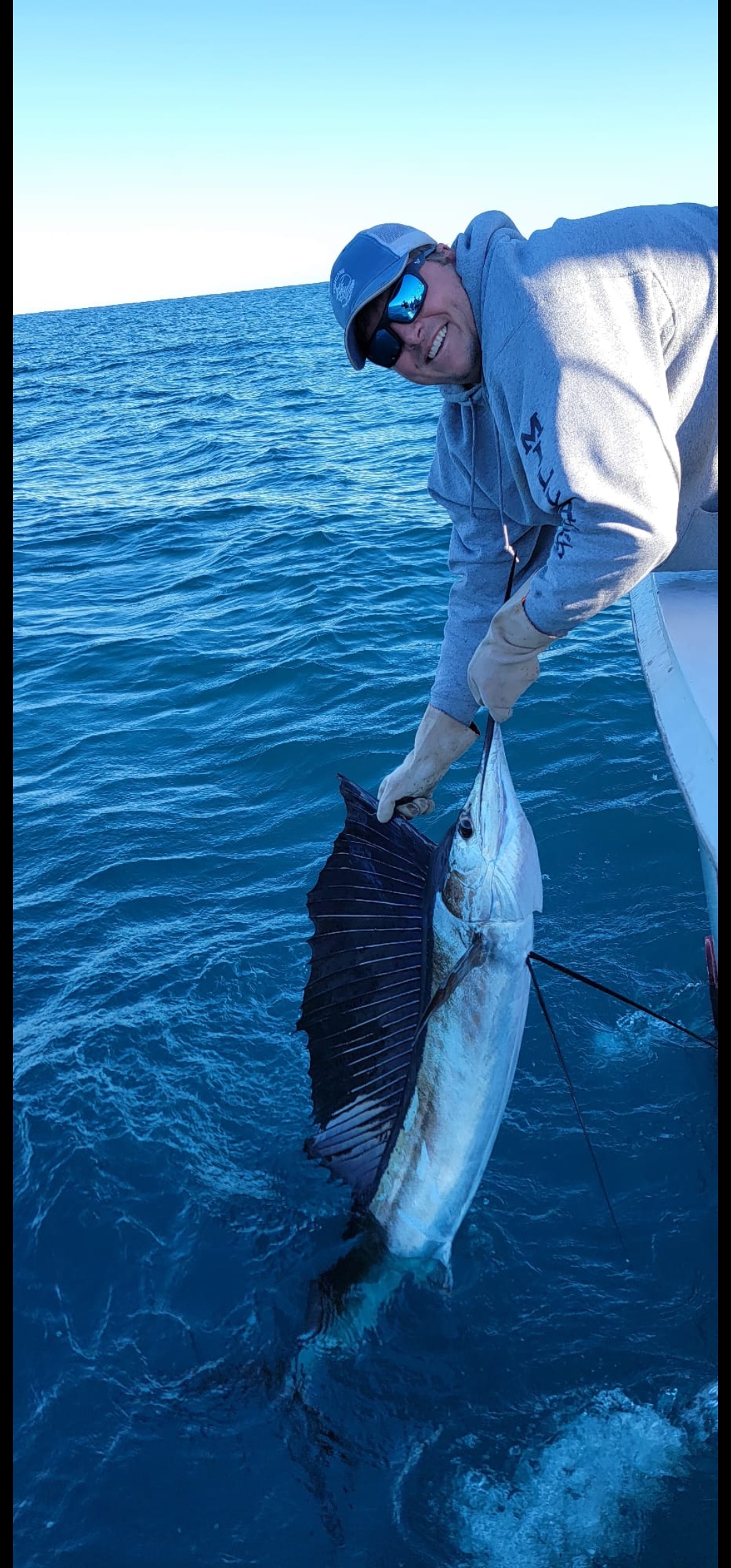
Atlantic Sailfish are the crown jewel of South Florida offshore fishing, and Fort Lauderdale sits right in the sweet spot for these acrobatic fighters. Peak season runs from November through April, when cooler water temps push baitfish closer to shore and the sails follow. These fish average 6-8 feet and 40-60 pounds, but don't let the weight fool you – a hot sailfish will clear the water half a dozen times and make runs that test your drag system and your arms. Most anglers practice catch and release with sails, making for great photos and even better fish stories. The bite typically happens in 80-250 feet of water along the reef line, where the fish cruise looking for scattered ballyhoo and pilchards.
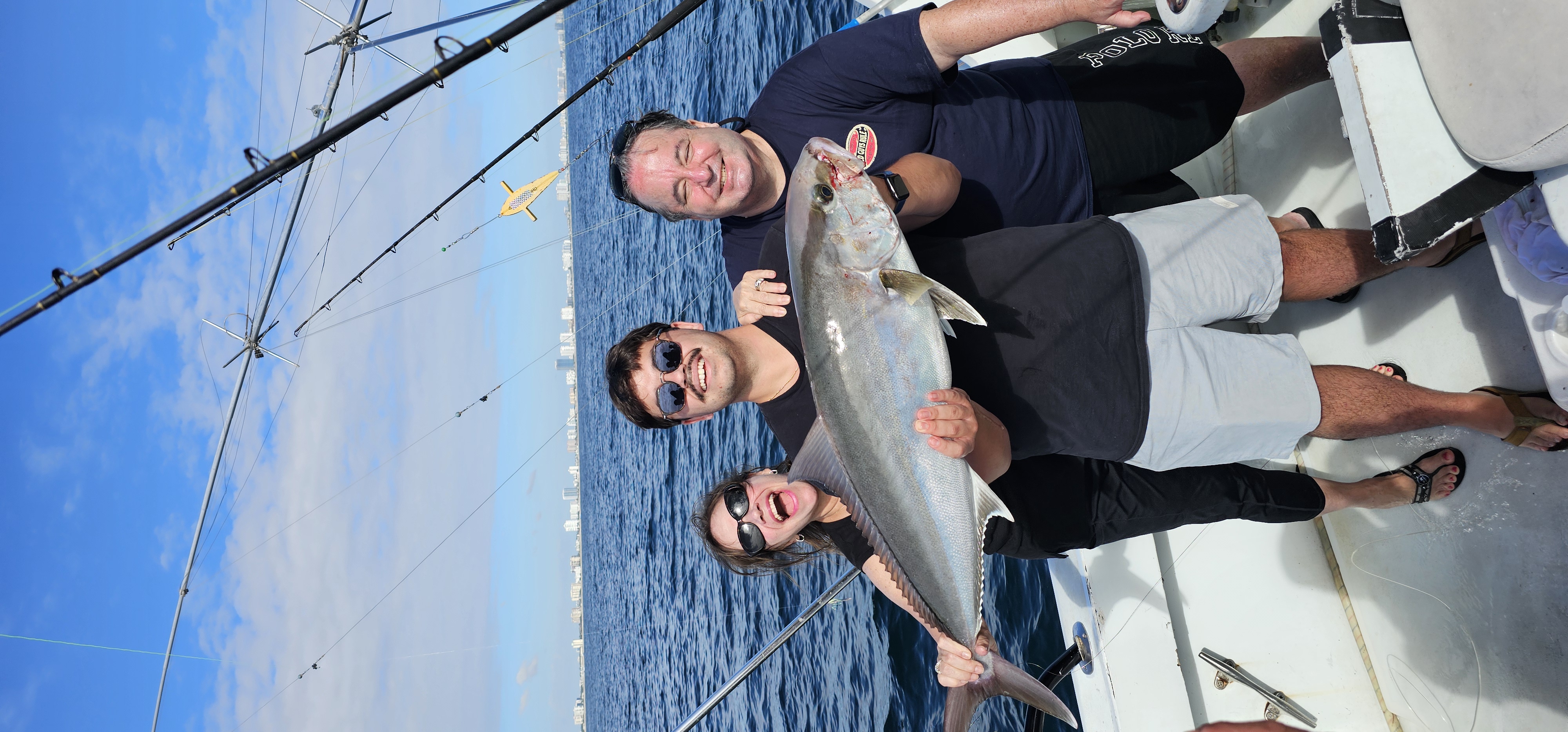
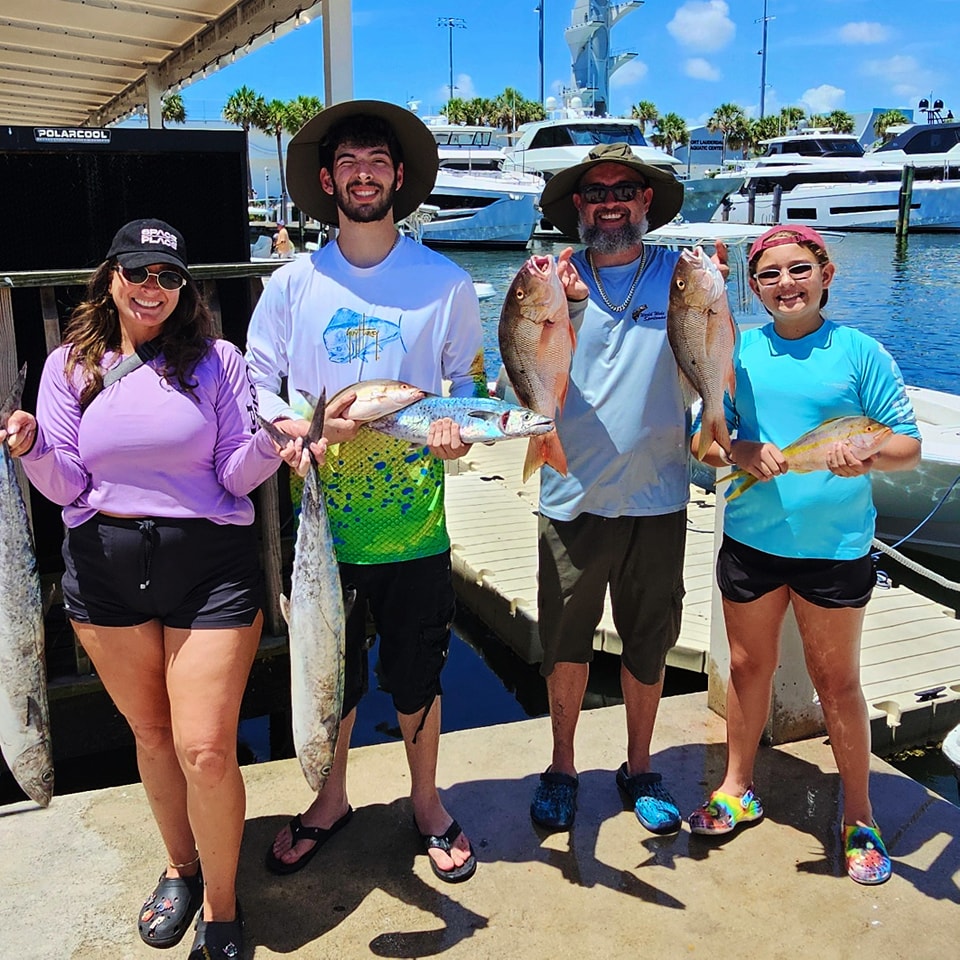
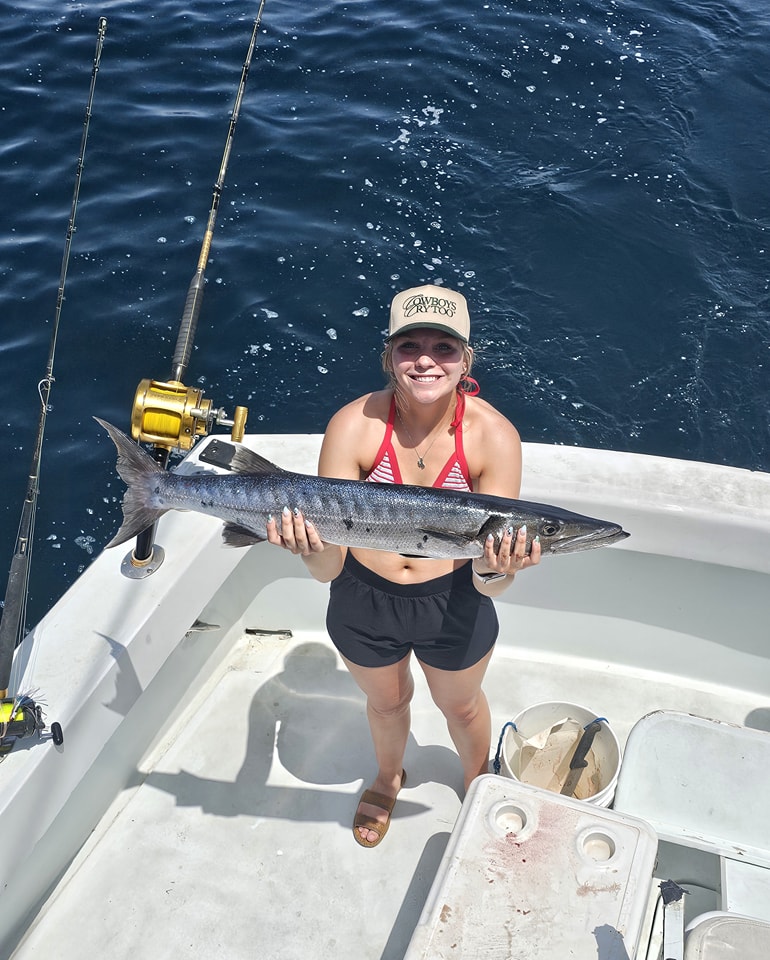
King Mackerel are the bread and butter fish of the offshore fleet, and for good reason – they bite year-round, fight hard, and make excellent table fare when prepared right. These silver torpedoes range from schoolie fish around 10-15 pounds up to smoker kings pushing 40-50 pounds or more. The bigger fish typically show up during the fall and winter months when they're staging for their spawning runs. Kings have razor-sharp teeth and a nasty habit of cutting through leaders, so wire is a must. They'll hit both trolled baits and live offerings, but nothing beats the excitement of watching a big king crash a goggle-eye on the surface. The meat is fantastic when bled immediately and kept on ice – many charter customers specifically target kings for the dinner table.
Mahi Mahi bring color and excitement to any offshore trip, with their brilliant gold and green sides flashing as they fight near the surface. These fish are structure-oriented, often found around floating debris, weed lines, or any piece of flotsam that provides shade and attracts baitfish. School-sized mahi run 5-15 pounds and travel in groups, meaning when you find one, you've often found several. The bigger bull mahi are loners that can exceed 30-40 pounds and provide arm-burning fights on medium tackle. Mahi are excellent eating and one of the most popular fish for the cooler. Peak season in Fort Lauderdale waters typically runs from spring through early fall, though scattered fish show up year-round when conditions are right.
Wahoo represent the speed demons of the offshore world, capable of smoking line off your reel faster than almost any other fish in the ocean. These streamlined predators prefer deeper water and stronger current, often showing up around 200-400 feet or more. Most wahoo are caught trolling high-speed lures or rigged ballyhoo, though they'll occasionally hit live baits. The average fish runs 20-40 pounds, but the occasional monster exceeding 60-80 pounds shows up to test equipment and angler skills. Wahoo have mouths full of sharp teeth that can slice through heavy mono like a knife, making wire leaders absolutely essential. The meat is white, flaky, and considered by many to be the finest eating fish in the ocean – definitely a fish worth keeping for the table.
Bull Shark encounters ad
 Private Trip
 Offshore Fishing
 Fort Lauderdale, FL


 Full 8-hour offshore fishing trip aboard 46' Hatteras vessel