Extended Half Day Afternoon Fishing - Biloxi
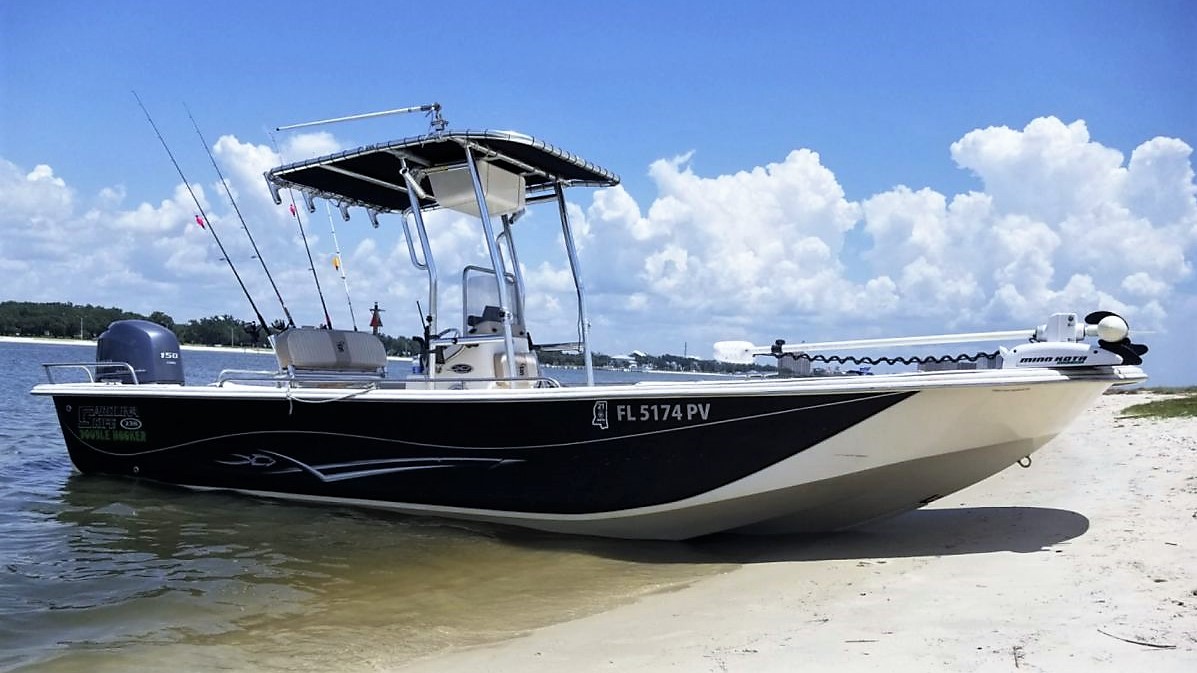
Six hours on the water around Biloxi gives you plenty of time to really dial in your fishing game. This extended half-day trip with Double Hooker Fishing Charters takes you through the best inshore spots along the Mississippi Gulf Coast, from the protected back bays to productive nearshore waters and those winding river mouths that hold serious fish. Captain Mark keeps the pace comfortable but focused, making sure you're hitting the right spots at the right times while learning techniques that'll make you a better angler. Whether you're looking to land your first redfish or add some variety to your catch log, this trip delivers the kind of fishing that keeps folks coming back to the Mississippi coast.
What to Expect on the Water
Your afternoon starts with a quick briefing on tackle selection and the day's game plan based on tides, weather, and what's been biting lately. The beauty of a 6-hour window is you're not rushed – there's time to work multiple spots, adjust techniques, and really focus on the fish that are cooperating. You'll cover diverse water types that each fish differently. The back bays offer sight fishing opportunities in shallow water where you can watch redfish cruise the flats. River mouths provide structure and current breaks that attract feeding fish, while the nearshore waters give you shots at bigger specimens and different species altogether. Captain Mark reads the water conditions and adjusts the approach throughout the trip, teaching you to recognize productive water and understand why certain spots hold fish. The intimate 2-person capacity means you get personalized instruction and plenty of rod time without waiting your turn.
Tackle and Techniques
This trip covers a range of fishing methods that'll expand your skills on the water. Live bait fishing with shrimp, croaker, and finger mullet produces consistent results, especially around structure and deeper holes. You'll learn proper rigging for different bottom types – from oyster bars where you need to keep baits moving, to sandy bottoms where you can let fish find your offering. Artificial lures come into play when fish are actively feeding, with soft plastics, spoons, and topwater plugs all having their moments depending on conditions and target species. Captain Mark shows you how to read the water for signs of feeding activity – birds working, bait jumping, or subtle current changes that indicate structure below. The key techniques include proper drift fishing in current, anchoring strategies for specific structures, and sight casting when fish are visible in shallow water. You'll use medium to medium-heavy spinning gear that's versatile enough to handle everything from 14-inch trout to bull redfish, with tackle provided that's matched to local conditions and target species.
Customer Stories
"Captain Mark provided a great fishing experience at great price. I will definitely use him again and recommend you check him out!" - Jimmy
Species You'll Want to Hook
Redfish are the crown jewel of Mississippi inshore fishing, and for good reason. These copper-colored bruisers range from slot-sized fish around 20 inches up to bull reds that can stretch past 40 inches and really test your drag system. They're year-round residents but fish best during spring and fall when they're actively feeding in shallow water. Redfish are exciting because they eat aggressively, fight hard, and you can often see them before you cast. They cruise oyster bars, grass flats, and marsh edges, making them perfect targets for sight fishing when conditions are right. The thrill comes from watching a red turn on your bait and that initial run when they realize they're hooked.
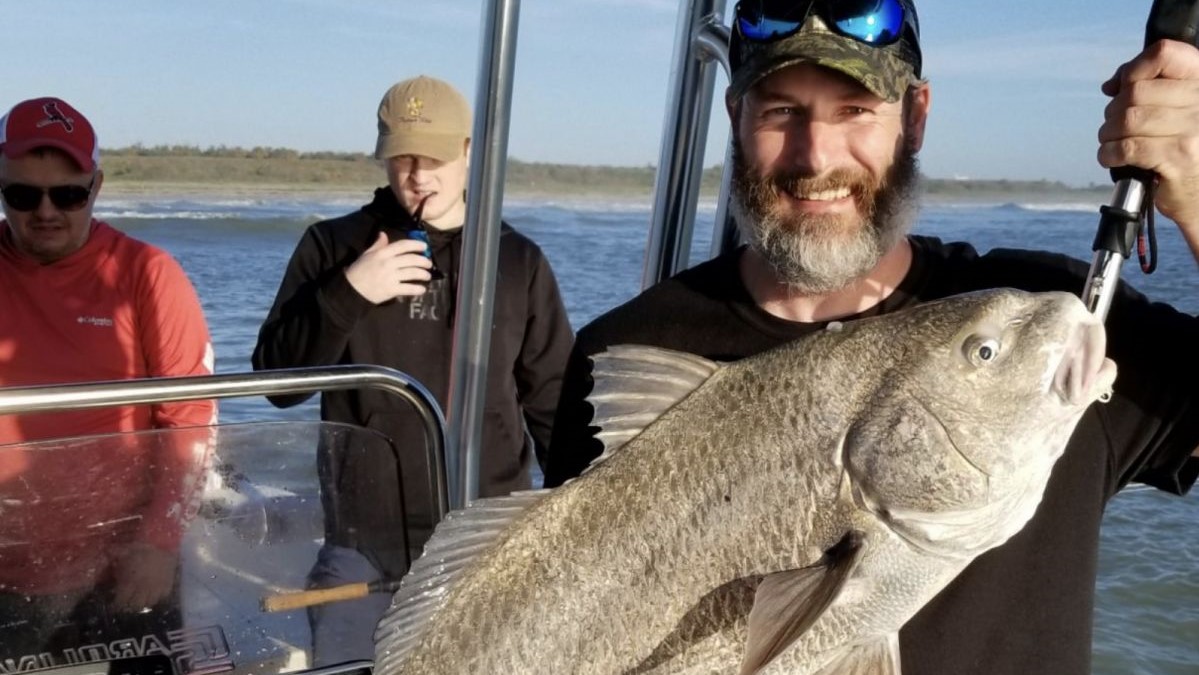
Black drum might not win beauty contests, but they're absolute bulldogs that provide some of the strongest fights you'll experience inshore. These bottom-dwellers can range from keeper-sized fish around 16 inches to massive specimens over 30 pounds that seem more like small sharks when you're fighting them. They're most active during cooler months and love structure – bridge pilings, oyster reefs, and deeper holes with strong current. Black drum are exciting because they're pure power, using their broad bodies and strong tails to make long, determined runs that'll have your arms burning. They're also excellent table fare when properly prepared, with firm white meat that's perfect for the grill.
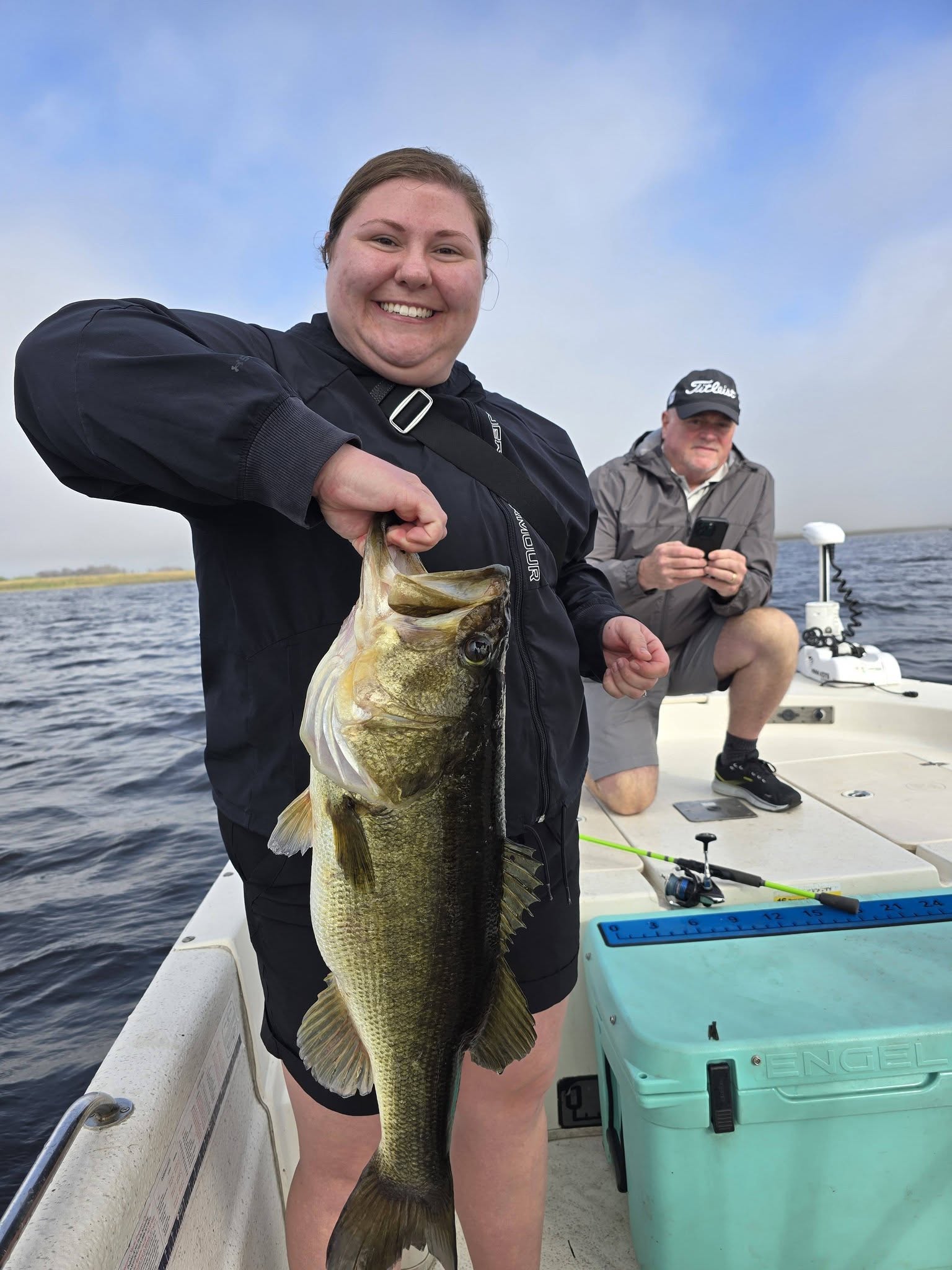
Seatrout, or speckled trout, are probably the most consistent biters in these waters and perfect for building confidence on the water. They range from schoolie fish around 12 inches to quality keepers over 20 inches, with the occasional gator trout pushing 25 inches or better. Spring through fall provides the best action, especially around grass beds and drop-offs adjacent to shallow flats. Trout are exciting because they're aggressive feeders that'll hit both live bait and artificials, making them perfect for experimenting with different techniques. They also have a distinctive bite – that solid thump that lets you know you've got a good fish before you even set the hook.
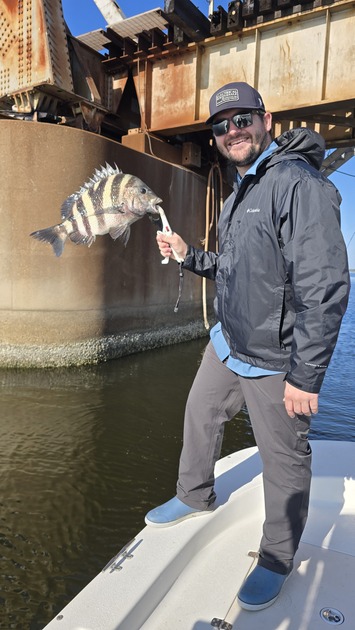
Sheepshead are the technical challenge of the bunch, with mouths full of human-like teeth and a knack for stealing bait without getting hooked. These black-and-white striped fish are most active during cooler months around structure – especially around barnacle-covered pilings, jetties, and oyster beds. They typically run 12 to 18 inches, but the bigger ones can reach 20 inches and several pounds. Sheepshead are exciting because they require finesse and patience to hook consistently, making them a favorite target for anglers who like to match wits with smart fish. They're also outstanding eating with sweet, flaky white meat that rivals any fish in the Gulf.
Cobia are the wild cards that can show up anywhere and turn a regular day into something special. These brown, shark-like fish are curious by nature and often approach the boat, giving you shots at sight fishing for a species that can range from 20-pound juveniles to monsters over 50 pounds. Peak season runs from late spring through early fall when they're moving through coastal waters. Cobia are exciting because they're aggressive predators that'll eat
 5.0(1 Reviews)
 Private Trip
 Inshore Fishing
 Biloxi


 Six-hour inshore fishing adventure targeting multiple local species