Key West Afternoon Half Day Wreck Fishing
Want to sleep in and still get some world-class fishing in? This afternoon charter is perfect for you. Down Low Sportfishing runs a customer favorite half-day trip that lets you hit the productive wreck sites around Key West without the early morning wake-up call. We're talking about 4 solid hours on the water targeting some of the best eating fish in the Gulf Stream, with departure around 1:30 p.m. and back at the dock by 5:30 p.m. The timing can shift a bit based on weather, season, or if you're really into the bite, but that's the beauty of fishing with a crew that knows these waters inside and out.
What to Expect on the Water
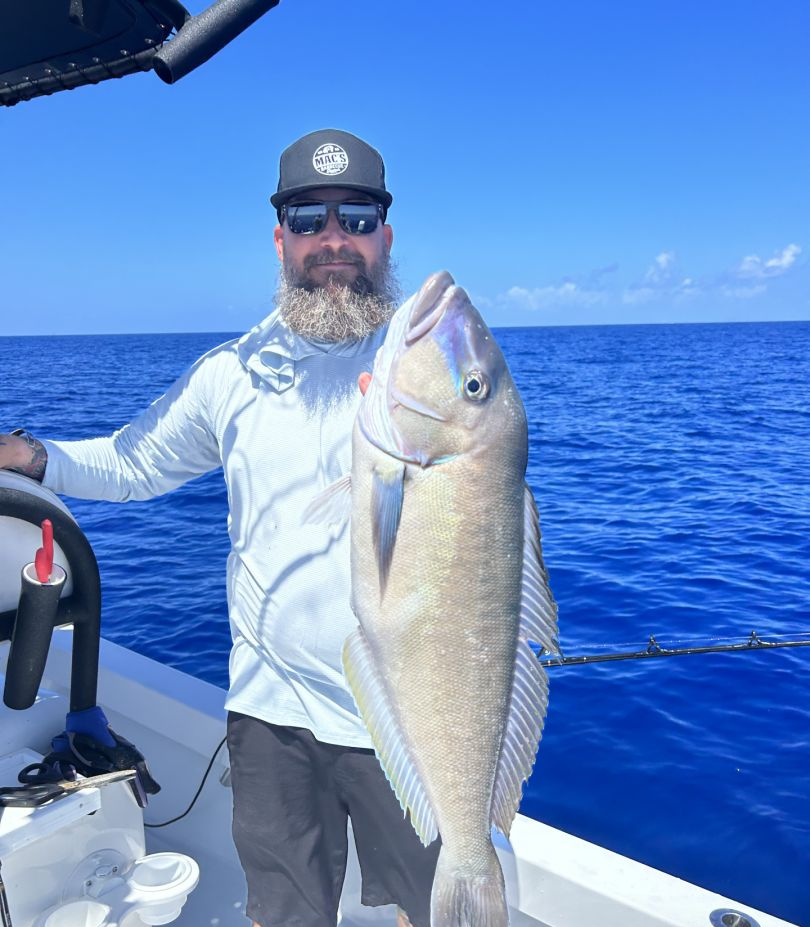
This trip is all about hitting the wrecks that lie scattered across the seafloor off Key West. These artificial and natural structures are fish magnets, holding everything from snapper and grouper to pelagic species that cruise through looking for an easy meal. You'll be fishing in depths ranging from 60 to 200 feet, depending on which wrecks are producing. The boat heads out from the harbor and makes the run to the most promising spots based on current conditions, bait movement, and recent reports. Since this is a solo charter, you get the captain's undivided attention and can really dial in on the techniques that work best for your skill level. The afternoon timing is actually ideal for wreck fishing - the morning boat traffic has settled down, and fish often get more active as the day progresses.
Tackle and Techniques
Wreck fishing requires specific gear and know-how to be successful. You'll be using medium to heavy spinning or conventional tackle, typically in the 30-50 pound class, because these fish don't mess around when they're hooked near structure. The captain provides all the rods, reels, terminal tackle, and bait - usually a mix of live bait when available and fresh cut baits like sardines, ballyhoo, and squid. The key to wreck fishing is getting your bait down to the fish while avoiding hang-ups on the structure. This means understanding how to work the current, when to let your bait drift naturally, and when to keep tight control. You'll learn techniques like jigging with heavy spoons and bucktails, dropping live pinfish and pilchards, and working the edges of the wreck where the big predators patrol. Each wreck has its own personality, and part of the fun is figuring out what the fish want on any given day.
Top Catches This Season
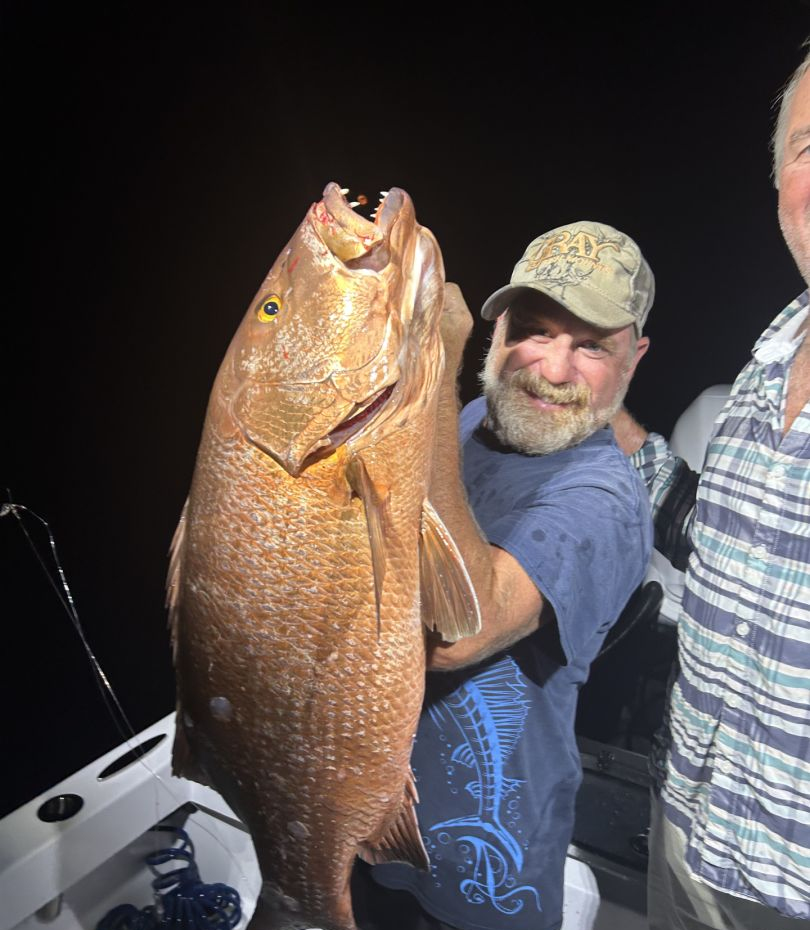
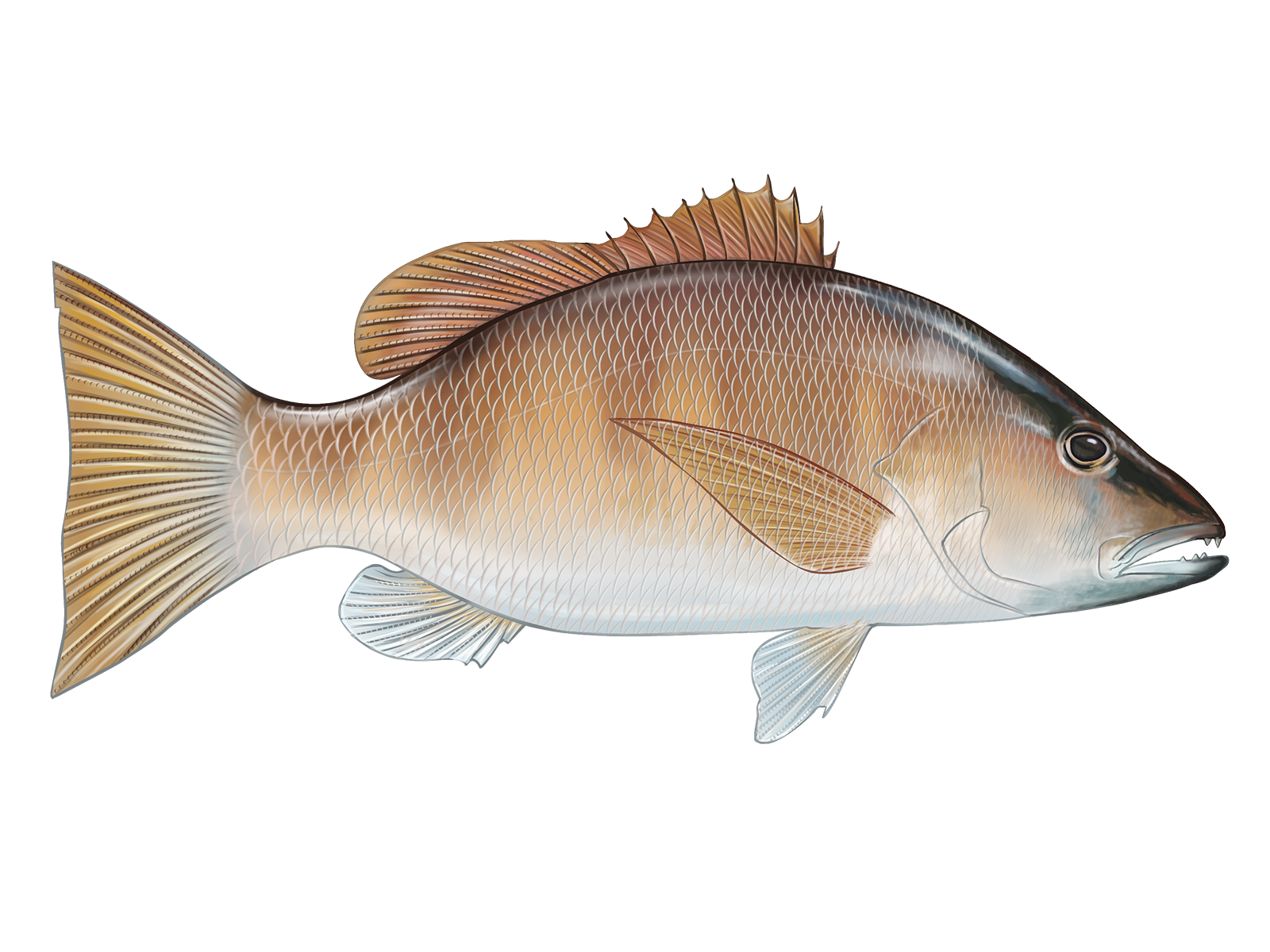
The wrecks around Key West are renowned for holding multiple species that provide both great fights and excellent table fare. Mutton snapper are the bread and butter of wreck fishing here - these beautiful fish with their bright red coloration and distinctive black spot love to school around structure. They typically run 3 to 8 pounds, though occasionally you'll hook into a real doormat pushing double digits. Muttons are most active from spring through early fall, and they're notorious for being finicky about bait presentation. When you find a school, though, the action can be fast and furious. They're absolutely top-rated eating fish with firm, sweet meat that's perfect for the grill.
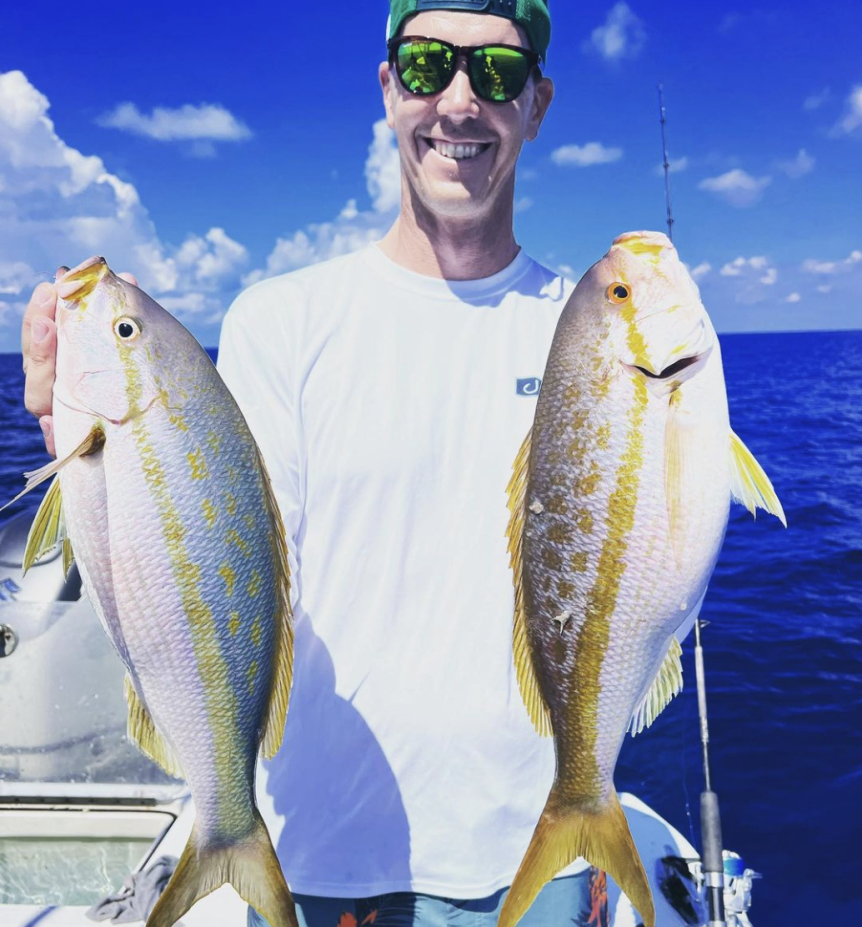
Grey snapper, or mangrove snapper as locals call them, are year-round residents of the wrecks and arguably the smartest fish you'll target. These guys are line-shy and bait-smart, but that's what makes them so satisfying to catch. They range from keeper-sized 12-inchers up to trophy fish over 20 inches and 4-5 pounds. The bigger ones are usually found deeper and require finesse fishing with lighter leaders and smaller hooks. Their white, flaky meat is a customer favorite at local restaurants.
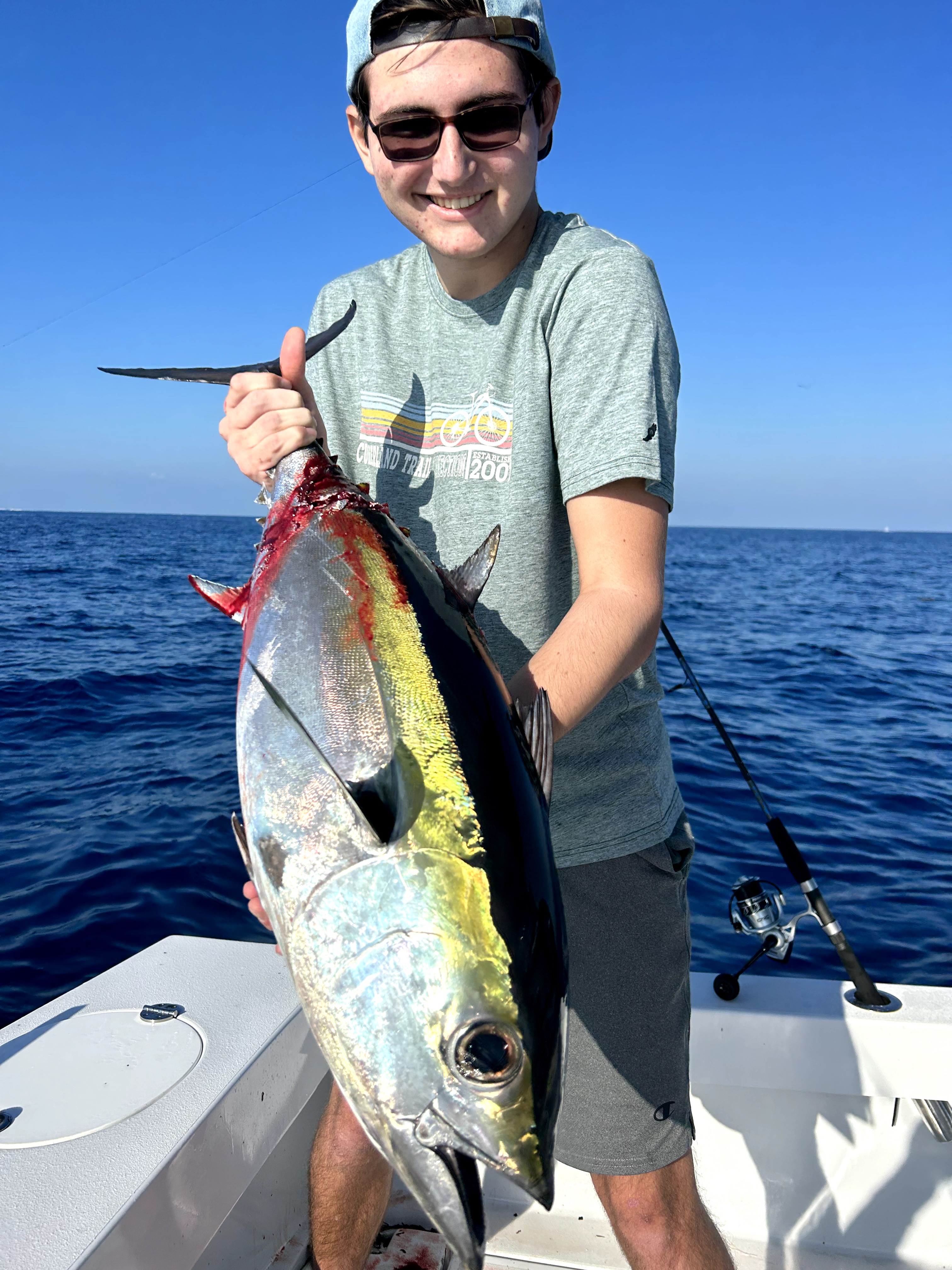
When conditions are right and the Gulf Stream is pushing close to the wrecks, blackfin tuna show up to hunt the baitfish that call these structures home. These are smaller tunas, typically 5-15 pounds, but they fight like fish twice their size. They're built for speed and will test your drag system and your arms. The best time for blackfins is late spring through early fall when the water temperature climbs above 75 degrees. Nothing beats fresh blackfin sashimi on the boat after a successful fight.
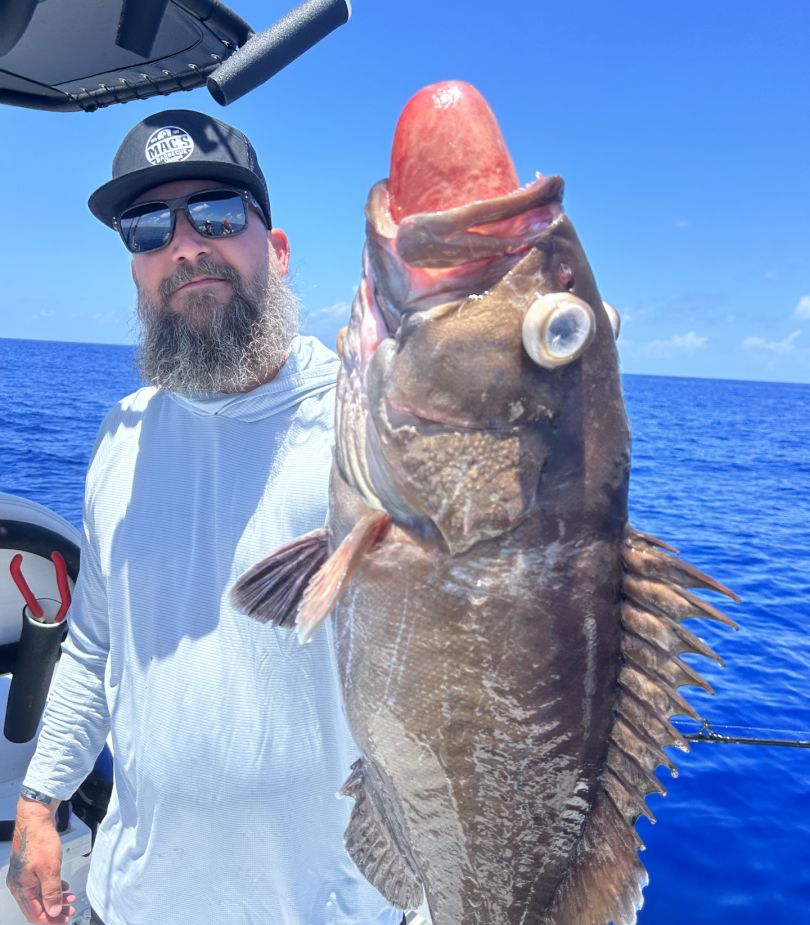
Red grouper are the heavyweight champions of the wreck scene. These bottom-dwelling ambush predators can reach impressive sizes, with fish over 20 pounds not uncommon around the deeper structures. They're most active during cooler months, from late fall through early spring. Grouper fishing requires heavy tackle and quick reflexes - once you hook one, you need to get them up and away from the wreck before they dive back into the structure and cut you off. The fight is all about power and endurance, and landing a nice red grouper is something any angler can be proud of.
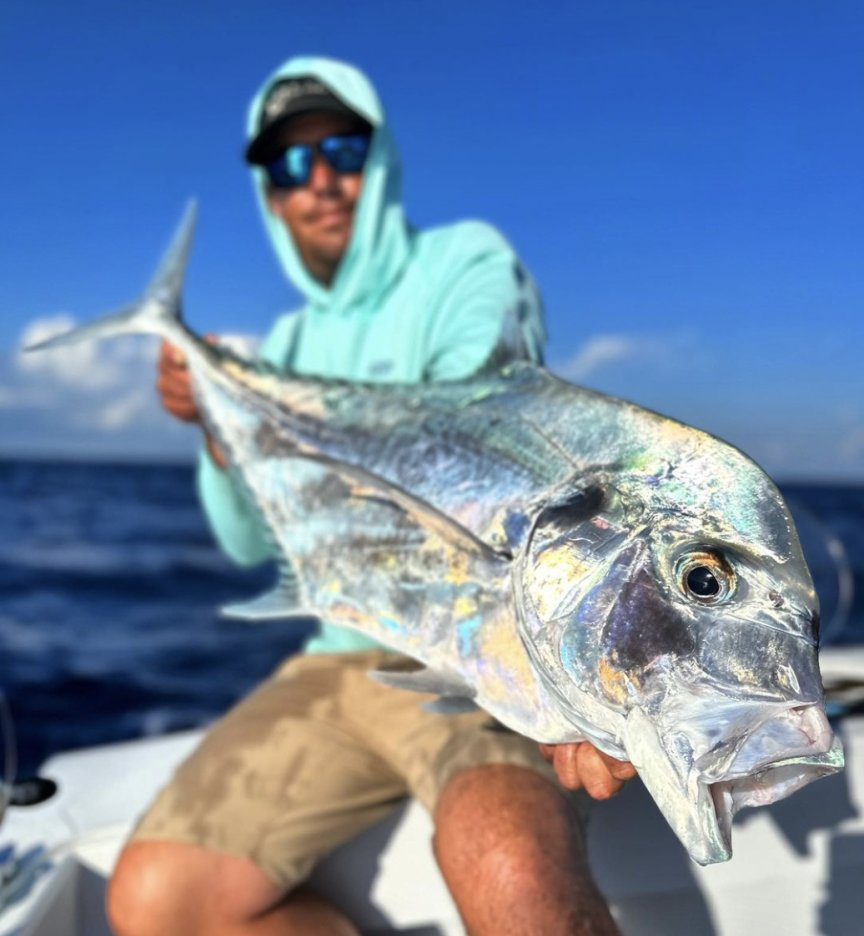
The wild card species is wahoo - these pelagic speedsters occasionally cruise the wrecks looking for baitfish and can provide the most exciting moments of any trip. Wahoo are built for speed, capable of runs over 40 mph, and they have razor-sharp teeth that can slice through leaders in an instant. They're more common during winter months when they migrate through South Florida waters. A wahoo bite usually comes out of nowhere and turns into a screaming run that will have you hanging on for dear life. At 20-40 pounds or more, they're serious gamefish that provide serious eating.
Time to Book Your Spot
This afternoon wreck fishing trip offers the perfect balance of convenience and productivity. You get to enjoy your morning coffee without rushing to make an early departure, then spend the afternoon doing what Key West does best - putting you on fish in some of the most beautiful waters in the world. With only one angler on board, you'll get personalized instruction, have access to all the best spots on the rods, and won't have to share the cooler space with other customers' catches. The
 Private Trip
 Wrecks/Reefs Fishing
 Stock Island, FL, United States


 Four-hour afternoon fishing charter departing at 1:30 p.m.