4 Hour St. Croix Offshore and Inshore Fishing
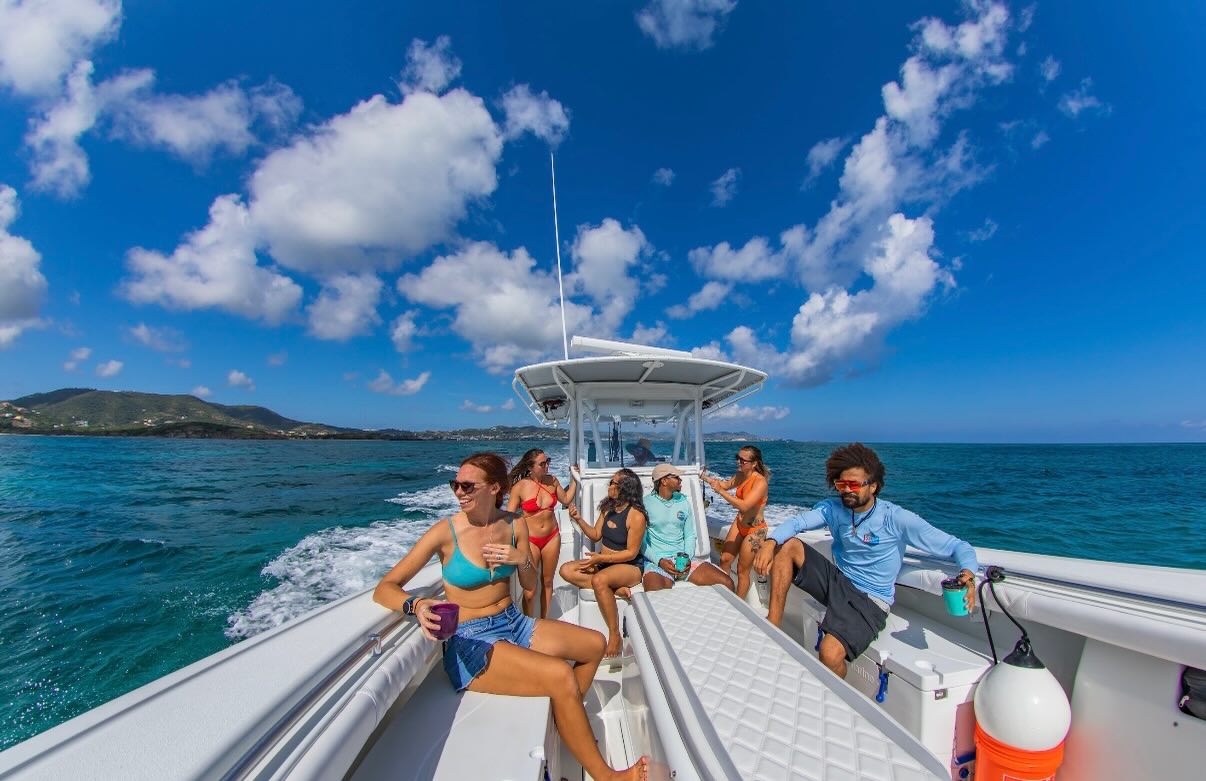
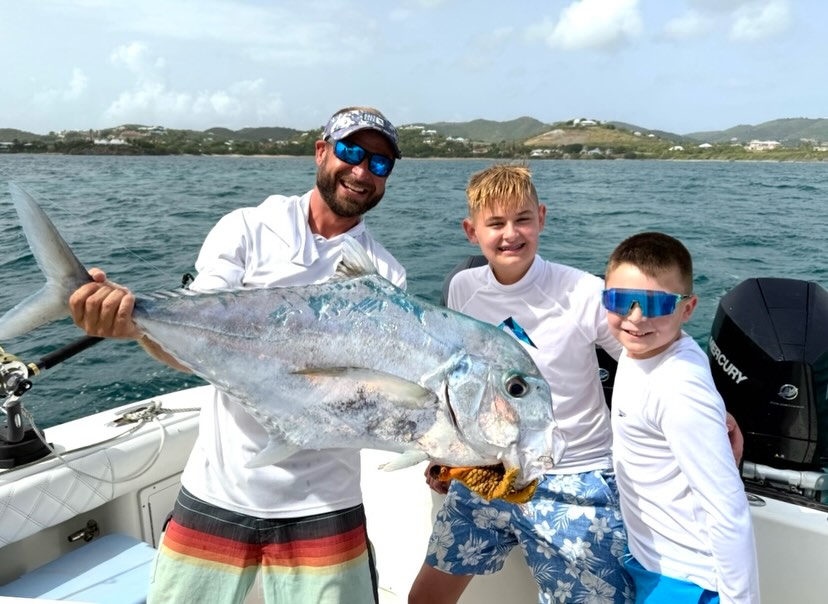
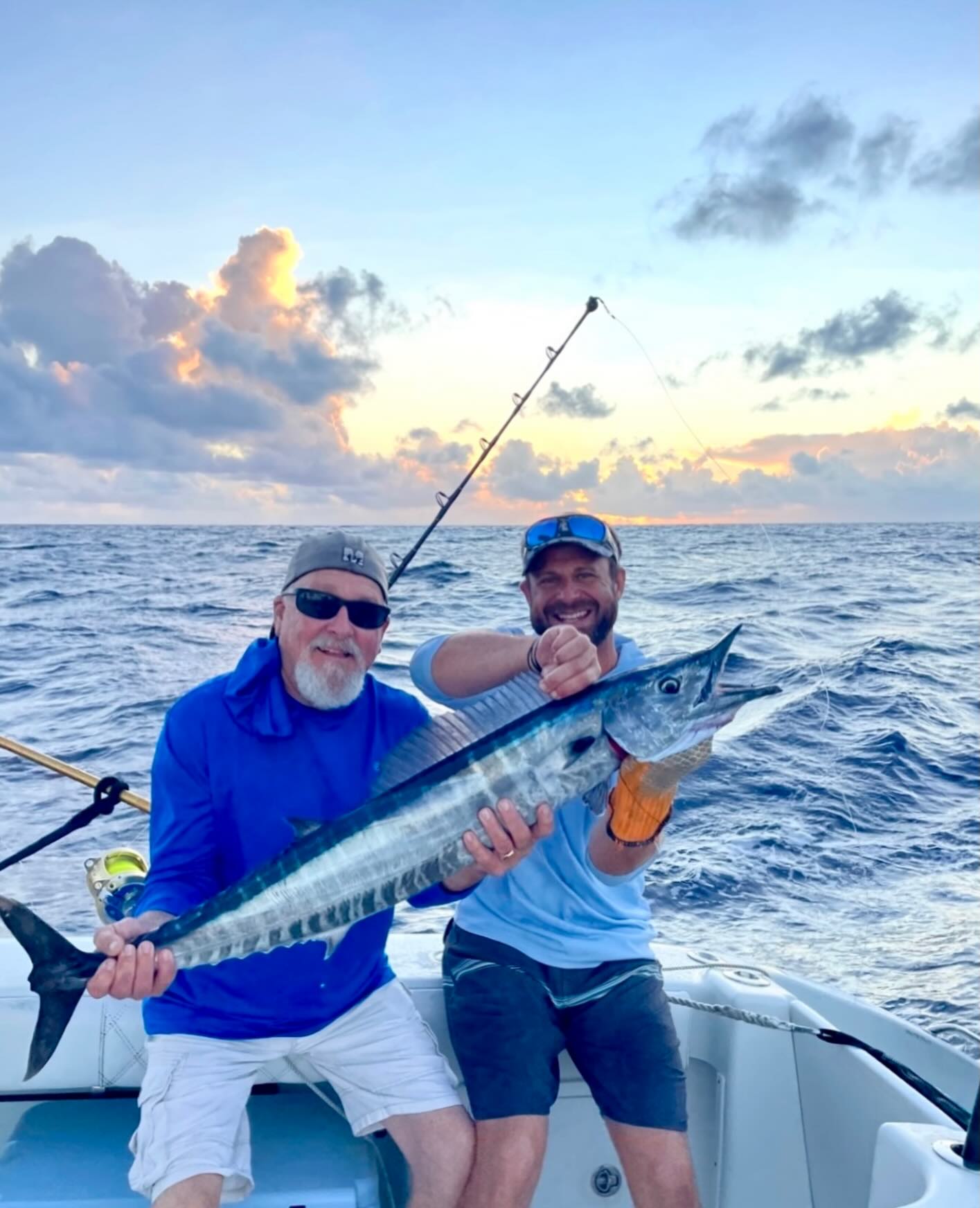
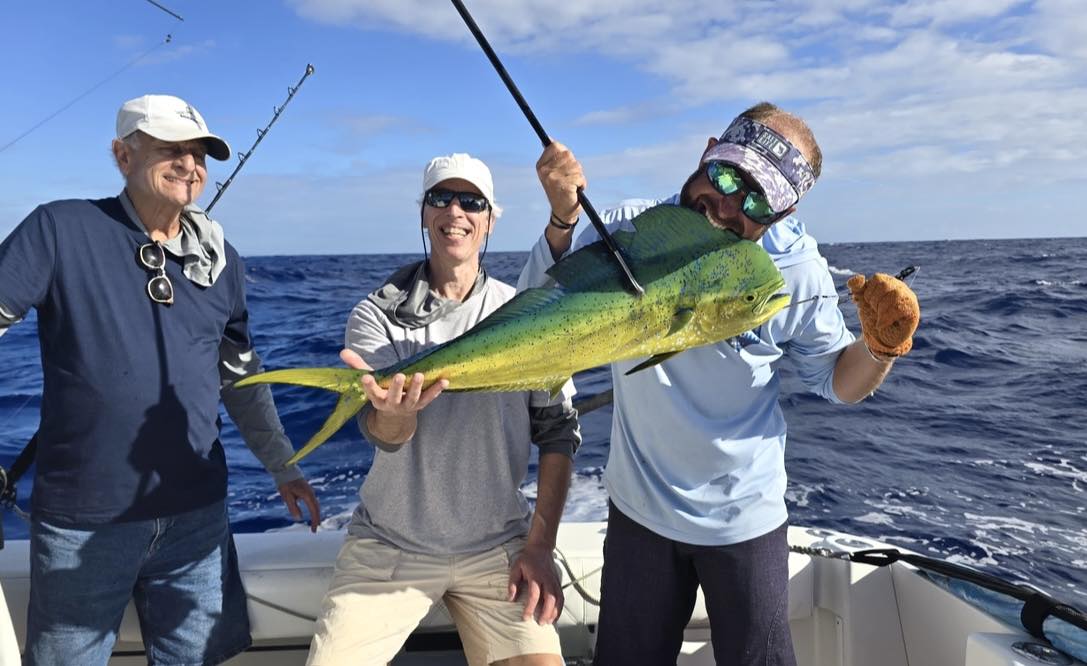
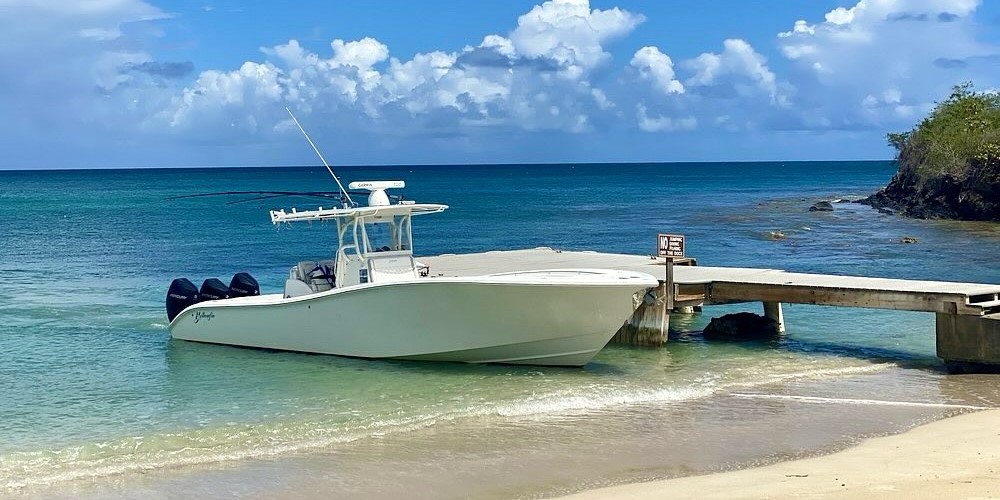
If you're looking for a taste of Caribbean fishing without burning a whole day, this 4-hour morning trip hits the sweet spot. Starting at 7:00 AM when the fish are most active, you'll have the flexibility to chase pelagics offshore or work the nearshore structure for hard-fighting inshore species. Down South Charters sets you up with everything you need – rods, reels, tackle, and licenses – so all you need to bring is yourself and maybe some snacks. The captain reads the conditions and adjusts the game plan on the fly, whether that means running out to the blue water for mahi and wahoo or staying close to target snapper and jacks around the reefs. Perfect for families, first-timers, or anyone who wants to sample what St. Croix's waters have to offer without the full-day commitment.
What to Expect on the Water
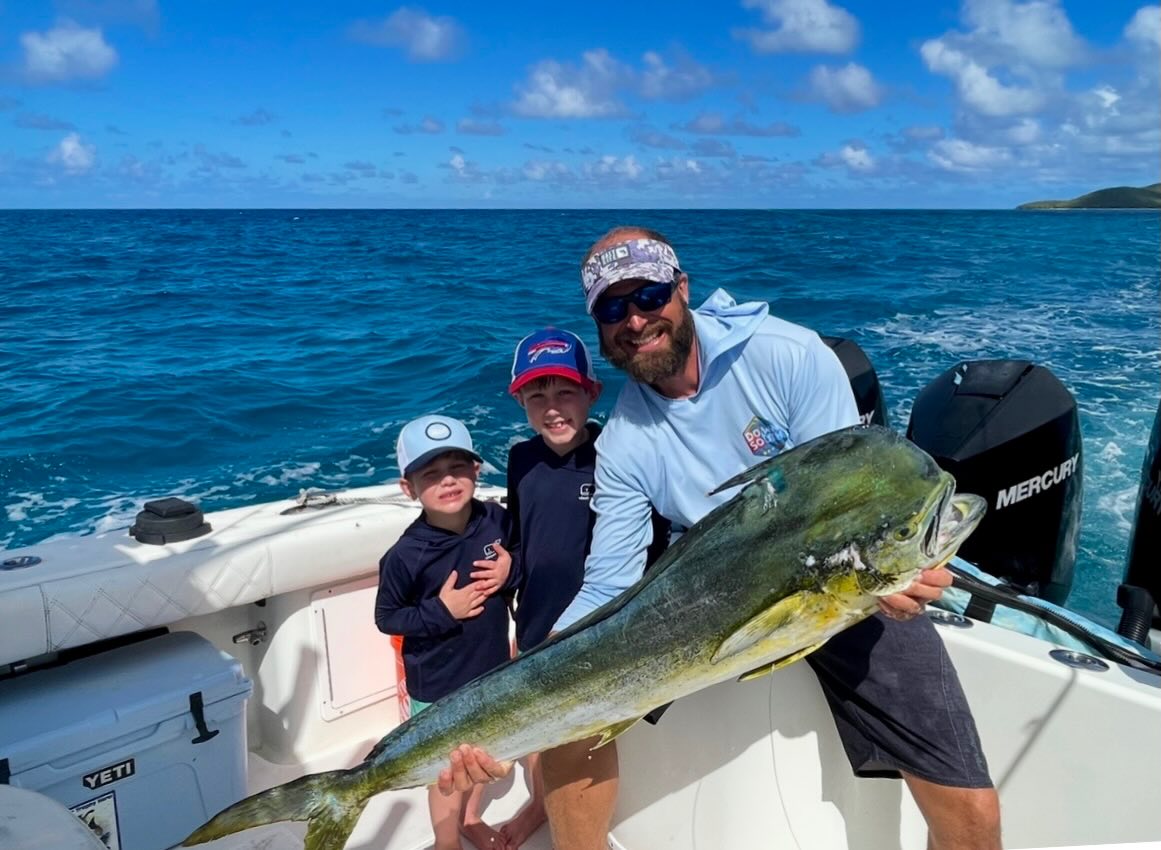
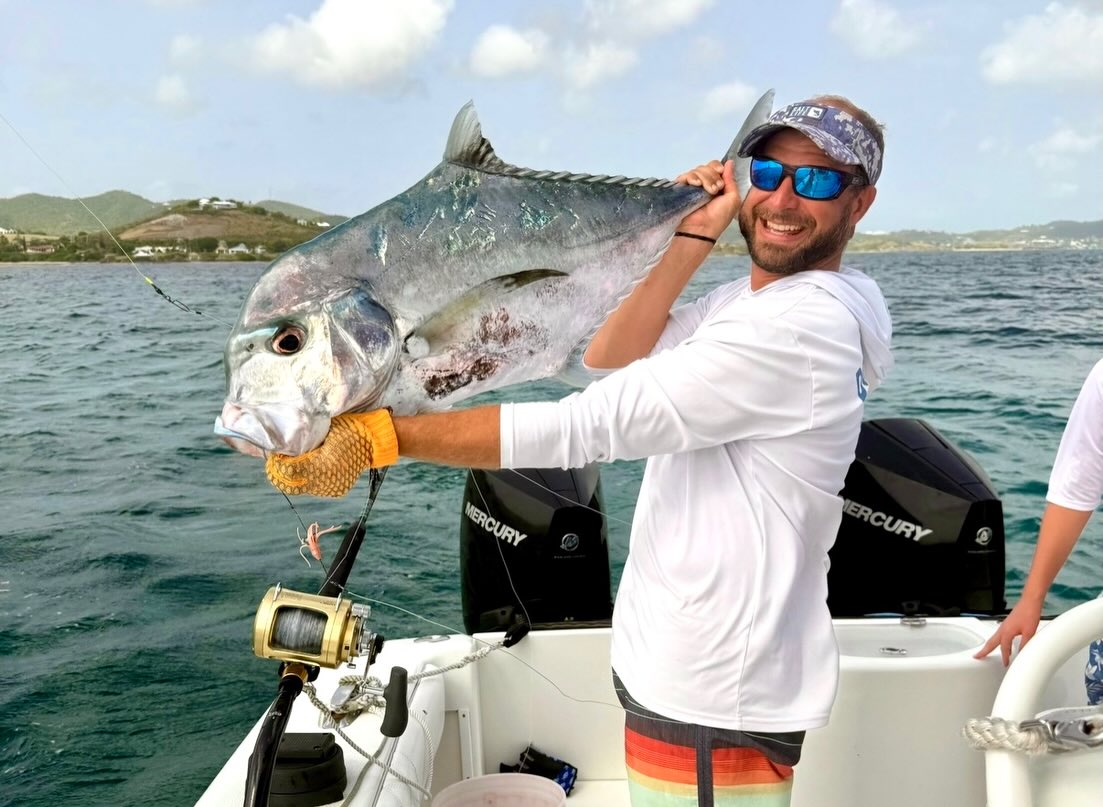
Your morning starts with a quick briefing on safety and the day's fishing plan. The captain will check recent reports, weather conditions, and what's been biting to decide whether to head offshore into the deep blue or work the inshore structure. St. Croix sits right on the edge of the Puerto Rico Trench, so you don't have to run far to hit serious water. If conditions are right and the group is up for it, you might find yourself trolling for mahi mahi and wahoo just a few miles out. When the seas are lumpy or the bite is hot inshore, you'll work the drop-offs and reefs closer to shore where tarpon roll and snapper stack up. The beauty of this trip is the flexibility – your captain adapts to what's working and what your group wants to experience. Kids and beginners get plenty of coaching on technique, while experienced anglers can dial in their approach for specific species.
Trolling and Bottom Fishing
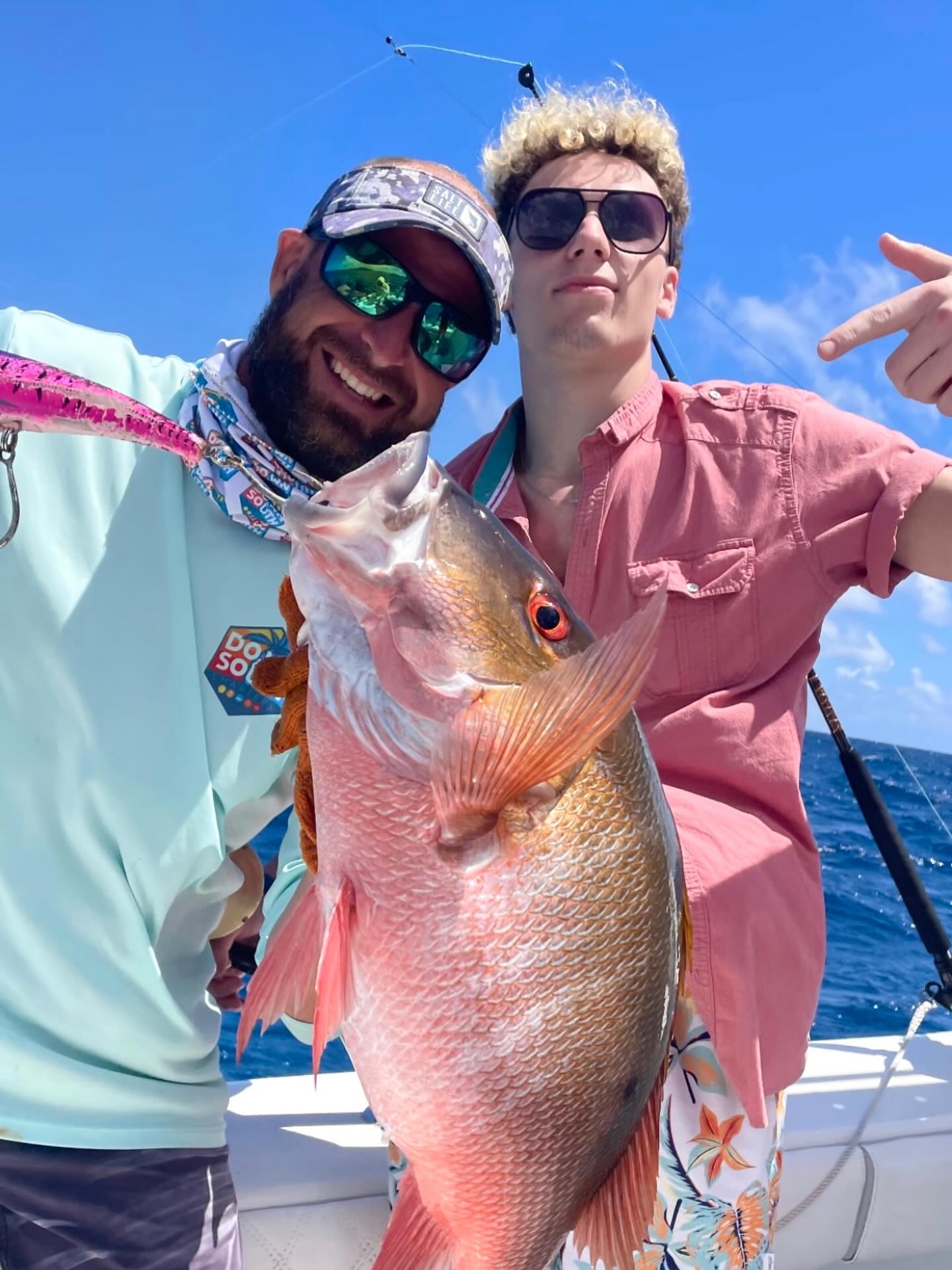
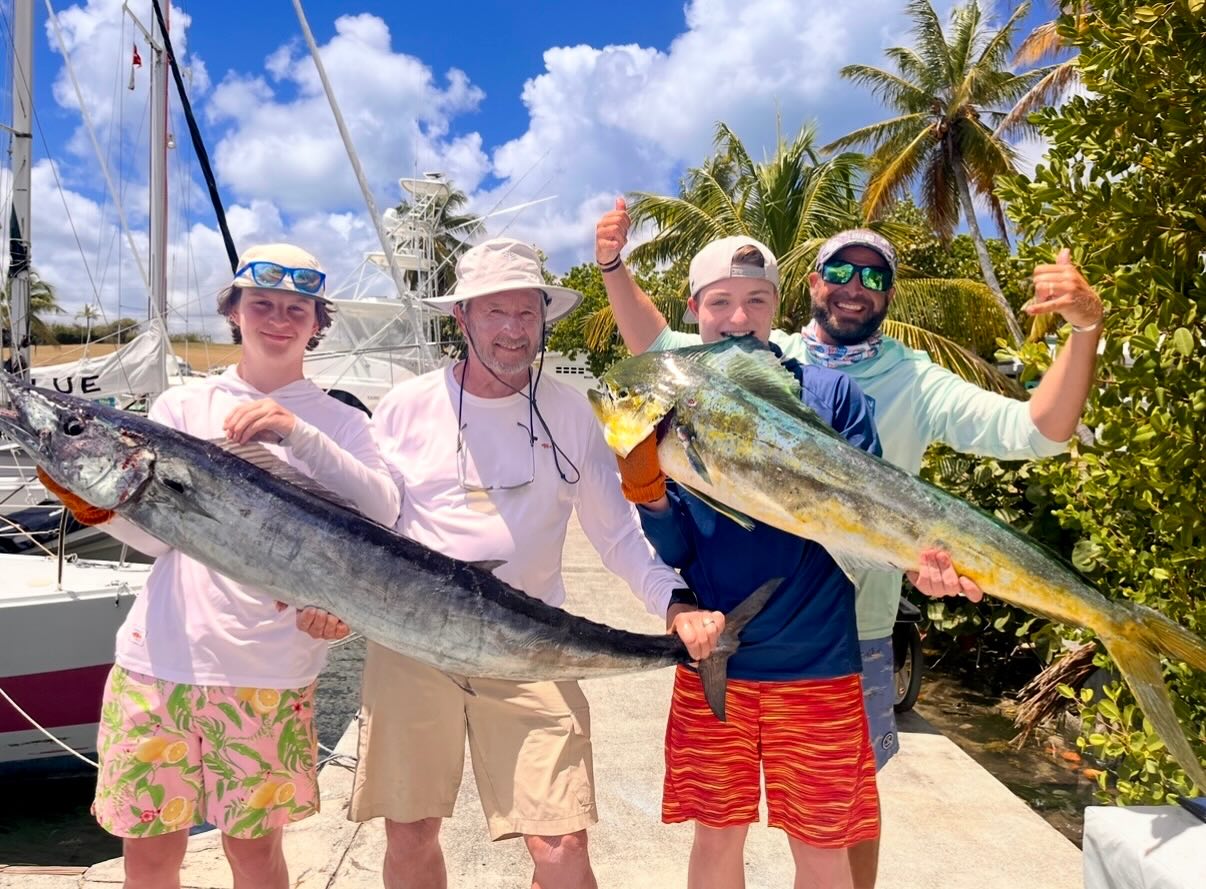
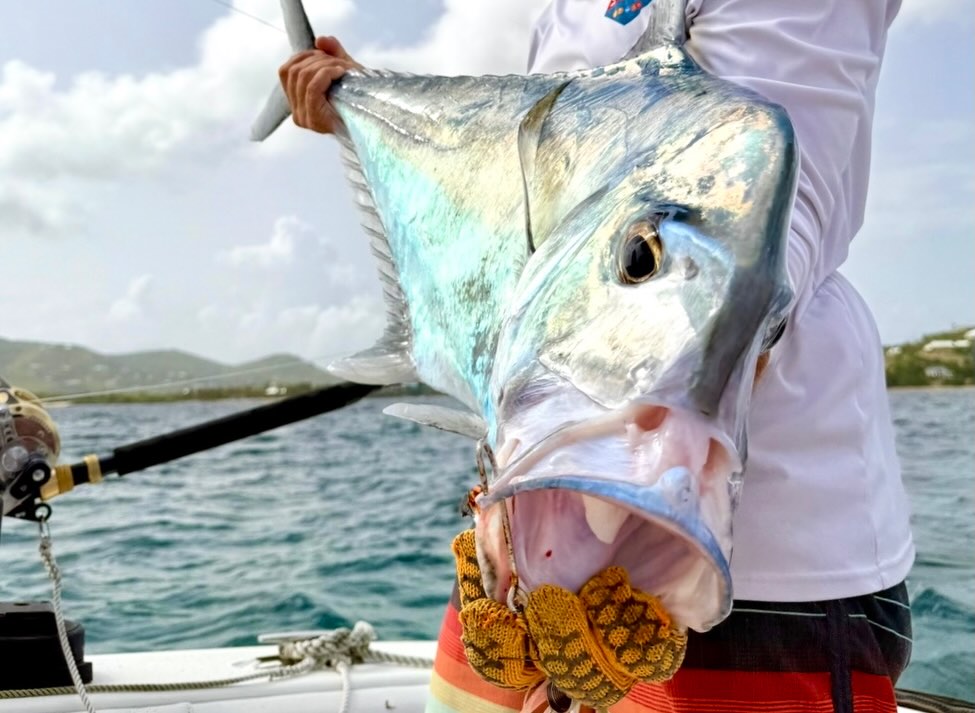
When you head offshore, the name of the game is trolling. The boat spreads out multiple lines with different lures – ballyhoo, cedar plugs, and diving plugs – at various depths and distances to cover water efficiently. Mahi mahi love the floating sargassum patches, so you'll work those weed lines hard. For wahoo and tuna, it's about finding the right temperature breaks and current edges where baitfish concentrate. The captain monitors the electronics constantly, looking for birds working, floating debris, or temperature changes that signal fish. When something hits, everyone reels in except the angler fighting the fish – and these Caribbean pelagics put on a show with jumps and long runs. Inshore fishing shifts to bottom rigs and live bait around structure. You'll drop baits near drop-offs, coral heads, and artificial reefs where snapper, grouper, and jacks patrol. The electronics help locate schools of fish, and once you find them, it's often fast action with multiple species mixing together.
Top Catches This Season
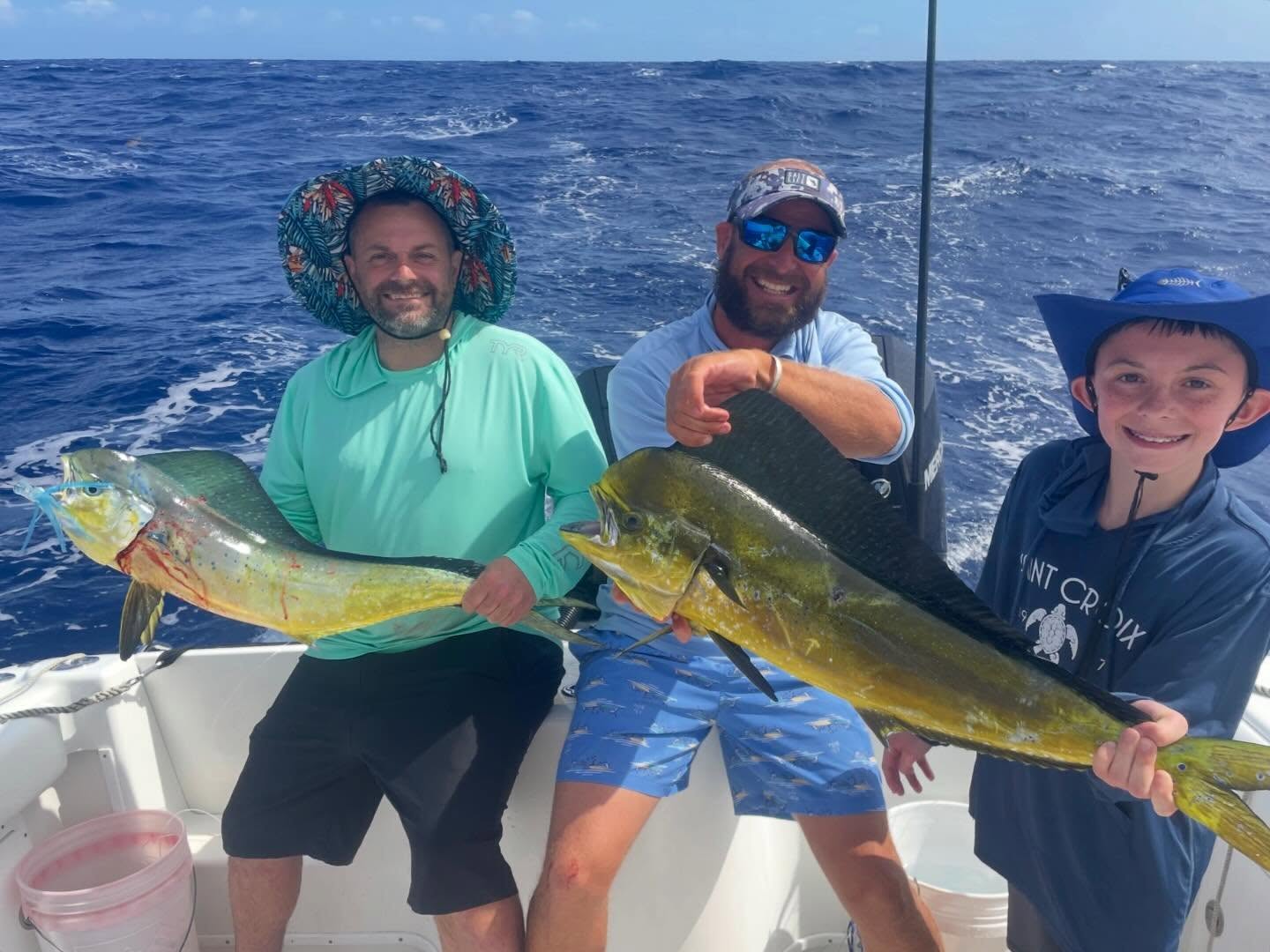
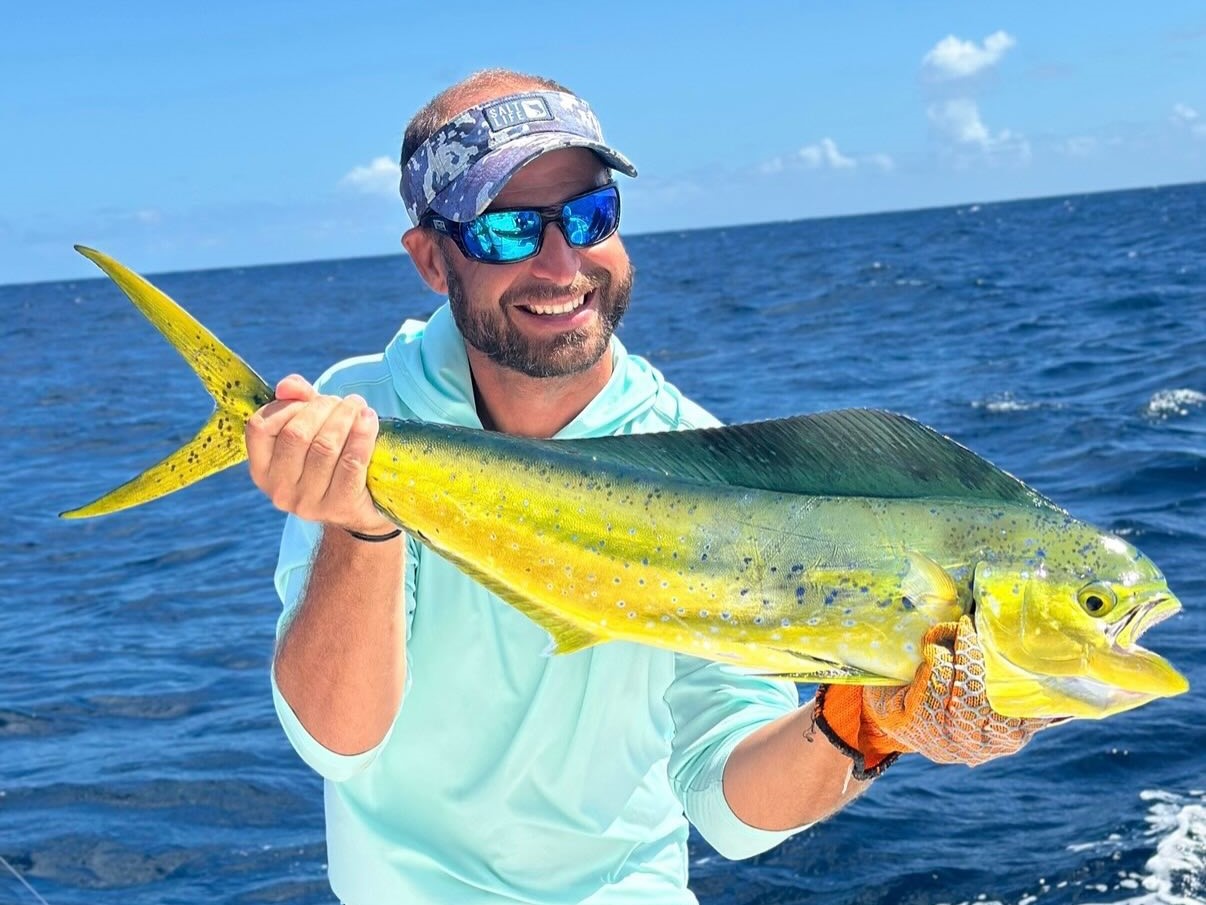
King mackerel patrol the edges where blue water meets the shelf, typically in 100-300 feet of water. These silver bullets hit trolled baits hard and make blistering runs, often jumping completely out of the water multiple times. Spring and fall see the biggest concentrations as they migrate along the Caribbean chain. What makes kings special is their speed – they're one of the fastest fish in the ocean, and when a 20-30 pounder grabs your bait, you'll know it instantly. Blue marlin cruise the deep water year-round off St. Croix, though summer months from May through September typically see the most activity. These apex predators can exceed 400 pounds and provide the ultimate big game experience. Even a smaller blue marlin of 150-200 pounds will test every piece of equipment and every ounce of skill you have. The sight of a marlin coming up behind the spread, lit up in electric blue, is something you'll never forget. Most captains practice catch and release with billfish to preserve the fishery. Mahi mahi, or dorado as locals often call them, are the bread and butter of Caribbean offshore fishing. These golden beauties school up around floating debris, weed lines, and temperature breaks. They're aggressive feeders, acrobatic fighters, and excellent table fare. Mahi run year-round but peak from spring through fall. Bulls can reach 50+ pounds, while the smaller females typically run 10-20 pounds. When you find a school, it's often multiple hookups with fish jumping all around the boat. Great barracuda are the wolves of the Caribbean reefs, and St. Croix has some true giants. These ambush predators lurk around structure and can exceed 5 feet in length. They hit baits with explosive strikes and fight with a combination of power and speed. Cuda are most active early morning and late afternoon, making them perfect for this trip's timing. While their teeth look intimidating, they're actually quite manageable once you know proper handling techniques. White marlin are smaller than their blue cousins but just as exciting to catch. These acrobatic billfish love to jump and tail-walk across the surface when hooked. They typically run 40-80 pounds and are more common during the cooler months from December through April. White marlin often travel in small groups, so where you find one, there might be more nearby.
Time to Book Your Spot
This 4-hour trip gives you a real taste of what makes St. Croix fishing special without the full-day investment. Whether you're a family looking to get the kids on some fish, beginners wanting to learn the ropes, or experienced anglers scouting for a longer trip later, this is your perfect introduction to Caribbean fishing. The early morning start puts you on the water when fish are most active, and the flexible approach means you'll fish where conditions are best. Down South Charters handles all the details – gear, licenses, and local knowledge – so you can focus on having fun and maybe landing your personal best. Don't wait too long to book, especially during peak season when these shorter trips fill up fast with repeat customers who know a good thing when
 Private Trip
 Offshore Fishing
 undefined, undefined


 Four-hour morning charter targeting offshore and inshore species