Half-Day Inshore Fishing Charter in Sneads Ferry
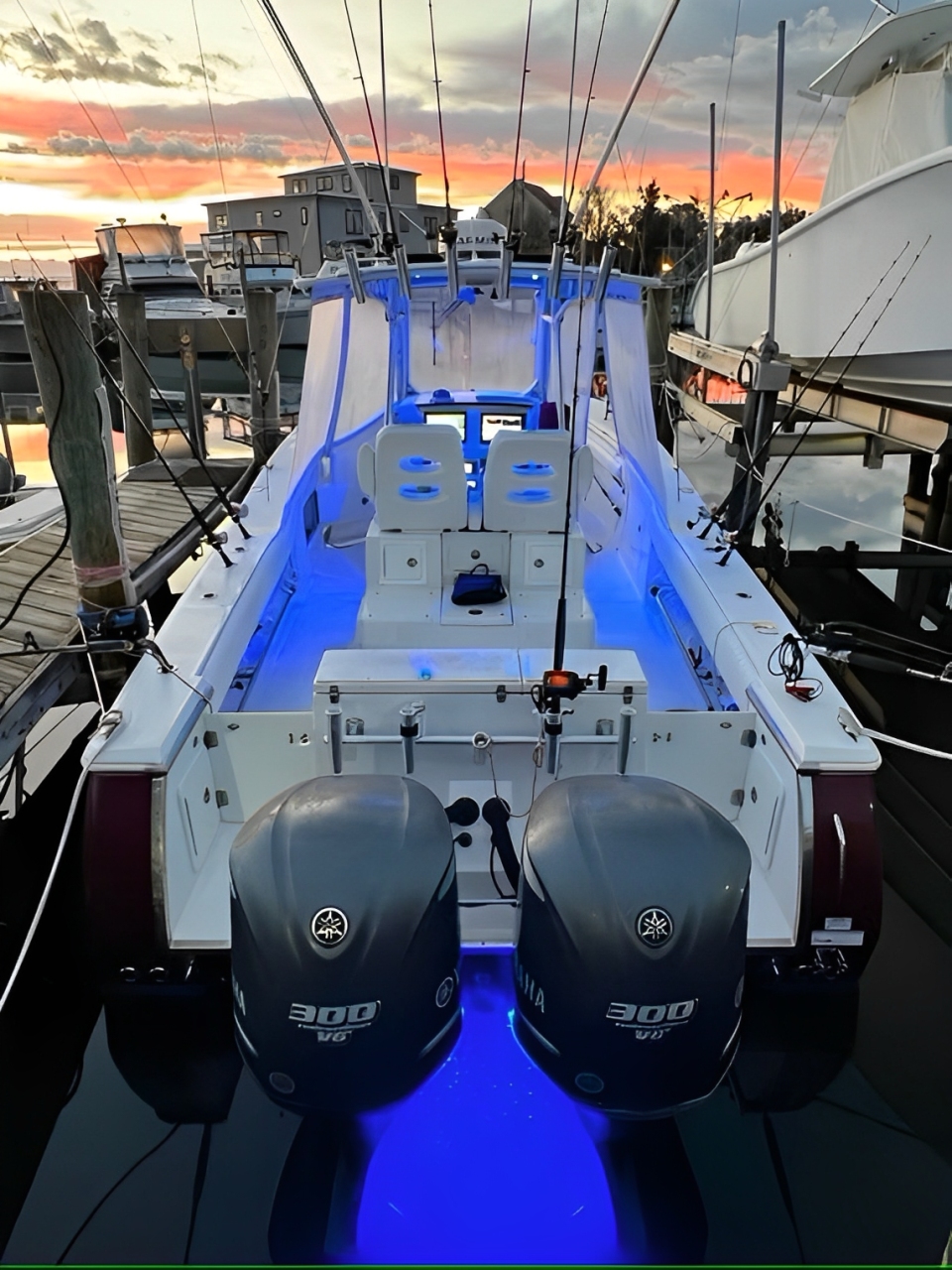
Looking for a top-rated fishing experience without burning a whole day? This private 4-hour inshore charter out of Sneads Ferry hits the sweet spot for serious anglers and families alike. We're talking about some of the best inshore waters on North Carolina's coast, where the New River meets the Atlantic and creates a fish magnet that keeps locals and visitors coming back season after season. With space for up to 4 anglers, this $450 charter gives your group exclusive access to prime fishing grounds without the crowds you'll find on head boats.
What to Expect on the Water
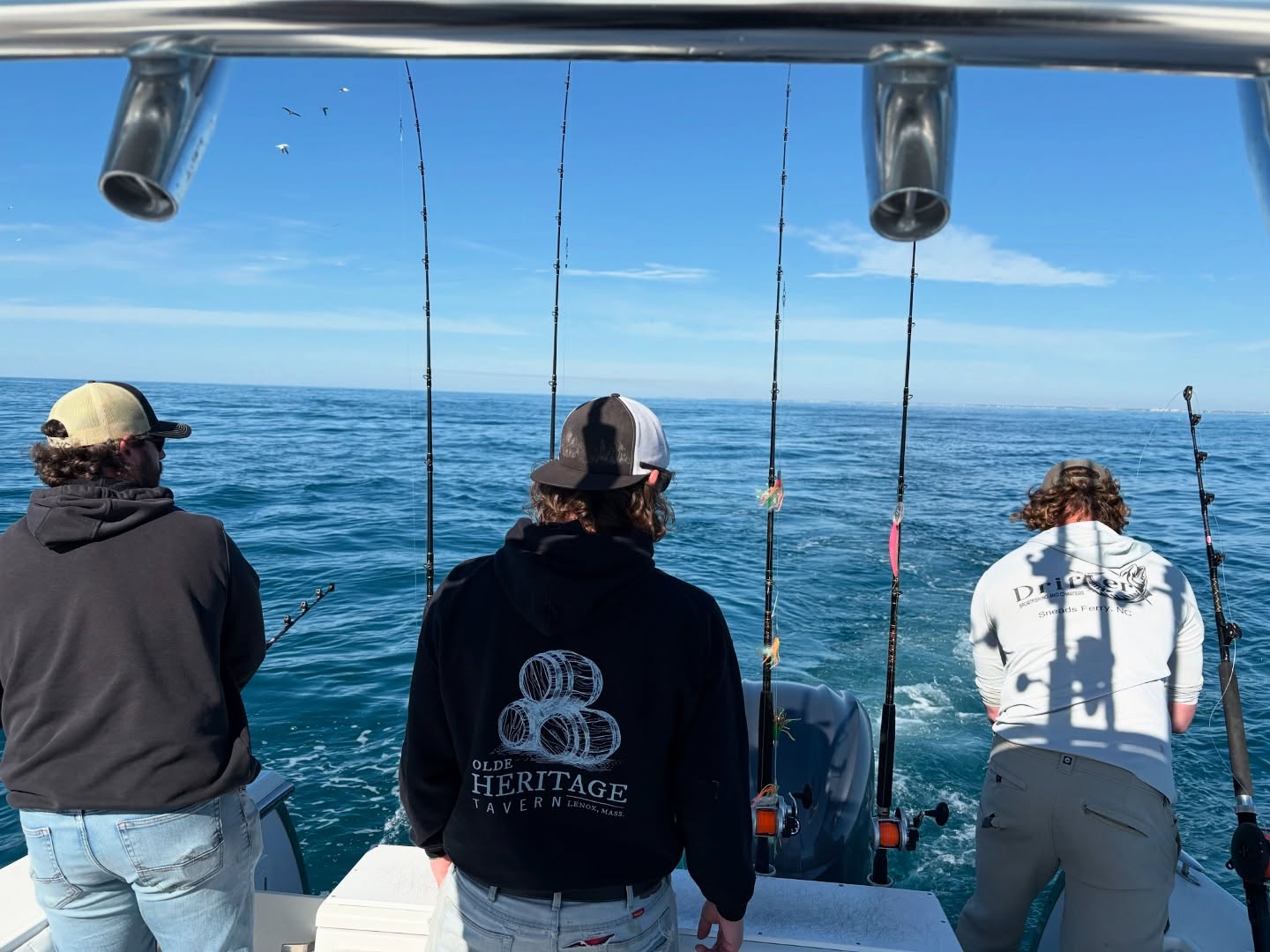
We kick off at 6:00 AM sharp – that's prime time when the fish are most active and the water's usually glass-calm. Your captain knows these waters like the back of their hand, from the shallow grass flats near Bear Island to the deeper channels around the bridges. Depending on what's biting and what you're after, we'll hit marshes, creek mouths, oyster bars, and structure where fish love to hang out. The boat comes rigged with quality tackle, but feel free to bring your lucky rod if you've got one. We'll work with both live bait and artificials, adjusting our approach based on conditions and what the fish are telling us that day.
Techniques & Prime Spots
Inshore fishing here is all about reading the water and adapting your technique. We'll be sight fishing in the shallows when the tide's right, throwing topwater plugs early in the morning, and working soft plastics around structure when fish get finicky. The captain might have you drifting live shrimp under popping corks one minute, then casting spoons at tailing redfish the next. The New River system offers incredible variety – from sandy flats perfect for flounder to rocky areas where sheepshead love to hide. Bridge pilings hold black drum, especially during cooler months, while the grass beds come alive with trout when water temperatures hit that sweet spot.
Species You'll Want to Hook
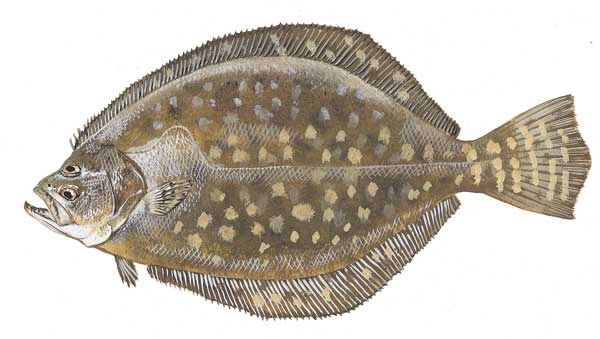
Southern Flounder are the ultimate ambush predators, lying buried in sand waiting for baitfish to swim by. These flatfish can reach impressive sizes – doormat flounder over 5 pounds aren't uncommon in these waters. Fall months from September through November are absolutely prime time, when big females are heading to deeper water. They hit live finger mullet like freight trains and put up a surprisingly strong fight for a flatfish. What makes them special is their chameleon-like ability to change colors and the way they completely disappear into the bottom.
Black Drum are the bulldozers of the inshore world, especially the big bulls that can push 40+ pounds. These fish love structure – bridge pilings, oyster bars, and channel edges where they root around for crabs and shellfish. Spring brings the spawning run when you'll hear them drumming underwater, a sound that'll give you goosebumps. They're notorious for their crushing bite and bulldogging runs that'll test your drag system. The smaller puppy drum (under 16 inches) are great for kids and beginners, while the giants provide world-class battles.
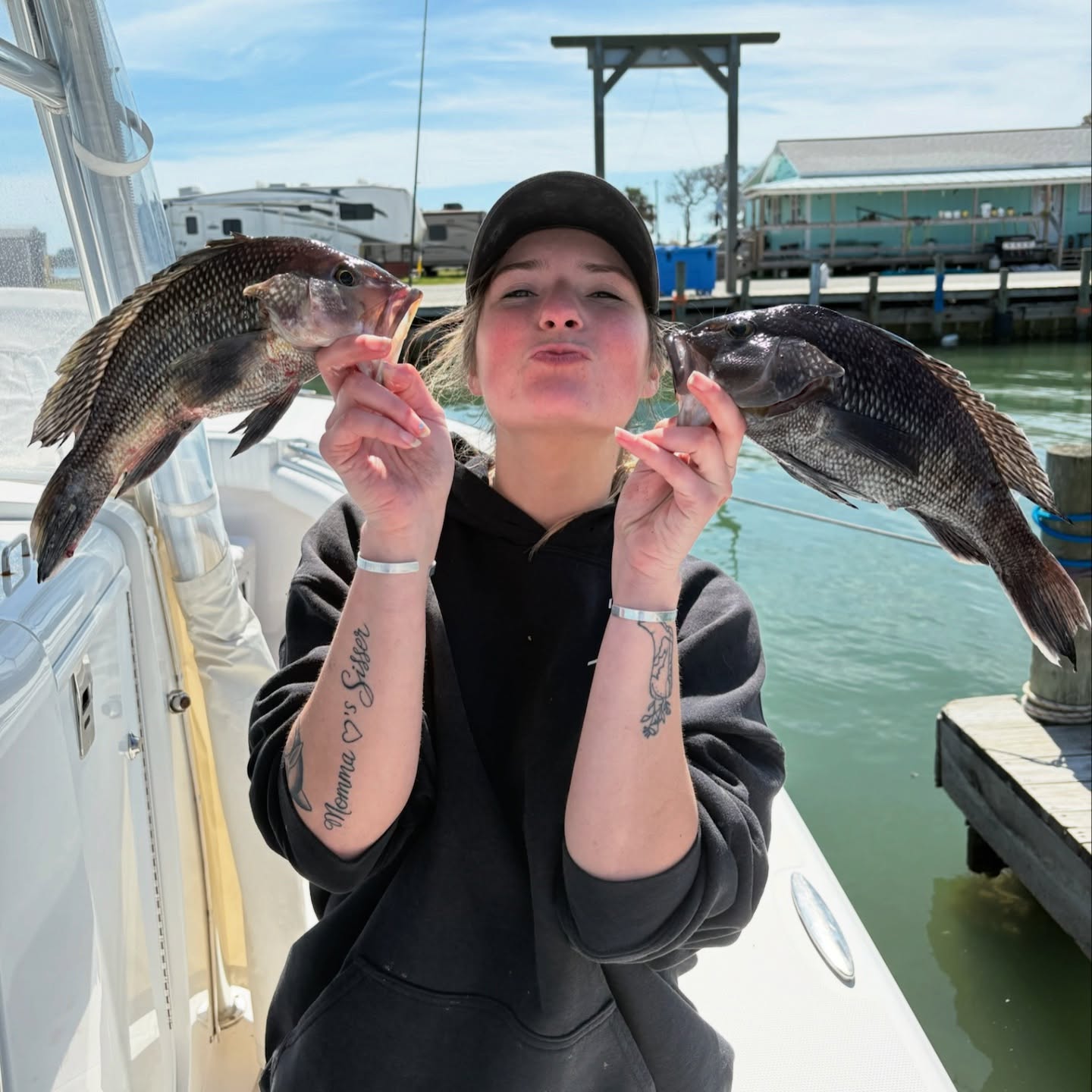
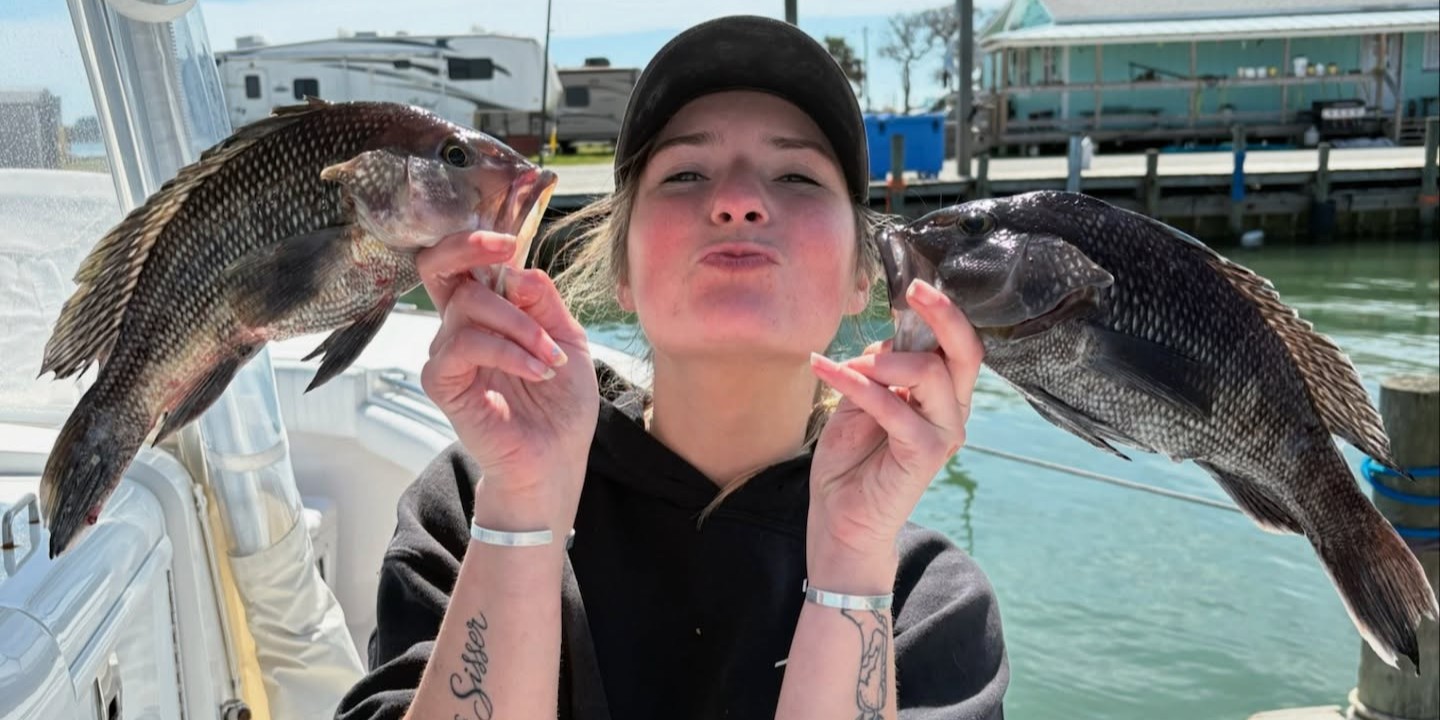
Sheepshead earn their nickname "convict fish" from their black and white stripes, but veteran anglers call them the "thieves" for their bait-stealing abilities. These fish have human-like teeth perfect for crushing barnacles and crabs off structure. They're incredibly smart and require finesse – light tackle, small hooks, and patience. Peak season runs from late fall through early spring when they school up around inshore reefs and bridges. Landing a big sheepshead over 5 pounds takes skill and gives bragging rights that last all season.
Sea Trout, or "specks" as locals call them, are gorgeous fish with distinctive spots and a delicate mouth that requires a light touch. They're aggressive feeders that love topwater action early and late in the day. Spring and fall offer the best action when they school up in grass beds and feed heavily on shrimp and small baitfish. The way they explode on a topwater plug in shallow water gets your heart pumping every time. Trout over 20 inches are considered trophies and are perfect for the dinner table.
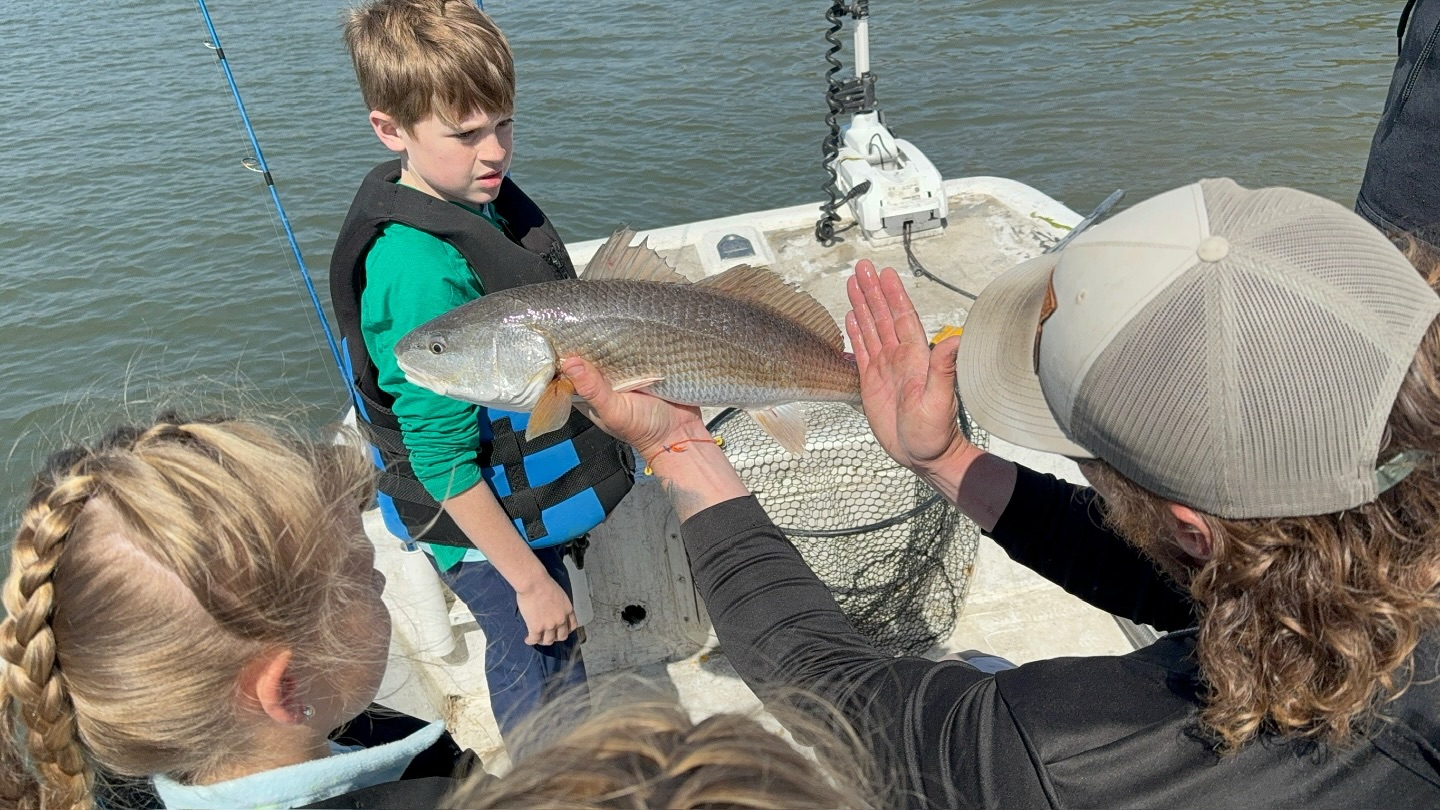
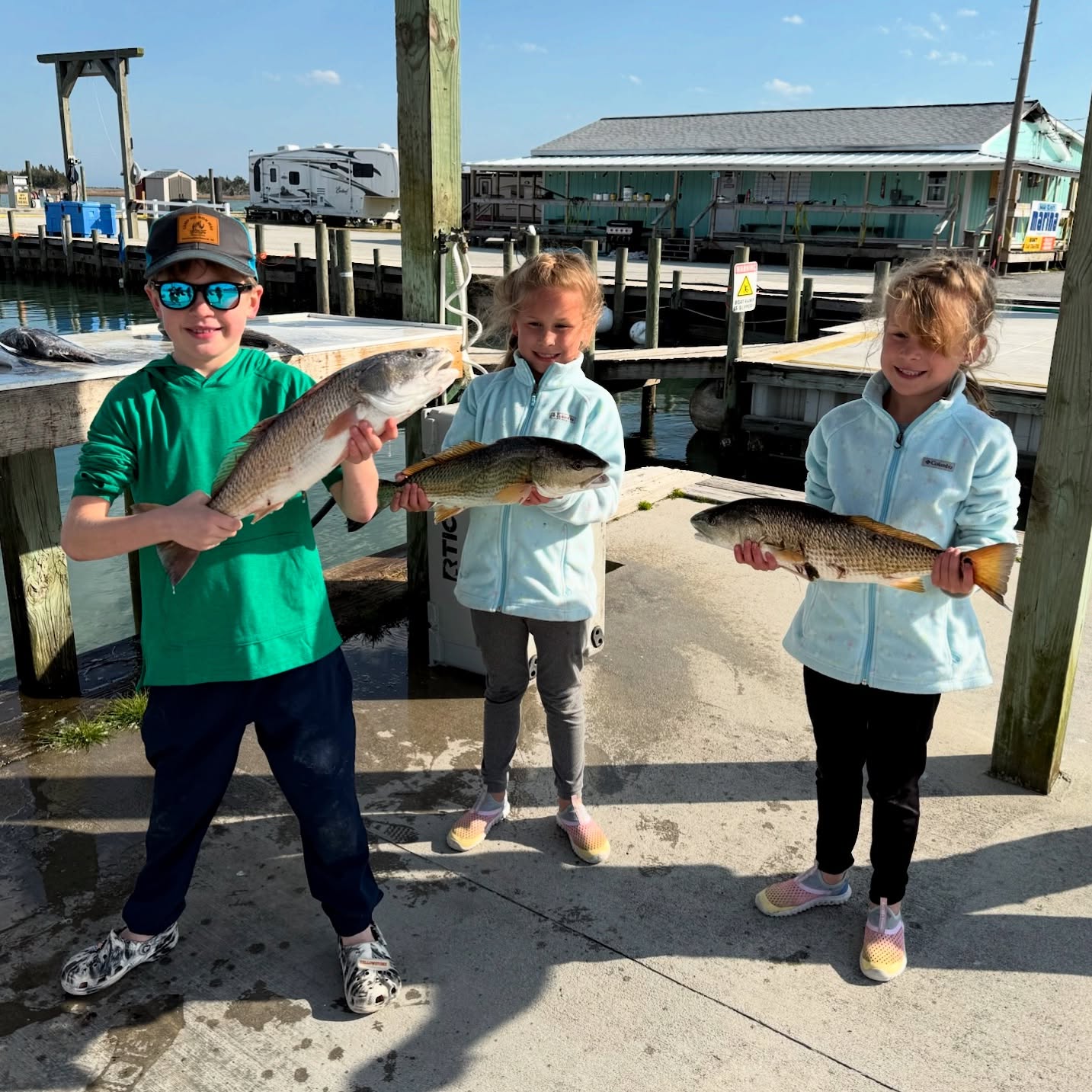
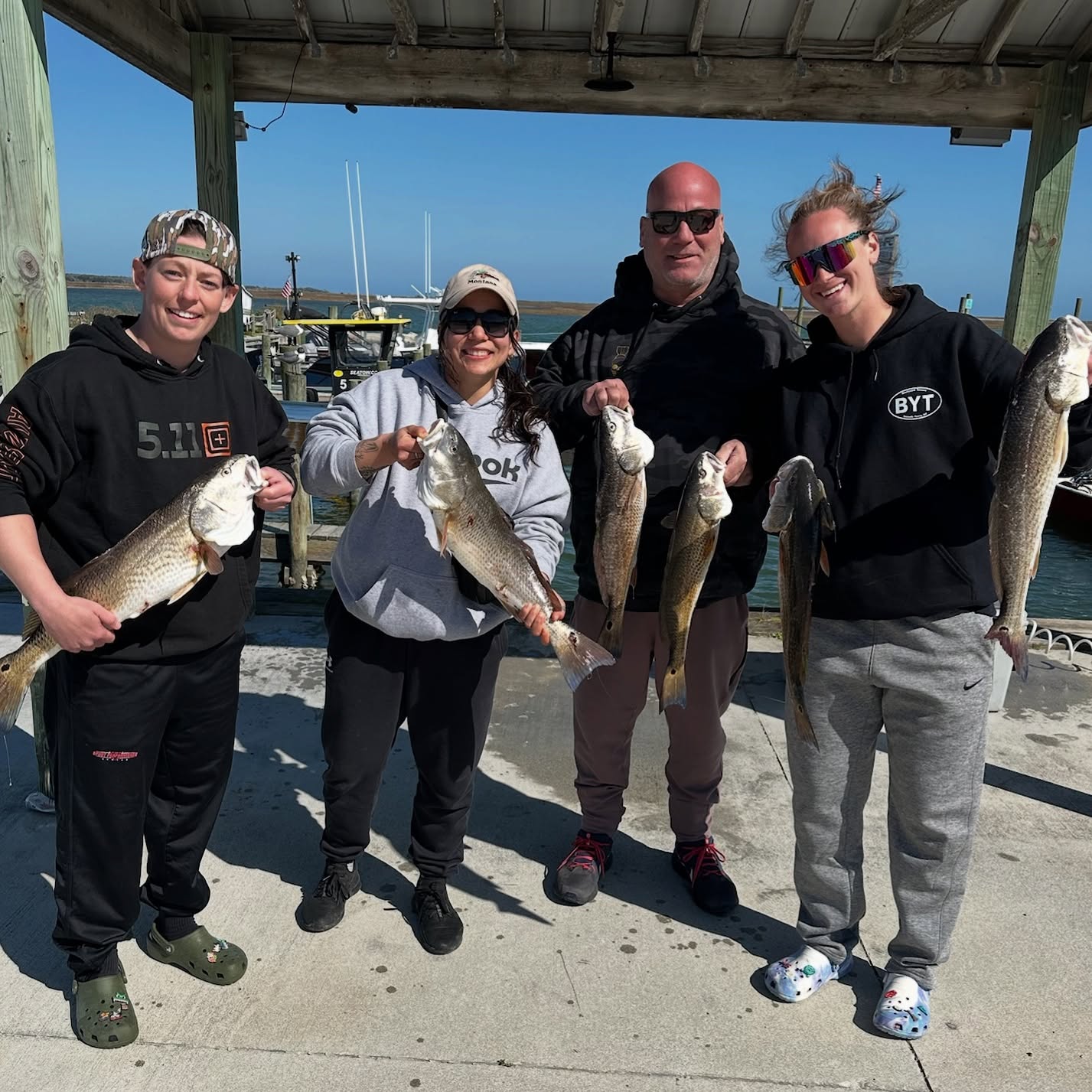
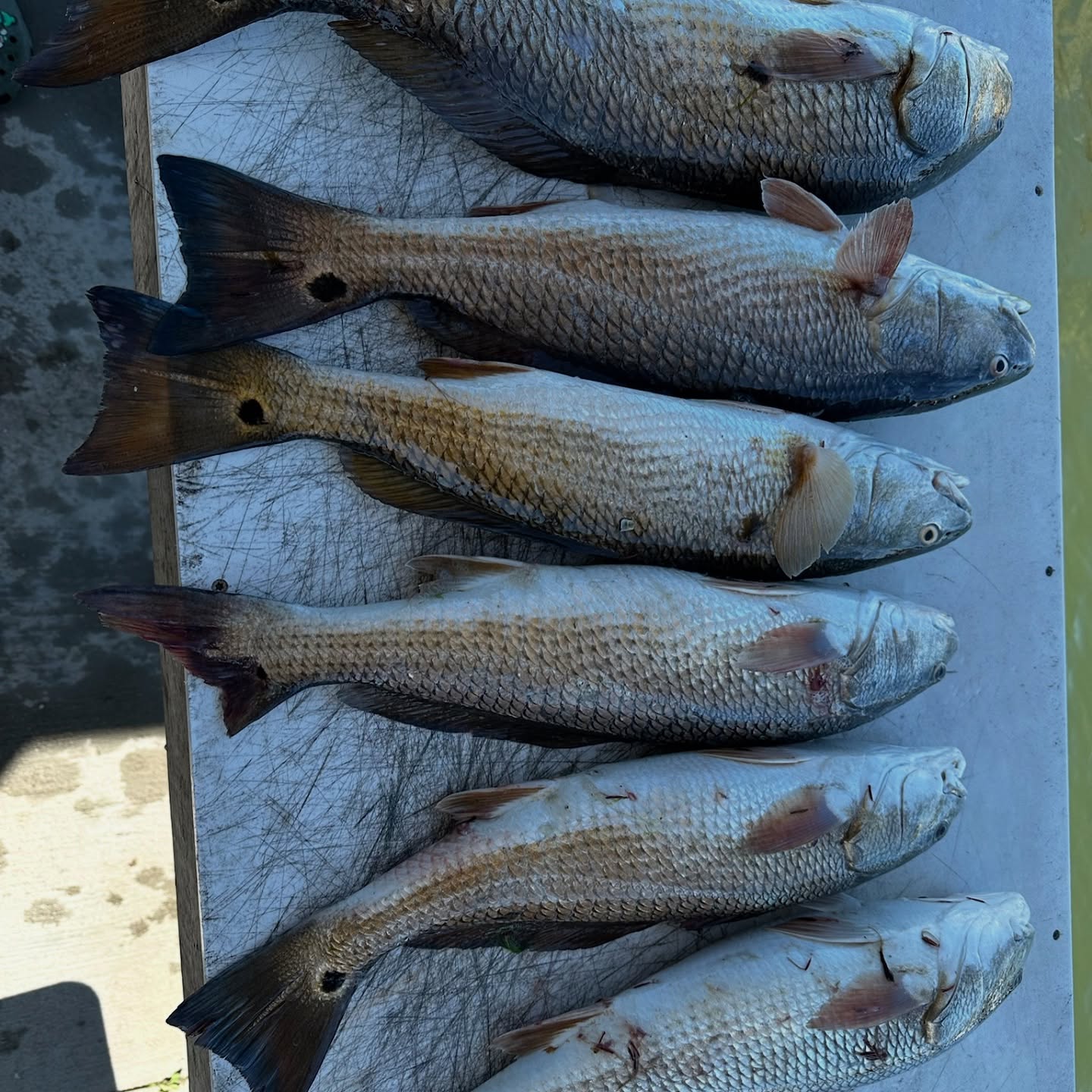
Redfish might be the most popular inshore species on the coast, and for good reason. These bronze-backed bruisers are built for power, with broad tails that can peel line off your reel in seconds. They're incredibly versatile feeders – you'll find them tailing in inches of water or schooling in deeper channels. Fall brings the legendary "bull red" runs when massive schools of oversized reds (over 27 inches) migrate along the beaches. The copper flash of a big red turning on your bait is something that stays with you long after the trip ends.
Time to Book Your Spot
This half-day charter delivers exactly what serious anglers want – quality fishing time with an experienced captain who knows where the fish are biting. At $450 for up to 4 people, you're getting premium access to some of North Carolina's most productive inshore waters. The free cancellation with 7 days' notice takes the pressure off weather worries. Whether you're a seasoned angler looking to add new species to your list or introducing someone to the sport, this trip offers the perfect combination of action and instruction. Don't sleep on booking – the best charter dates fill up fast, especially during peak seasons.
 Private Trip
 Inshore Fishing
 undefined, undefined


 Private 4-hour inshore fishing charter for up to 4 guests.