Private 6 Hour Outer Banks Fishing Trip
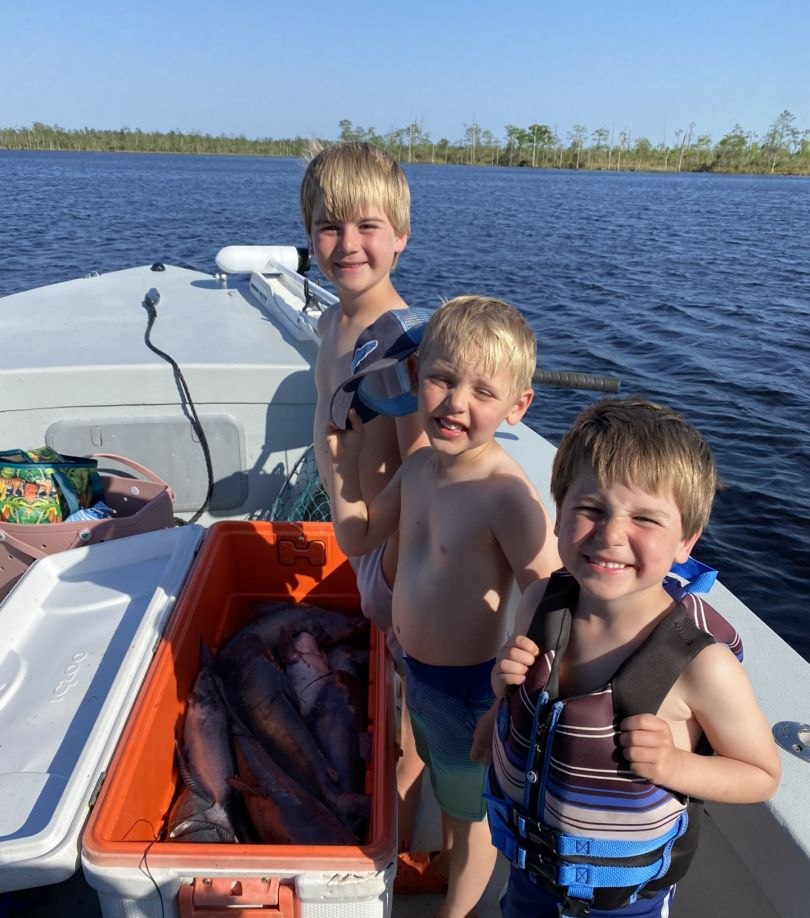
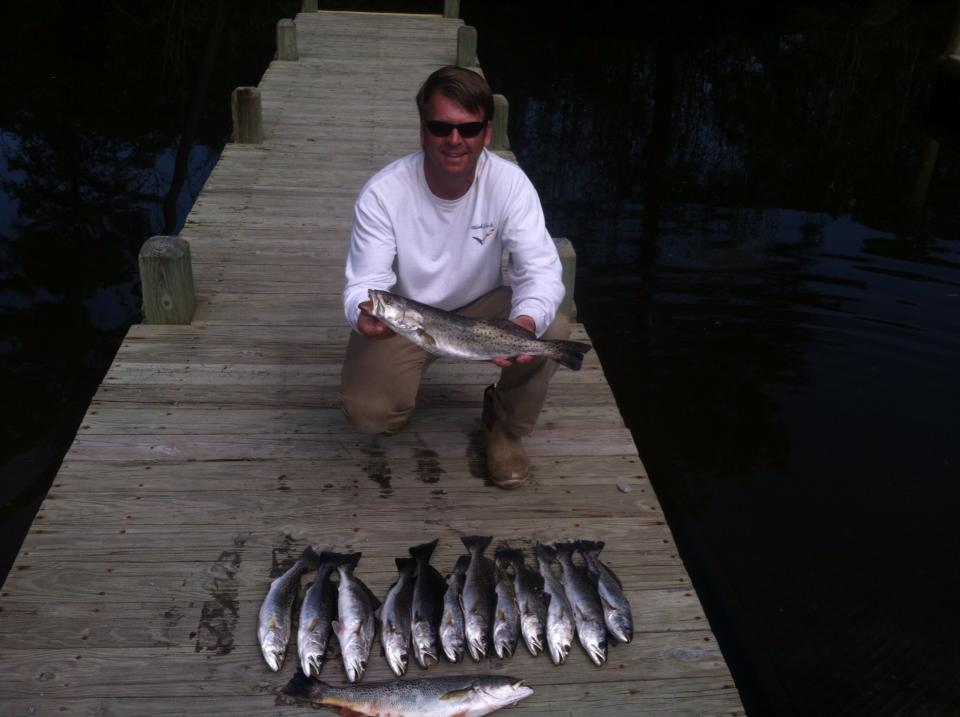
When a half-day trip just doesn't cut it and you want to really get after the fish, this 6-hour charter is where it's at. We're talking about serious fishing time on some of North Carolina's most productive inshore waters. The Outer Banks has earned its reputation as a world-class fishing destination, and this extended trip gives you the chance to experience why anglers travel from all over to fish these waters. You'll be targeting heavyweight fighters like Cobia, Bull Redfish, and Black Drum – fish that'll test your tackle and give you stories to tell for years. Between the big game, we'll pick up Spotted Seatrout, Bonito, Bluefish, and whatever else is biting. With 6 hours on the water, we've got time to hit multiple spots and really dial in on what's working.
What to Expect on the Water
This isn't your typical tourist fishing trip – we're going after real fish in real fishing spots. The Outer Banks gives us access to diverse structure from shallow grass flats to deeper channels, and we'll move around based on what's producing. Your captain knows these waters like the back of their hand and will put you on fish using everything from live bait to artificials. The 6-hour window means we can afford to be patient and strategic. If one spot isn't producing, we move. If the fish are crushing baits at a particular structure, we stay put and capitalize. The beauty of this extended trip is the flexibility to adapt to conditions and fish behavior. You'll fish from a well-equipped boat with quality tackle, and your guide will be hands-on helping with everything from rigging baits to landing fish. Expect to cover water, learn techniques, and spend quality time actually fishing instead of just riding around.
Techniques & Tackle
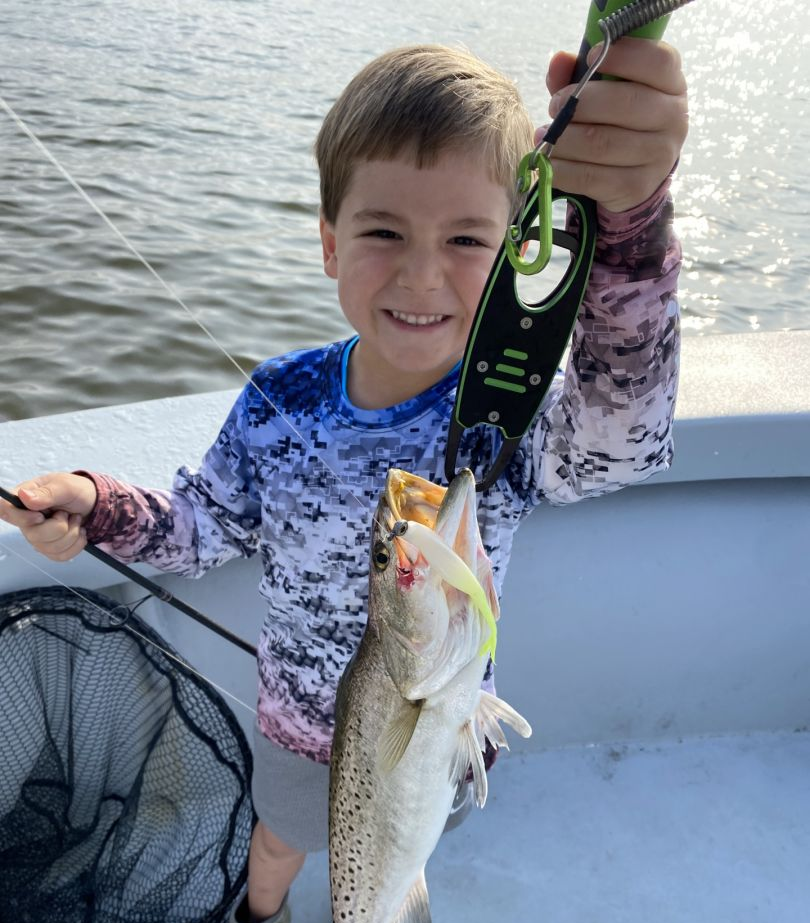
We fish these waters using proven methods that match the species we're targeting. For the big Drum and Bull Reds, we're talking about heavy tackle with circle hooks and cut bait or live mullet. When Cobia are around, we'll sight fish with crabs or eels, sometimes switching to artificials when they're aggressive. The Seatrout and Flounder action calls for lighter gear – soft plastics worked along grass edges and drop-offs produce consistently. Your guide provides all the tackle, but if you've got favorite rods or reels, bring them along. We'll have a mix of conventional and spinning setups rigged and ready. Live bait is often the key, and we'll either catch our own or start with fresh bait depending on conditions. Circle hooks are standard for most applications – they hook fish better and make catch-and-release more effective. The boat is set up with proper fish handling equipment, and your guide will coach you through fighting techniques for different species. Six hours gives us time to try different approaches and really fine-tune what's working.
Top Catches This Season
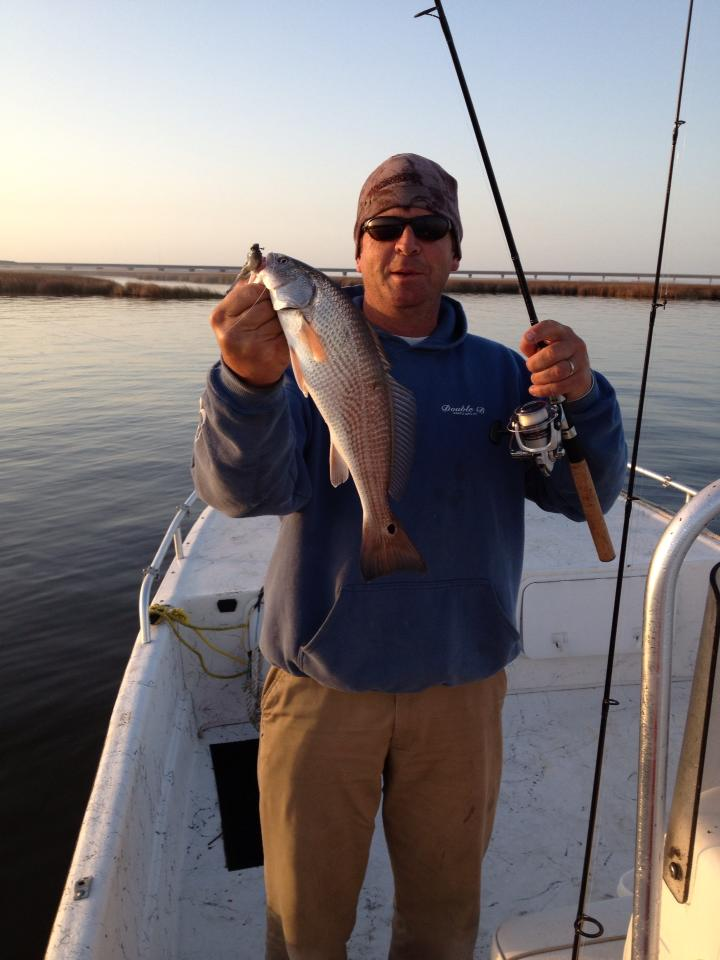
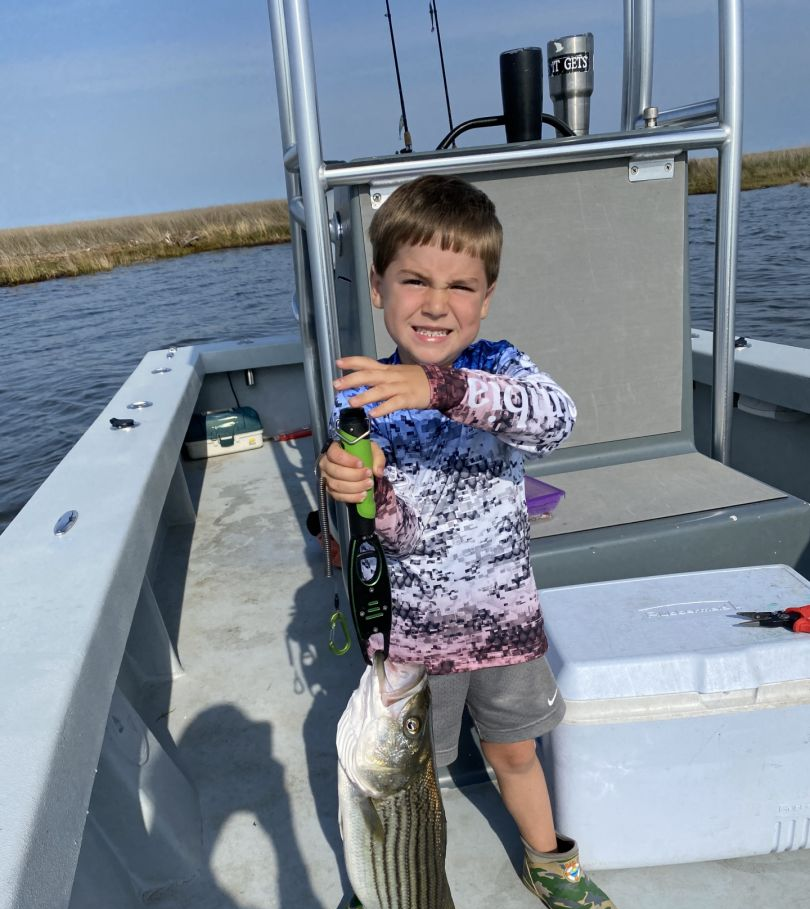
Redfish are the backbone of Outer Banks fishing, and these Bull Reds we target are legitimate monsters. We're talking fish in the 30 to 50-pound range that will absolutely smoke your drag and test everything you know about fighting fish. They patrol deeper channels and structure during certain tides, and when you hook into one, you know it immediately. The power these fish have is something you need to experience to believe. Best fishing is typically spring through fall, with fall being particularly hot when they're schooled up and feeding heavily before winter.
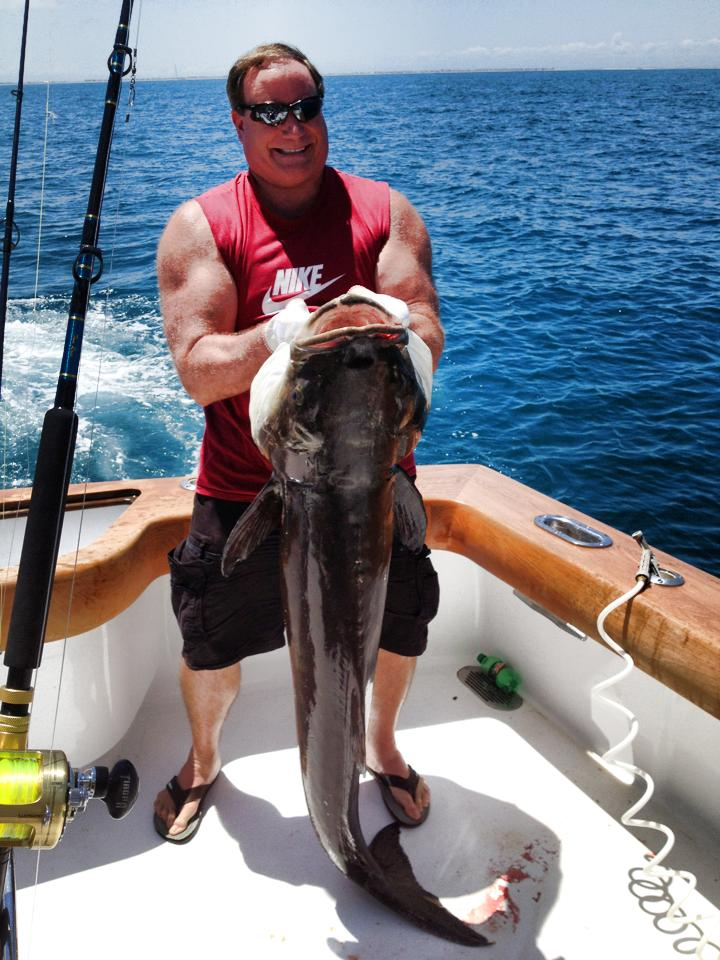
Cobia are hands-down one of the most exciting fish to target here. These brown sharks, as some folks call them, show up in spring and stick around through summer. They're curious fish that will follow the boat, and sight fishing for them gets your heart pumping. A big Cobia will go 40 pounds or better, and they fight dirty – long runs, head shaking, the whole package. They love structure and will often cruise around channel markers or hang with rays in shallow water. When the conditions are right and you spot one cruising, it's game on.
Black Drum might not be the prettiest fish, but they're absolute bruisers. The bigger ones are called Big Uglies for good reason – they're powerful, stubborn, and will wear you out. We find them around structure and oyster bars, especially during their spawning runs. A 40-pound Black Drum will humble you quick. They're not speed demons like some species, but they use their weight and muscle to just grind you down. Great eating in smaller sizes, and the big ones make for awesome photos before release.
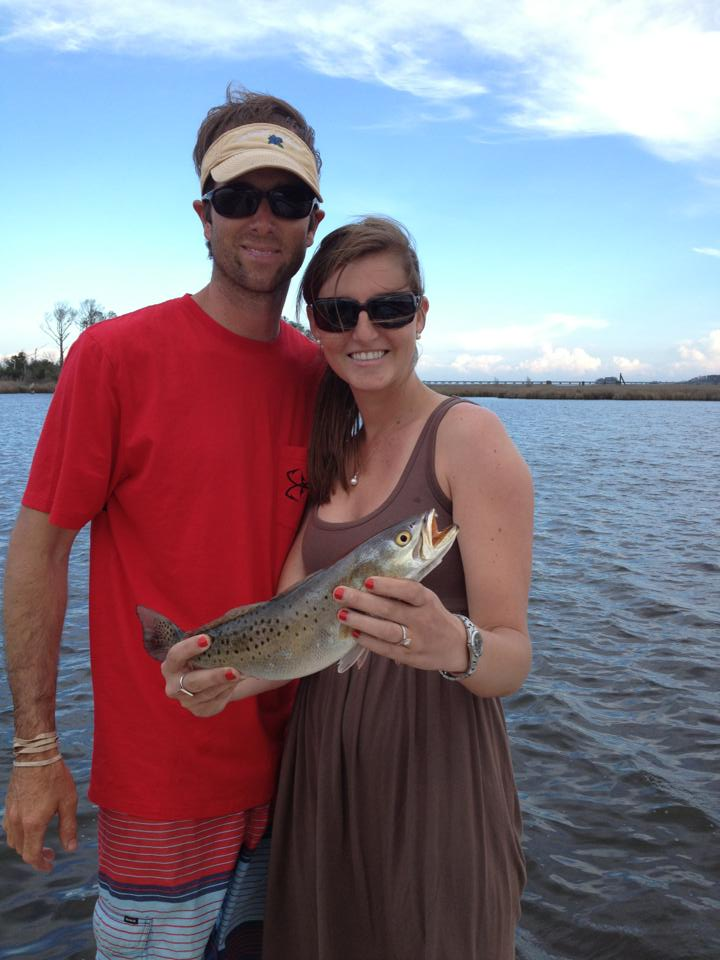
Summer Flounder are the bread and butter of light tackle fishing here. These flatfish are masters of camouflage and ambush feeding, which makes them fun to target with soft plastics and live bait. A keeper Flounder – anything over 15 inches – is prime table fare, and the bigger ones can push 5 pounds or more. They're structure oriented, hanging around drop-offs, channel edges, and areas with current breaks. The technique for targeting them is all about bottom contact and feel – you've got to work the bait where they live.
Bluefish are the cleanup crew of the ocean, and when they're feeding, it's pure chaos. These aggressive fish will hit almost anything you throw at them, making them perfect for action fishing. They travel in schools and when you find them, you can catch them as fast as you can get baits in the water. Great on light tackle and excellent bait for bigger species. They're around most of the year but really shine in fall when they're fattening up and feeding aggressively in schools.
Time to Book Your Spot
Six hours on the water with an experienced Outer Banks guide is fishing time that pays dividends. You're not just buying a trip – you're investing in a day where you'll learn local techniques, fish productive waters, and have legitimate shots at trophy fish. The extended time frame means we can adapt to conditions, try different spots, and really maximize your chances of success. Whether you're after that

 Private Trip
 Inshore Fishing
 Outer Banks


 Six-hour private inshore fishing trip targeting Cobia and Bull Redfish