Cape Cod 4 Hour Inshore Fishing Adventure
Looking for a solid half-day fishing trip that won't break the bank? This 4-hour Cape Cod inshore fishing charter with Endeavor Sportfishing is exactly what you need. Perfect for small groups of up to four anglers, this morning trip puts you right where the fish are feeding without burning a full day or your entire fuel budget. Whether you're visiting Cape Cod for the first time or you're a local who knows these waters hold some serious fish, this trip delivers consistent action in some of the most productive inshore grounds on the East Coast.
What to Expect on the Water
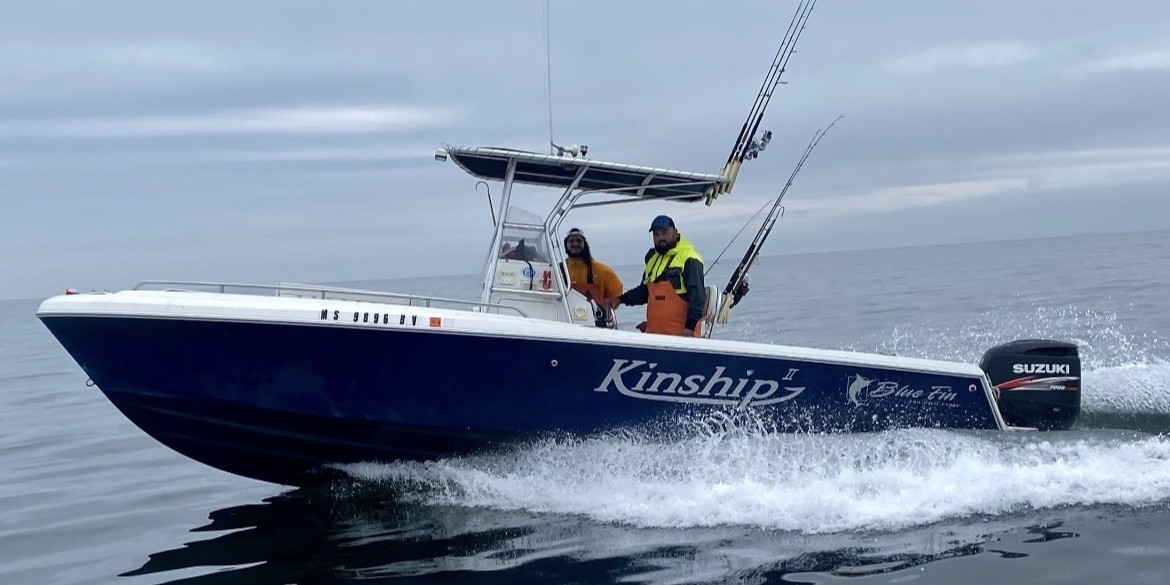
Captain and crew at Endeavor Sportfishing know these Cape Cod waters like the back of their hand. Your 4-hour adventure kicks off early morning when the bite is typically at its best and the wind hasn't had time to build. You'll be targeting structure, drop-offs, and current breaks where striped bass, scup, tautog, and black sea bass love to hang out. The boat's equipped with quality rods, reels, and tackle – though you're always welcome to bring your own setup if you've got favorites. With only four anglers max, there's plenty of elbow room and personal attention from the crew. No rushing, no crowded rails, just good fishing with room to work your rod properly. The morning timing means you'll often hit multiple spots as the crew reads conditions and follows the bite.
Tackle and Techniques
Inshore fishing around Cape Cod means adapting to what's working on any given day. You'll likely be fishing with conventional tackle – medium to medium-heavy rods paired with reels loaded with 20-30 pound test. Depending on conditions and target species, the crew will set you up with everything from bucktails and soft plastics for stripers to bottom rigs for tautog and sea bass. When the bass are up in the water column, expect to work jigs, swim baits, or even topwater if you're lucky enough to hit a surface blitz. For bottom dwellers like tog and sea bass, you'll be dropping baits like green crabs, clams, or squid right to structure. The beauty of fishing Cape Cod's inshore grounds is the variety – one drift might produce a keeper striper while the next could yield a cooler full of sea bass. Water depths typically range from 15 to 60 feet, so you're not dealing with the heavy tackle needed for deep water canyon fishing.
Top Catches This Season
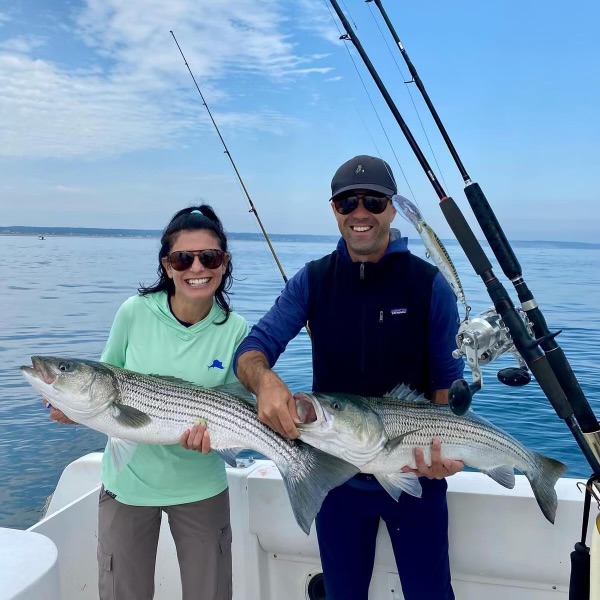
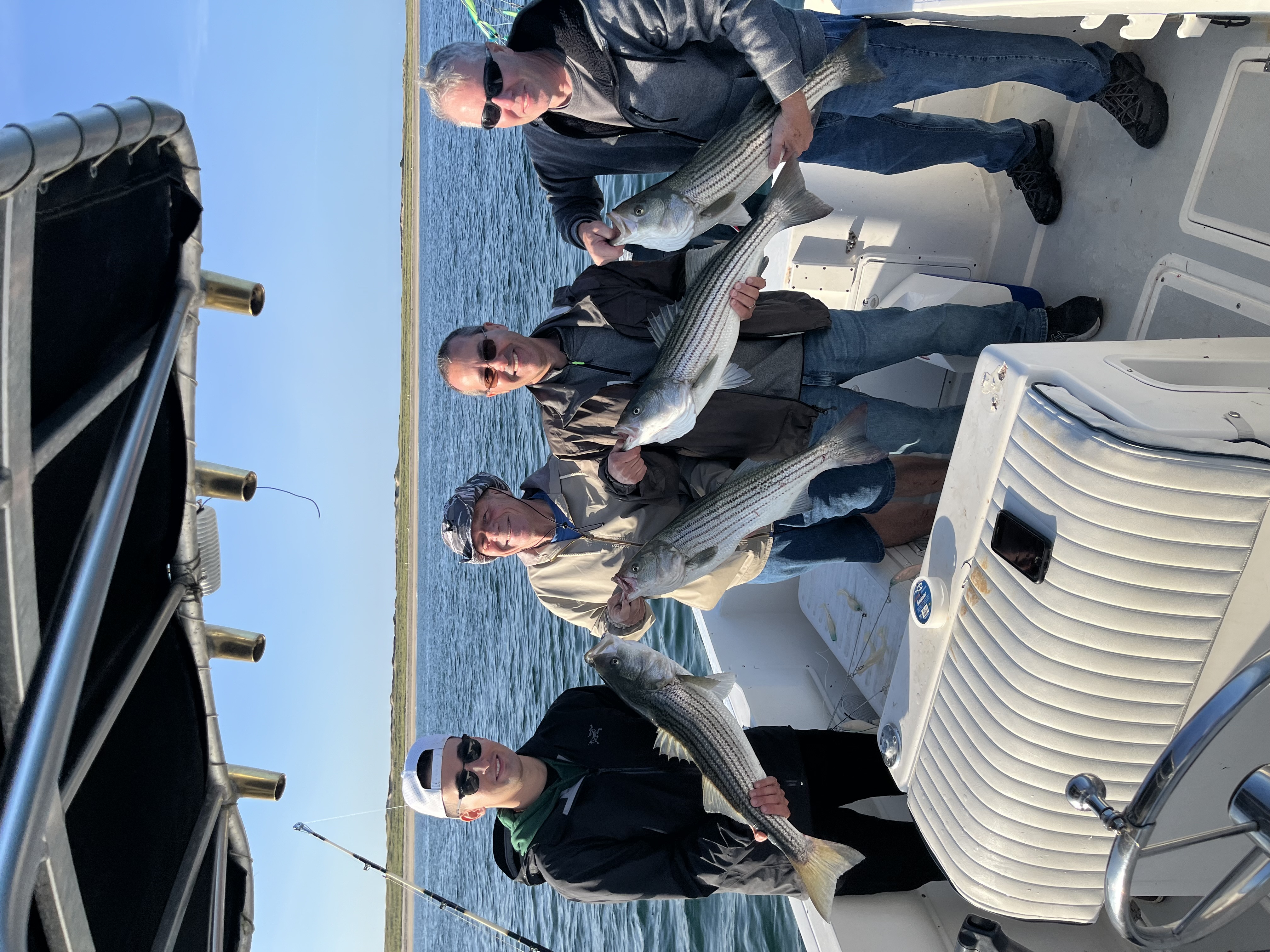
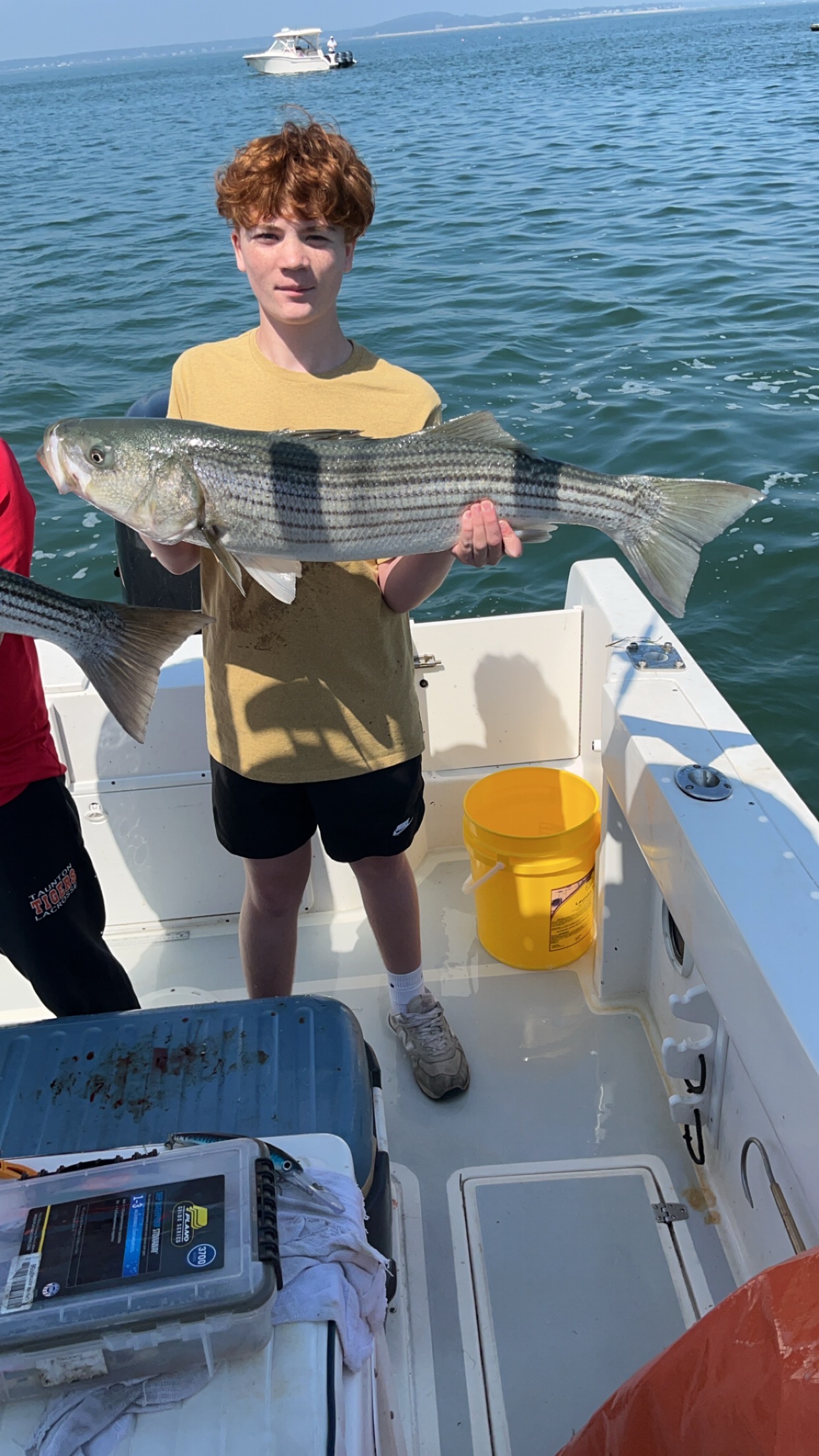
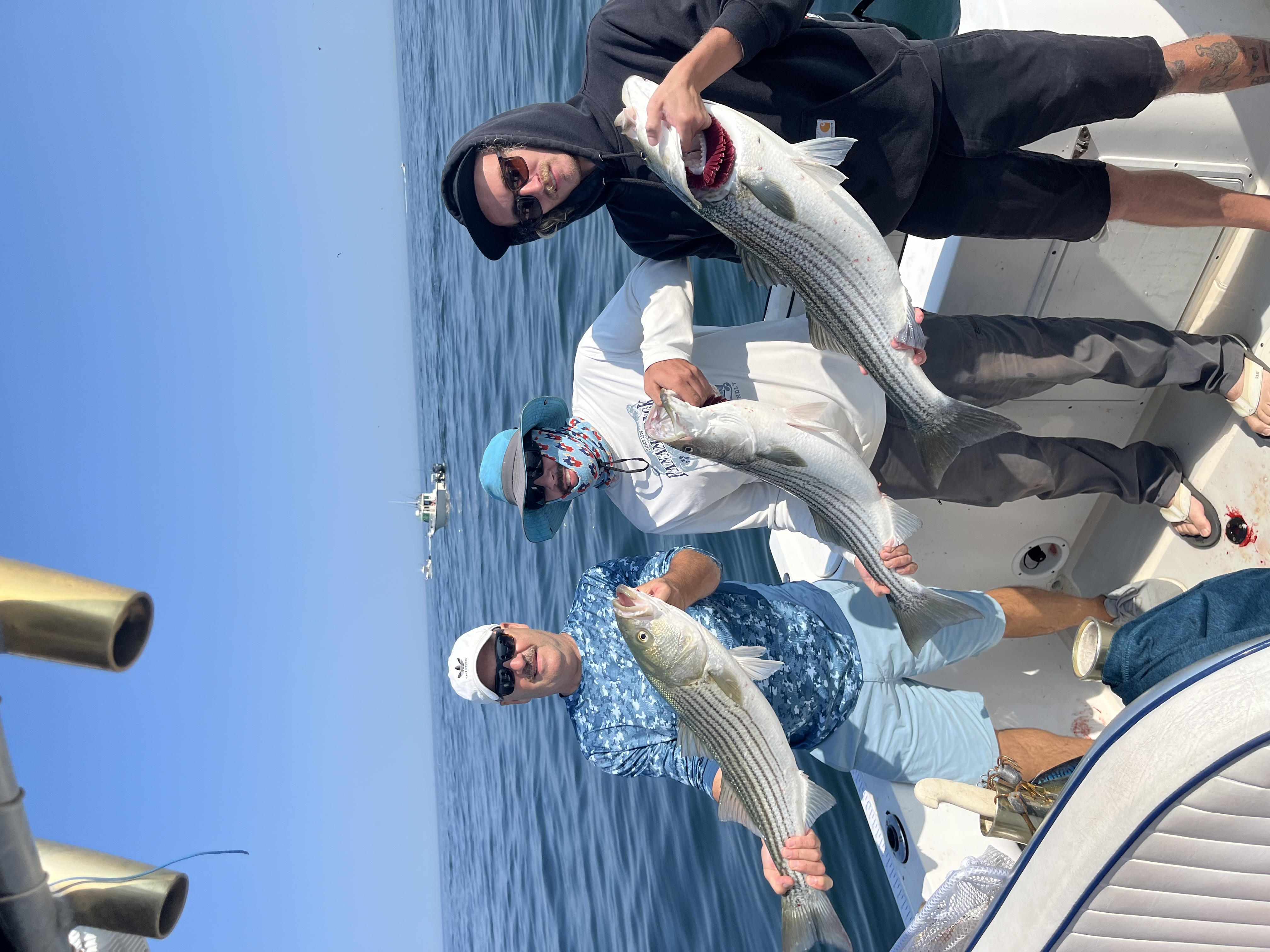
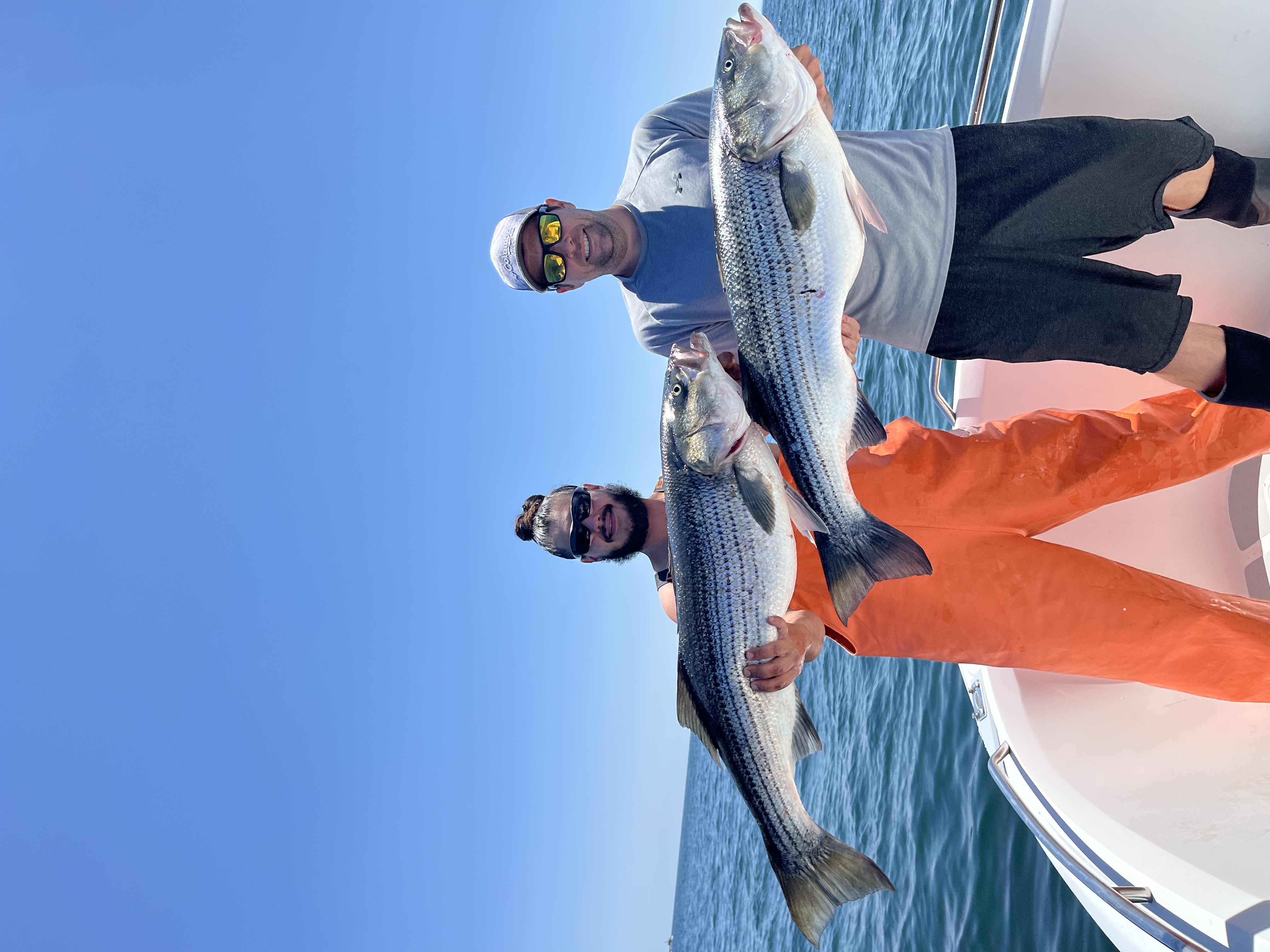
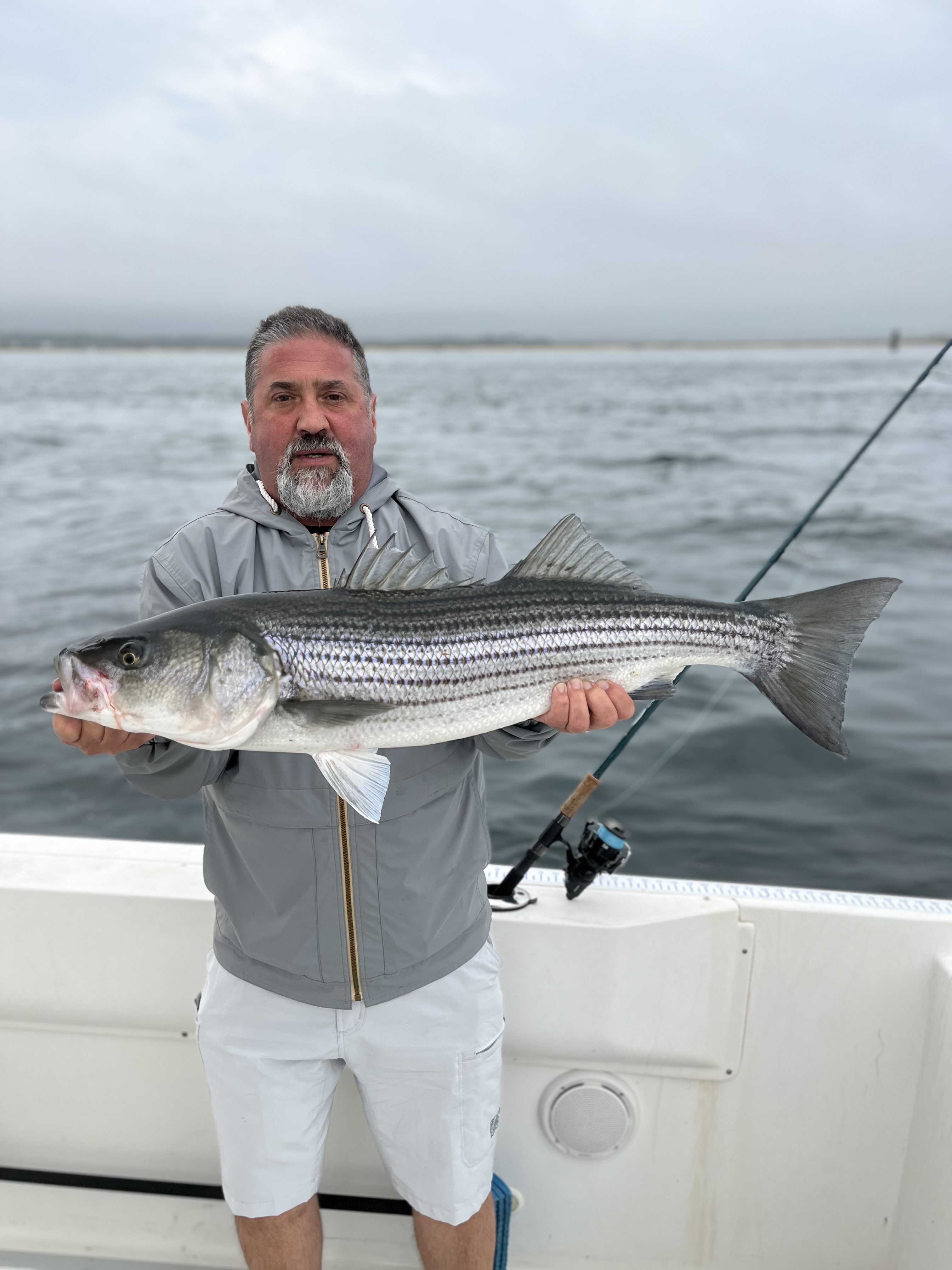
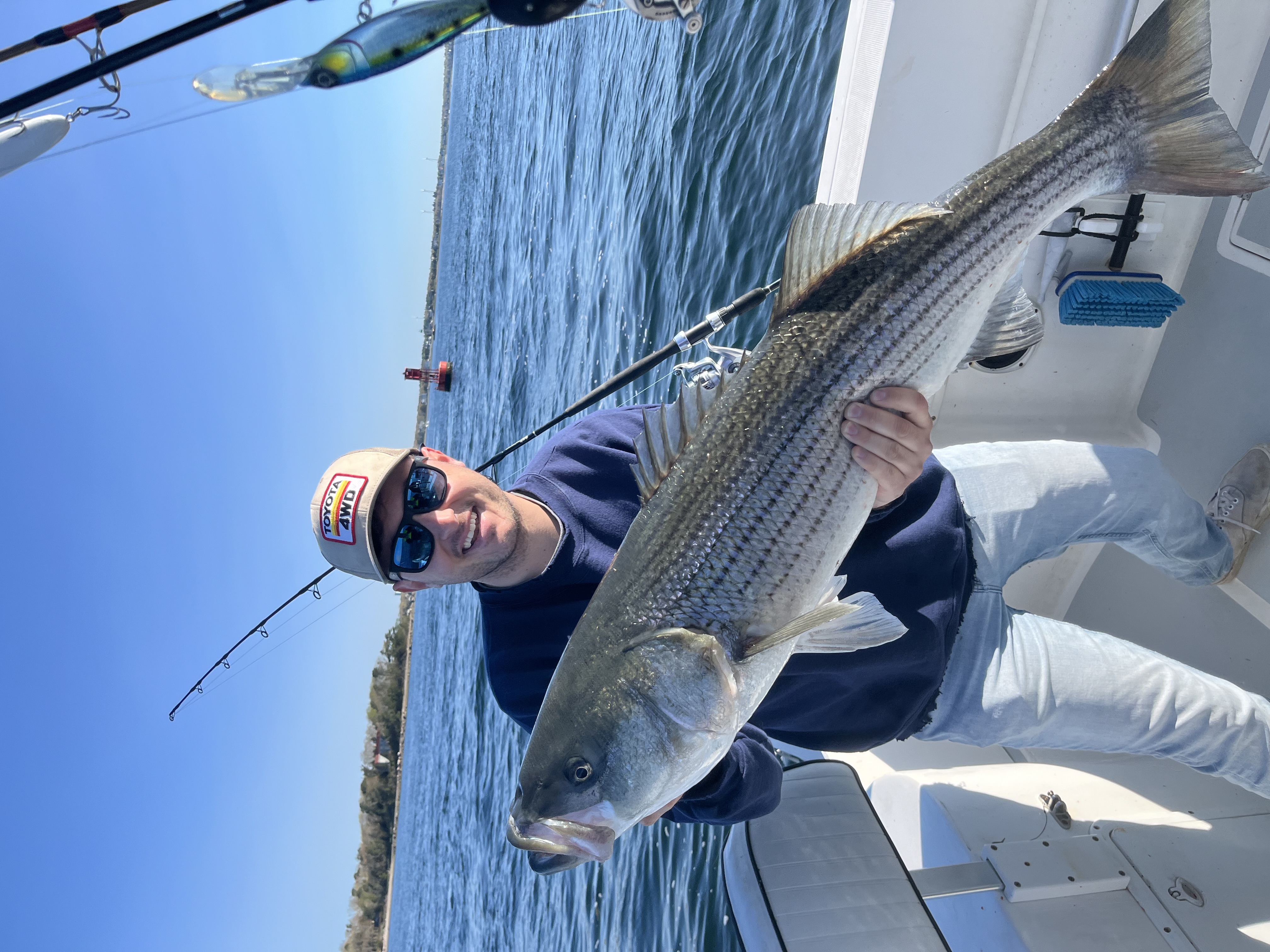
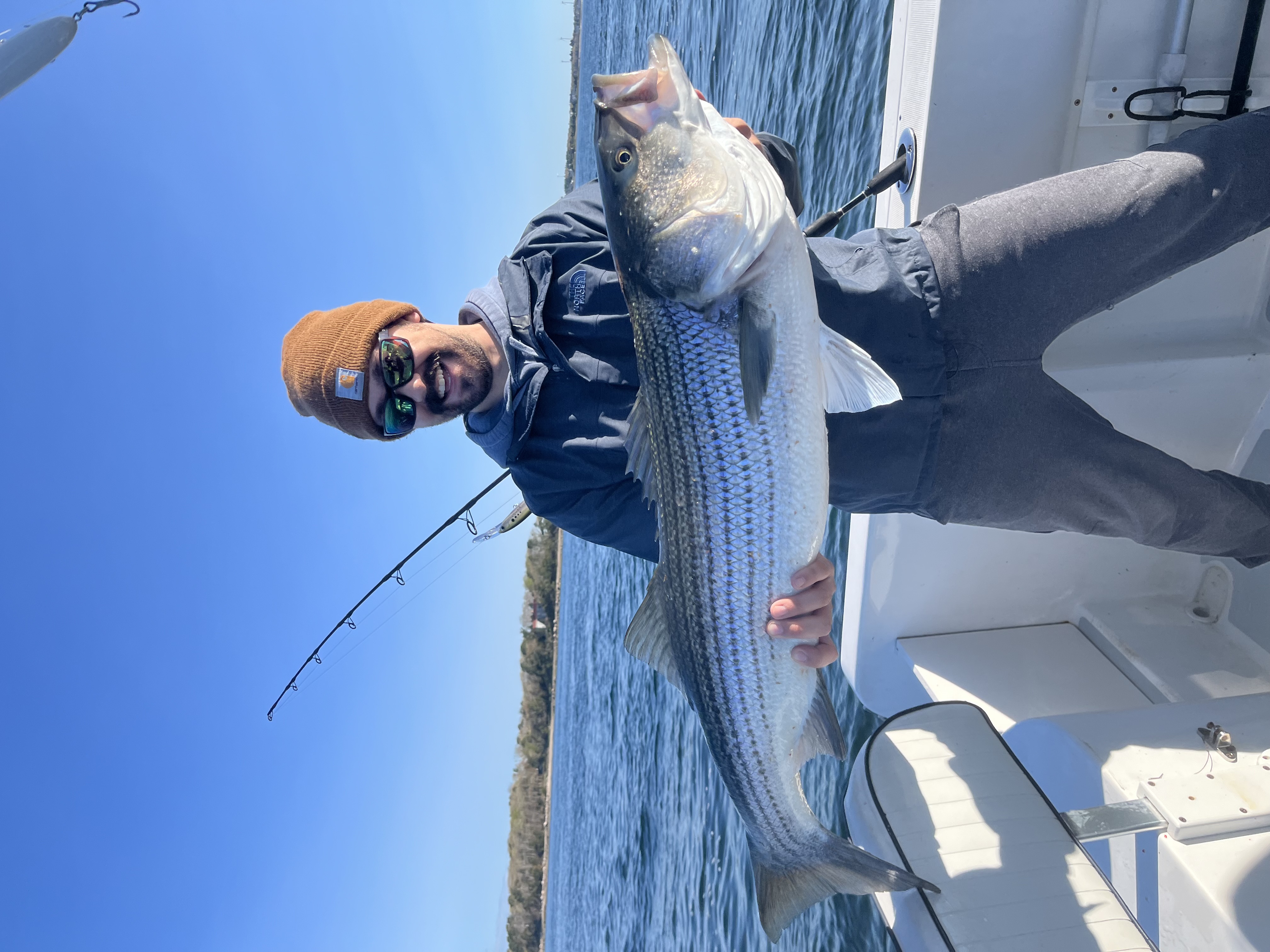
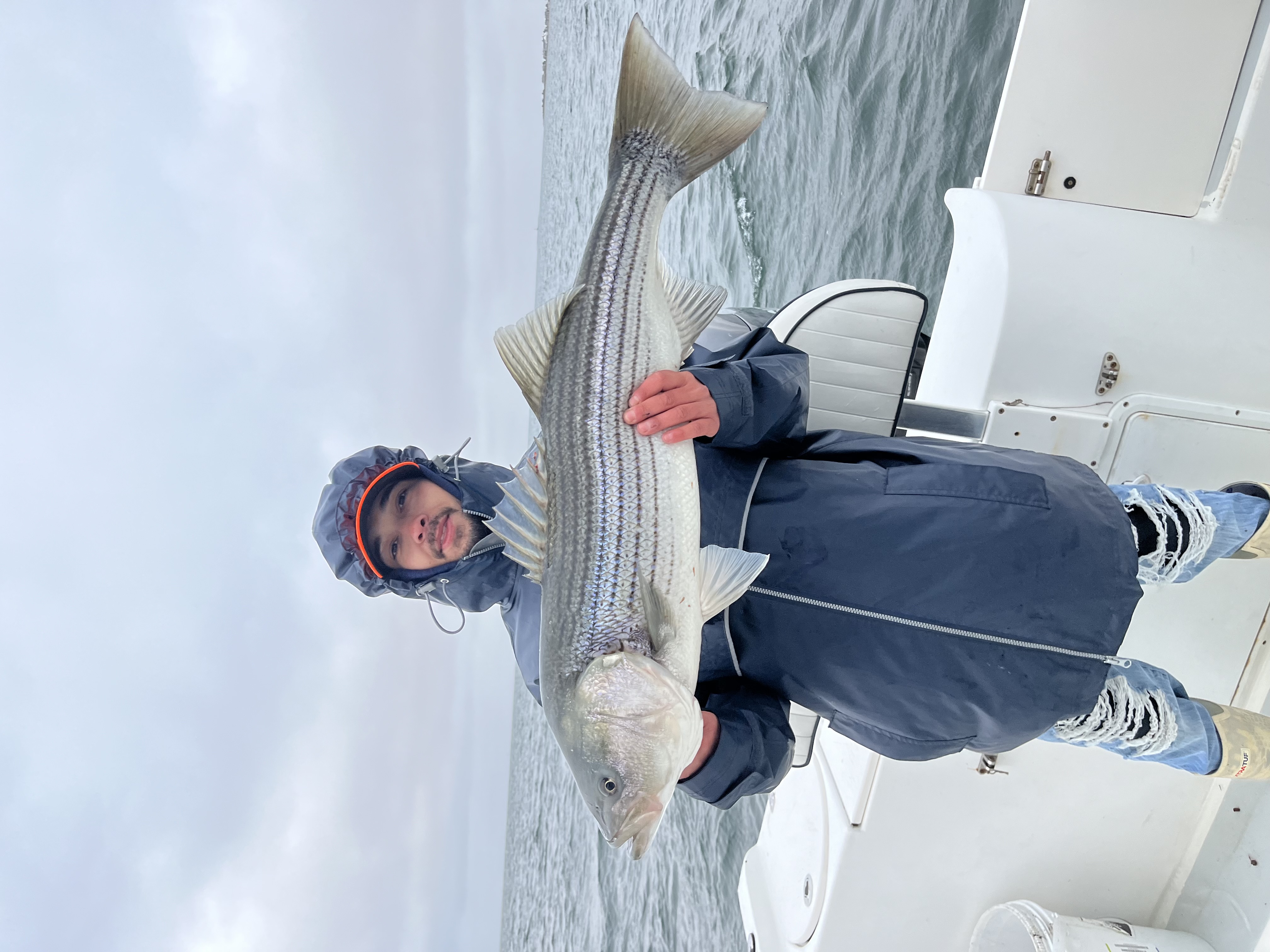
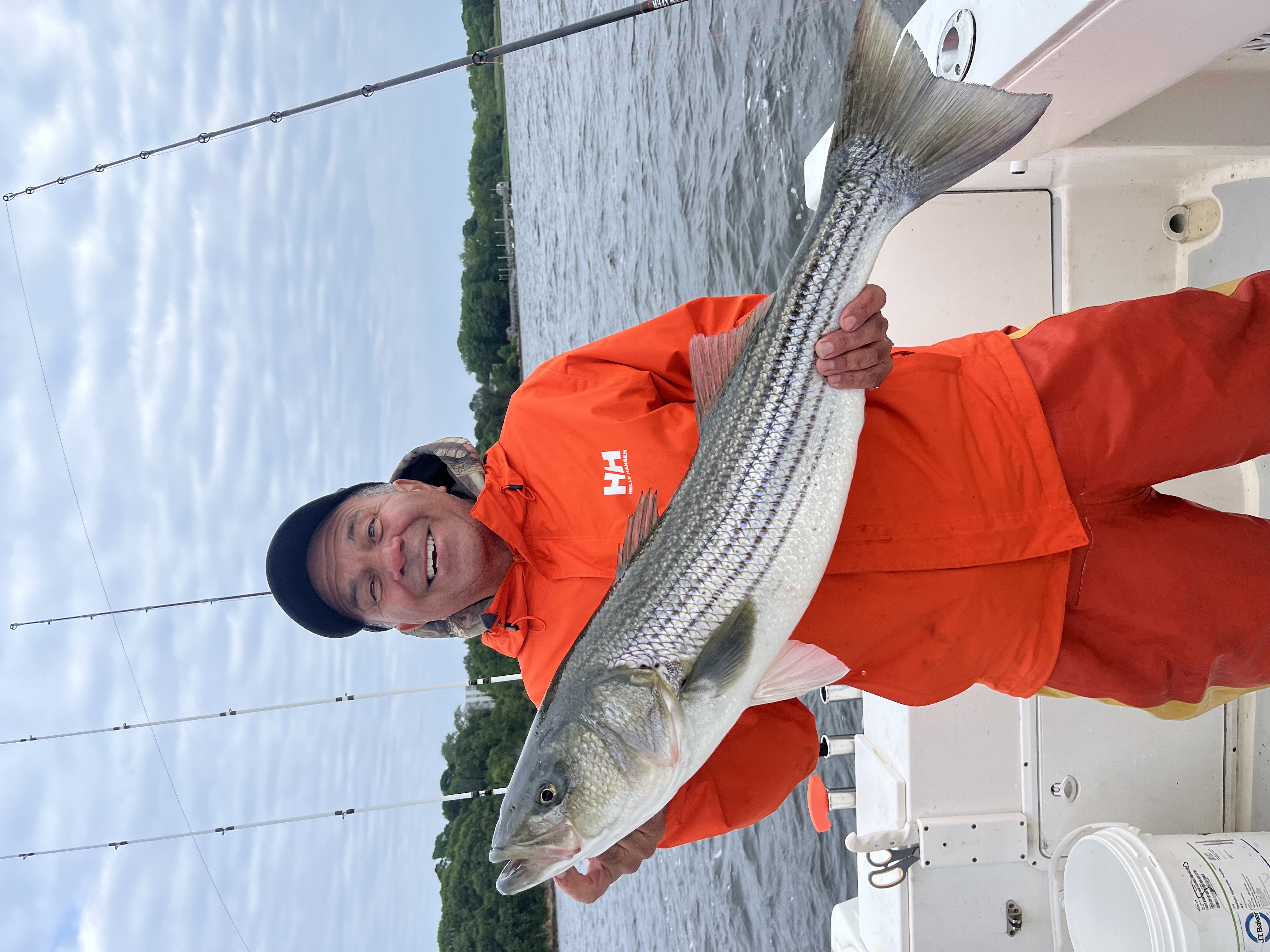
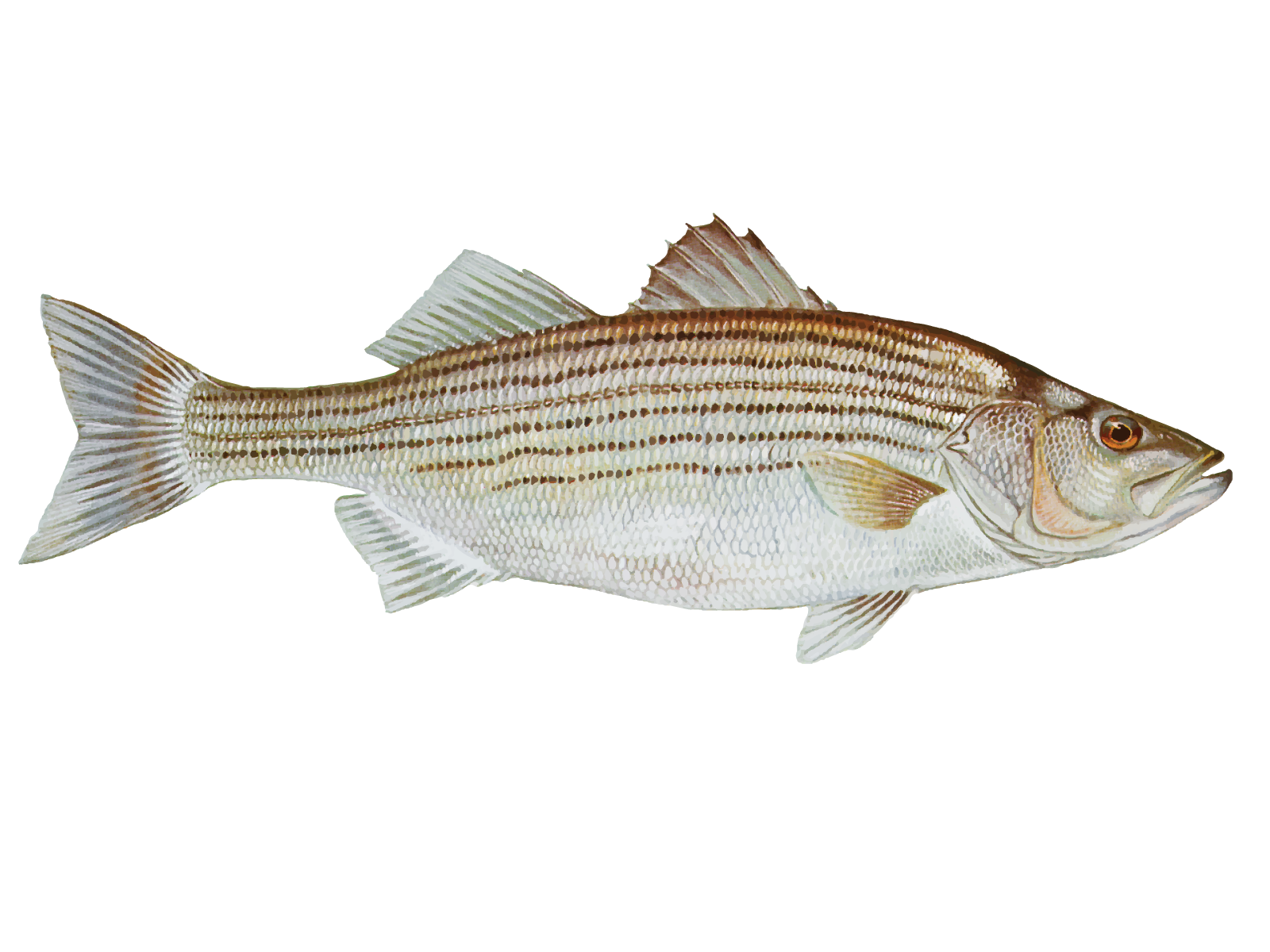
Striped bass are the crown jewel of Cape Cod inshore fishing, and for good reason. These fish are pure muscle and attitude, averaging 24 to 36 inches with plenty of slot fish that'll test your drag system. Peak season runs from late April through November, with morning and evening bites producing the most consistent action. What makes stripers so exciting isn't just their size – it's their unpredictability. One minute you're working a jig along the bottom, the next you're watching your rod tip load up as a 20-pounder makes a blistering run toward deep water. These fish fight dirty, using current and structure to their advantage.
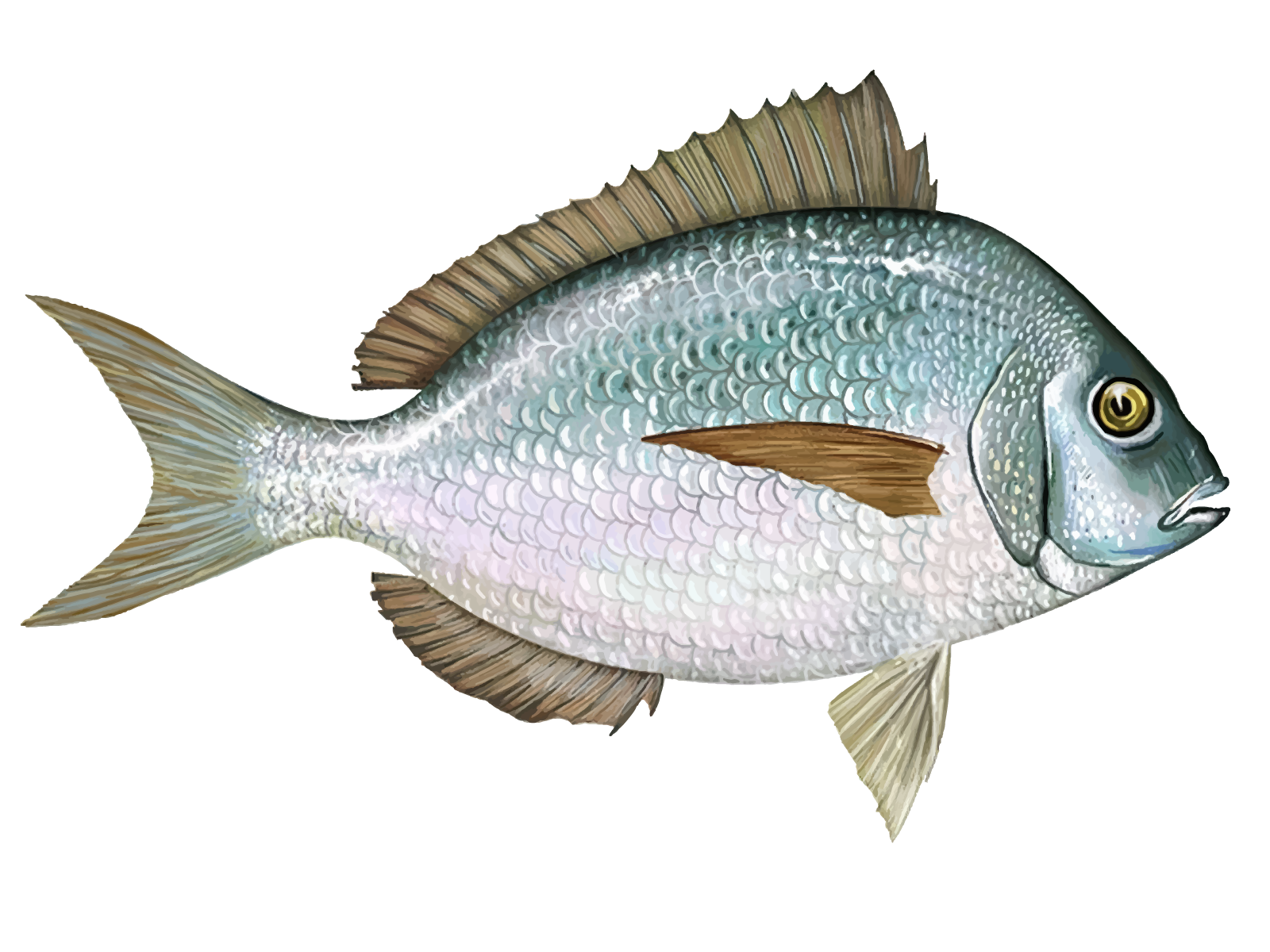
Scup might not have the glamour of striped bass, but they're absolute cooperative biters that keep rods bent and coolers full. Running 8 to 14 inches on average, these silver-sided fighters show up in good numbers from late spring through early fall. They're perfect for kids or new anglers since they bite readily and fight hard for their size. Don't let anyone tell you scup are boring – when you hook into a 2-pounder, you'll think you've got a much bigger fish on until you see that distinctive deep body break the surface.
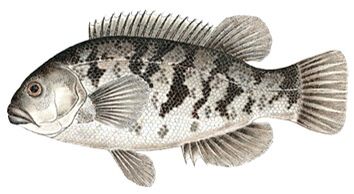
Tautog, or "tog" as locals call them, are the bulldogs of the inshore grounds. These brown, mottled fish averaging 14 to 18 inches are structure huggers that require patience and finesse. They're most active during cooler months – April through May and October through December – making them perfect targets for this morning trip format. What makes tog fishing so addictive is the subtle bite and powerful fight once hooked. They'll try to wrap you around every piece of structure they can find, making each hookup a chess match between angler and fish.
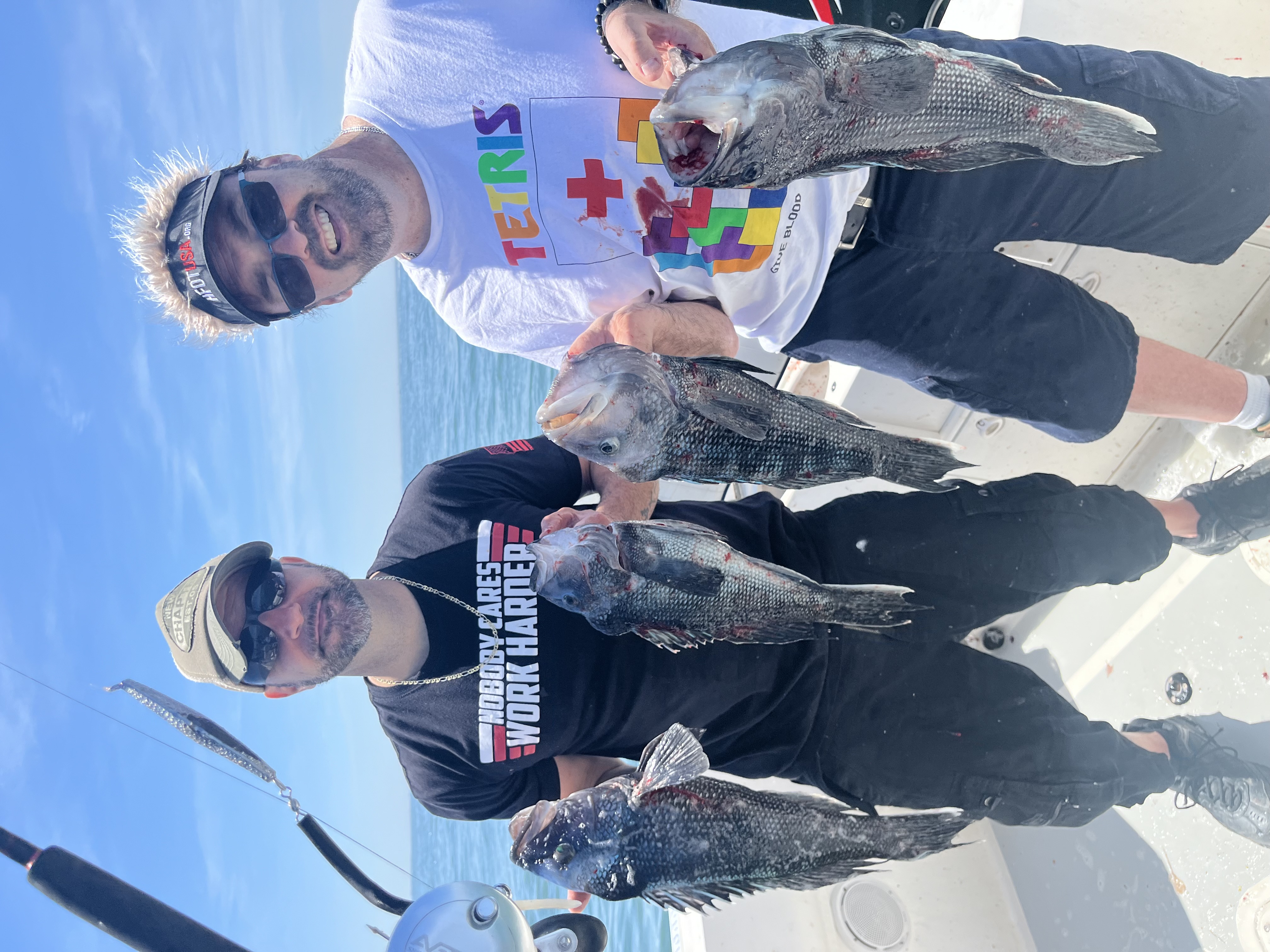
Black sea bass round out the target species list with their aggressive feeding behavior and excellent table fare. These guys average 12 to 16 inches and are most active from late spring through early fall. Sea bass are opportunistic feeders that'll hit both baits and lures with enthusiasm. They're perfect for mixed bag fishing since they often share the same structure as tautog and attract feeding striped bass to the same areas.
Time to Book Your Spot
This 4-hour Cape Cod inshore trip with Endeavor Sportfishing hits the sweet spot for productive fishing without eating up your entire day. You'll experience some of the best inshore fishing the East Coast has to offer while learning from crew members who've been working these waters for years. The small group size means personalized attention, better fishing, and a more relaxed atmosphere than you'll find on larger charter boats. Morning trips consistently produce fish, and you'll still have afternoon free for other Cape Cod activities. Whether you're after keeper stripers for the dinner table or just want to bend some rods with friends and family, this trip delivers the goods. Don't wait – prime morning slots fill up fast, especially during peak season when the fishing is red hot.
 Private Trip
 Inshore Fishing
 Cape Cod
 Four-hour inshore fishing adventure accommodates up to four guests