Ponce Inlet Nearshore Fishing Trip
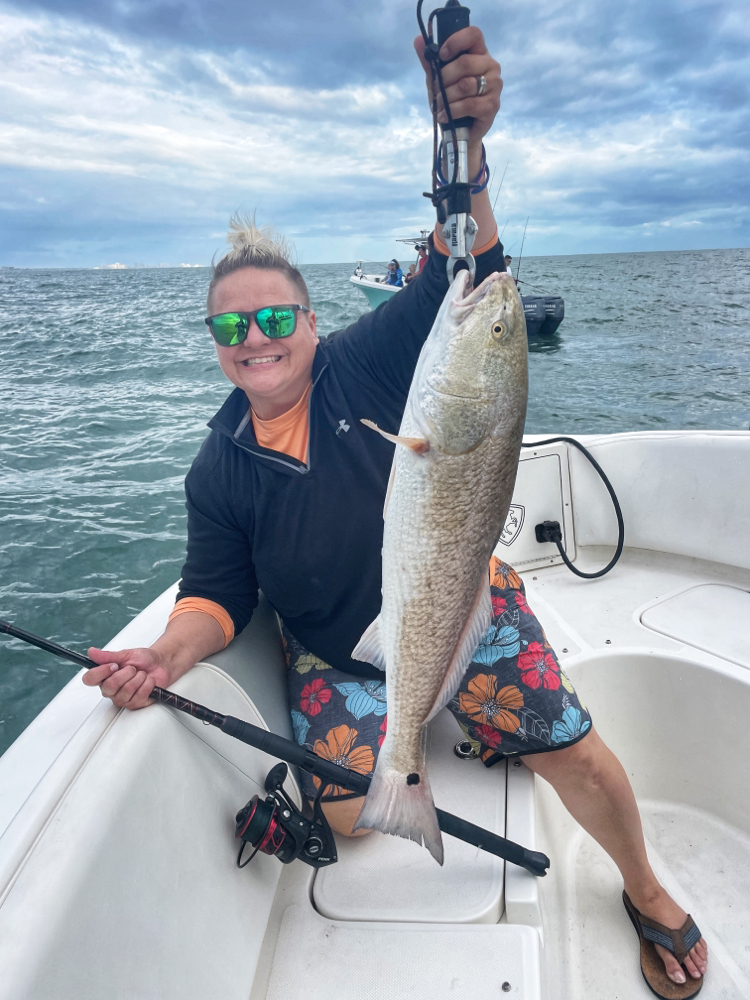
Looking for steady action without burning a full day on the water? Fire Line Charters' five-hour nearshore trip out of Ponce Inlet hits the sweet spot for anglers who want productive fishing in a manageable timeframe. We'll run you about twelve miles offshore to some of the area's most reliable bottom structure—reefs and wrecks that hold fish year-round. With room for up to five guests, this trip works great for families, small groups, or anyone wanting to get their lines wet without the commitment of an all-day adventure. All your gear, bait, and licenses are covered, so just show up ready to fish.
What to Expect on the Water
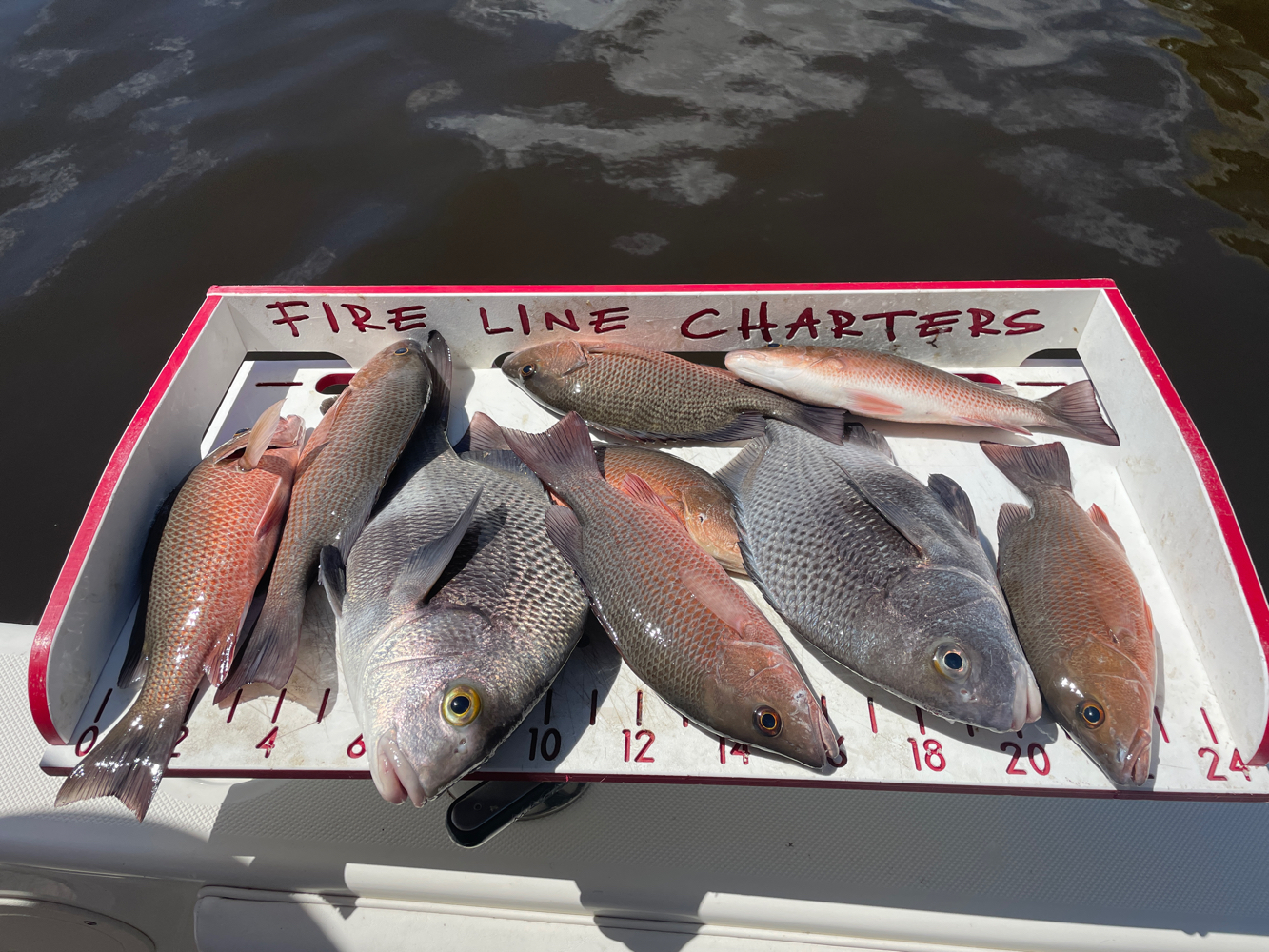
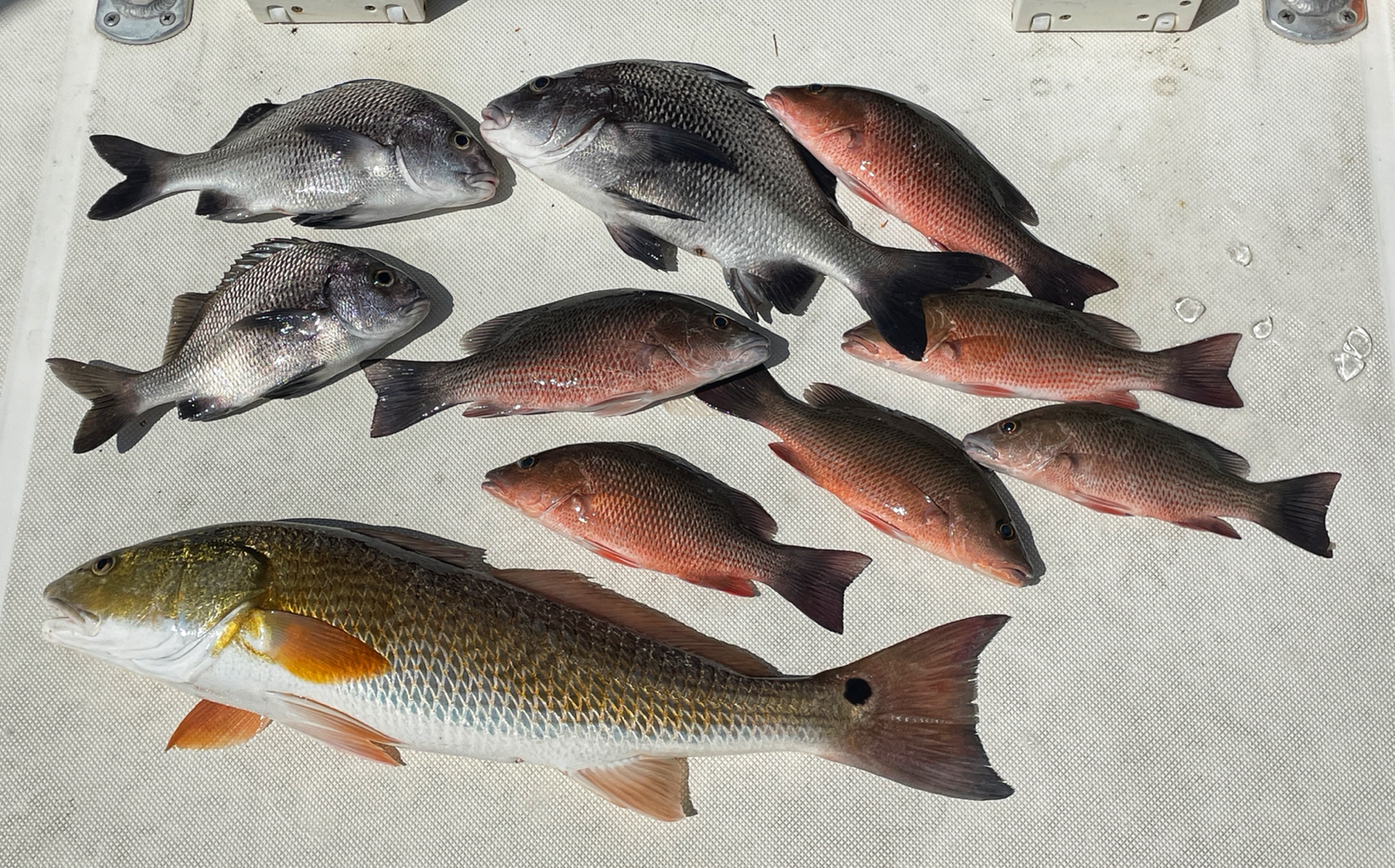
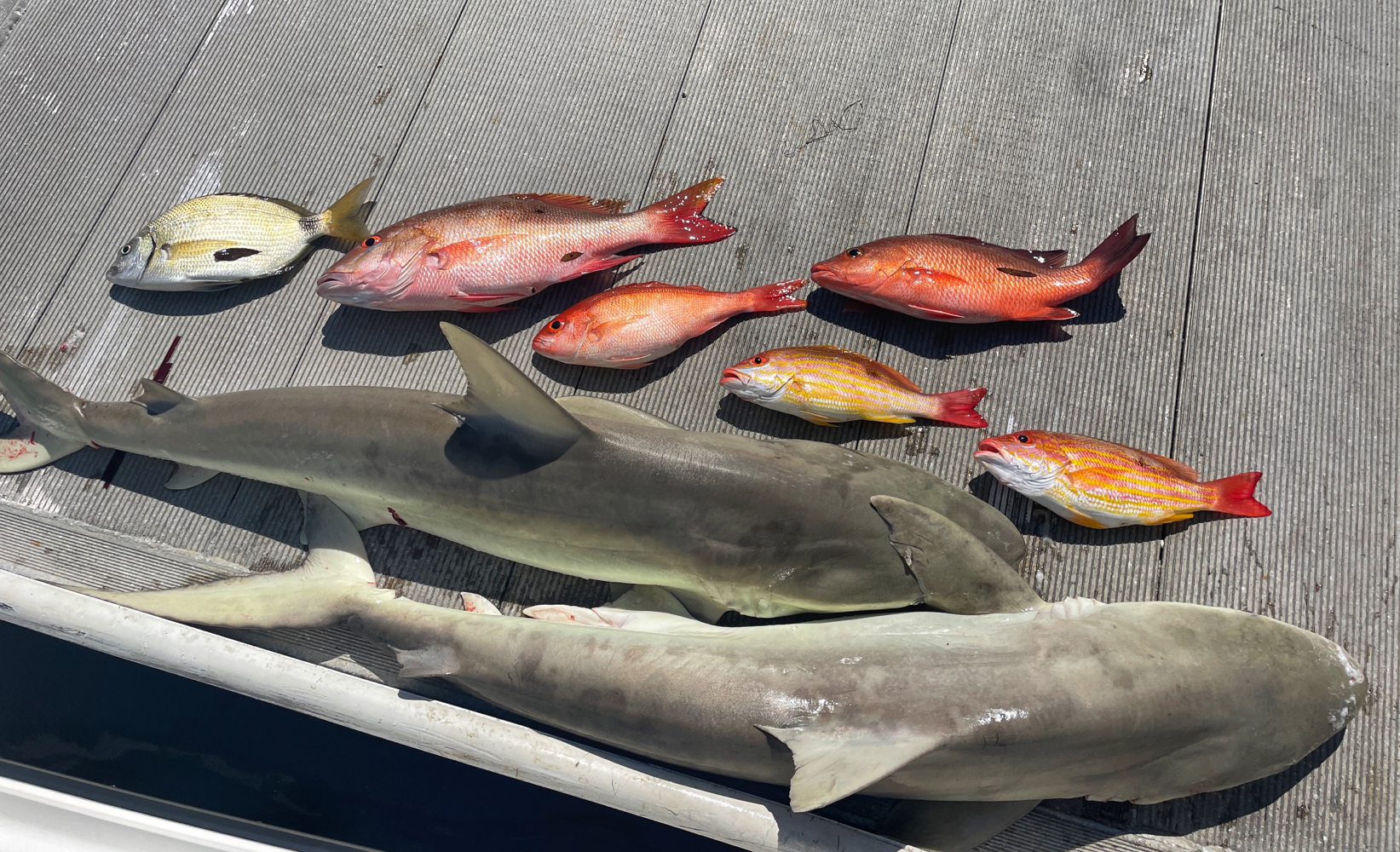
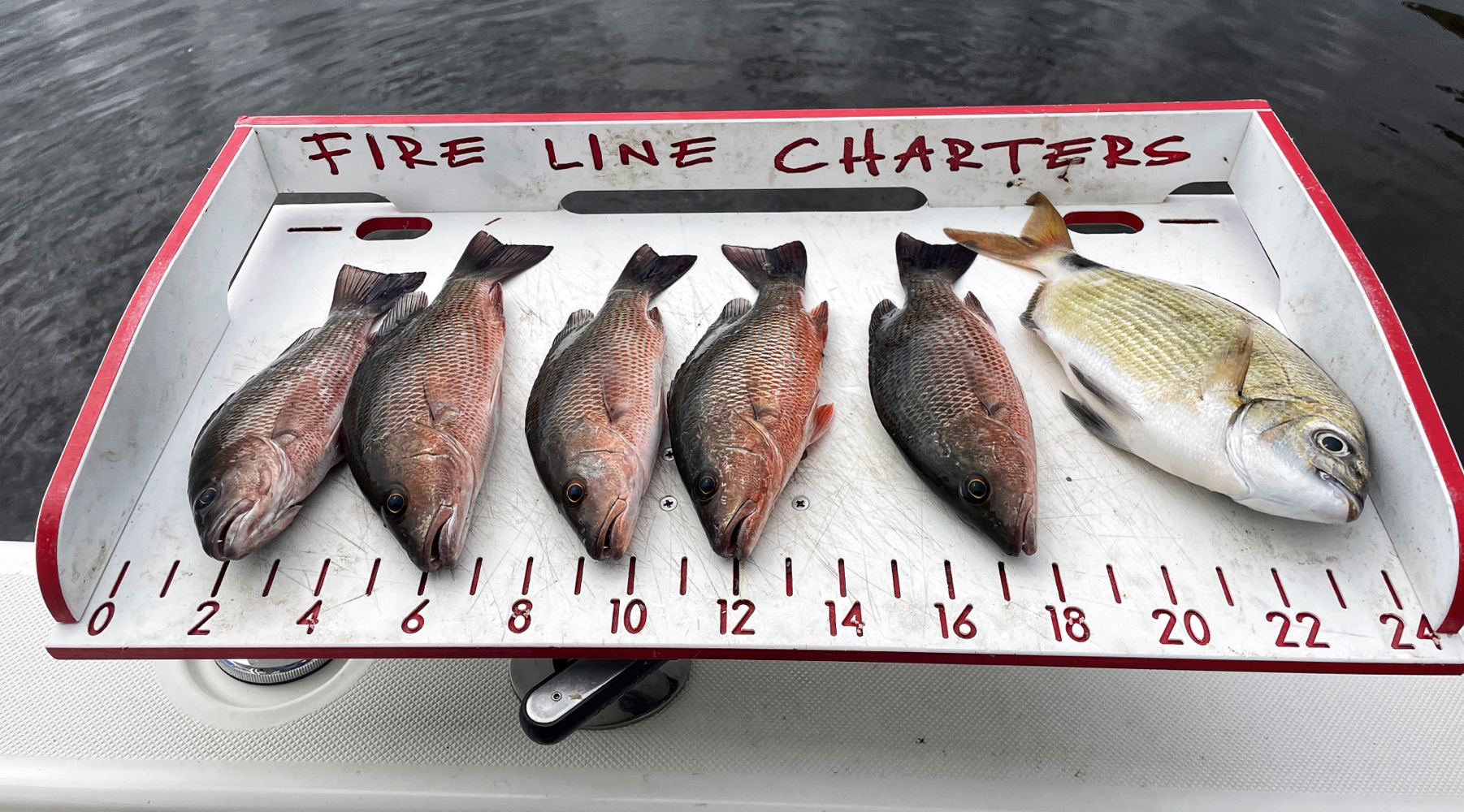
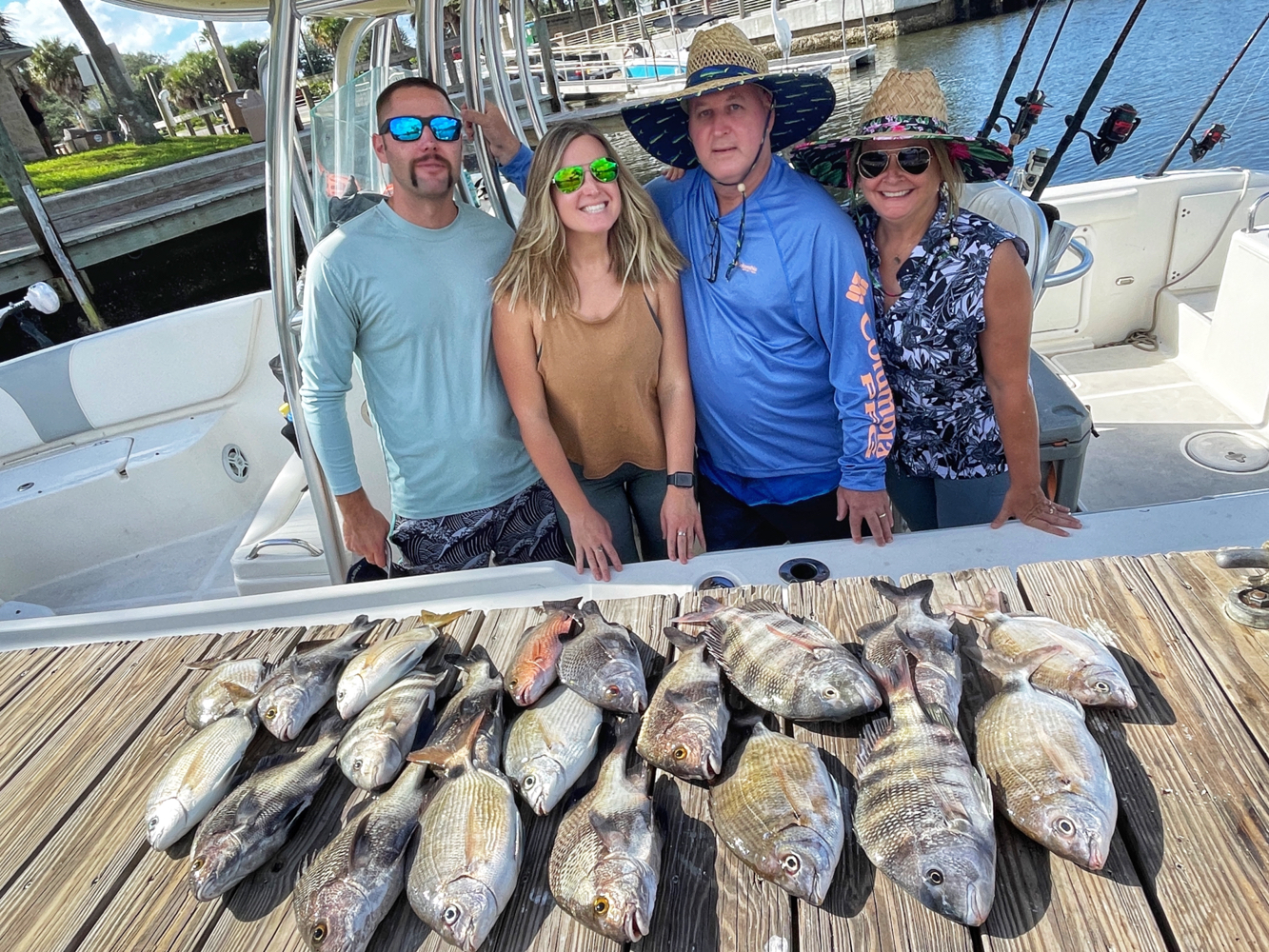
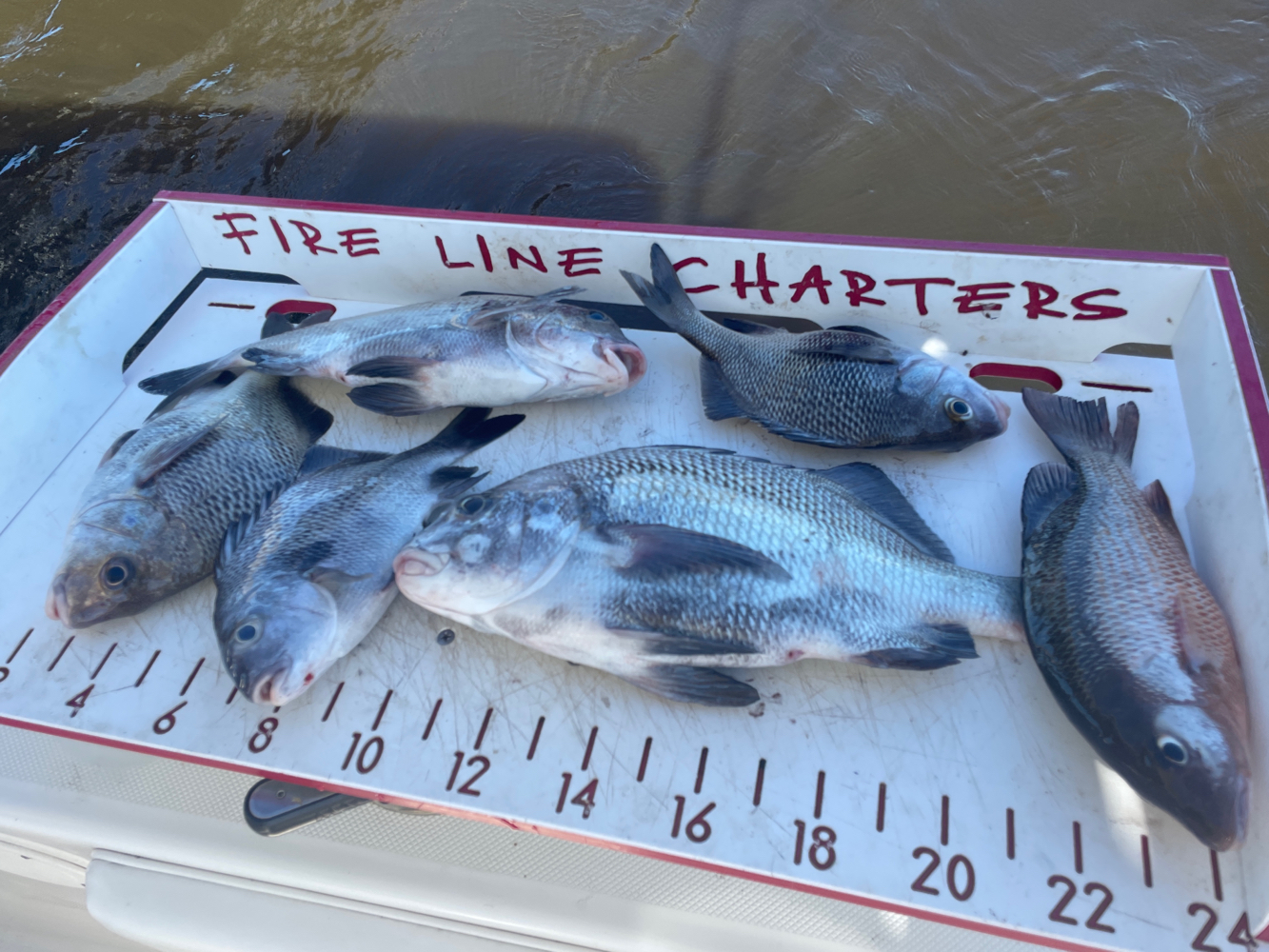
This isn't one of those trips where you're wondering if the fish are biting—the captain knows exactly where to find them. We're targeting productive nearshore structure that consistently holds snapper, porgies, seabass, cobia, barracuda, and sharks. The beauty of fishing these twelve-mile spots is you get the benefits of offshore fishing without the long boat ride. You'll spend more time with lines in the water and less time running to fishing grounds. The pace is relaxed but steady, making it perfect for both rookies getting their first taste of saltwater fishing and seasoned anglers who know good fishing when they see it. Five hours gives you plenty of time to work different spots if one area isn't producing, and the captain won't hesitate to move around to keep the action going.
Bottom Fishing the Structure
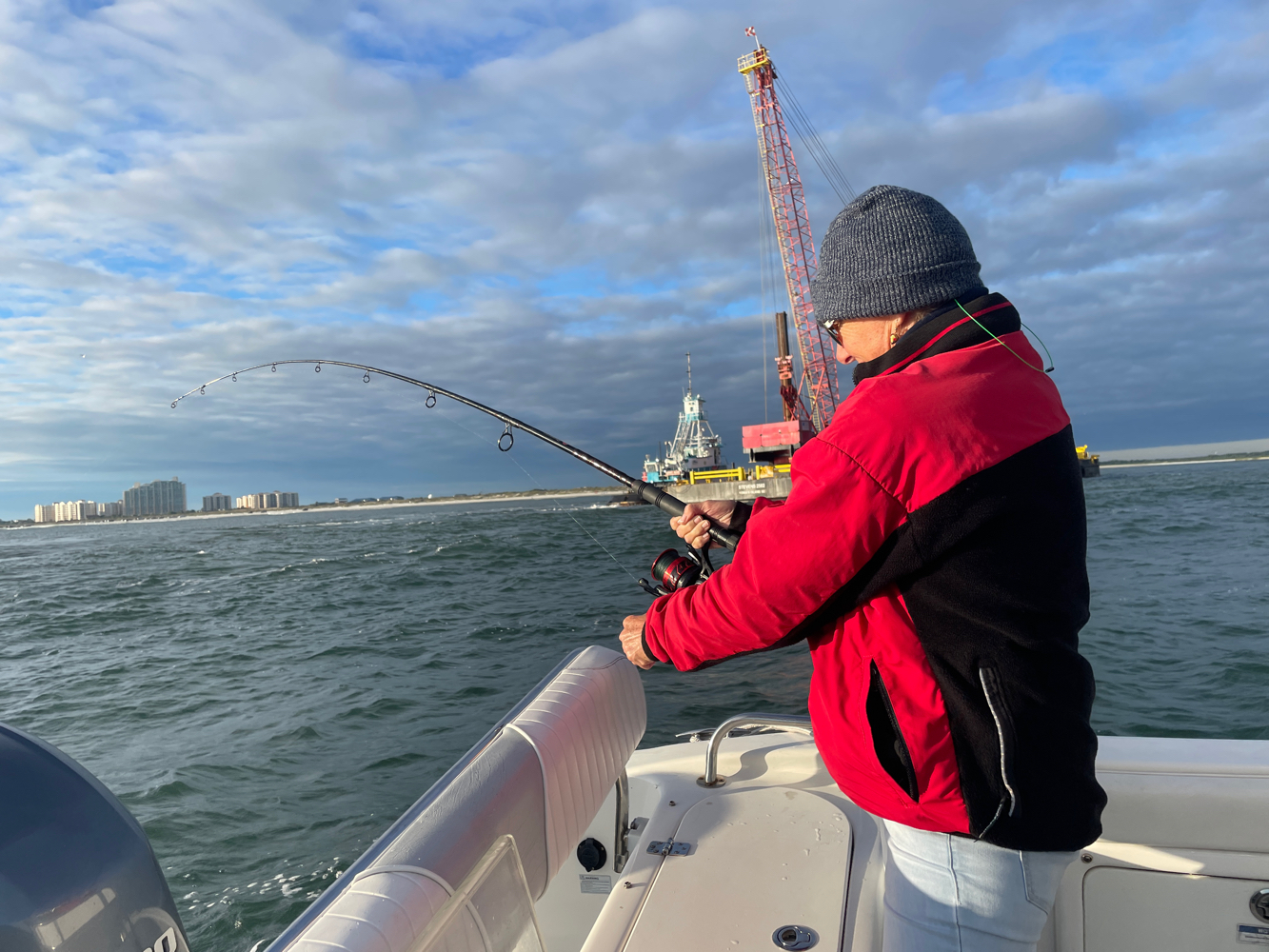
We're primarily bottom fishing these nearshore reefs and wrecks, which means dropping baits down to where the fish live and work. The captain provides all the tackle you'll need—typically medium to heavy spinning gear that can handle anything from snapper to sharks. Most of the fishing involves using circle hooks with live or cut bait, depending on what's working that day. The beauty of fishing structure is the variety—you never know what's going to grab your bait next. One minute you're pulling up a nice mangrove snapper, the next you've got a cobia making a run. The wrecks and reefs create the perfect habitat for baitfish, which draws in everything from bottom dwellers to pelagic species cruising through. Don't worry if you're new to this style of fishing—the crew will get you set up and show you the techniques that work best for each species you're targeting.
Species You'll Want to Hook
King mackerel are the speed demons of the nearshore waters around Ponce Inlet. These toothy predators can reach 30-40 pounds and are known for their blistering runs when hooked. They're most active during the cooler months from fall through early spring, though smaller "snake" kings can be found year-round. What makes them so exciting is their aggressive strikes and the way they'll strip line off your reel in seconds. The key to landing kings is keeping steady pressure—they'll throw the hook if you give them slack.
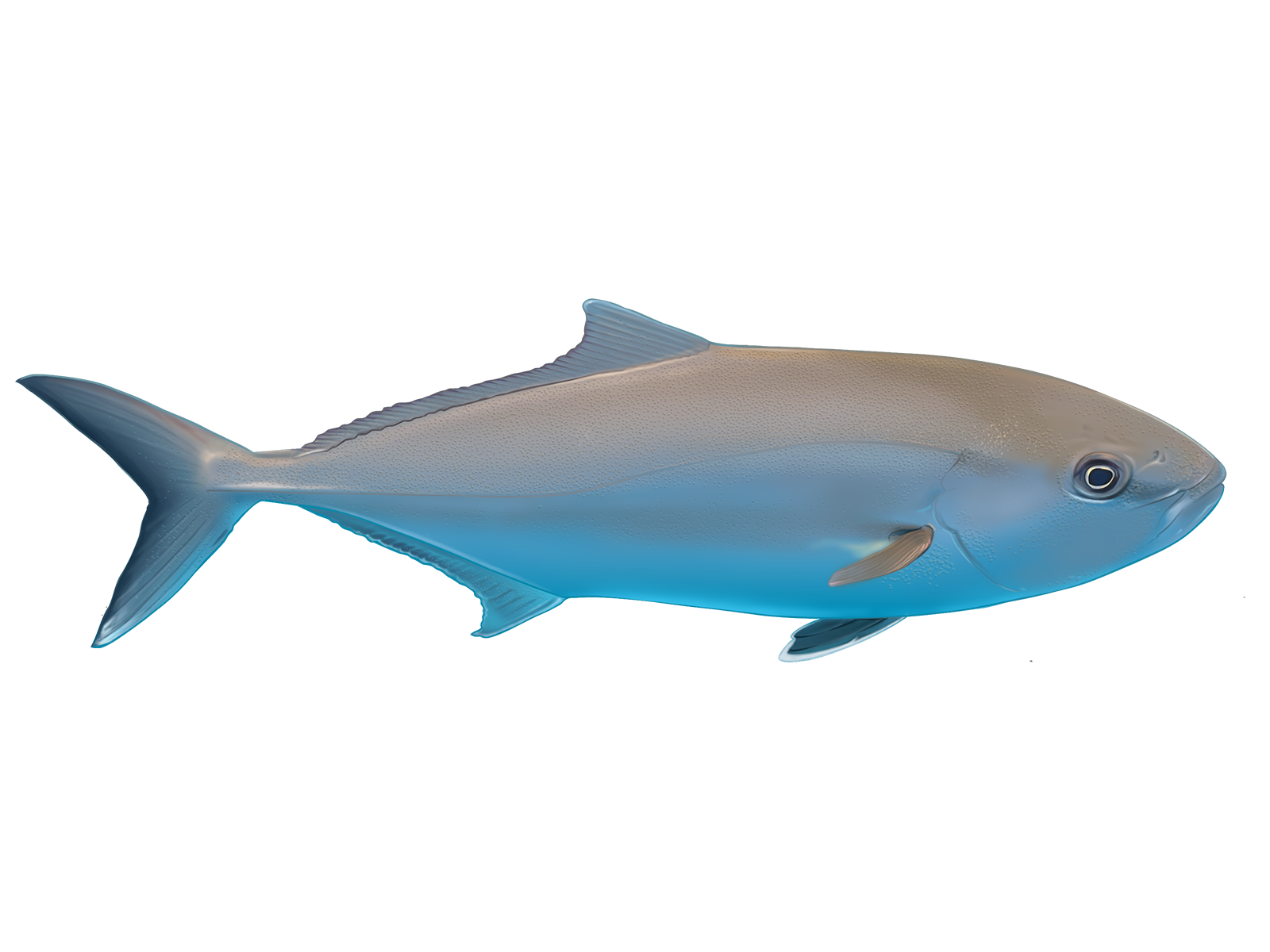
Greater amberjack are the bulldogs of the reef. These powerful fish can weigh 40-60 pounds or more and will test both your tackle and your muscles. They're structure-oriented fish, so they're right at home around the wrecks and reefs we fish. Amberjack are notorious for their ability to wrap you up in structure, so it's a tug-of-war from the moment you hook up. They're most abundant during the warmer months but can be caught year-round. What anglers love about AJs is their pure power—there's no finesse involved, just a straight fight.
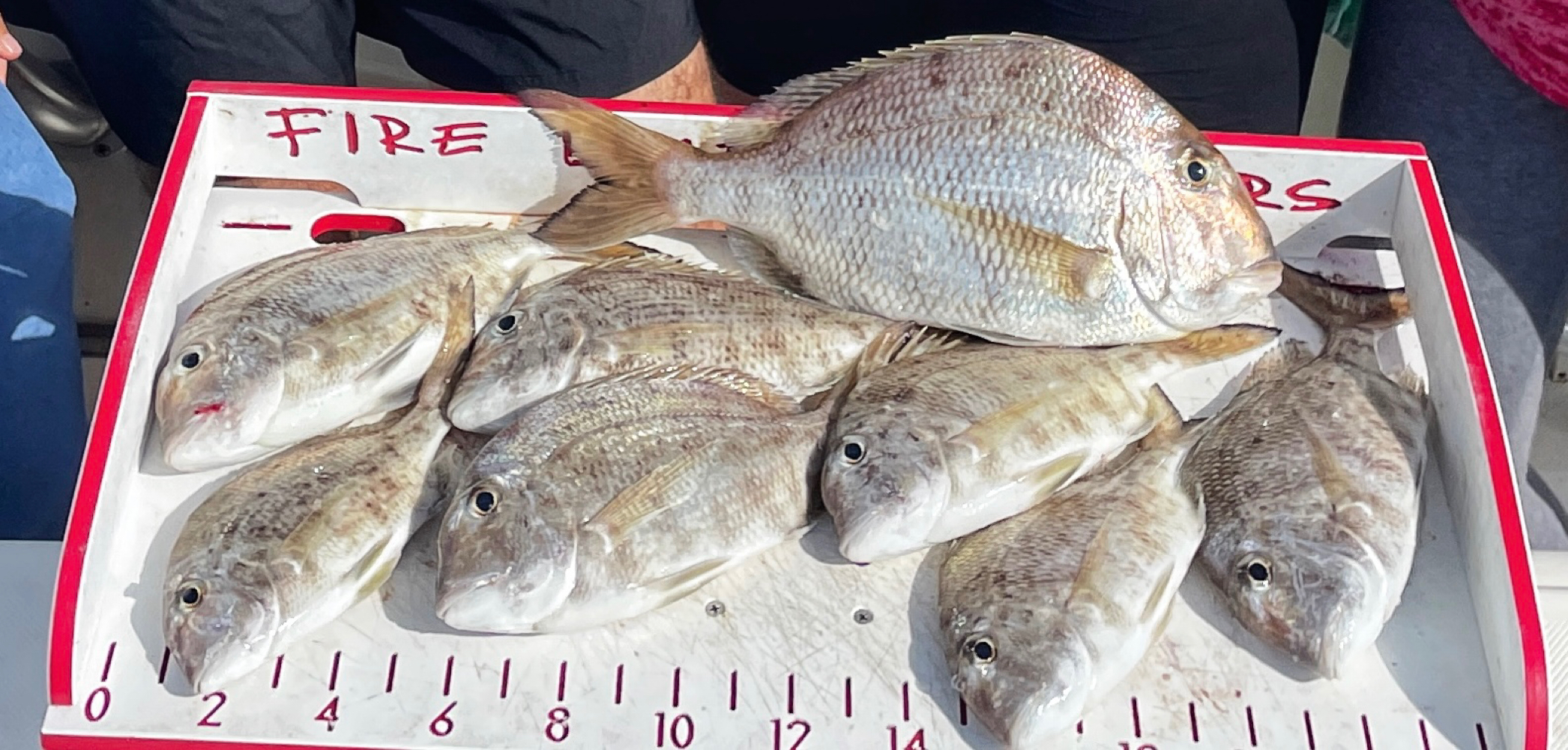
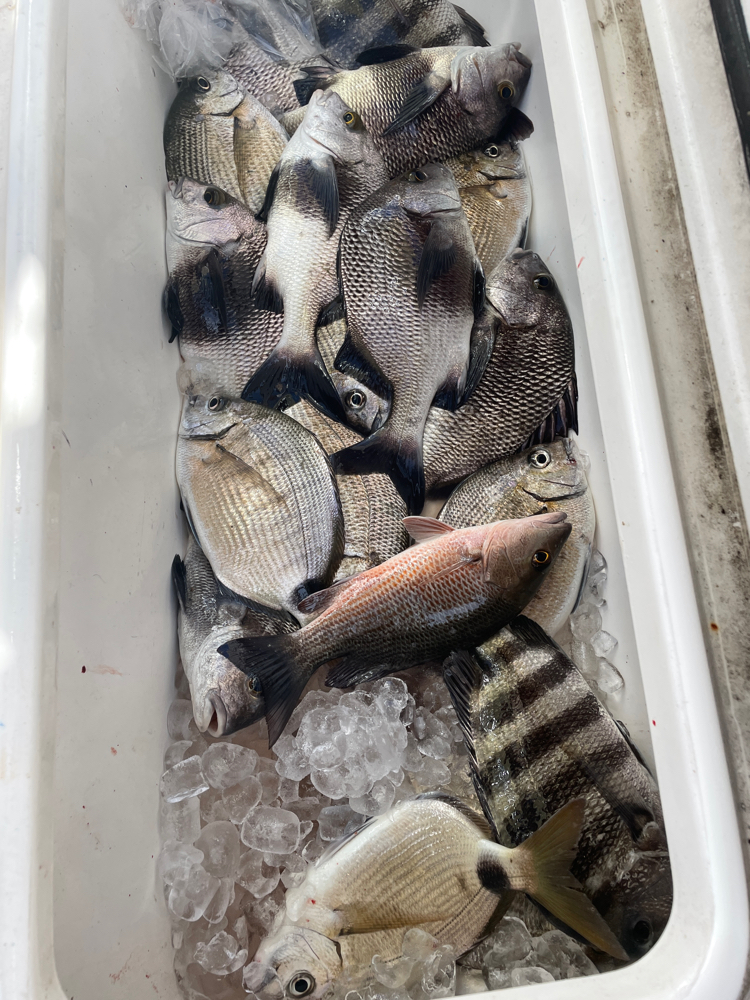
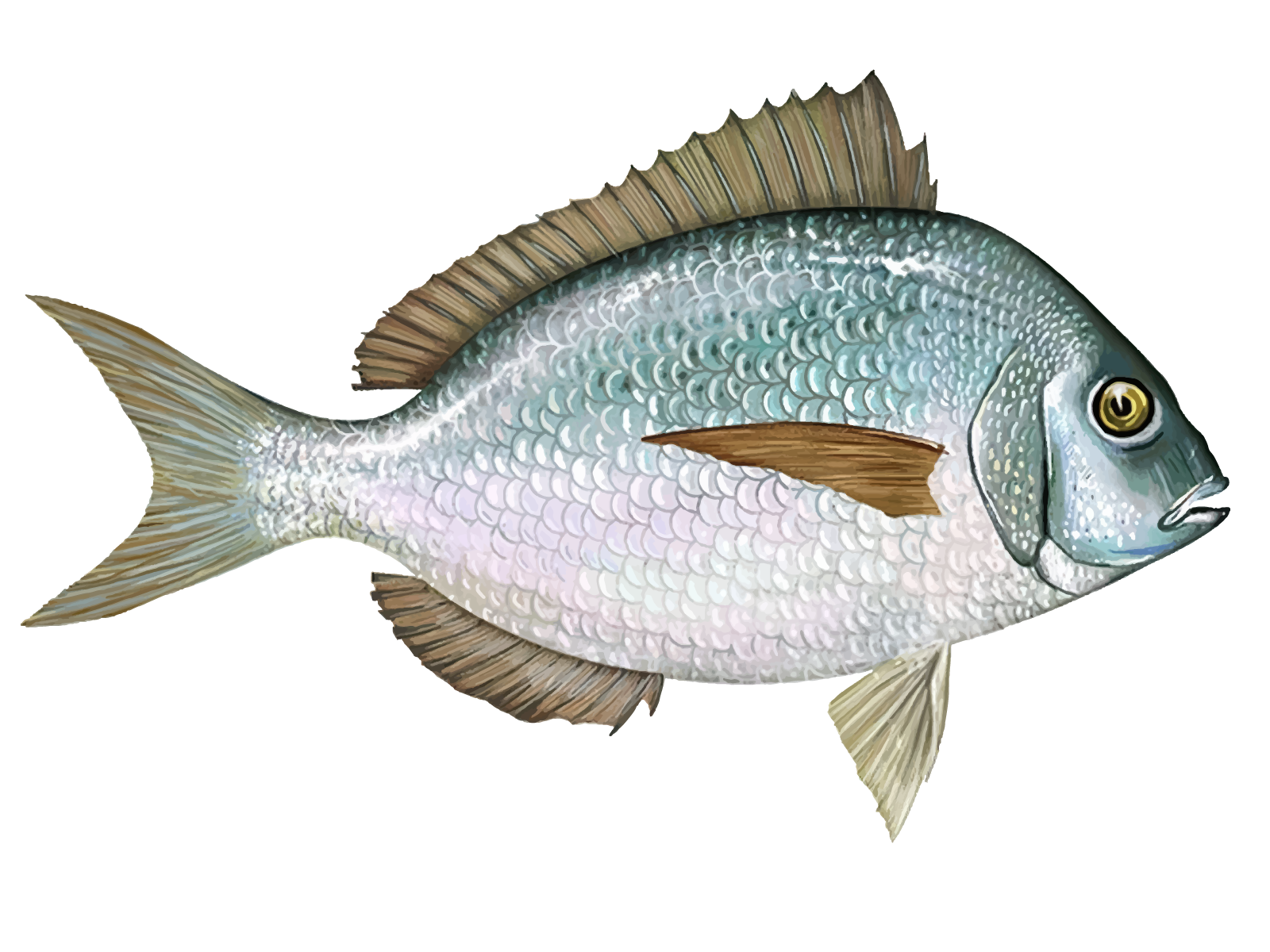
Scup, also known as porgy, might not be the biggest fish on the reef, but they're fantastic table fare and great for keeping the action steady. These silver-sided fish typically run 1-3 pounds and are abundant around the bottom structure we target. They're curious fish that will often investigate your bait before committing, making them fun to catch on lighter tackle. Scup are most active during the spring and fall months, and they're perfect for anglers who enjoy the challenge of detecting subtle bites and setting the hook at the right moment.
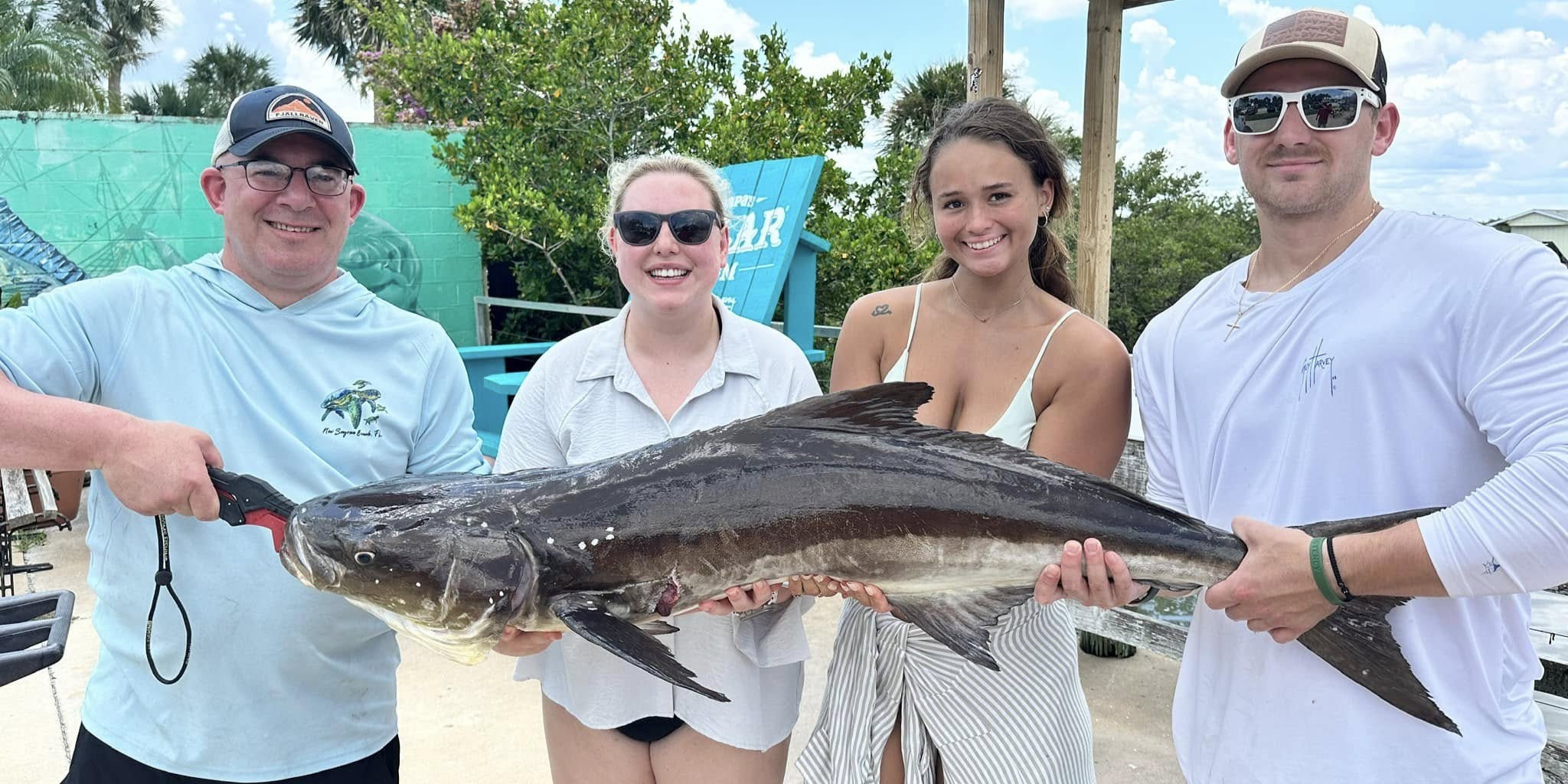
Cobia are the wild cards of nearshore fishing. These brown, shark-looking fish can show up anywhere from 20-50 pounds and are known for their curious nature. They'll often come right up to the boat to investigate, giving you a chance to sight-cast to them. Cobia are most common during the spring migration and again in the fall, but strays can be found throughout the year around structure. What makes them special is their intelligence—they're smart fish that will study your bait before deciding to eat it, making every hookup feel like an accomplishment.
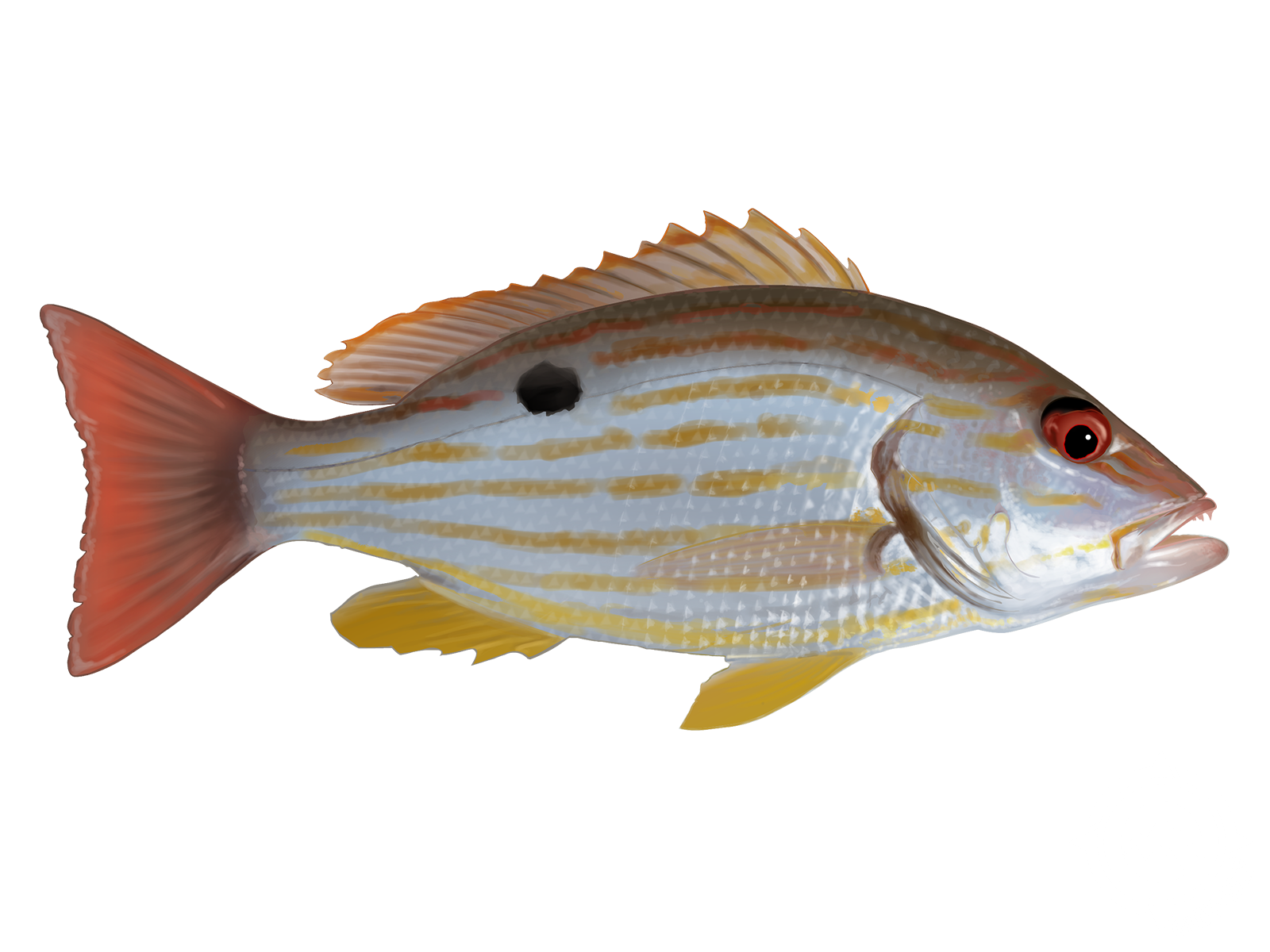
Lane snapper are the bread and butter of nearshore reef fishing around Ponce Inlet. These colorful fish with their distinctive yellow stripes and pink hues typically run 1-2 pounds and are excellent eating. They're schooling fish, so when you find them, you can often catch several before they move on. Lane snapper are most active during the warmer months but can be found year-round around the reefs. They're perfect for anglers who appreciate good table fare and steady action—plus they're great for getting kids excited about fishing since they bite readily and fight well for their size.
Time to Book Your Spot
This five-hour nearshore trip offers the perfect balance of productive fishing and reasonable time commitment. You'll target some of the most sought-after species in Florida waters while fishing proven structure that consistently holds fish. Whether you're a local angler looking for a half-day adventure or a visitor wanting to experience what Ponce Inlet fishing is all about, this trip delivers. The captain's knowledge of the area's best spots, combined with all gear and licenses included, makes it a hassle-free way to get on the water. Just remember that deposits are non-refundable and gratuity isn't included in the trip price. Ready to feel that rod bend? Fire Line Charters is
 Private Trip
 Offshore Fishing
 Port Orange, FL

 Five-hour nearshore trip targets reefs twelve miles offshore