Half Day Beginner-Friendly Fishing In Sarasota
Looking to get your feet wet in the world of inshore fishing? Captain Marc Laurin's half-day trip in Sarasota Bay is exactly what you need. This relaxed fishing adventure is perfect for families and first-timers who want to learn the ropes without feeling rushed or overwhelmed. You'll spend quality time on calm, protected waters targeting some of Florida's most popular inshore species while soaking up stunning coastal scenery. The captain provides all the gear, shares his local knowledge, and makes sure everyone gets hands-on experience with proper techniques. Whether you're 8 or 80, this trip is designed to build confidence and create lasting memories on the water.
What to Expect on the Water
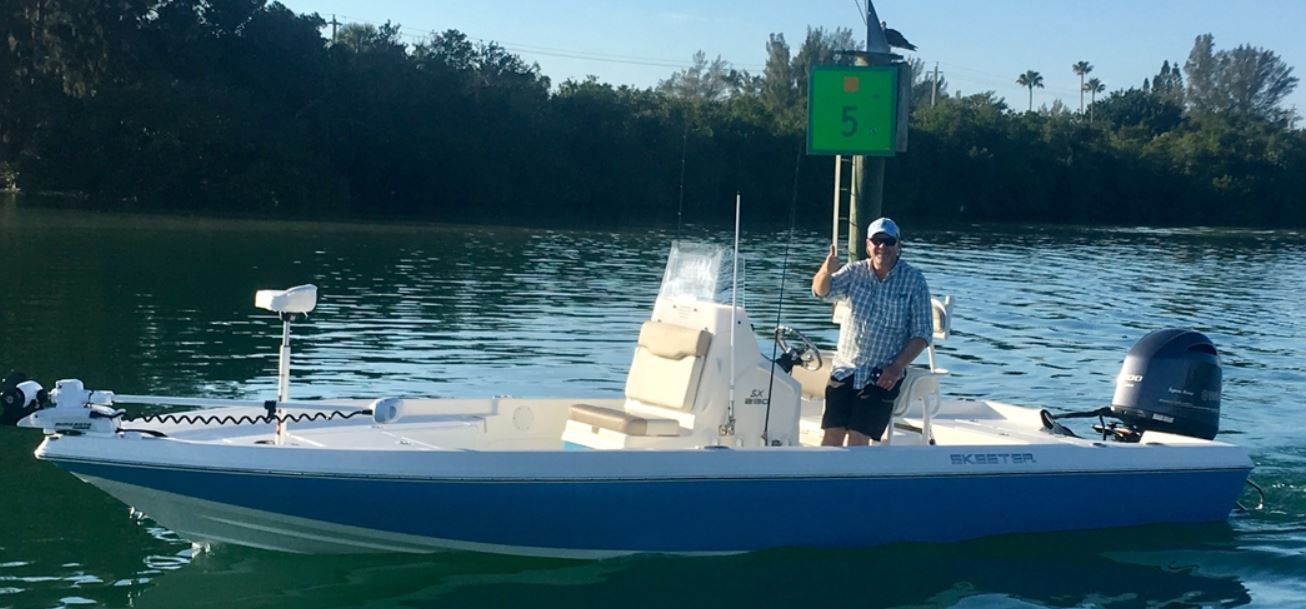
Your morning starts at one of three convenient launch points – Centennial Park, Ken Thompson Parkway, or Bay Island Park – where you'll meet Captain Marc and get a quick safety briefing. The boat holds up to four anglers, so you'll have plenty of elbow room and personal attention from your guide. Sarasota Bay's sheltered waters mean you won't be battling big waves or rough conditions, making this ideal for anyone prone to seasickness or new to being on boats. The captain focuses on teaching fundamental techniques like proper casting, bait presentation, and how to work different lures through the grass flats and mangrove shorelines. You'll learn to read the water, spot fish movement, and understand why certain spots hold more fish than others. Don't worry about bringing tackle – everything from rods and reels to bait and terminal tackle is included in your trip.
Techniques You'll Master
Inshore fishing in Sarasota Bay revolves around sight fishing and structure fishing, two techniques that Captain Marc excels at teaching beginners. You'll start with basic casting using both spinning and baitcasting setups, learning how to place lures near mangrove roots, oyster bars, and grass edges where fish love to ambush prey. The captain will show you how to work soft plastics like paddle tails and jerk baits, plus when to switch to live bait like shrimp or pinfish for finicky fish. Drift fishing over grass flats lets you cover water while practicing different retrieval speeds and rod tip movements. You'll also get hands-on experience with light tackle techniques that make every fish feel like a monster, even smaller sea trout and redfish. The key here is learning to feel the bite, set the hook properly, and fight fish without putting too much pressure on light lines.
Target Species You'll Want to Hook
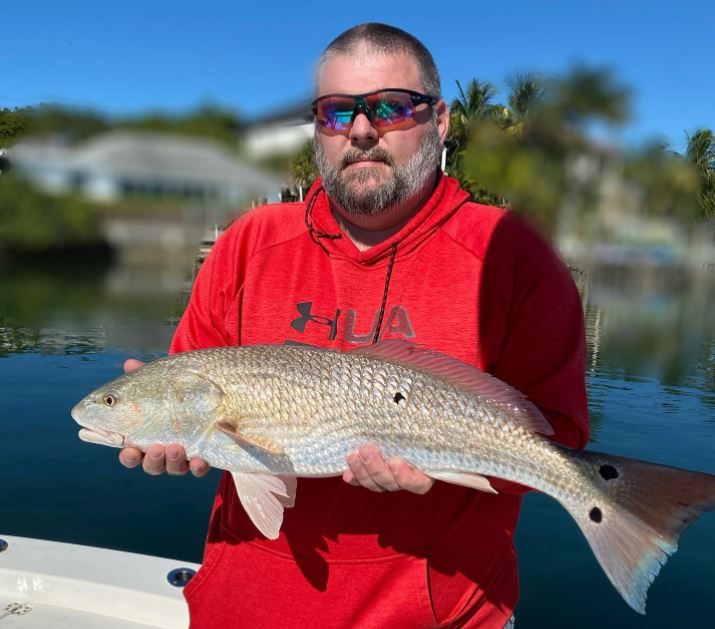
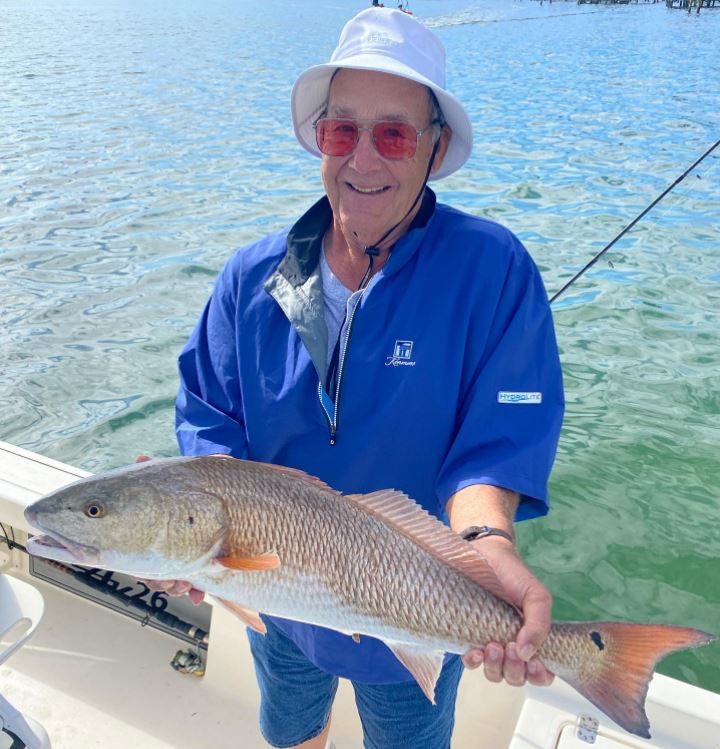
Redfish are the bread and butter of Sarasota Bay fishing, and these copper-colored bruisers are perfect for beginners to target. They typically run 18 to 27 inches in these waters, with plenty of slot-sized fish that fight hard but won't break your tackle. Reds love shallow water around oyster bars and mangrove shorelines, especially during moving tides when they're actively feeding. What makes them special is their willingness to eat both live bait and artificials, plus they don't give up easily once hooked – you'll feel every head shake and bulldogging run.
Sea Trout are another top-rated target species that love the grass flats throughout Sarasota Bay. These spotted beauties typically range from 14 to 20 inches, with the occasional gator trout pushing over 24 inches and providing a real thrill. They're most active during dawn and dusk periods, but Captain Marc knows the deeper holes and channel edges where they school up during midday heat. Trout have soft mouths, so you'll learn proper drag settings and fighting techniques that prevent pulled hooks. Their aggressive strikes on topwater plugs and soft plastics make them a customer favorite for action-packed fishing.
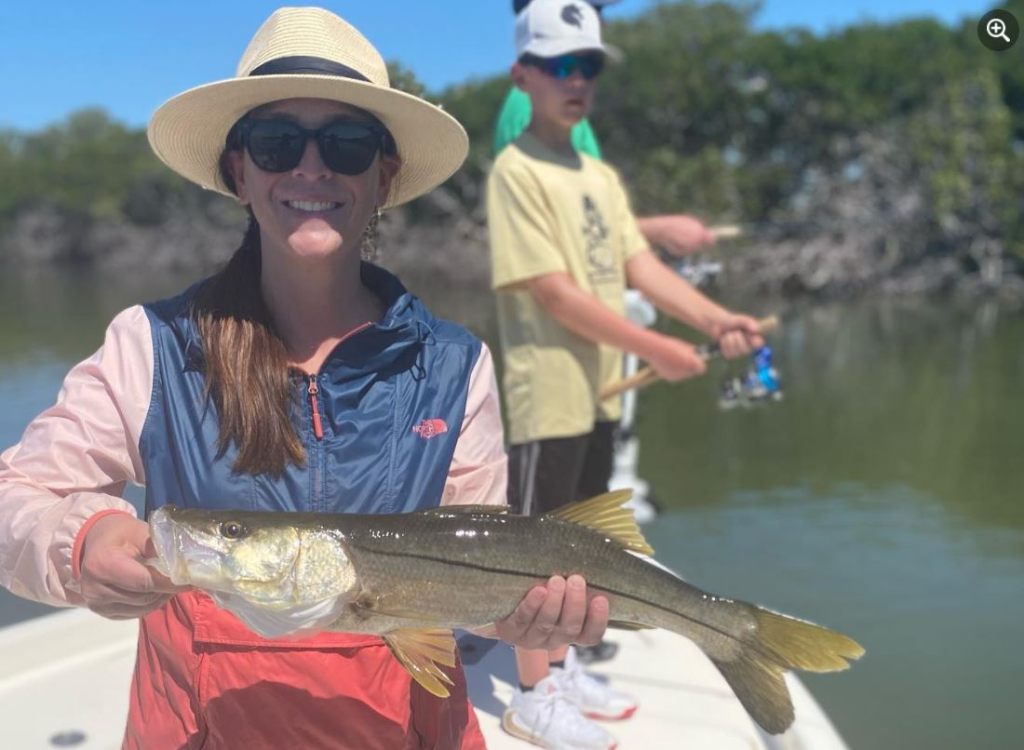
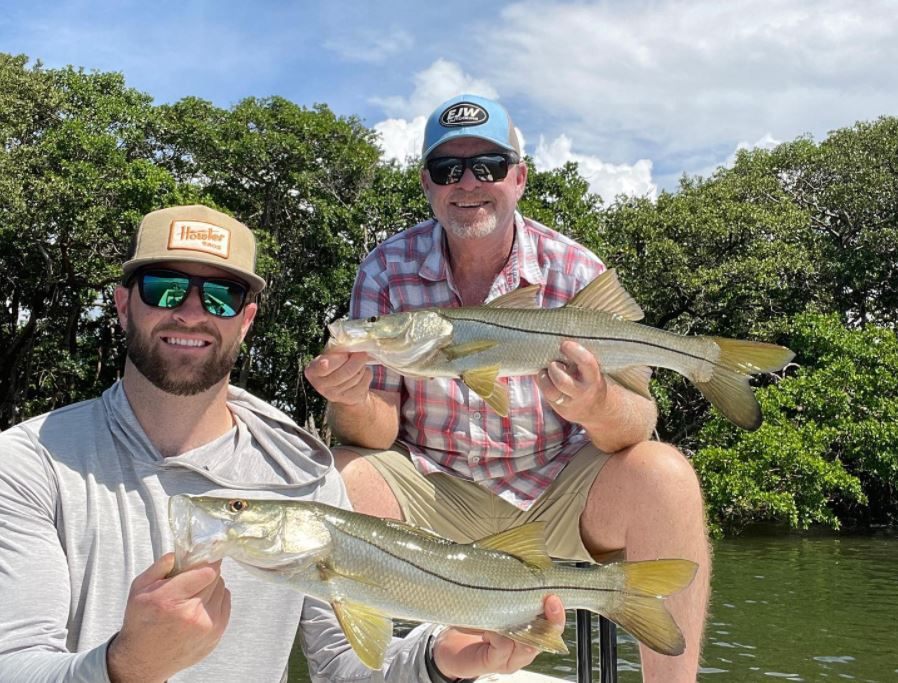
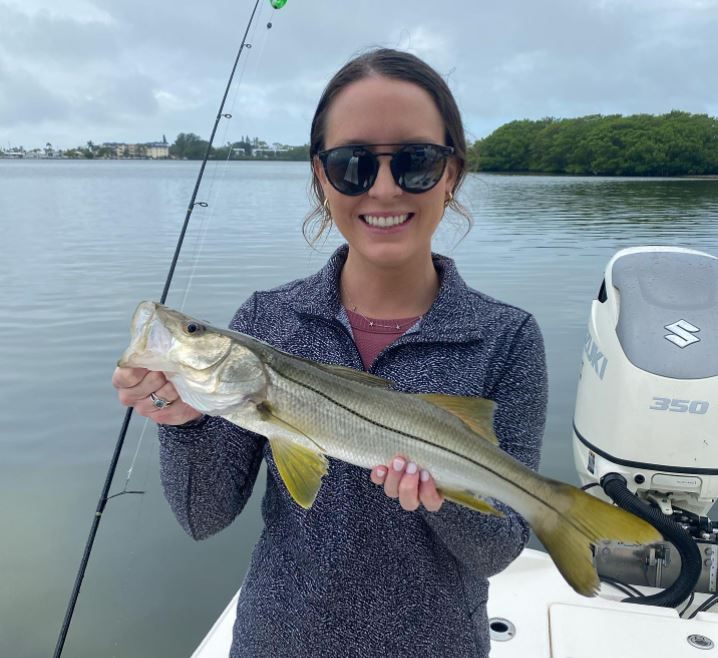
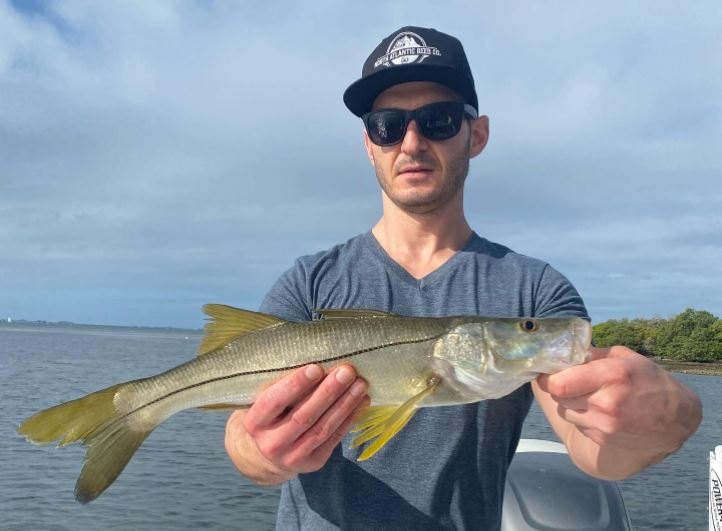
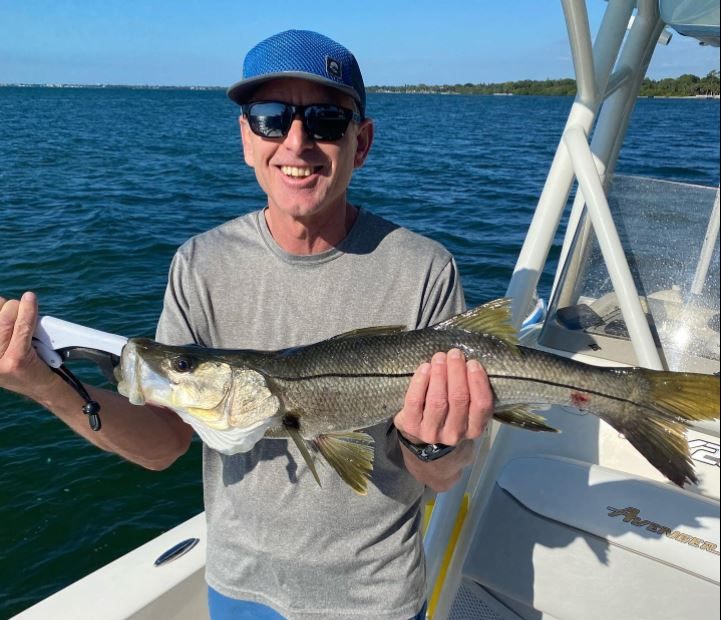
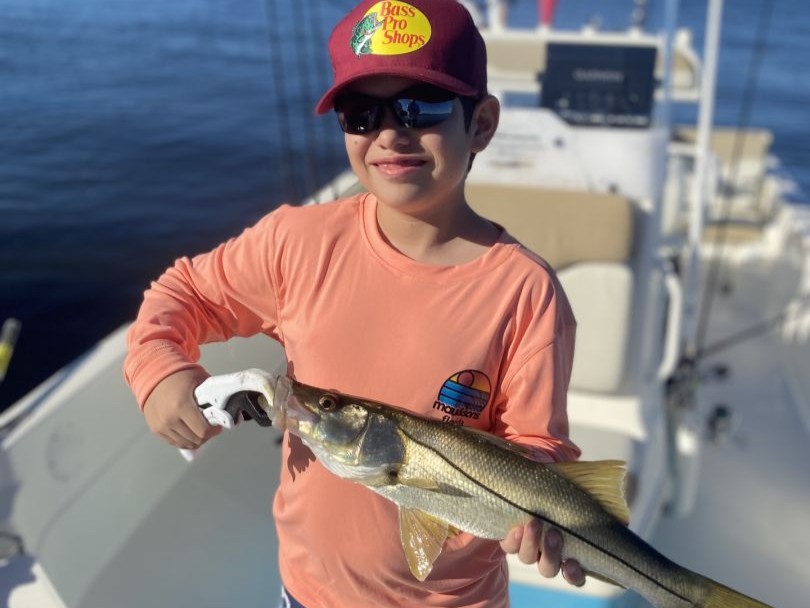
Snook are the premier gamefish of Southwest Florida's inshore waters, and Sarasota Bay holds some beautiful fish year-round. These ambush predators hang around structure like dock pilings, bridge abutments, and mangrove overhangs, waiting to crush unsuspecting baitfish. Most snook you'll encounter run 20 to 28 inches, with their distinctive black lateral line and oversized mouth making them easy to identify. They're renowned for their acrobatic fights, often jumping multiple times and making powerful runs toward structure. Captain Marc knows exactly where to find them and how to present baits that trigger strikes from these sometimes-finicky fish.
King Mackerel show up during cooler months, typically from October through March, when they move into the bay chasing schools of baitfish. These speed demons can reach 20 to 40 pounds and provide some of the most exciting battles you'll experience on light tackle. They're known for their blistering runs and aerial displays, often jumping completely out of the water multiple times during the fight. Kings prefer deeper water around channel edges and drop-offs, where Captain Marc will troll live baits or work fast-moving lures to trigger their predatory instincts.
Cobia are the wildcards of Sarasota Bay, showing up throughout the warmer months as they cruise the flats looking for crabs and smaller fish. These brown sharks (as they're often mistaken for) can grow quite large, with fish ranging from 20 to 50 pounds not uncommon in these waters. What makes cobia special is their curious nature – they'll often follow the boat and investigate lures, giving you multiple chances at a hookup. They're powerful fighters that use their broad tails and stocky bodies to make determined runs toward bottom structure. Sight fishing for cobia is one of the most exciting aspects of inshore fishing, as you can often see them coming from a distance.
Time to Book Your Spot
This half-day beginner trip offers incredible value for families and new anglers looking to experience world-class inshore fishing without the commitment of a full day on the water. Captain Marc's patient teaching style and deep knowledge of Sarasota Bay
 Private Trip
 Inshore Fishing
 Sarasota, FL


 Beginner-friendly inshore fishing targeting redfish and sea trout