Heli Fishing Alaska's Remote Waters
Picture this: you're flying over Alaska's rugged wilderness in a helicopter, scouting pristine river systems that most anglers never even dream of reaching. That's exactly what you get with FishHound Expeditions' full-day helicopter fishing adventure. This isn't your typical guided fishing trip—we're talking about dropping into untouched waters where fish have likely never seen a lure. Over eight hours, you and one other angler will have exclusive access to some of Alaska's most remote and productive fishing spots, all while enjoying the kind of personalized attention that only comes with a private charter.
What to Expect on the Water
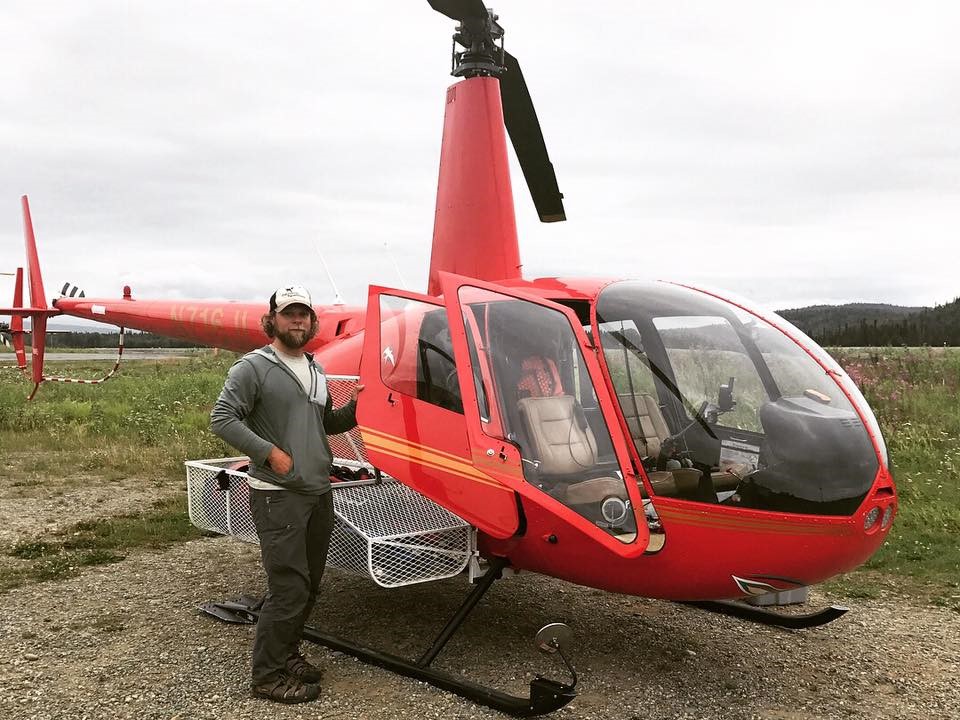
Your day starts early with a safety briefing and gear check before we lift off into Alaska's backcountry. The helicopter ride alone is worth the price of admission—you'll see terrain that would take days to hike through, all while keeping an eye out for wildlife and promising fishing holes from above. Once we touch down at your first spot, you'll quickly understand why helicopter access is such a game-changer. These remote river systems hold fish that are aggressive, hungry, and ready to fight. We're not talking about pressured fish that have seen every lure in the tackle box—these are wild Alaskan fish in their prime habitat. Throughout the day, we'll move between multiple locations depending on conditions and what's biting, giving you the flexibility to chase the action. Lunch is provided on-site, so you can refuel while planning your next cast. Just keep in mind that FAA regulations limit helicopter passengers to under 300 pounds for safety reasons—but don't worry, the fish up here are big enough to make up for any tackle box you might have to leave behind.
Gear Setup & Flight Strategy
We provide all the fishing gear you'll need, including rods, reels, and a selection of proven Alaska patterns that work in these specific waters. Our helicopter pilots are also seasoned anglers who know exactly where to find fish—they're constantly scouting new spots and tracking seasonal movements throughout the region. The beauty of helicopter fishing is the mobility factor. If one hole isn't producing, we simply hop back in the bird and try another location. This aerial advantage lets us cover more water in a single day than most anglers fish in an entire week. We typically focus on reading water from above first, looking for structure, current breaks, and feeding activity before we even land. The helicopter also allows us to access different elevation levels and river systems, meaning we can adjust for weather, water conditions, or fish behavior on the fly. Your pilot doubles as a spotter, helping identify prime lies and deep pools that might not be obvious from ground level.
Top Catches This Season
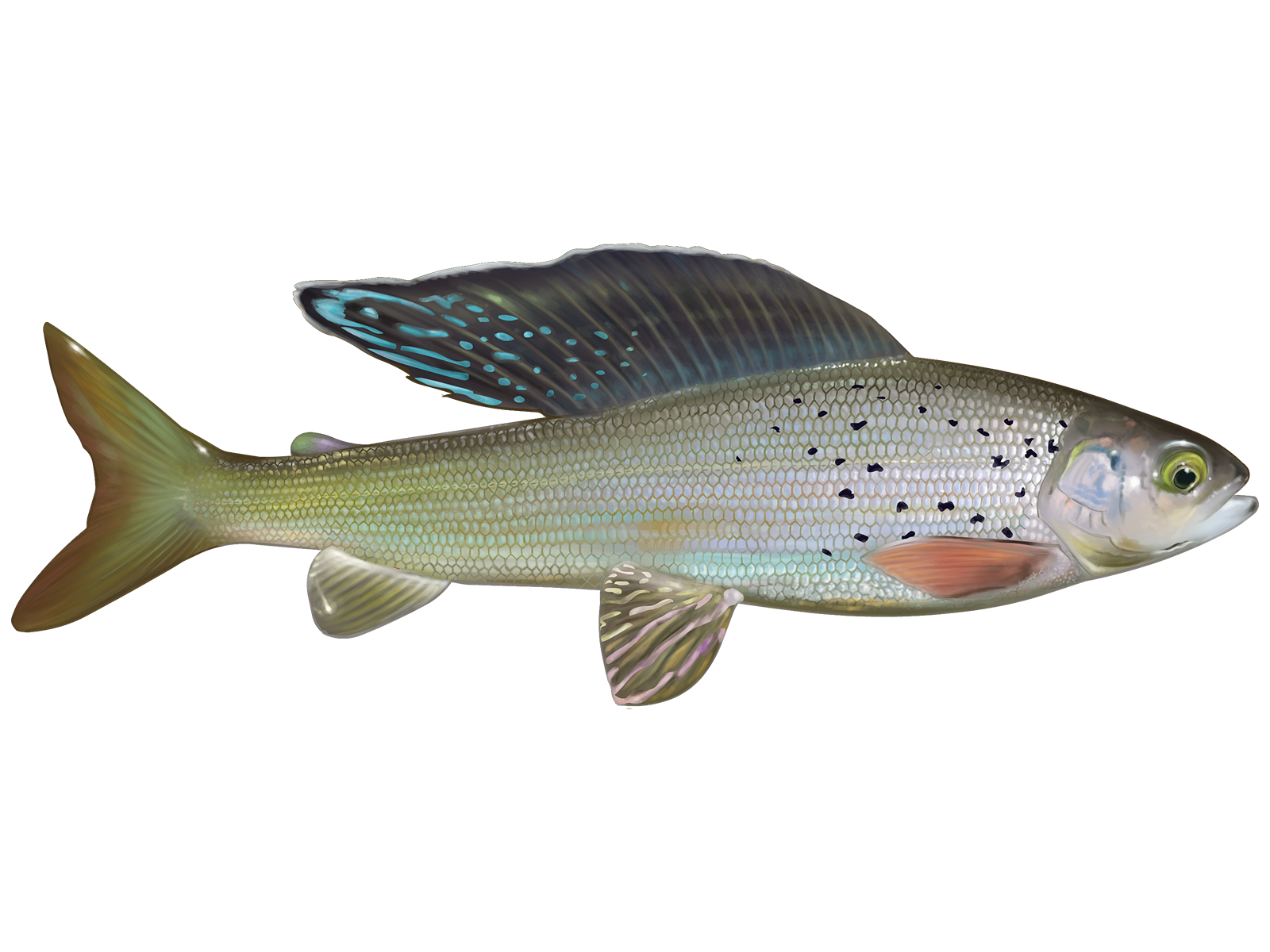
Arctic Grayling are the bread and butter of these remote systems, and they're absolute blast to catch on light tackle. These fish are aggressive surface feeders with that distinctive sail-like dorsal fin that makes them unmistakable. They typically run 12-16 inches in these waters, and they'll hammer dry flies, small spinners, and even tiny jigs with enthusiasm. Peak grayling action happens during the warmer months when insects are active, and they're known for their acrobatic fights despite their size. What makes grayling special is their willingness to hit topwater presentations—there's nothing quite like watching one come up and smash a dry fly in gin-clear mountain water.
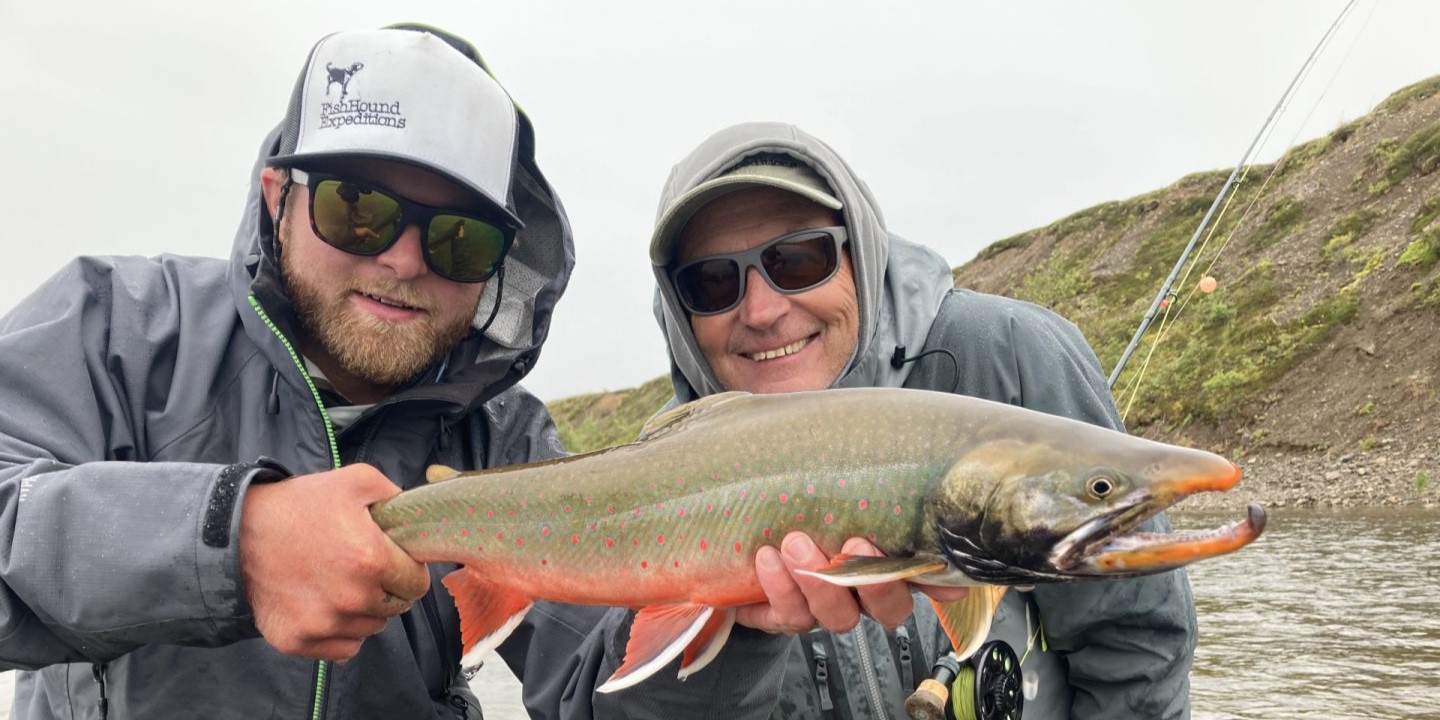
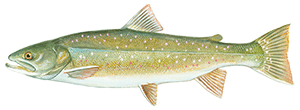
Arctic Char are the prize fish of Alaska's northern waters, and the specimens in these helicopter-access areas are truly something special. These char can reach 20+ inches and are known for their beautiful coloration—especially during spawning season when they turn brilliant red and orange. They're typically found in the deeper pools and runs, often holding near structure or drop-offs. Char are notorious for being finicky, but when they're feeding, they'll absolutely crush streamers and spoons. The best char fishing usually happens in late summer and early fall, and these fish fight like they're twice their size.
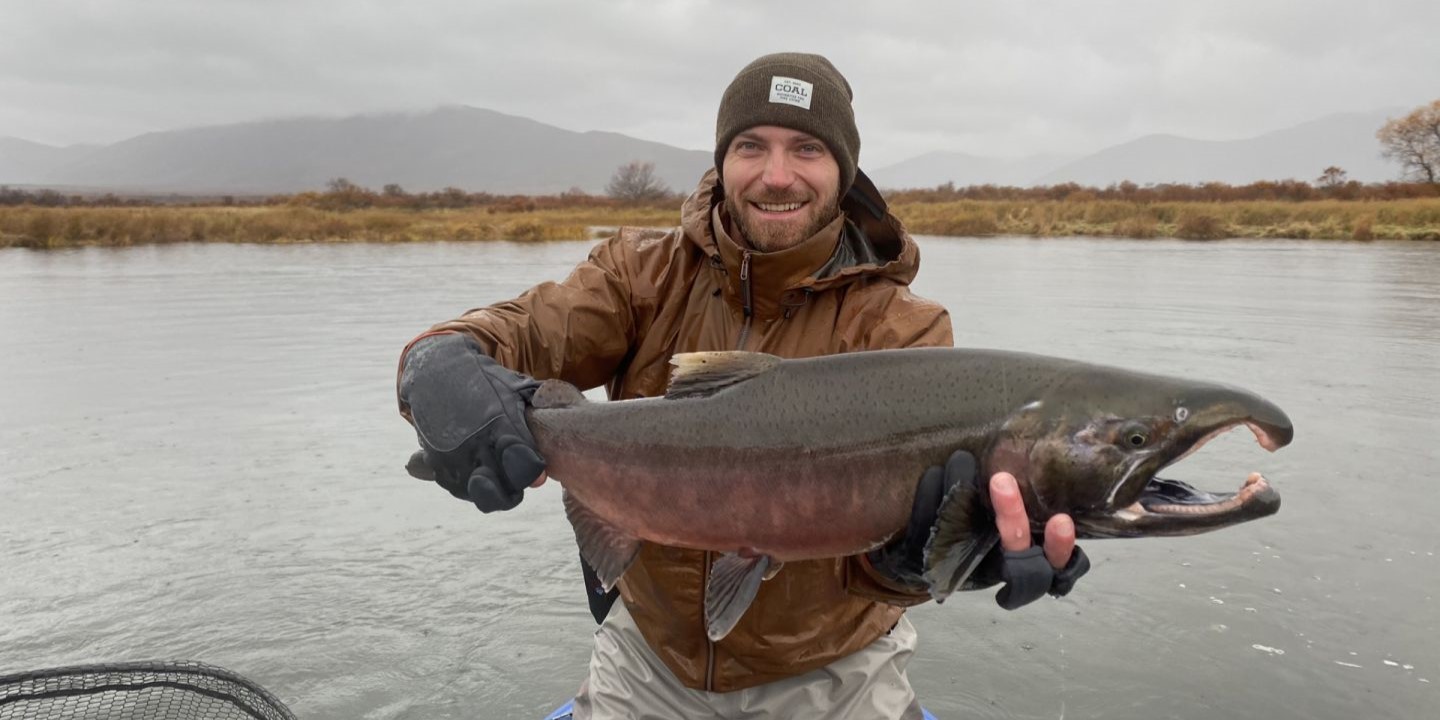
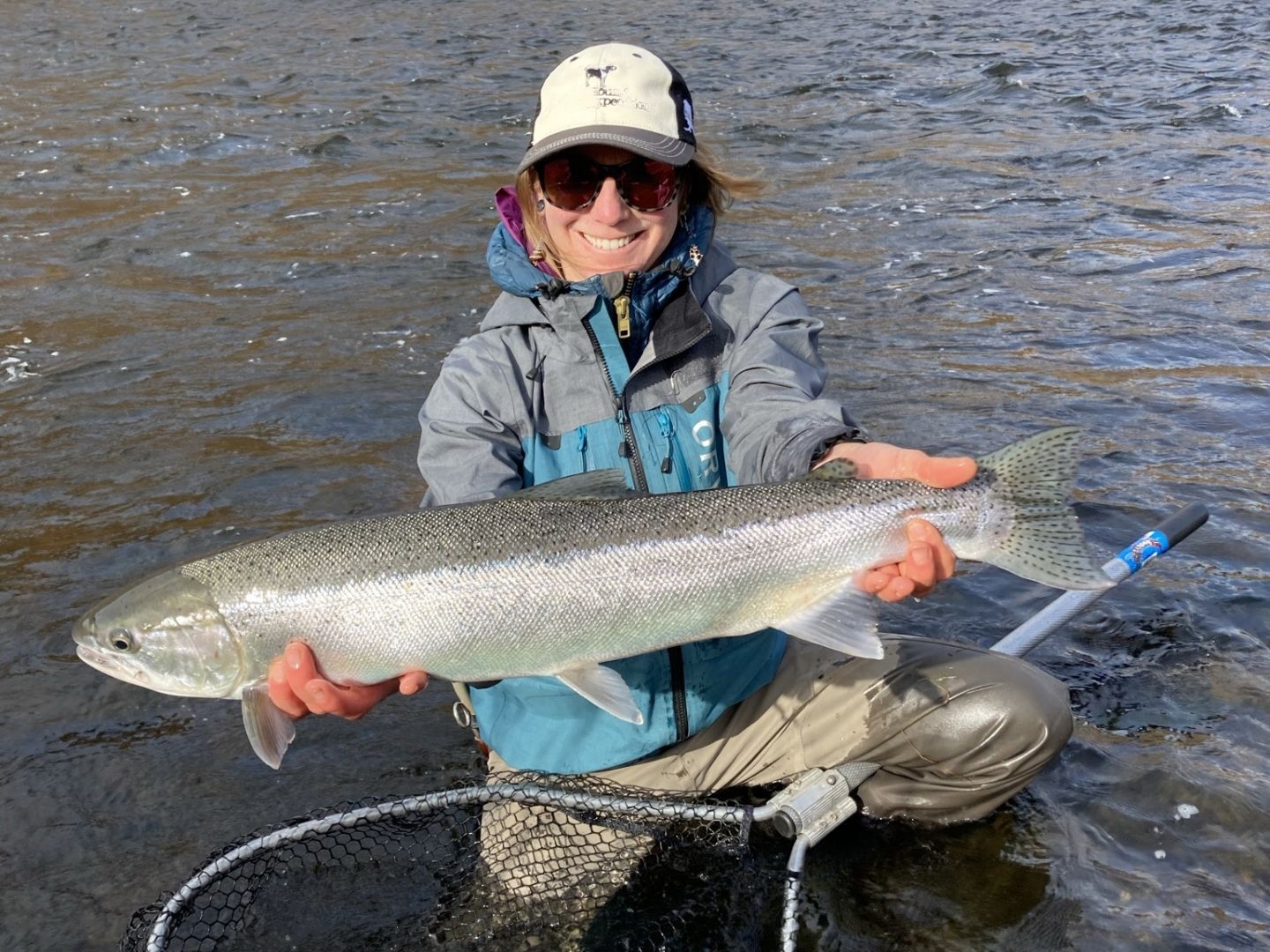
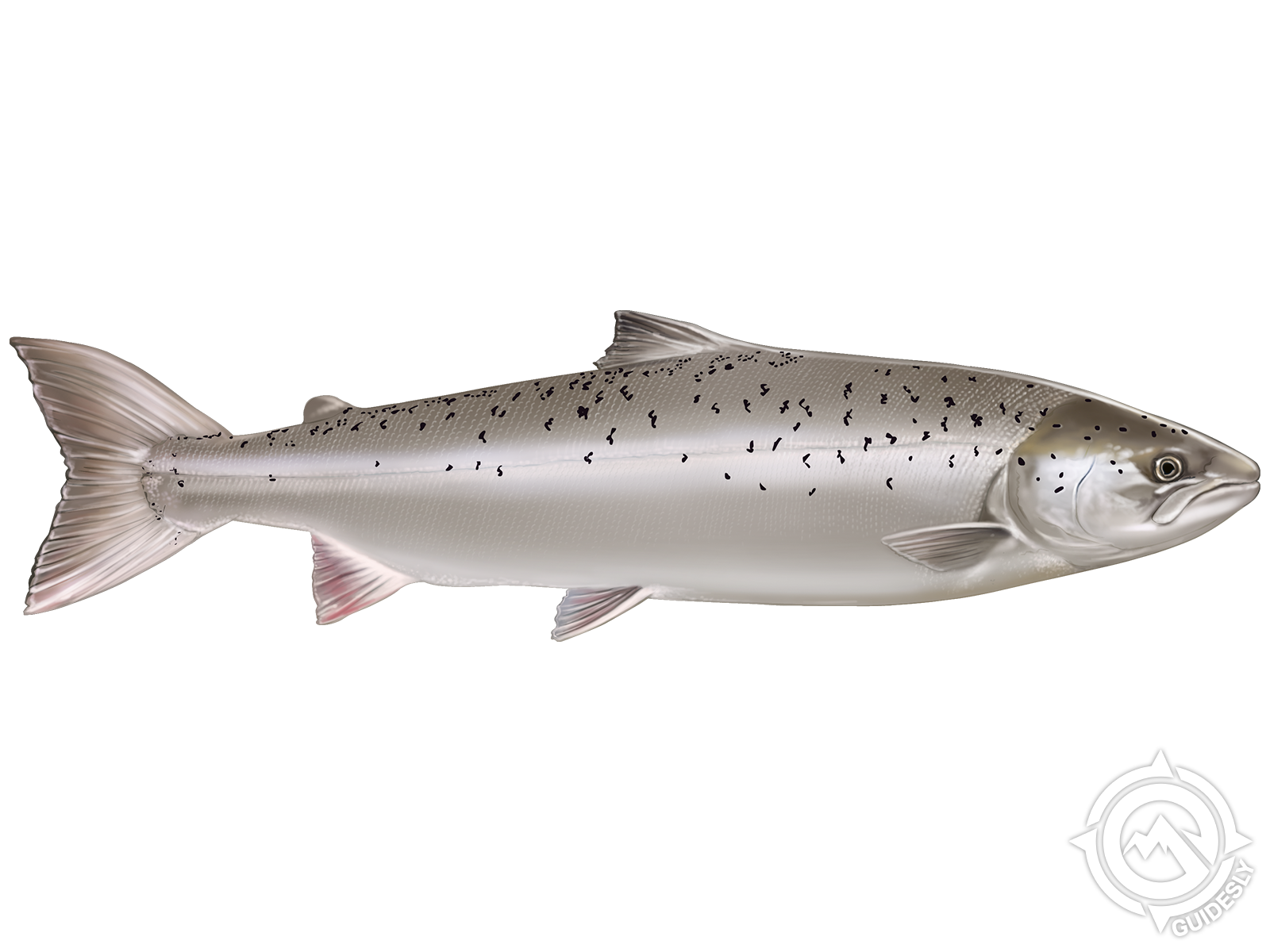
Atlantic Salmon in Alaska might sound unusual, but these fish represent some of the most exciting angling opportunities in the state. These are typically landlocked populations that have adapted to freshwater systems, growing fat and strong on abundant forage. They're incredibly aggressive when feeding and known for long, powerful runs that will test your drag system. These salmon are often found in the main river channels and respond well to streamers, spinners, and even surface presentations during low-light conditions.
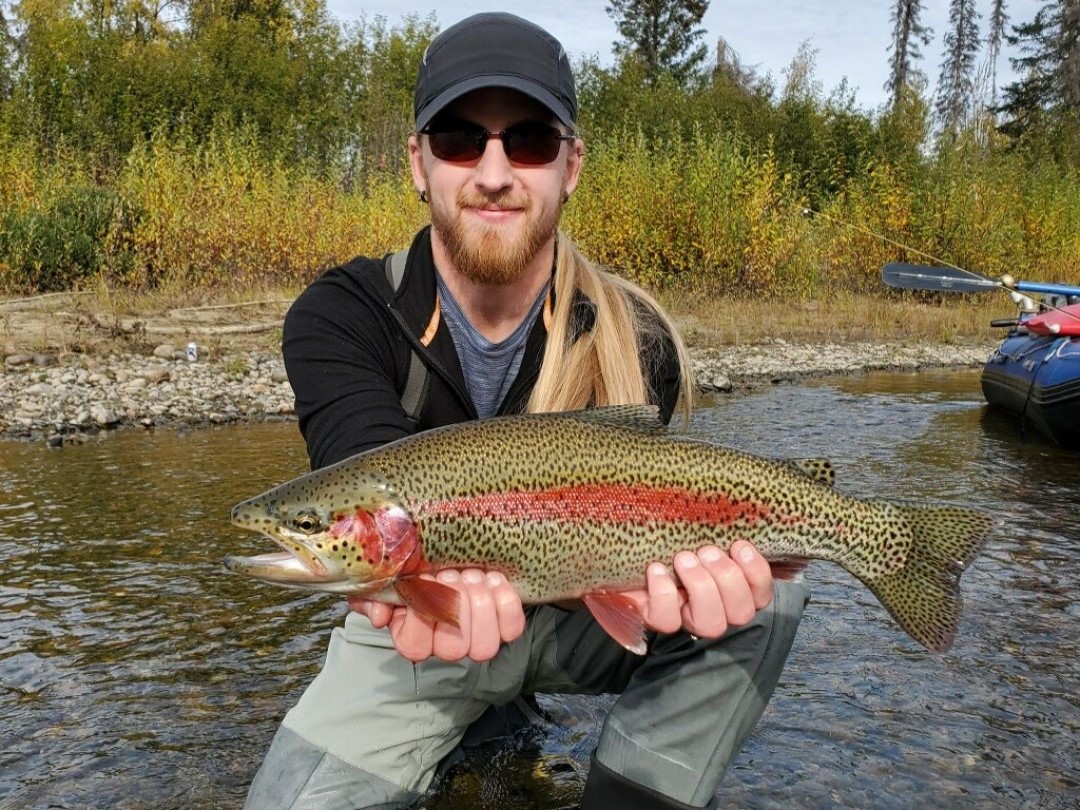
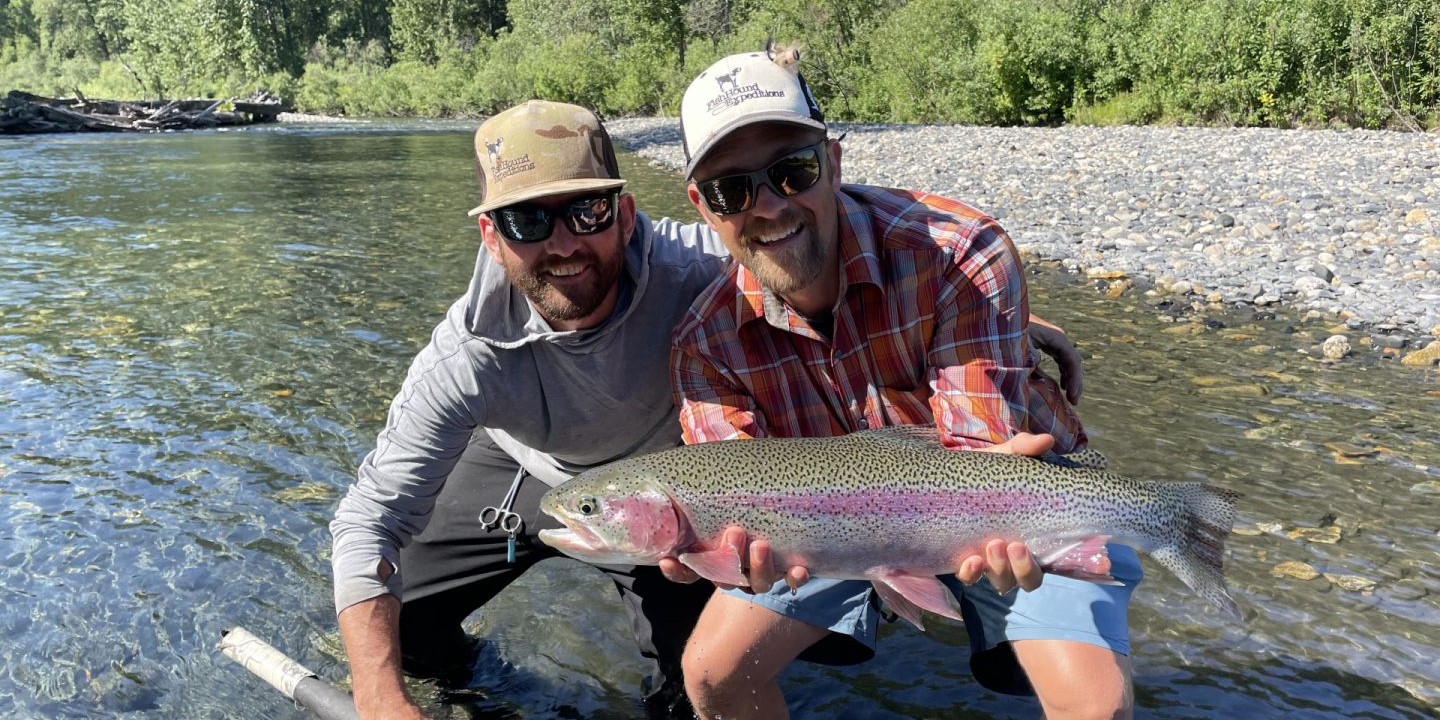
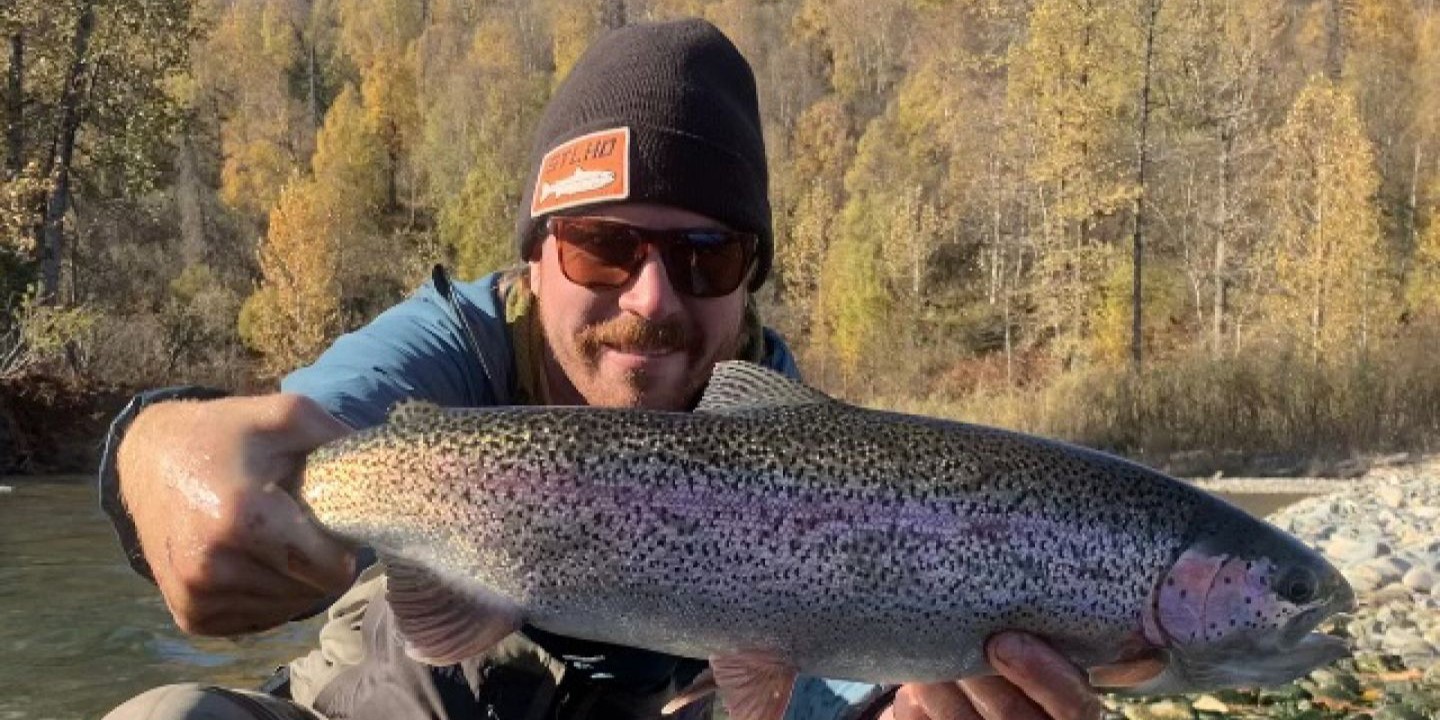
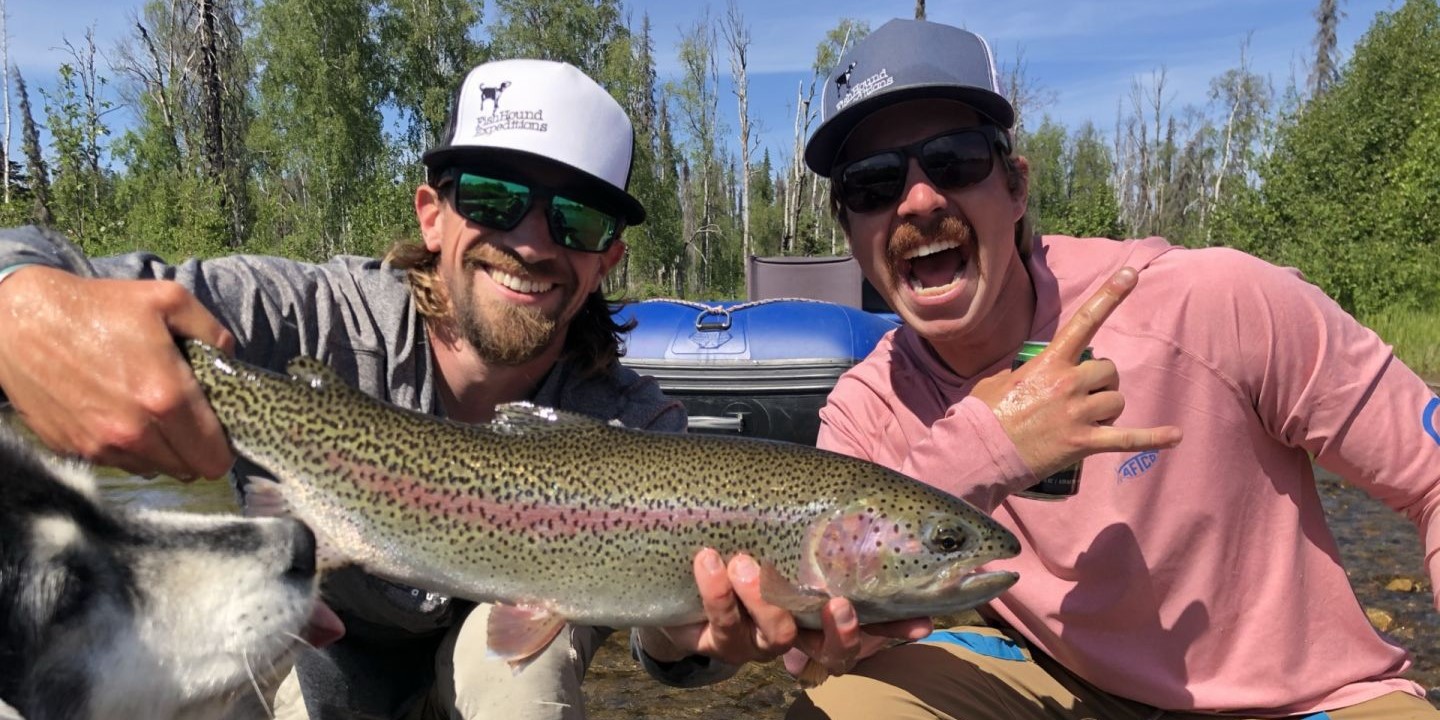
Rainbow Trout in Alaska's backcountry are absolute tanks—thick-bodied, wild fish that have never seen a hatchery truck. These rainbows often exceed 20 inches and are famous for their aggressive strikes and aerial displays. They're opportunistic feeders that will take everything from mouse patterns to egg imitations, depending on the season. The beauty of helicopter-access rainbows is that they're completely wild and unpressured, meaning they'll often hit presentations that wouldn't work on more heavily fished waters.
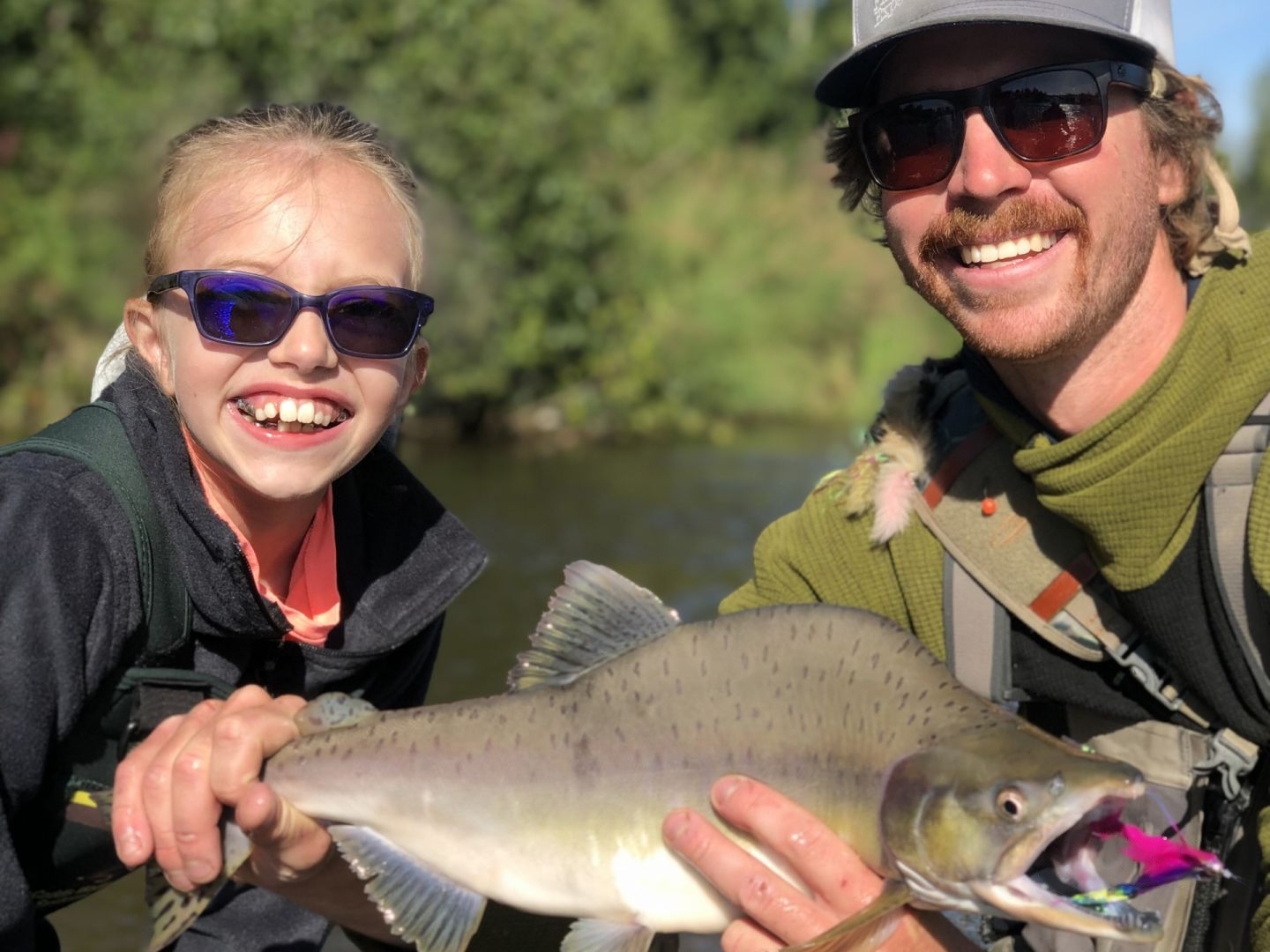
Dolly Varden round out the species list and are often the most underestimated fish in Alaska. These char can grow surprisingly large in the right conditions, and they're known for their beautiful spotted patterns and pink hues. Dollies are aggressive predators that will chase streamers, spoons, and even surface flies. They're often found in the same waters as the other species, making for exciting mixed-bag fishing where you never know what's going to hit your lure next.
Time to Book Your Spot
This helicopter fishing experience represents the pinnacle of Alaska angling—exclusive access, pristine waters, and fish that fight like they've got something to prove. With only two anglers per trip, you're guaranteed personalized attention and the flexibility to fish at your own pace. The combination of helicopter mobility and eight full hours on the water means you'll have opportunities that simply don't exist anywhere else. These remote river systems produce consistent action throughout the season, and the variety of species means there's always something biting. Whether you're chasing trophy char in deep pools or watching grayling rise to dry flies in shallow riff
 Private Trip
 Backcountry Fishing
 Anchorage

 Helicopter access to remote Alaska river systems