Oak Island Inshore Fishing – 3 Hour Trip
Look, if you're the type of angler who knows how to handle a rod and wants to make every minute count, this 3-hour Oak Island inshore charter with Flatfish Charters is built for you. We're talking about a focused, no-nonsense fishing trip that cuts straight to the good stuff. Starting at 11:00 AM, you'll have a tight window to work the inshore waters around Oak Island, targeting some of the coast's most sought-after species. This isn't a leisurely cruise – it's a strategic strike on productive waters where flounder, redfish, and speckled trout are waiting for anglers who know what they're doing.
What to Expect on the Water
This private charter runs seasonally on Tuesdays through Fridays and Sundays, keeping groups small at just two anglers max. That means you're not fighting for space at the rail or waiting your turn to work a hot spot. The beauty of a 3-hour window is that we can stay mobile, hitting multiple structure areas and grass flats without burning the whole day. Your captain knows these waters like the back of their hand – every oyster bar, every creek mouth, every piece of structure that holds fish. We're talking about places where the tide pushes baitfish into ambush zones and predators stack up waiting for an easy meal. All your tackle comes included, but if you've got favorite lures or rigs you want to throw, bring them along. This trip rewards anglers who can read water, adjust techniques quickly, and capitalize on feeding windows.
Techniques and Tackle Setup
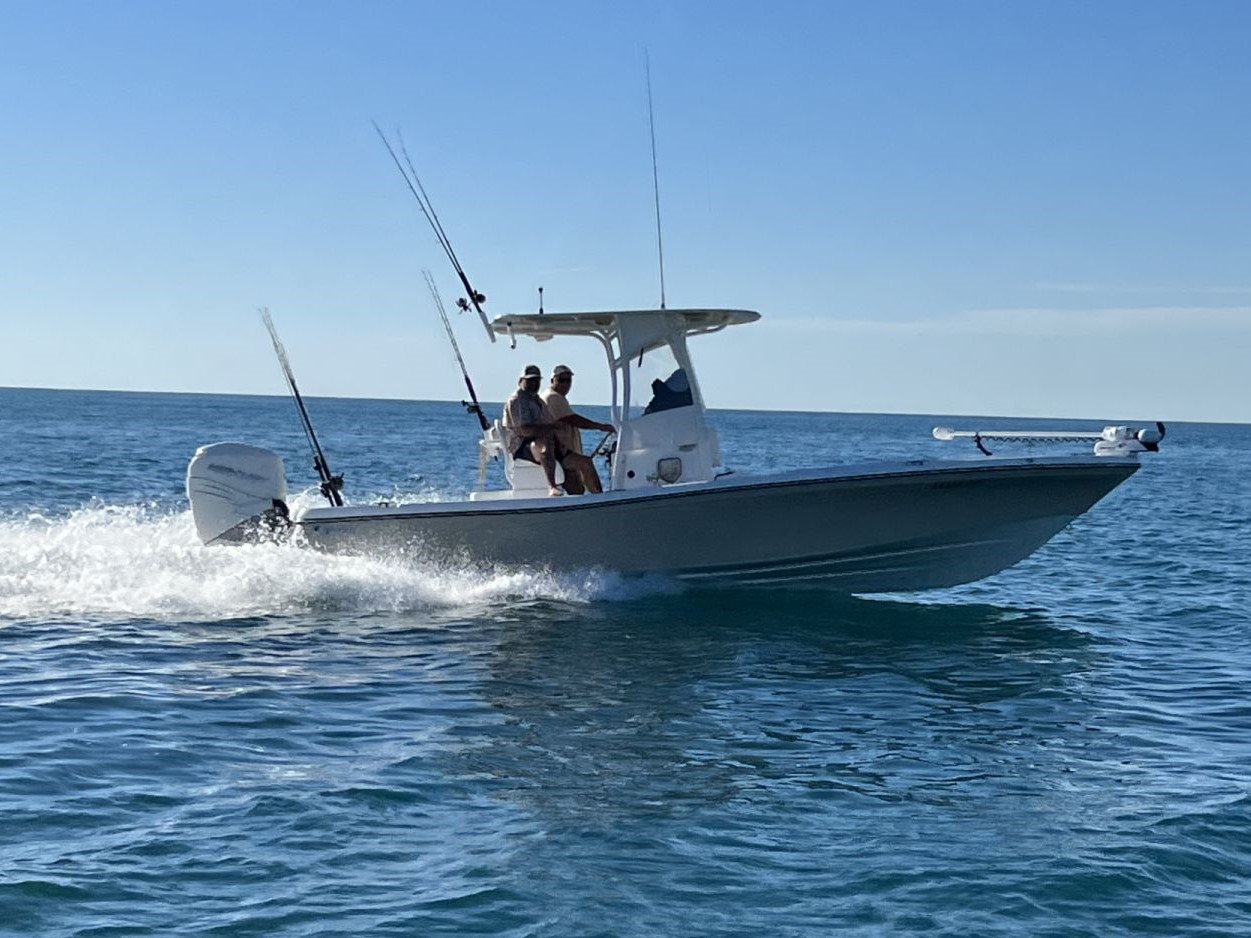
Inshore fishing around Oak Island is all about matching your approach to the conditions and target species. We'll be working with medium-action spinning gear and baitcasting setups, throwing everything from live shrimp under popping corks to soft plastics on jig heads. The key is staying versatile – one minute you might be bouncing a gulp shrimp along an oyster bar for flounder, the next you're throwing topwater plugs at redfish pushing bait in skinny water. The boat stays positioned to work structure effectively, whether that's anchoring up-current from a productive hole or drift fishing along grass lines. Your captain will have the boat rigged with quality rods, a selection of proven lures, and fresh bait when live options are the ticket. Circle hooks, fluorocarbon leaders, and proper weights for the current – all the technical stuff is handled so you can focus on fishing. The shallow draft allows access to areas where bigger boats can't reach, putting you on fish that see less pressure.
Top Catches This Season
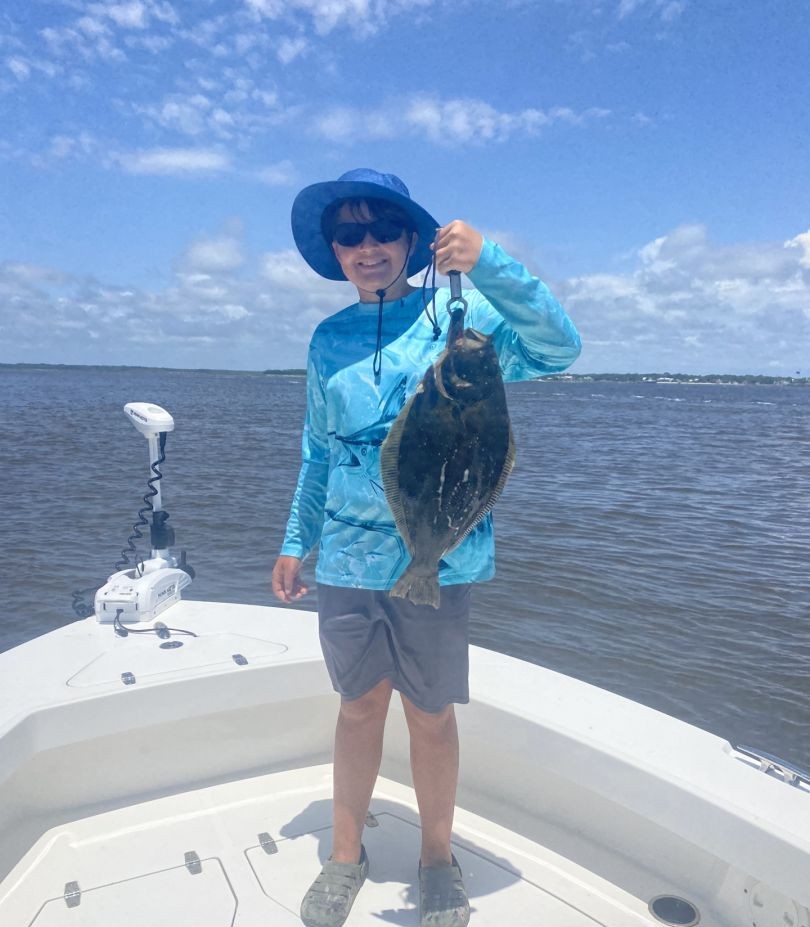
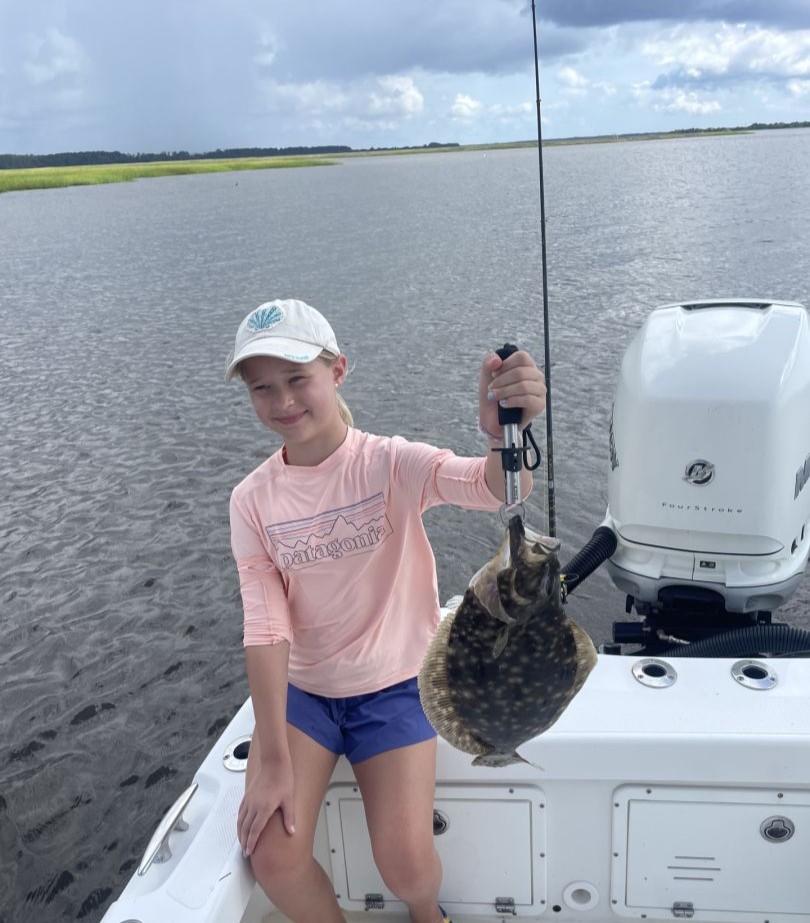
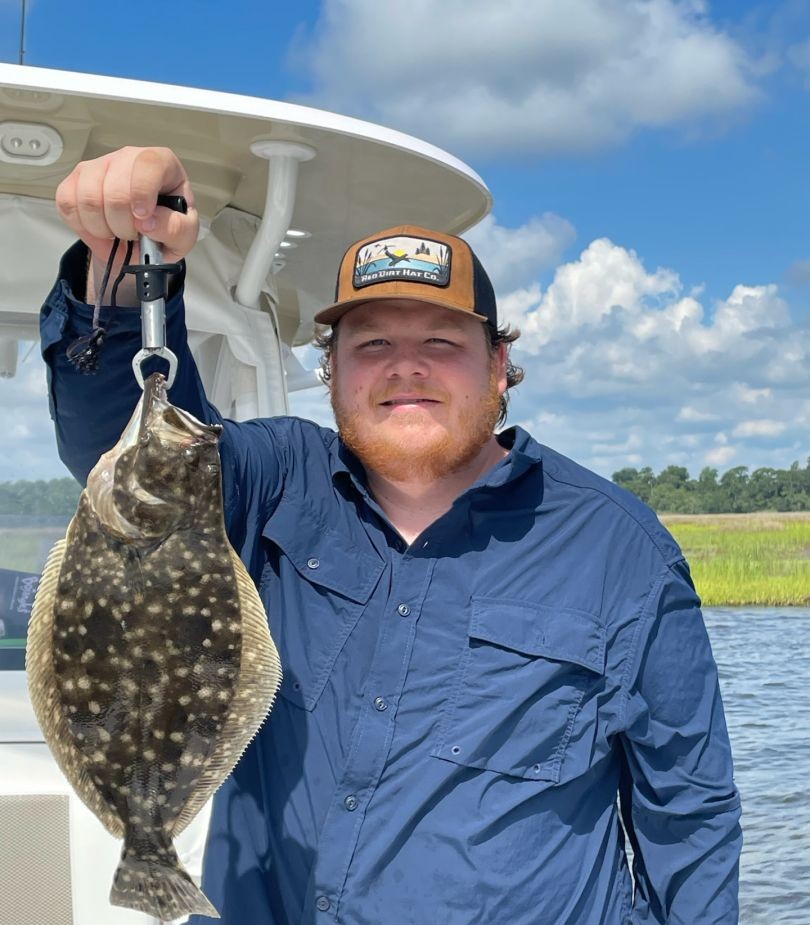
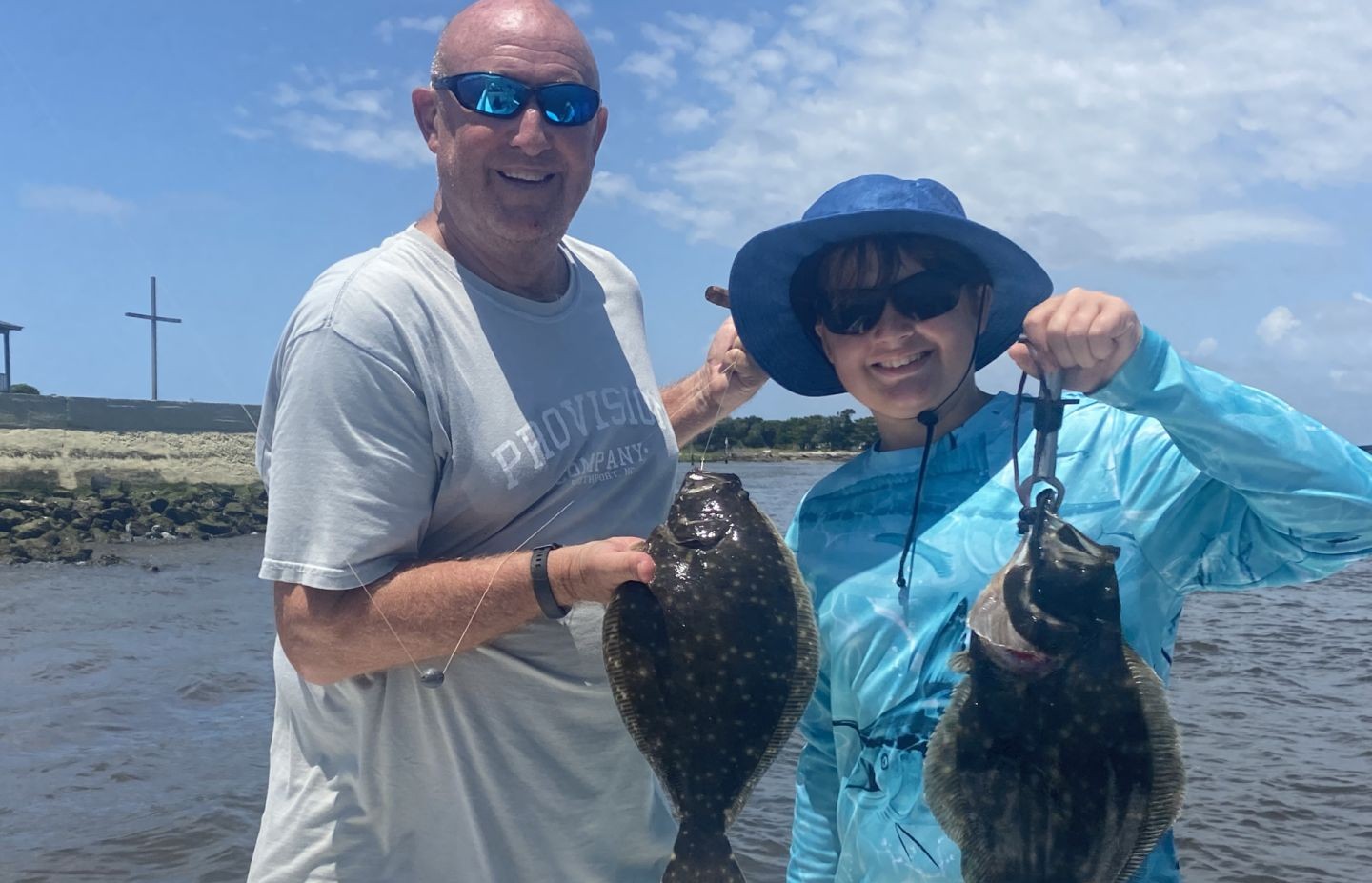
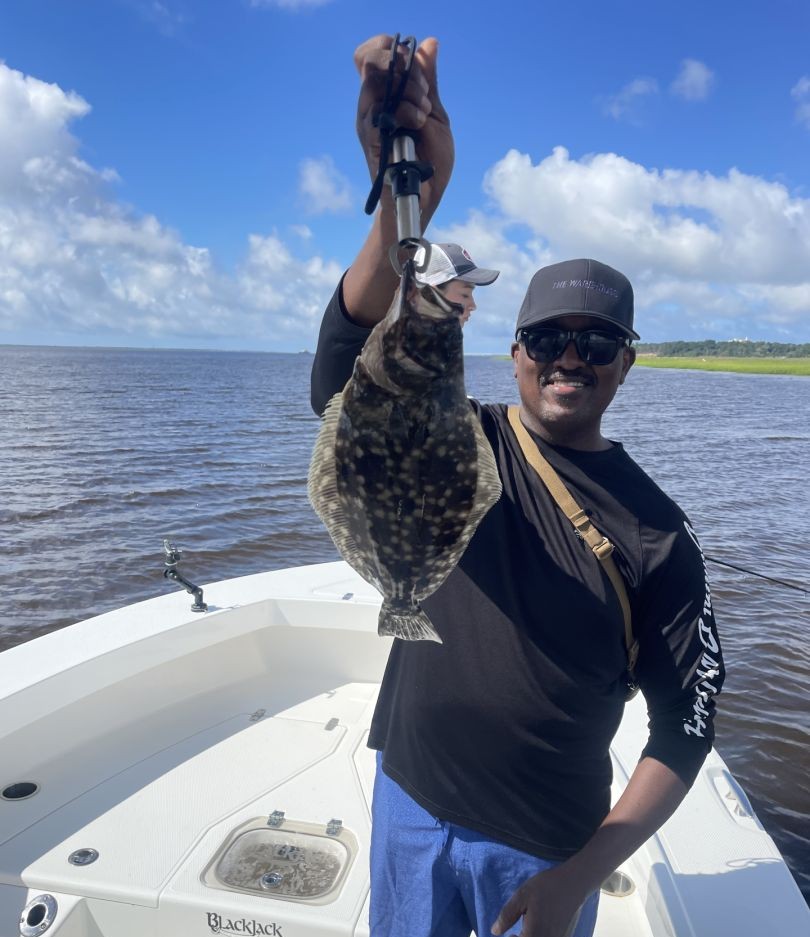
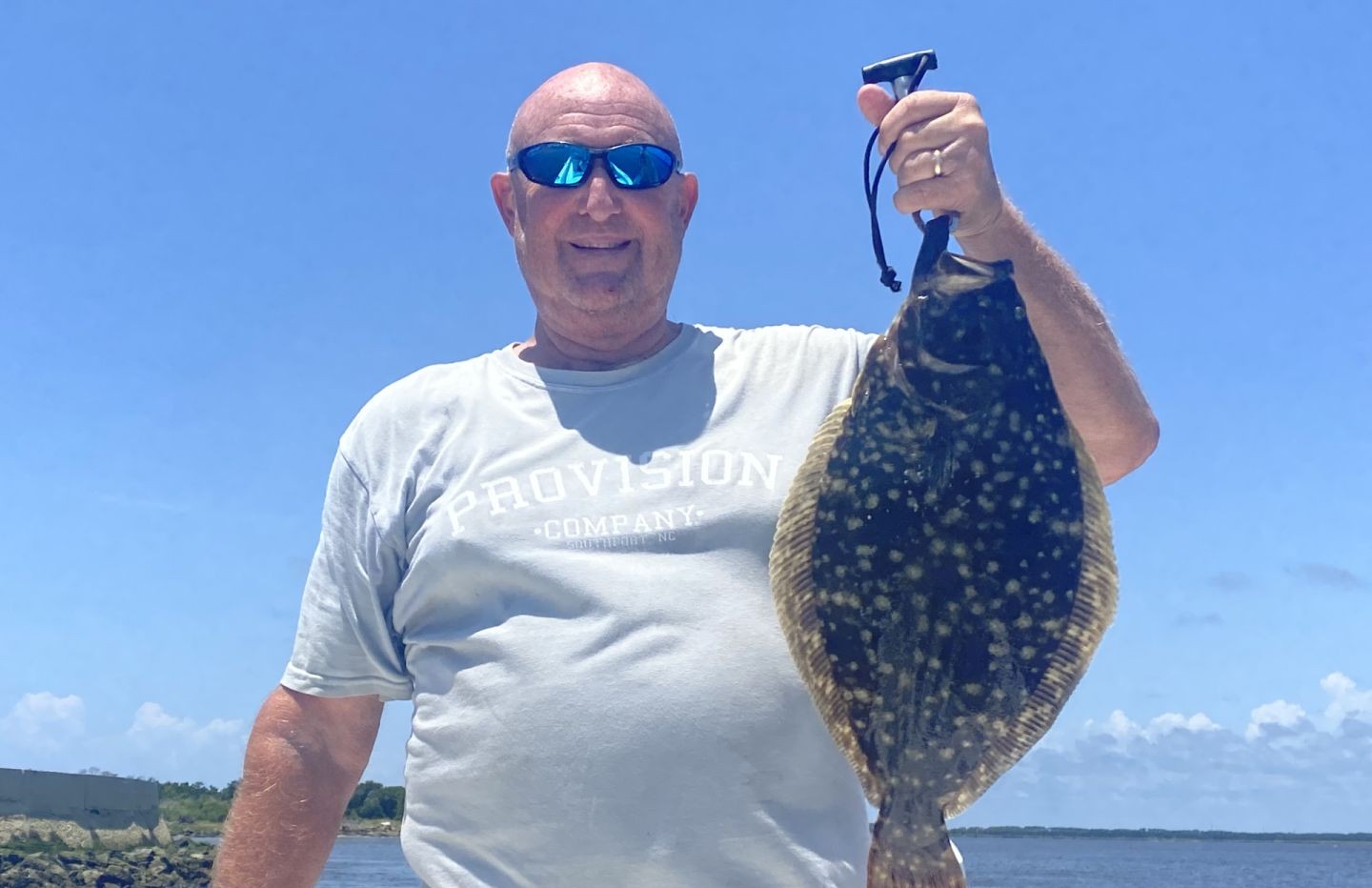
Summer Flounder are the bread and butter of this fishery, and Oak Island's inshore waters serve up some beauties. These flatfish typically run 14 to 20 inches, with bigger doormats always possible when you're fishing the right structure. They're most active during moving tides, especially around oyster bars and channel edges where they can ambush passing baitfish. What makes flounder so rewarding to catch is the fight – they pull hard and dirty, using their flat profile to fight the current. Plus, they're fantastic table fare when prepared right. Best targeting happens from late spring through early fall when water temperatures are in their comfort zone.
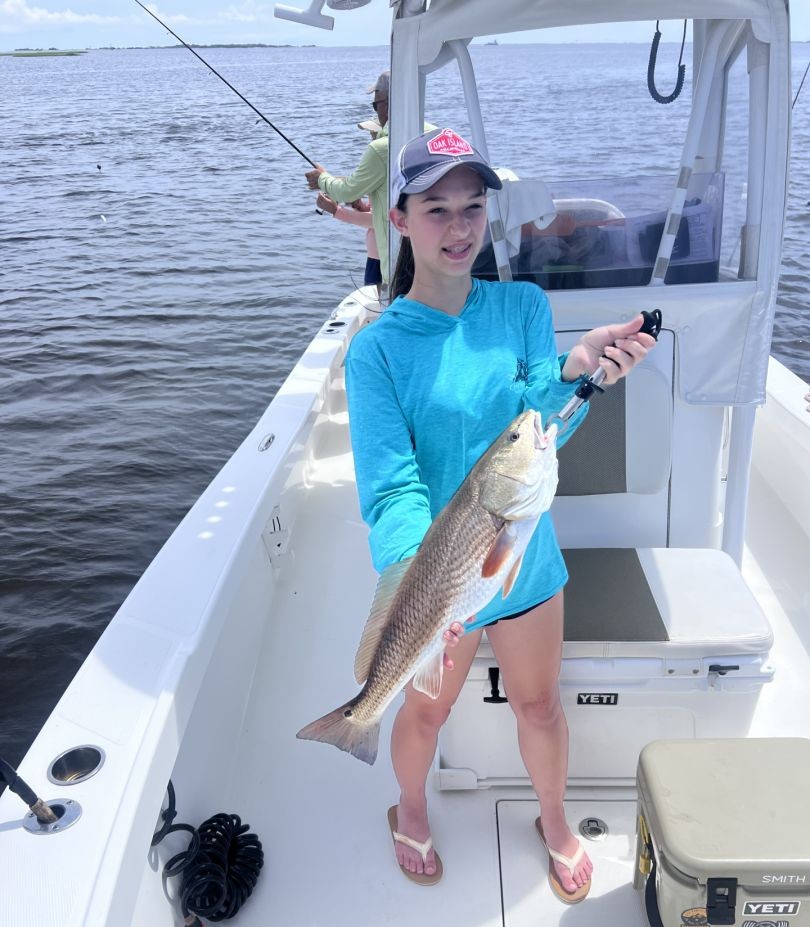
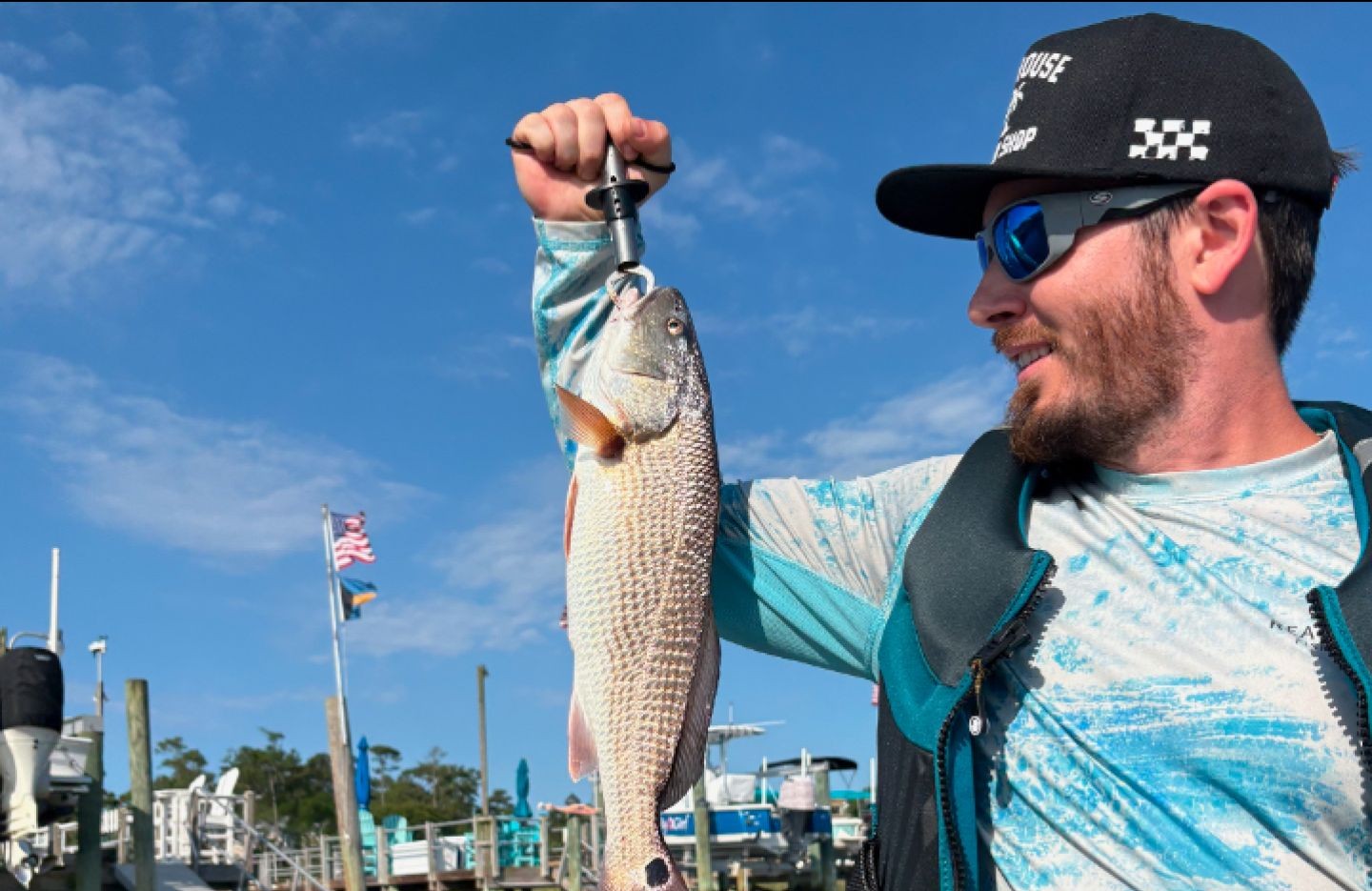
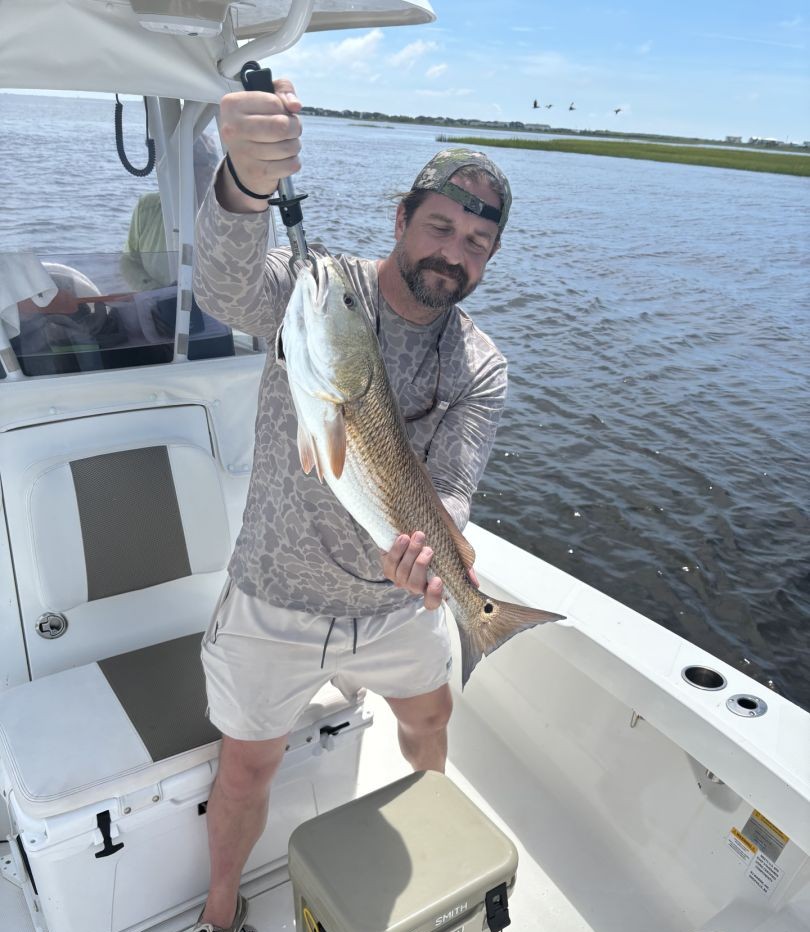
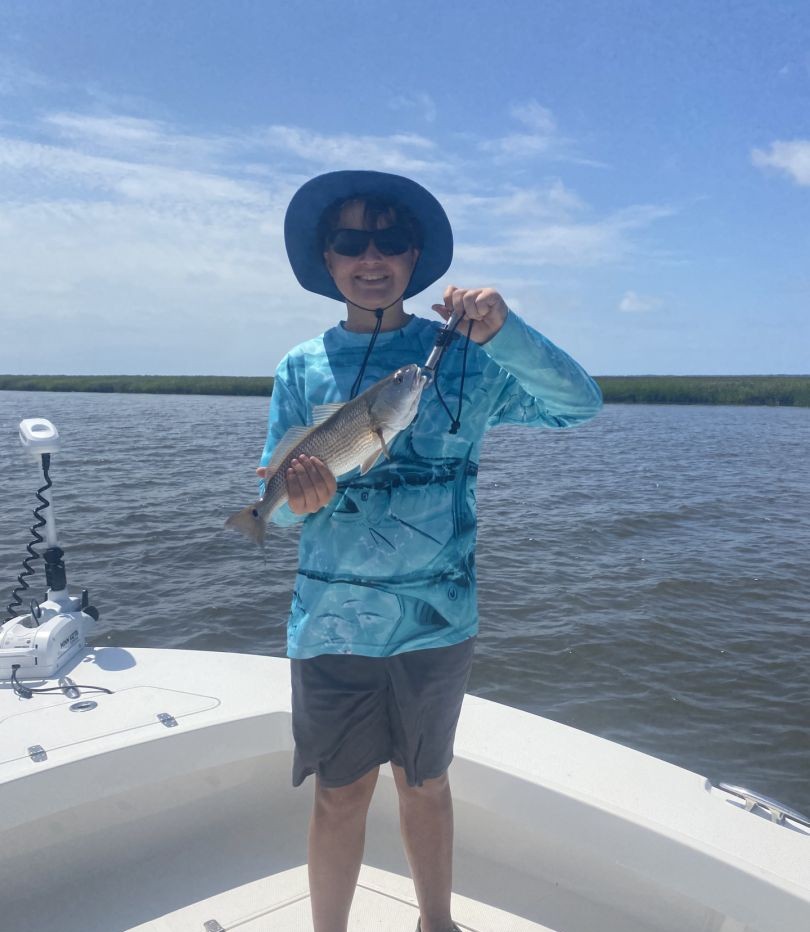
Redfish are the power players that keep your drag screaming and your heart pumping. These copper-colored bruisers typically range from 18 to 26 inches in these waters, with the occasional bull red making an appearance to test your tackle. They're sight fishing gold when they're tailing in skinny water or pushing bait balls near the surface. Redfish are aggressive feeders that will crush topwater lures, soft plastics, and live bait with equal enthusiasm. Their strength and stamina make every hookup a memorable battle, and their willingness to eat a variety of presentations makes them a favorite target for skilled anglers.
Spotted Weakfish, or speckled trout, are the technical challenge that separates good anglers from great ones. These fish are moody and selective, requiring finesse and the right presentation to consistently fool them. They typically run 12 to 18 inches, with larger specimens lurking around deeper structure and grass beds. Specks are incredibly light biters that require sensitivity to detect, but when you dial in the pattern, they can provide fast action. They're most active during low-light periods and when baitfish are abundant, making them perfect targets for anglers who pay attention to subtle details.
Black Drum bring the muscle to this inshore lineup, often weighing in between 3 to 8 pounds with occasional larger specimens testing your drag system. These bottom dwellers are masters at using structure to their advantage, diving for cover the moment they feel the hook. They're typically found around oyster beds and hard bottom areas where they root for crabs and other shellfish. Black drum require patience and the right bait presentation, but their dogged fighting style and tendency to surprise anglers with their size makes them a worthy adversary.
King Mackerel add the speed element to this diverse fishery, capable of blistering runs that will test your reflexes and equipment. These silver bullets typically range from 15 to 30 pounds in these waters, with their razor-sharp teeth and aggressive strikes keeping anglers on their toes. Kings are often found around structure and temperature breaks, making them occasional bonus catches when targeting other species. Their acrobatic fights and impressive speed make every hookup an adrenaline rush that experienced anglers crave.
Time to Book Your Spot
This 3-hour Oak Island inshore charter delivers exactly what skilled anglers are looking for – quality fishing time without the fluff. You're getting access to productive waters, proven techniques, and the local knowledge that makes the difference between a good day and a great day on the water. The intimate setting means personalized attention to your fishing goals, whether that's targeting specific species, testing new techniques, or simply maximizing your catch rate
 Private Trip
 Inshore Fishing
 Oak Island, NC


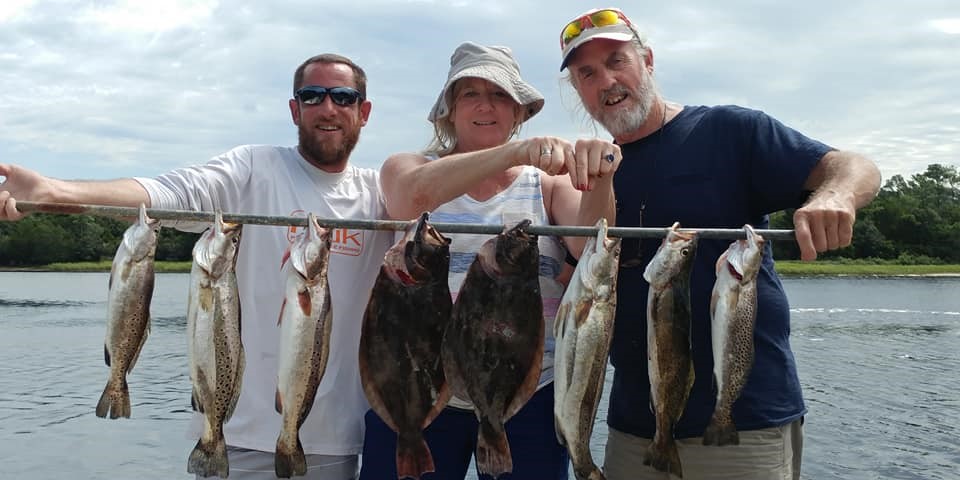
 Three-hour private charter targeting flounder, redfish, and speckled trout