8 Hour Bass and Crappie Fly Fishing at Lake Fork
When you're looking for a full day of fly fishing action on one of East Texas's most productive bass waters, this 8-hour guided trip at Lake Fork delivers exactly what serious anglers want. Starting bright and early at 6am from Chaney Point Boat Ramp, you'll spend quality time working the best structures and cover that make this lake famous among bass fishing circles. Your guide knows these waters inside and out, from the submerged timber to the creek channels where big fish hang out. At $450 for up to two guests, you're getting a full day of instruction, proven techniques, and steady action targeting largemouth bass, crappie, and striped bass using fly gear specifically chosen for Lake Fork's conditions.
What to Expect on the Water
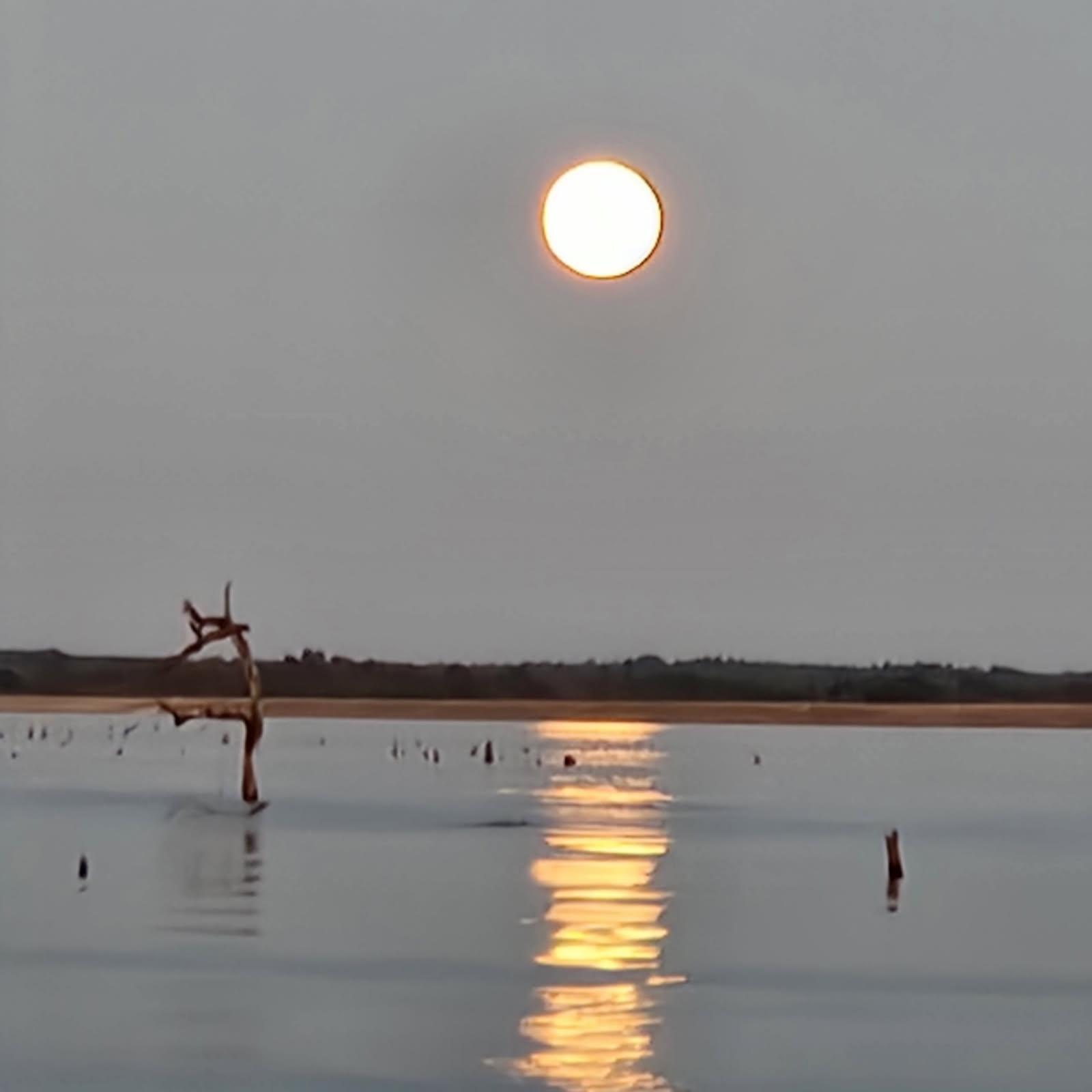
Lake Fork stretches over 27,000 acres of prime bass habitat, and your guide will position you on the most productive water throughout the day. The trip runs from 6am to 2pm, giving you eight solid hours to work different areas as conditions change. You'll start in the cooler morning hours when bass are most active in the shallows, then adjust your approach as the sun climbs higher and fish move to deeper structure. The beauty of fly fishing Lake Fork lies in its versatility - one minute you're stripping streamers along submerged timber, the next you're presenting poppers to cruising bass in open water. Your guide provides all the gear you'll need, from balanced fly rods to a selection of proven patterns that work consistently on this lake. Don't worry if you're new to fly fishing - the instruction is clear and patient, focusing on practical casting techniques and fish-finding skills you can use long after this trip ends.
Fly Fishing Techniques & Gear
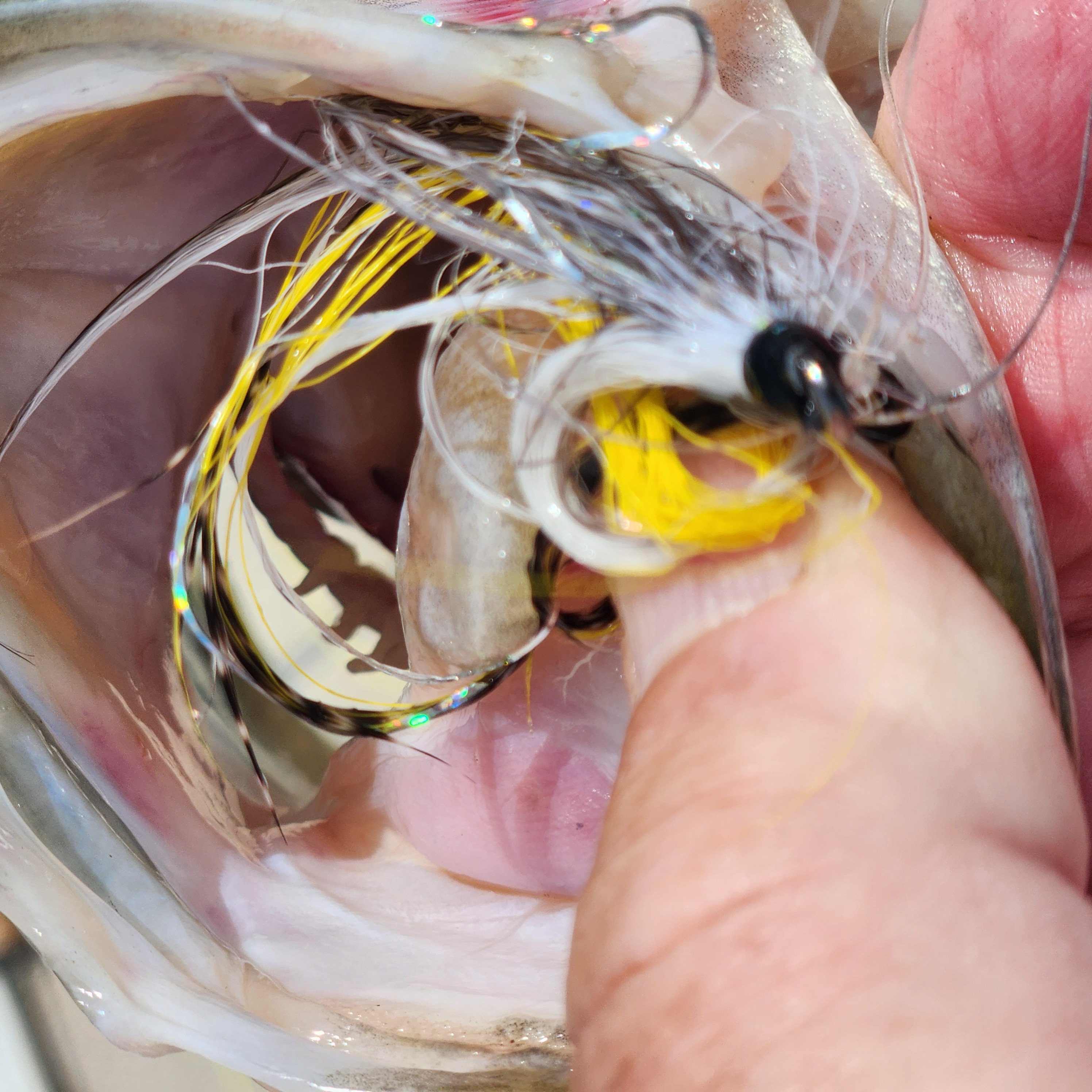
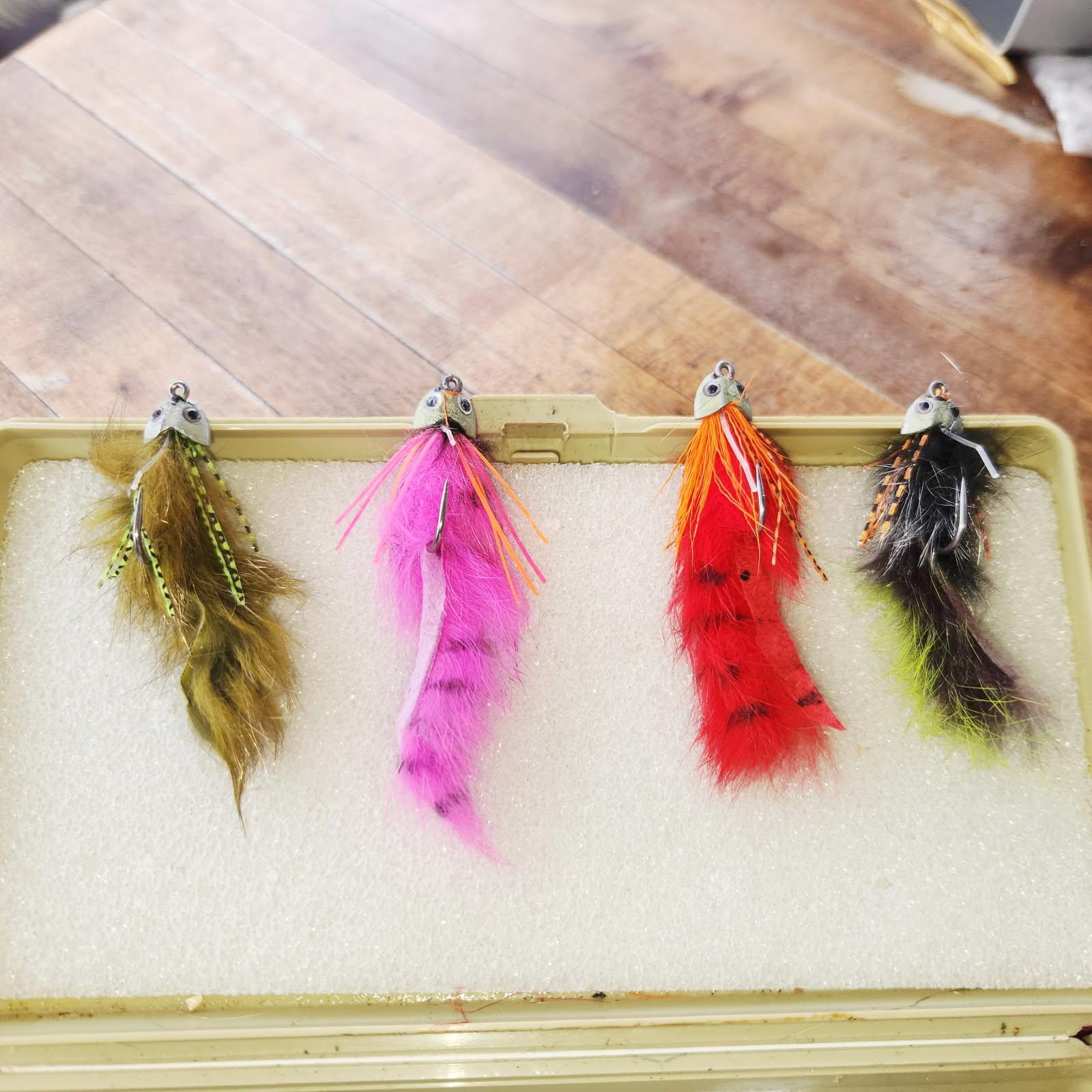
Lake Fork's structure-rich environment demands specific fly fishing approaches, and your guide will teach you techniques that work consistently in these conditions. You'll learn to cast weighted streamers tight to standing timber, where bass ambush baitfish moving through the cover. The key is getting your fly down quickly and retrieving it with erratic strips that trigger strikes. For crappie fishing, the approach shifts to lighter presentations around brush piles and creek channels, using small jigs and nymphs on lighter tippet. When targeting striped bass, you'll work deeper water with sinking lines and larger streamers that imitate the shad these fish feed on heavily. Your guide carries a variety of rod weights to match the conditions and target species, typically ranging from 6-weight for crappie to 8-weight for larger bass and stripers. The fly selection includes proven Lake Fork patterns like Clouser minnows, woolly buggers in multiple colors, and surface poppers for those explosive topwater strikes that make fly fishing so addictive.
Target Species You'll Hook
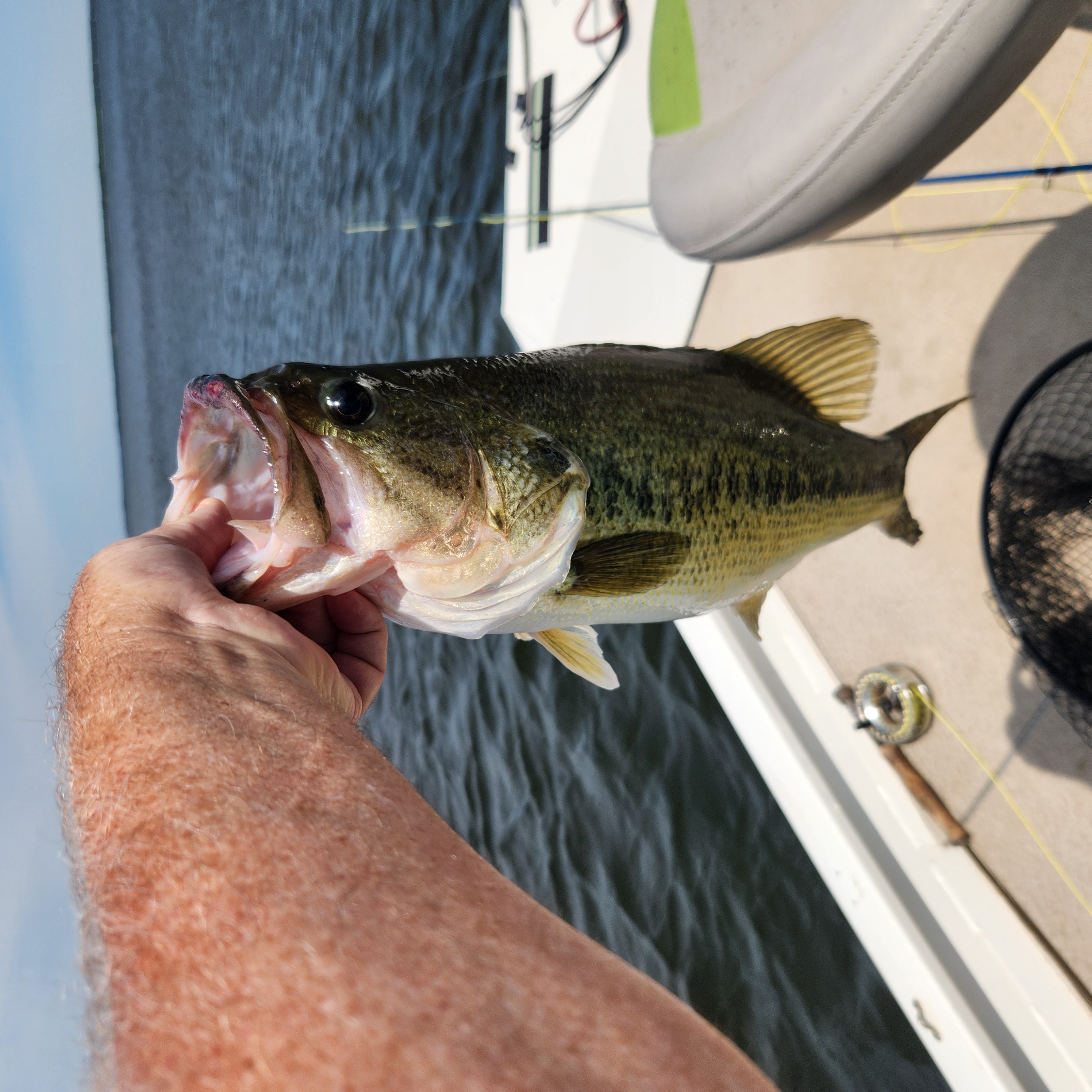
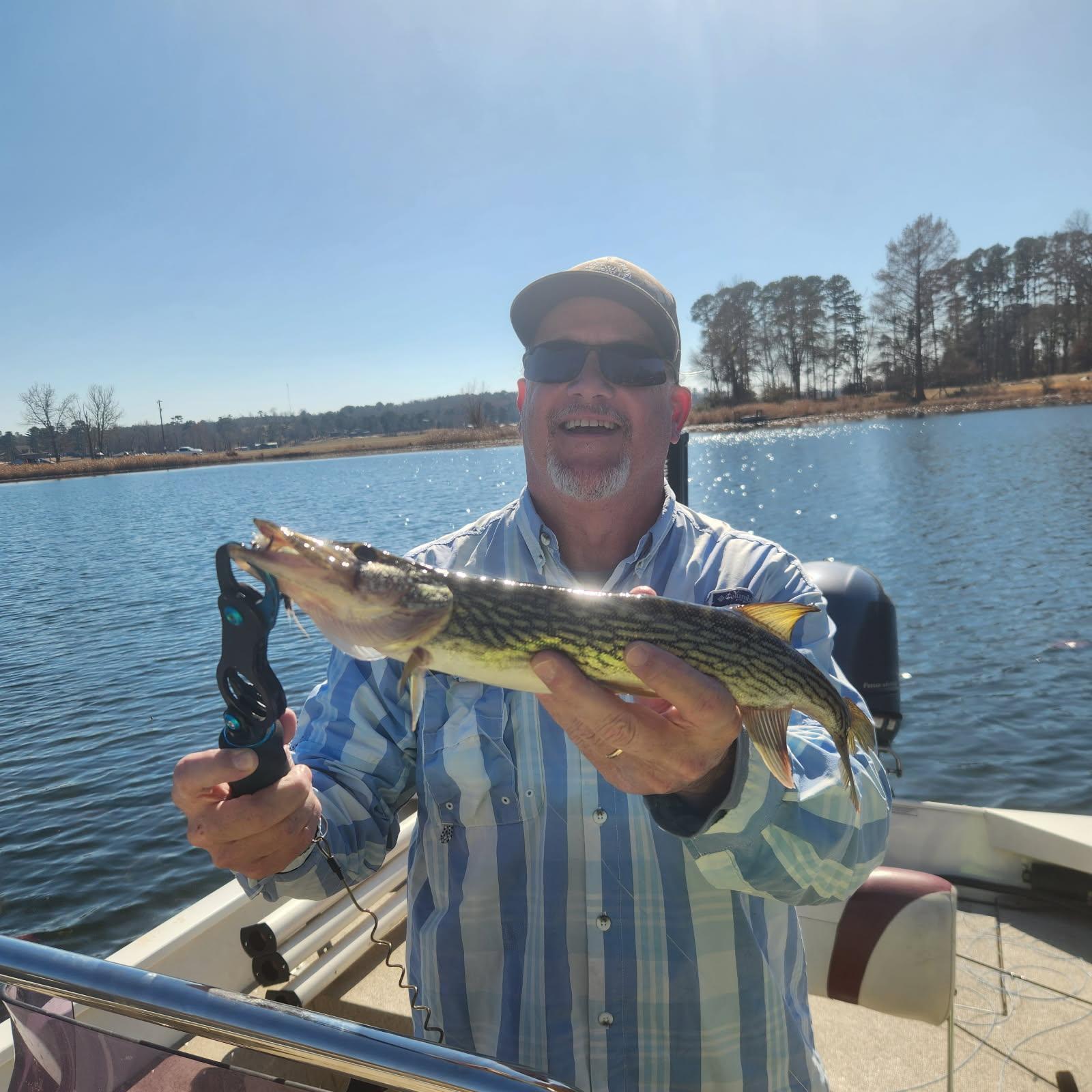
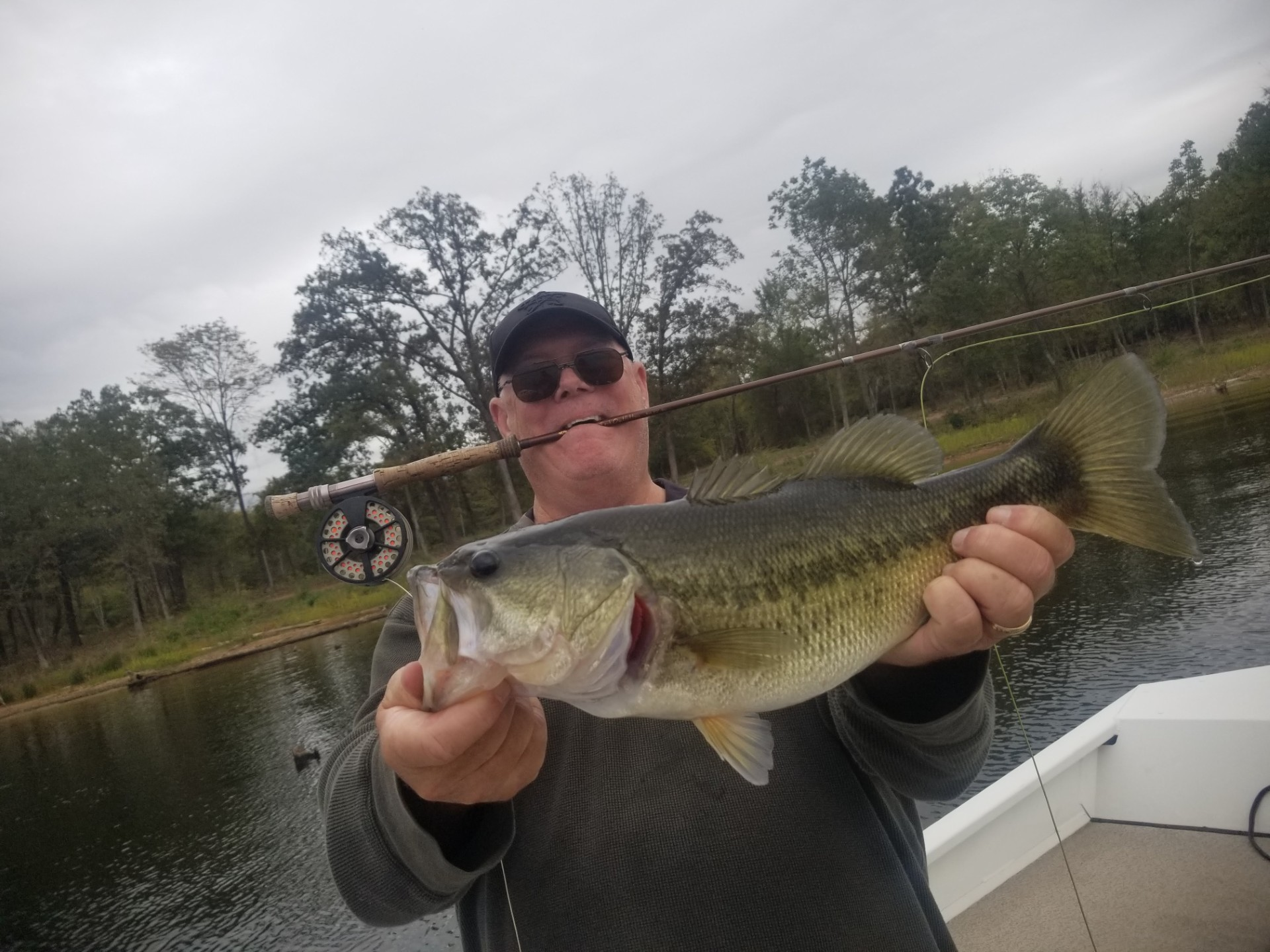
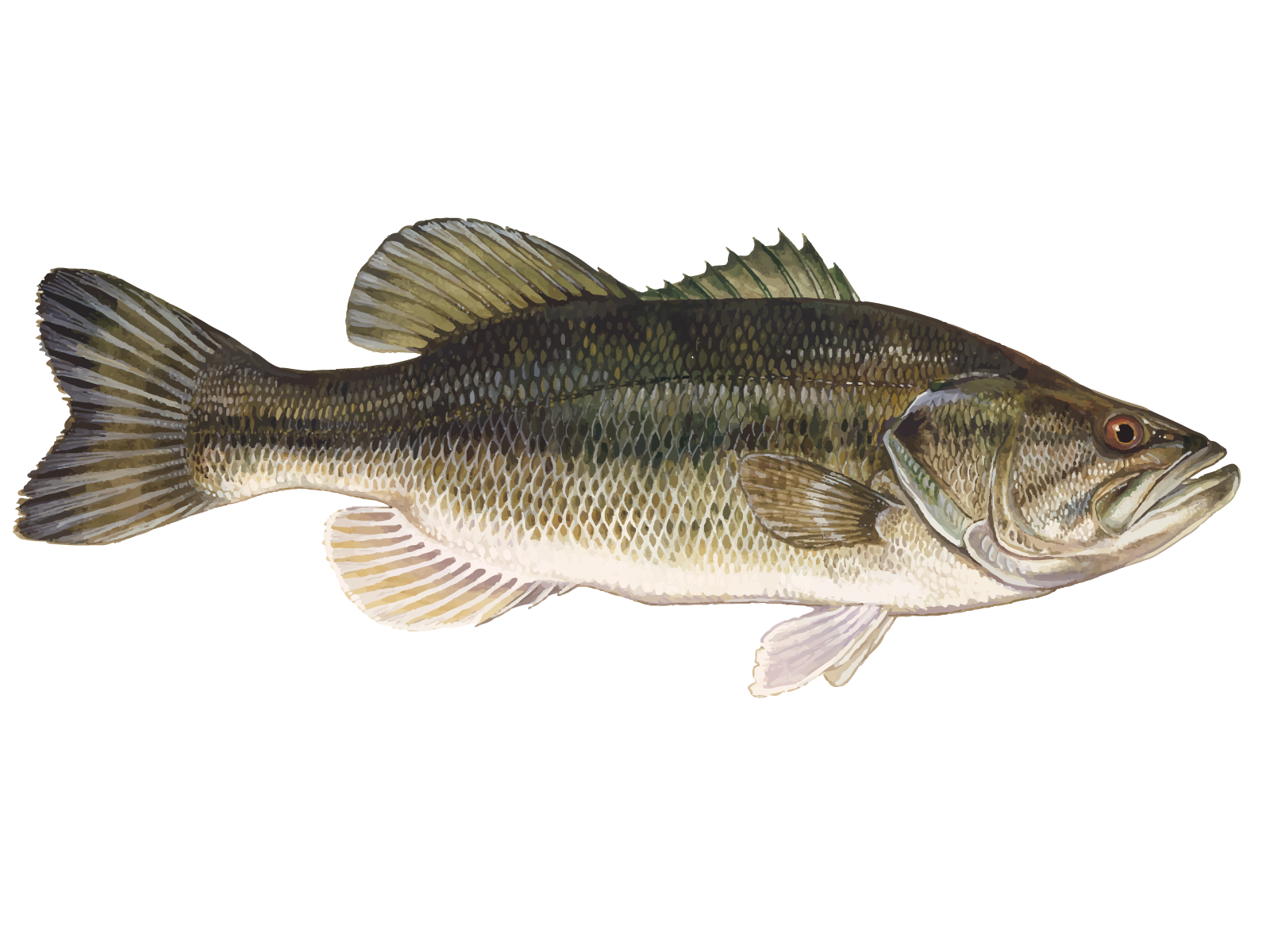
Largemouth bass are the main attraction at Lake Fork, and for good reason - this lake consistently produces some of the biggest bass in Texas. These fish average 2-4 pounds, with plenty of 5-7 pounders mixed in and the real possibility of hooking something even larger. Spring and fall offer the best action, when bass move shallow to feed aggressively before and after the spawn. They relate heavily to the lake's abundant timber and brush, making them perfect targets for streamer fishing. The fight on fly gear is something else - without the cushion of heavy baitcasting equipment, you feel every head shake and run these powerful fish make.
Crappie fishing at Lake Fork provides consistent action and excellent table fare if you choose to keep a few. These fish run 10-14 inches on average, with some real slabs pushing 15-16 inches showing up regularly. They school tightly around submerged brush and creek channels, especially during their spring spawning period from March through May. Fall fishing can be equally productive when crappie gather in large schools to feed before winter. On fly gear, crappie provide steady action and help beginning fly anglers build confidence with their casting and fish-fighting skills.
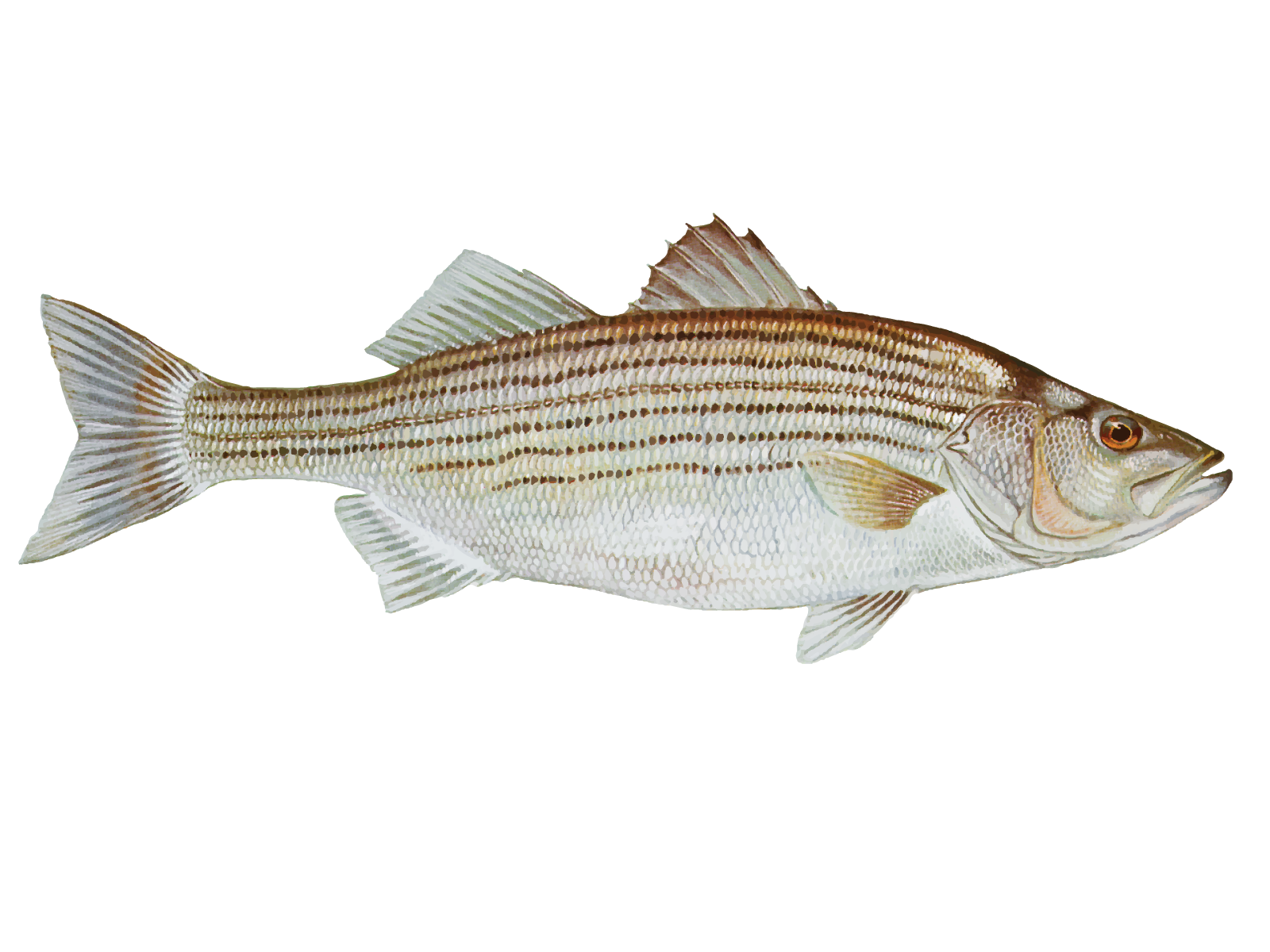
Striped bass add an exciting element to Lake Fork fly fishing, with most fish running 3-8 pounds and capable of long, powerful runs that test your backing. These fish are most active during cooler months from October through April, when they chase shad in open water and around points. Summer fishing can be productive early and late in the day when stripers move shallow to feed. The key is finding the baitfish schools - where you see shad activity, stripers won't be far behind. Their aggressive feeding behavior makes them ideal targets for larger streamers, and their fighting ability on fly gear provides some of the most exciting battles you'll experience on Lake Fork.
Time to Book Your Lake Fork Trip
This full-day fly fishing experience gives you everything needed for success on one of Texas's top-rated bass lakes. Your guide's local knowledge, quality equipment, and proven instruction combine to create the kind of fishing day that keeps anglers coming back season after season. Whether you're looking to improve your fly fishing skills, target some of the best bass fishing in the state, or simply enjoy a full day on productive water, this trip delivers on all counts. Remember to grab your Texas fishing license before the trip - you can get it online through Texas Parks and Wildlife. The 6am start time means you'll be on the water when fishing is prime, and eight hours gives you plenty of time to work different techniques and areas as conditions change throughout the day.
 Private Trip
 Lakes/Reservoirs/Ponds Fishing
 Lake Fork
 Full-day guided fly fishing targeting bass and crappie species