Full Day Beginner-Friendly Fishing In Slidell
Captain Frank knows exactly what it takes to turn first-time anglers into confident fishermen. This full-day trip launches from The Pointe Marina in Slidell and puts you right in the heart of Louisiana's best inshore action. You'll spend your day cruising Lake Pontchartrain and working the productive marshes where redfish cruise the shallows and speckled trout hunt baitfish. With all gear provided and hands-on instruction every step of the way, this top-rated charter makes it easy for beginners to experience the rush of hooking their first Louisiana slam.
What to Expect on the Water
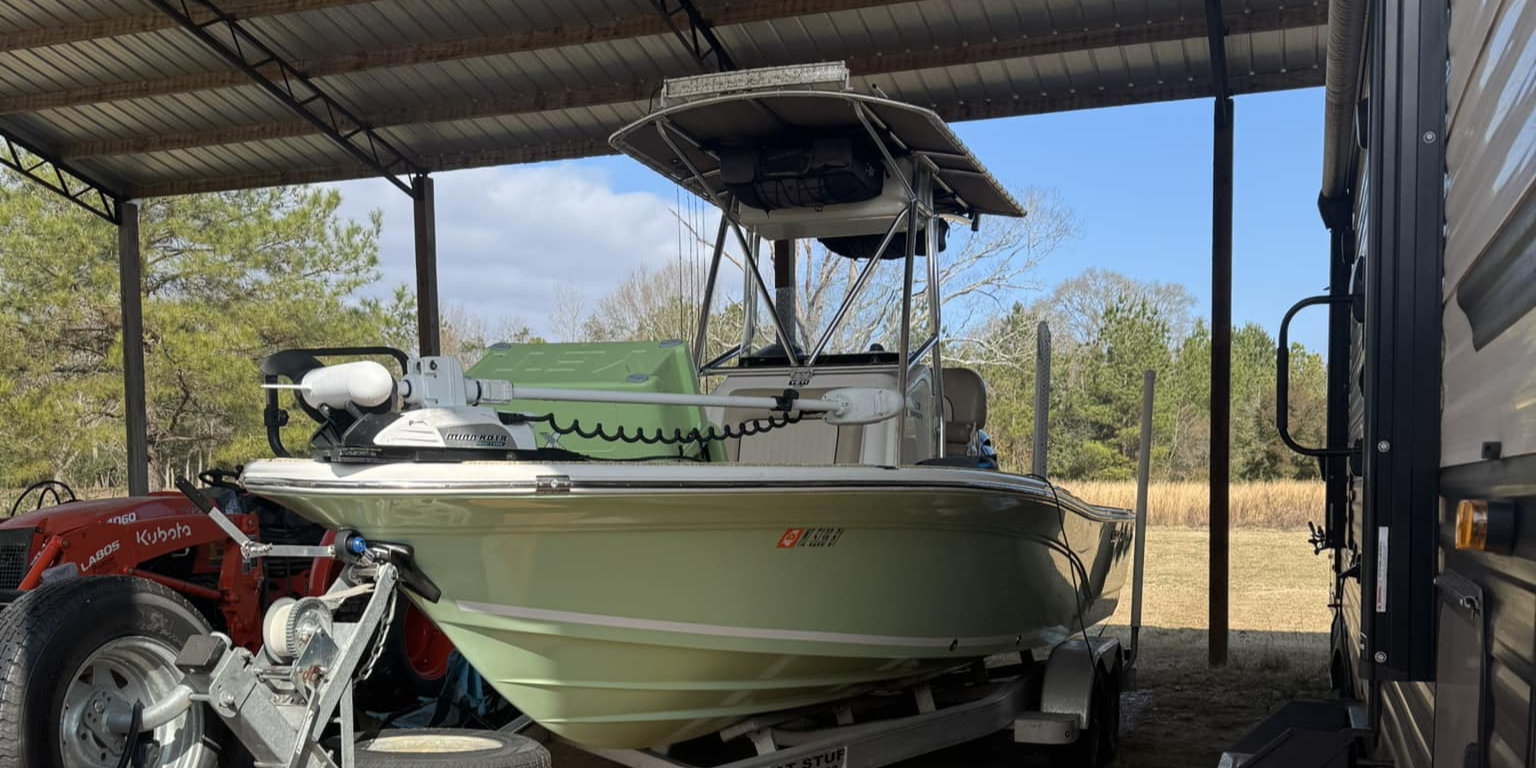
Your day starts early at The Pointe Marina, where Captain Frank will have everything rigged and ready to go. You'll head out on Lake Pontchartrain's vast waters before working into the maze of marshes that make this area a renowned fishing destination. The boat holds up to two guests, so you get personalized attention whether you're learning to cast a spinning reel or trying to figure out how to set the hook. Captain Frank provides all rods, reels, tackle, and bait – you just need to bring yourself and maybe some snacks for the day. The pace is relaxed but productive, with plenty of time to learn proper techniques while still putting fish in the boat. These marshes offer protection from rough water, making it comfortable for anyone who might be worried about seasickness.
Techniques and Tackle
You'll be fishing with light tackle spinning gear that's perfect for beginners – no complicated reels or heavy equipment to wrestle with. Captain Frank will show you how to work soft plastics under popping corks, one of the most effective and beginner-friendly techniques in Louisiana waters. You'll learn to read the water, looking for signs like diving birds, nervous baitfish, or the telltale bronze flash of a redfish's back. The shallow marshes mean you'll often sight-fish, watching redfish cruise through knee-deep water before making your cast. For speckled trout, you'll work slightly deeper areas with live shrimp under corks or learn to bounce jigs along grass beds. The captain will handle the boat positioning and give you step-by-step guidance on everything from casting to fighting fish. By the end of the day, you'll understand why Louisiana's inshore fishing is considered world-class.
Target Species You'll Hook
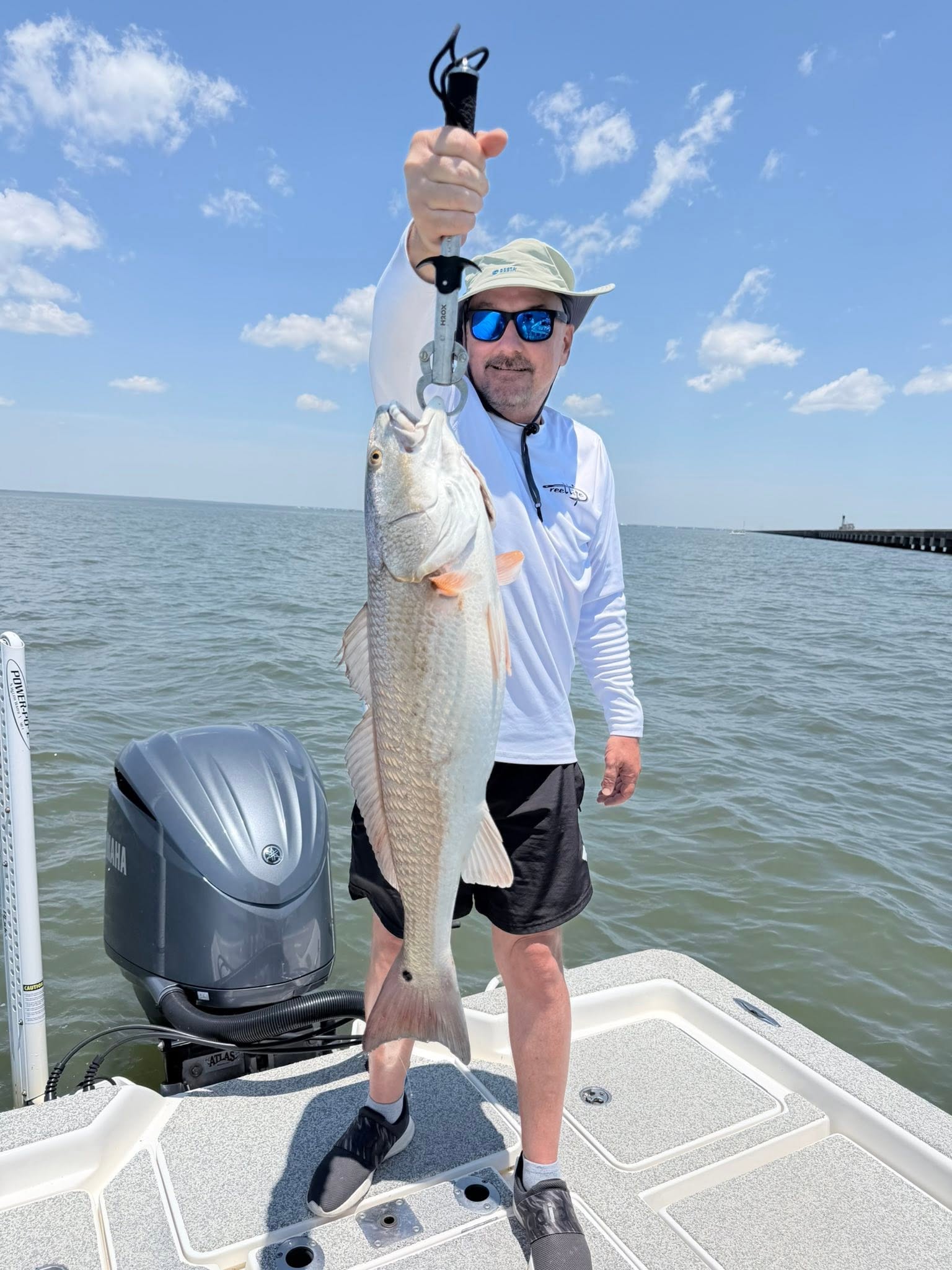
Redfish are the crown jewel of Louisiana inshore fishing, and these copper-colored fighters put up battles that'll have your drag screaming. They school up in the marshes year-round, but fall brings the best action when cooler water temperatures make them more active. These fish average 20-27 inches in the slot limit, perfect eating size, and they're known for their bulldogging fights that test your arm strength. What makes redfish so exciting is you can often see them before you cast – watching a school of reds push through shallow water gets your heart pounding every time.
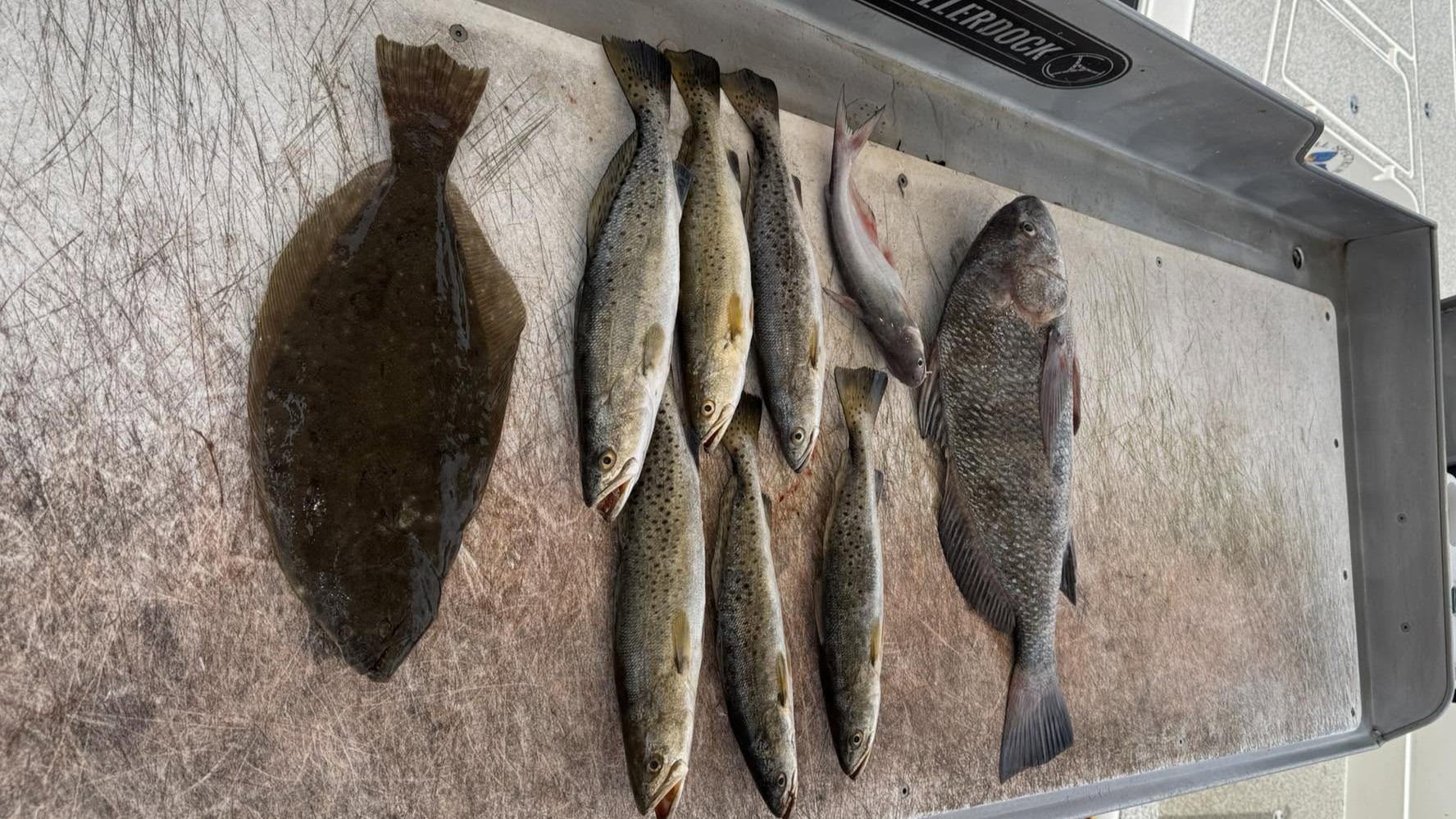
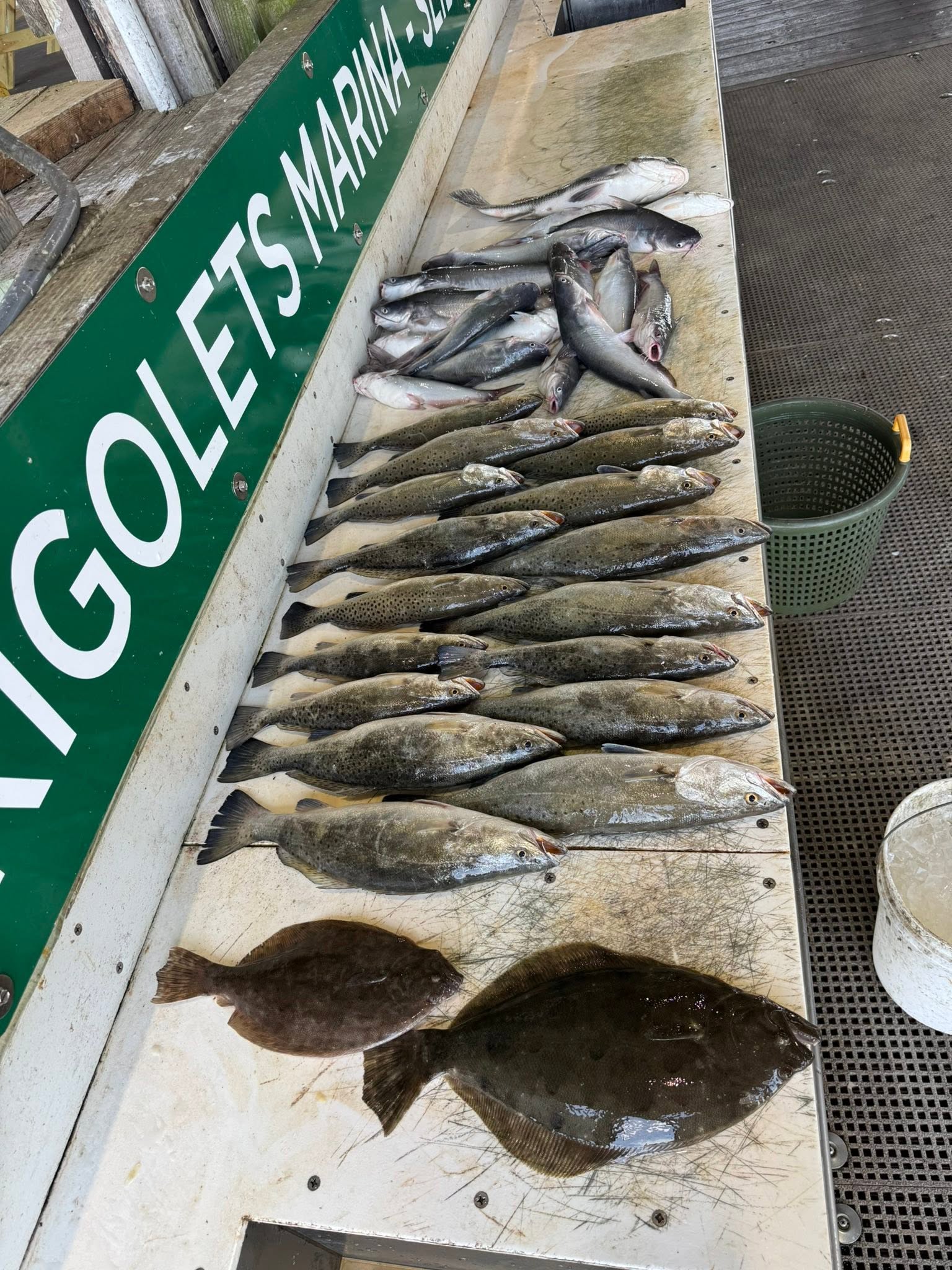
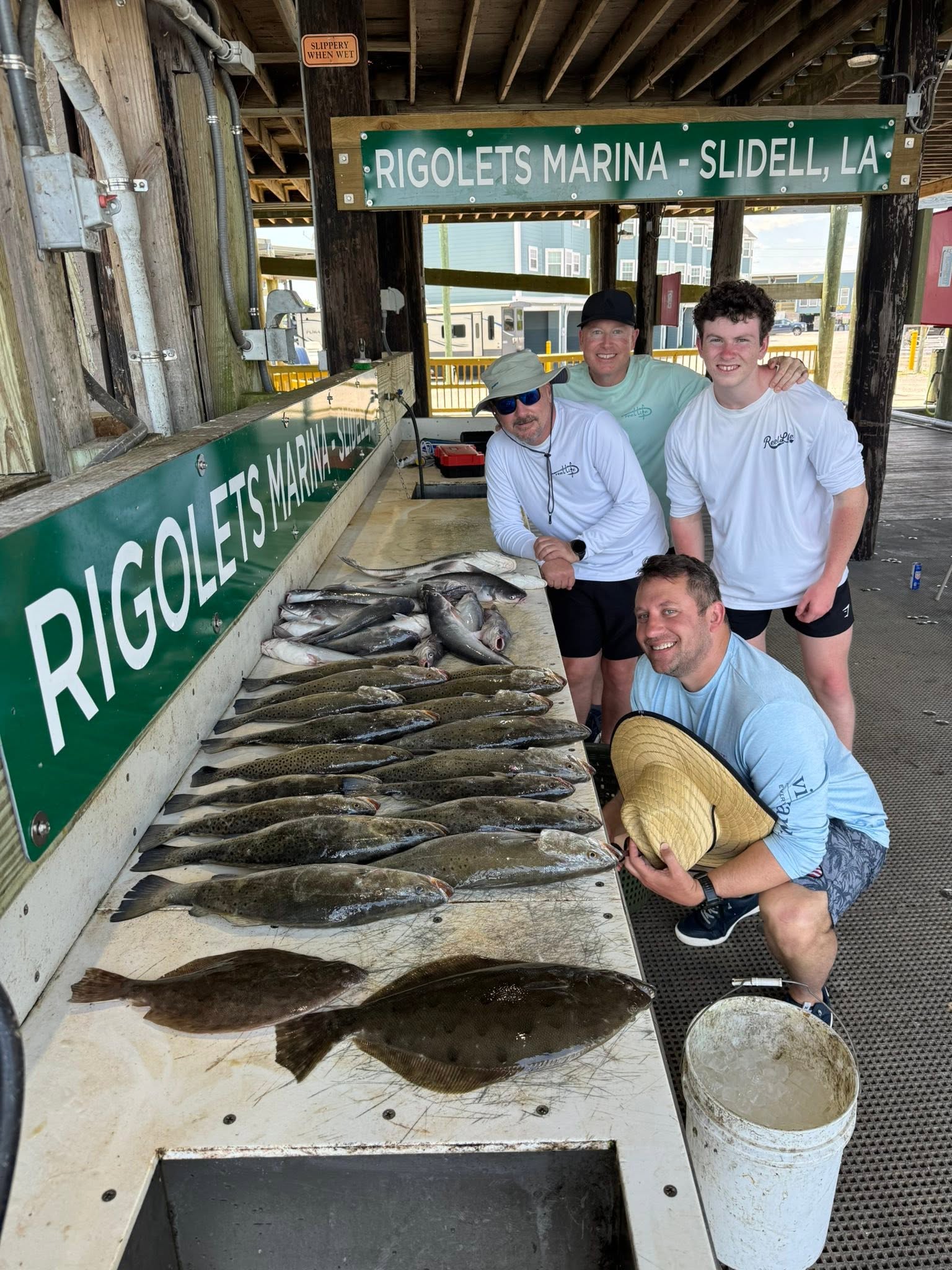
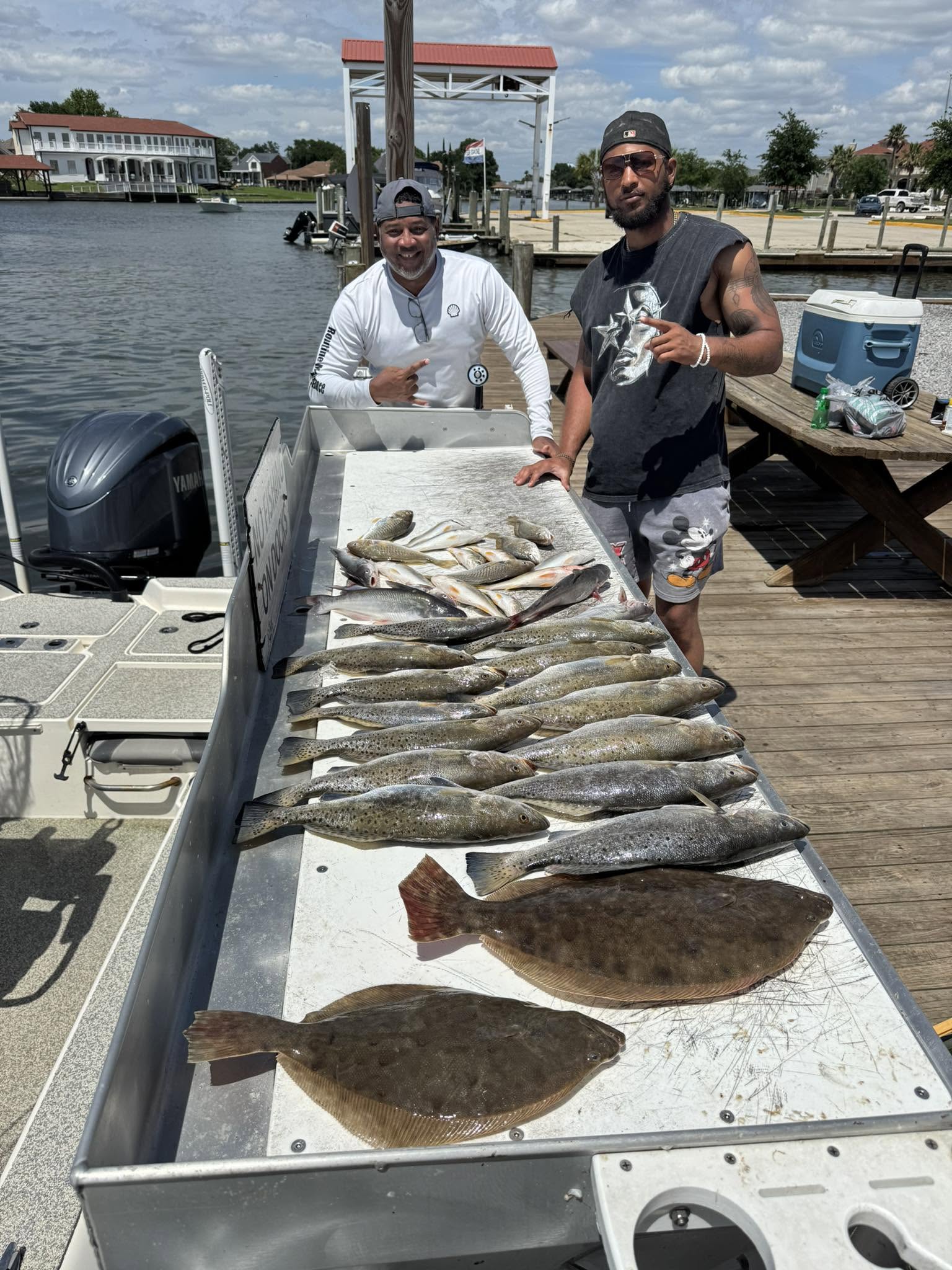
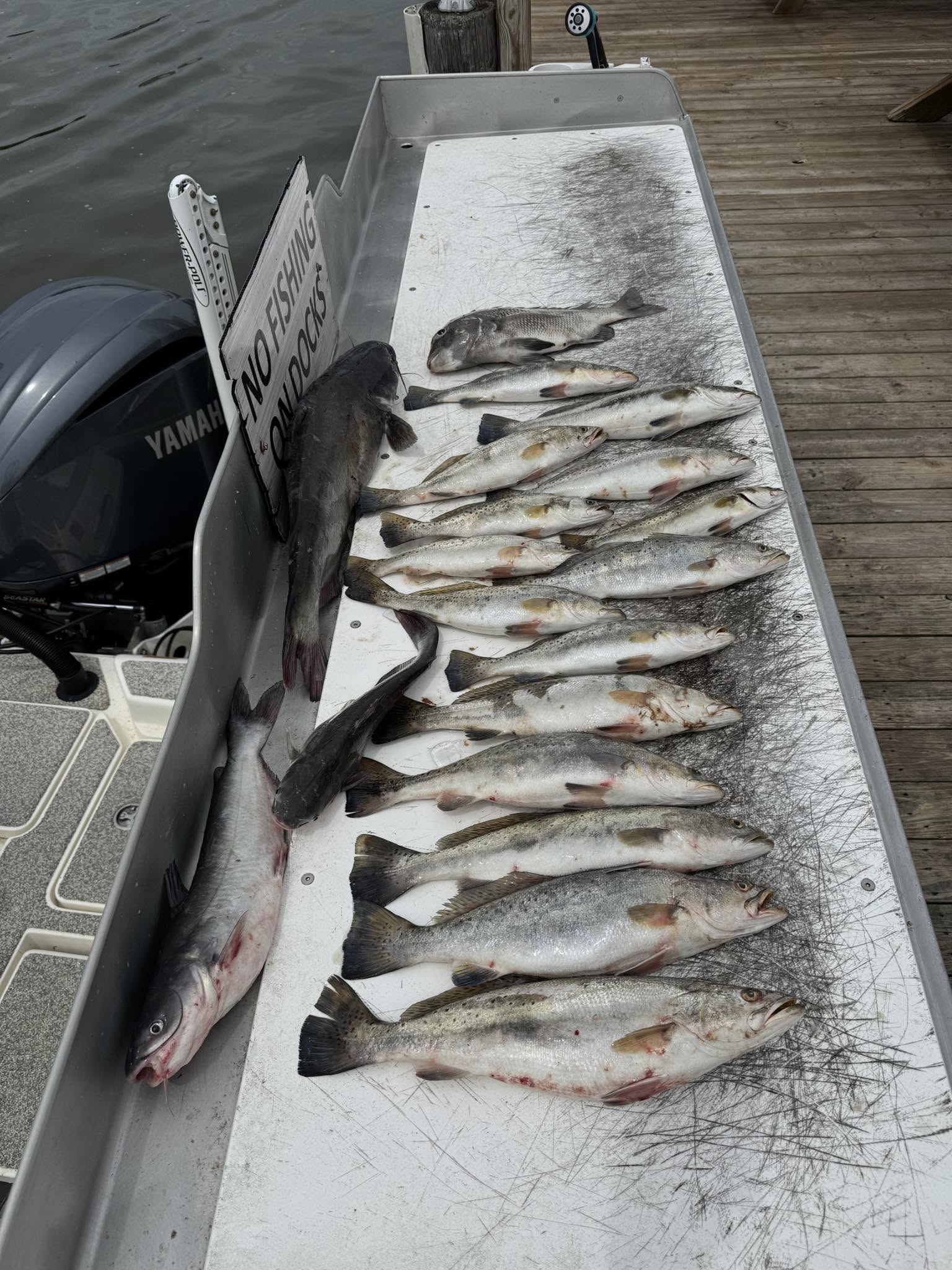
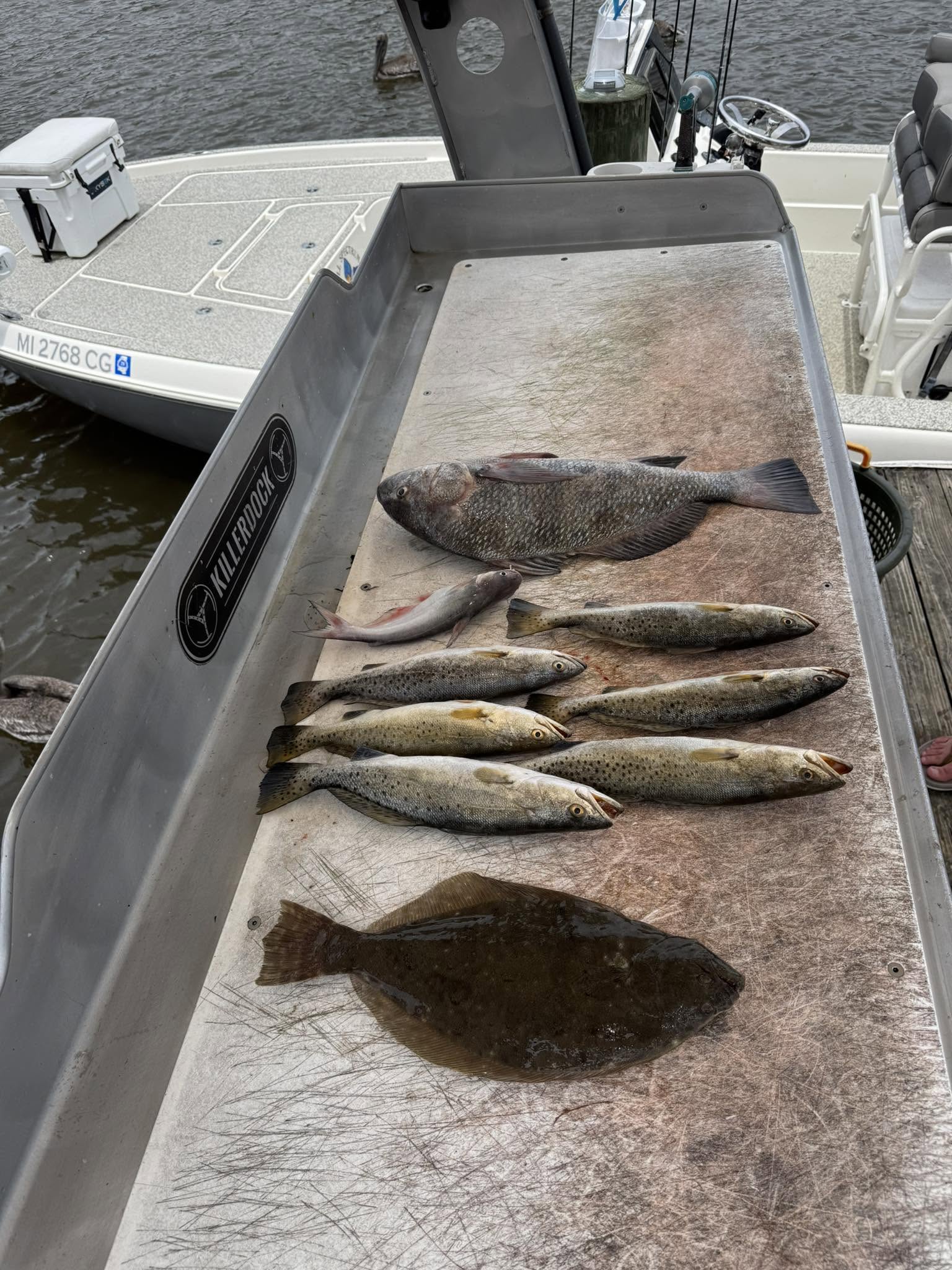
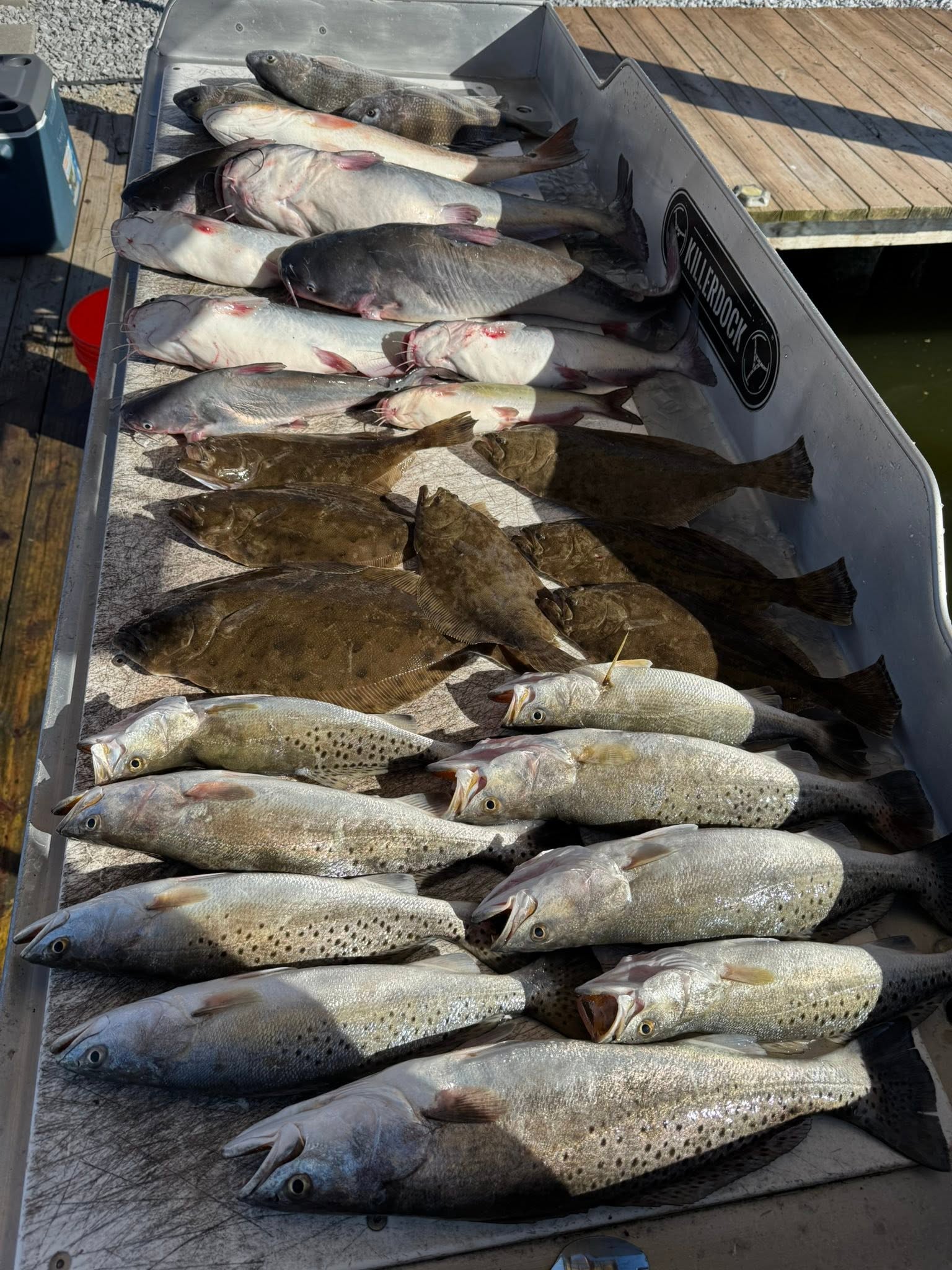
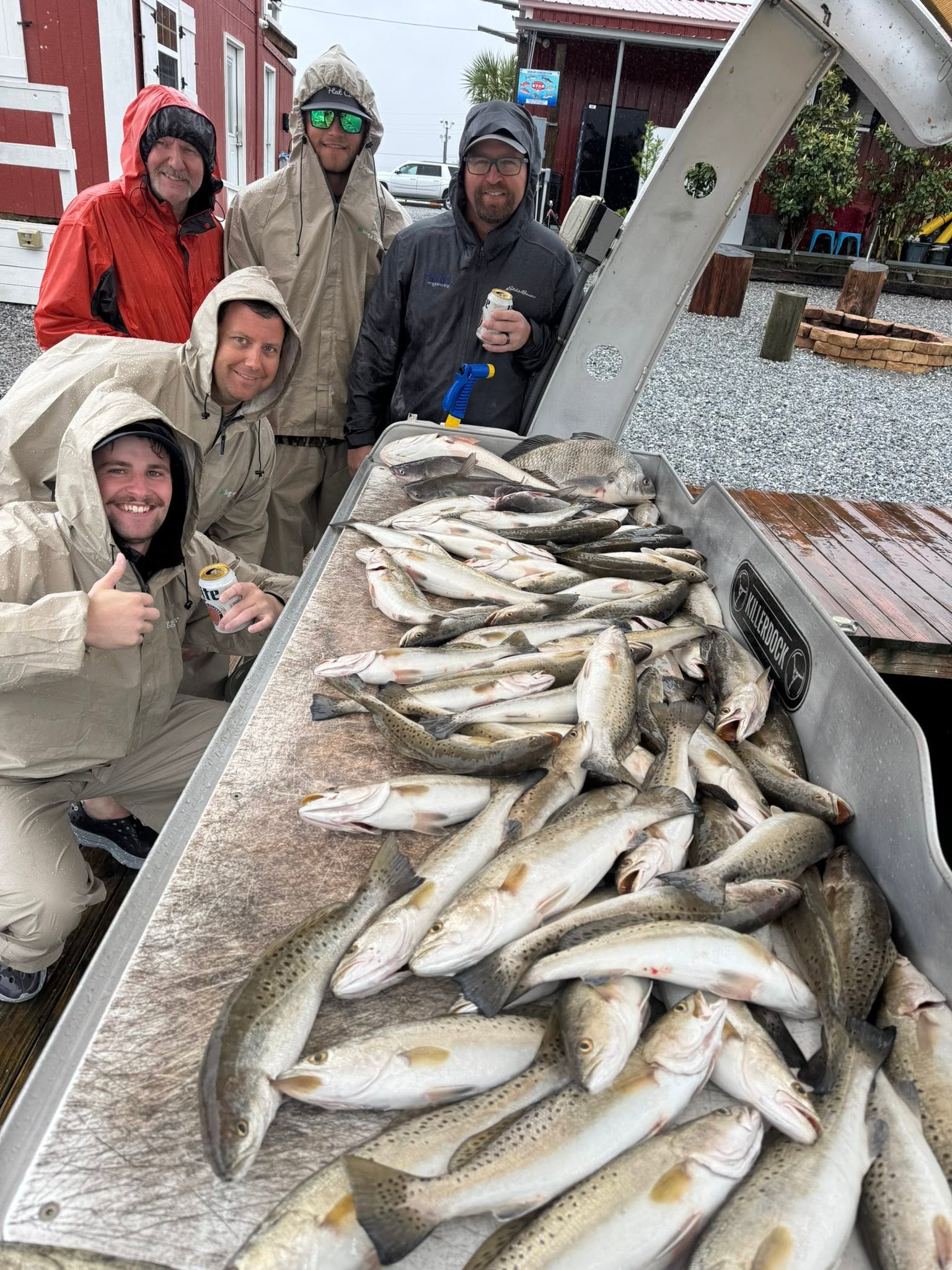
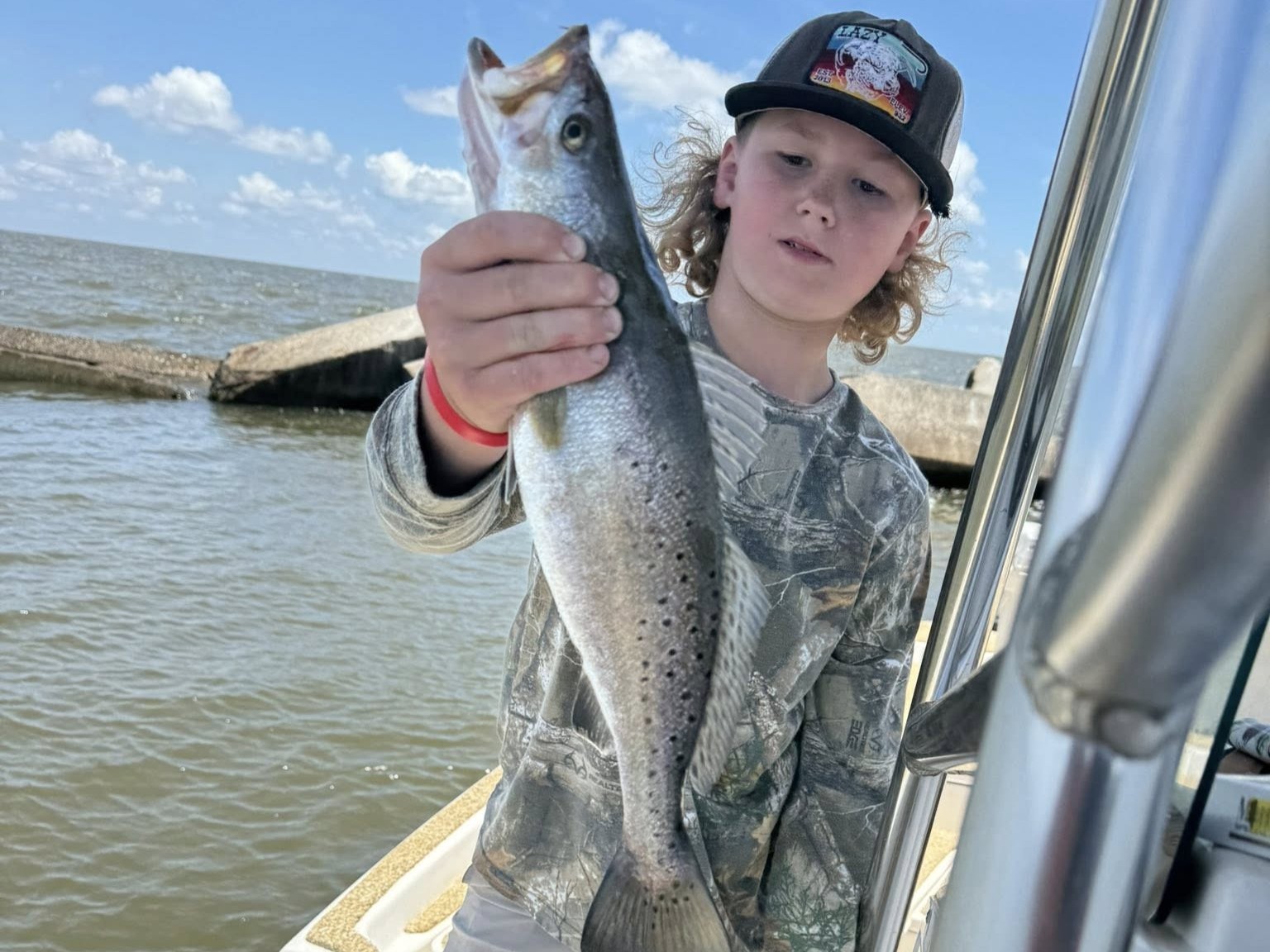
Speckled trout, or specks as locals call them, are the most popular target for Louisiana anglers. These beautiful fish with distinctive black spots love to ambush baitfish around grass beds and oyster reefs. They're most active during cooler months from October through March, and they're absolute suckers for live shrimp under a popping cork. Specks are excellent table fare and provide steady action throughout the day. They're also perfect for beginners because they're aggressive biters and don't require precise technique to hook up.
Sheepshead are the marshal arts experts of the fish world – they'll steal your bait so fast you won't know what happened. These black-and-white striped fish love structure like dock pilings and rock jetties, and they're incredibly smart. Landing one takes patience and quick reflexes, which makes them a favorite challenge for anglers who want to test their skills. They're best targeted in cooler months and are considered one of the finest eating fish in the Gulf. Their human-like teeth make for great photos too.
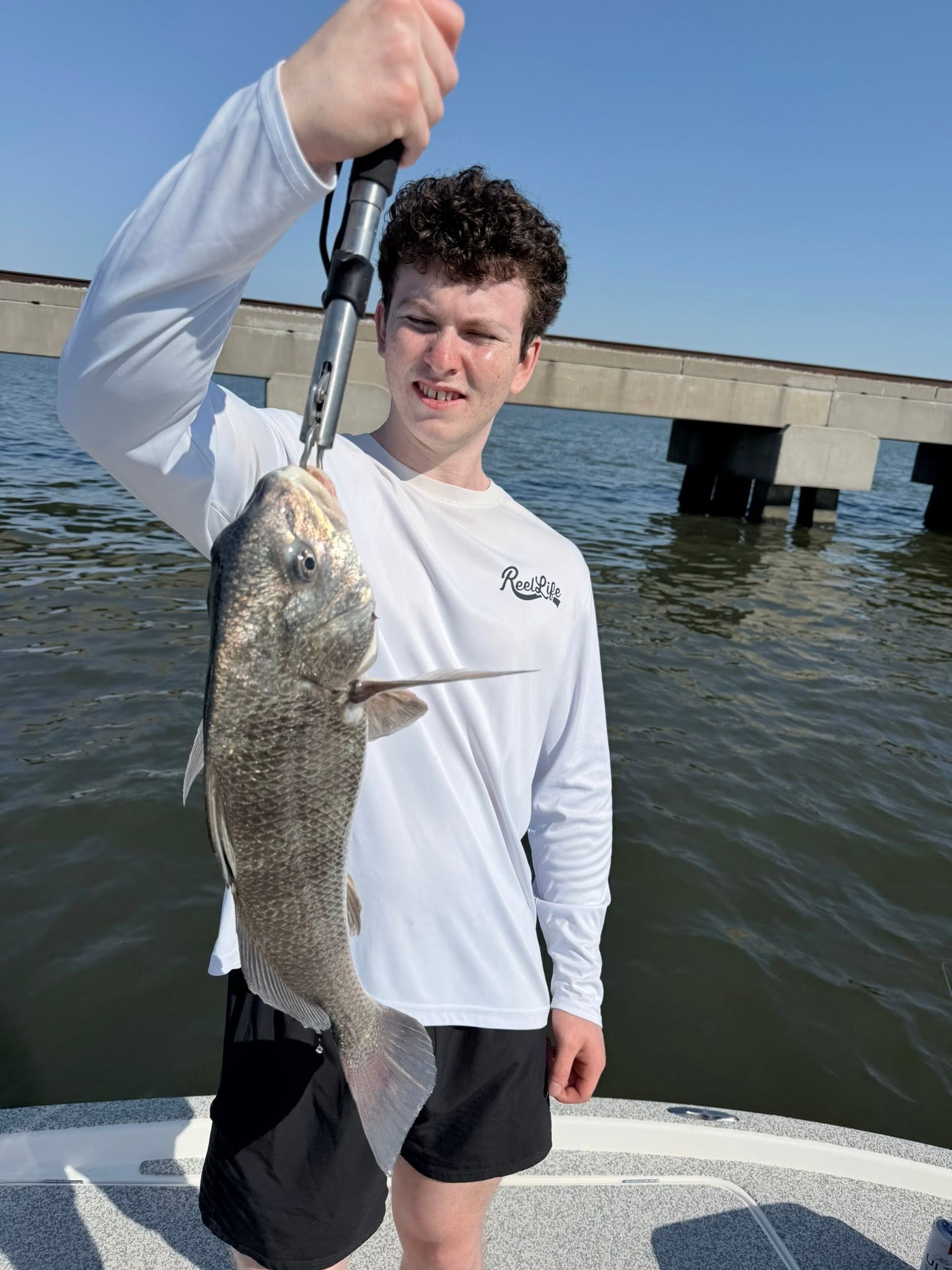
Black drum are the heavyweight champions of the marsh, with big bulls weighing 40+ pounds not uncommon in these waters. Younger drum in the 3-8 pound range provide excellent action and make fantastic table fare. They're bottom feeders that love blue crab and shrimp, and they put up surprisingly strong fights for their size. Black drum are active year-round but peak during spring spawning runs. They're perfect for beginners because they're not picky eaters and give you plenty of time to set the hook.
Summer flounder, or fluke, are the chameleons of the marsh. These flatfish bury themselves in sandy bottoms and ambush prey swimming overhead. They're most active during warmer months and provide exciting action because they hit baits aggressively. Flounder are excellent eating and their unique appearance always surprises first-time anglers. They're typically found along channel edges and drop-offs where they can easily grab passing baitfish.
Time to Book Your Spot
This customer favorite trip books up quickly, especially during peak fall and spring months when the fishing is at its best. Captain Frank's hands-on teaching style and productive fishing grounds make this the perfect introduction to Louisiana's world-class inshore fishing. You'll leave with new skills, great memories, and hopefully a cooler full of fresh fish for dinner. The combination of beginner-friendly instruction and consistently productive waters makes this a trending choice for anyone wanting to experience authentic Louisiana fishing. Don't wait – these spots fill fast, and the fish are biting now.
 Private Trip
 Inshore Fishing
 Slidell, LA


 Full day inshore fishing for redfish and speckled trout