Tampa Bay Bowfishing Adventure
Captain Mike's bowfishing charters put you right in the heart of Tampa Bay's shallow flats, where crystal-clear water meets some of the best sight fishing you'll find on Florida's Gulf Coast. This isn't your typical rod-and-reel trip – we're talking about combining archery skills with fishing instincts for a completely different way to target fish. Using top-rated Vader carbon fiber bows paired with smooth AMS bottle reels, you'll have everything you need to make clean shots without wearing yourself out. Mike's all about making sure everyone has a blast, so don't be surprised if your 4-hour charter stretches longer when the action's hot.
What to Expect on the Water
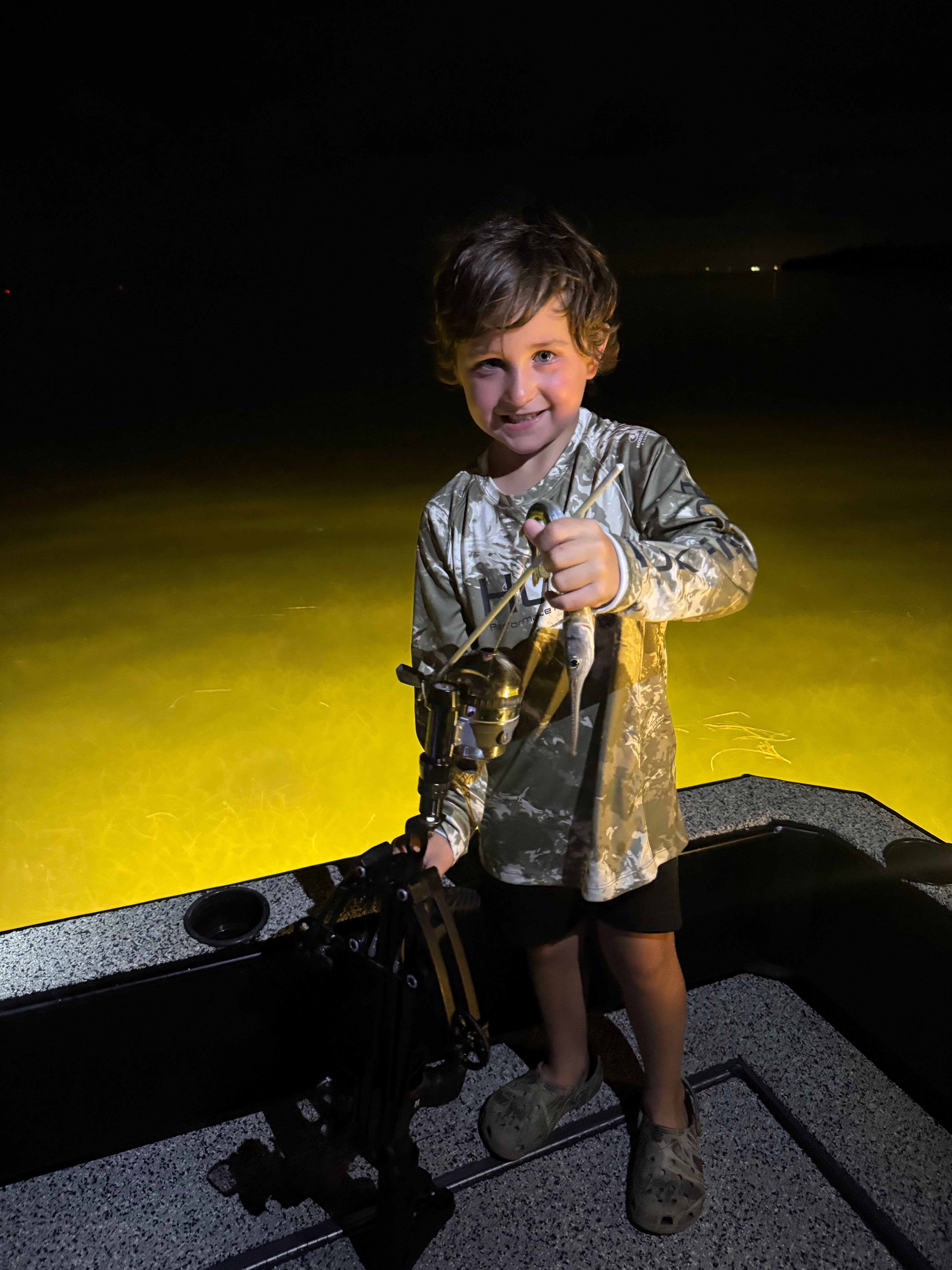
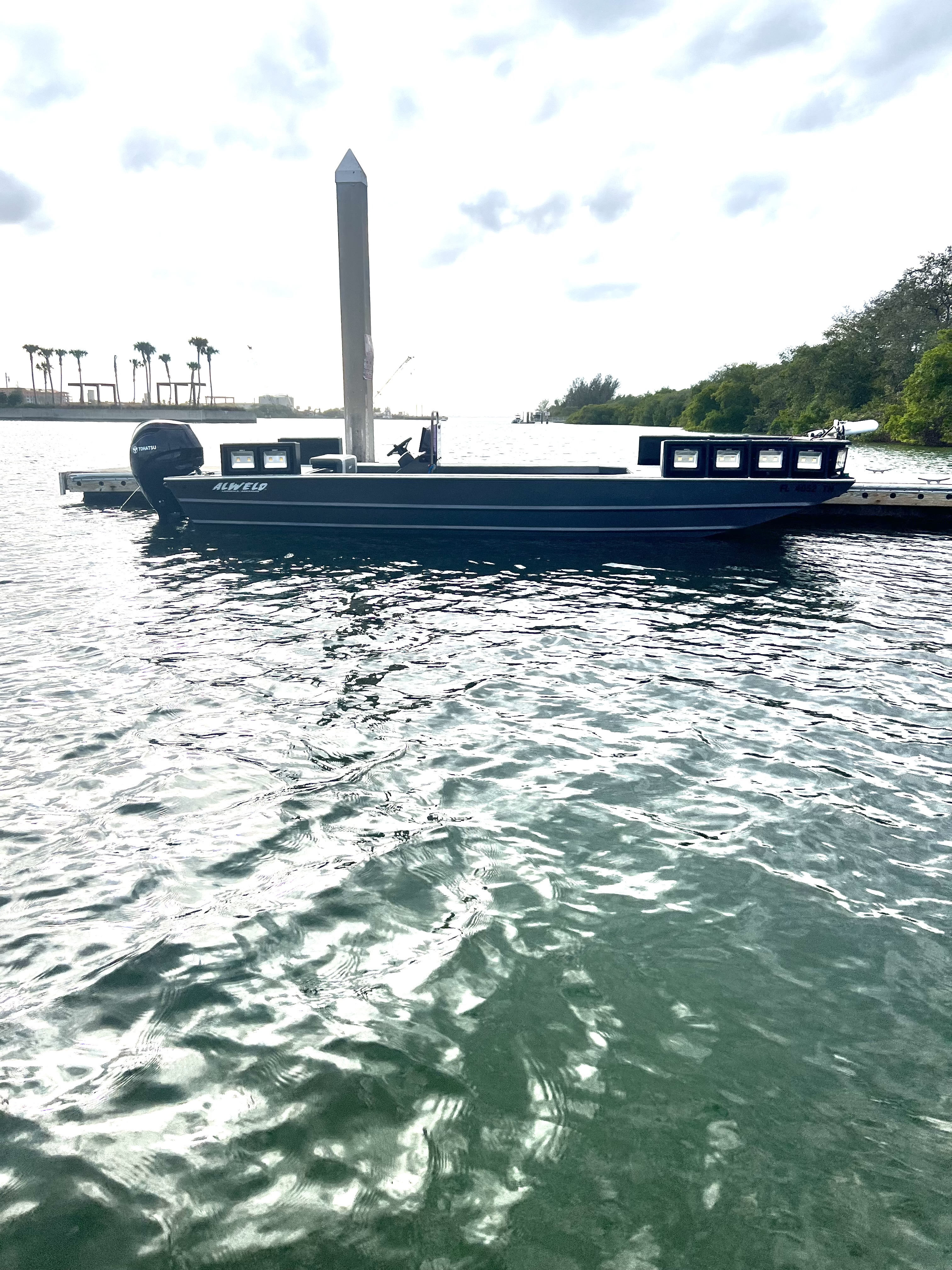
Tampa Bay's flats create the perfect bowfishing playground, with water depths ranging from knee-deep to about four feet – shallow enough to spot your targets but deep enough for fish to feel comfortable moving through. Captain Mike knows these waters like the back of his hand, positioning the boat where current, structure, and tidal movement create feeding opportunities for our target species. The lightweight Vader bows make it easy for first-timers to get the hang of shooting, while experienced bowhunters will appreciate how quickly they can draw and release without fatigue. Mike keeps the boat immaculately clean and runs a relaxed operation where your enjoyment takes priority over rigid schedules. Whether you're bringing the family or heading out with your fishing buddies, this customer favorite charter adapts to whatever vibe you're looking for on the water.
Bow Setup & Shooting Tips
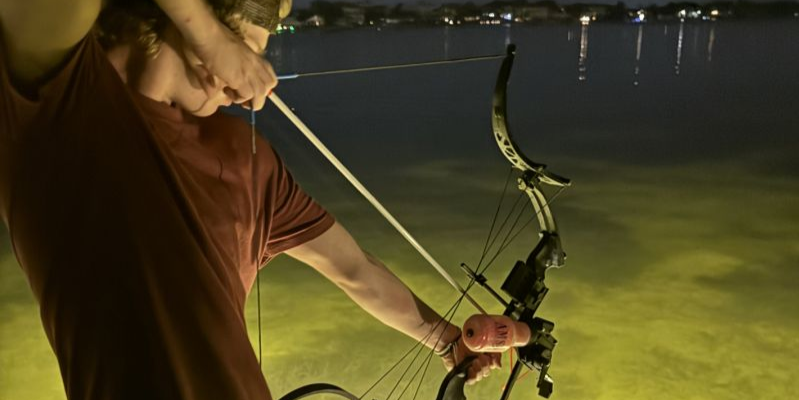
The Vader carbon fiber bows we use are specifically designed for bowfishing – they're forgiving, smooth to draw, and won't leave you sore after a few hours of shooting. The AMS bottle reels handle the line retrieval automatically, so you can focus on your shot placement instead of managing equipment. Unlike traditional archery, bowfishing requires you to aim low since water refraction makes fish appear higher than they actually are. Mike walks everyone through proper shooting form and helps dial in your accuracy before you start targeting fish. The key is staying patient and waiting for broadside shots where you can see the fish clearly. Most of our target species move slowly enough to give you time to draw, aim, and release without rushing your shot.
Customer Stories
"Mike…on top of just being a really cool guy…will put you on the fish. Highly recommend you spend a few hours with him!" - Bryan
"Boat was immaculately clean, Mike was friendly, professional, and went out of his way to ensure that we had ample opportunity to catch some fish as conditions weren't perfect out for them. Even with less opportunity, we had a blast on our trip and if we decide to go on another charter, it will be with Captain Mike, the bow fishing experience really set itself apart from other charters. We spent the trip completely comfortable (as comfortable as you can be on a fishing boat) and Mike was talkative with us, but also quiet when we were focused on looking for fish. I don't think we could have asked for a better guide to match whatever your vibe may be for enjoying some late-night fishing." - Randall
"Captain Mike goes above and beyond to give everyone a memorable and unique experience! Just finished our third happy trip with him!" - Donald
Species You'll Want to Hook
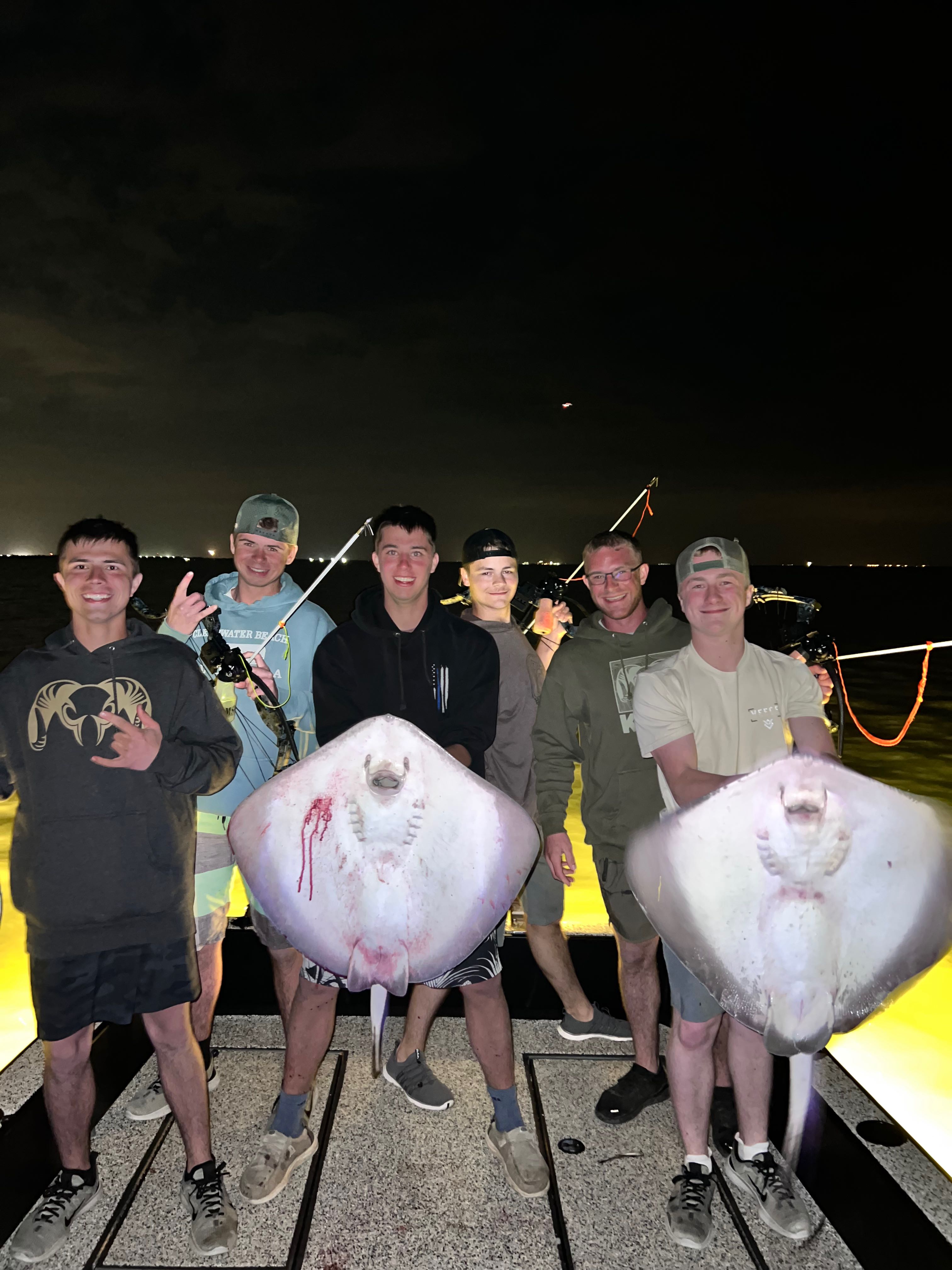
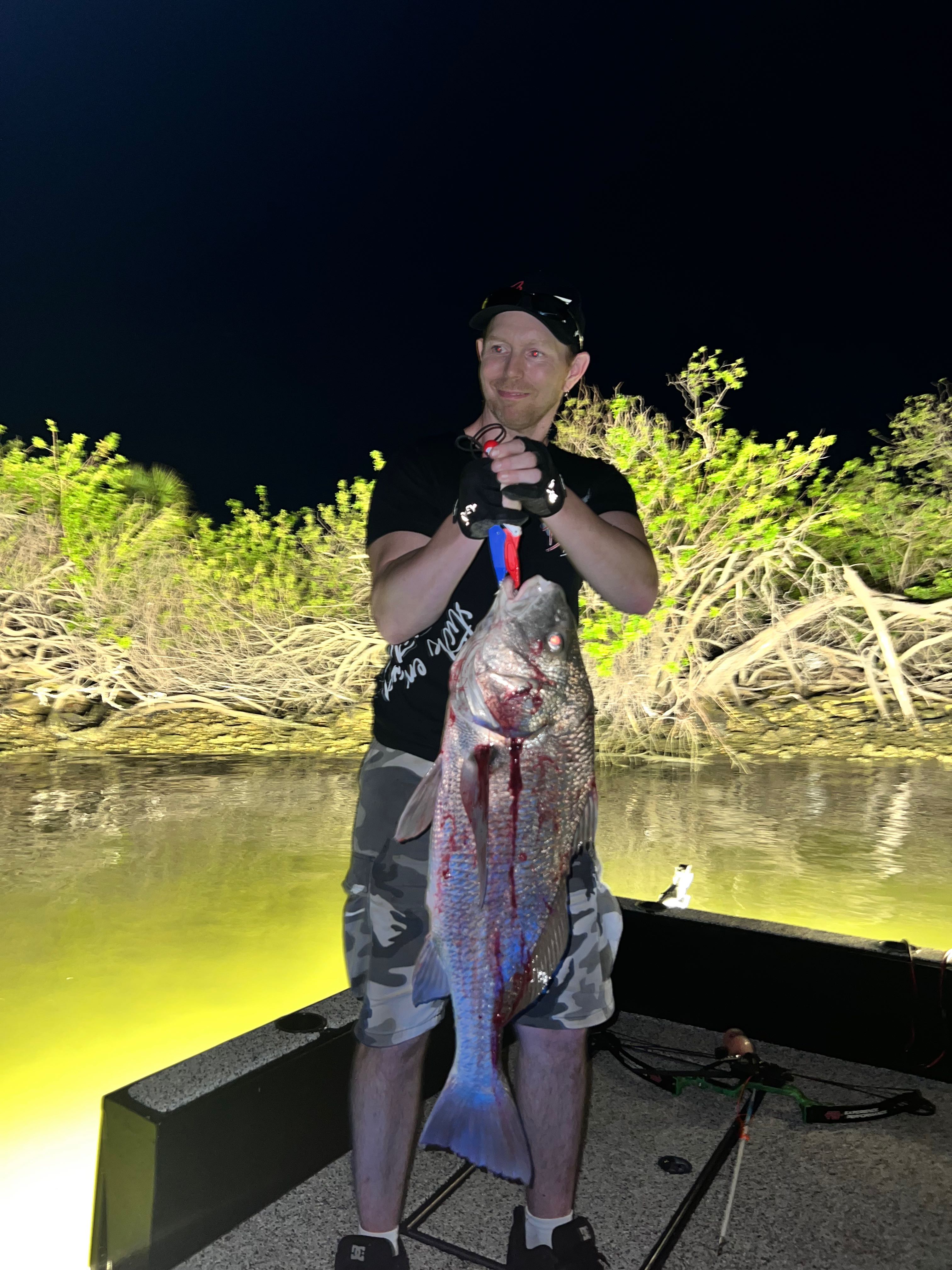
Black Drum are the heavyweights of Tampa Bay bowfishing, with fish ranging from 5 to 30 pounds cruising the flats year-round. These copper-colored fighters move slowly and deliberately, making them perfect targets for bowhunters. Spring and fall offer the best action when drum move shallow to feed on crabs and small baitfish. What makes them so popular is their size – landing a big drum on a bow creates an adrenaline rush that's hard to match with traditional tackle.
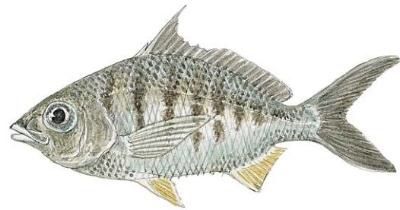
Striped Mojarra might be smaller than drum, but they make up for it in numbers and challenge. These silver fish travel in schools and can be surprisingly spooky, requiring good shot placement and quick reactions. They're most active during warmer months when they move into the shallows to spawn. Their quick movements and tendency to scatter when spooked make them a favorite among experienced bowfishermen looking to test their skills.
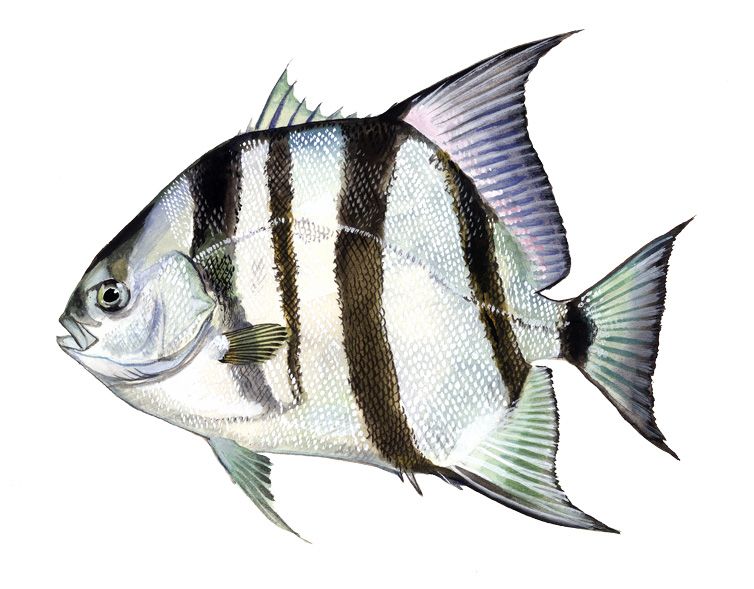
Spadefish cruise the grass flats in small groups, their distinctive diamond-shaped bodies making them easy to identify in clear water. These fish are known for their curious nature – they'll often approach the boat before spooking, giving you multiple shot opportunities. Peak season runs from late spring through early fall when water temperatures stay consistently warm. Their unique shape and beautiful silver coloring make them a rewarding target for any skill level.
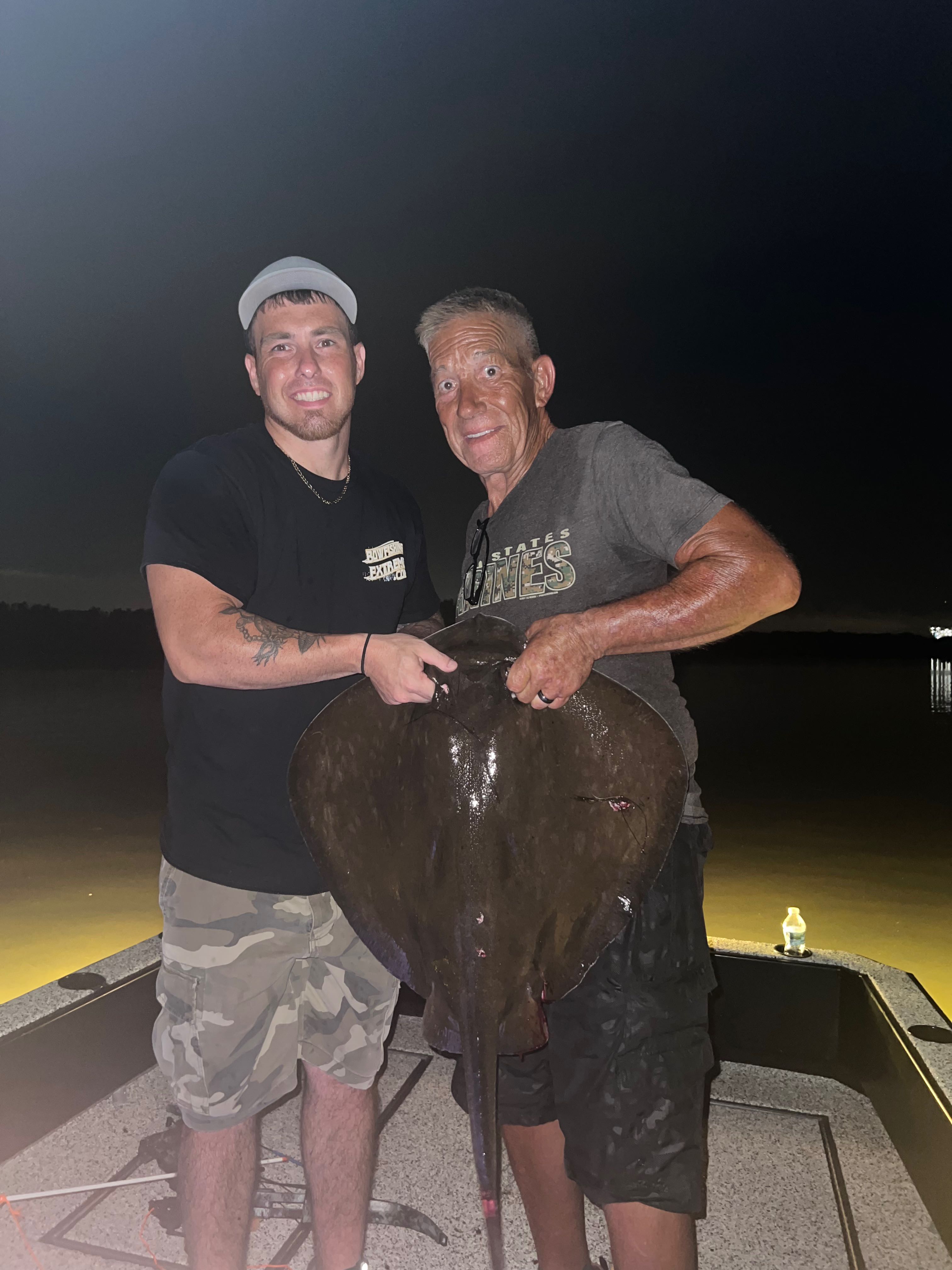
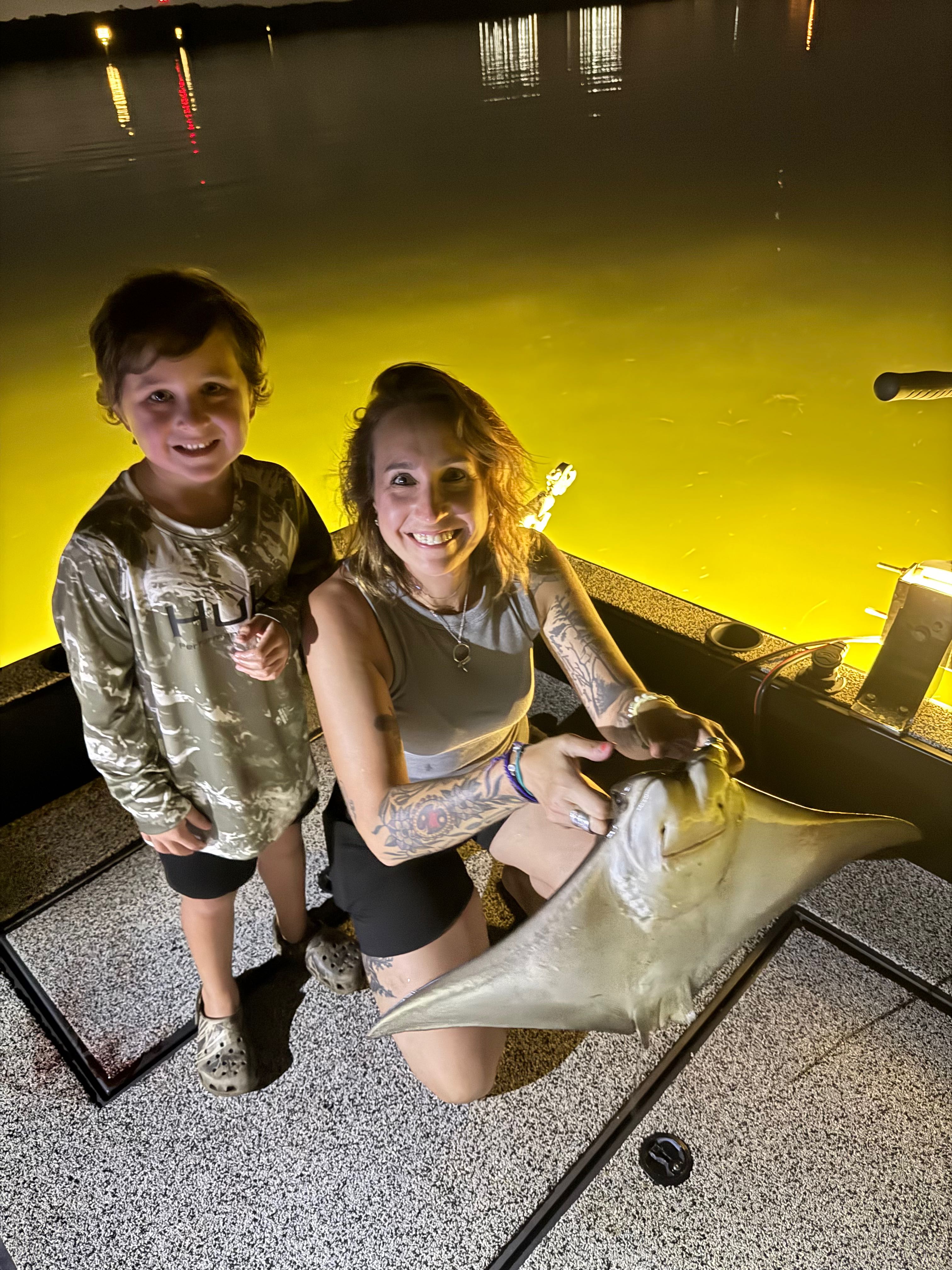
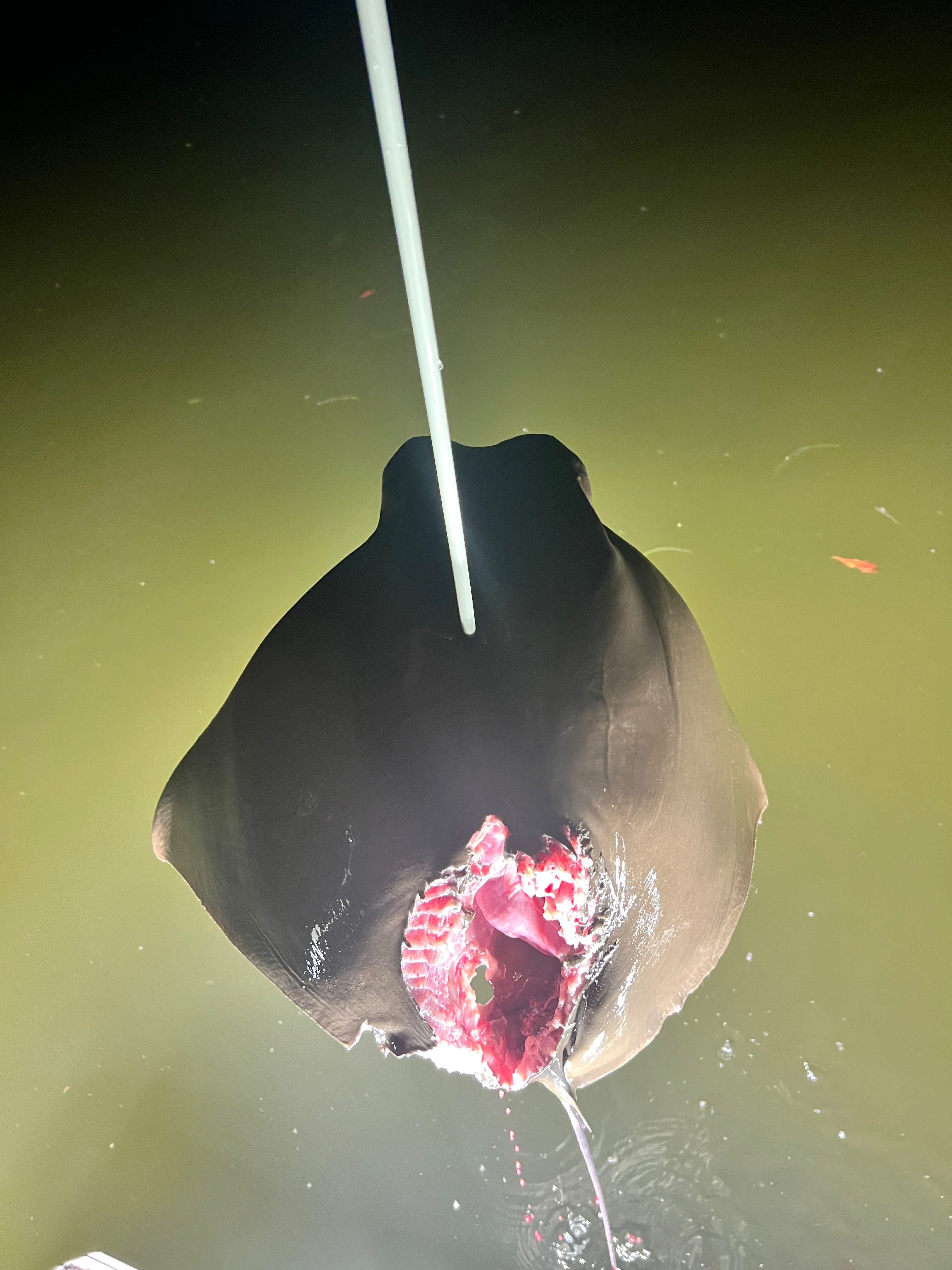
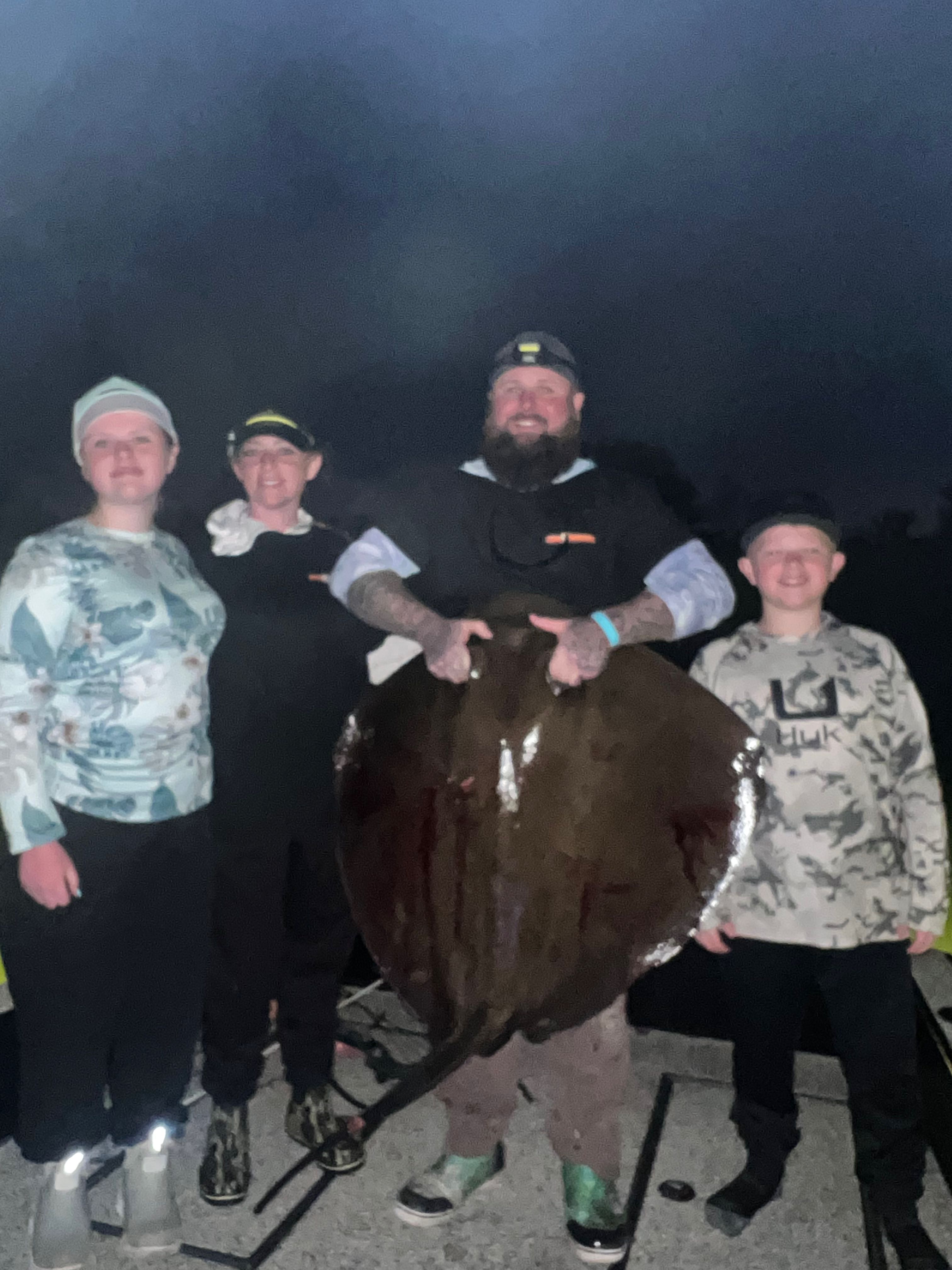
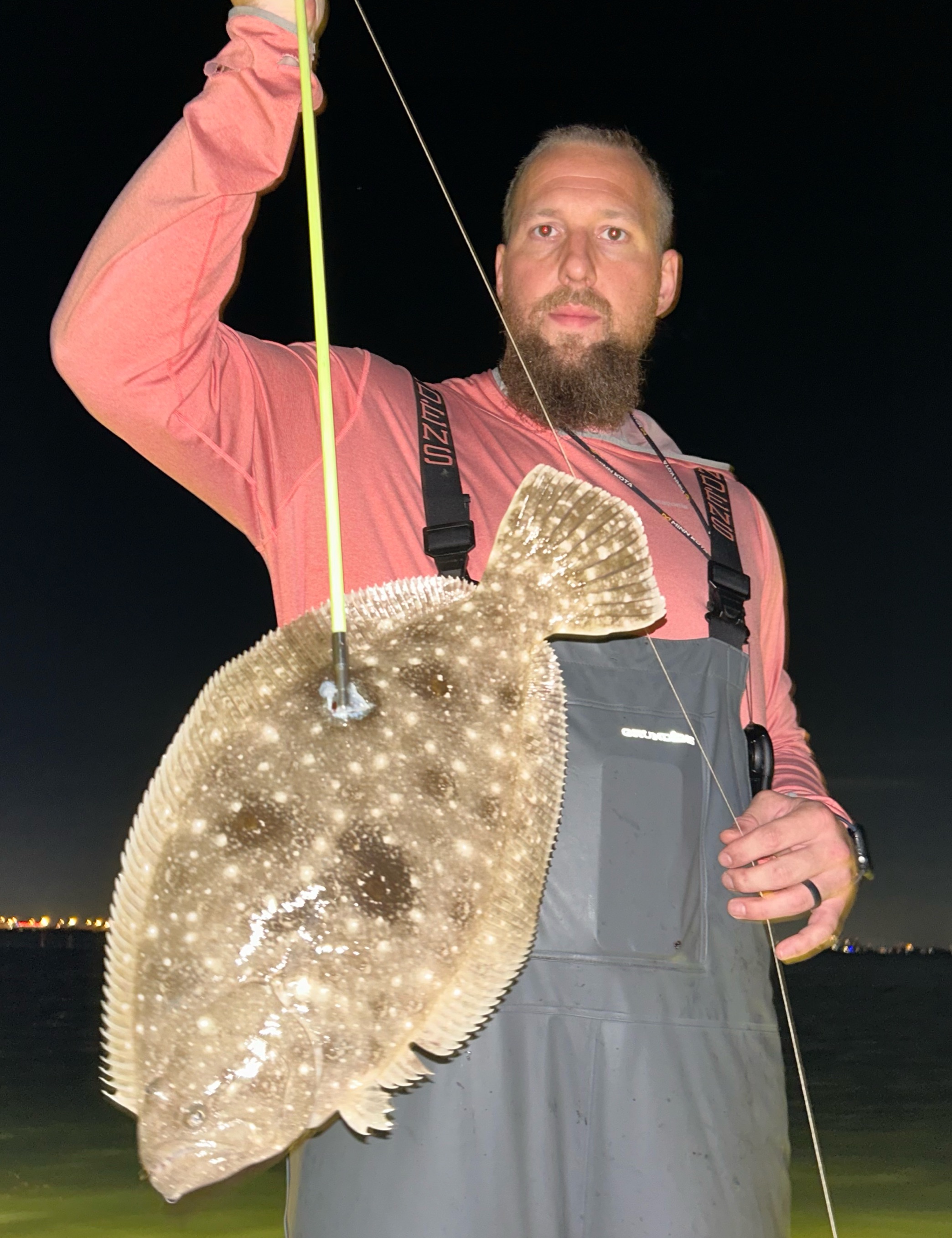
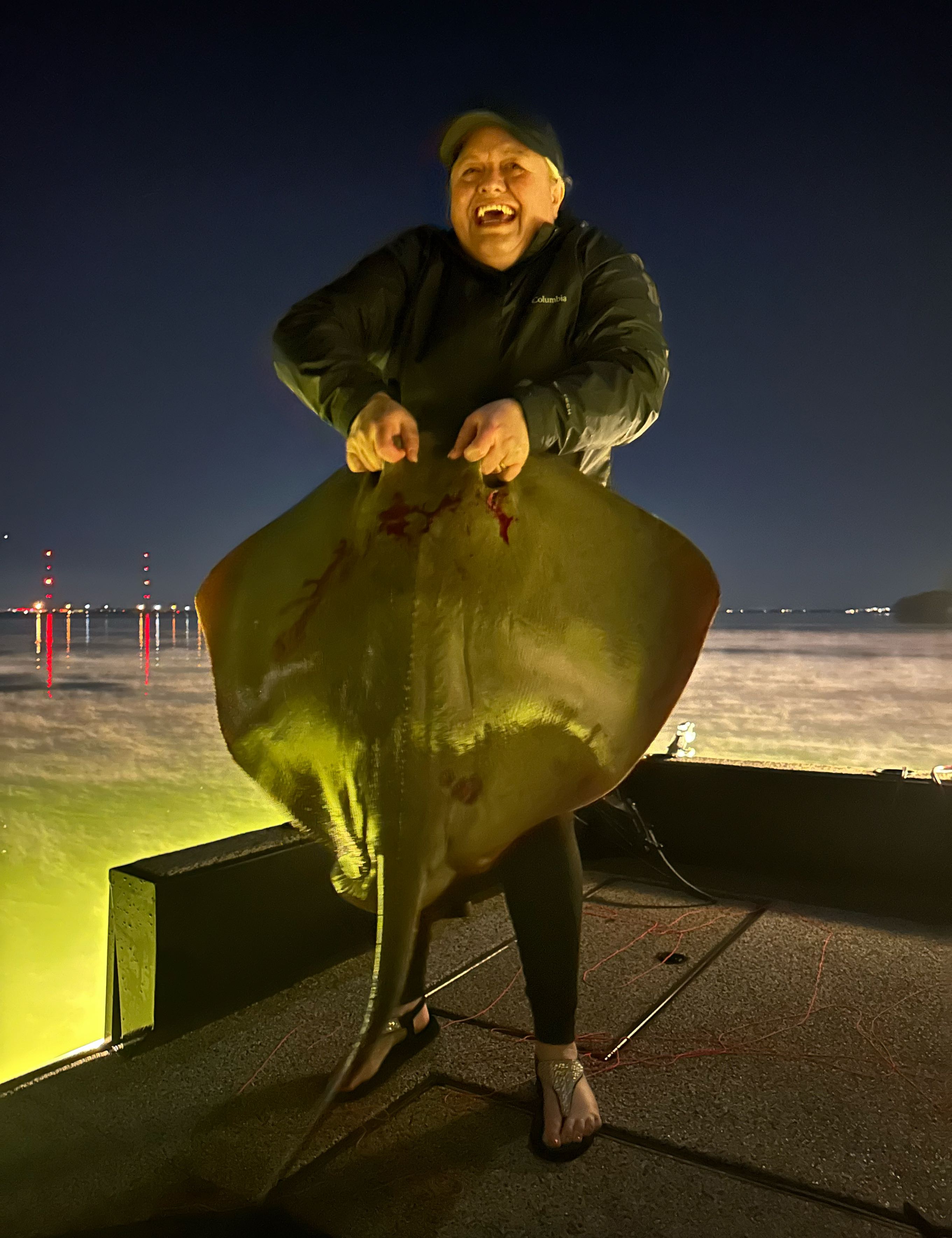
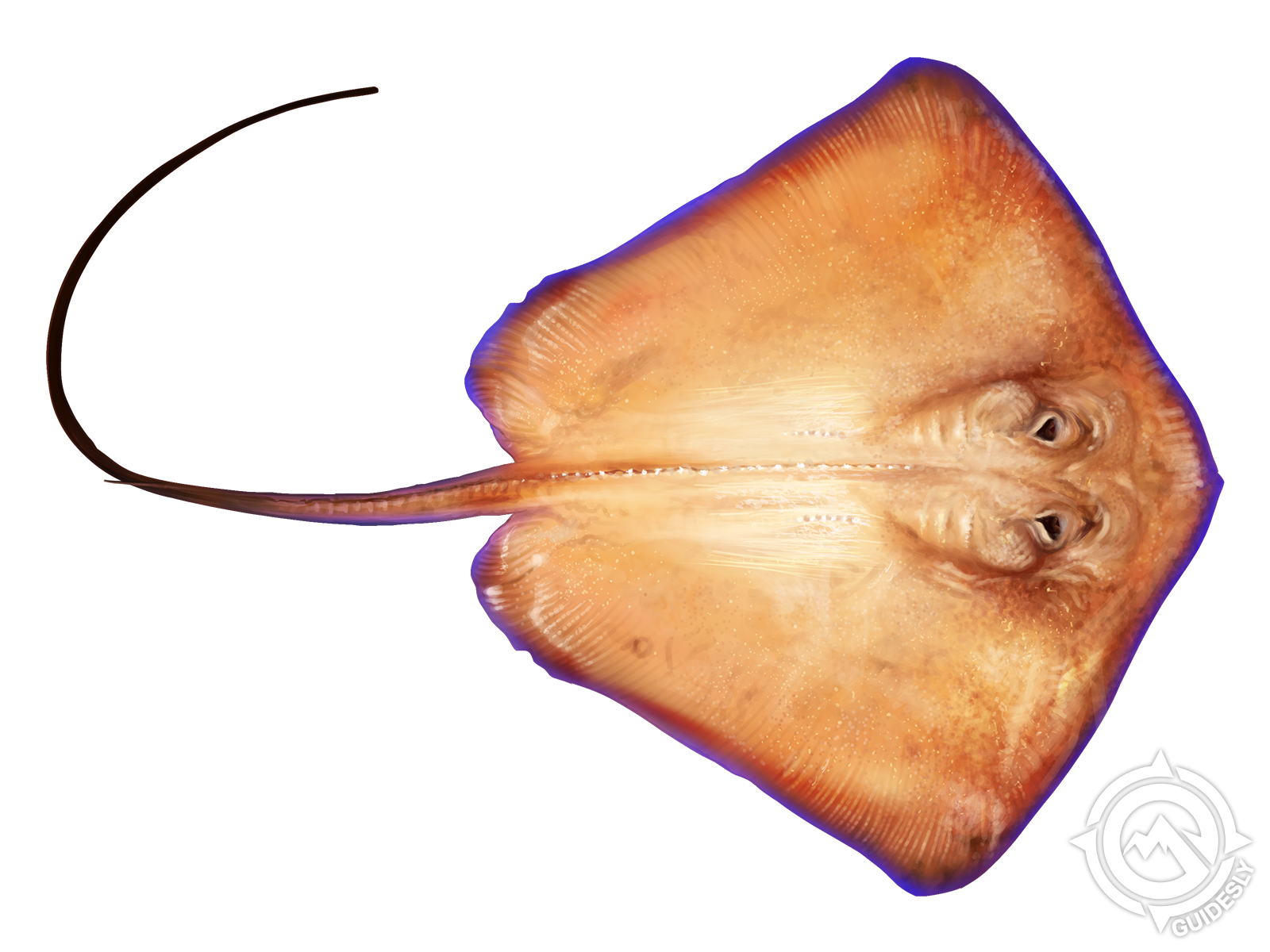
Southern Stingrays add excitement to any bowfishing trip, with their flat bodies perfectly camouflaged against sandy bottoms until they move. These rays can reach impressive sizes, with some specimens stretching over three feet across. They're most active during incoming tides when they move into shallow water to hunt for crabs and mollusks. The challenge comes from spotting them before they detect your presence – once they take off, you'll see why they're considered one of the most challenging bowfishing targets in Tampa Bay.
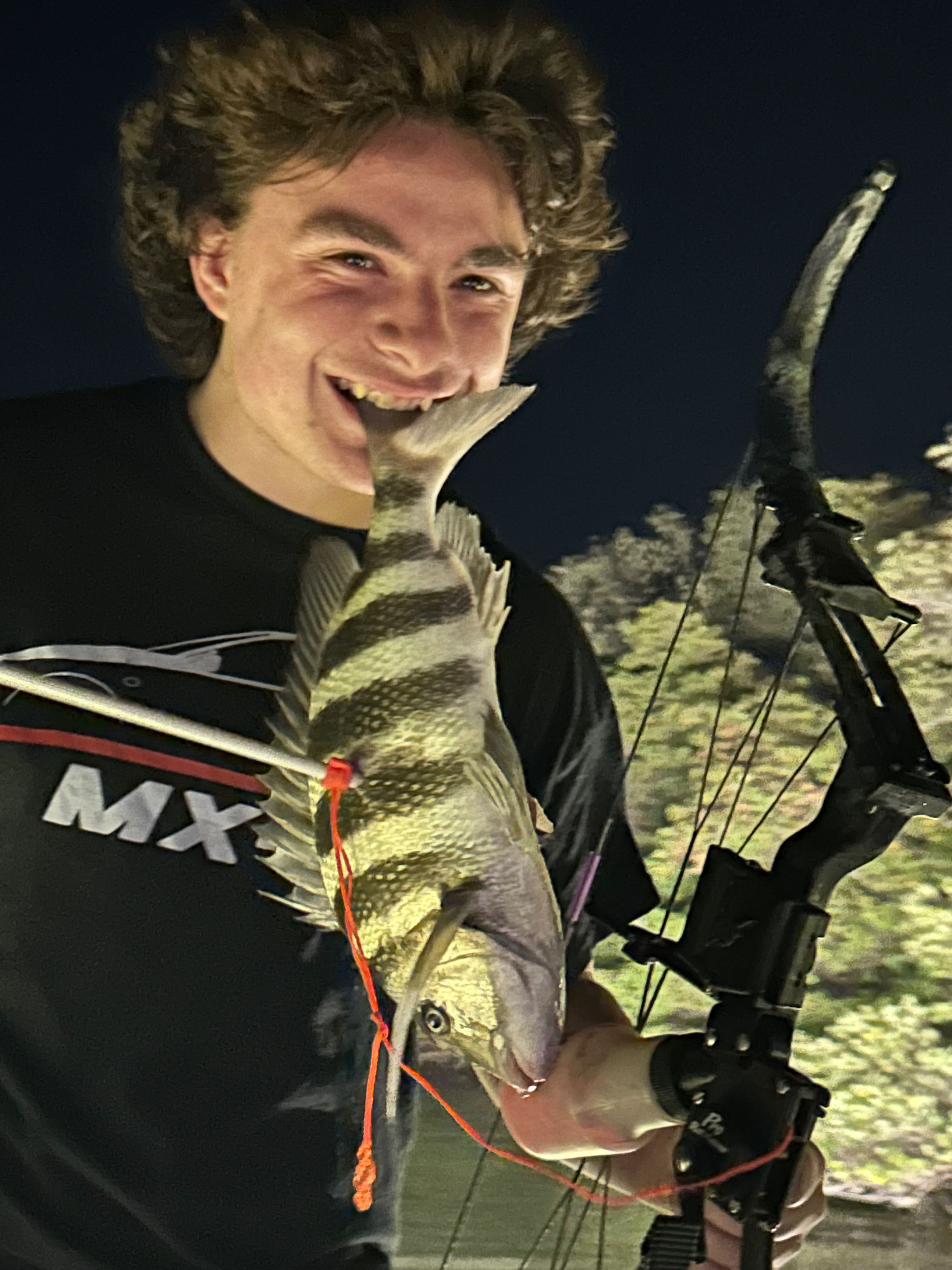
Sheepshead bring their own unique appeal to bowfishing with their distinctive black stripes and human-like teeth. These fish are structure-oriented, often found around docks, pilings, and rocky areas where they feed on barnacles and crabs. They're available year-round but most active during cooler months when they congregate in larger numbers. Their wariness and tendency to stay close to cover make them a technical challenge that rewards patience and precision shooting.
Time to Book Your Spot
Tampa Bay bowfishing offers something completely different from your typical fishing charter – it combines the excitement of archery with the challenge of sight fishing in some of Florida's most productive shallow water. Captain Mike's world-class operation focuses on your experience rather than watching the clock, and his knowledge
 5.0(8 Reviews)
 Private Trip
 Flats/Shallows Fishing
 Top Rated
 Tampa Bay

 Four-hour bowfishing charter across Tampa Bay's shallow waters