Half Day Guided Fishing Trip In Galveston, TX
Looking for a solid half-day fishing adventure that puts you on some of Galveston's best inshore action? This 5-hour guided trip targets the bay's most productive jetty waters, where speckled trout, flounder, and redfish patrol year-round. Captain Mark brings 12 years of local fishing knowledge to every trip, and he knows exactly where to find the fish when conditions are right. We launch at 7:00 AM sharp to beat the crowds and hit prime feeding windows. With space for up to 6 anglers, this top-rated charter gives you the perfect mix of technique instruction and hands-on fishing time without breaking the bank.
What to Expect on the Water
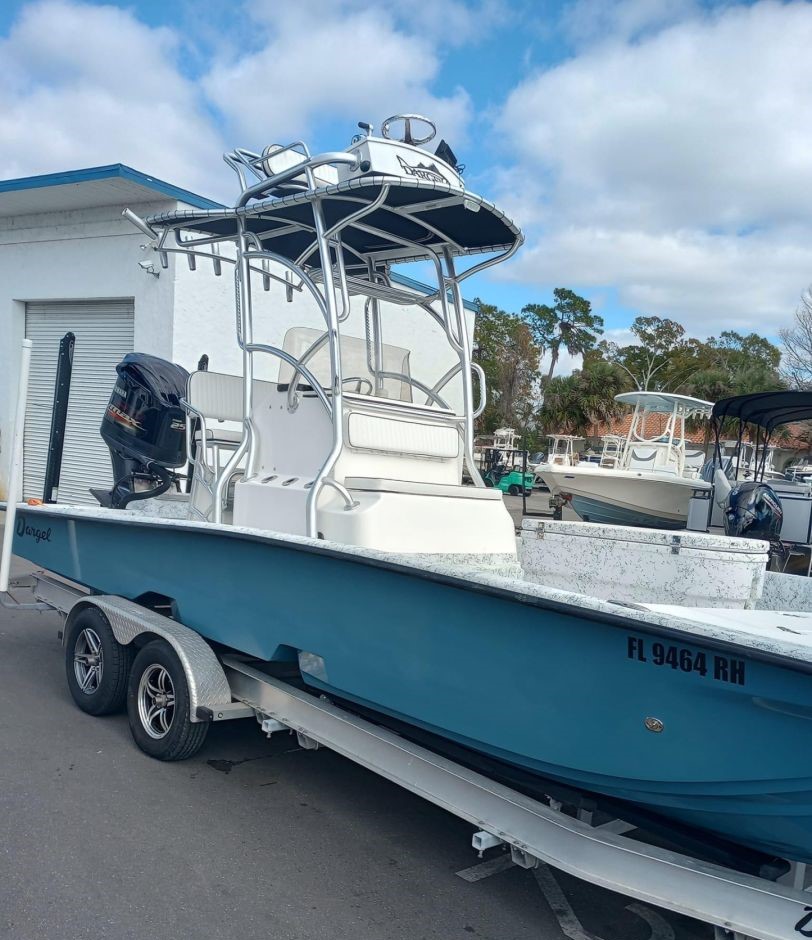
Your morning starts at the dock with a quick safety briefing and gear check. Captain Mark runs a clean, well-maintained boat equipped with quality rods, reels, and tackle for the day's conditions. The jetties offer some of the most consistent inshore fishing in the Gulf Coast, with deep channels, rocky structure, and grass flats all within easy reach. You'll spend time working different zones depending on tides, wind, and what's biting best. The jetty rocks hold sheepshead and black drum, while the adjacent flats come alive with redfish and trout activity. This isn't a rushed trip - there's plenty of time to learn new techniques, dial in your presentation, and actually enjoy the process of fishing. The captain adjusts tactics throughout the morning based on what's working, so you might start throwing live shrimp around structure and finish the day casting soft plastics over grass beds.
Techniques & Tackle Setup
This charter covers both live bait and artificial techniques, giving you a well-rounded inshore fishing education. Live shrimp works magic around the jetty rocks for flounder and sheepshead, especially when fished on a Carolina rig near bottom structure. For the grass flats and open water, soft plastic baits like paddle tails and shrimp imitations produce consistent strikes from trout and redfish. Captain Mark provides all rods and tackle, but he's happy to help you dial in your own gear if you bring it. Medium-light spinning setups with 15-20 pound braid handle most situations, though heavier tackle comes out when big redfish are schooled up. The key to success here is reading the water and matching your presentation to conditions. Morning tides often position baitfish tight to structure, while afternoon patterns might have gamefish scattered across deeper channels. You'll learn to spot nervous water, work different retrieve speeds, and position your boat for the best presentations.
Top Catches This Season
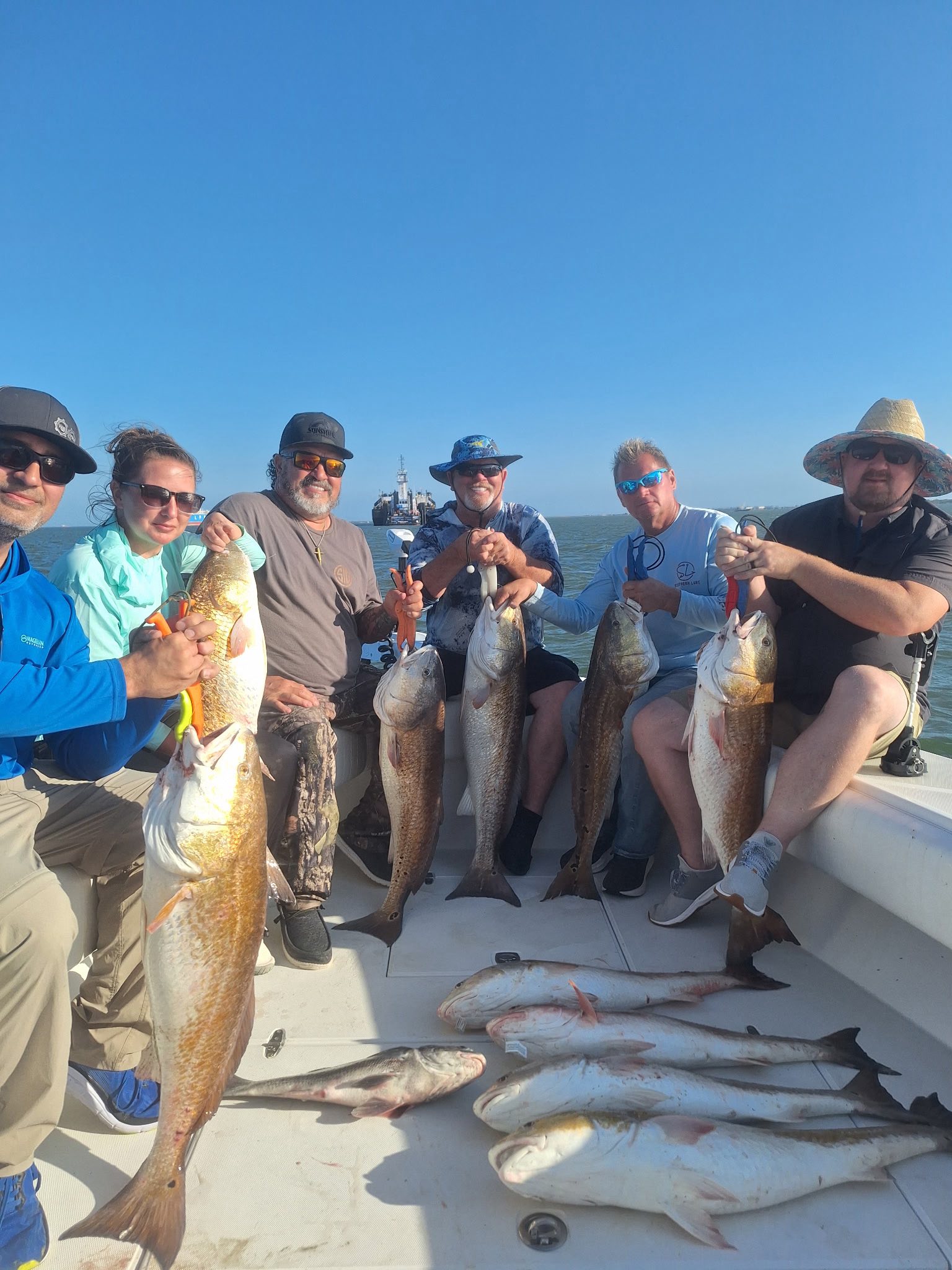
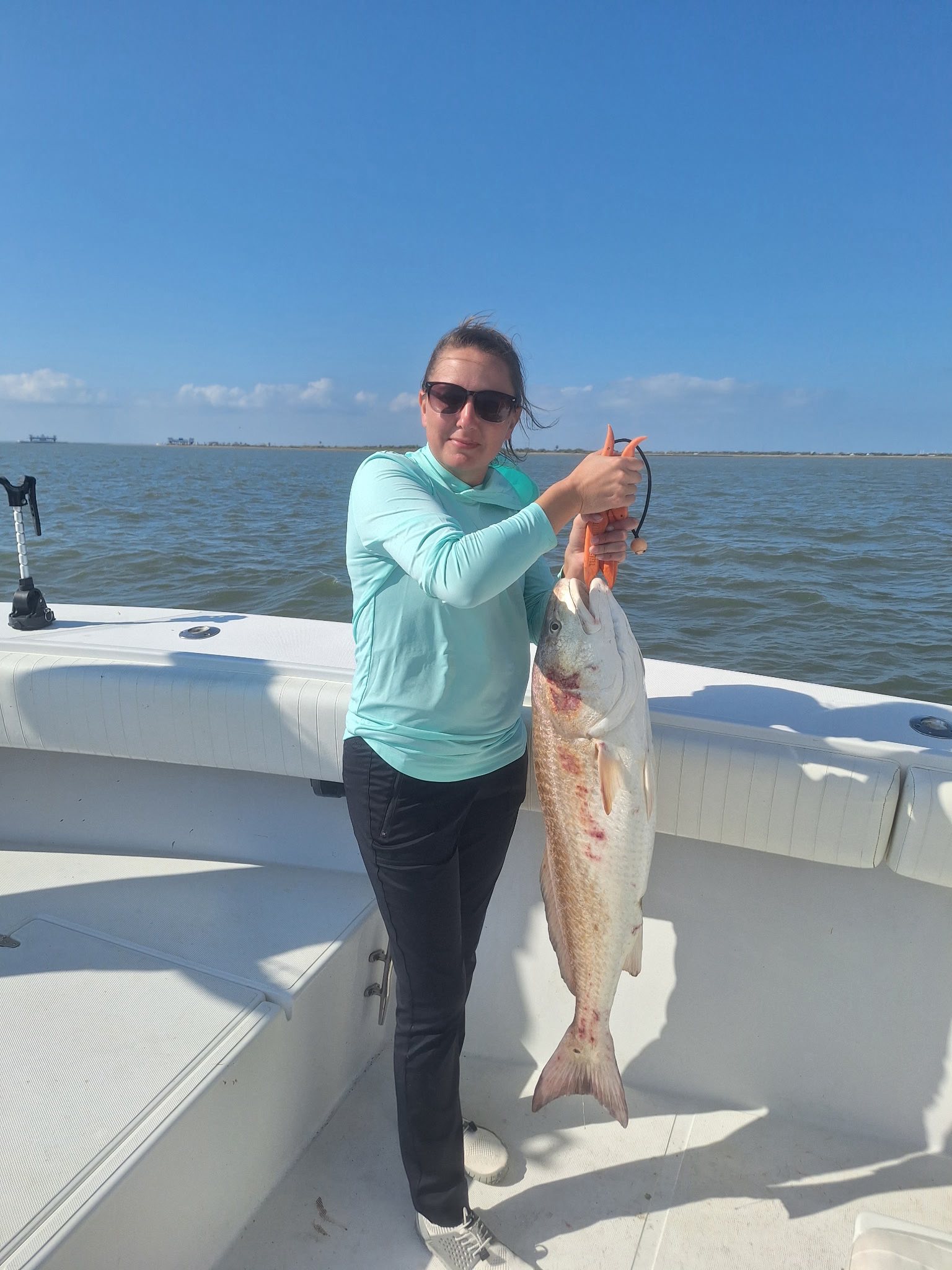
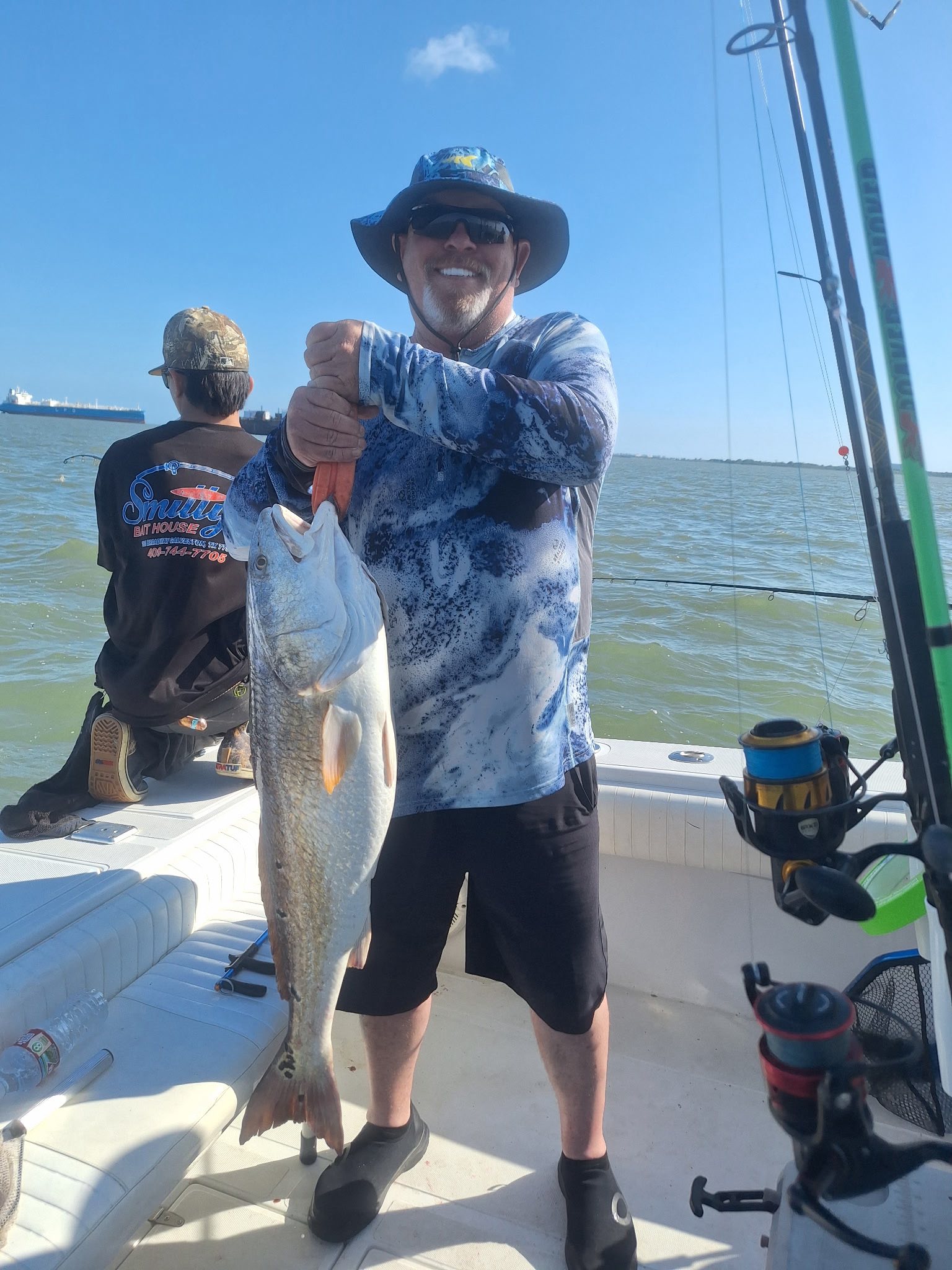
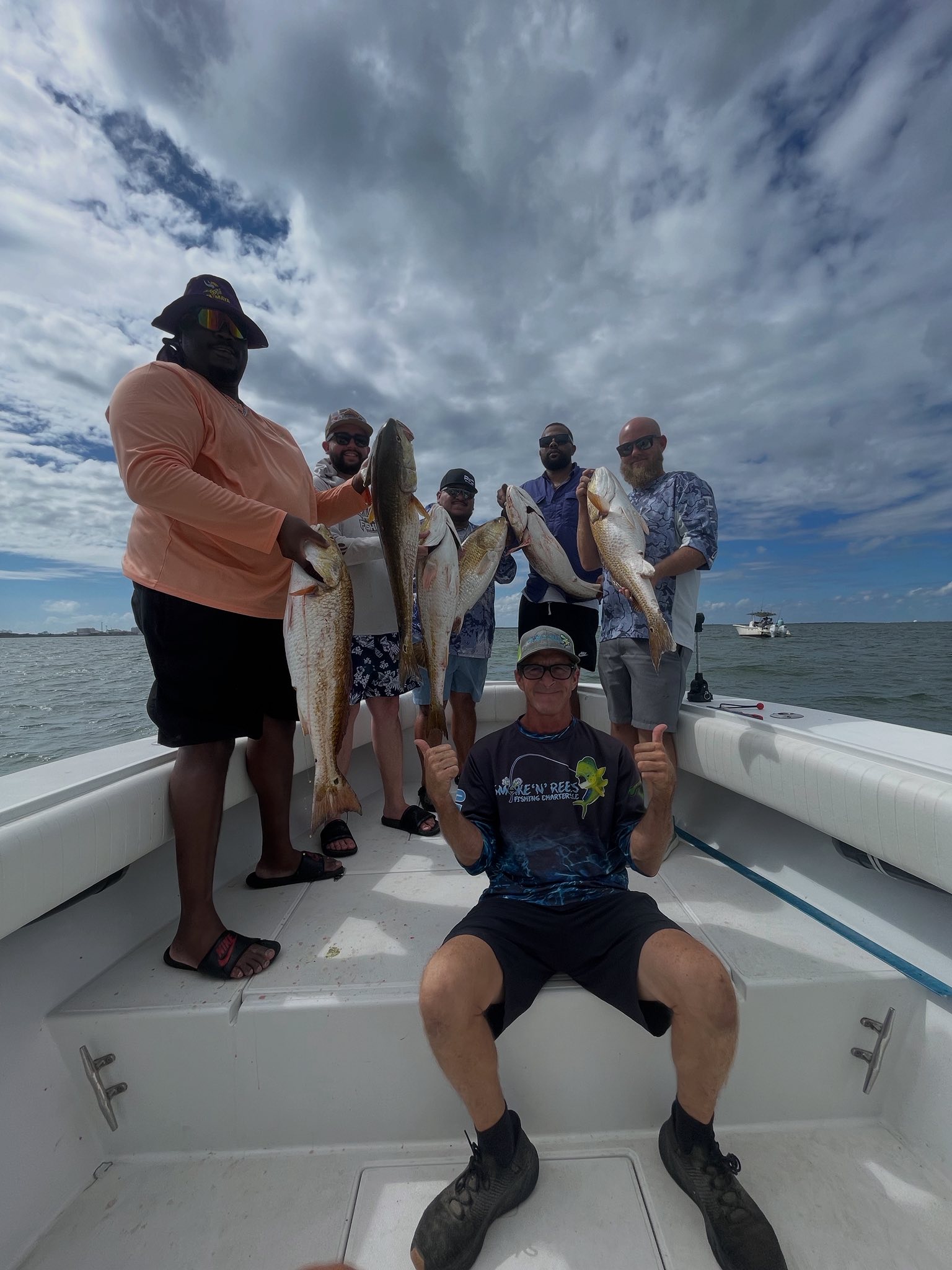
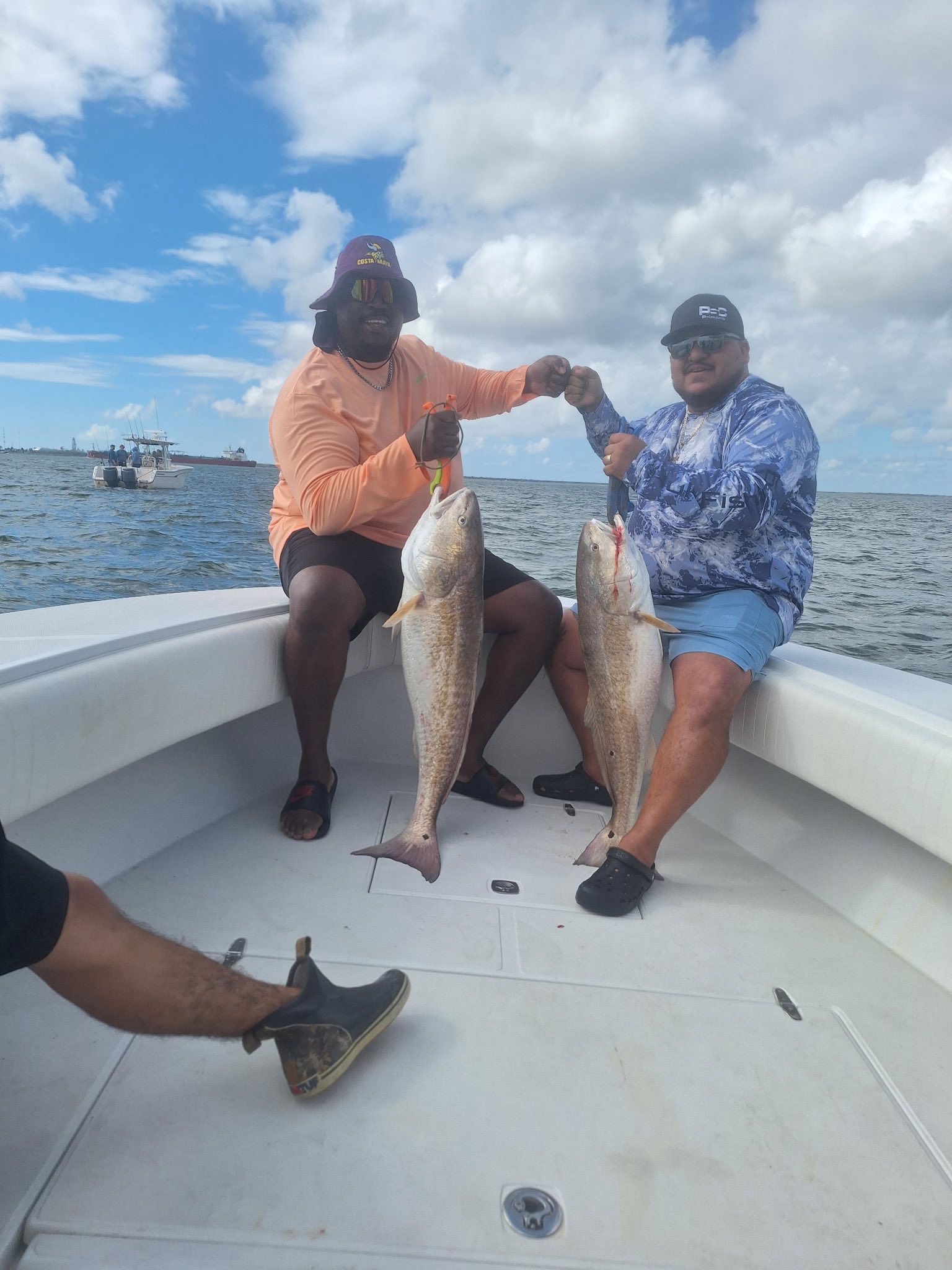
Black drum around the jetties have been absolutely on fire lately, with plenty of 3-5 pound fish and occasional bulls pushing 15-20 pounds. These fish love live and cut bait fished tight to the rocks, and they fight harder than most anglers expect. Summer flounder provide consistent action from spring through fall, holding in sandy pockets and channel edges where they ambush passing baitfish. Most run 14-18 inches with keeper fish mixed in regularly. Sheepshead fishing peaks during cooler months when these black and white stripers stack up around structure to feed on barnacles and crustaceans. Redfish remain the most popular target species, with schools of 20-28 inch fish cruising the flats and channels year-round. Pacific pompano round out the mix with their silver sides and excellent table fare, though they require finesse presentations with light tackle and small baits.
Species You'll Want to Hook
Black drum are the workhorses of Galveston's jetty fishing scene, available throughout the year with peak action during spring and fall migrations. These copper-colored fighters average 3-8 pounds, though trophy fish over 30 pounds show up regularly around the deeper rock piles. They feed primarily on crabs, shrimp, and mollusks, making them perfect targets for bottom fishing with live or fresh dead bait. What makes black drum special is their willingness to bite in tough conditions when other species shut down, plus they're fantastic eating when kept within slot limits.
Summer flounder are ambush predators that bury themselves in sand and mud bottoms, waiting for baitfish to swim within striking distance. Peak season runs May through October, with the largest fish typically caught during summer months. These flatfish average 12-20 inches with occasional doormat fish exceeding 5 pounds. Flounder require patience and technique - they often follow baits for long distances before committing to a strike. Their firm white meat makes them one of the most sought-after table fish in Texas waters.
Sheepshead earn their nickname as the "convict fish" thanks to distinct black vertical stripes across their silver bodies. These structure-loving fish concentrate around jetty rocks, pilings, and bridges where they use strong jaws to crush barnacles, oysters, and crabs. Best fishing occurs October through March when cooler water temperatures trigger feeding behavior. Sheepshead are notorious bait thieves with incredible finesse, making them a favorite challenge for experienced anglers. Their excellent eating quality and year-round availability make them a customer favorite.
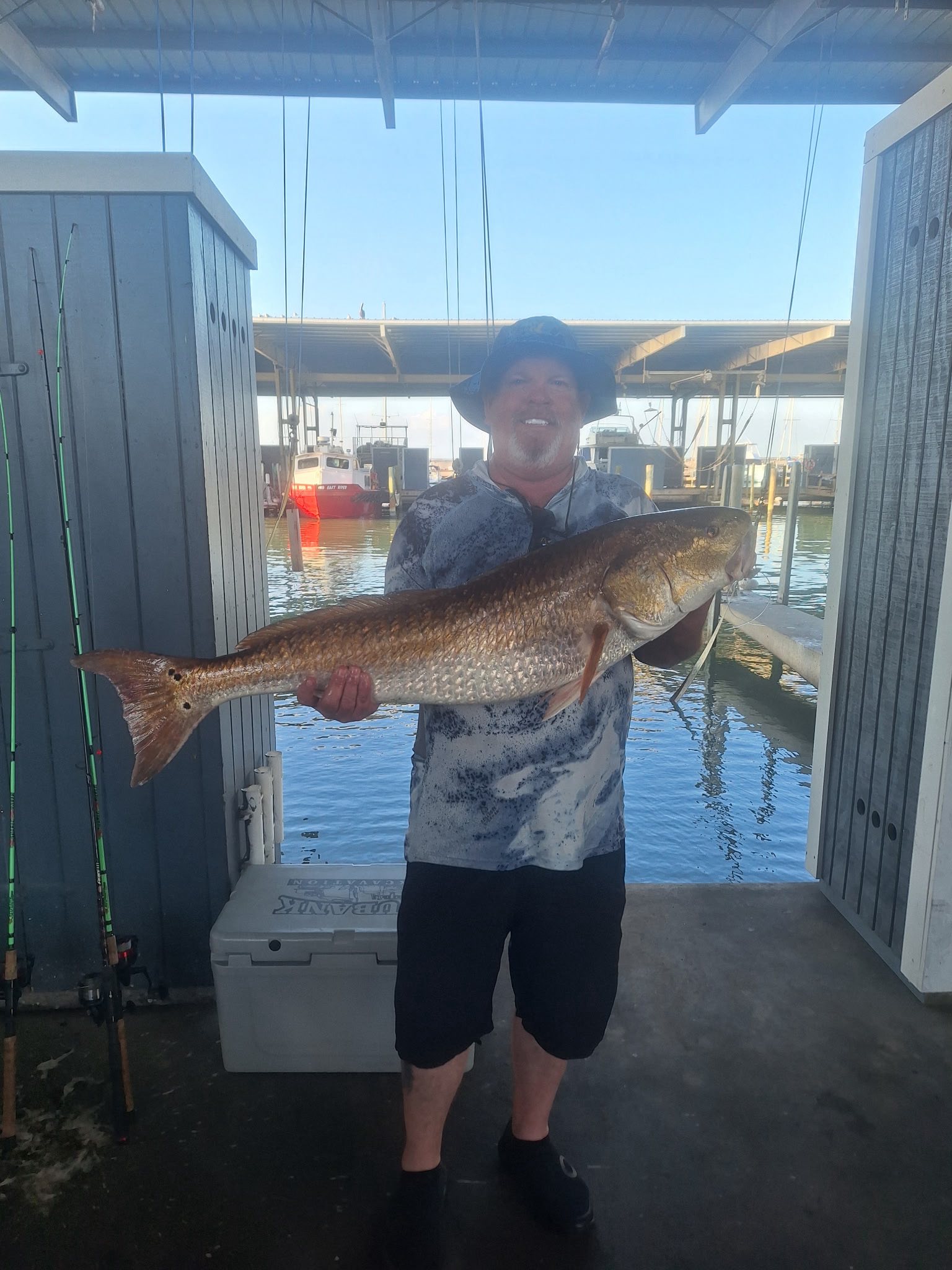
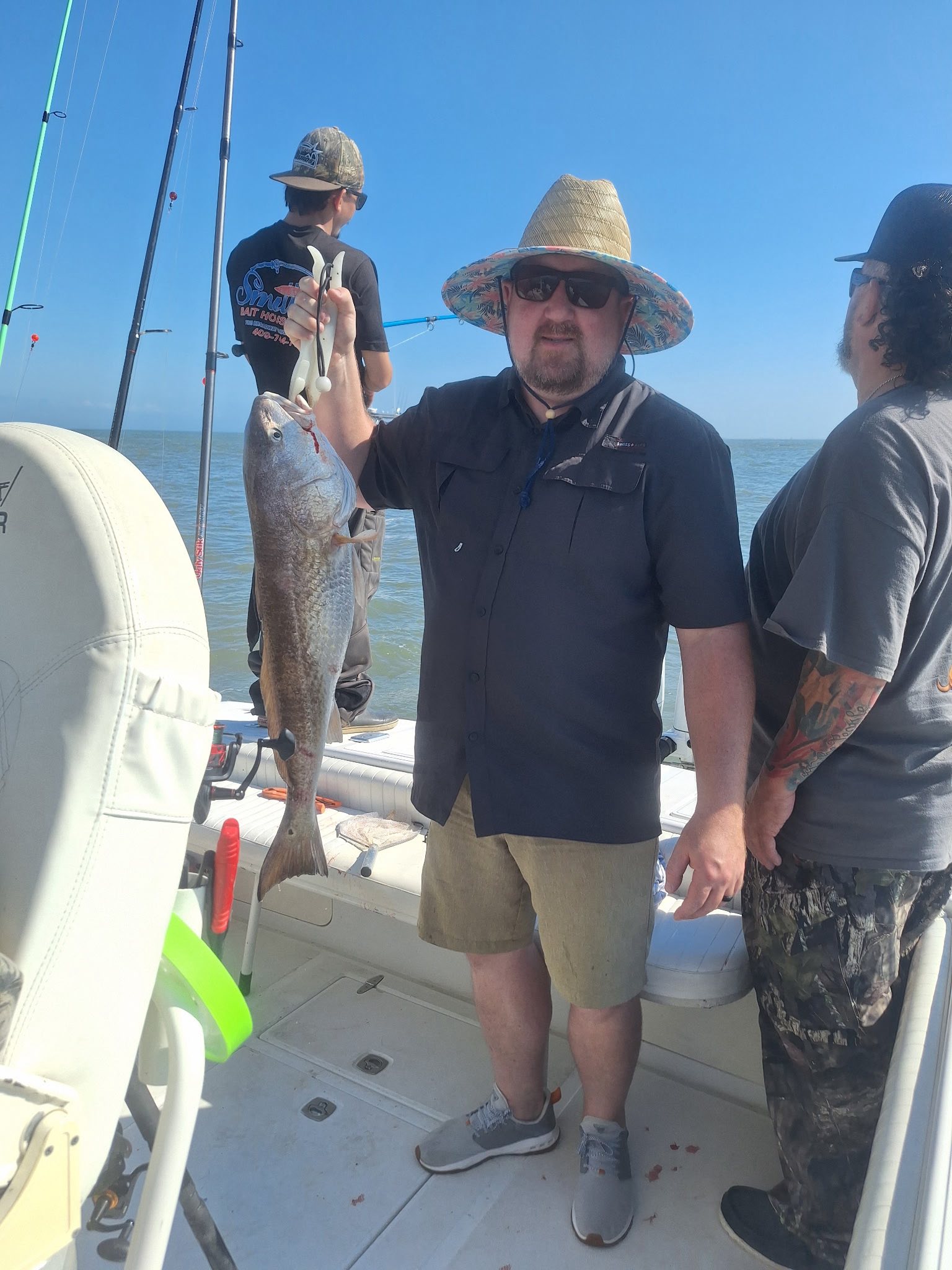
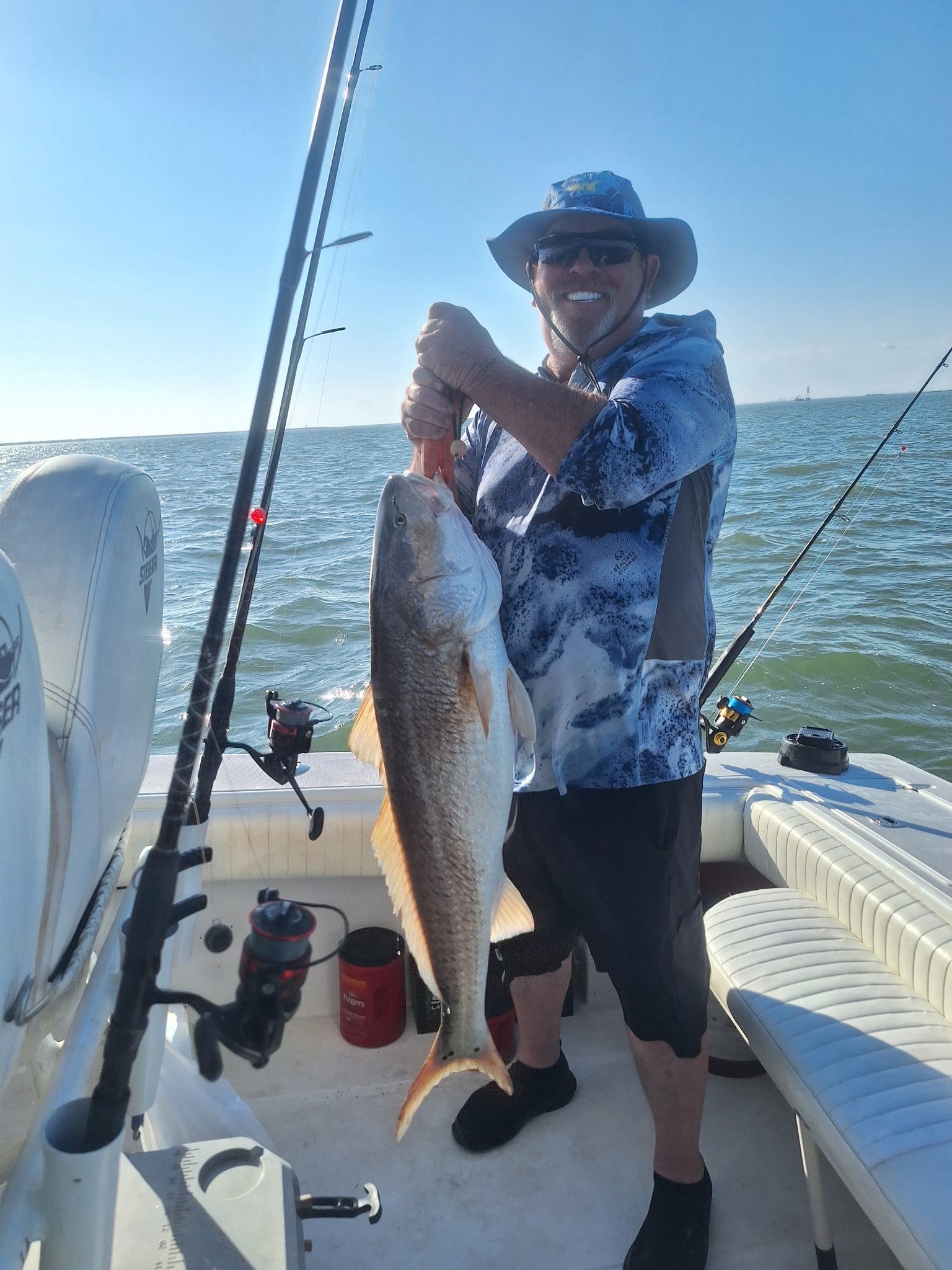
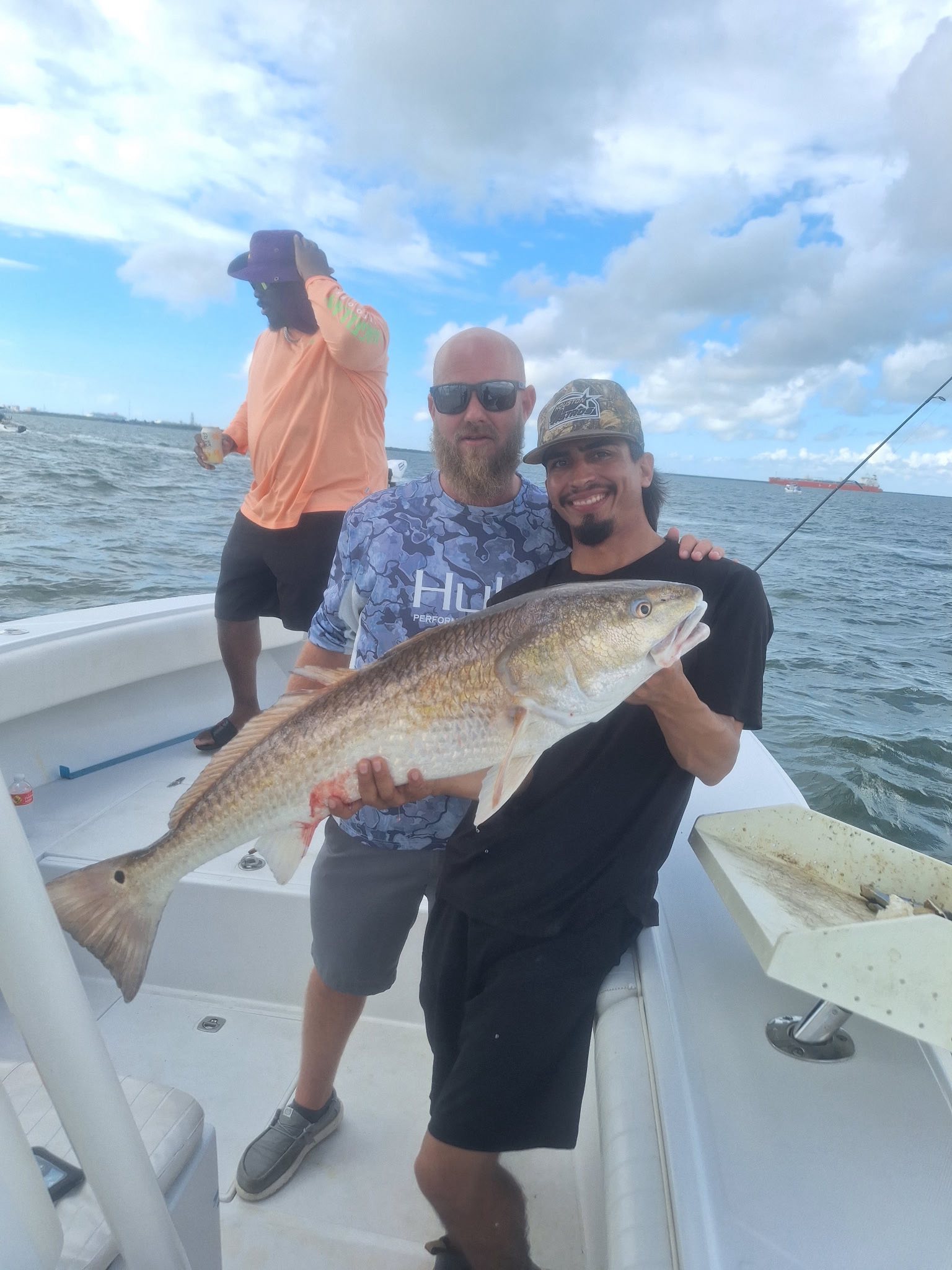
Redfish represent the crown jewel of Texas inshore fishing, with their bronze bodies, distinctive black spots, and powerful runs. These fish patrol grass flats, oyster reefs, and channel edges while feeding on crabs, shrimp, and small fish. Spring and fall provide peak action as large schools move through the area, though quality fish are caught year-round. Redfish between 20-28 inches are prime eating size, while oversized fish over 30 inches are typically released to protect the breeding population.
Pacific pompano bring speed and acrobatics to the mix, with their forked tails and silver sides making them easy to identify. These fish school up in channels and around structure, feeding aggressively on small crabs and shrimp. Most pompano run 1-3 pounds, but they fight
 Private Trip
 Inshore Fishing
 Galveston
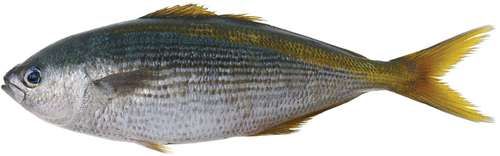


 Half-day jetty trip targets Trout, Flounder, and Redfish species.