Half Day Fishing in Galveston | 4 HR Private Trip
Looking for a solid morning on the water without burning your whole day? This 4-hour private charter out of Galveston Bay is exactly what you're after. We kick off at 6:00 AM when the fish are active and the water's still cool, giving you the best shot at filling your cooler before the afternoon heat sets in. You'll have the boat to yourself and one other angler, so no crowds, no rush, and plenty of room to work your lines. At $455 for two people, you're getting access to some of Texas' most productive inshore waters, plus all the gear you need to make it happen.
What to Expect on the Water
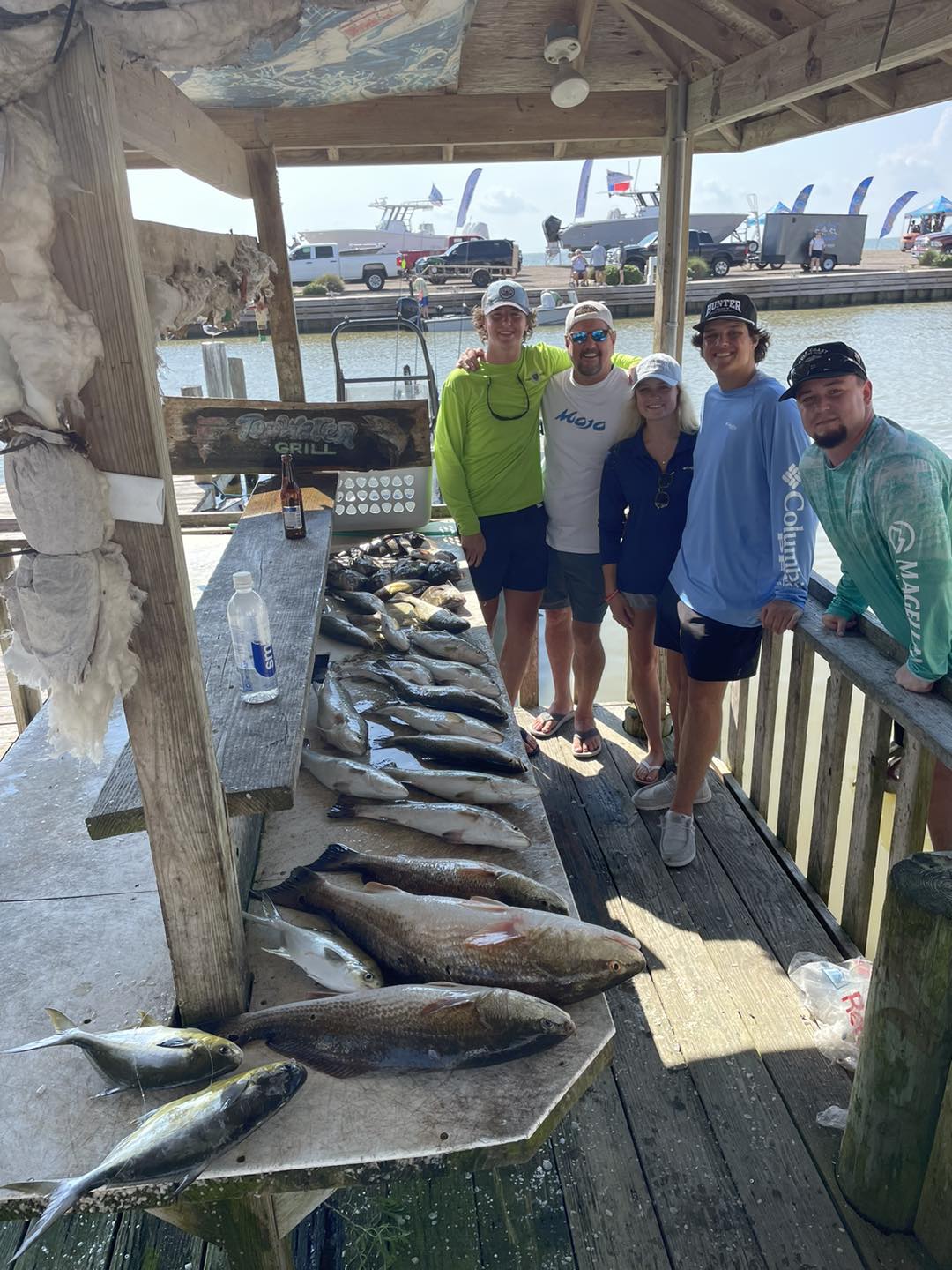
We'll be working both Galveston Bay's grass flats and structure, plus hitting the jetties depending on what's biting that day. The bay system here is massive – over 600 square miles of prime fishing habitat with endless pockets, channels, and drop-offs that hold fish year-round. Your captain knows these waters like the back of their hand and will adjust the game plan based on tides, weather, and recent fish activity. Some days we're sight-casting to tailing redfish in knee-deep water, other times we're bouncing bottom for black drum near the jetty rocks. The beauty of this trip is the flexibility – we go where the fish are, not where a rigid schedule says we should be. You'll cover a lot of water in four hours, and with only two anglers aboard, everyone gets plenty of action.
Techniques and Tackle
All your fishing gear is included, from rods and reels to tackle and bait. We typically run medium-action spinning setups that can handle everything from 14-inch trout to 30-pound drum. Depending on conditions, you might be throwing live shrimp under popping corks, dragging soft plastics along drop-offs, or working topwater plugs over grass beds at first light. The jetties call for different tactics – we'll often fish cut bait on the bottom for drum and sheepshead, or cast jigs around the granite rocks for snapper and mackerel. Your captain will show you the ropes if you're new to these techniques, or let you run your own program if you've got experience. The boat is equipped with a trolling motor for quiet approaches in shallow water, plus fish finders to locate structure and baitfish when we're working deeper areas.
Species You'll Want to Hook
Spanish Mackerel are some of the most fun fish you'll tangle with in Galveston Bay. These silver bullets show up in schools during warmer months, typically from late spring through early fall. They're aggressive feeders that'll slam small jigs, spoons, or live shrimp, and once hooked, they put on a show with their speed and acrobatics. Most mackerel here run 1-3 pounds, but they fight way above their weight class. What makes them special is the way they hunt – you'll often see birds diving on baitfish, and that's your cue to get a lure in there fast.
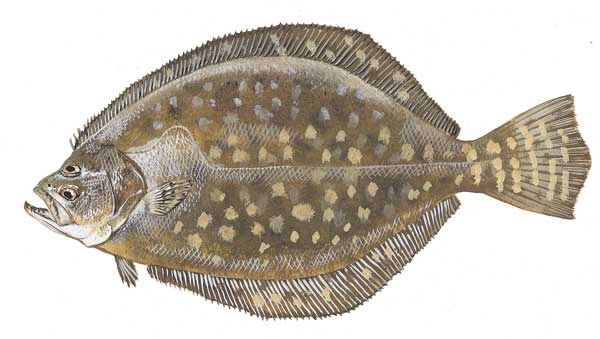
Southern Flounder are the masters of disguise in these waters. These flatfish bury themselves in sand and mud, waiting to ambush unsuspecting prey. They're most active during cooler months and around structure like jetty rocks, channel edges, and drop-offs. A good flounder might go 15-20 inches and provide some of the best eating you'll find in the Gulf. They're not flashy fighters, but there's something satisfying about feeling that subtle thump on your line and knowing you've fooled one of the bay's craftiest predators.
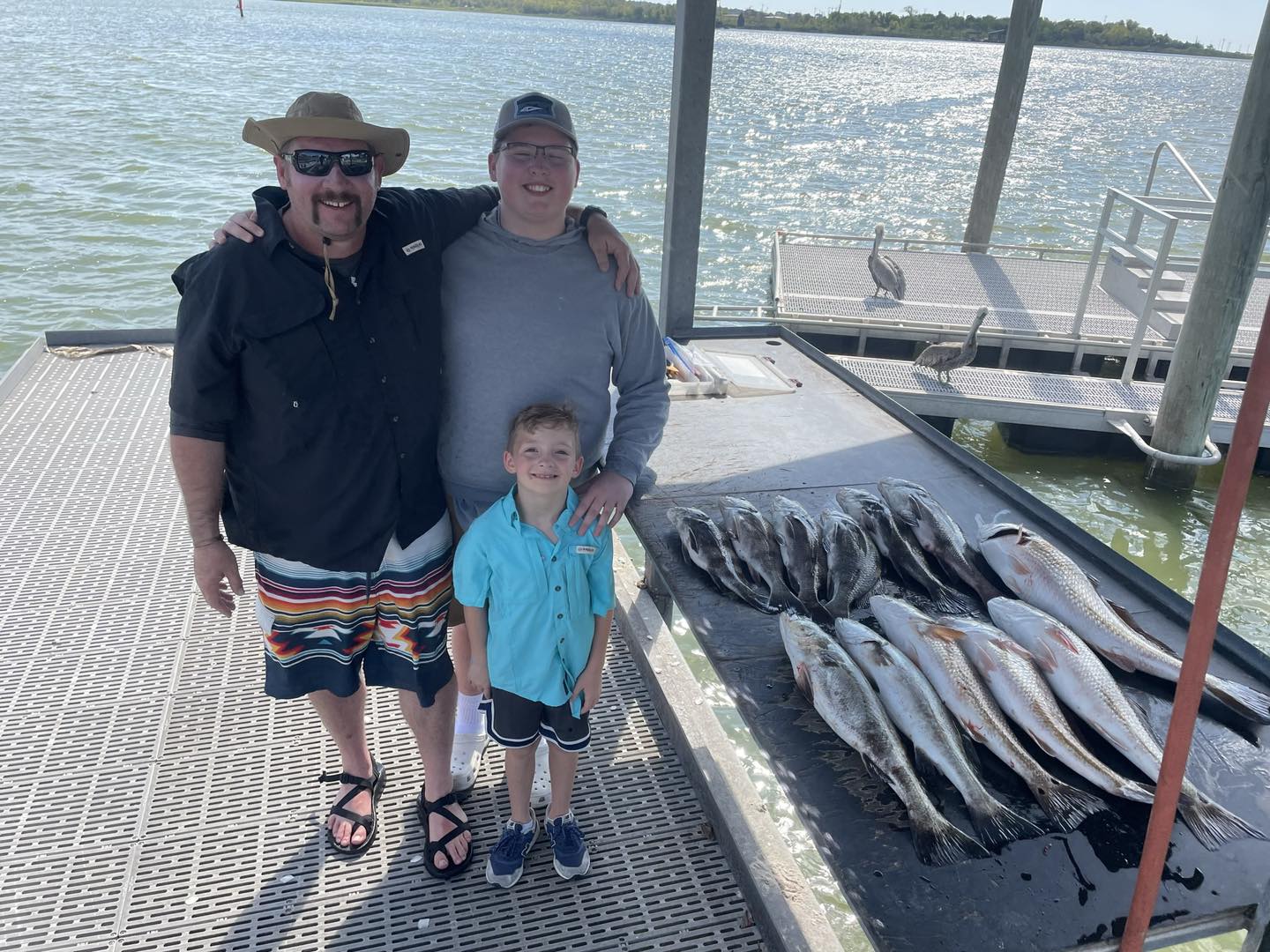
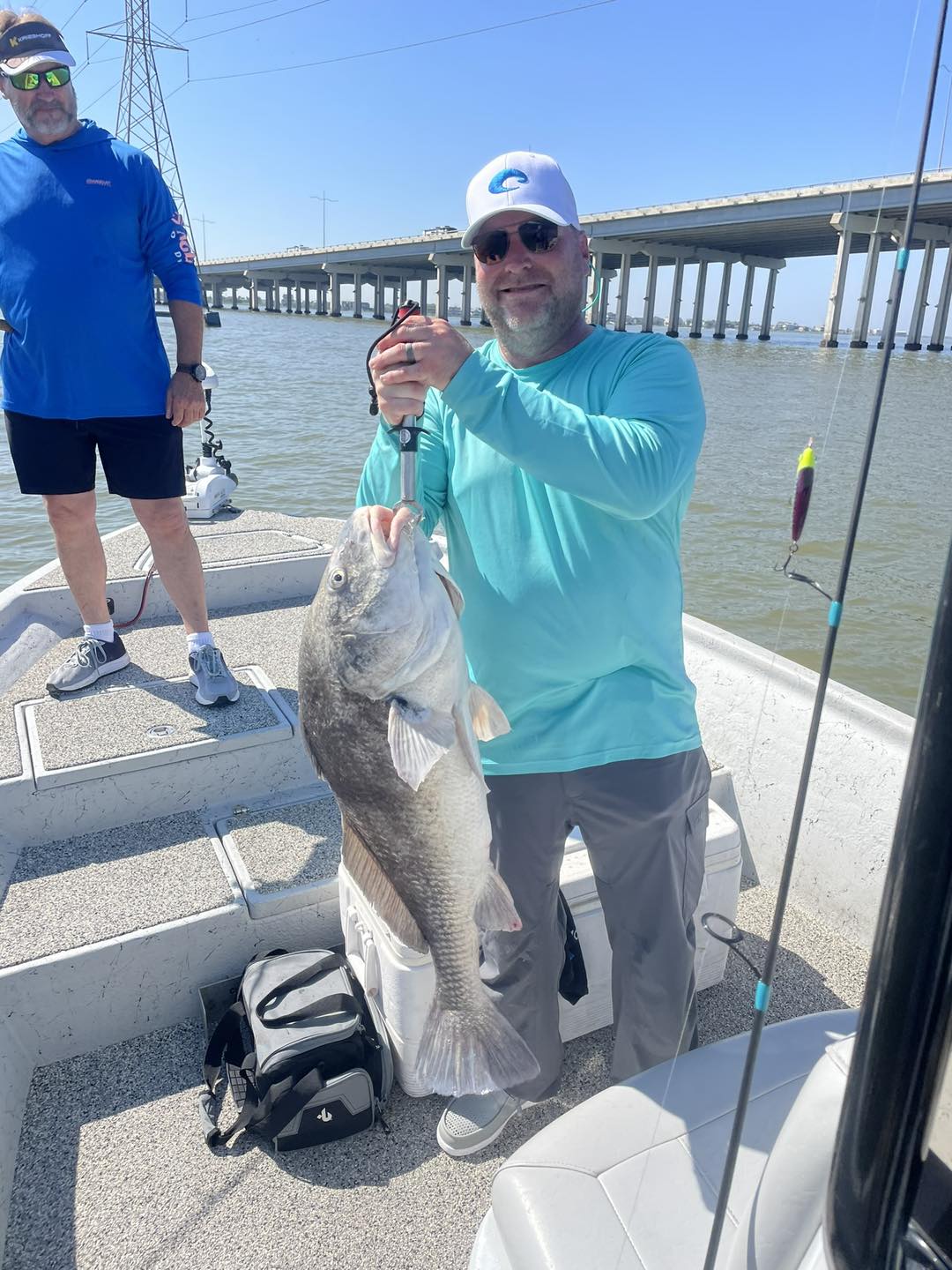
Black Drum are the heavyweights of the inshore scene here. These bronze-colored bruisers can range from keeper-sized 16-inchers up to massive 40+ pound bulls that'll test your tackle and your patience. They're bottom feeders with a taste for crabs and shrimp, so we typically fish them with cut bait near oyster reefs and around the jetties. The big drums are catch-and-release, but they're bucket-list fish that'll give you a workout you won't forget.
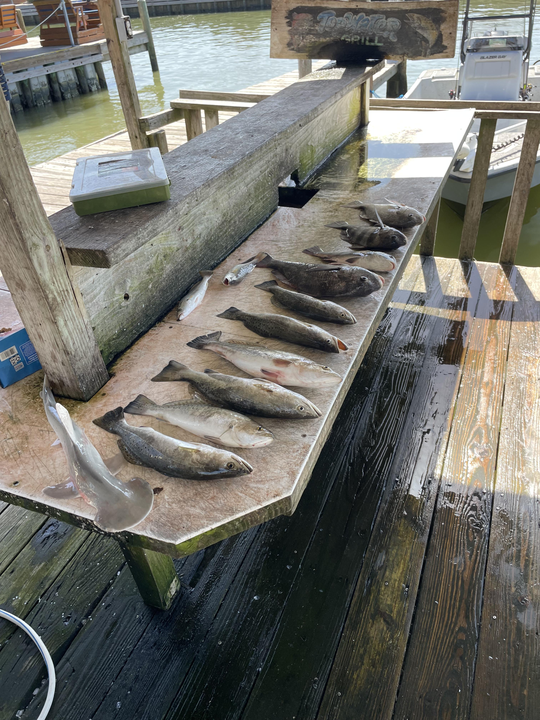
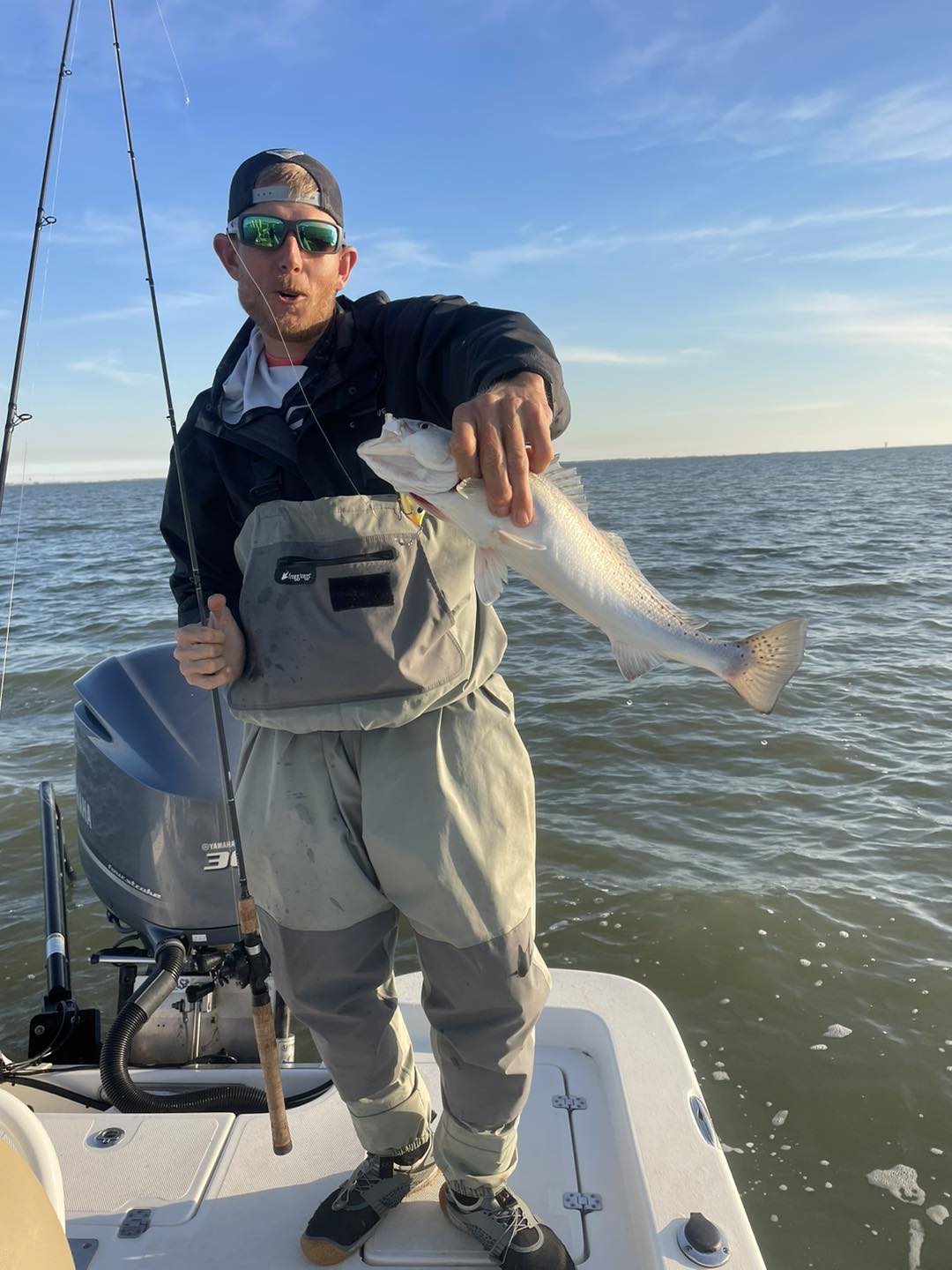
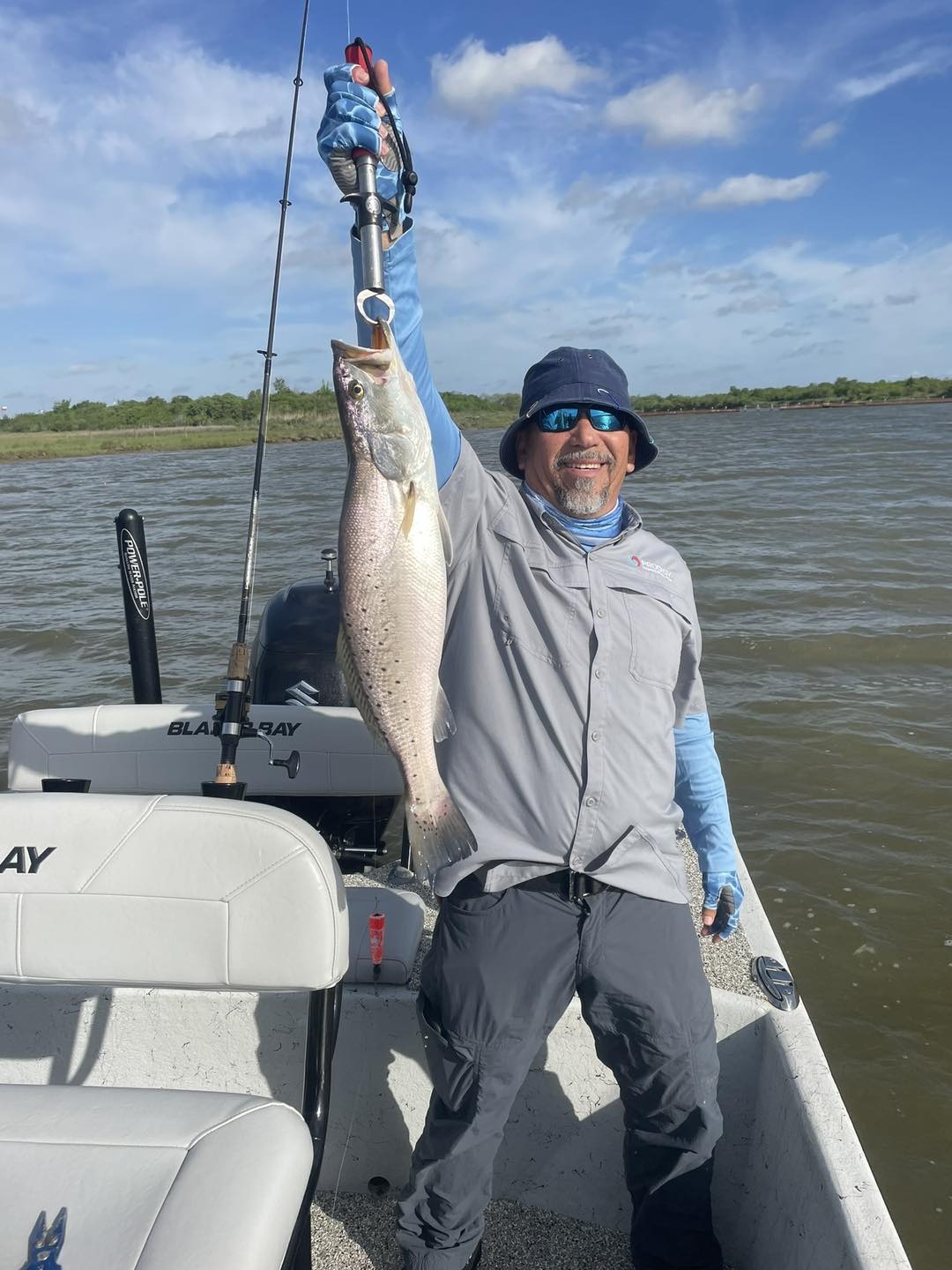
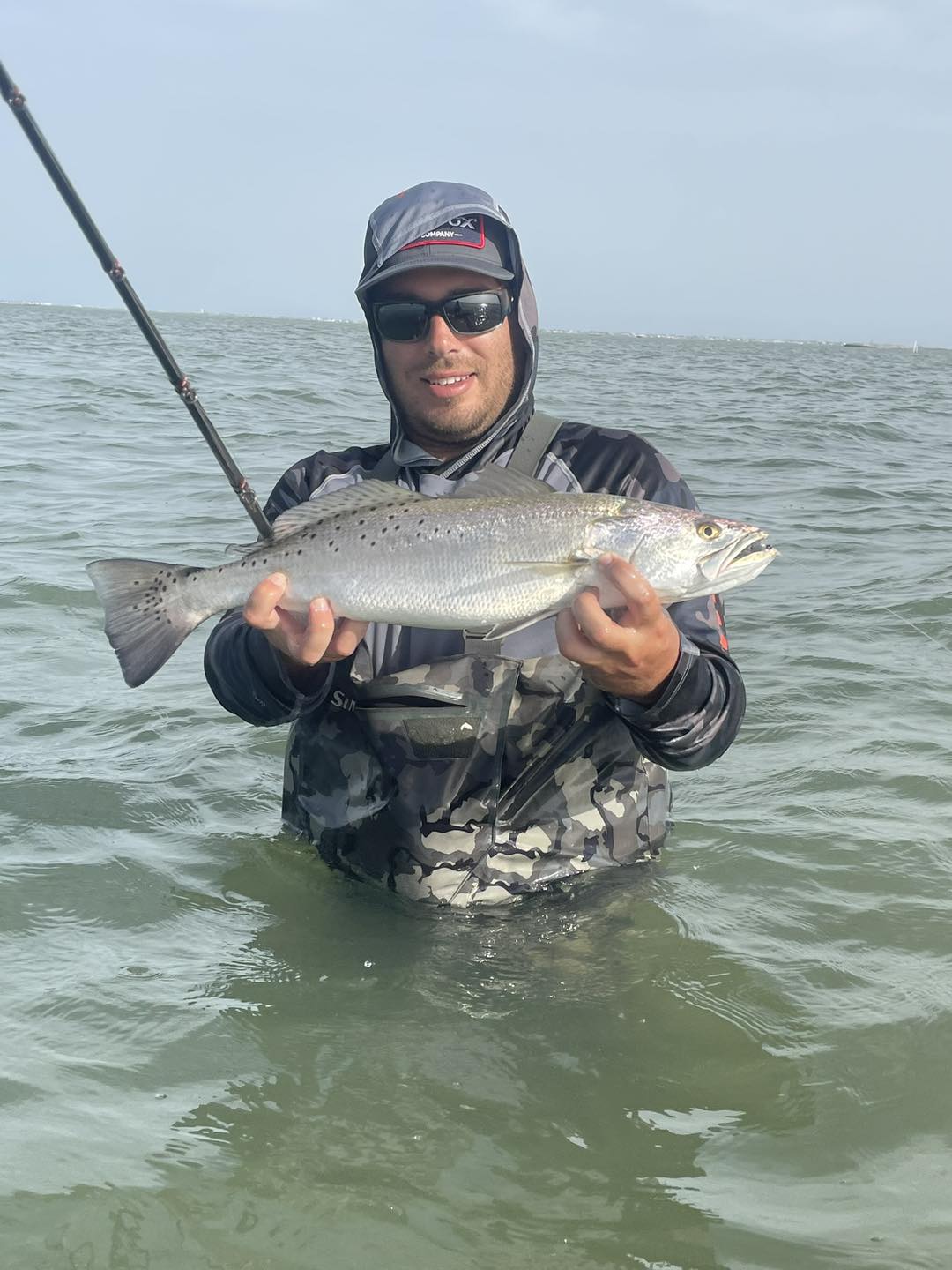
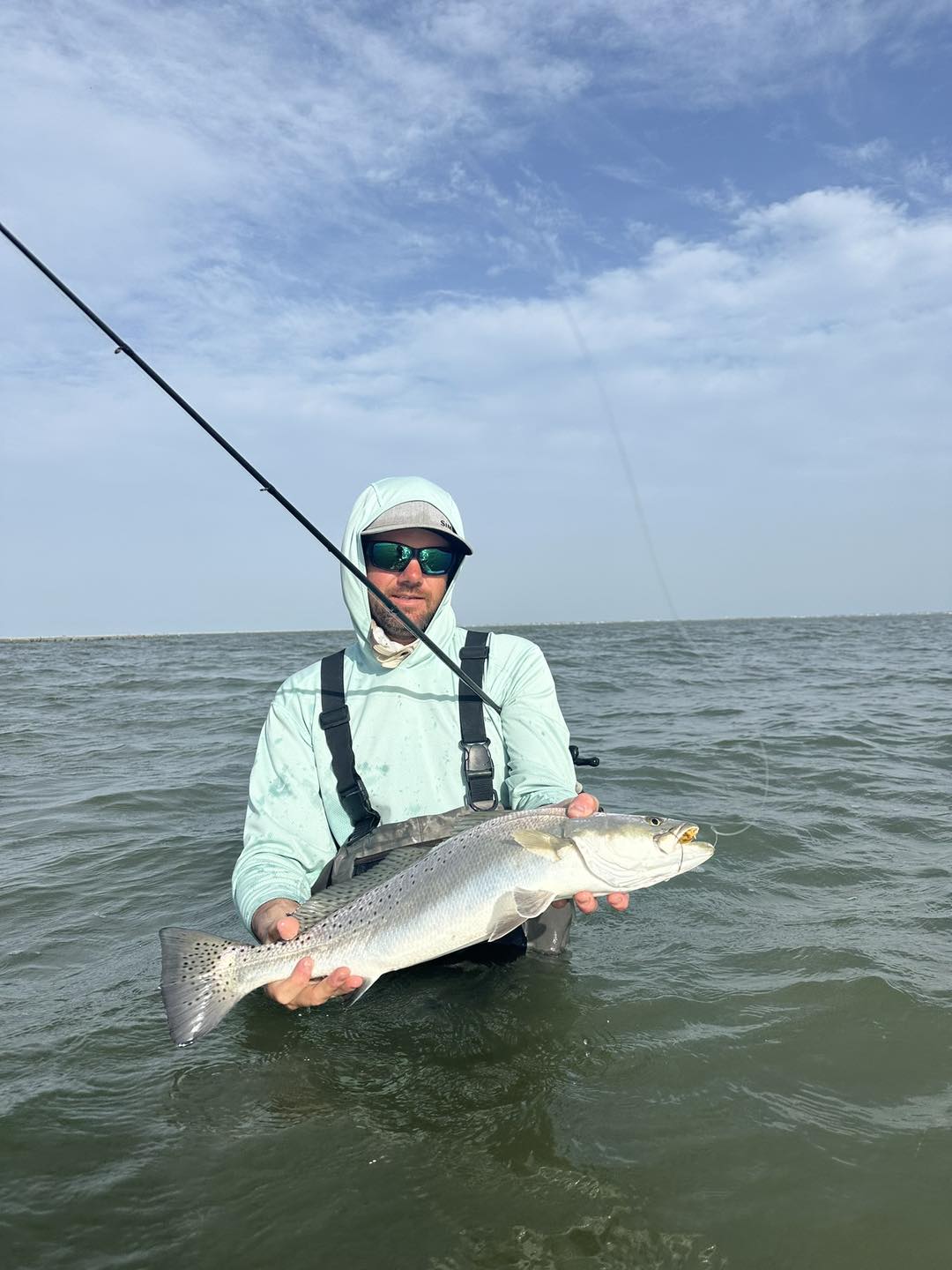
Sea Trout, or speckled trout as the locals call them, are the bread and butter of Galveston Bay fishing. These spotted beauties are active year-round and can be found over grass beds, around structure, and in deeper channels. They're excellent table fare and willing biters, making them perfect for anglers of all skill levels. During cooler months, look for them in deeper water, while summer finds them cruising the shallows at dawn and dusk.
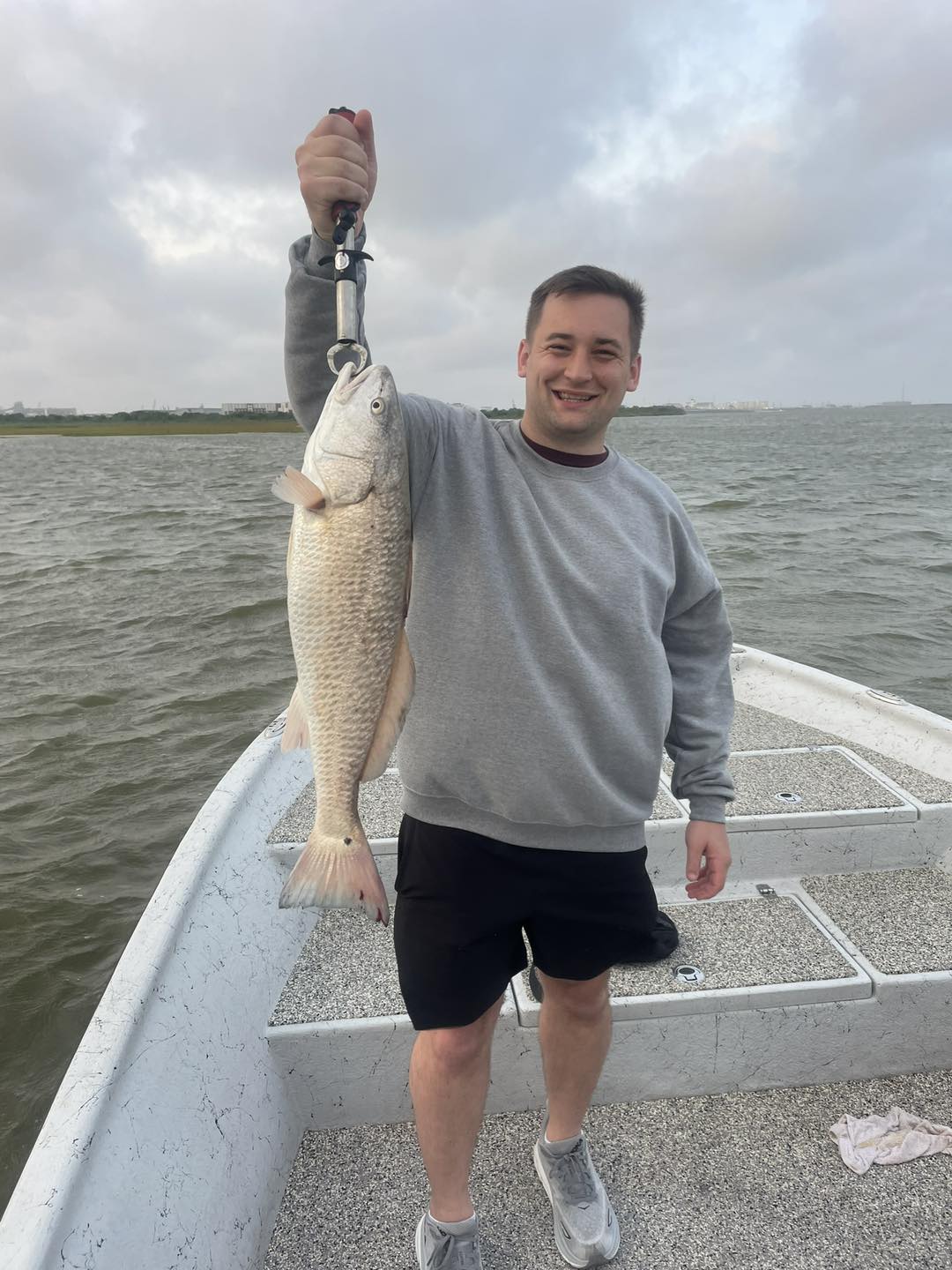
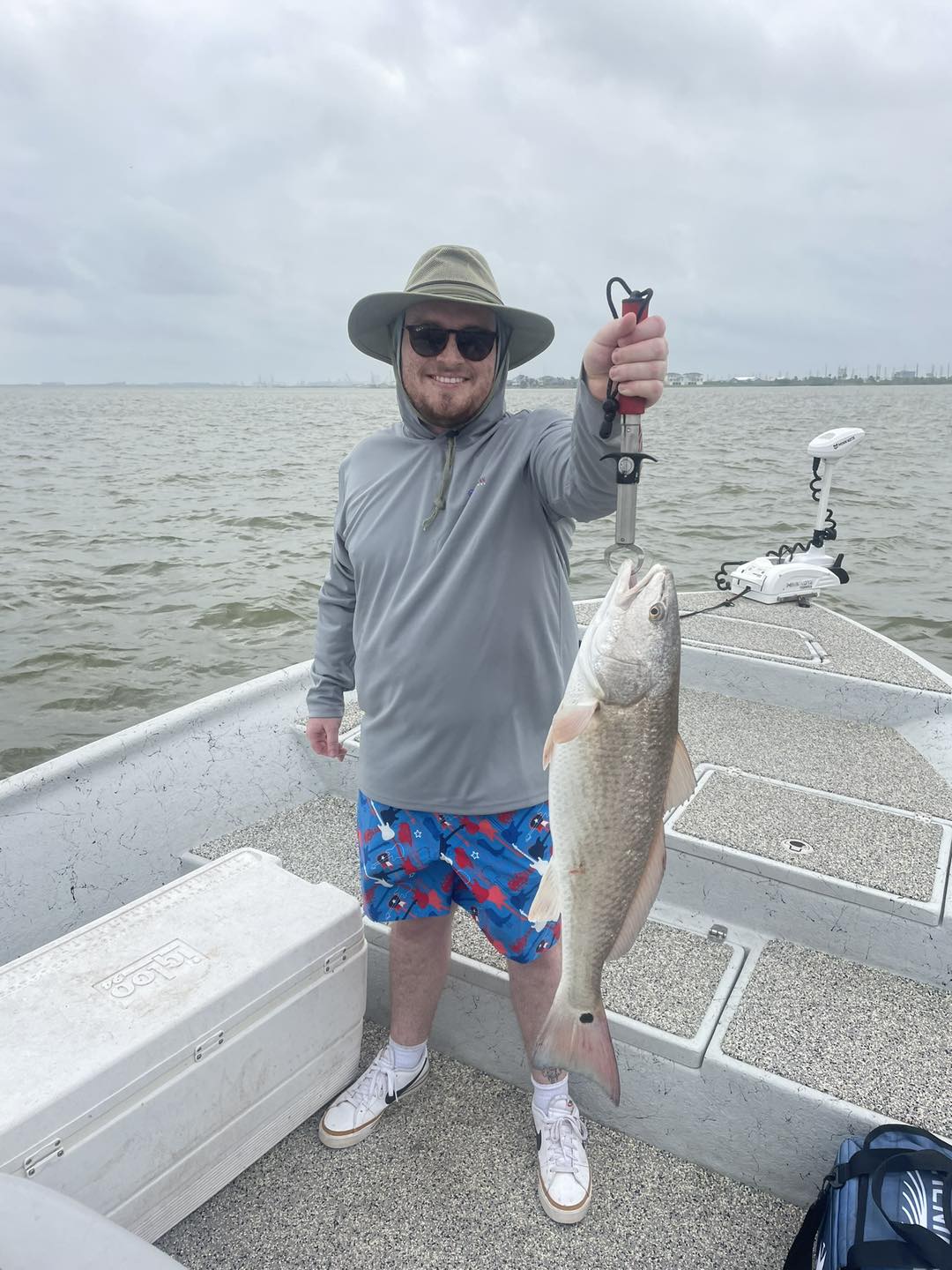
Redfish are probably the most sought-after species in Texas waters, and for good reason. These copper-colored fighters are aggressive, hard-pulling, and absolutely gorgeous with their distinctive black spots. In Galveston Bay, you might catch them anywhere from shallow grass flats to deeper channels near the ship channel. They're year-round residents that can range from slot-sized 20-inchers to oversized bulls pushing 35+ pounds. Reds are famous for their powerful runs and stubborn fights – they'll use every bit of structure and current to try to break you off.
Time to Book Your Spot
This trip fills up fast, especially during prime fishing months when the bite is hot. The 6:00 AM start time means you'll beat both the boat traffic and the afternoon wind that can make fishing tougher later in the day. With free cancellation up to 30 days out, there's no risk in locking in your date early. Whether you're a local angler looking to learn new water or a visitor wanting to experience what Galveston Bay fishing is all about, this half-day charter delivers maximum fishing in minimum time. Check availability now and get ready to see why Galveston Bay is considered one of the top inshore fishing destinations on the entire Gulf Coast.
 Private Trip
 Inshore Fishing
 Galveston



 Four-hour private charter targets nine different fish species