Fort Walton Beach Offshore Charter Adventure
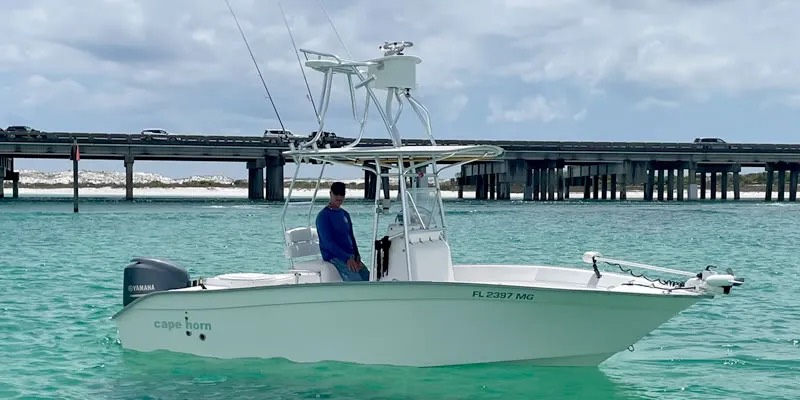
Picture this: you're heading out at sunrise aboard the Game Changer, coffee in hand, watching the Fort Walton Beach coastline shrink behind you as we make our way to the Gulf's most productive fishing grounds. This isn't your typical half-day trip where you're just getting warmed up when it's time to head back. We're talking a full 8 hours of serious fishing time, hitting multiple spots and giving every angler on board – whether you're a weekend warrior or seasoned pro – the chance to tangle with some of the Gulf's most sought-after species. With only 5 spots available, this private charter means personalized attention from our crew and plenty of room to work the fish without bumping elbows.
What to Expect on the Water
Once we clear the pass, we'll cruise out to the offshore structure and drop zones where the big fish hang out. The Gulf of Mexico off Fort Walton Beach is legendary for good reason – we've got underwater ledges, artificial reefs, and natural bottom changes that hold everything from schooling mahi to monster amberjack. Our captain knows these waters like the back of his hand, reading conditions and adjusting our game plan based on what's biting. Some days we'll start deep for snapper and work our way up the water column, other times we might run straight to the weed lines where the mahi are crashing bait. The beauty of an 8-hour trip is we've got time to adapt and chase the bite wherever it takes us. You'll spend your day learning techniques, swapping stories with fellow anglers, and hopefully filling the cooler with some seriously good eating fish.
Tactics and Gear Breakdown
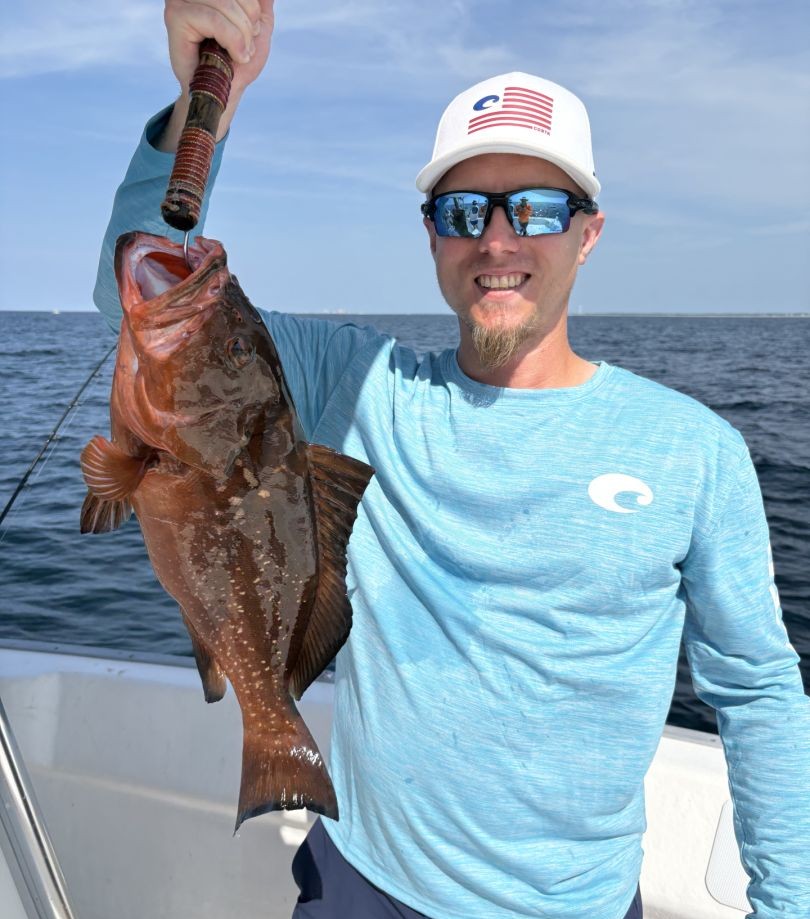
We fish smart out here, not just hard. Depending on what we're targeting, we'll deploy a mix of techniques that work best for Fort Walton's offshore scene. For bottom fishing, we're talking heavy conventional reels spooled with braided line – you'll need that muscle when a big amberjack decides to head for the rocks. We'll use circle hooks and fresh bait, usually squid or cigar minnows, dropped down to 80-200 feet where the snapper and grouper live. When we're hunting pelagics like mahi and cobia, we switch it up with lighter spinning gear, working the surface with live bait or casting jigs to structure. For tarpon, it's all about timing and presentation – we'll use heavy leaders and hooks that can handle a 100-pound silver king doing cartwheels next to the boat. All rods, reels, tackle, and bait are included, plus our crew will be right there coaching you through hooksets, fighting techniques, and landing procedures. No need to worry about bringing anything except your fishing license and an appetite for adventure.
Target Species Breakdown
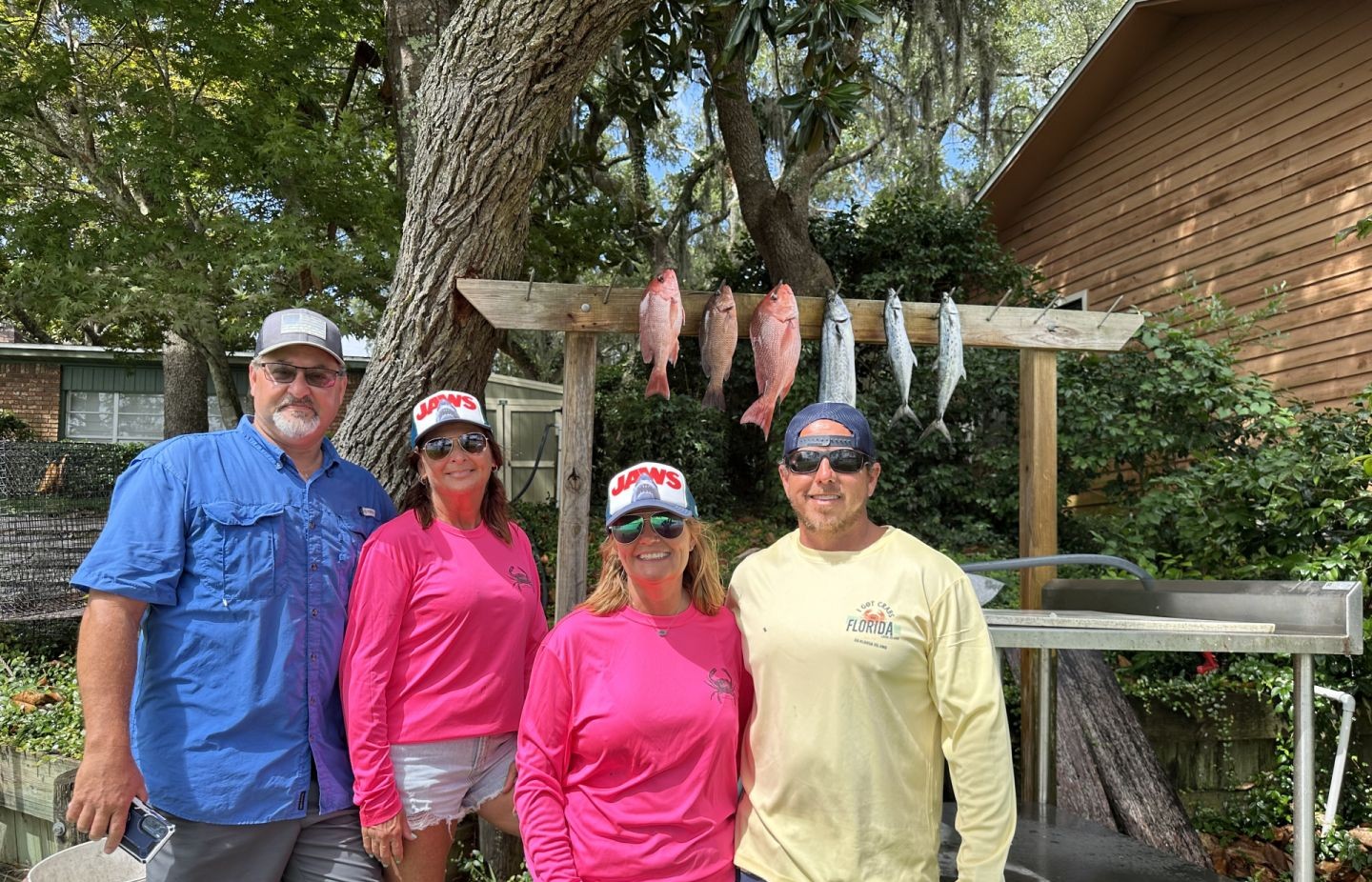
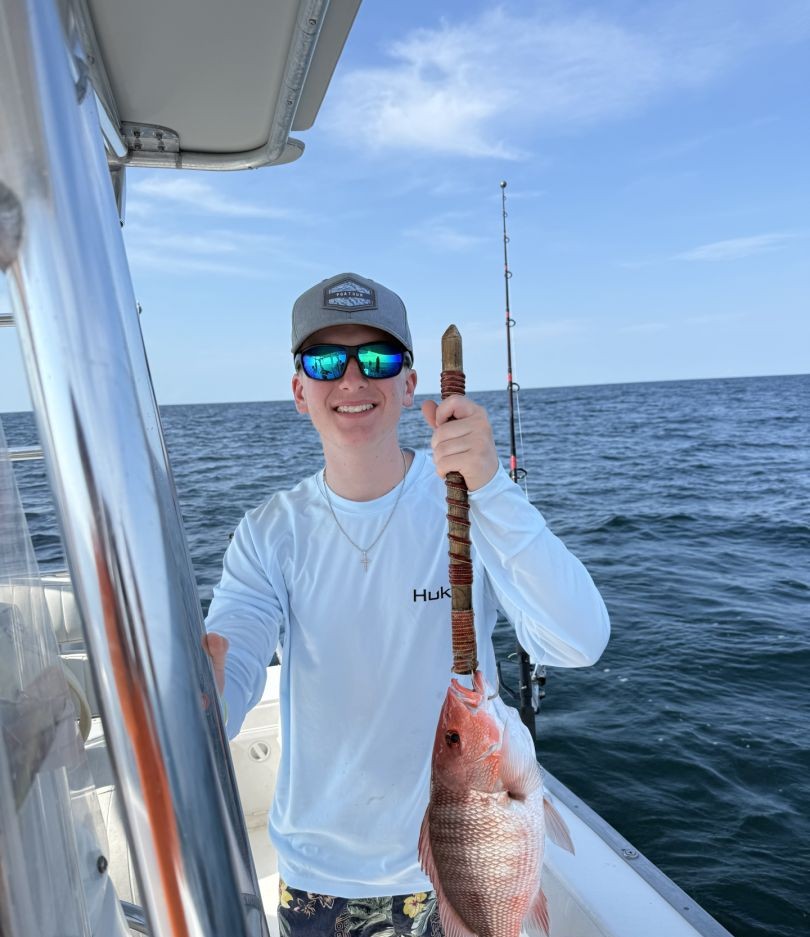
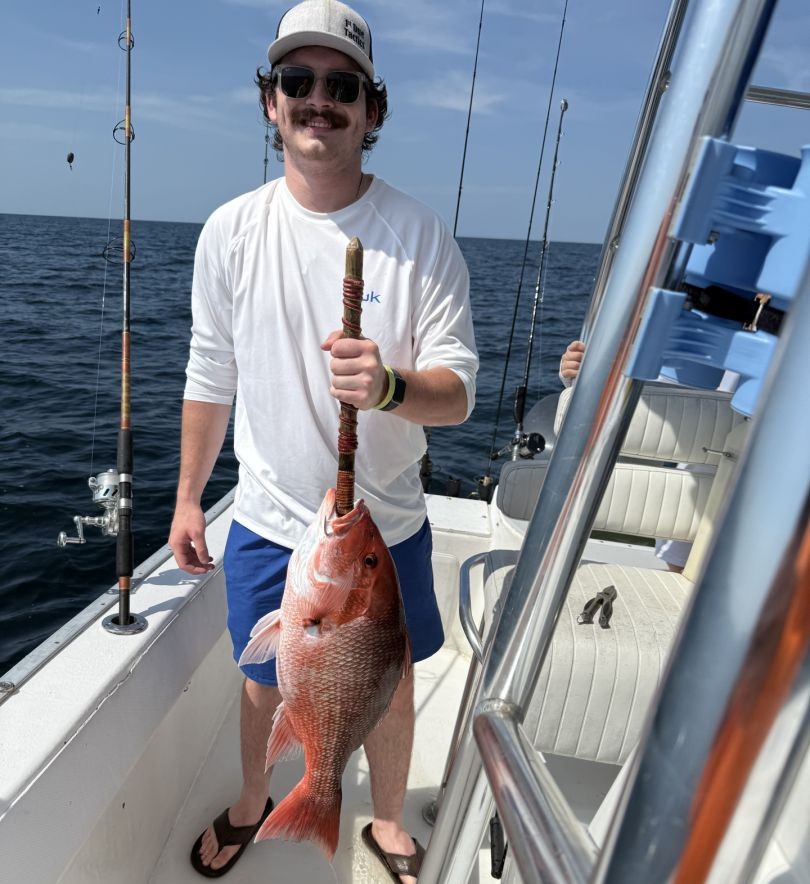
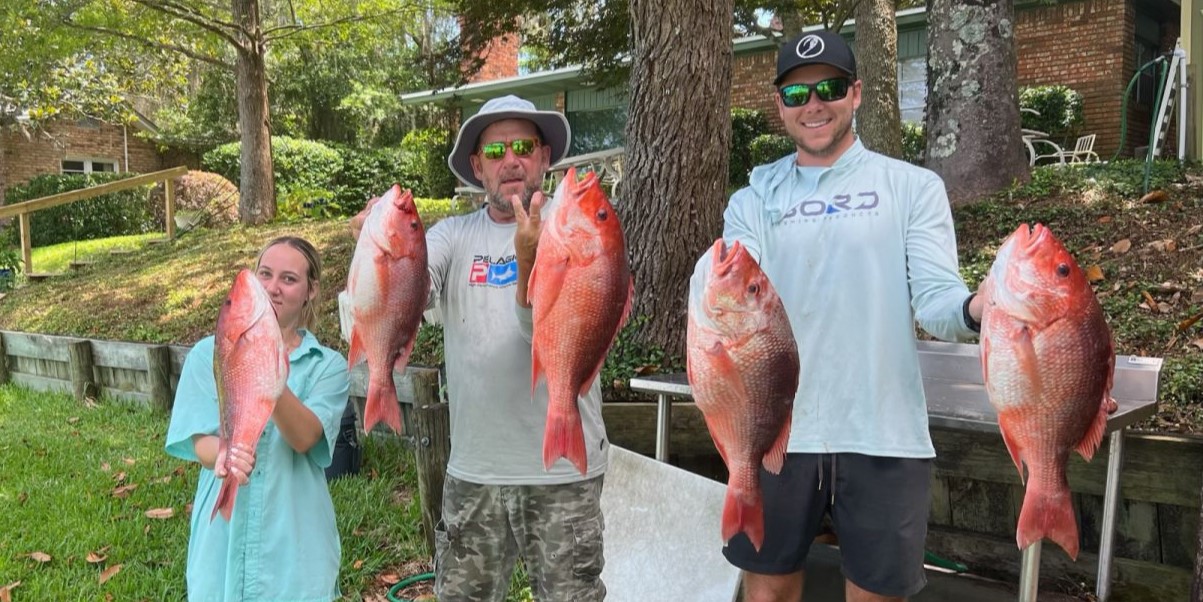
Red Snapper are the crown jewel of Gulf fishing, and Fort Walton Beach sits right in prime snapper country. These crimson beauties typically run 15-25 pounds in our waters, though we regularly see fish pushing 30-plus. They're structure-oriented fish that live around rocky bottom, artificial reefs, and ledges in 60-150 feet of water. Snapper season varies by regulations, but when they're open, there's nothing quite like watching that rod tip bounce as a big red inhales your bait. They fight hard on the way up, and the meat is absolutely world-class – firm, white, and perfect for the grill.
Tarpon fishing in the Gulf is something every angler should experience at least once. These silver kings can reach 6 feet and 200 pounds, turning every hookup into a spectacular aerial show. They're most active during warmer months, often rolling on the surface in massive schools. When you hook a tarpon, get ready for multiple jumps, screaming runs, and a fight that'll test your tackle and your patience. Most anglers practice catch-and-release with tarpon since they're not great table fare, but the photos and memories last a lifetime. The Gulf off Fort Walton sees good tarpon action from late spring through early fall.
Mahi Mahi, or dorado as some folks call them, are the definition of a fun fish. These colorful speedsters typically run 10-30 pounds in our waters and they're absolute acrobats when hooked. Mahi are pelagic fish, meaning they roam the open ocean following floating debris, weed lines, and temperature breaks. They're most common during summer months, though we see them spring through fall. What makes mahi special is they often travel in schools – find one and there's usually more around. They're also outstanding table fare with sweet, flaky white meat that's perfect for fish tacos or grilling with some lime and seasoning.
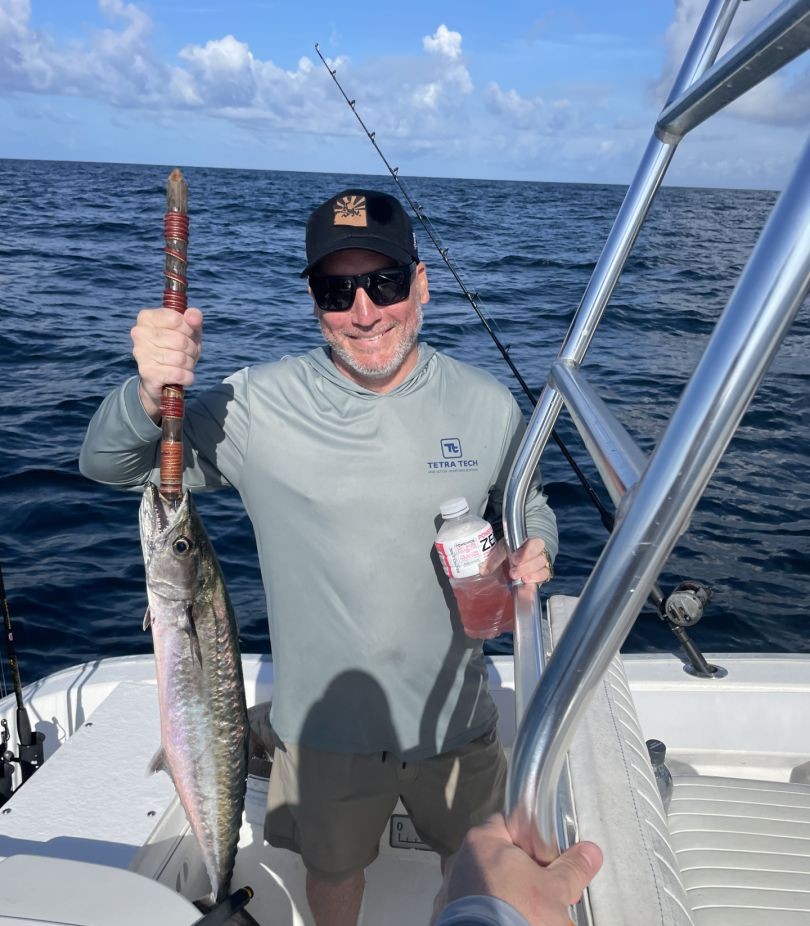
Cobia are the gentle giants of the Gulf, reaching 40-50 pounds and providing one of the strongest fights pound-for-pound. These brown sharks (as some folks mistakenly call them) are curious fish that will often approach the boat, giving anglers a chance at sight-fishing opportunities. They're most active during spring and early summer, often following rays and sharks looking for an easy meal. Cobia have a unique appearance with their shark-like profile and brownish coloration, but don't let their looks fool you – the meat is fantastic, with a firm texture that's excellent grilled or blackened.
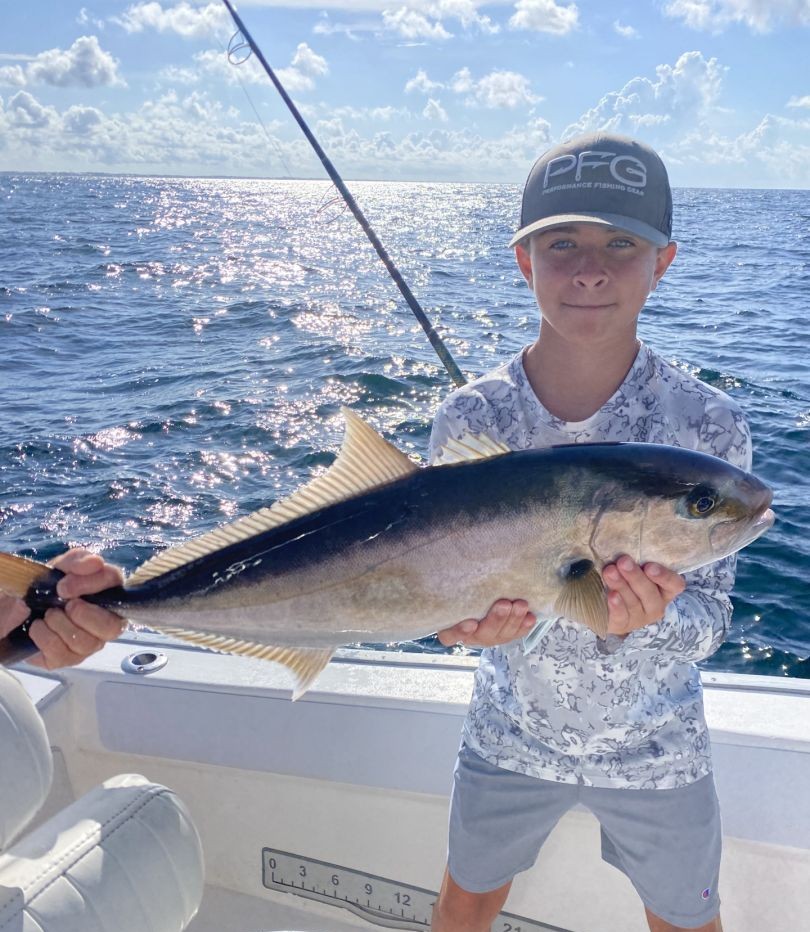
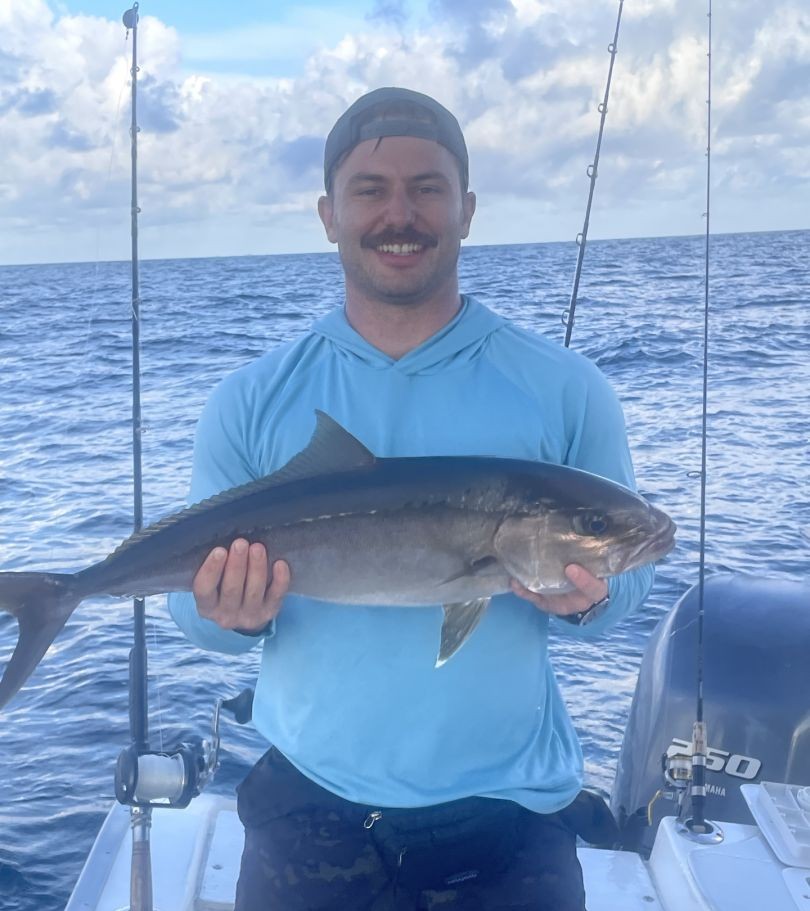
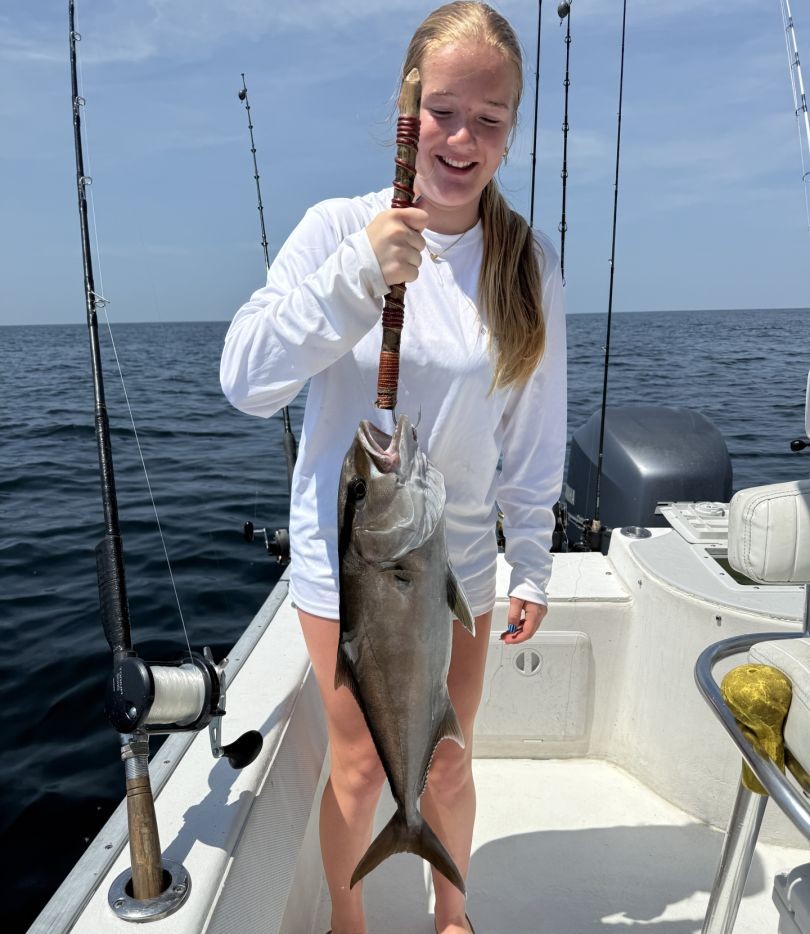
Yellowtail Amberjack, or AJ as we call them, are the bulldozers of the deep. These powerful fish can exceed 50 pounds and they fight like they're twice that size. They live around structure in deeper water, typically 100+ feet, and when you hook one, they immediately head for the bottom trying to break you off in the rocks. Amberjack are available year-round in our waters, though they're most active during cooler months. The key to successfully landing a big AJ is keeping steady pressure and not letting them get their head down. The meat is good eating when properly prepared, though many anglers prefer to target smaller
 Private Trip
 Offshore Fishing
 Destin


 Full day offshore fishing charter targeting premium Gulf species