Beginner-Friendly Offshore Fishing in Oregon Inlet
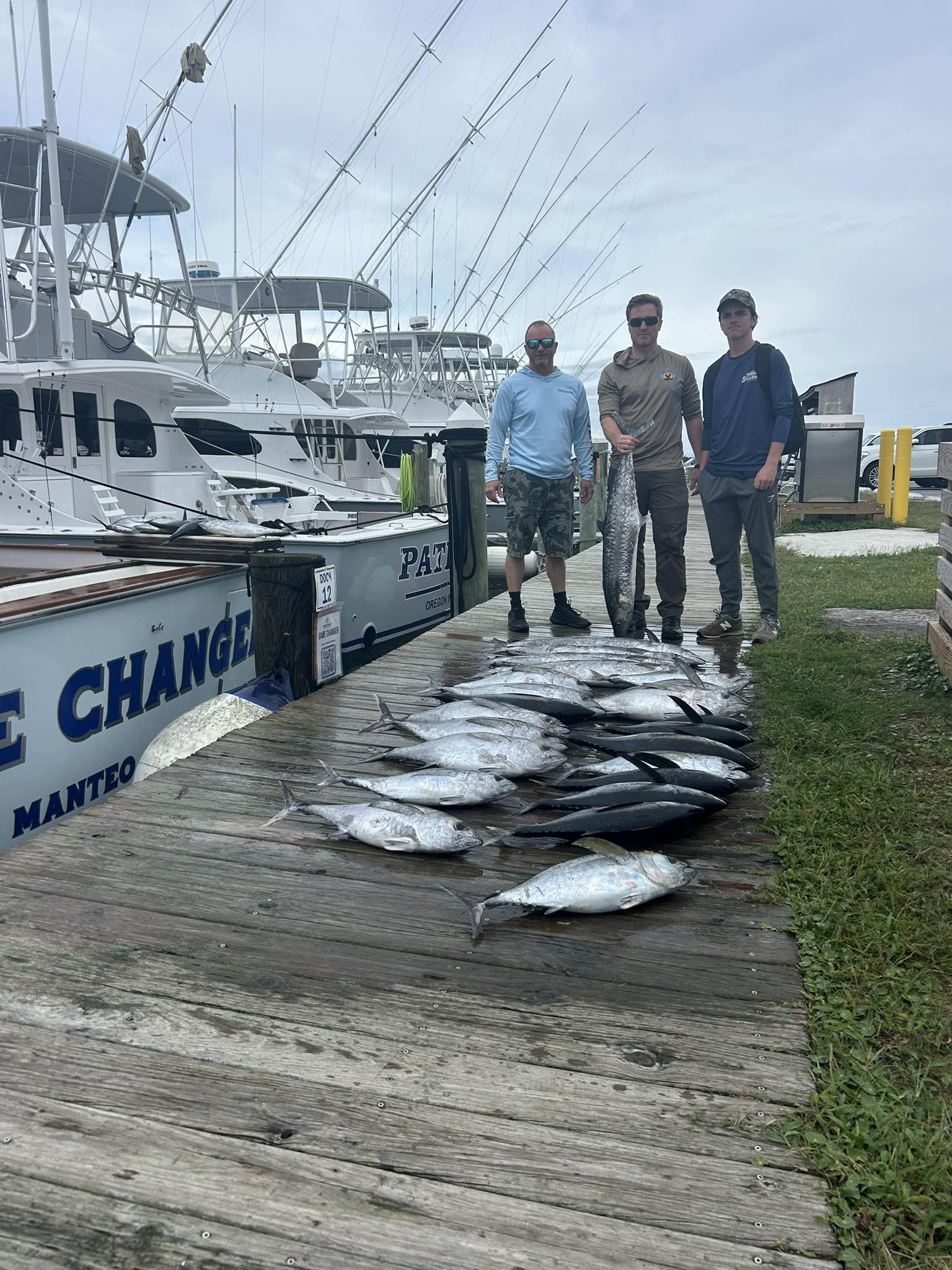
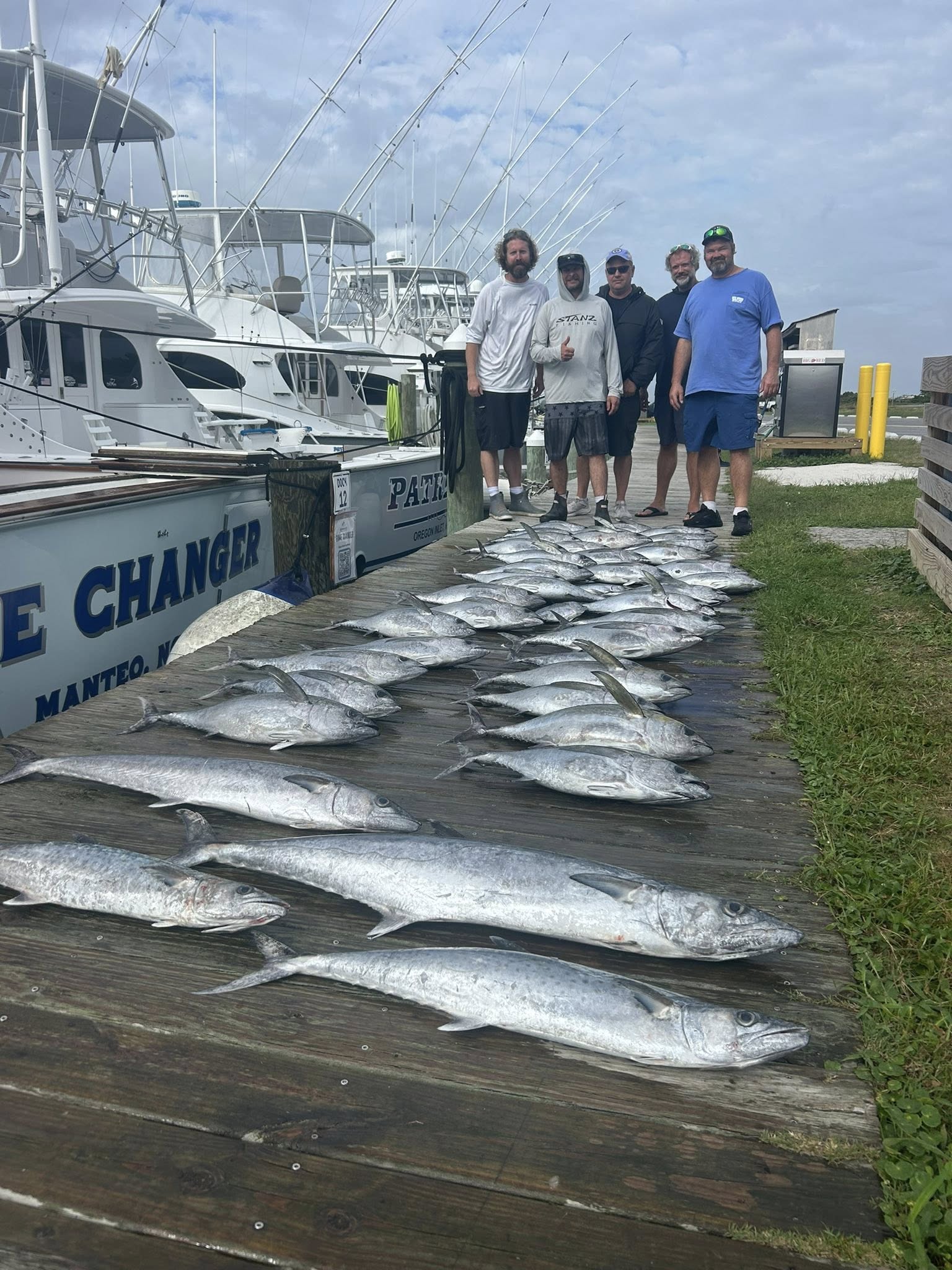
Ready to try your hand at offshore fishing but not sure where to start? Captain Gregg's 11-hour adventure from Oregon Inlet is exactly what you're looking for. This isn't some sink-or-swim situation where you're left figuring things out on your own. The crew takes pride in showing newcomers the ropes while chasing some of the Atlantic's most sought-after game fish. You'll head out around 5 AM and spend the day about 35 miles offshore, where the real action happens. Pack some snacks and drinks, leave the tackle worries behind, and get ready for a proper introduction to what offshore fishing is all about.
What to Expect on the Water
This trip runs a solid 11 hours, giving you plenty of time to get comfortable with the gear and techniques without feeling rushed. Captain Gregg and his crew know how to work with first-timers - they'll walk you through everything from setting the drag to proper fighting techniques. The boat heads out from Oregon Inlet, one of the top launching points along the Outer Banks, and makes the run to productive offshore waters where Mahi, Wahoo, Tuna, and Sailfish patrol the blue water. You're looking at about 35 miles offshore, putting you right in the zone where the continental shelf drops off and the big fish hunt. The crew keeps things relaxed but focused, making sure everyone gets hands-on time with the rods while learning what makes offshore fishing so addictive.
Trolling Tactics & Gear Setup
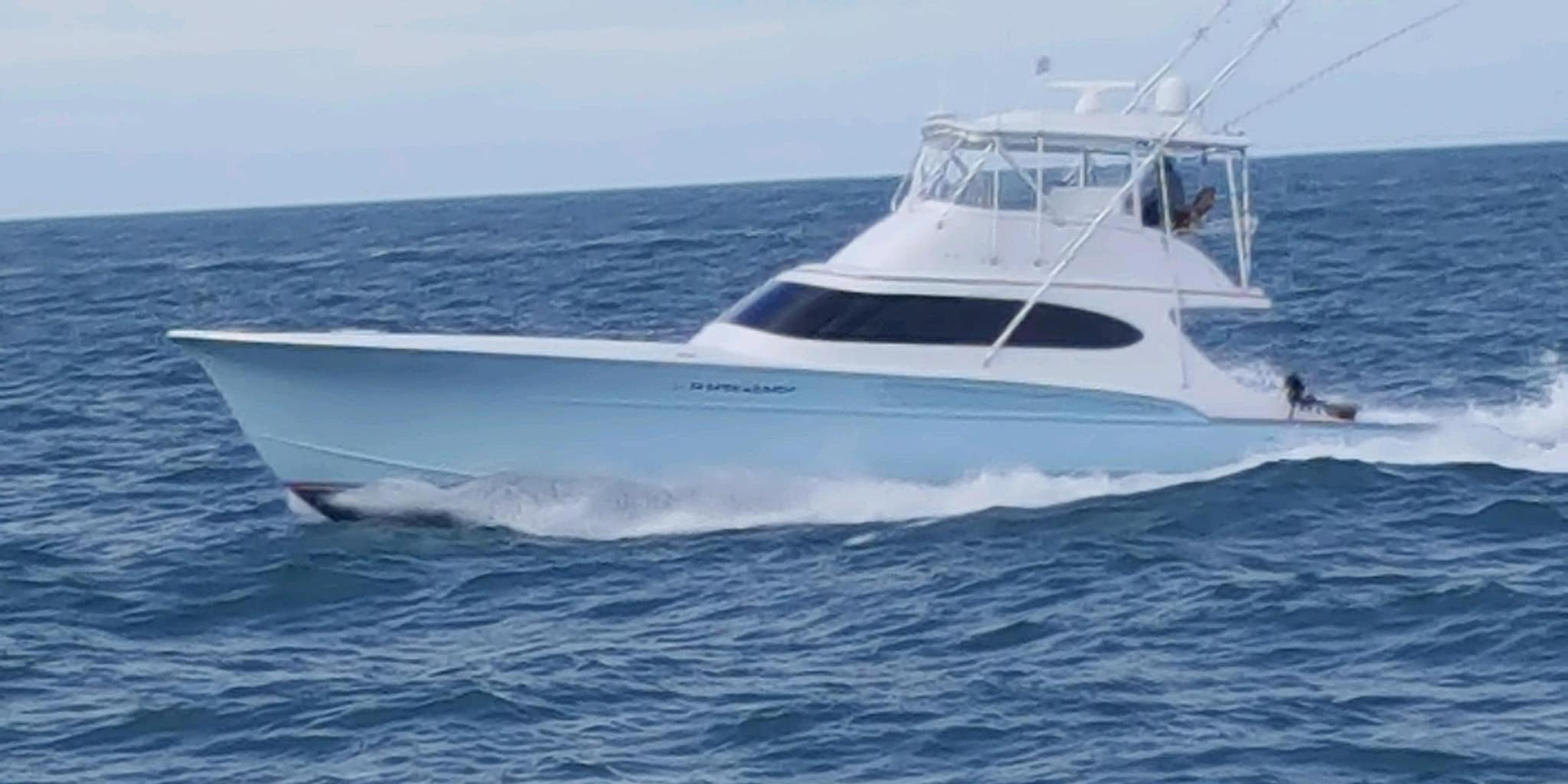
Offshore fishing here revolves around trolling - running a spread of lures and baits behind the boat to cover water and attract predators. Captain Gregg's boat comes rigged with everything you need: heavy-duty reels, quality rods matched to the target species, and a selection of proven lures. You'll learn how different lure colors and sizes work for various fish, why trolling speed matters, and how to read the water for signs of life. The crew handles the technical stuff like setting the outriggers and adjusting the spread, but they'll explain what's happening so you understand the strategy. When a fish hits, you'll get coached through the fight - how to pump and wind, when to let the fish run, and how to work it to the boat without losing it.
Target Species You'll Want to Hook
Atlantic Sailfish are the crown jewel of this fishery, and Oregon Inlet puts you right in their migration path. These fish average 6-8 feet and fight like nothing else - they'll jump, tail-walk, and strip line off your reel in spectacular fashion. Peak season runs from late spring through early fall, when they follow bait schools along the shelf. What makes them special isn't just the acrobatics, but the fact that you're tangling with one of the ocean's most beautiful and athletic predators.
Blue Marlin represent the ultimate offshore prize, and while they're less common than other species, the waters off Oregon Inlet produce fish every season. These giants can push 200-400 pounds or more, turning any day into a legend-making experience. Summer months offer the best shot, when they move inshore following schools of Mahi and Tuna. Landing a Blue Marlin tests every part of your fishing skills and endurance - it's a fish that can change your perspective on what's possible with a rod and reel.
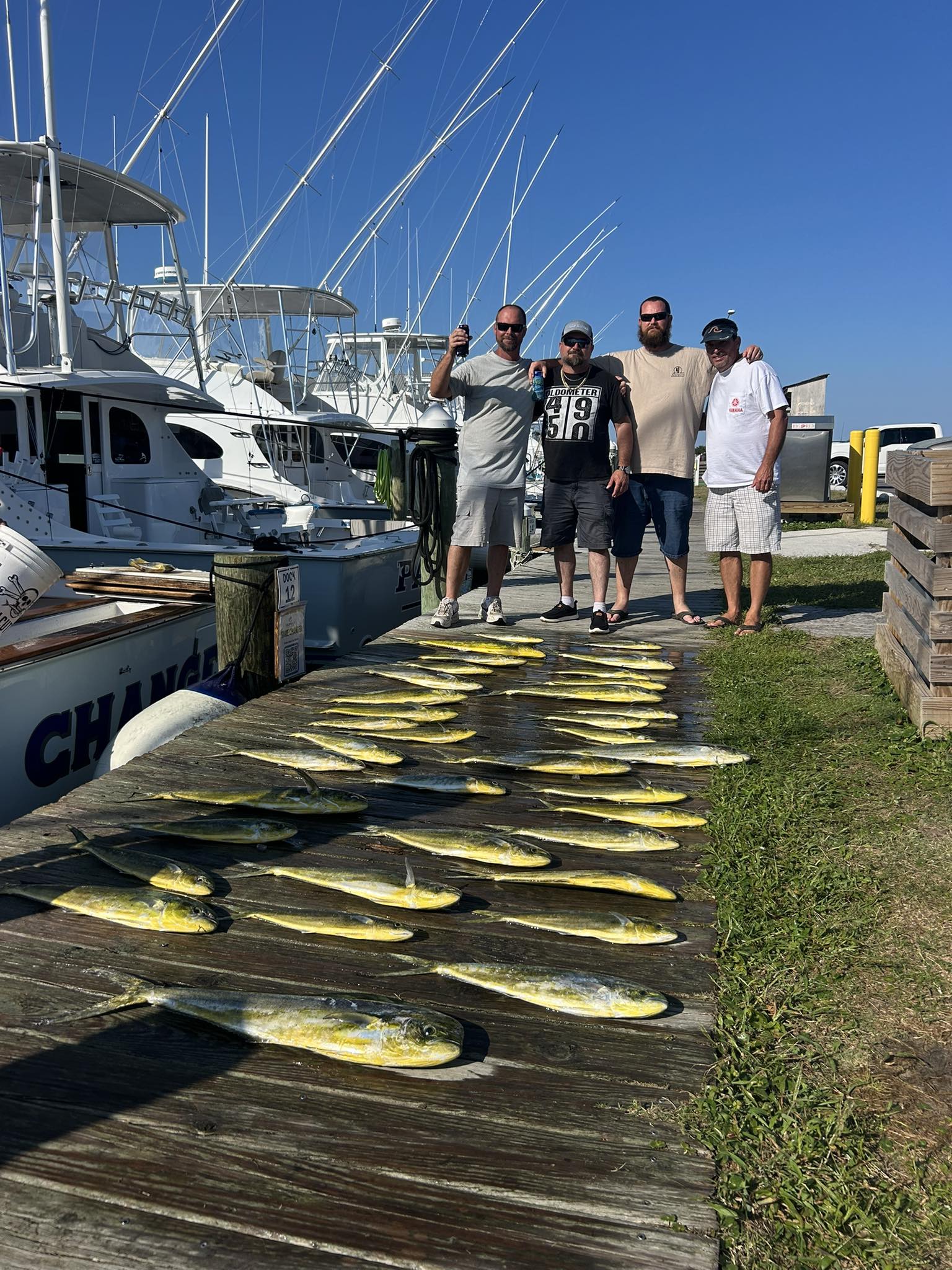
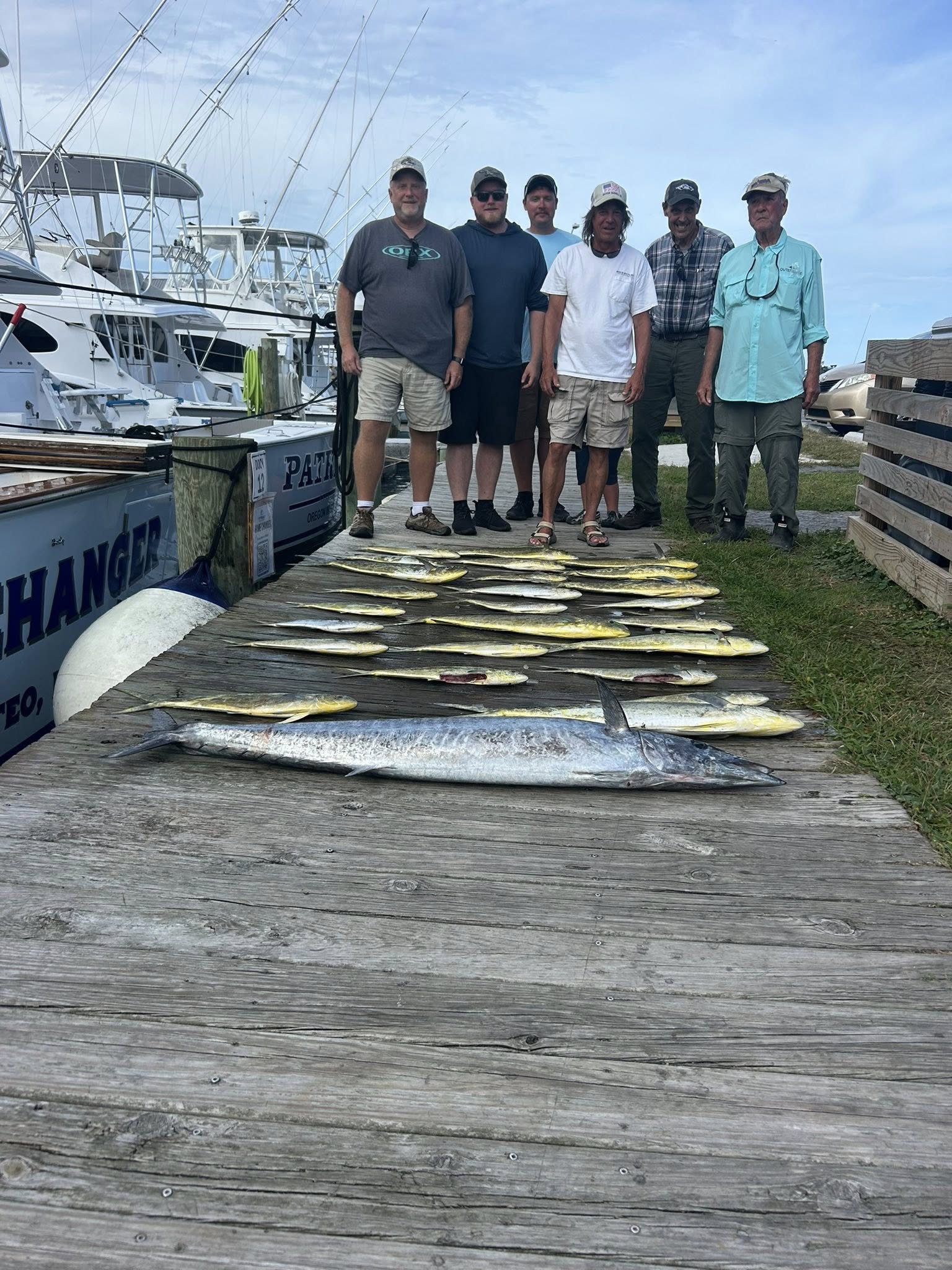
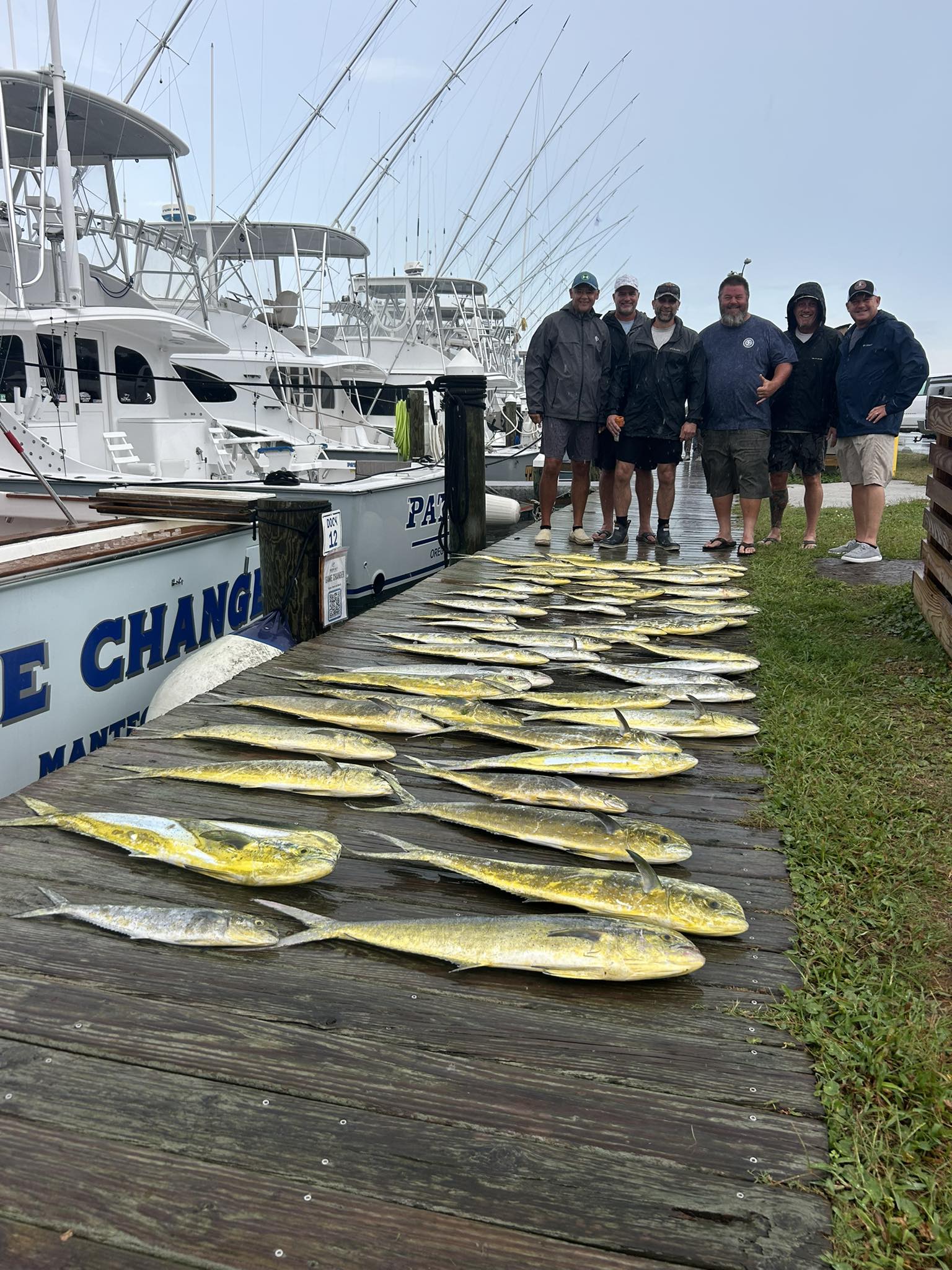
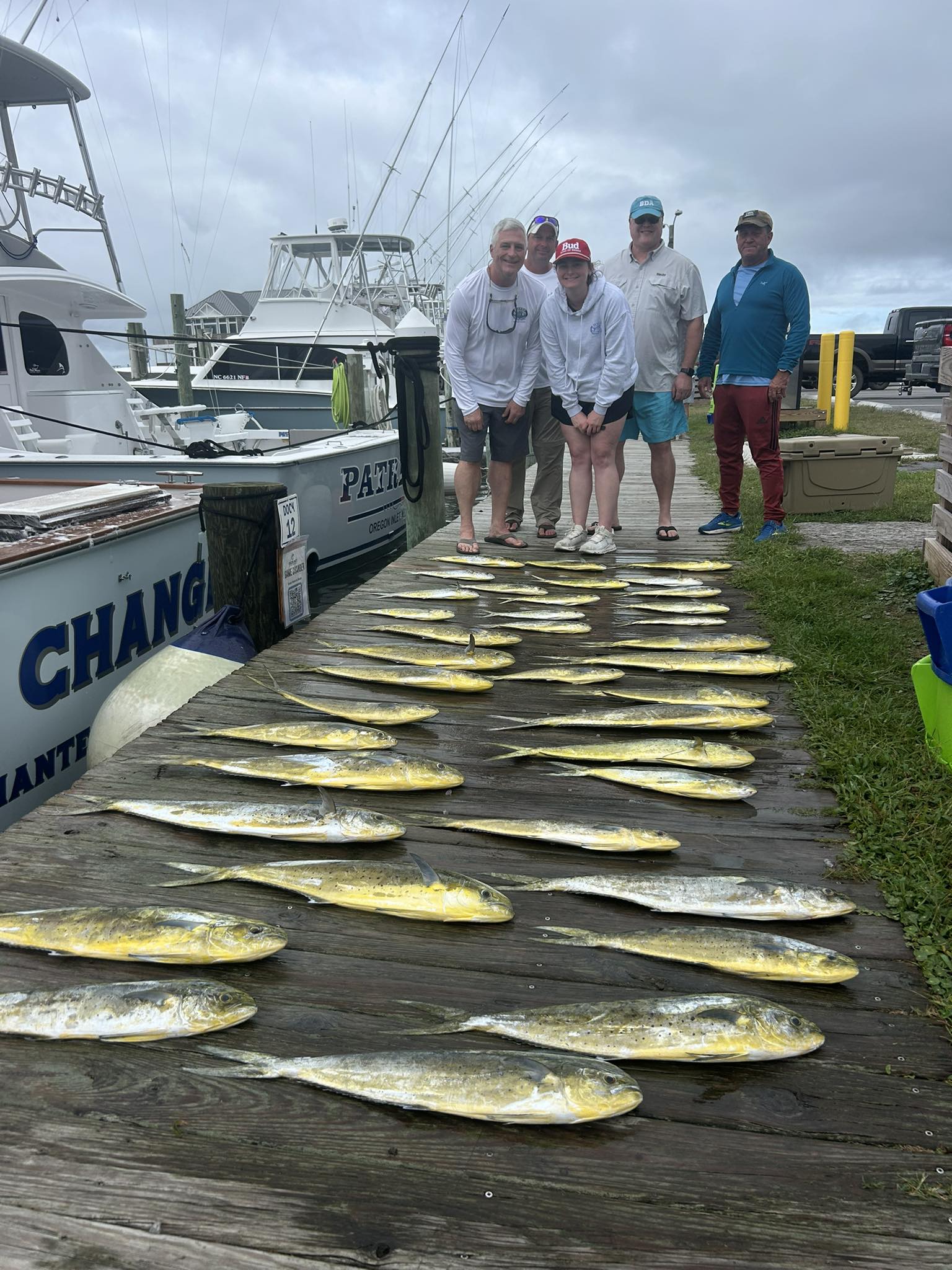
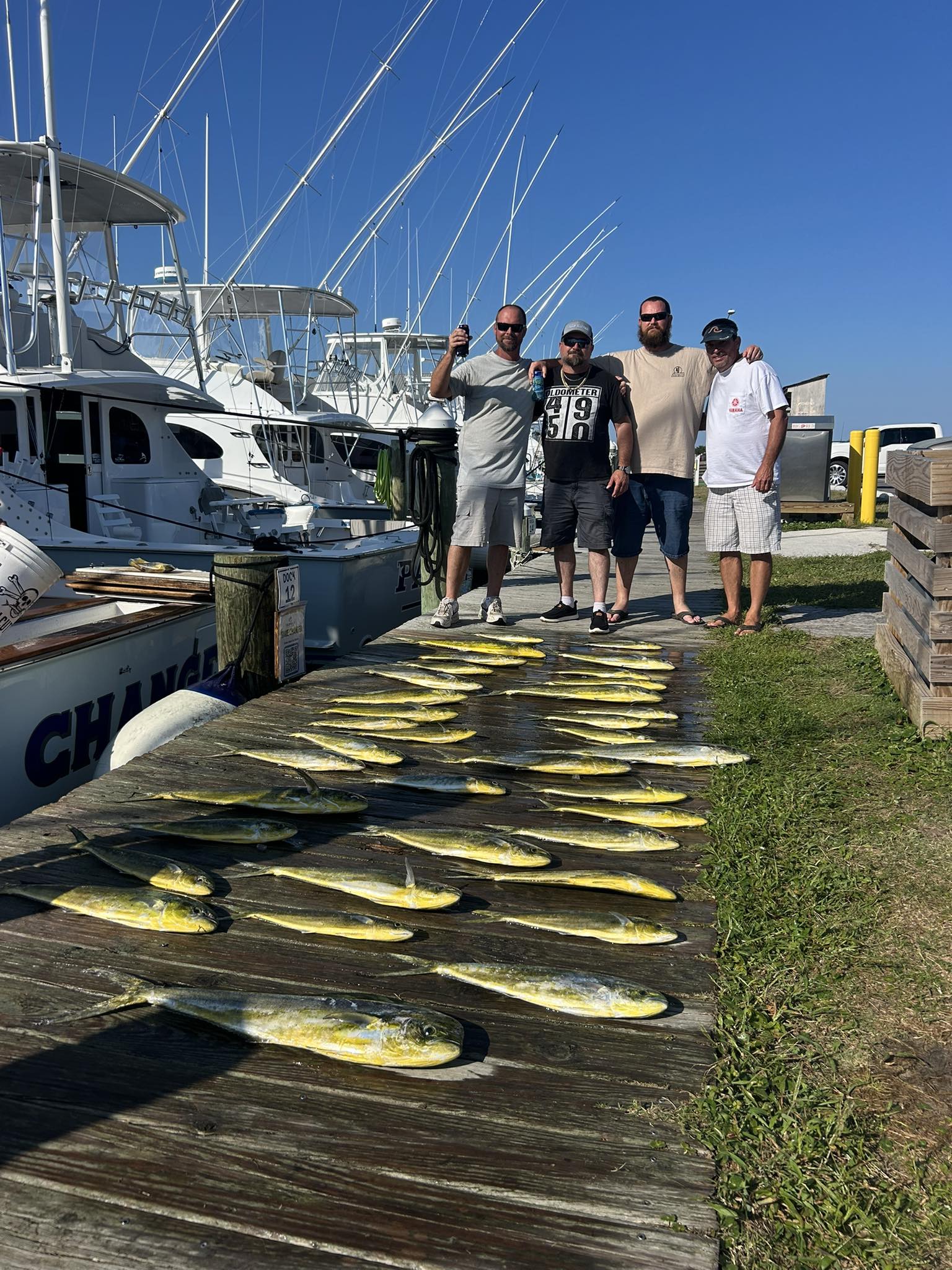
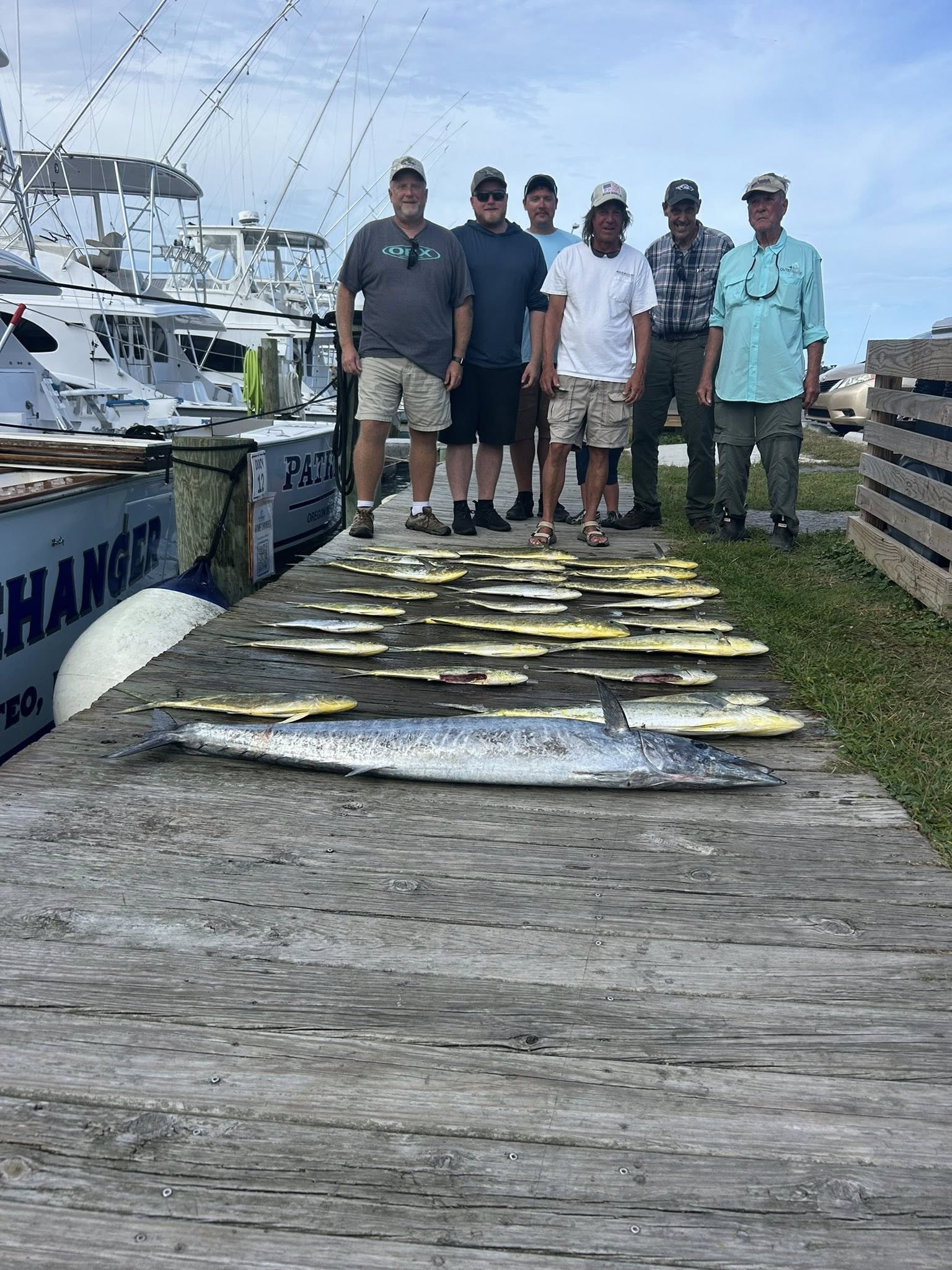
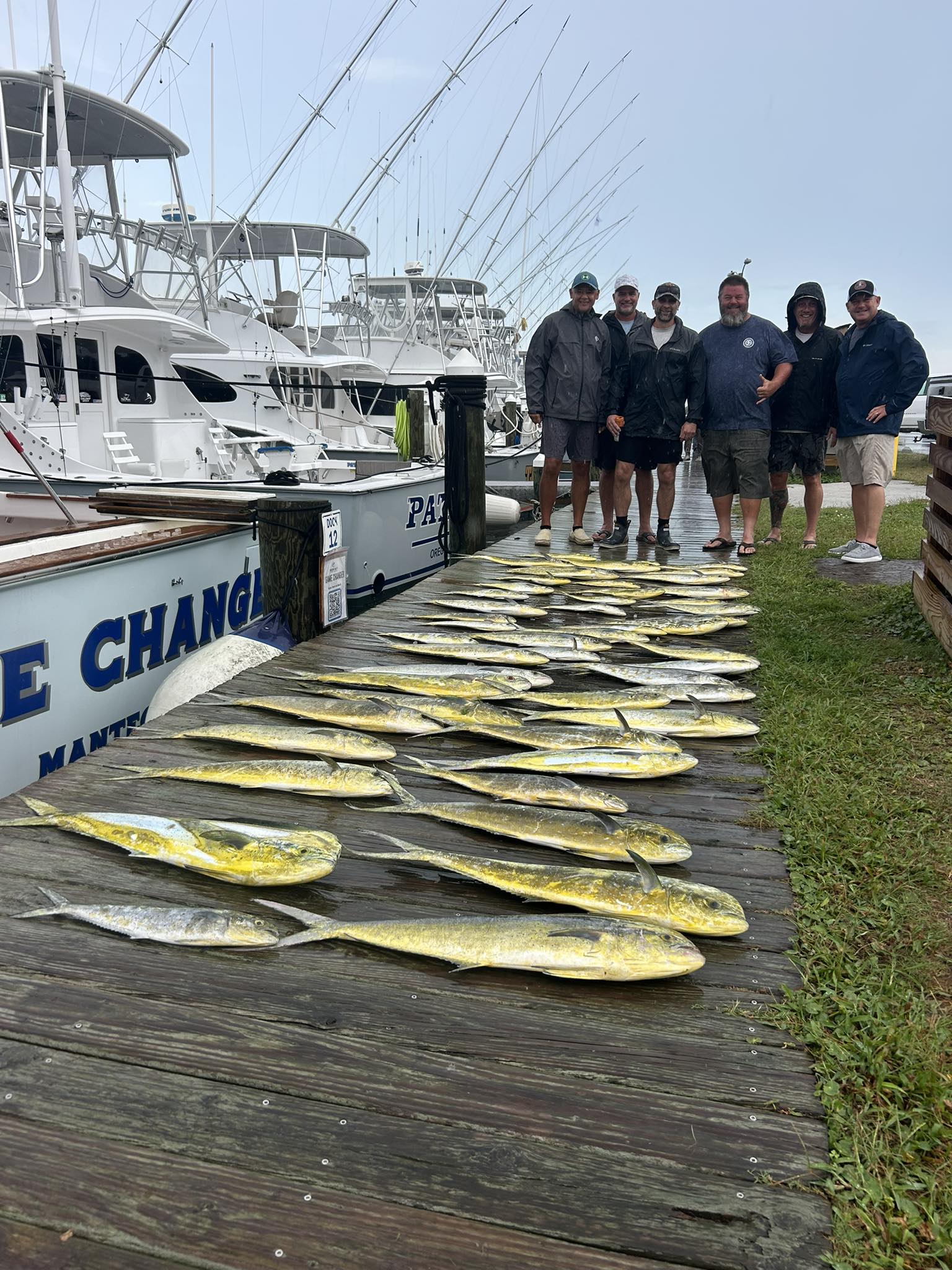
Mahi Mahi or Common Dolphinfish bring consistent action and amazing colors to the deck. These fish school up around weed lines, debris, and temperature breaks, making them perfect targets for learning offshore techniques. They average 10-30 pounds, fight hard, and put on a show with their electric blues and greens. Mahi are also fantastic table fare, so you'll likely go home with some of the best fish you've ever tasted. They're active year-round but peak in summer when schools of smaller "chicken" Mahi mix with larger "bulls."
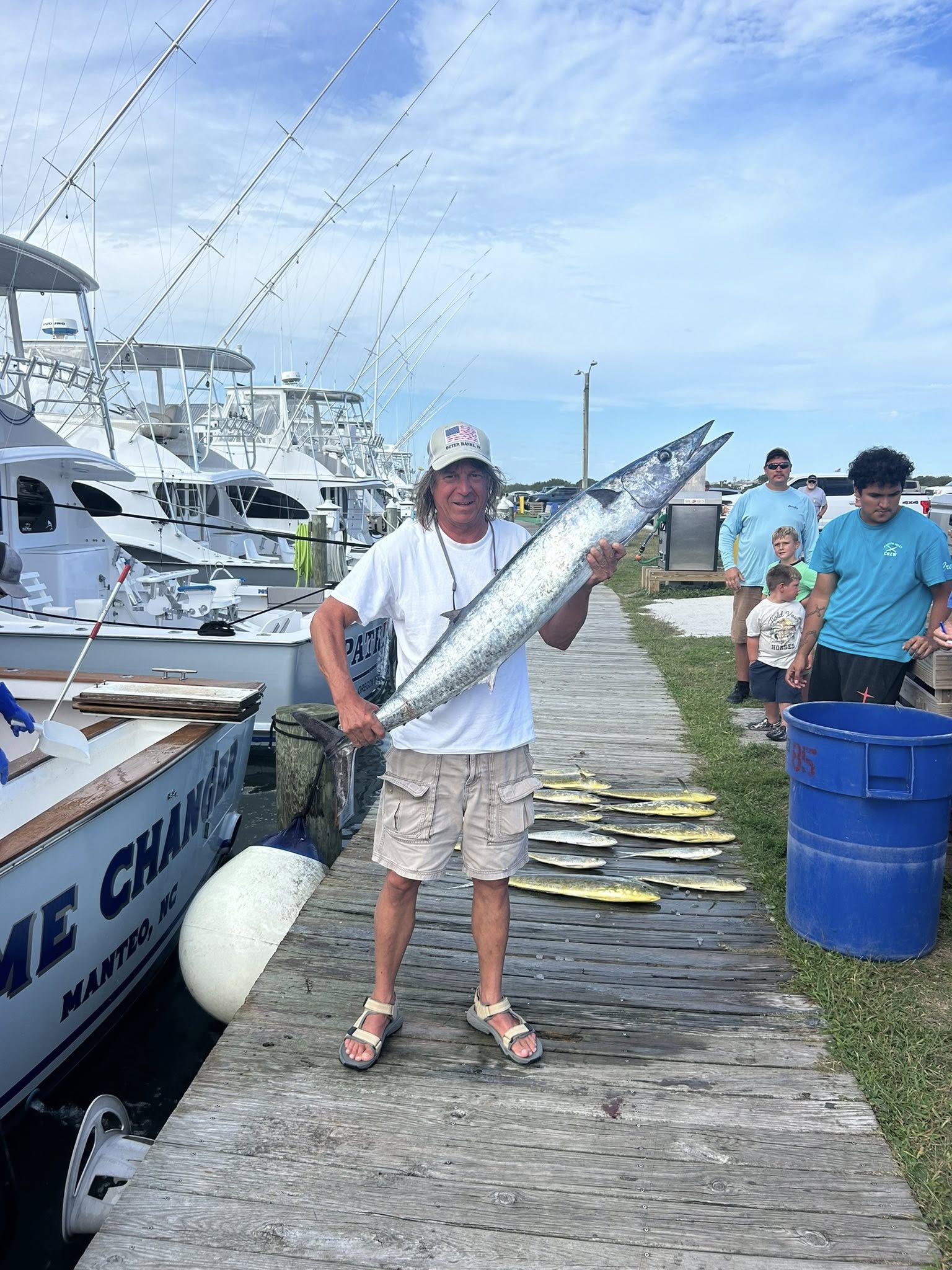
Wahoo Fish are pure speed demons, hitting trolled lures at 40+ mph and making blistering runs that test your drag system. These torpedo-shaped predators average 20-50 pounds and are ambush hunters that strike fast and fight hard. Fall and winter months see the best Wahoo action off North Carolina, when they move through in good numbers. What anglers love about Wahoo is the explosive strike followed by a sustained fight - plus they're excellent eating with firm, white meat that's perfect for the grill.
Time to Book Your Spot
Captain Gregg's beginner-friendly approach makes this the perfect way to get your feet wet in offshore fishing. You're getting genuine instruction from experienced guides, quality gear that's properly maintained, and access to productive waters that produce fish consistently. The 6-person capacity keeps things manageable so everyone gets personal attention and plenty of rod time. Whether you hook your first Sailfish or boat a cooler full of Mahi, you'll come back with skills and confidence that set you up for future offshore adventures. Don't wait too long to book - prime dates fill up fast, especially during peak season when the fishing is hottest.
 Private Trip
 Offshore Fishing
 Oregon Inlet


 11-hour offshore trip targeting Sailfish, Marlin, and Mahi Mahi