Offshore Fishing Charter - Oregon Inlet Big Game
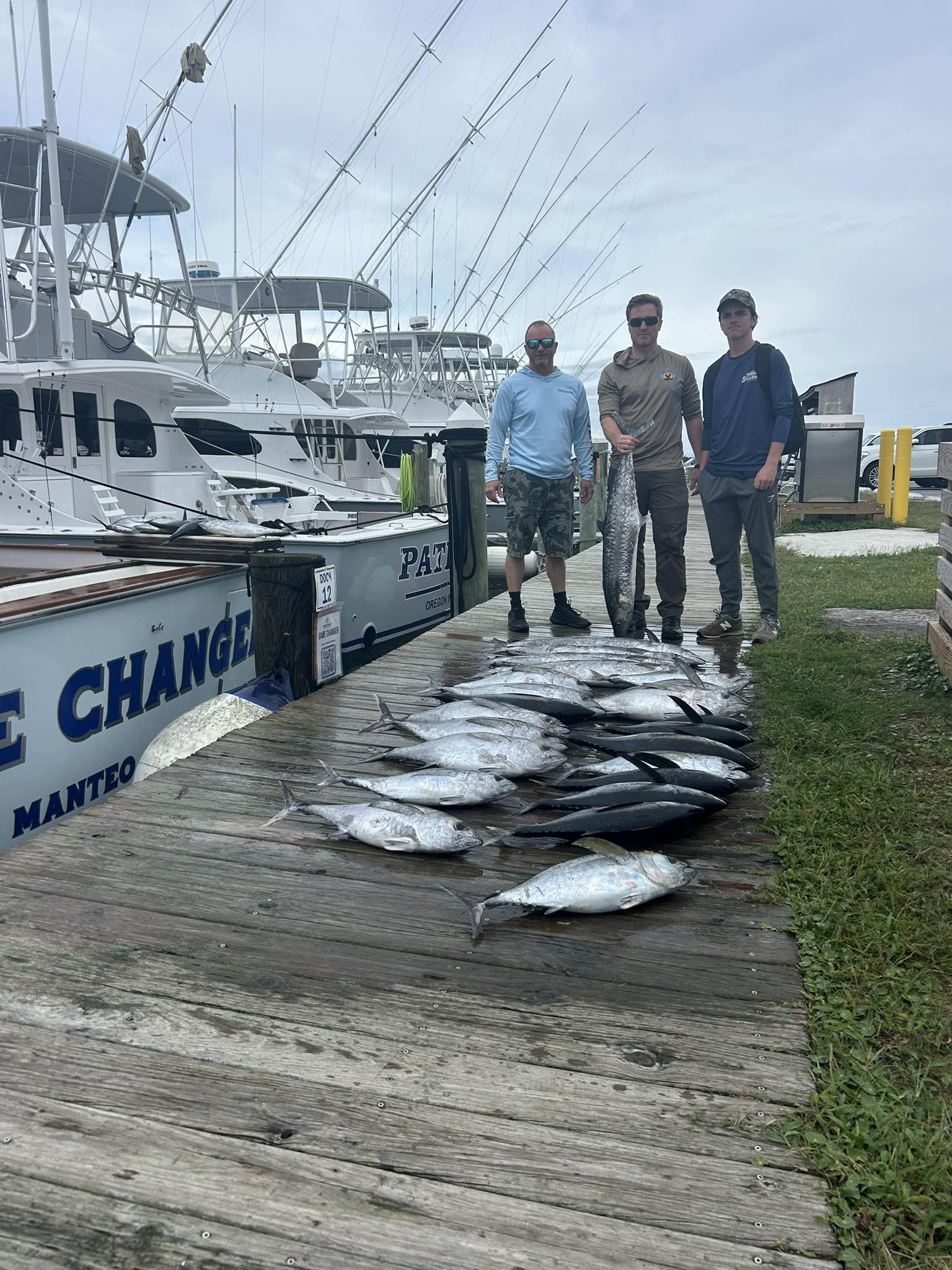
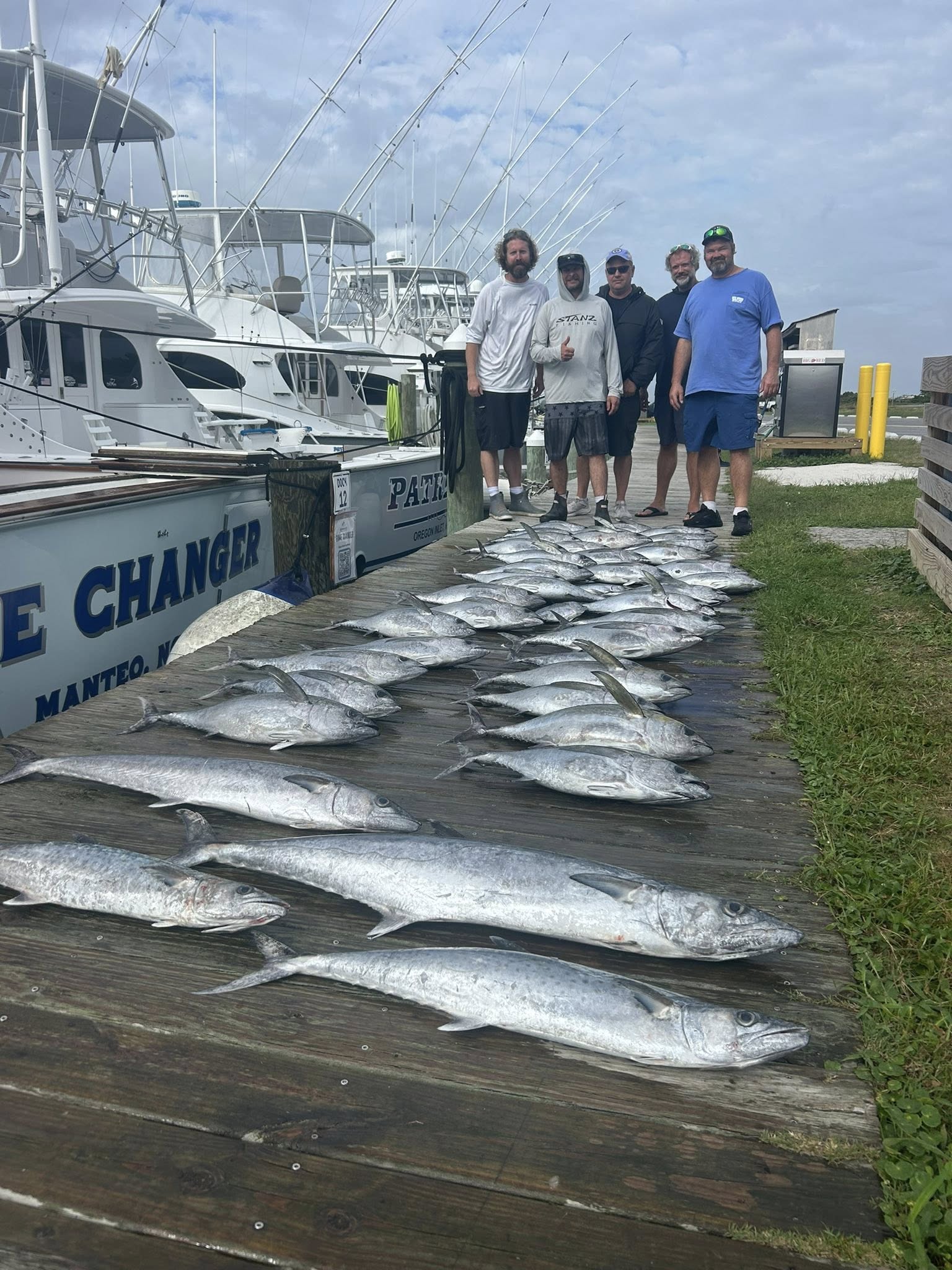
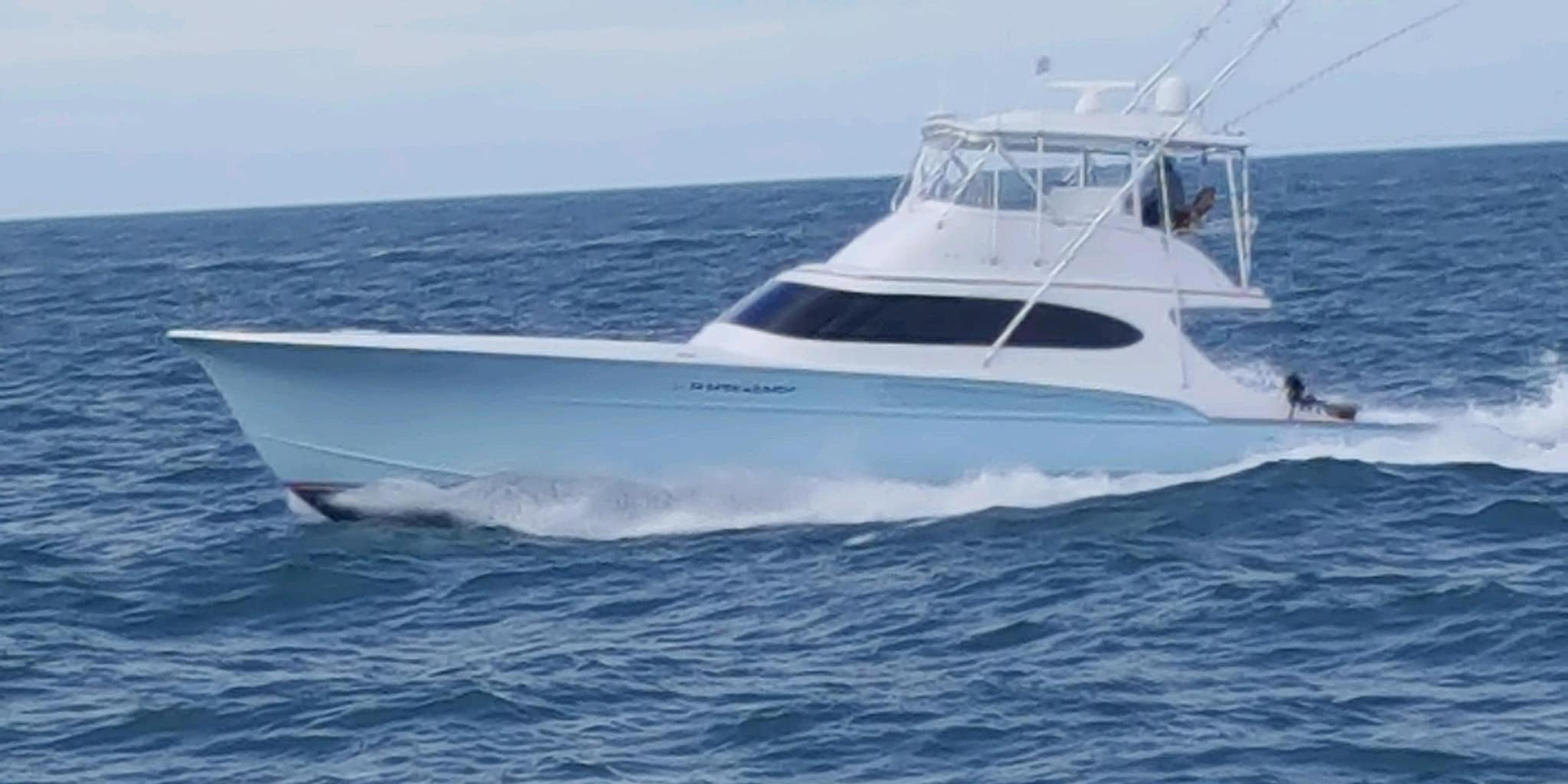
If you're serious about offshore fishing, this is the charter that separates the weekend warriors from the real deal. Captain Gregg and his crew at Game Changer Charters will get you out to the prime fishing grounds 35 miles offshore from Oregon Inlet, where the big pelagics cruise the blue water. We're talking about a full day targeting the apex predators of the Atlantic - sailfish, blue marlin, yellowfin tuna, wahoo, and mahi mahi. This isn't your typical inshore trip where you're hoping for a keeper red drum. Out here, every hookup could be the fish of a lifetime, and Captain Gregg knows exactly where to find them. Pack your cooler with plenty of food and drinks because you'll be burning energy fighting fish that can peel line off your reel faster than you thought possible.
What to Expect on the Water
Your day starts early - and I mean really early. Meet Captain Gregg at dawn because the best bite windows happen when most people are still hitting the snooze button. The run out to the fishing grounds takes about 90 minutes, which gives you time to rig baits, check your drag settings, and get mentally prepared for what's ahead. Once we hit the blue water, you'll see the color change from that murky inshore green to the deep cobalt that holds the big fish. Captain Gregg runs a tight ship with room for up to 6 anglers, so you're not fighting for rod space like on those cattle boat trips. The boat is equipped with top-shelf electronics to mark bait schools and temperature breaks where predators ambush their prey. Don't expect to be casting jigs all day - this is serious trolling and live bait fishing where technique and timing make all the difference.
Trolling Spread & Live Bait
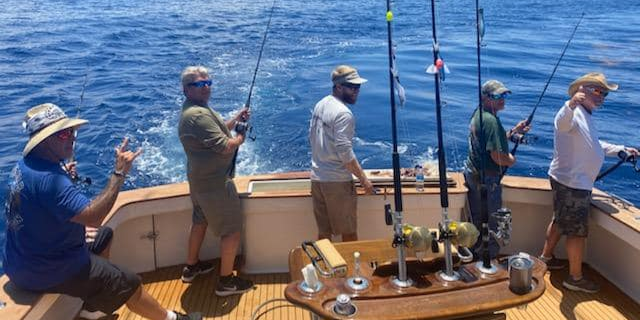
Captain Gregg runs a proven trolling spread that consistently produces strikes from the target species. We're talking about a mix of ballyhoo, cedar plugs, and diving plugs pulled at different depths to cover the water column. The outriggers keep the baits spread wide, and those teasers bring curious fish right into the spread where they can see your hooks. When the conditions are right, we'll also deploy live bait - nothing beats a frisky bonito or blackfin tuna swimming behind the boat when there are marlin around. The key is reading the water and adjusting your presentation based on what the fish are telling you. Some days they want the baits pulled fast and aggressive, other days you need to slow-troll and let them get a good look. Captain Gregg has been working these waters long enough to know which approach will put fish in the boat, and he's not afraid to make the calls that separate good days from great ones.
Customer Stories
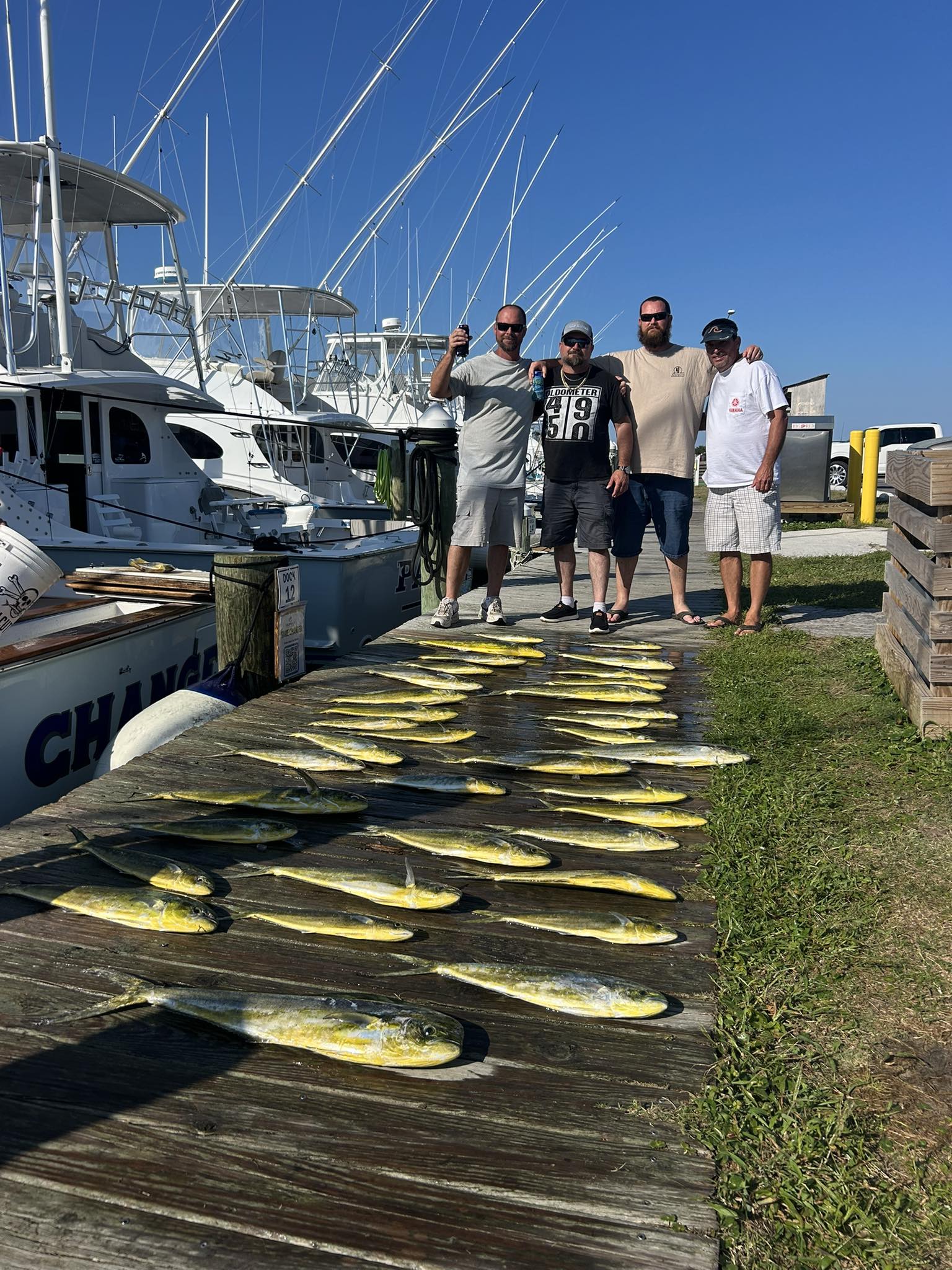
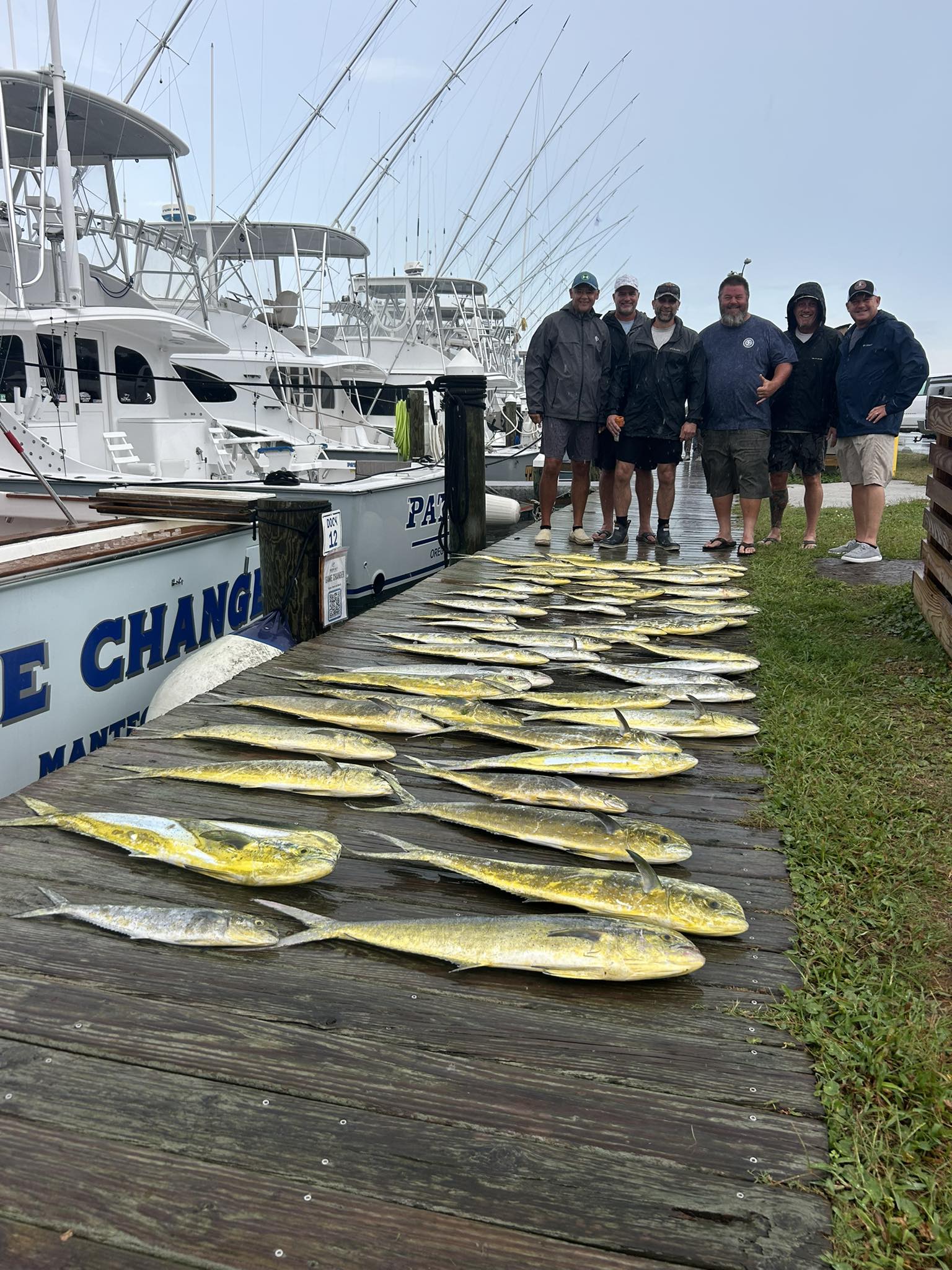
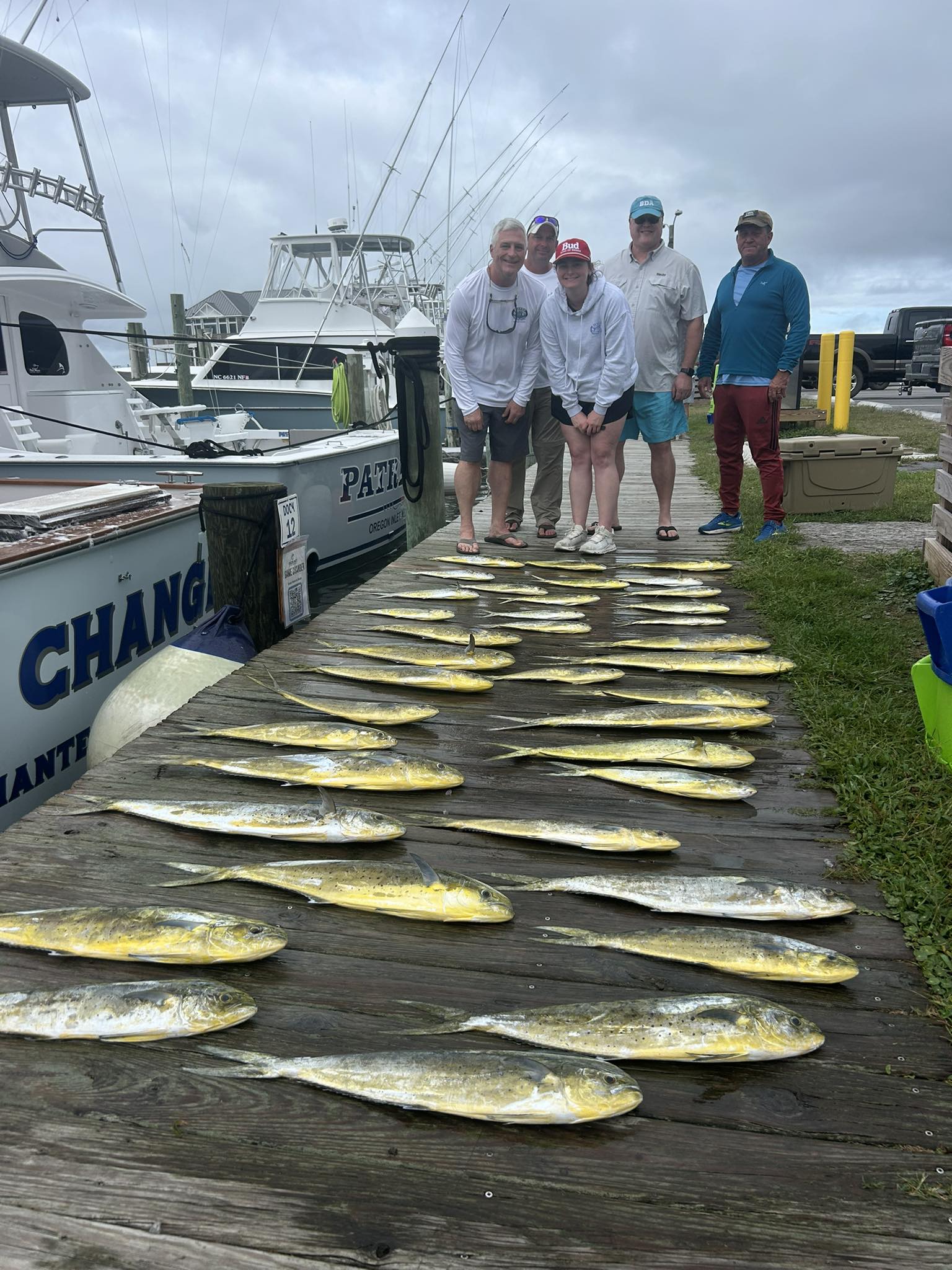
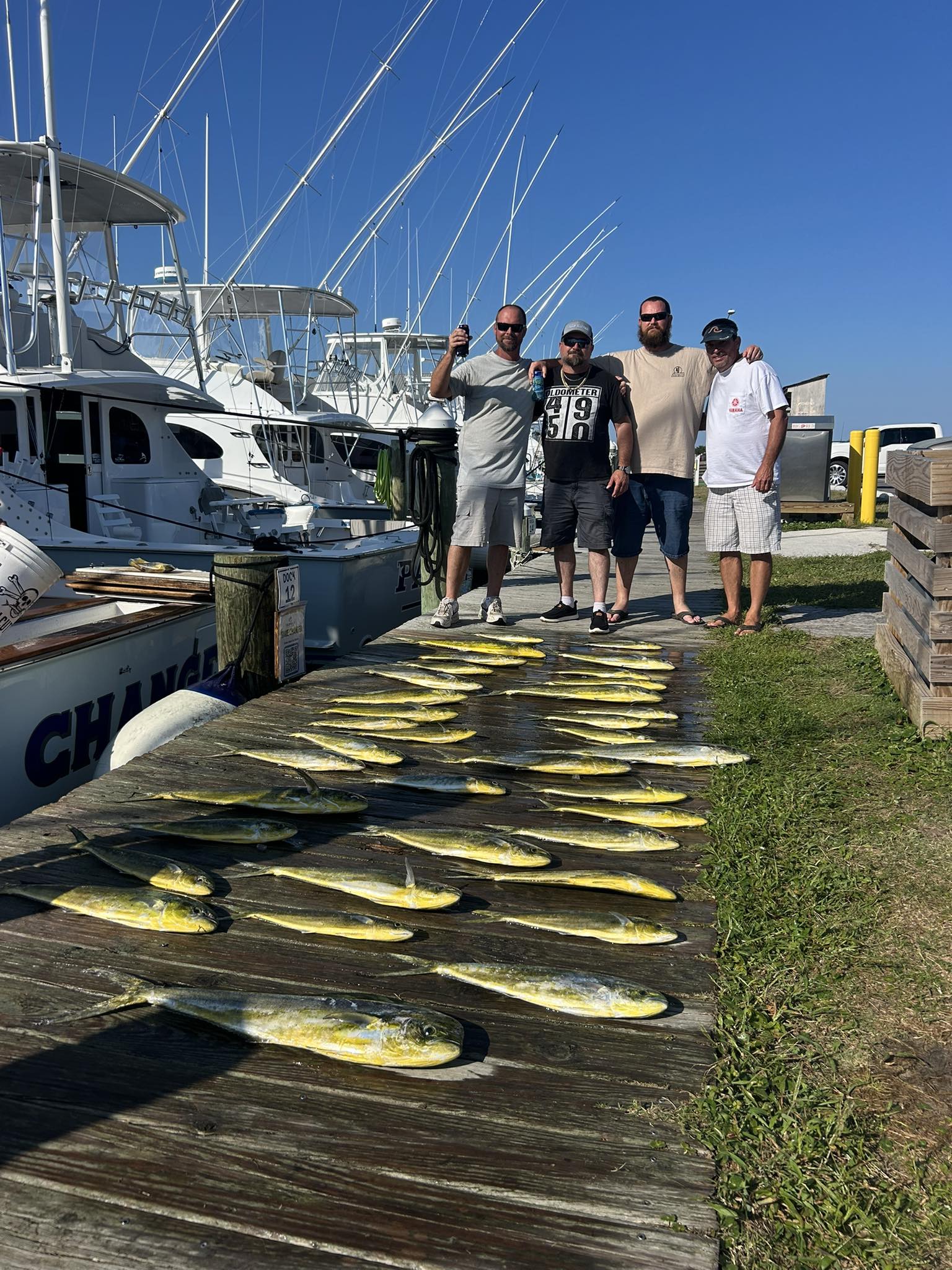
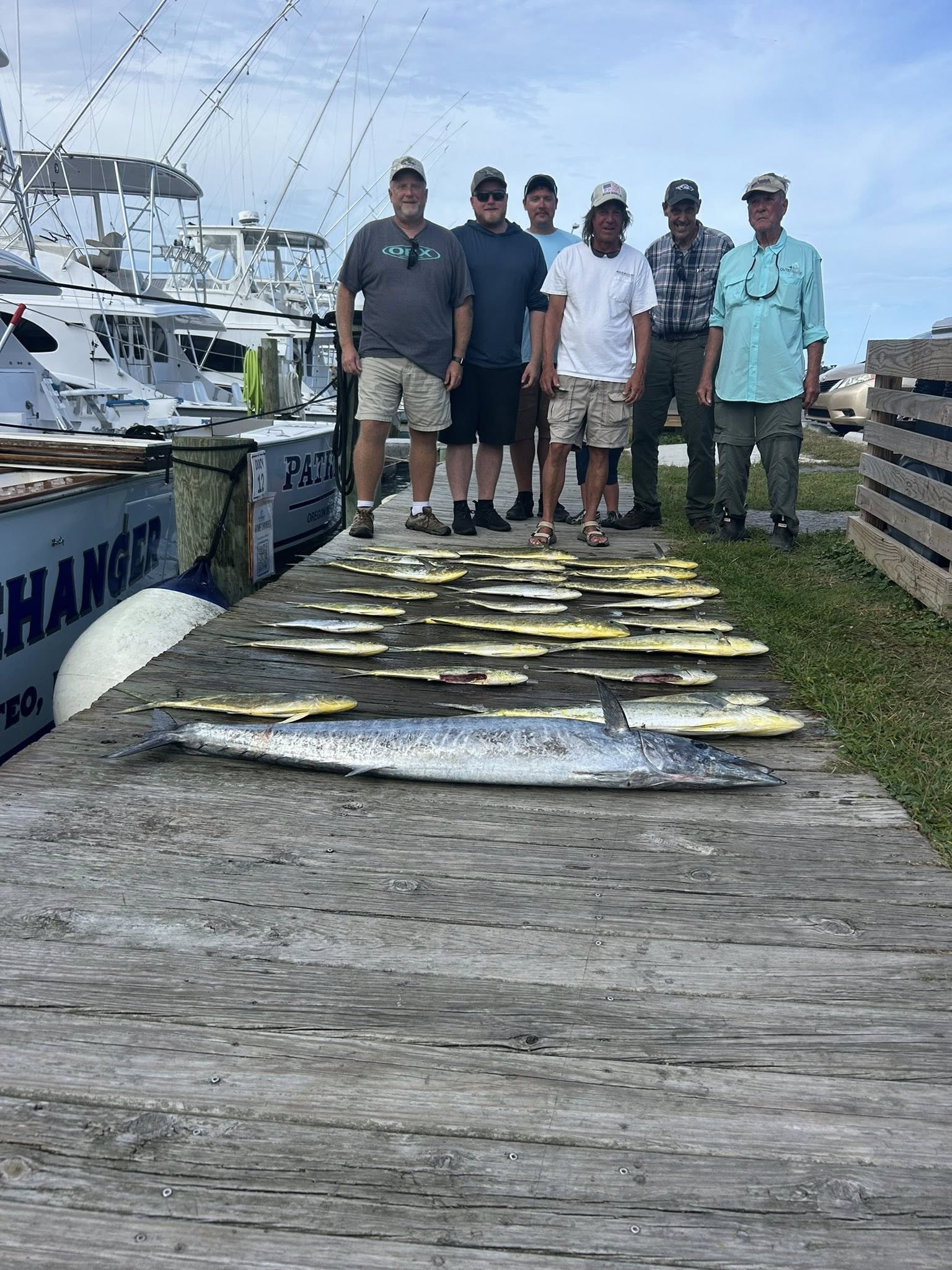
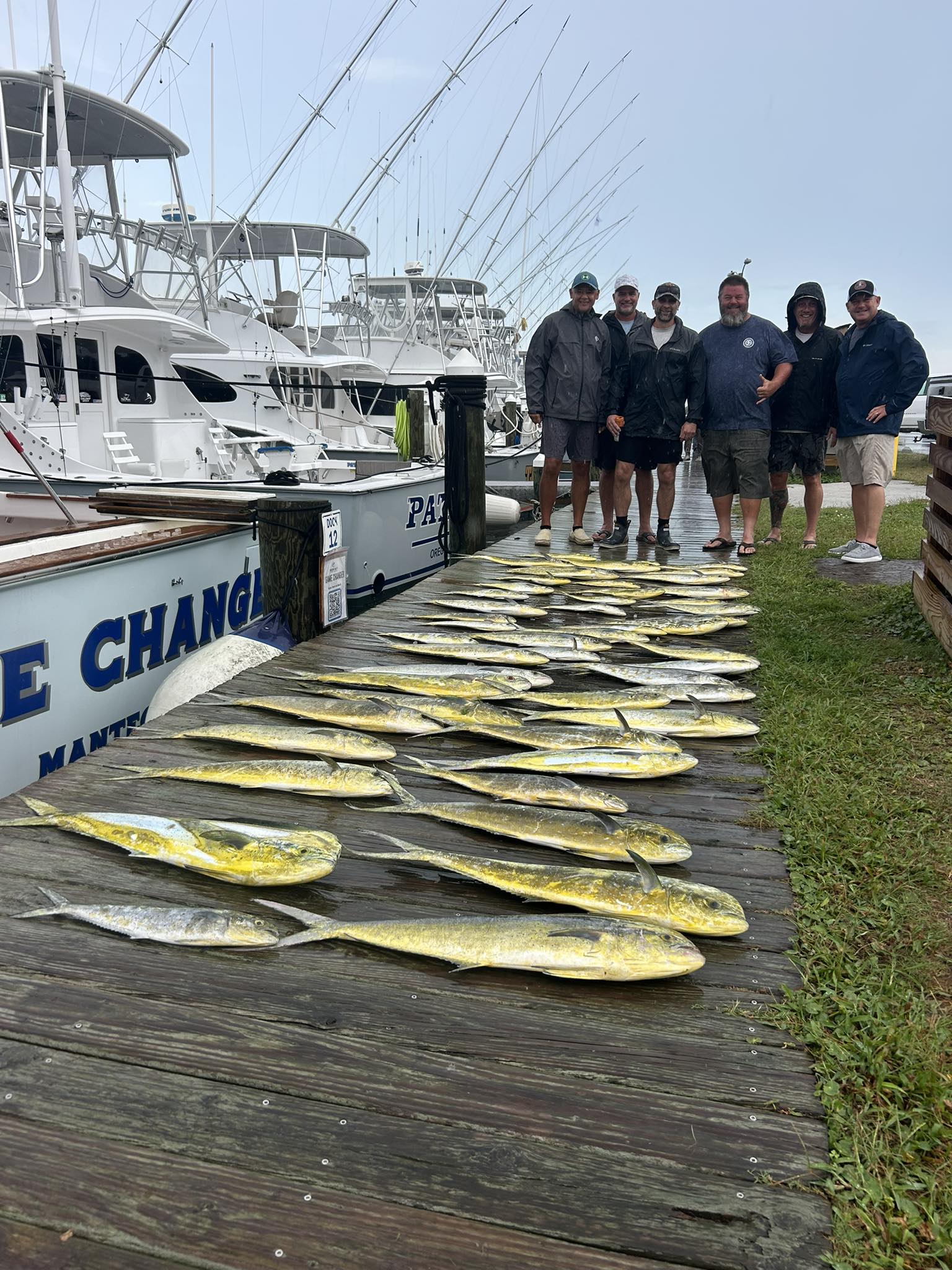
"Captain Greg was great as was the first mate Carson. They put us on some mahi mahi and a couple of black fin on the first day and the second we requested to go look for some larger tuna or bill fish and they tried but the fish were not playing nice! We will enjoy cooking up some mahi mahi at home though 😊" - Dennis
Species You'll Want to Hook
Atlantic Sailfish are the crown jewel of Oregon Inlet's offshore scene, and for good reason. These fish are pure adrenaline on a fishing rod - they'll go airborne the second they feel the hook, putting on a aerial display that'll have everyone on the boat scrambling for their phones. Sailfish typically range from 40 to 80 pounds in these waters, with the occasional monster pushing over 100. The best action usually happens from late spring through early fall when water temperatures hit that sweet spot between 72 and 78 degrees. What makes sailfish special isn't just their acrobatics - they're smart fish that will test every knot and connection you've got. One mistake with your leader or drag setting and you'll be watching that fish swim away with your tackle.
Blue Marlin are the ultimate offshore trophy, and Oregon Inlet consistently produces some of the finest marlin fishing on the East Coast. These fish are apex predators that can exceed 500 pounds, though most of the fish we encounter range from 200 to 400 pounds. Marlin are ambush predators that cruise the temperature breaks and current edges, looking for schools of tuna and dolphin to attack. The peak season runs from June through September when the Gulf Stream pushes close to shore and brings the baitfish that marlin follow. What sets blue marlin apart is their intelligence - they'll follow your baits for miles, studying the spread before committing to a strike. When they do decide to eat, the initial run can strip 300 yards of line in seconds.
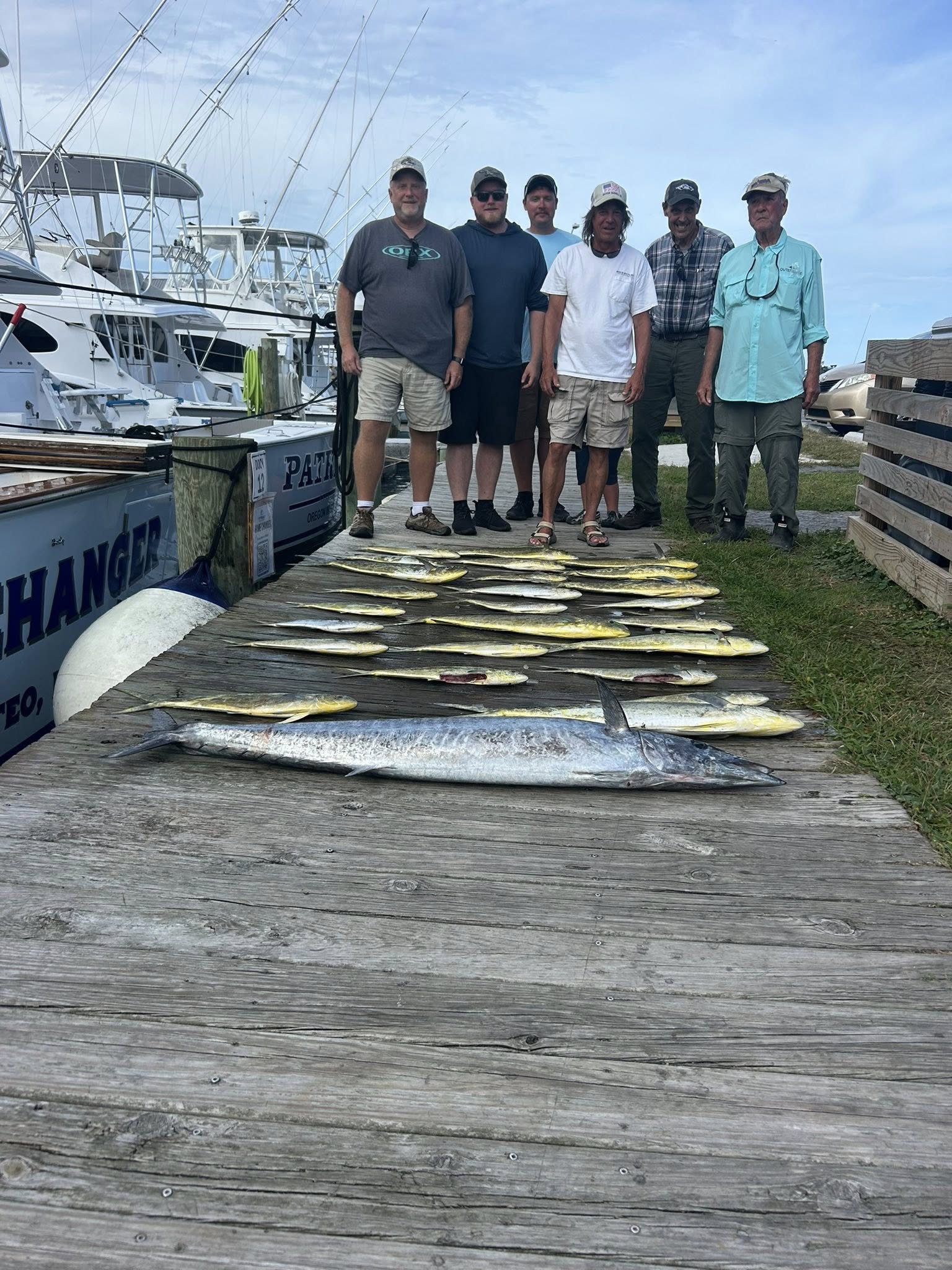
Mahi Mahi are the workhorses of offshore fishing trips, and they're absolutely delicious on the dinner table. These fish are aggressive feeders that travel in schools, so when you find one, there are usually more nearby. Mahi typically range from 10 to 30 pounds in these waters, with bulls occasionally pushing 40 pounds or more. They're attracted to floating debris, weed lines, and current breaks where small baitfish congregate. The best part about mahi fishing is the visual aspect - these fish have incredible colors that light up when they're fighting, and they're known for their aerial displays. Mahi are also one of the fastest-growing fish in the ocean, which makes them a sustainable choice for anglers who want to keep their catch.
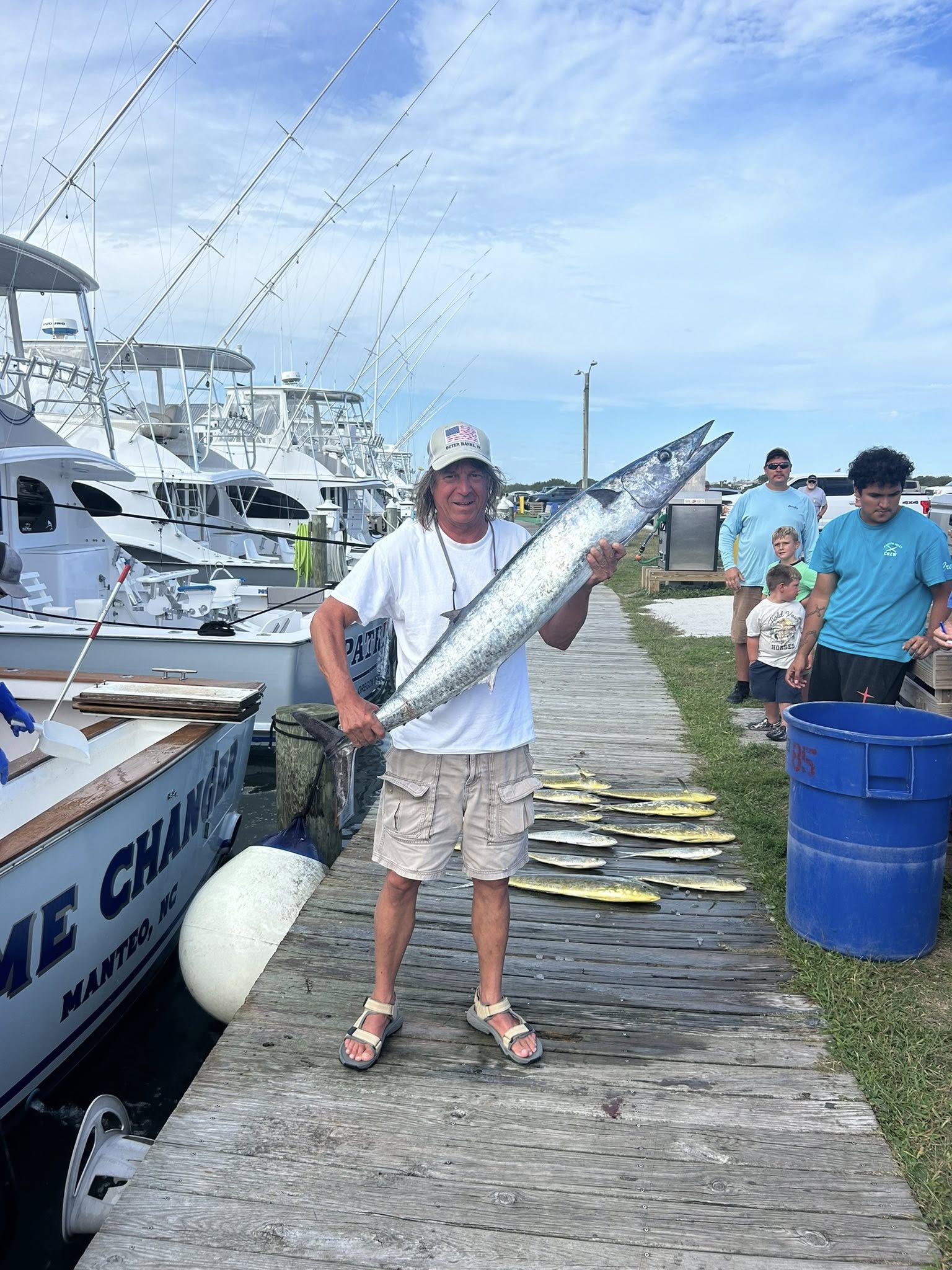
Wahoo are the speed demons of the offshore world, capable of reaching speeds over 60 mph when they're running. These fish have razor-sharp teeth and a torpedo-shaped body that's built for speed, making them one of the most exciting fish to hook in blue water. Wahoo typically range from 20 to 60 pounds in Oregon Inlet waters, and they're known for their long, blistering runs that can empty a reel in seconds. The best wahoo fishing usually happens during the fall months when
 5.0(1 Reviews)
 Private Trip
 Offshore Fishing
 Oregon Inlet


 Target marlin, sailfish, tuna, wahoo, and mahi mahi offshore