Family Offshore Adventure at Oregon Inlet
Looking for a fishing trip that'll get the whole family talking for years? Captain Gregg's 11-hour offshore adventure from Oregon Inlet delivers exactly that. The Billy Holton takes up to 6 anglers 35 miles out into the blue water where sailfish, marlin, and mahi mahi roam. This isn't your typical half-day trip - we're talking serious offshore action with a captain who knows how to keep kids engaged and parents relaxed. Pack your cooler with snacks and drinks because you'll be out there from sunrise to sunset, chasing some of the Atlantic's most prized gamefish.
What to Expect on the Water
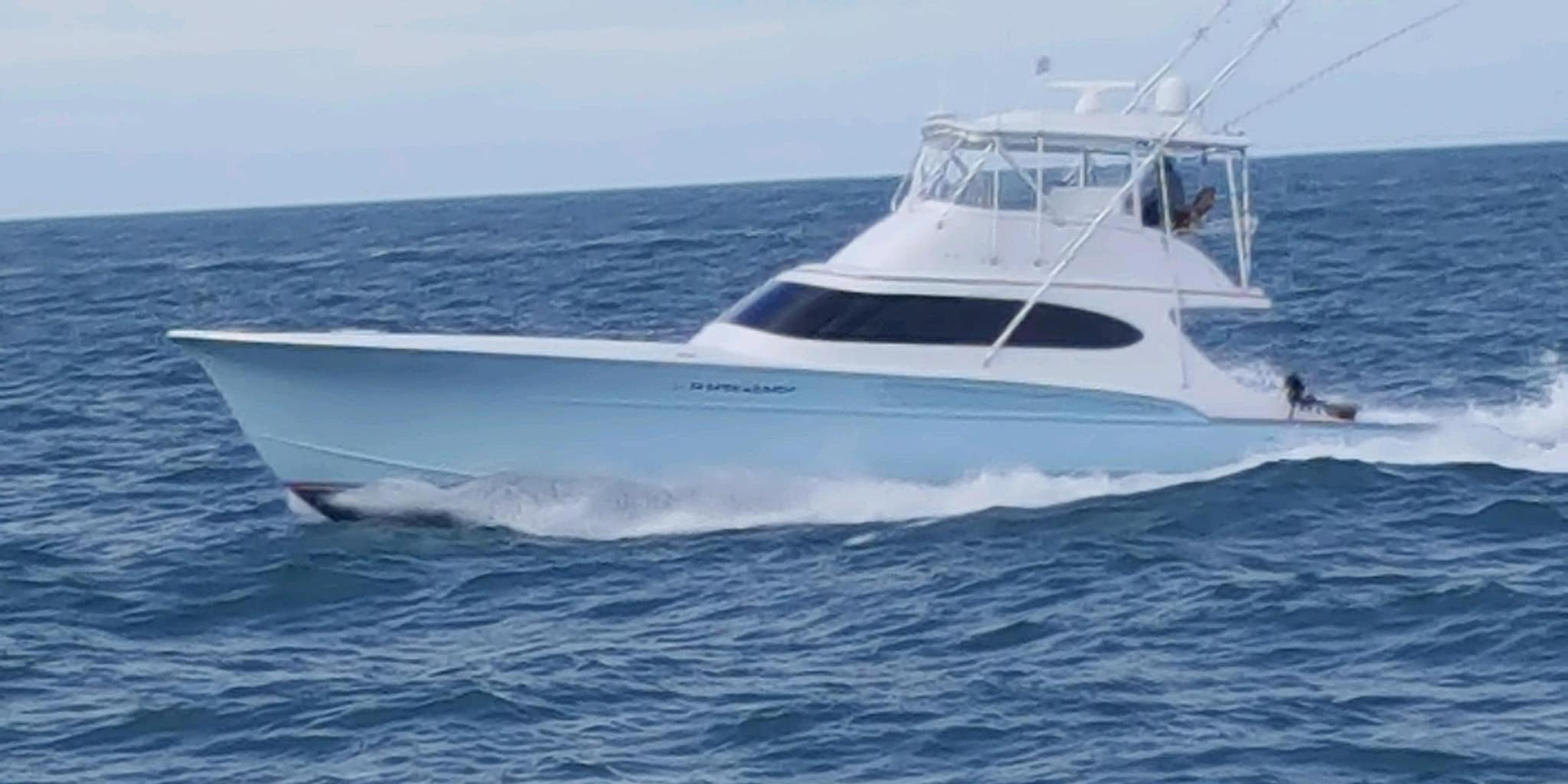
Oregon Inlet sits right at the heart of North Carolina's best offshore fishing grounds, and Captain Gregg knows every productive spot within range. You'll leave the dock early, crossing Oregon Inlet's sometimes tricky bar before heading east into the deep blue. The ride out takes about 90 minutes, giving everyone time to settle in and watch the water change from green to that gorgeous cobalt blue that signals serious fishing ahead. The Billy Holton rides smooth in most conditions, making it comfortable for younger anglers who might be experiencing their first offshore adventure. Captain Gregg keeps the vibe relaxed but focused - he'll get everyone involved in rigging baits, watching the outriggers, and understanding what we're looking for out there. The boat's setup perfectly for families, with plenty of shade and space to move around between fish.
Trolling the Blue Water
Once we hit the fishing grounds, it's all about covering water with a spread of trolling lures and rigged ballyhoo. Captain Gregg runs a classic offshore spread - outriggers loaded with skirted ballyhoo for sailfish and marlin, flat lines with cedar plugs or small lures for mahi and wahoo, and maybe a deeper line with a diving plug. The key to offshore success is staying mobile and reading the water. We're looking for color changes, temperature breaks, weed lines, and bird activity that signals baitfish and the predators that follow them. Kids love watching the baits skip and dive behind the boat, and there's always something to see out there - flying fish, dolphins, sea turtles, or even whales during migration season. When a fish hits, everyone knows it - rods slam down, reels scream, and the real excitement begins. Captain Gregg coaches each angler through the fight, making sure even first-timers have the best shot at landing their catch.
Species You'll Want to Hook
Atlantic Sailfish are the crown jewel of these waters, especially from late spring through fall. These acrobatic billfish average 6-8 feet and 40-60 pounds, known for their spectacular jumps and blazing runs. Sailfish feed aggressively on ballyhoo, squid, and small tunas, often traveling in small schools. When you hook one, get ready for a show - they'll tail-walk, jump, and put on a display that'll have everyone on the boat cheering. The best part? Sailfish are perfect for younger anglers because they fight hard but don't require hours to land like their bigger marlin cousins.
Blue Marlin represent the ultimate offshore prize, and Oregon Inlet consistently produces some beautiful fish each season. These powerful billfish can range from school-size fish around 100 pounds to true giants over 400 pounds. Summer months bring the best marlin action, with fish feeding on the abundant baitfish that migrate through these waters. Blue marlin fights are legendary - they'll sound deep, then explode on the surface in spectacular jumps. Landing a marlin is a team effort, and Captain Gregg makes sure everyone contributes to the success.
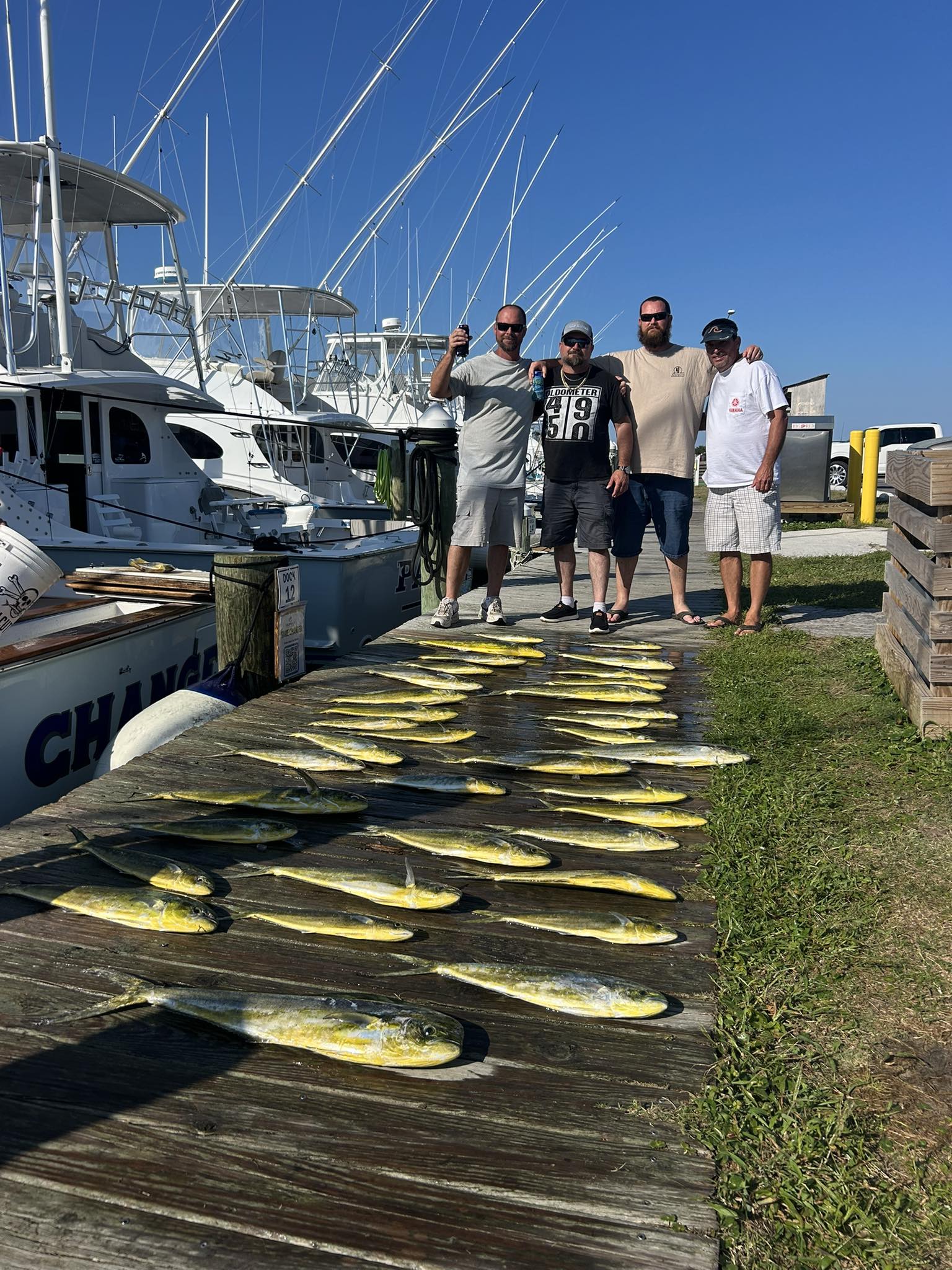
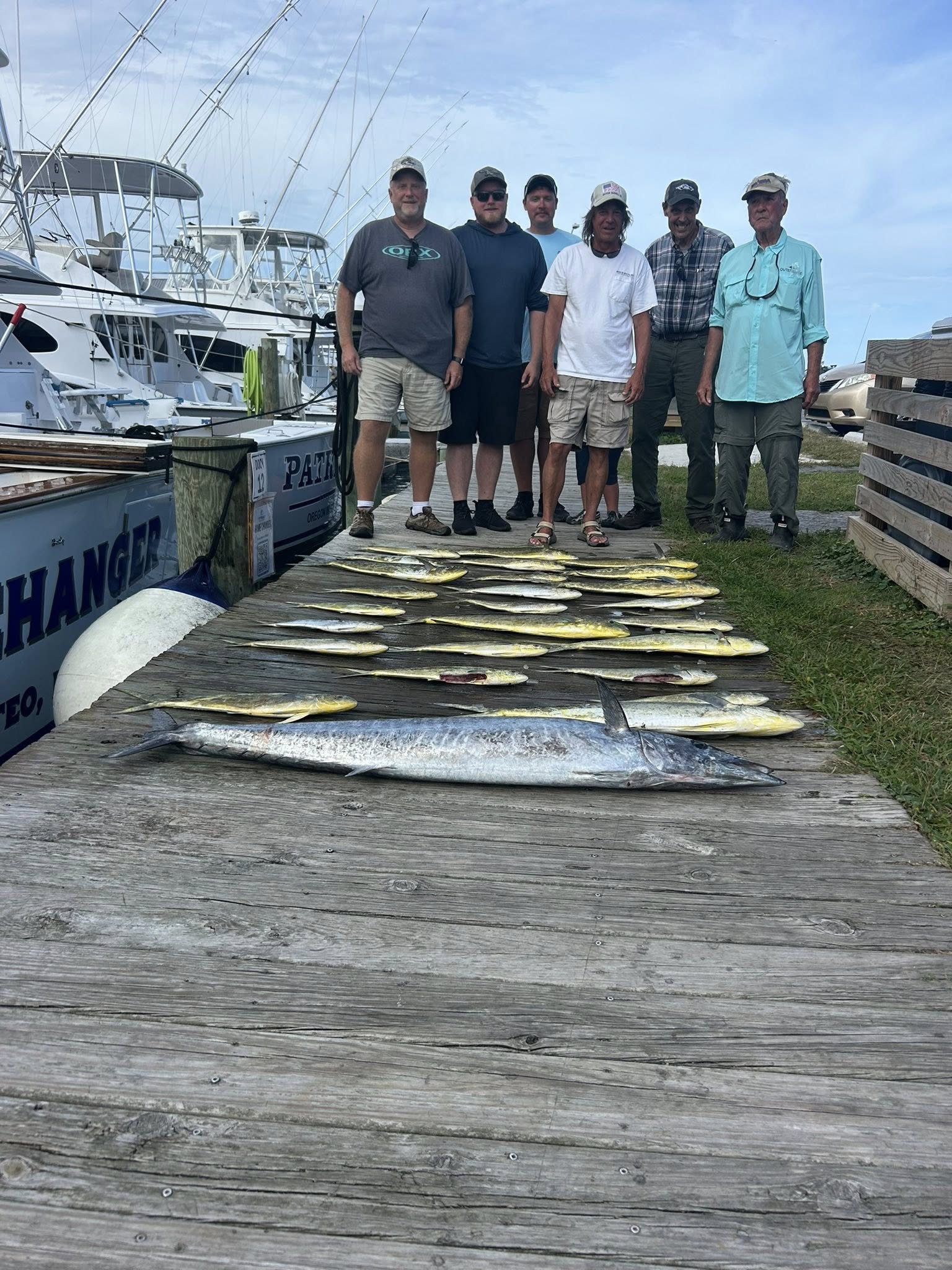
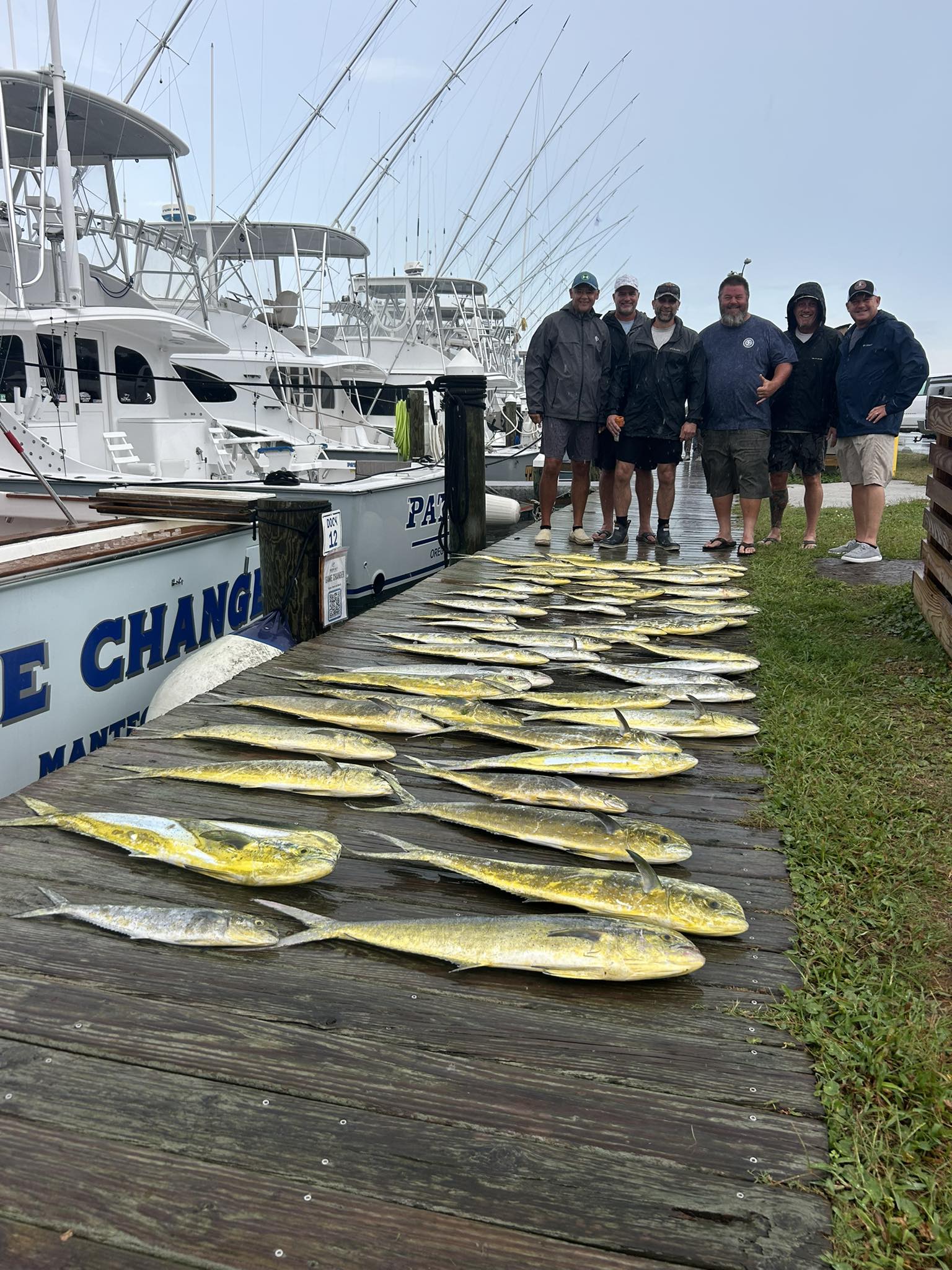
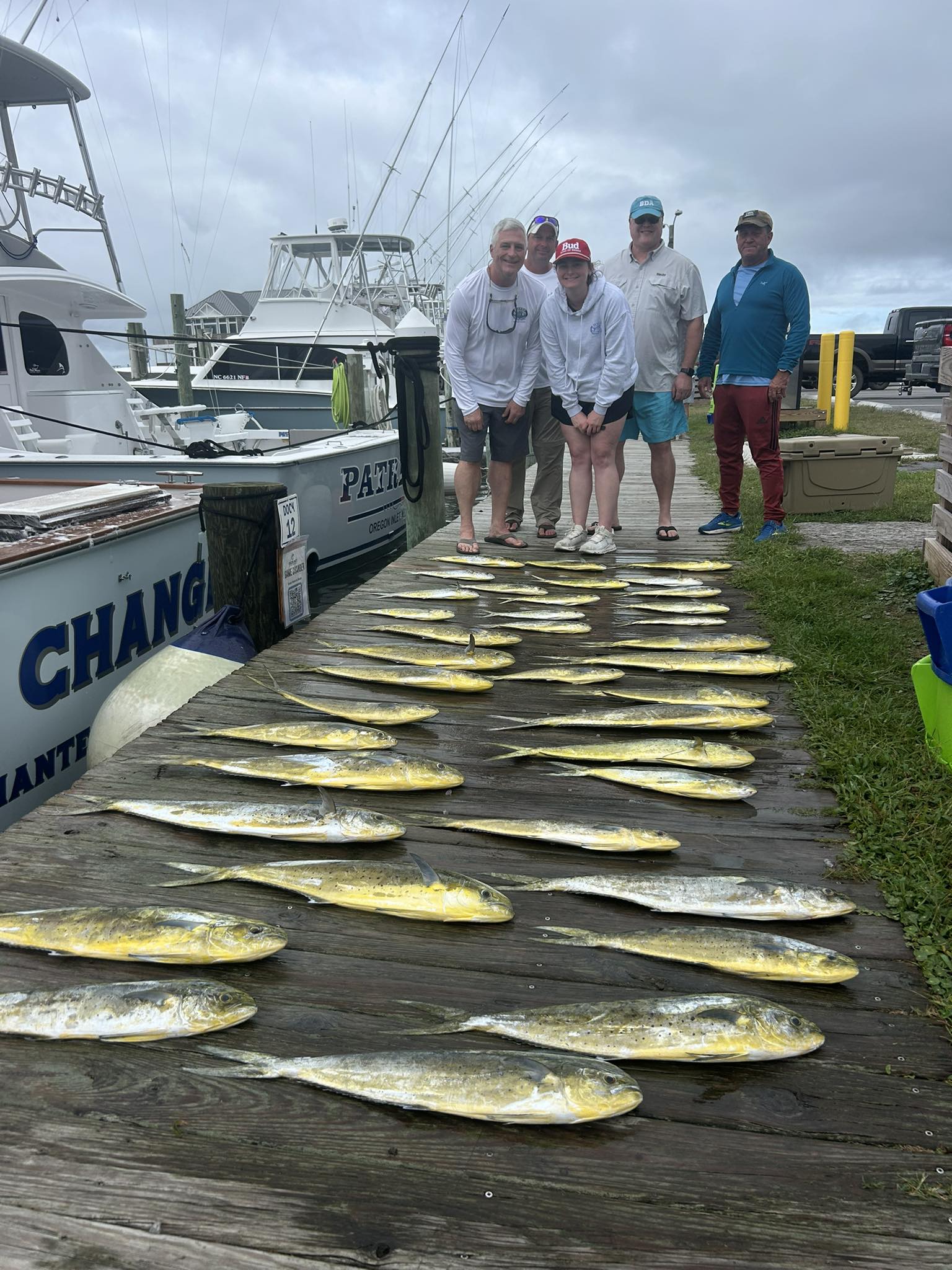
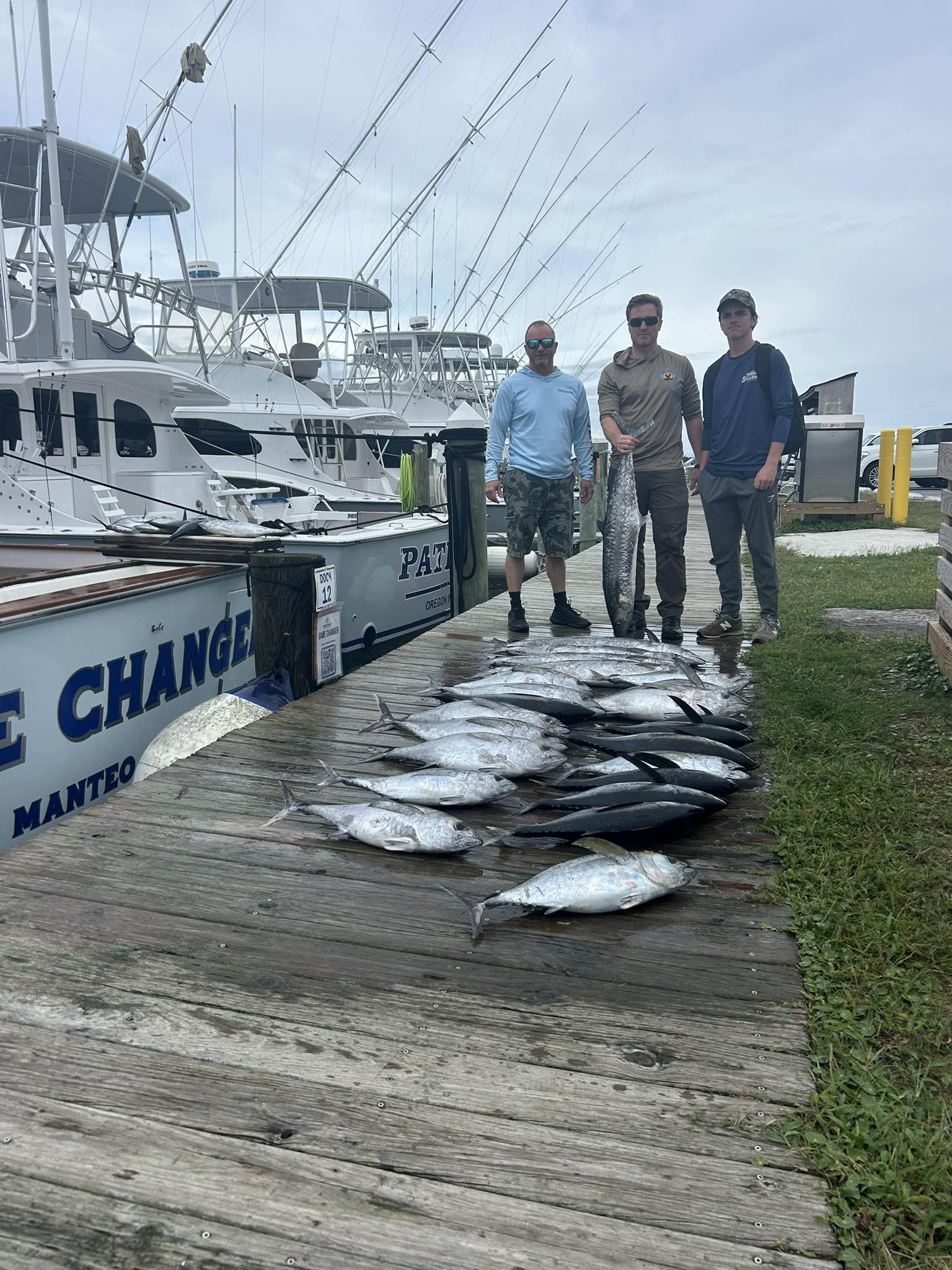
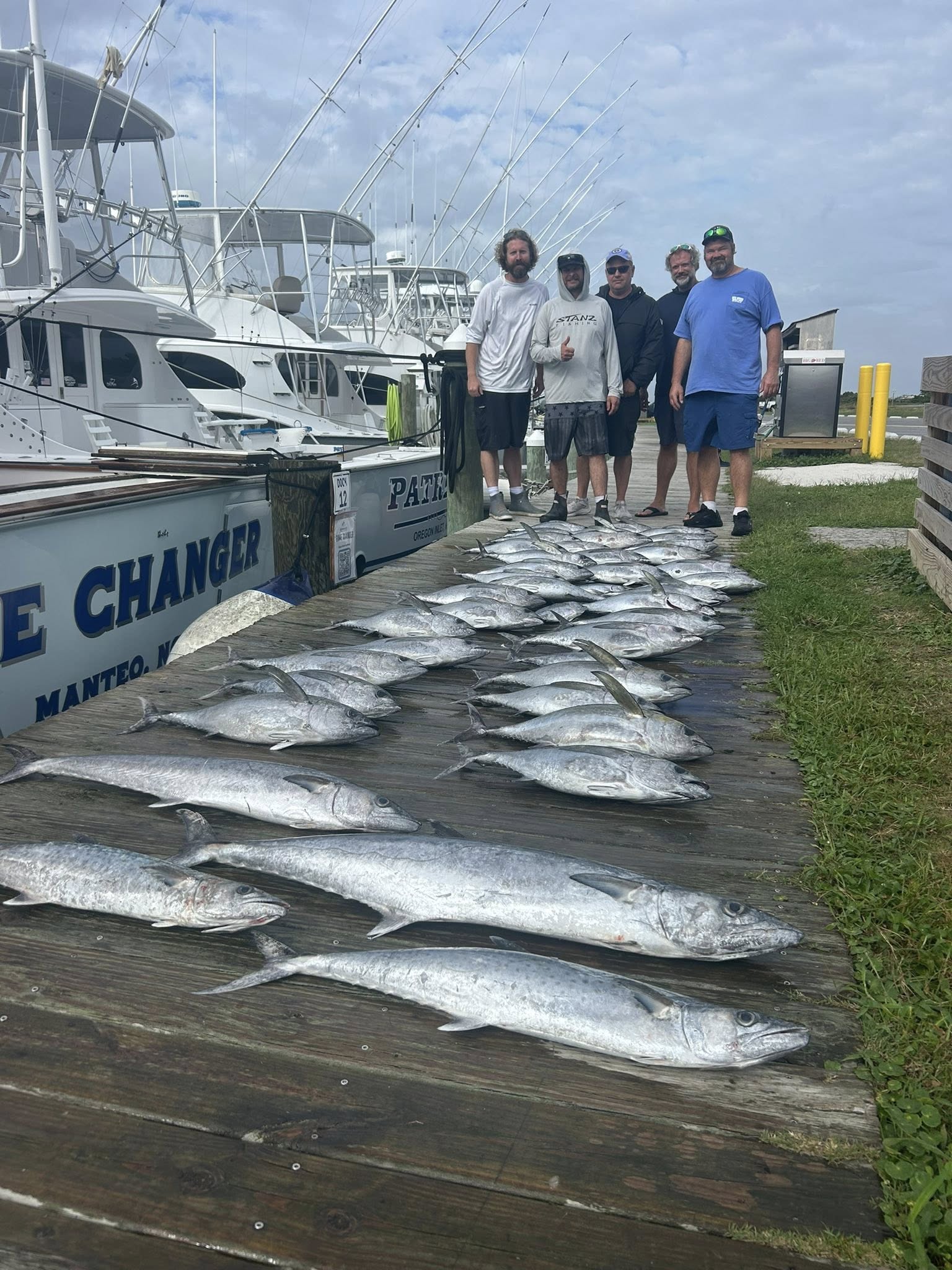
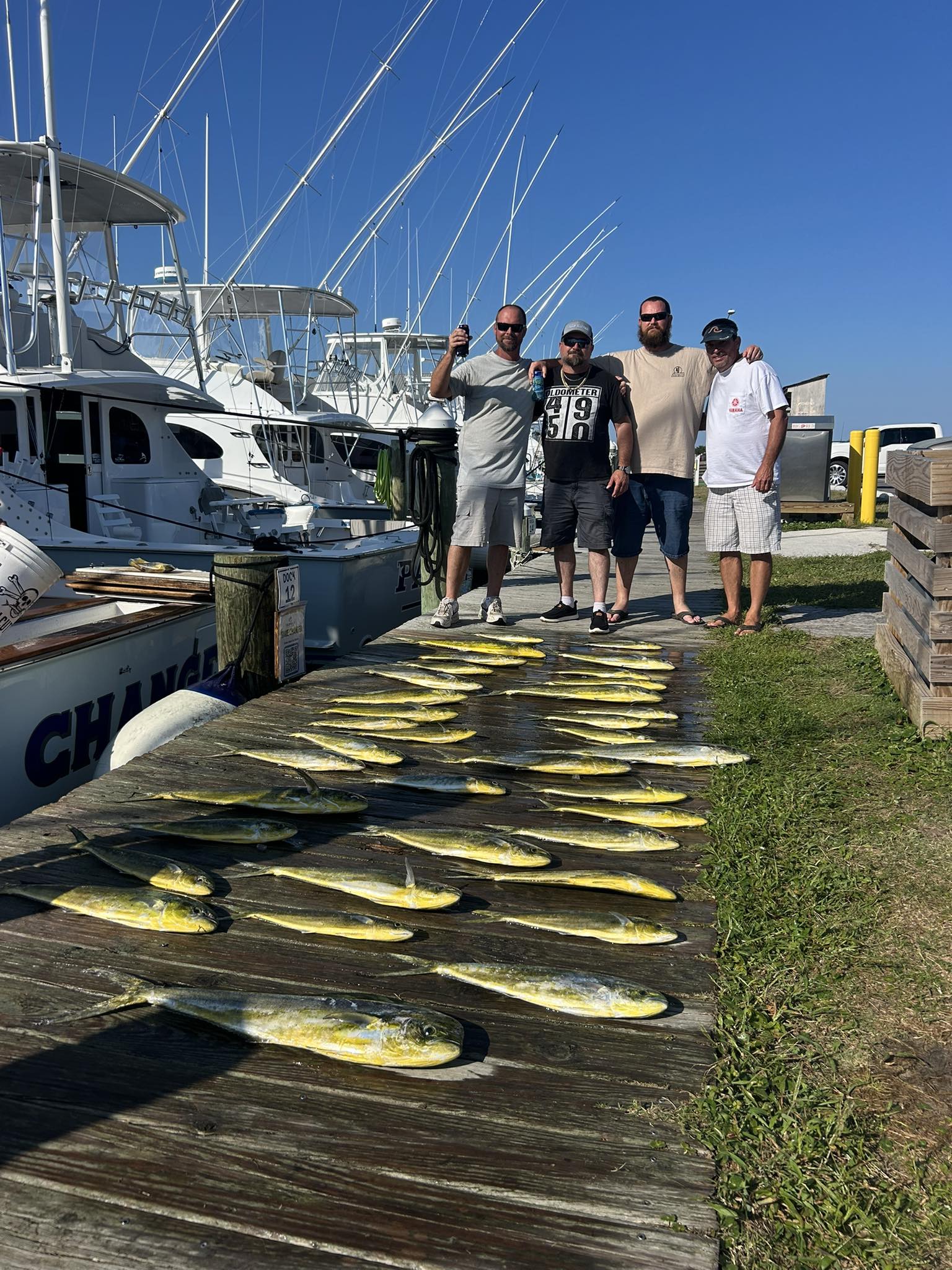
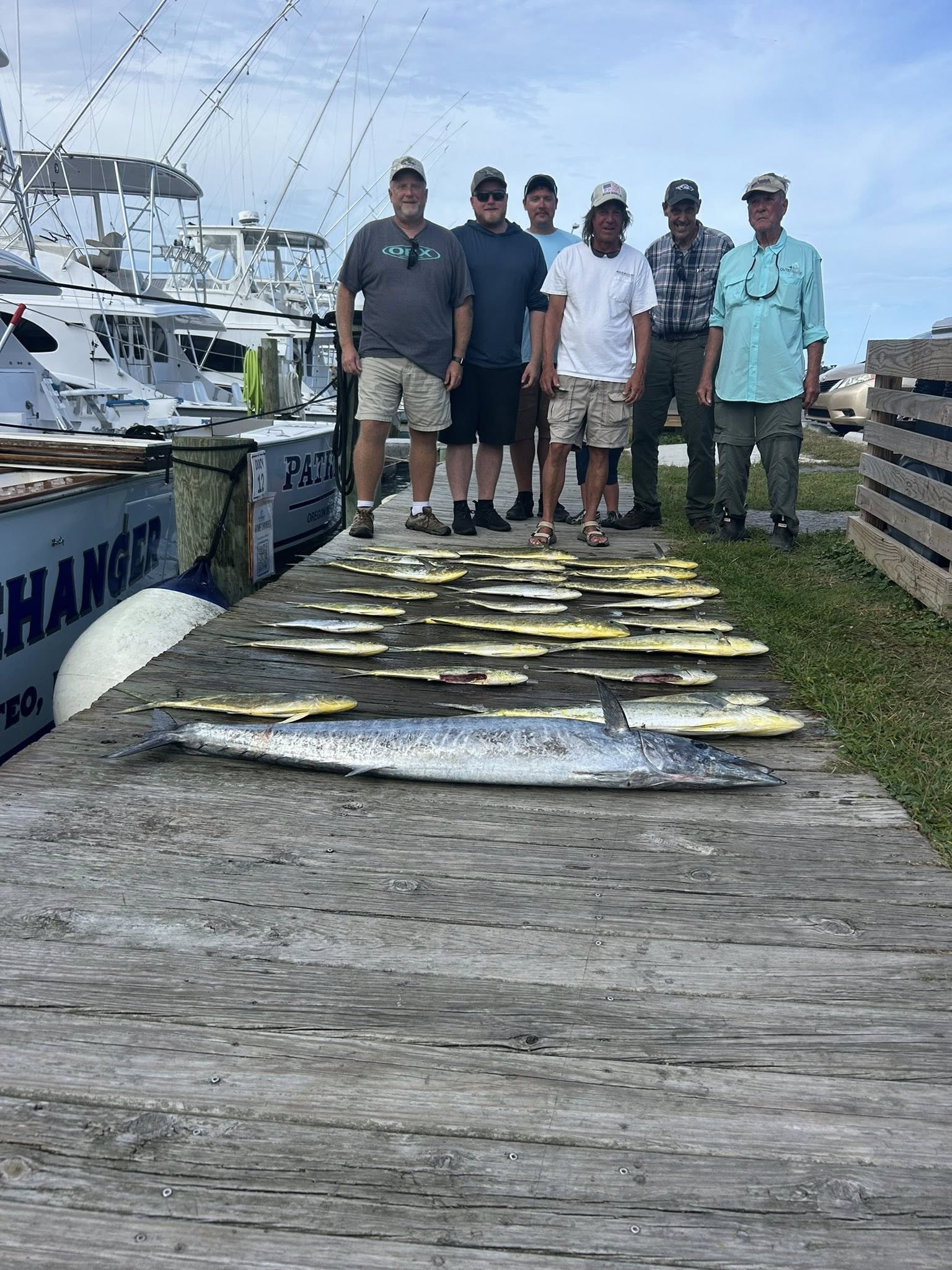
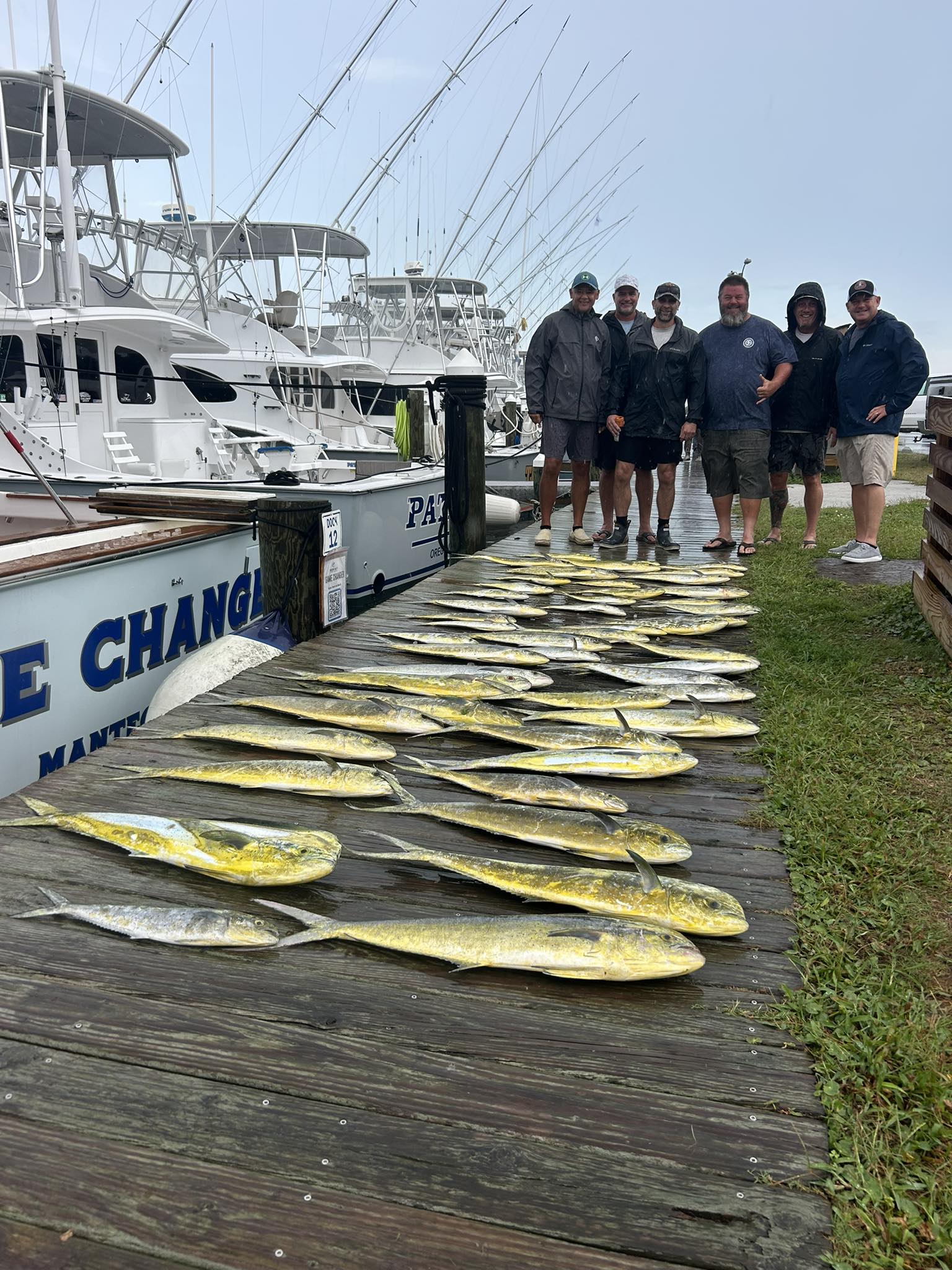
Mahi Mahi bring non-stop action and beautiful colors to any offshore trip. These fast-growing fish typically run 10-30 pounds in these waters, with bulls occasionally pushing 40-50 pounds. Mahi are aggressive feeders that love ballyhoo, small lures, and anything that looks like flying fish. They're perfect for kids because they bite readily, fight hard but not too long, and those electric blues, greens, and golds are absolutely stunning. Plus, mahi often travel in schools, so when you find one, you'll usually find more. They're also fantastic table fare, making them a favorite with families.
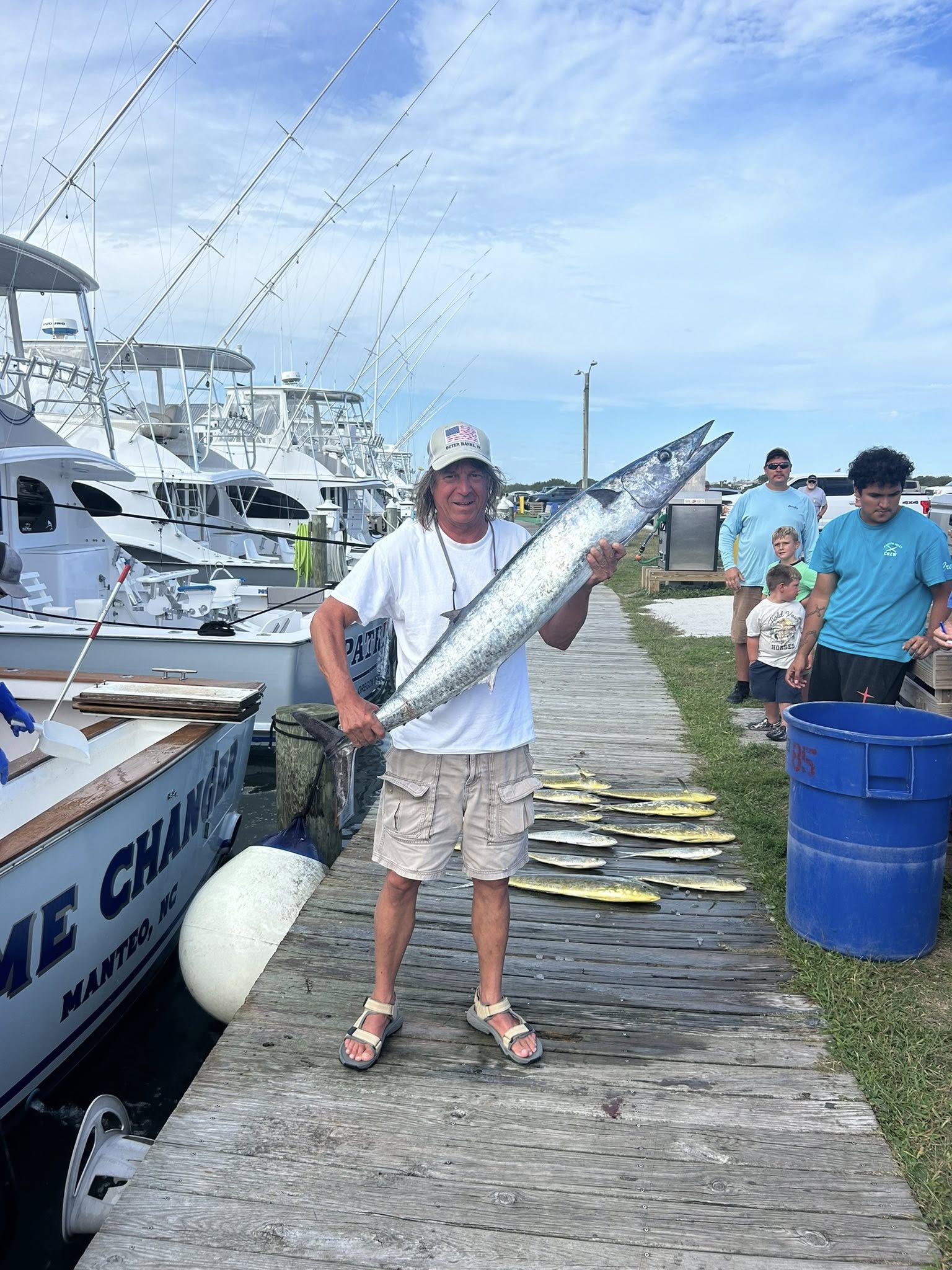
Wahoo are the speed demons of the offshore world, capable of blazing 50+ mph runs that'll test your drag and your nerves. These torpedo-shaped predators average 20-40 pounds off Oregon Inlet, with larger fish possible during peak season in fall and winter. Wahoo have razor-sharp teeth and attack lures with incredible violence, often cutting themselves off before you can react. When you do hook one solid, hang on - their initial run is absolutely blistering. Wahoo are also excellent eating, with firm white meat that's perfect for the grill.
Time to Book Your Spot
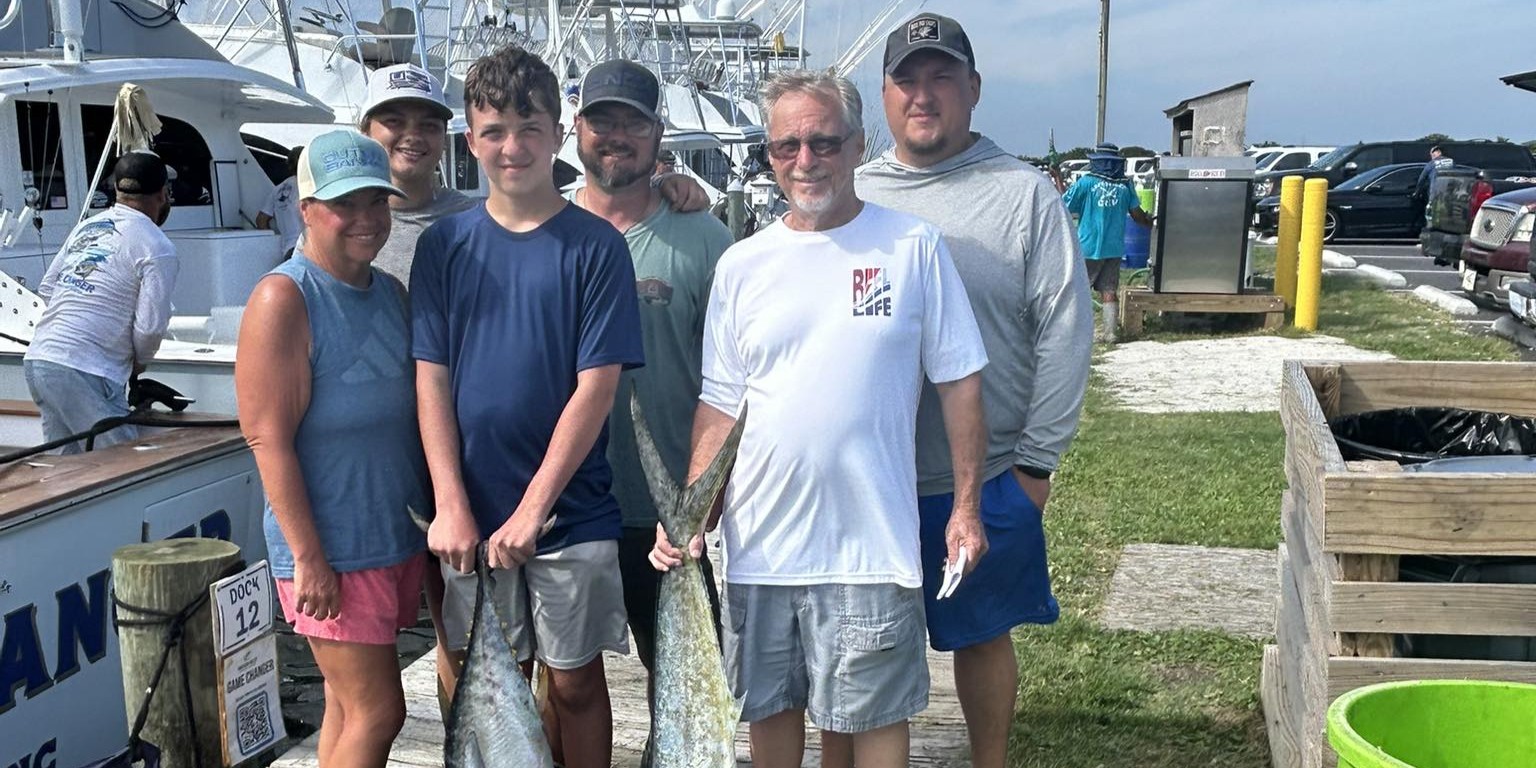
Captain Gregg's family-friendly approach to offshore fishing makes this trip special. He understands that successful family fishing means keeping everyone engaged, comfortable, and excited about what's happening. The 11-hour format gives you real time to work the grounds properly, not just a quick run out and back. At 6 guests max, there's plenty of room for everyone to participate without feeling crowded. Oregon Inlet's location puts you within range of some of the East Coast's most productive blue water, and Captain Gregg's local knowledge ensures you're fishing the right spots at the right times. Whether you're introducing kids to offshore fishing or looking for that next family adventure, this trip delivers the whole package. The memories you'll make out there - watching a sailfish jump, seeing your kid land their first mahi, or just spending the day together on the open ocean - are worth every minute of the early morning start.
 Private Trip
 Offshore Fishing
 Oregon Inlet


 11-hour offshore fishing adventure targeting sailfish and marlin