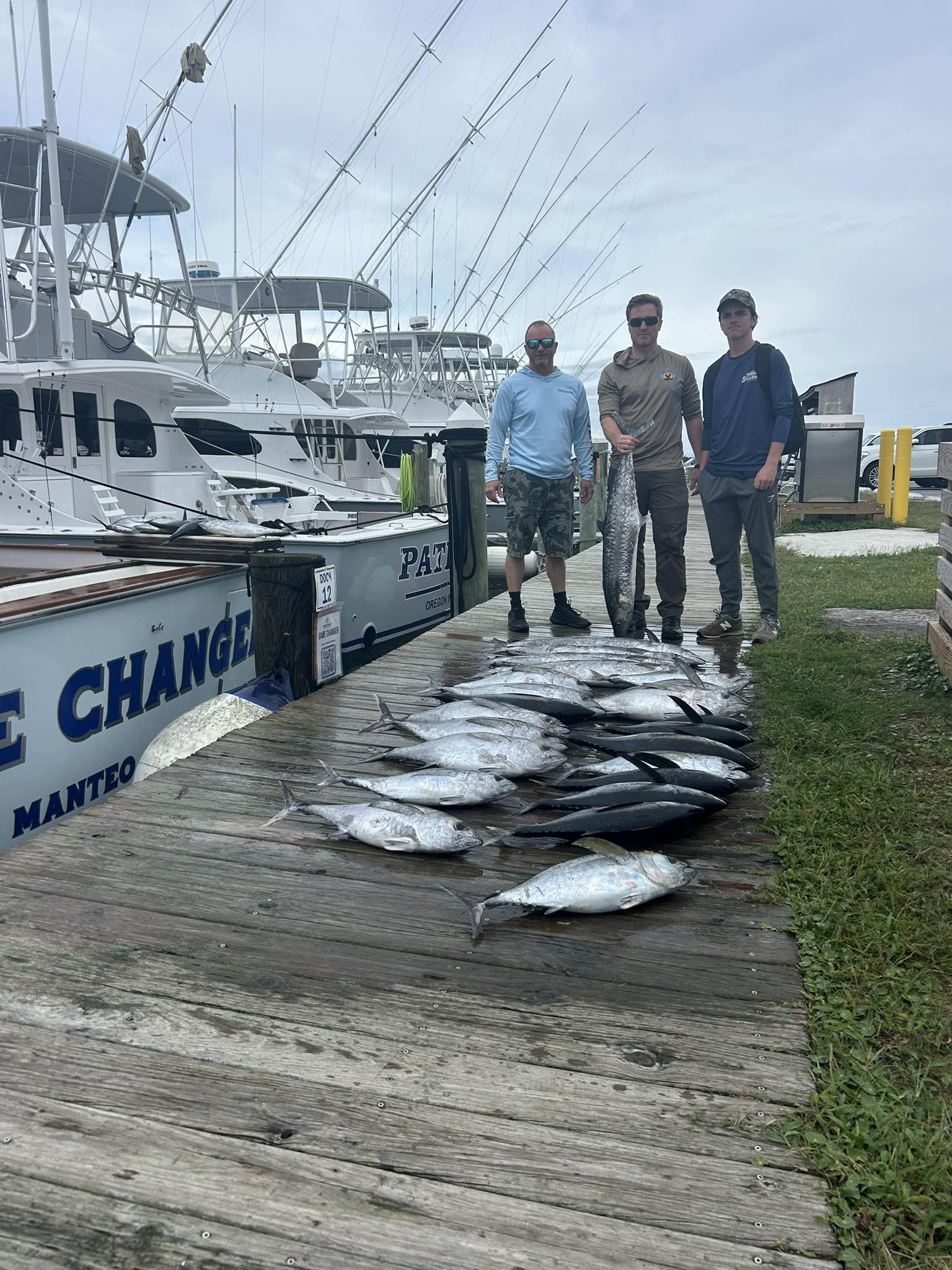
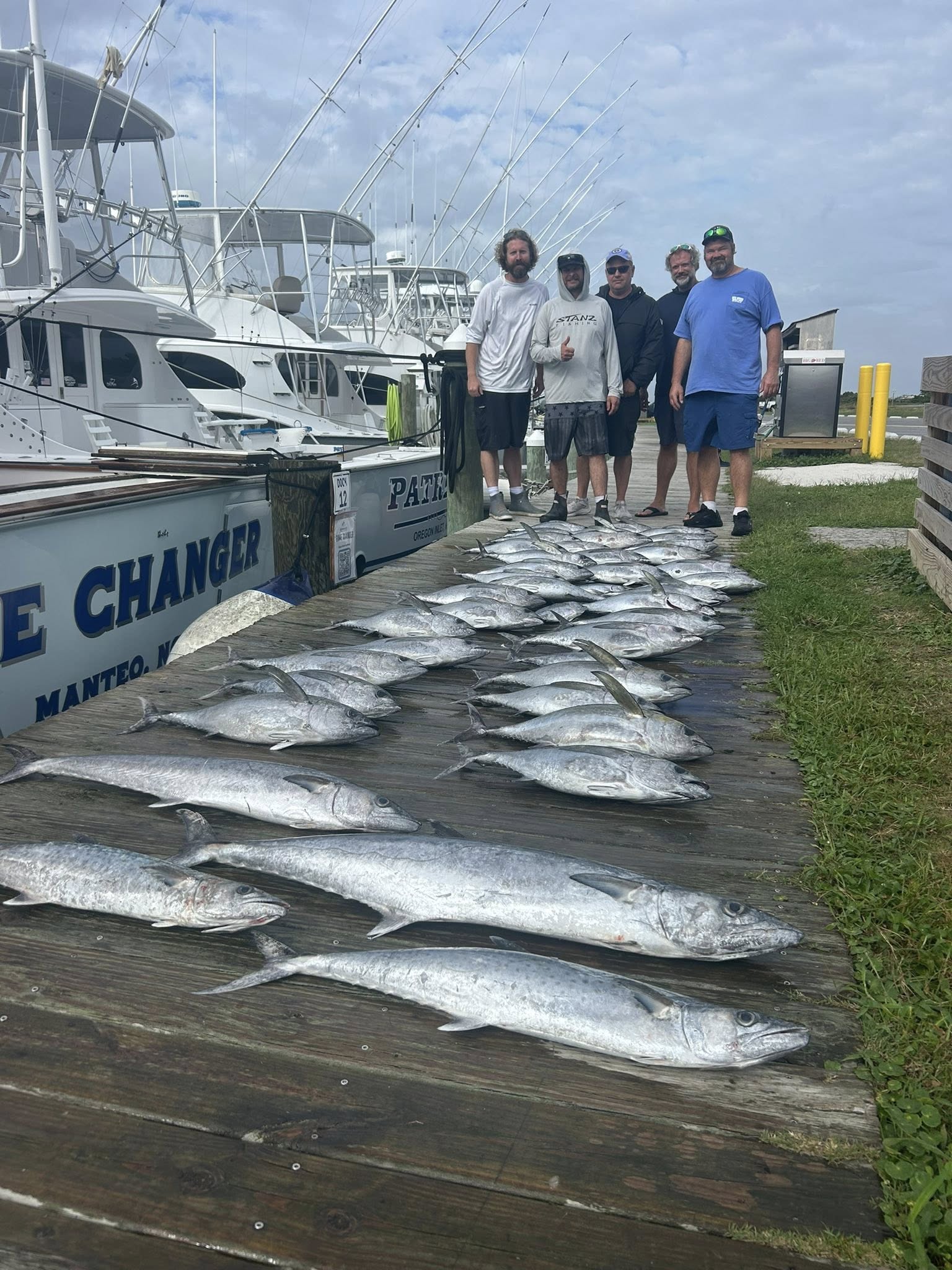
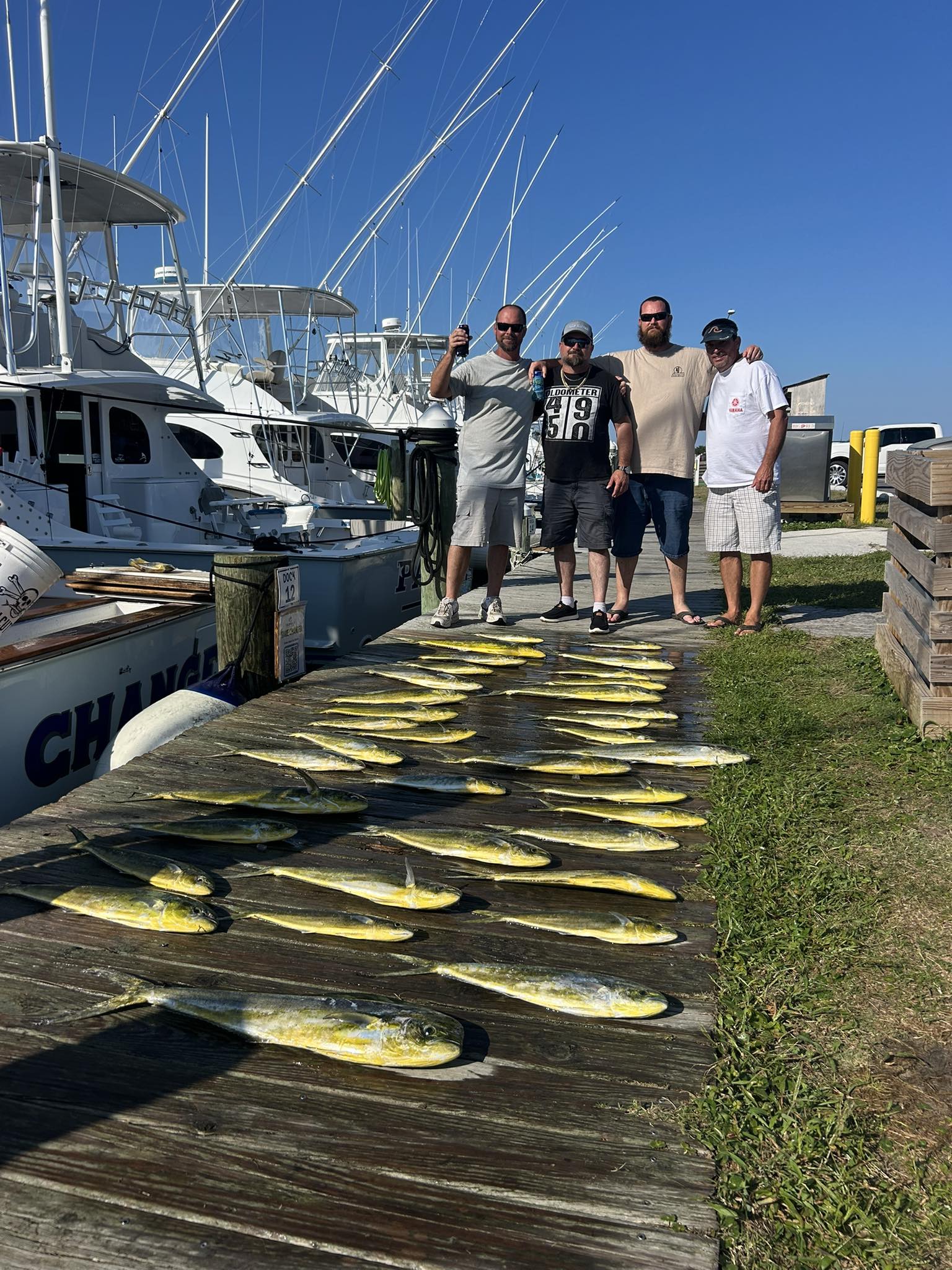
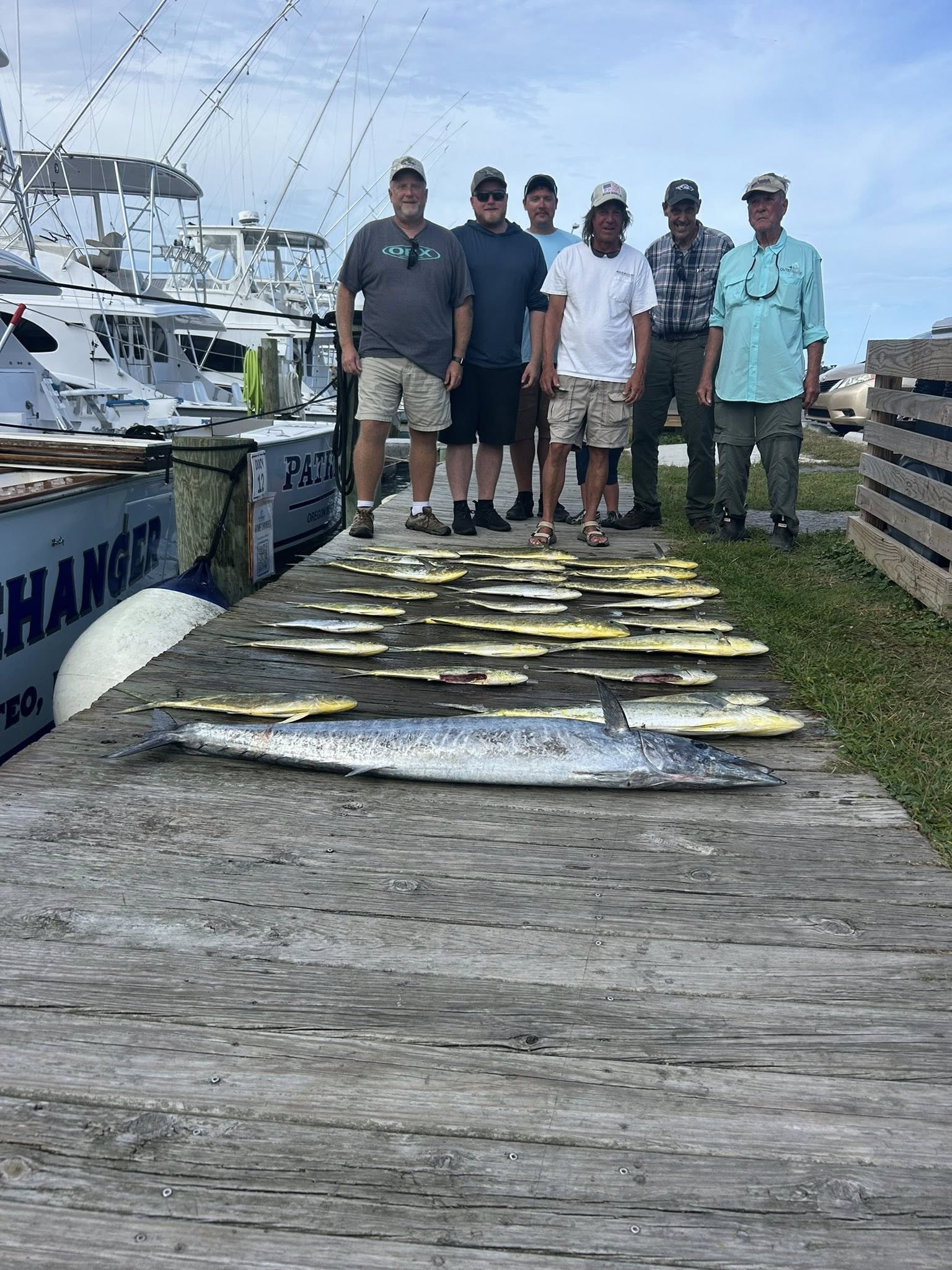
Advanced Offshore Fishing - Oregon Inlet
When you're ready to step up your game and chase the big ones, Captain Gregg's 11-hour offshore adventure aboard the Billy Holton is where serious anglers prove their mettle. This isn't your typical half-day charter – we're talking about a 35-mile run from Oregon Inlet into deep blue water where the real monsters live. At 5 AM sharp, you'll join five other skilled anglers for what many consider the best offshore fishing experience on the Outer Banks. This top-rated charter targets sailfish, marlin, tuna, wahoo, and mahi mahi in waters where these gamefish thrive year-round.
What to Expect on the Water
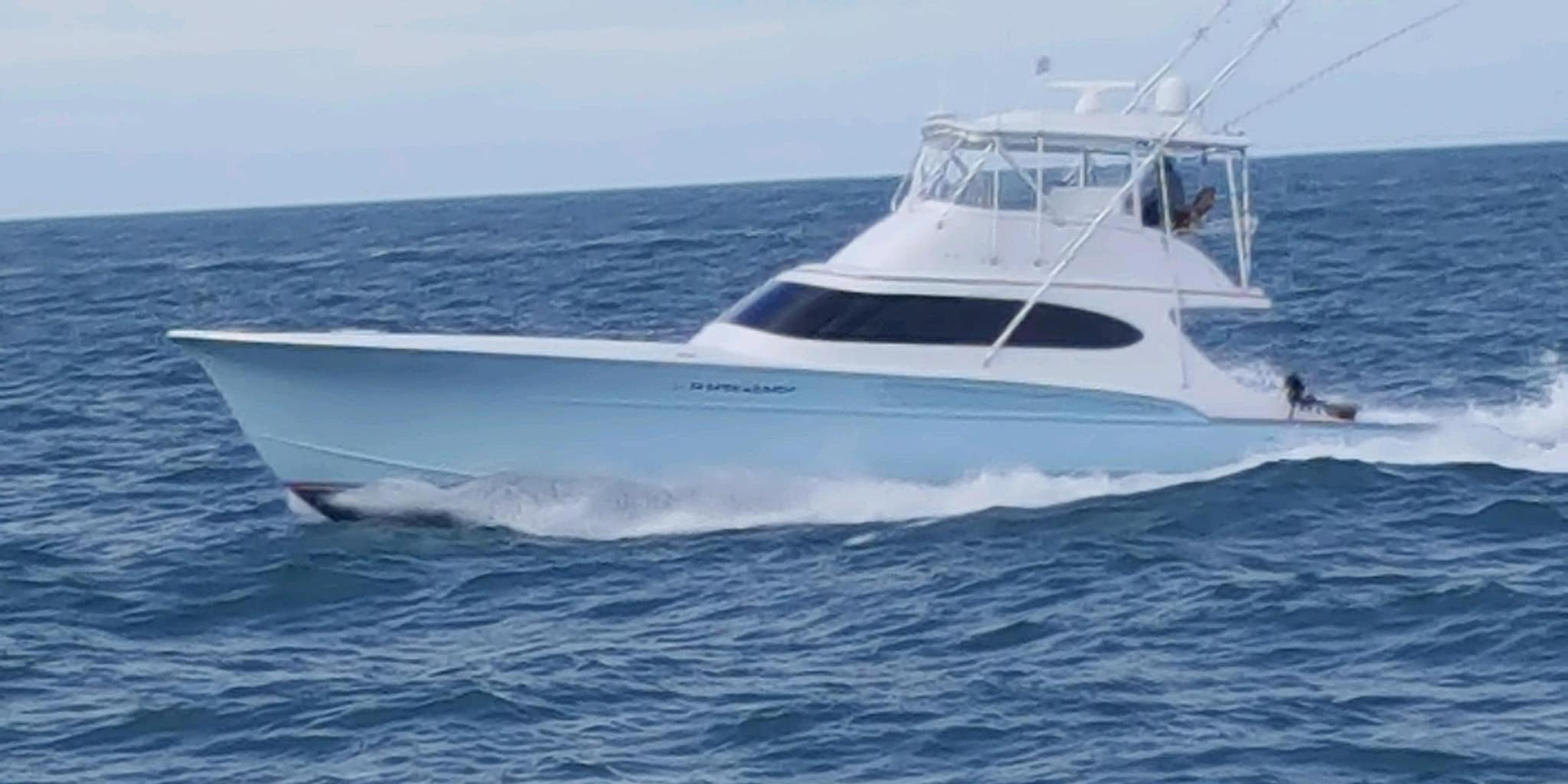
Captain Gregg runs a tight ship, and that starts with the pre-dawn departure from Oregon Inlet. The Billy Holton cuts through the inlet's notorious currents like butter, and once we clear the inlet, it's a straight shot to the fishing grounds. You'll watch the sun come up over the Atlantic while we're making our run – there's something special about watching the water change from green inshore shallows to that deep cobalt blue that holds the fish we're after. The boat's equipped with world-class electronics, outriggers, and fighting chairs because when you hook into a 200-pound blue marlin, you need every advantage you can get. Pack your own food and drinks – this crew stays focused on fishing, not catering. Bring plenty of water, some hearty snacks, and maybe a cooler with ice for the long haul.
Trolling Techniques & Tackle
Out here, trolling is king, and Captain Gregg's got it dialed in. We'll be pulling a spread of lures and baits designed to trigger strikes from pelagic predators. The boat runs four to six lines at varying distances and depths – ballyhoo rigged on circle hooks, cedar plugs, and high-speed wahoo lures that create the kind of commotion these fish can't resist. When we mark baitfish or temperature breaks on the sounder, that's when things get interesting. The tackle is heavy enough to handle whatever we hook – 50 and 80-pound class rods with quality reels spooled with fresh line. Circle hooks are the standard for billfish, giving you the best shot at a clean hookup and a successful release. The fighting chairs are positioned perfectly, and Captain Gregg knows exactly how to maneuver the boat to give you every advantage during the fight.
Top Catches This Season
The Atlantic sailfish are the stars of the show out here, and for good reason. These acrobatic fighters average 40 to 60 pounds and put on a show that'll have your adrenaline pumping for hours. Peak season runs from late spring through early fall, but Oregon Inlet's proximity to the Gulf Stream means we see sails almost year-round. When a sailfish lights up that spread and starts tail-walking across the surface, you'll understand why anglers travel from across the country to fish these waters. Blue marlin are the holy grail – these apex predators can exceed 400 pounds and will test every ounce of skill and endurance you've got. Summer months bring the best marlin action, especially when water temperatures hit the mid-70s and baitfish are thick.
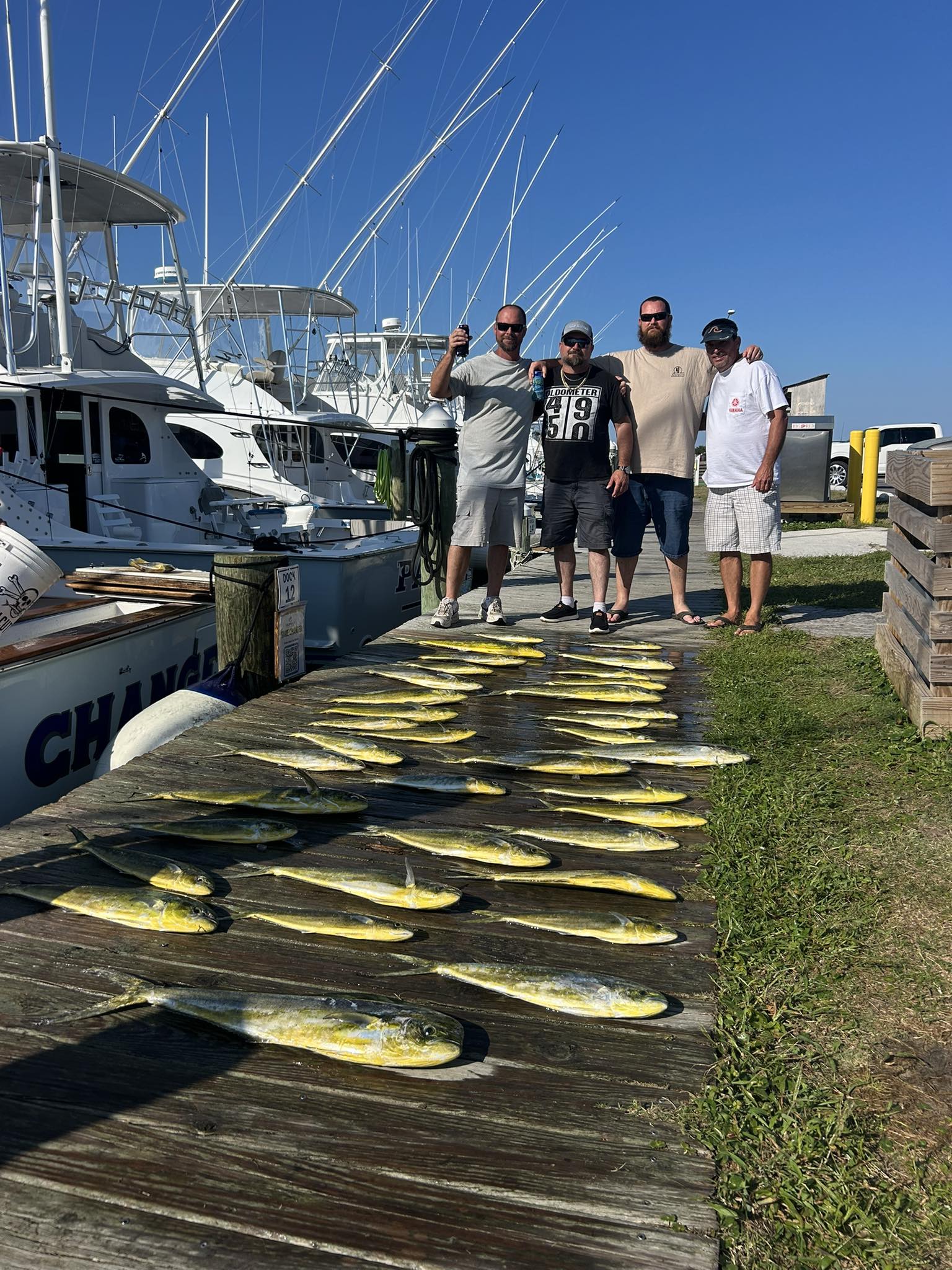
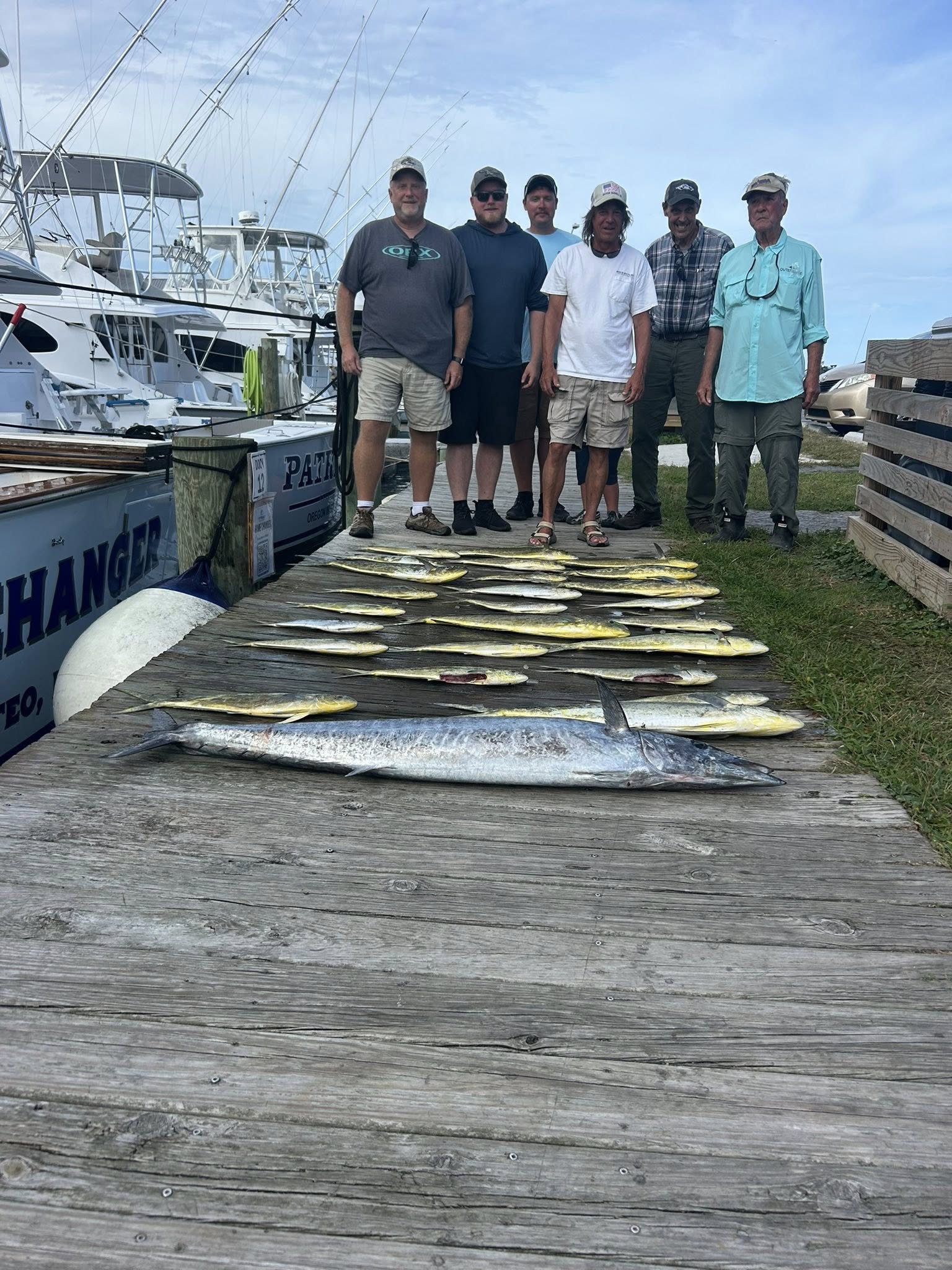
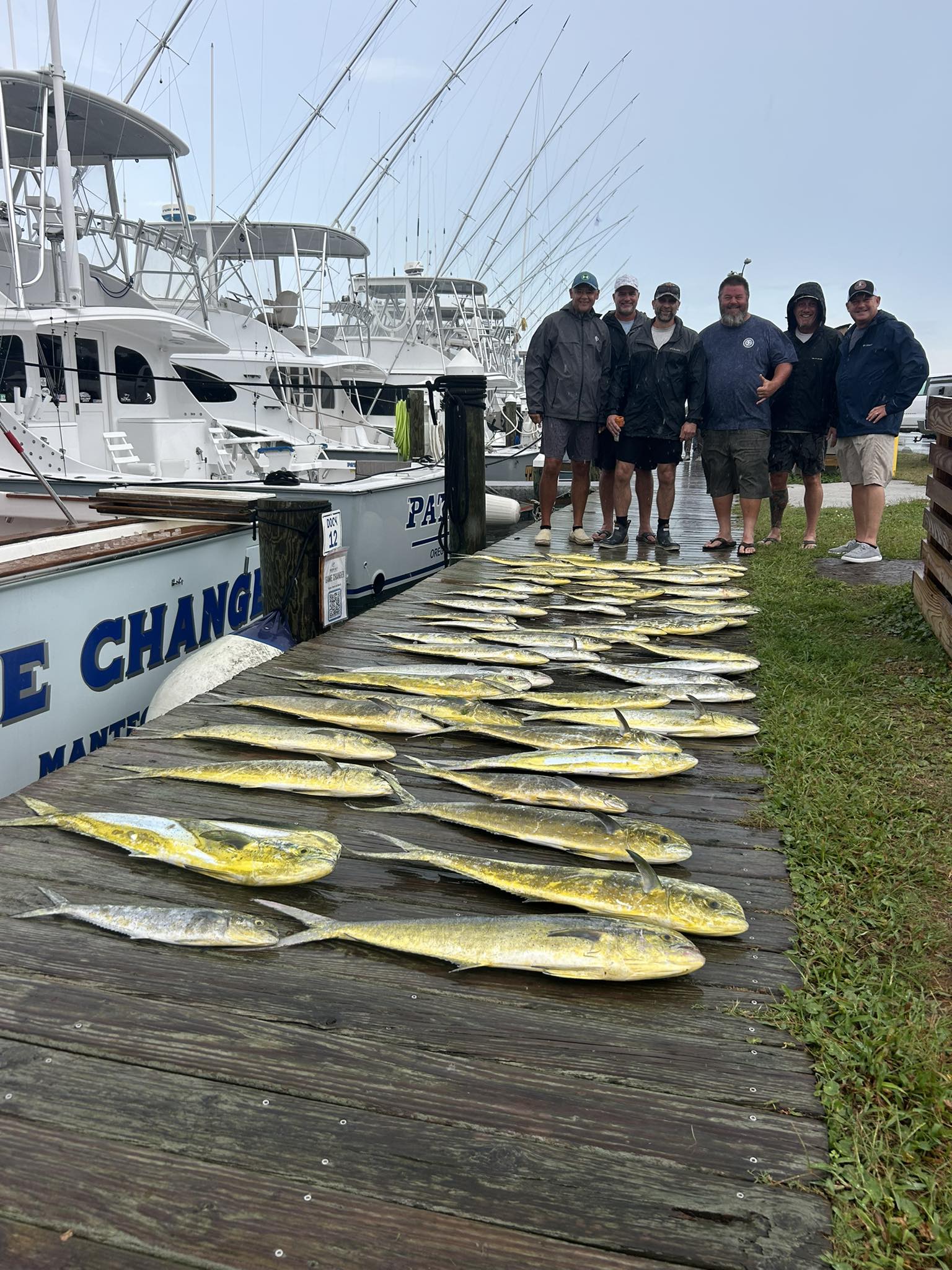
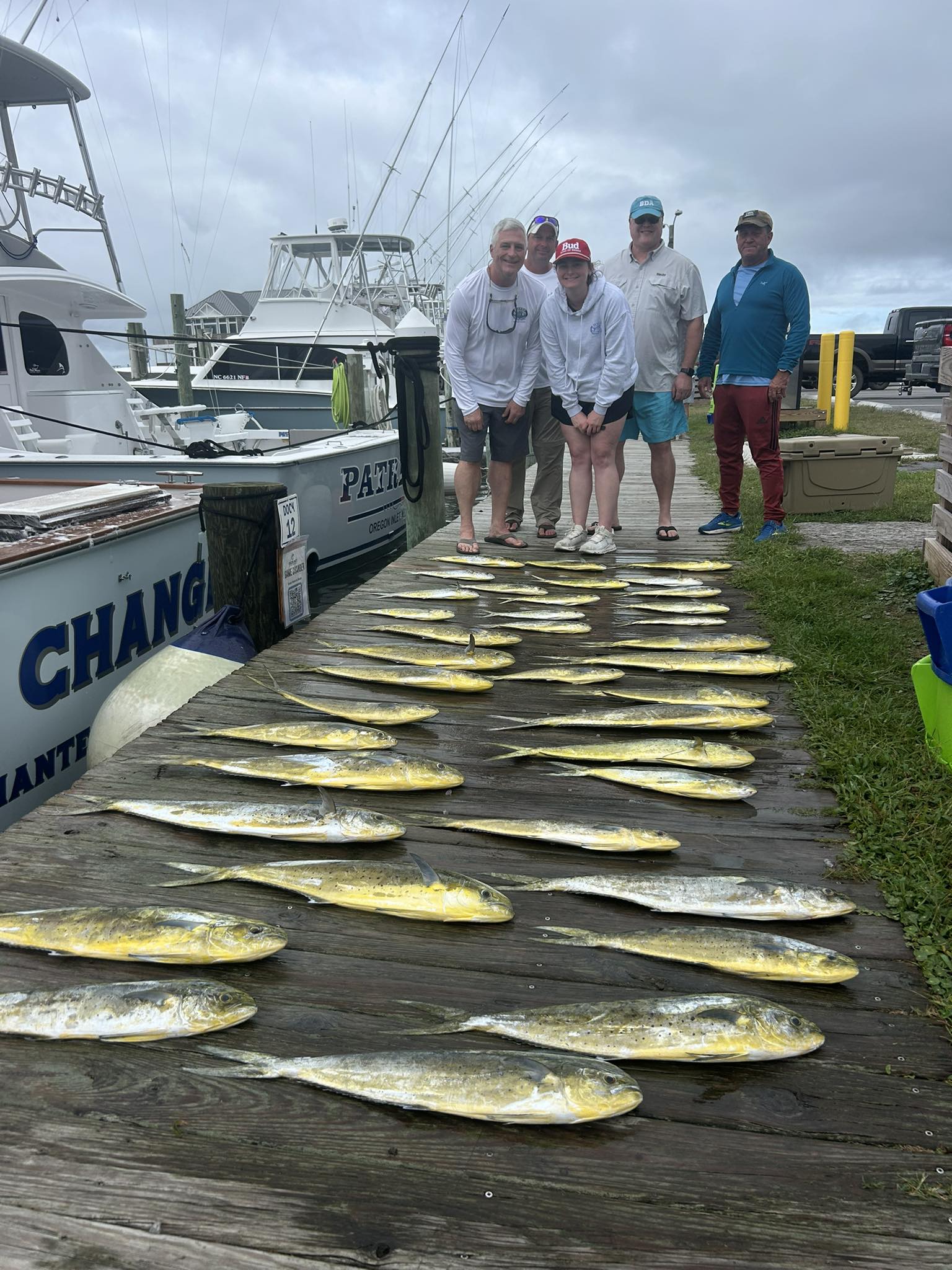
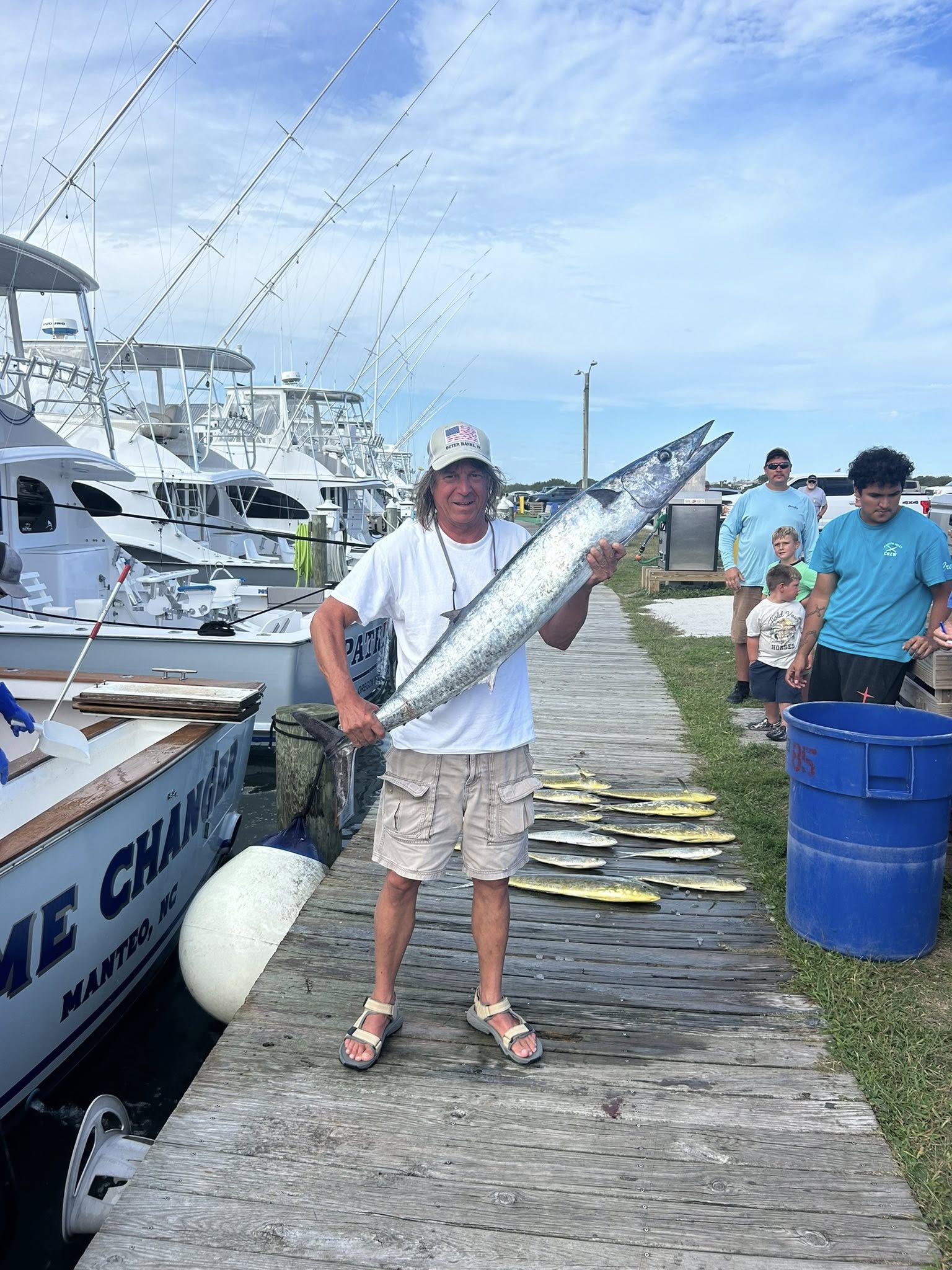
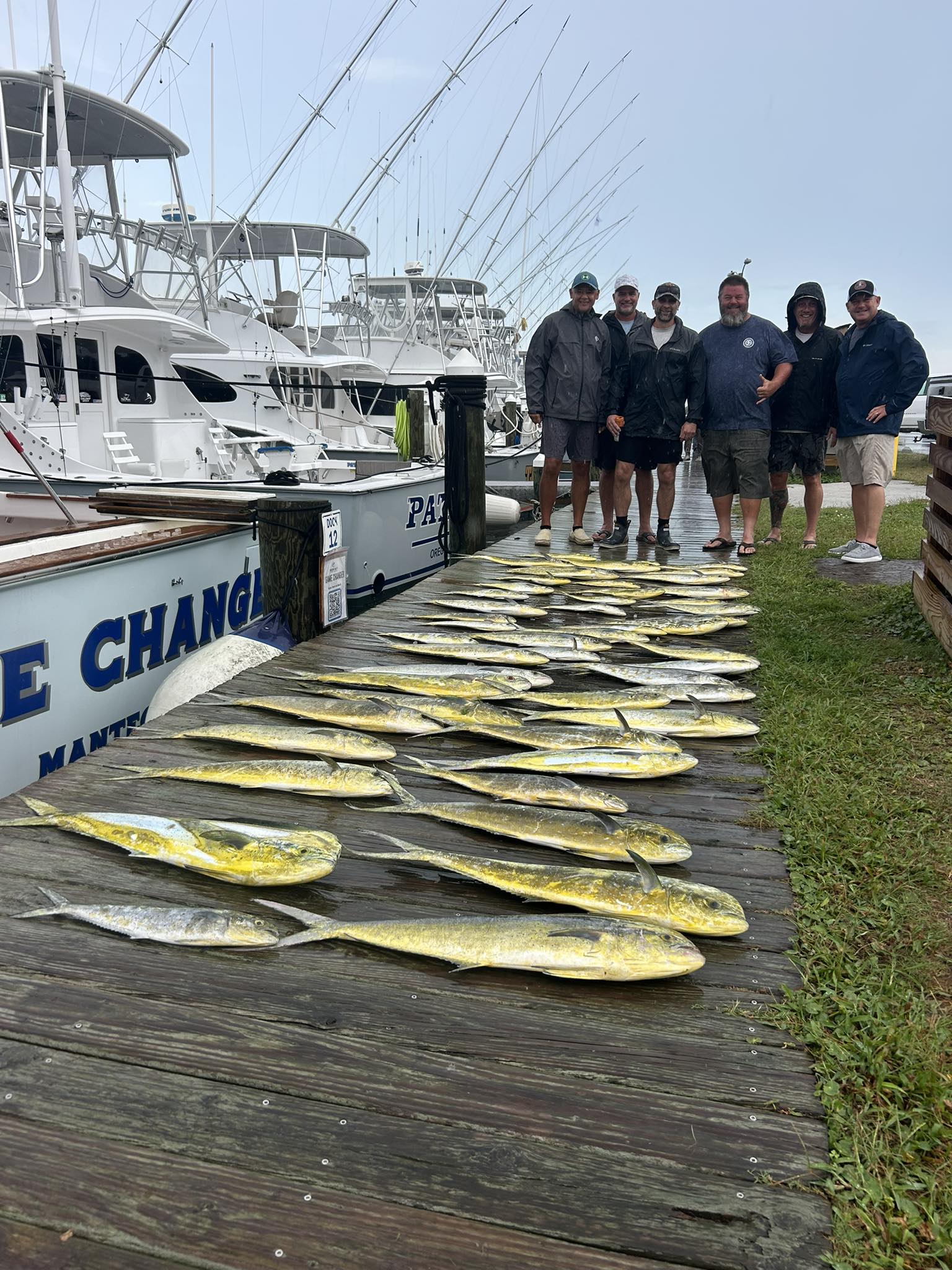
Mahi mahi, or dolphin as the locals call them, are pure fun on the line. These colorful fighters average 15 to 30 pounds and often travel in schools, meaning when you find one, you'll likely find more. They're excellent table fare too, so don't hesitate to keep a few for the dinner table. Wahoo are the speed demons of the offshore world – these torpedo-shaped predators can hit 50 mph and will smoke line off your reel faster than you can believe. A 40-pound wahoo hooked at trolling speed will give you a fight you won't forget, and their firm, white meat is considered some of the best eating in the ocean.
Time to Book Your Spot
This advanced fishing trip with Game Changer Charters represents the pinnacle of offshore angling on the East Coast. Captain Gregg's reputation for putting clients on fish is well-earned, and the Billy Holton's track record speaks for itself. With only six spots available, this customer favorite fills up fast, especially during peak season. Whether you're a seasoned tournament angler looking to add to your resume or a dedicated recreational fisherman ready to step up to the big leagues, this 11-hour adventure delivers the kind of fishing memories that last a lifetime. The combination of skilled guidance, quality equipment, and prime fishing grounds 35 miles offshore creates the perfect storm for an epic day on the water. Don't let this renowned charter opportunity slip away – book your spot today and get ready to test your skills against some of the ocean's most prized gamefish.
 Private Trip
 Offshore Fishing
 Oregon Inlet


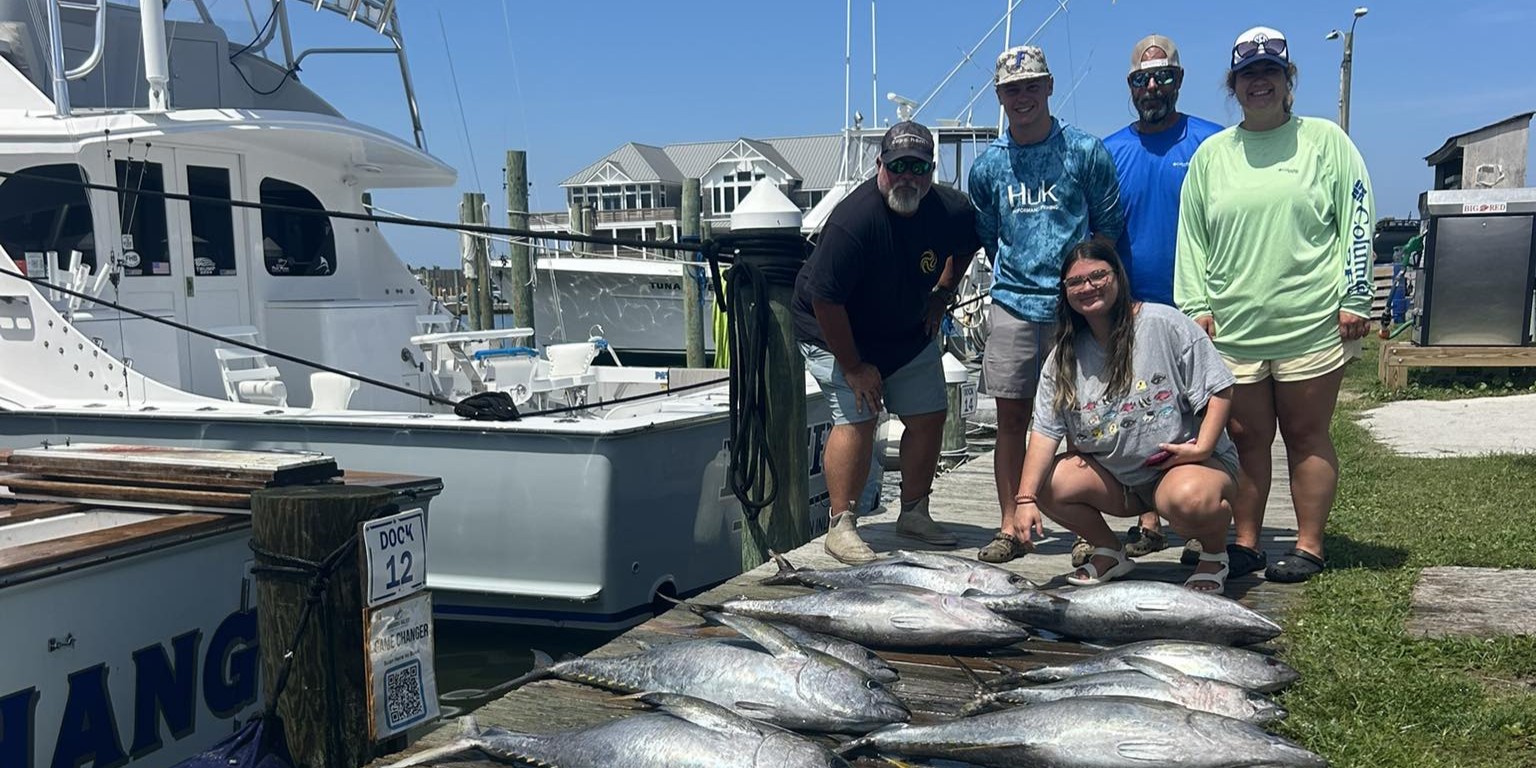
 11-hour offshore trip targeting sailfish, marlin, tuna, and wahoo