6 Hour West Palm Beach Fishing Charter for Sailfish
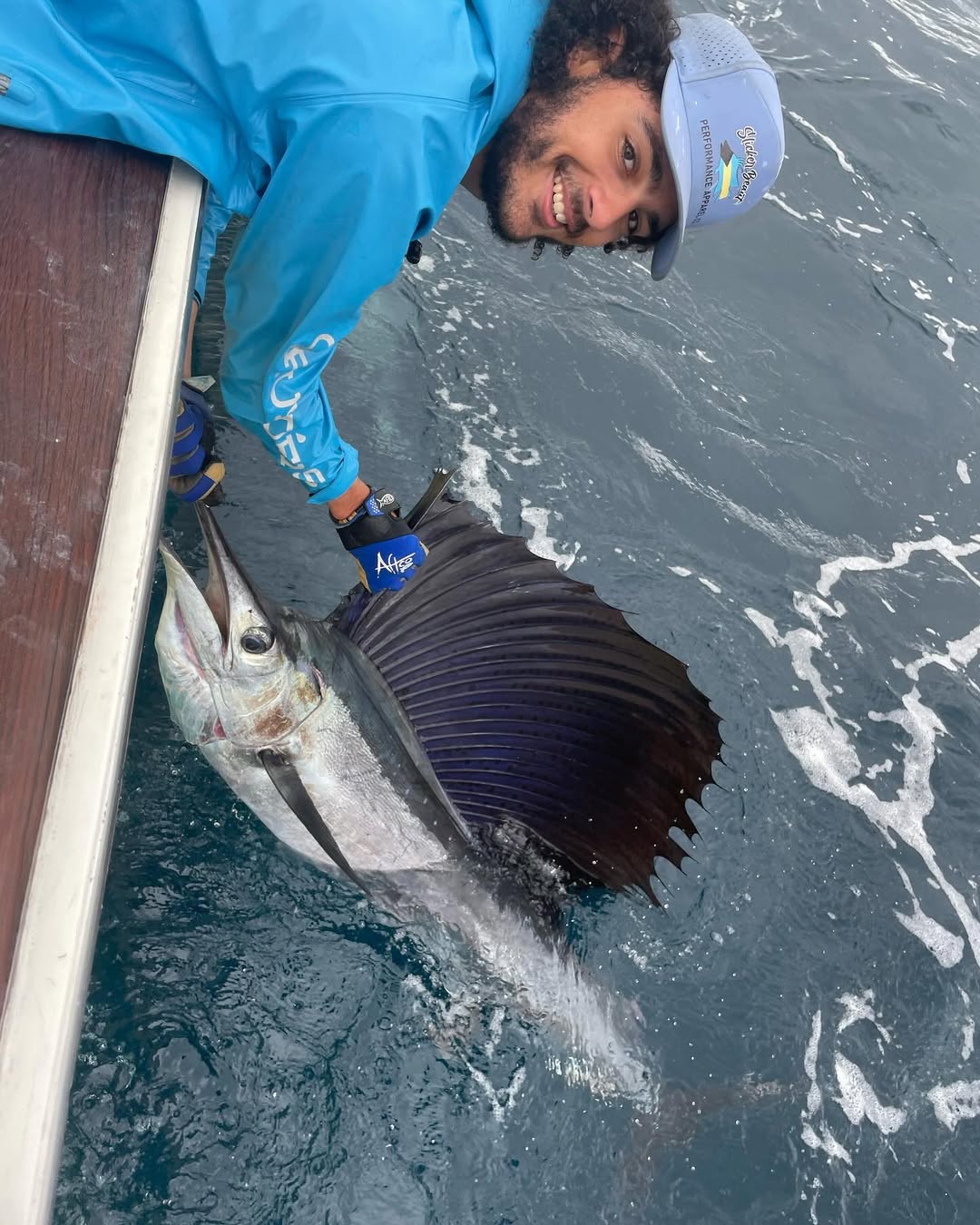
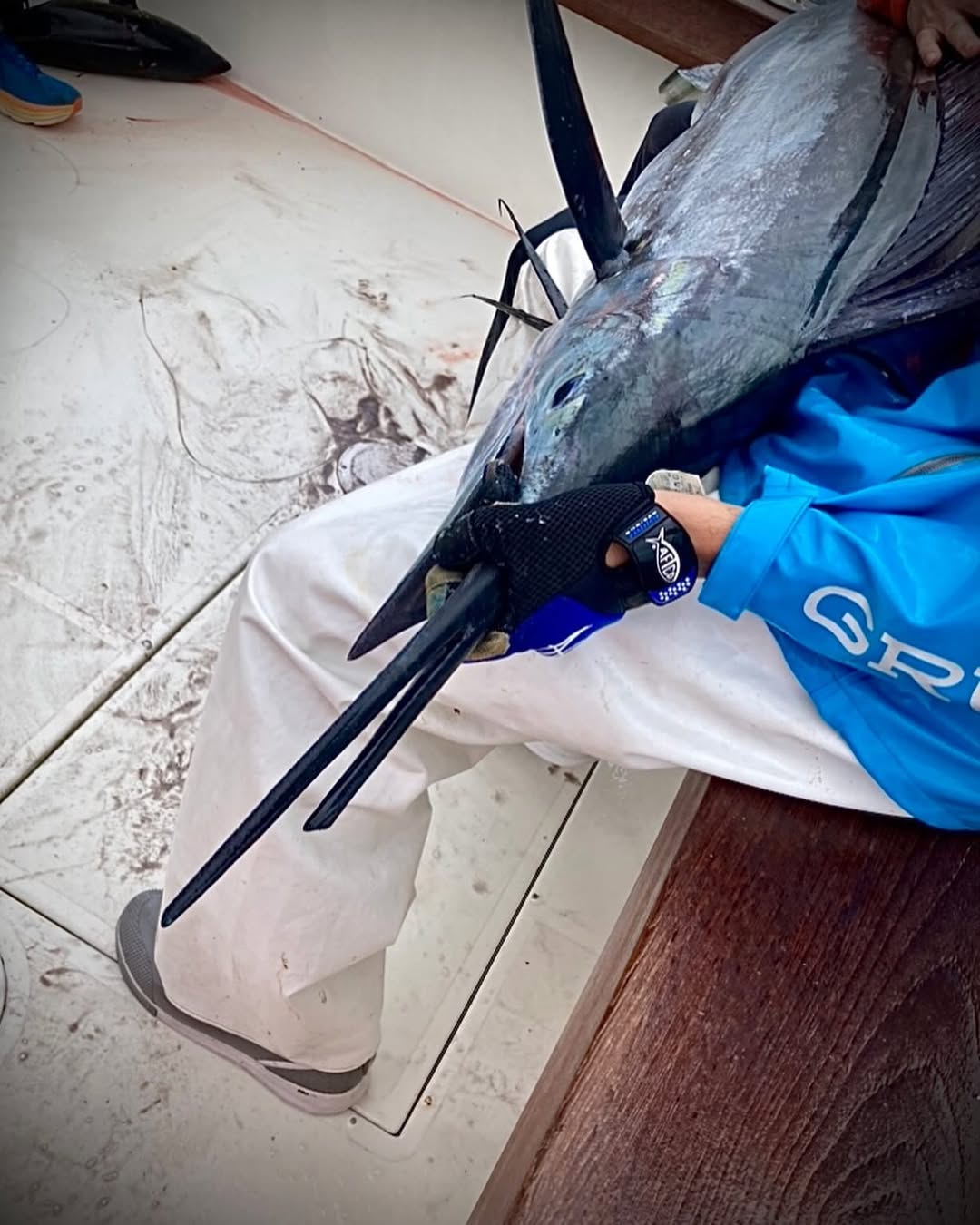
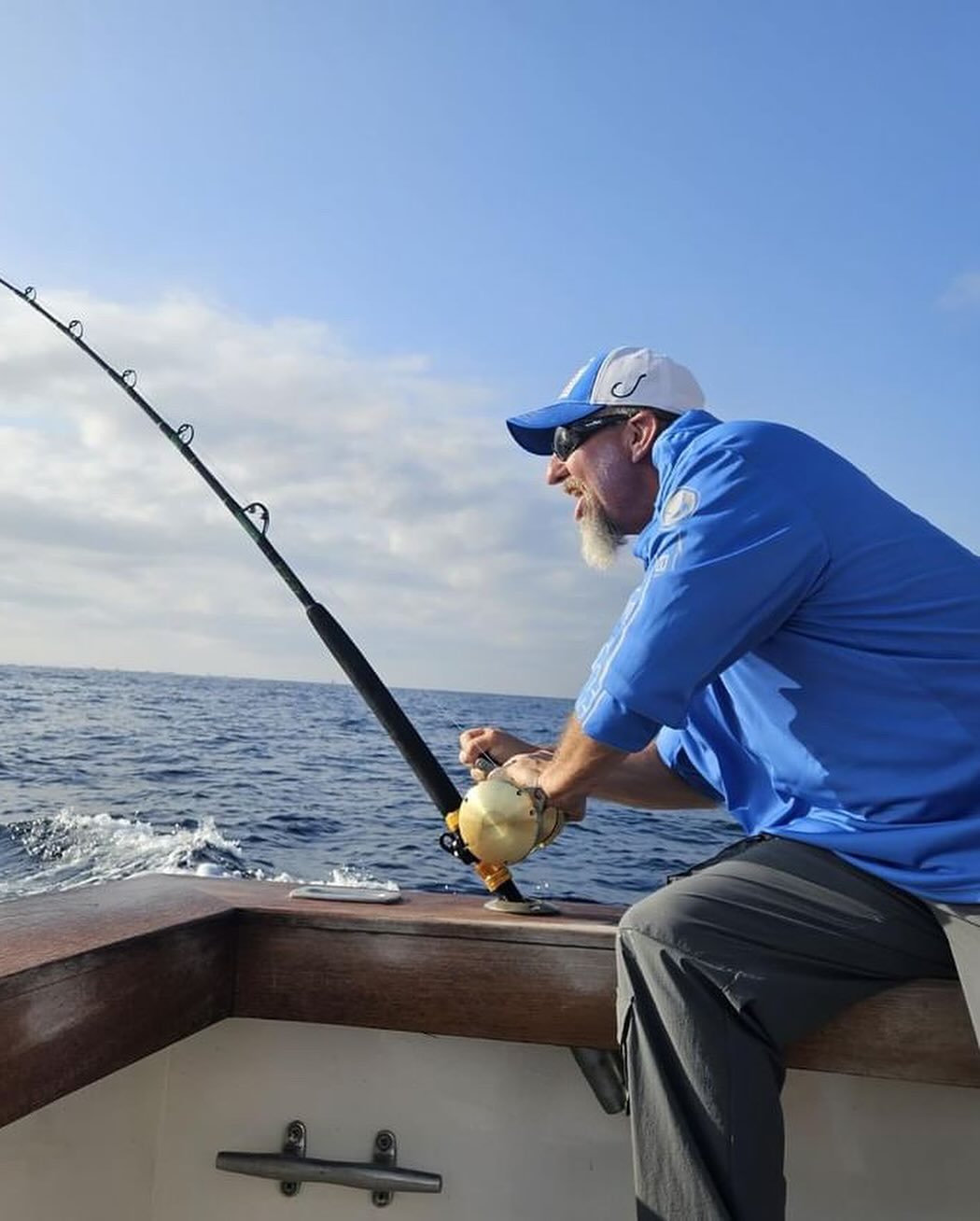
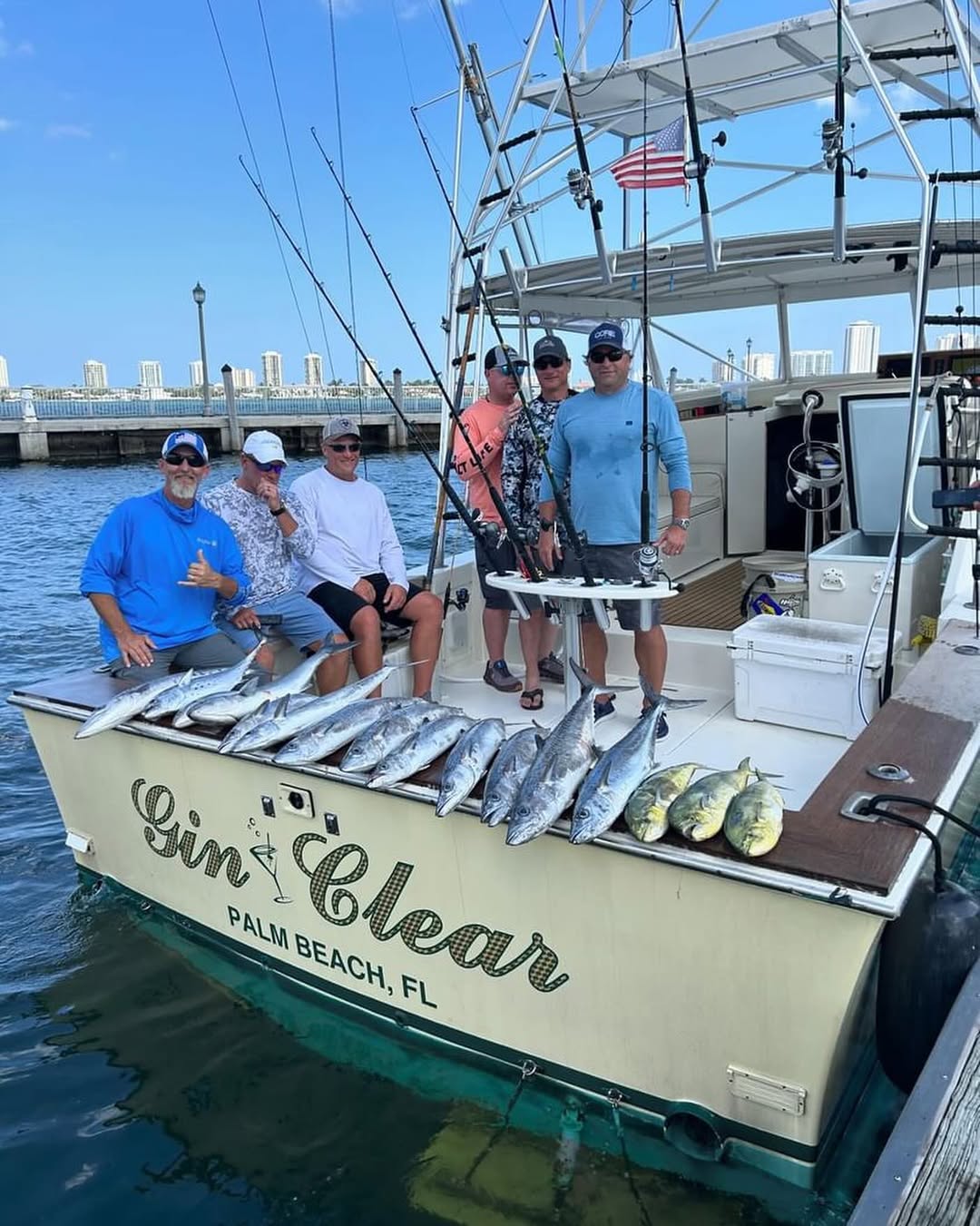
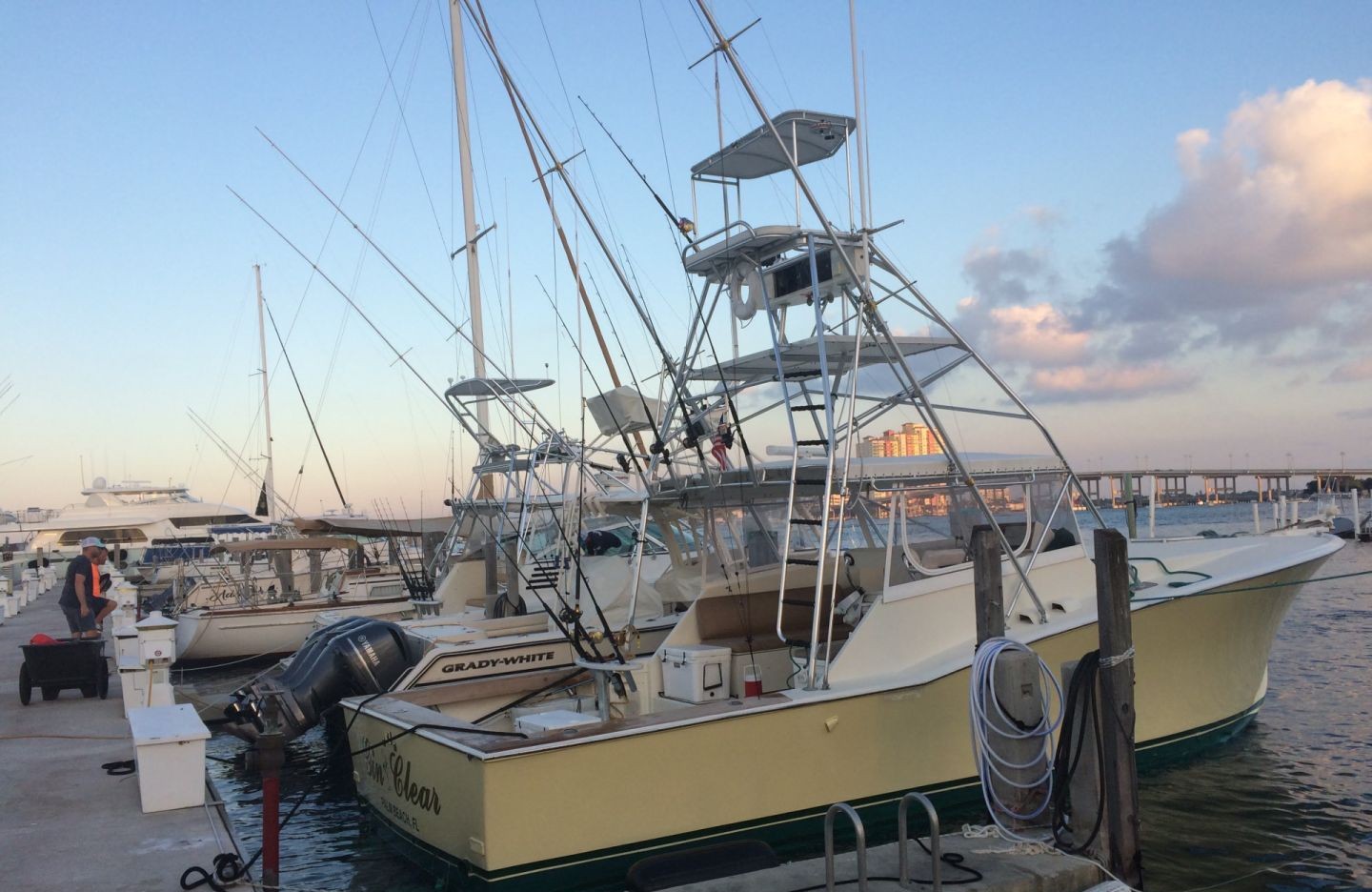
West Palm Beach sits right in the heart of some of Florida's best blue water fishing, and this six-hour offshore trip with Gin Clear Charters puts you right where the action is. You'll be heading out on their custom 38-foot boat with room for up to six anglers, giving everyone plenty of space to work without crowding each other. The extended time on the water means we can push further offshore where the big pelagics cruise, and trust me - that extra travel time pays off when you're hooked up to a screaming sailfish or a wahoo that's peeling line like there's no tomorrow. Your captain and mate handle everything from rigging baits to gaffing fish, so all you need to focus on is fighting whatever grabs your line.
What to Expect on the Water
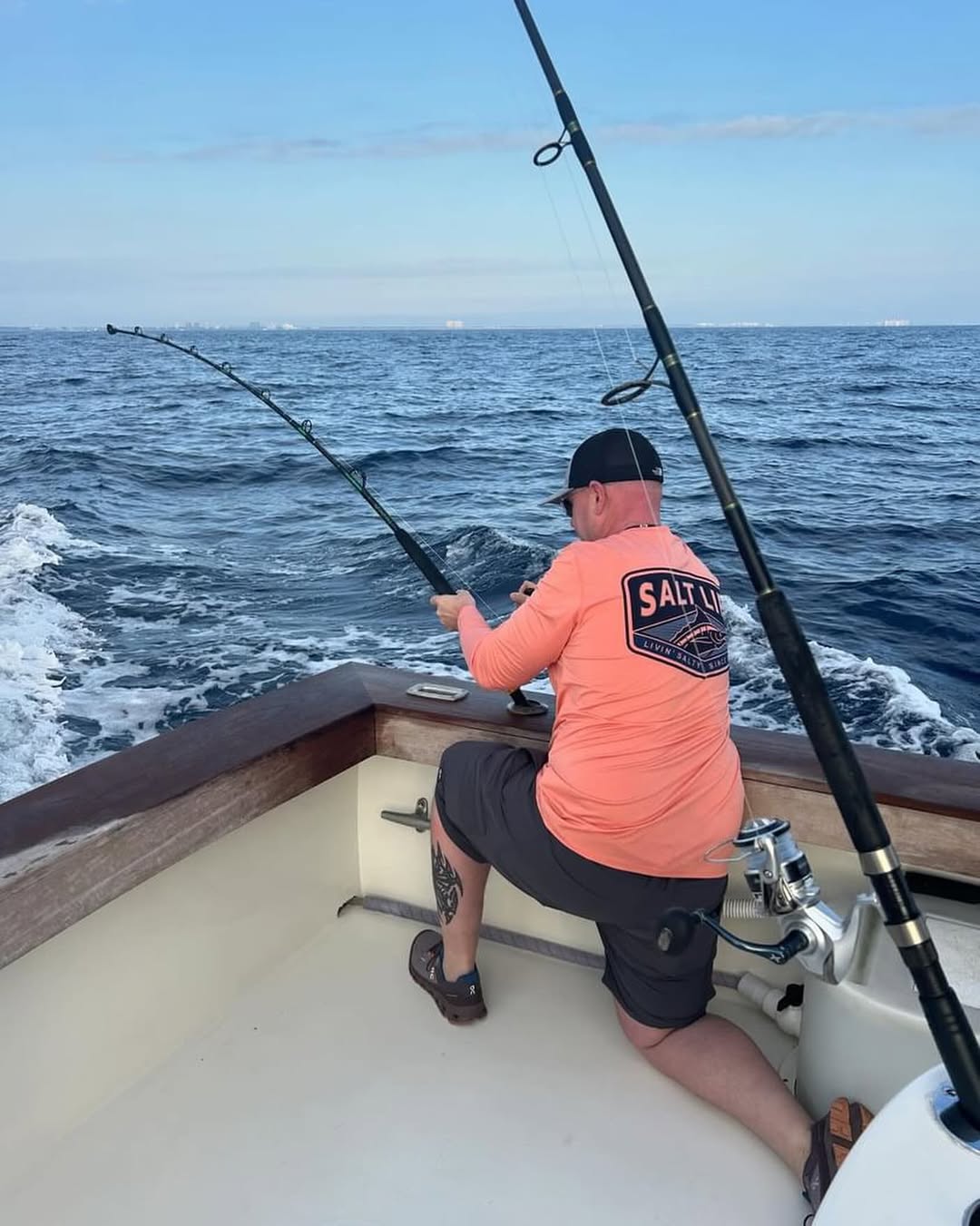
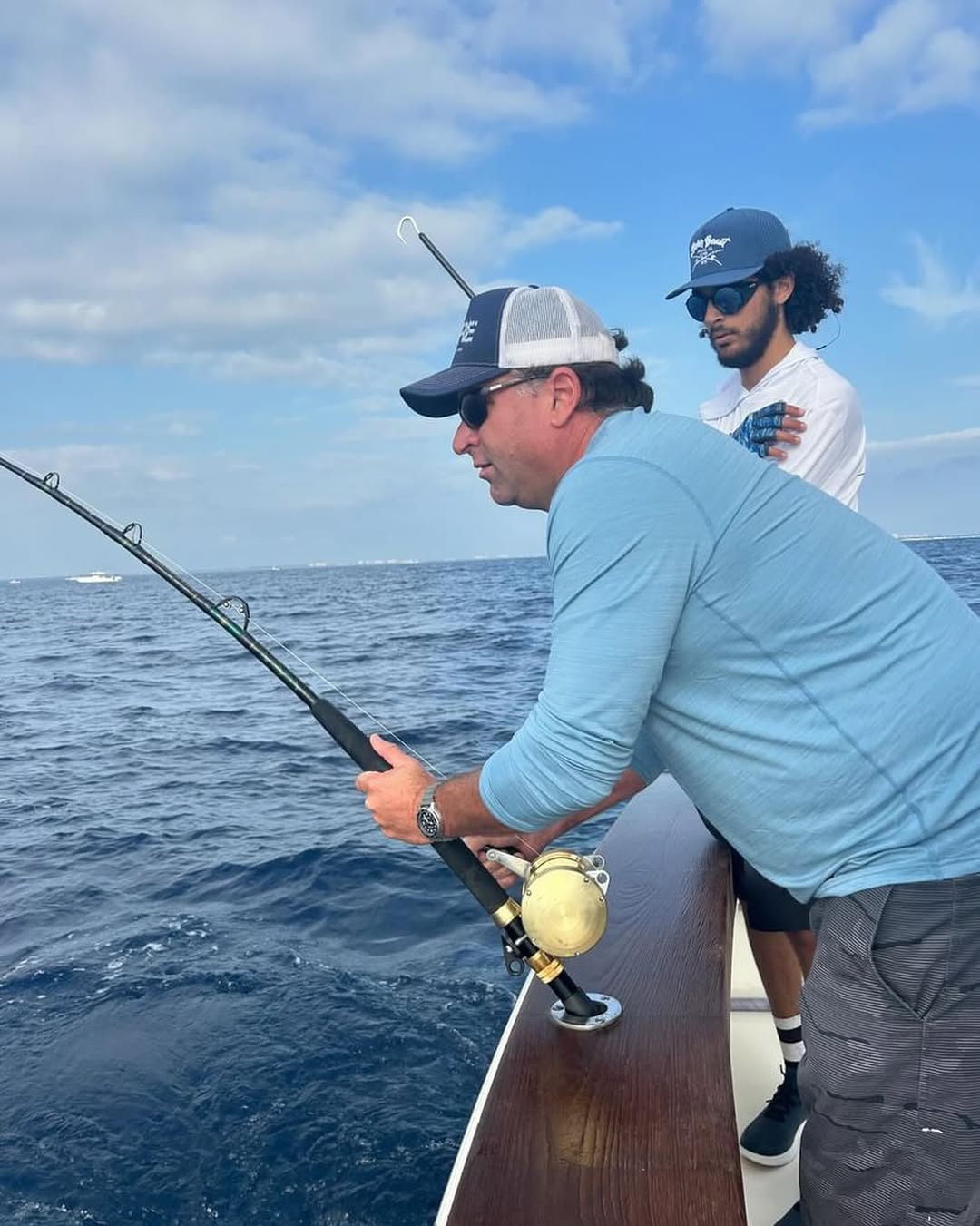
Once you clear the inlet, it's game time. The Gulf Stream runs close to shore here, usually within 5-10 miles, bringing that deep blue water and baitfish that attract the species you're after. Your captain knows these waters like the back of his hand and will be watching for birds, temperature breaks, and current edges where fish stack up. The boat's electronics help locate structure and schools of bait, but a lot of this is still old-school fishing knowledge passed down from generations of South Florida captains. You'll be fishing with top-shelf tackle - heavy spinning reels and conventional setups that can handle anything from a 10-pound mahi to a 100-pound sailfish. The crew preps all the baits, sets the spread, and coaches you through the fight. When something hits, they'll clear the other lines and talk you through landing your fish. At the end of the day, they'll clean and fillet whatever you want to take home.
Techniques and Tackle Setup
This trip focuses on trolling and live bait fishing, the bread and butter techniques for offshore pelagics in South Florida waters. The crew runs a spread of four to six lines at different depths and distances from the boat - some on outriggers, others flat-lined or pulled from the corners. Ballyhoo rigged on circle hooks are the go-to bait here, sometimes paired with colorful skirts or swimming plugs that imitate small tuna or mackerel. When the bite gets tough, switching to live pilchards or goggle-eyes often does the trick, especially for sailfish that have seen plenty of trolled baits. The rods are typically 20-30 pound class conventional or heavy spinning setups loaded with quality reels that can handle long runs and have the drag systems to tire out strong fish. Circle hooks are standard - they hook fish in the corner of the mouth and reduce injury, which is important since many sailfish get released. The captain adjusts trolling speed based on conditions and target species, usually between 6-8 knots for most situations.
Species You'll Want to Hook
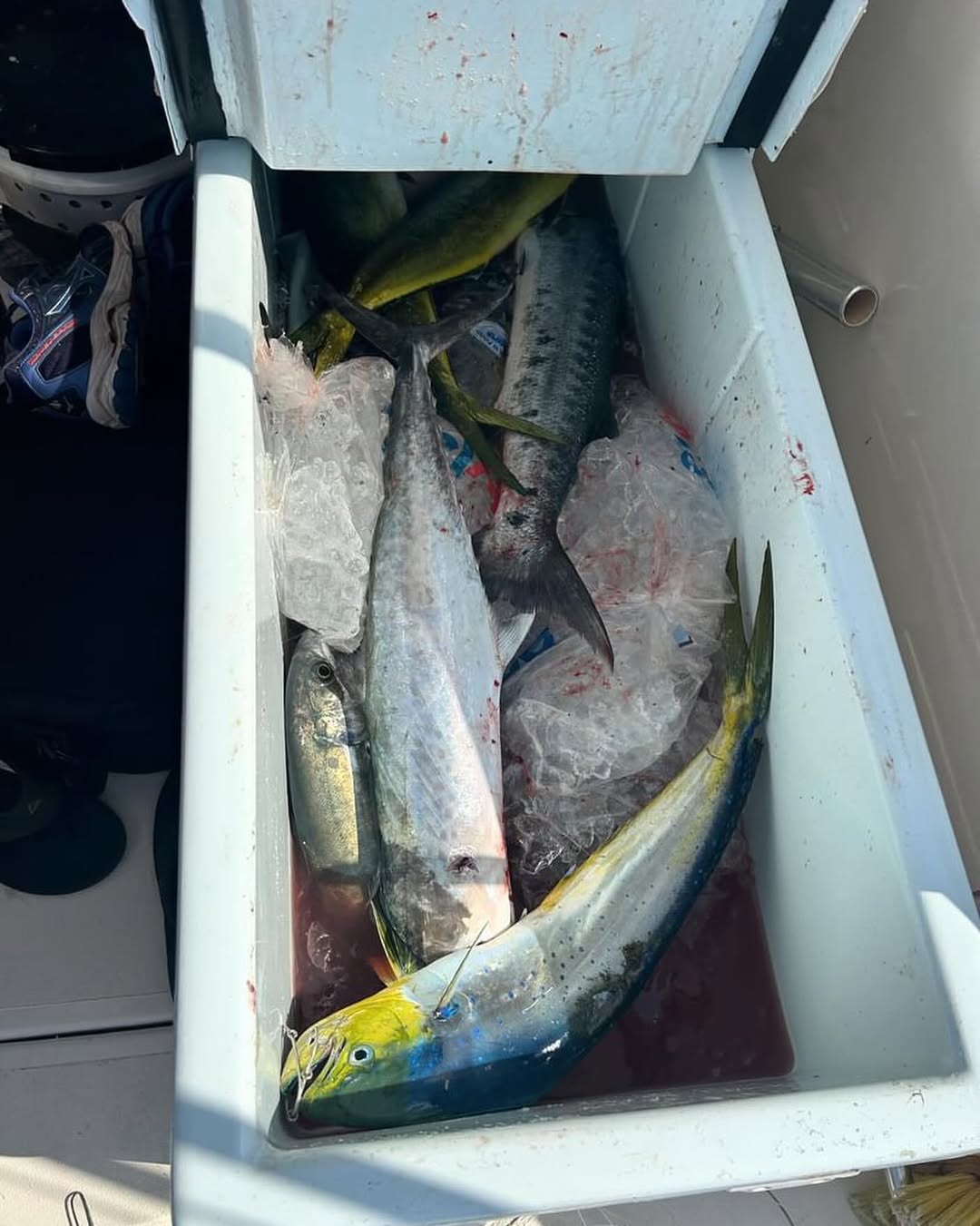
Mahi Mahi are absolute crowd favorites and for good reason. These fish are pure gold when they're around - literally and figuratively. They show up in brilliant yellow and green colors that'll make your camera work overtime, and they fight with incredible energy, jumping and tail-walking across the surface. Most mahi here run 10-25 pounds, though bull dolphins over 40 pounds show up regularly during peak season from April through July. They school under floating debris, so your captain will be scanning for weed lines, boards, or any floating structure. Once you find a school, it's common to catch multiple fish before they scatter.
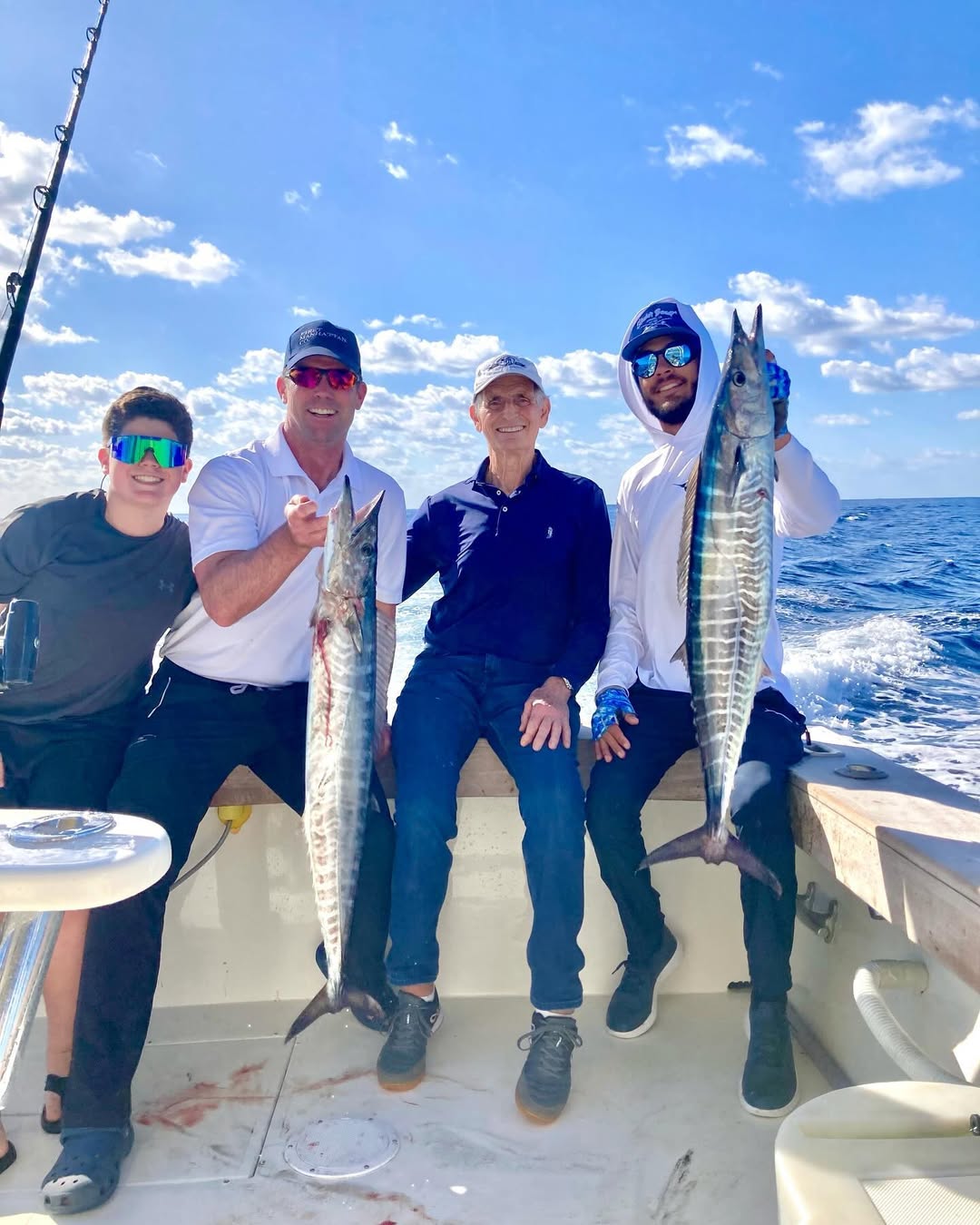
Wahoo are the speed demons of the offshore world, capable of hitting 60 mph when they want to. These fish will test your drag system and your arms - they make blistering runs that can empty a reel in seconds. Most wahoo caught here range from 15-40 pounds, with bigger fish showing up during the cooler months from November through March. They've got razor-sharp teeth and a torpedo-shaped body built for speed. The meat is excellent - firm, white, and perfect for grilling or making sashimi.
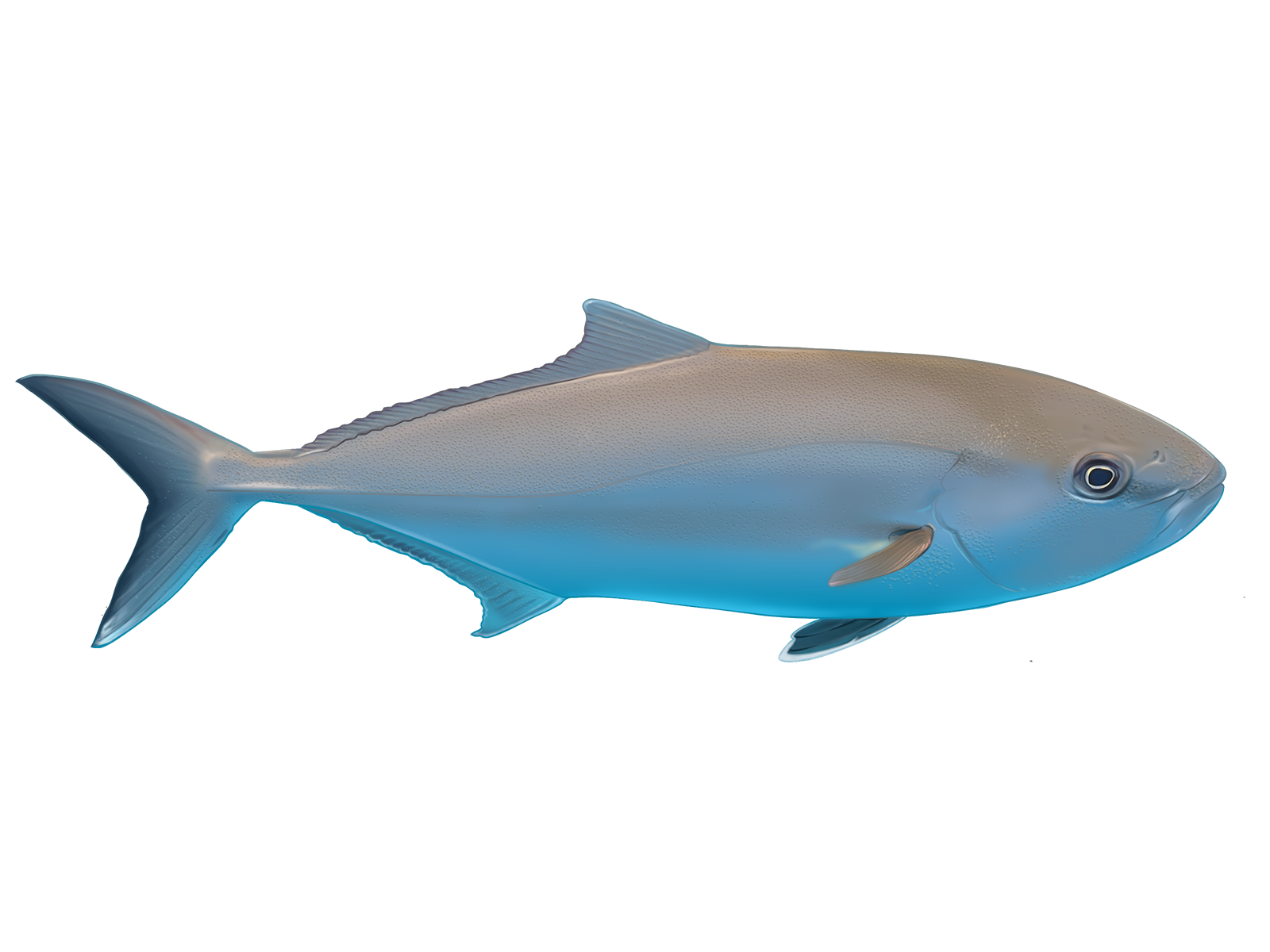
Greater Amberjack are the bullies of the reef and wreck sites, and they'll give you a workout you won't forget. These fish don't jump or run like other species - they just pull straight down with incredible power, testing your lower back and shoulders. Most jacks here run 20-50 pounds, though monsters over 70 pounds lurk around the deeper structures. They're year-round residents but bite best during the cooler months. The key is stopping their initial run before they can reach structure and cut you off.
Great Barracuda are opportunistic predators that add excitement to any trip. They're ambush hunters that often follow hooked fish before striking with lightning speed. Most cuda here run 10-30 pounds and put on an aerial show when hooked, jumping clear of the water multiple times. They're found year-round but are most active during the warmer months. Their sharp teeth require wire leaders, and they're known for making last-second runs just when you think you've got them beat.
Cobia are curious fish that often approach the boat, giving you a shot at sight fishing these bronze-colored bruisers. They average 20-40 pounds in these waters and are strong fighters that make powerful runs. Spring and fall are prime times for cobia as they migrate along the coast. They're excellent table fare with firm, white meat that's perfect for grilling or blackening. Cobia often travel with rays or sharks, so keep your eyes peeled when you spot other marine life.
Time to Book Your Spot
This six-hour offshore charter gives you the best shot at multiple species while covering serious ground in prime fishing waters. The extended time means your captain can adjust tactics if the bite slows down, try different areas, or stick with the hot bite when fish are cooperative. With all tackle, licenses, and fish cleaning included, you just need to show up ready to fish. The crew's experience and local knowledge are worth their weight in
 Private Trip
 Offshore Fishing
 undefined, undefined



 Six-hour offshore charter targets sailfish, wahoo, and tuna