Rockport Wade Fishing for Family
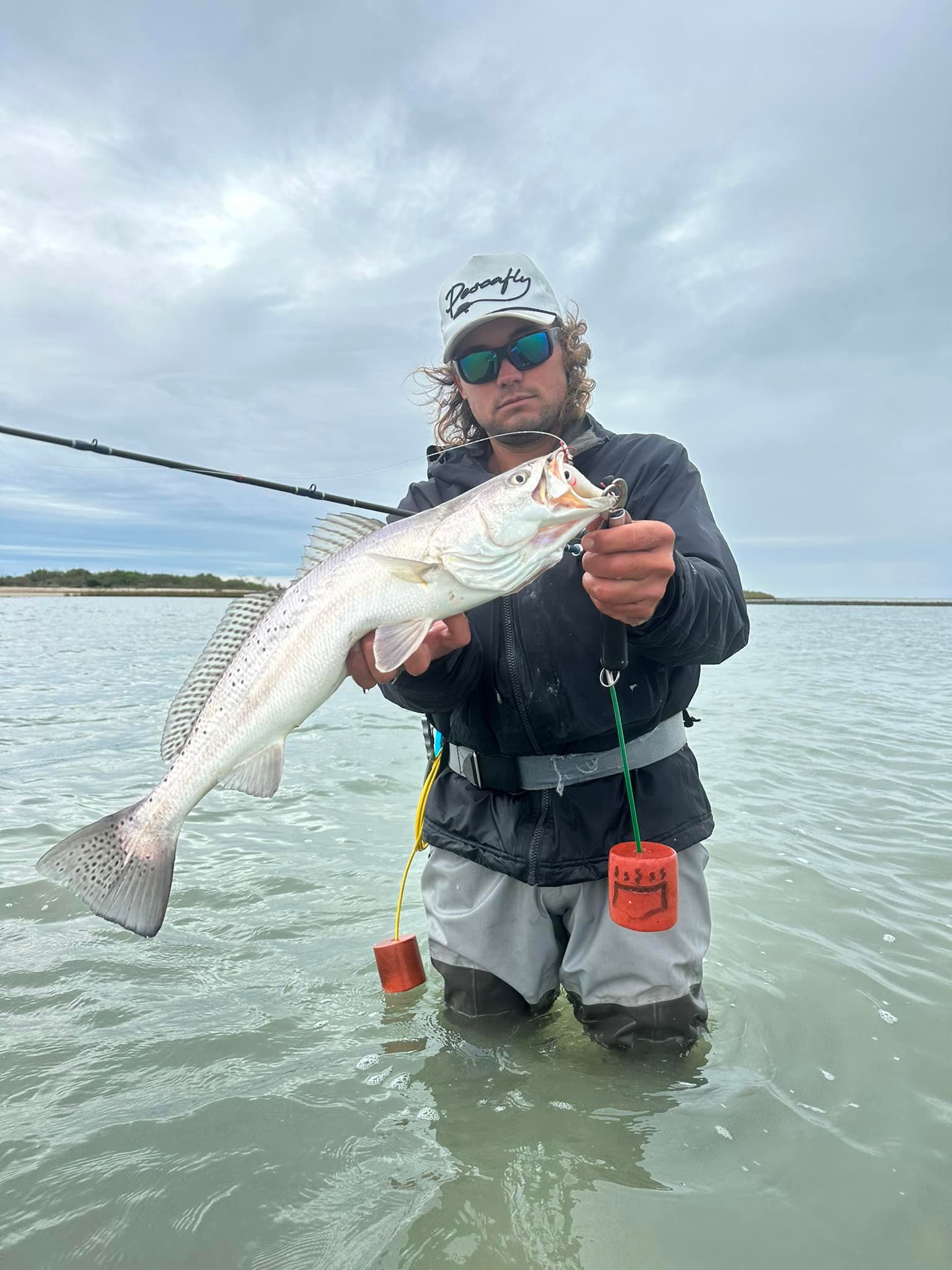
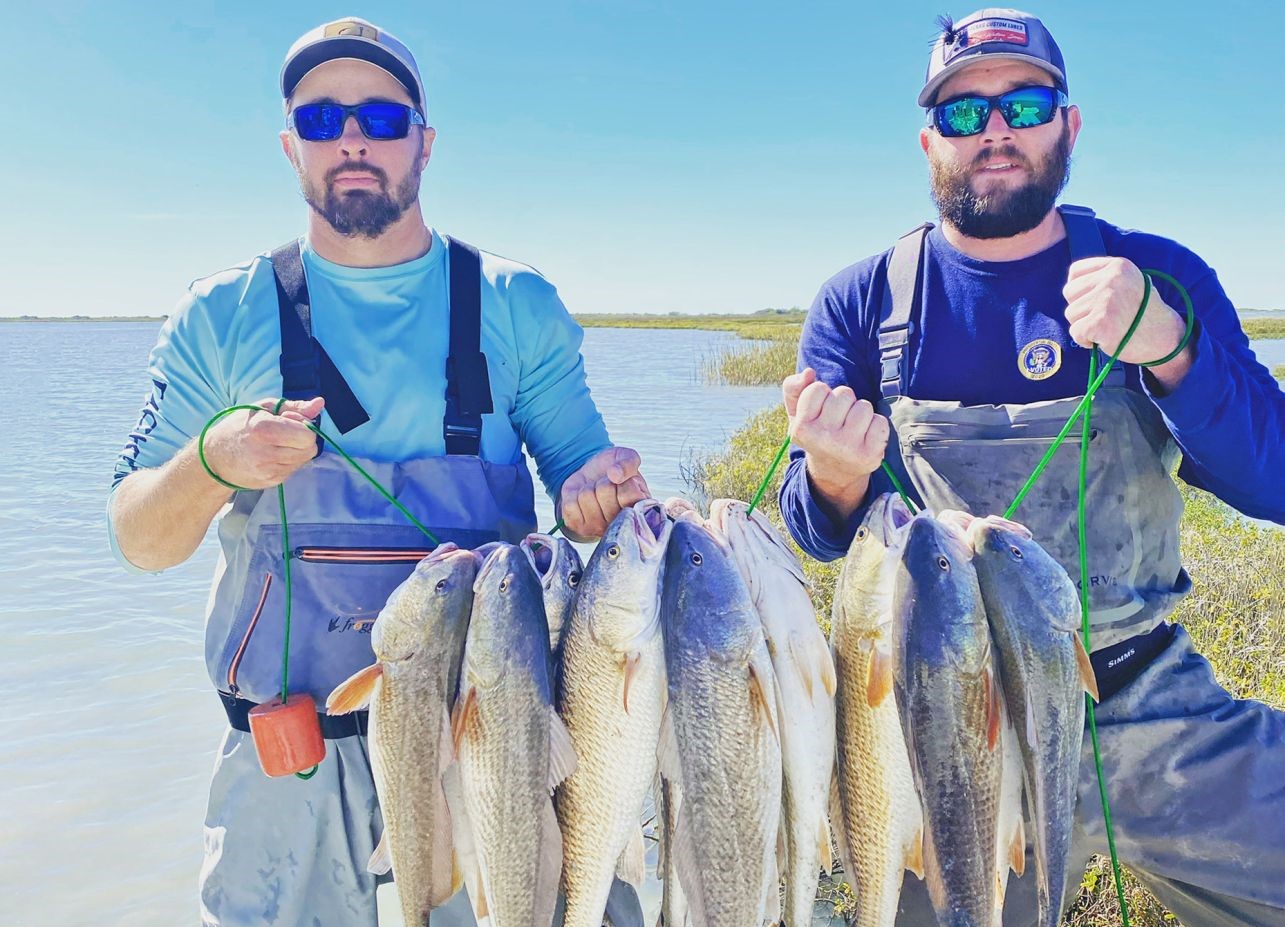
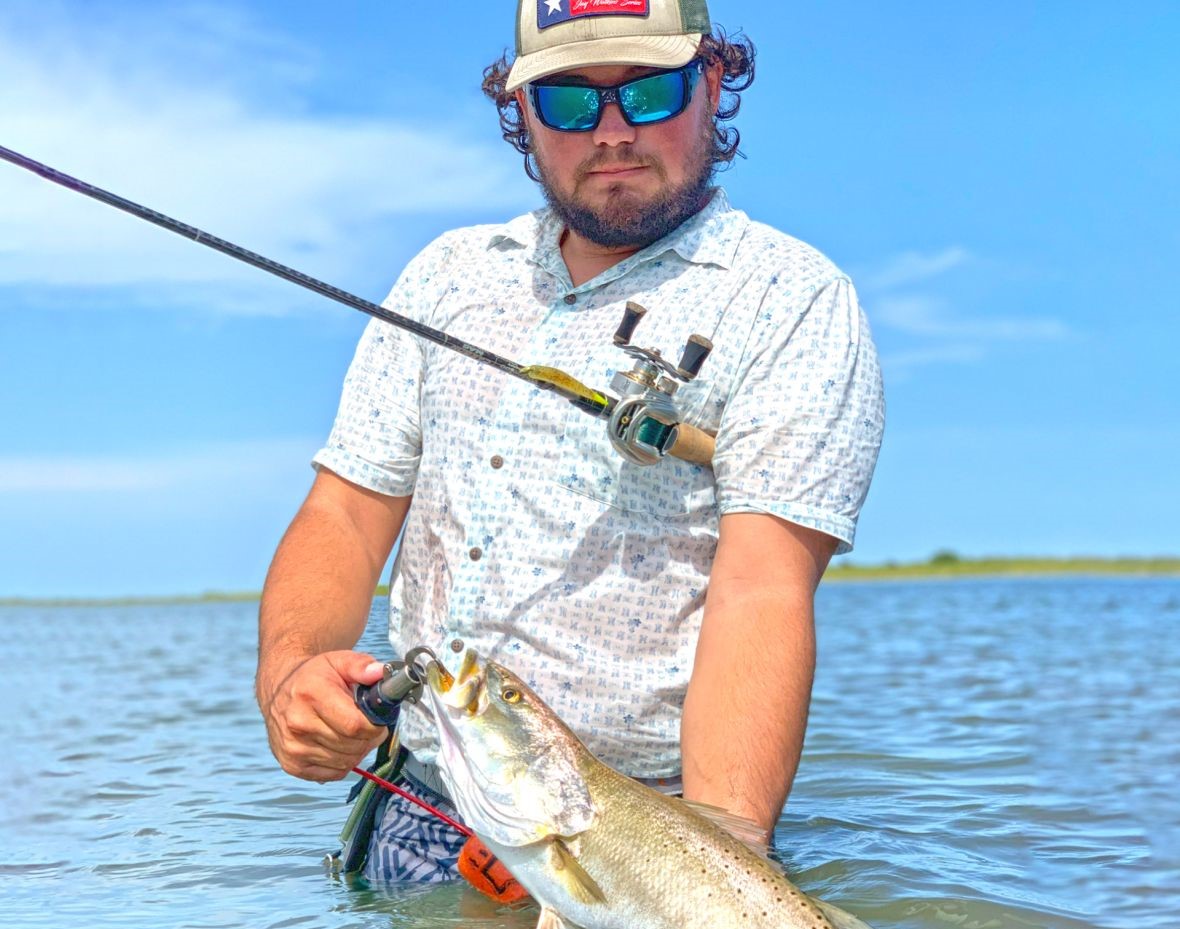
Looking for a way to get the whole crew together on the water? Our 8-hour wade fishing adventure in Rockport puts you right in the heart of some of Texas' best inshore action. This isn't your typical charter where you're stuck on a boat watching someone else fish – we're talking about getting your feet wet and working the flats where the real magic happens. Perfect for families who want that hands-on experience, you'll be targeting speckled trout while keeping your eyes open for redfish and flounder cruising the shallows. We keep groups small at just 2 guests, so whether it's you and your fishing buddy or a parent-kid duo, everyone gets the attention they deserve. Fair warning though – once you experience wade fishing in Rockport's pristine waters, you'll understand why locals guard these spots like family secrets.
What to Expect on the Water
Wade fishing is fishing the way it was meant to be – quiet, personal, and connected to the water. We'll start early to beat the crowds and catch the fish when they're most active. You'll be walking through knee-deep water across grass flats and sandy pockets where speckled trout love to ambush baitfish. The beauty of wade fishing is the stealth factor – no boat engine to spook fish, just you moving slowly through their territory. Rockport's bay system offers incredible clarity most days, so you'll actually see fish swimming around your legs. Don't worry if you're new to this style – I'll walk you through reading the water, spotting nervous baitfish, and placing your lure right where hungry trout are waiting. The catch-and-release approach means we're focused on the experience and conservation, though we're always ready when that keeper-sized redfish decides to play. Kids especially love this style because they can see everything happening underwater.
Gear and Techniques
You'll need to bring your own wading gear, rods, and reels for this trip – part of that authentic, hands-on experience we're going for. I recommend chest-high waders if the weather's cool, but on hot summer days, wet wading in shorts and wading boots feels amazing. For tackle, medium-light spinning gear works perfect for speckled trout, though if you've got a 7-foot medium rod, that's even better for longer casts. We'll be working topwater plugs early in the morning when the surface is calm, then switching to soft plastics on jigheads as the sun gets higher. The key technique here is the slow retrieve – let that lure sink and work it back with subtle twitches. Rockport's grass beds hold plenty of structure, so we'll focus on edges where the bottom transitions from grass to sand. I'll show you how to read bird activity, because when you see terns diving, there's usually a school of trout underneath pushing bait to the surface. The whole approach is methodical and relaxing, but when that rod bends over, your heart rate definitely picks up.
Species You'll Want to Hook
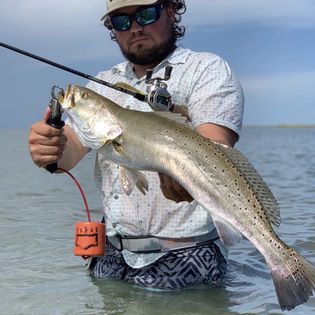
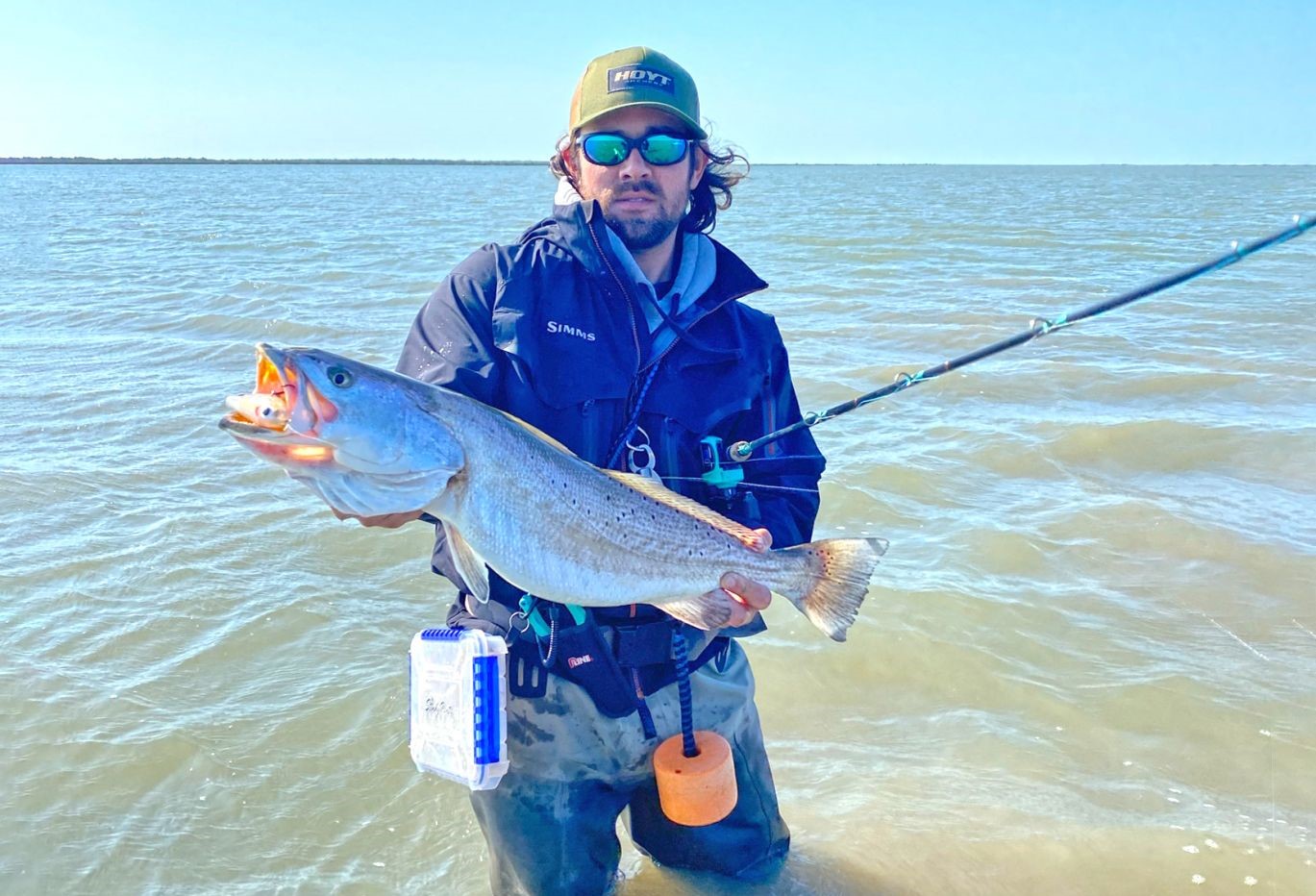
Speckled trout are the bread and butter of Rockport wade fishing, and for good reason. These beautiful fish average 14-18 inches in our waters, with occasional giants pushing 6-7 pounds that'll test your drag system. Spring and fall offer the best action, when water temps hit that sweet spot between 65-75 degrees. Specks are ambush predators that love structure – grass beds, shell ridges, and drop-offs where they can surprise passing shrimp and mullet. What makes them so exciting is their unpredictability; one cast might produce nothing, then the next cast gets hammered by a fish that jumps three times before you get it to hand.
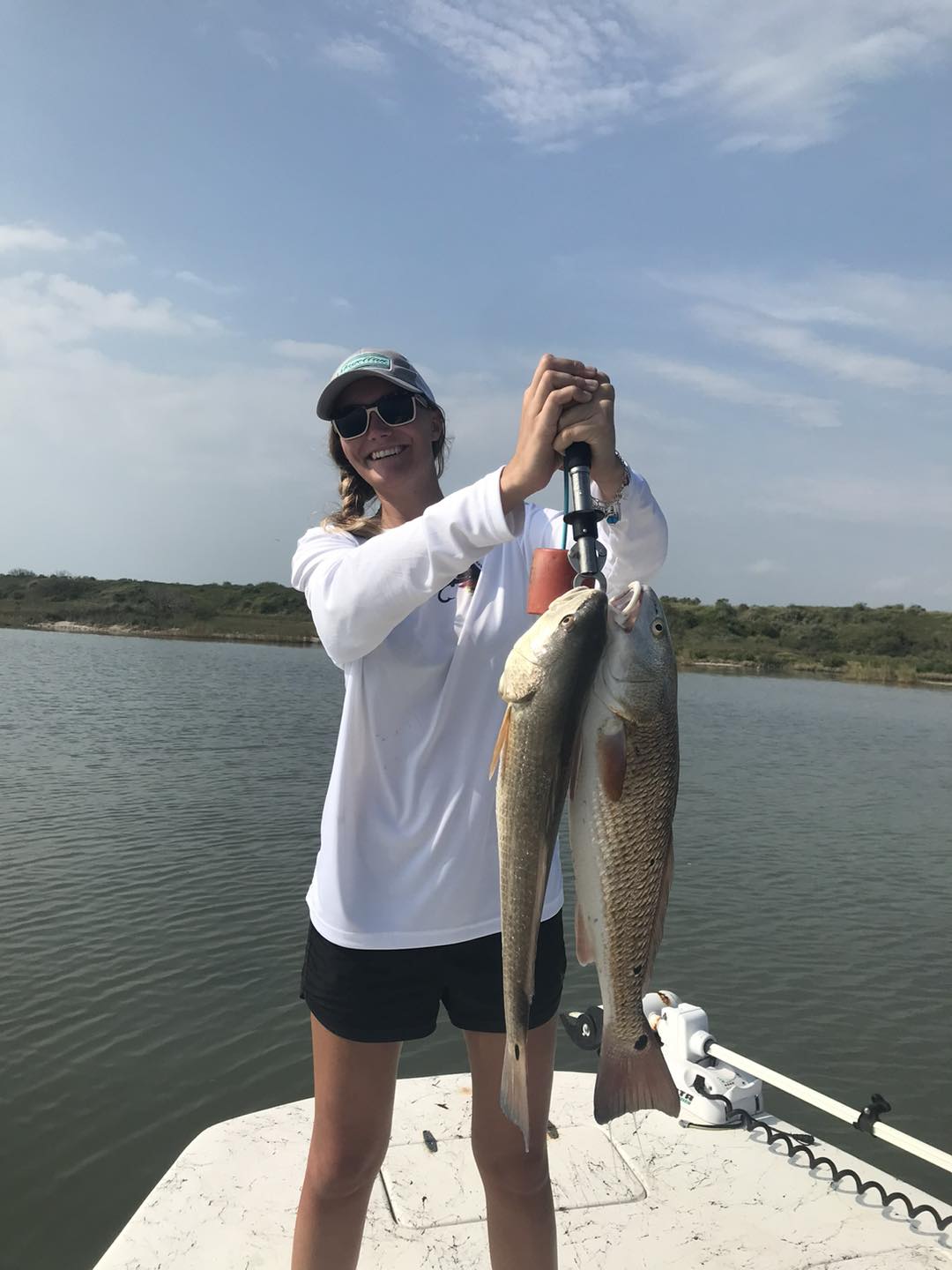
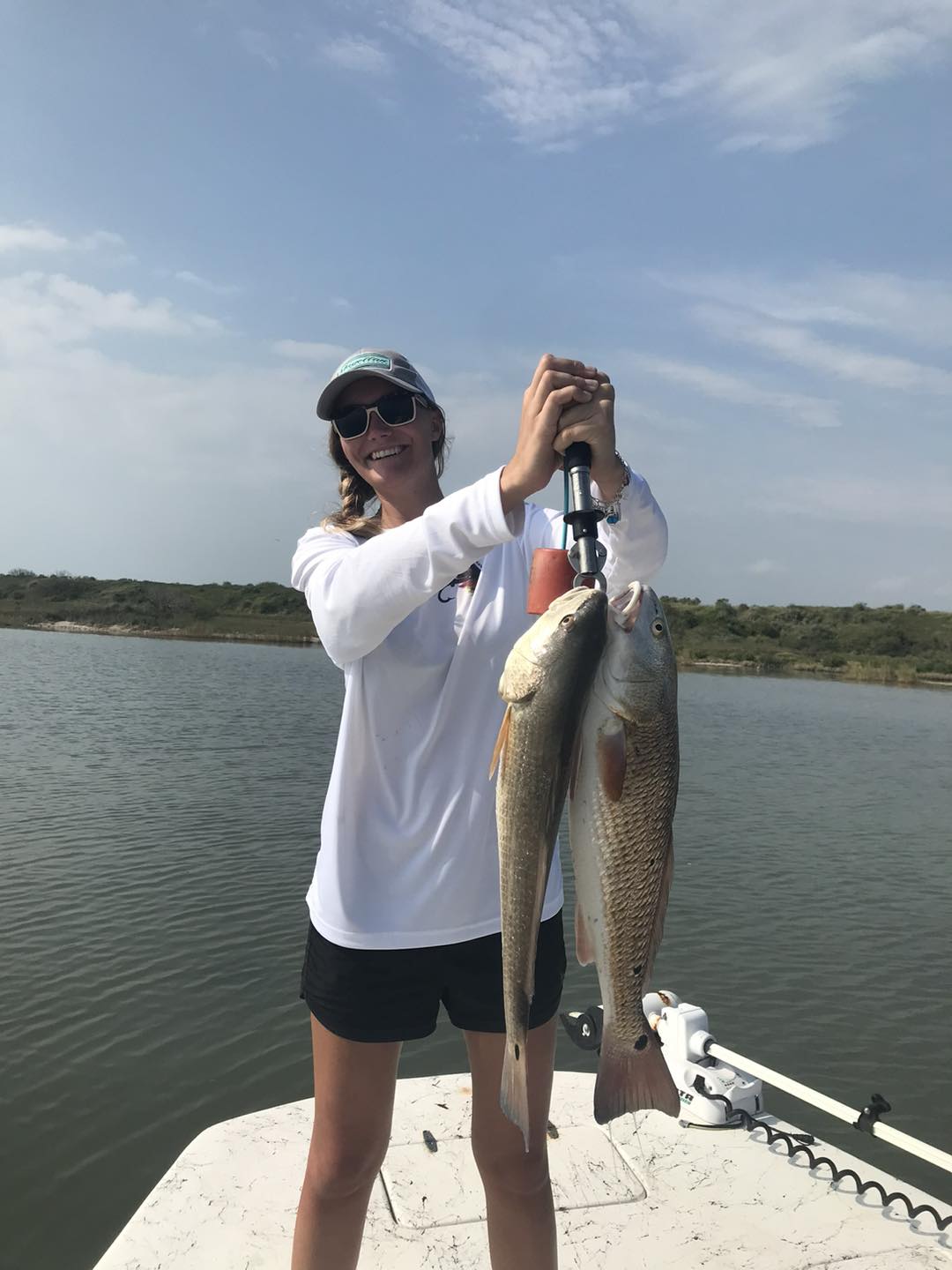
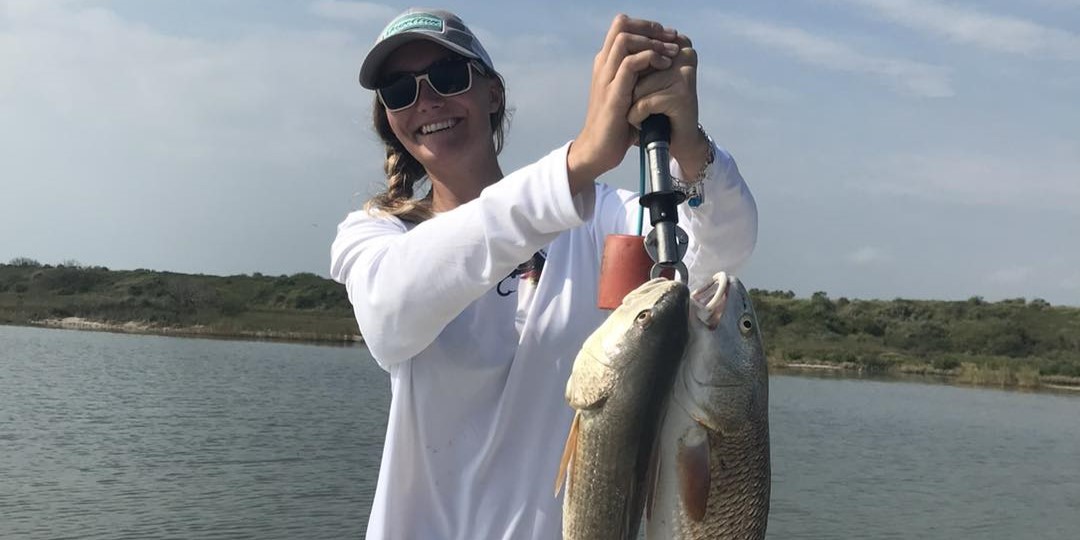
Redfish bring a completely different fight to the table. These copper-colored bulldogs average 20-28 inches in the shallows, and when you hook one, it's going to make a run that'll have your drag screaming. Reds are year-round residents, but summer months offer the best sight-fishing opportunities when you can actually see their backs cutting through shallow water. They're notorious for their powerful initial run, often heading straight for the nearest oyster reef to try cutting your line. The reward is worth the challenge – reds are pure muscle and attitude wrapped in bronze scales.
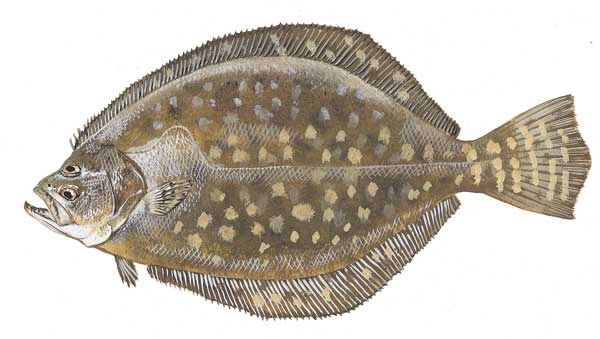
Southern flounder might not win beauty contests, but they're masters of camouflage and incredibly fun to target. These flatfish bury themselves in sandy areas near grass lines, waiting for unsuspecting baitfish to swim by. Fall months, especially October and November, bring the best flounder action as they stage for their offshore spawning run. A good Rockport flounder runs 16-20 inches and provides excellent table fare if you're looking for a meal. They hit hard and fight with surprising strength for a flatfish.
Black drum are the gentle giants of the flats, often cruising in schools through shallow water. These fish can range from small "puppy drum" around 12-16 inches to massive adults pushing 30+ pounds. They're bottom feeders with a preference for crabs and worms, but they'll absolutely crush a soft plastic worked along the bottom. Spring months bring the best drum fishing as they move into shallow water for spawning. The bigger fish provide an arm-burning fight that'll have you questioning your tackle choices.
Tripletail are the wild cards that make every cast interesting. These oddly-shaped fish are structure-oriented, often found around floating debris, channel markers, or crab traps. They're not always present, but when conditions are right – usually late spring through early fall – they provide some of the most exciting fishing in the bay. Tripletail have an unusual appearance with their extended dorsal and anal fins, and they fight with surprising power for their size. Landing one always feels like a bonus prize that adds excitement to an already great day.
Time to Book Your Spot
This wade fishing experience offers something you can't get from a regular charter – that personal connection to
 Private Trip
 Inshore Fishing
 Rockport



 Eight-hour wade fishing adventure targeting Speckled Trout in Rockport waters