Outer Banks Fishing Charter with Grandpa Charters
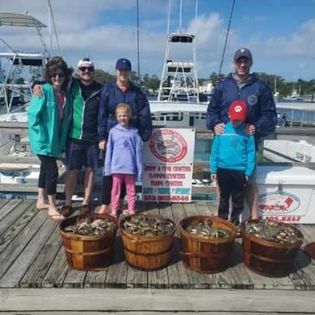
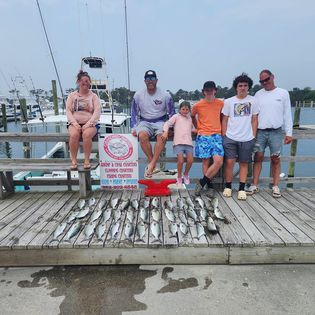
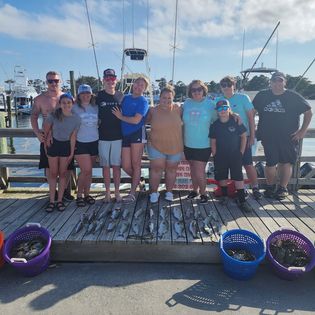
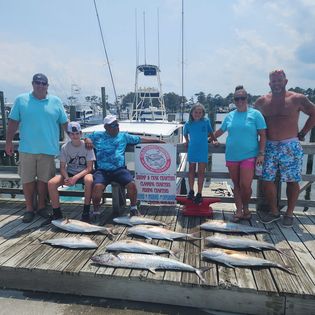
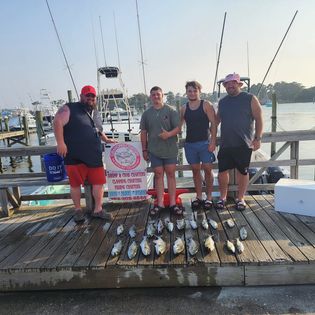
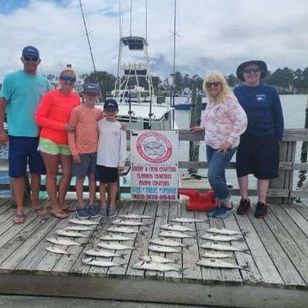
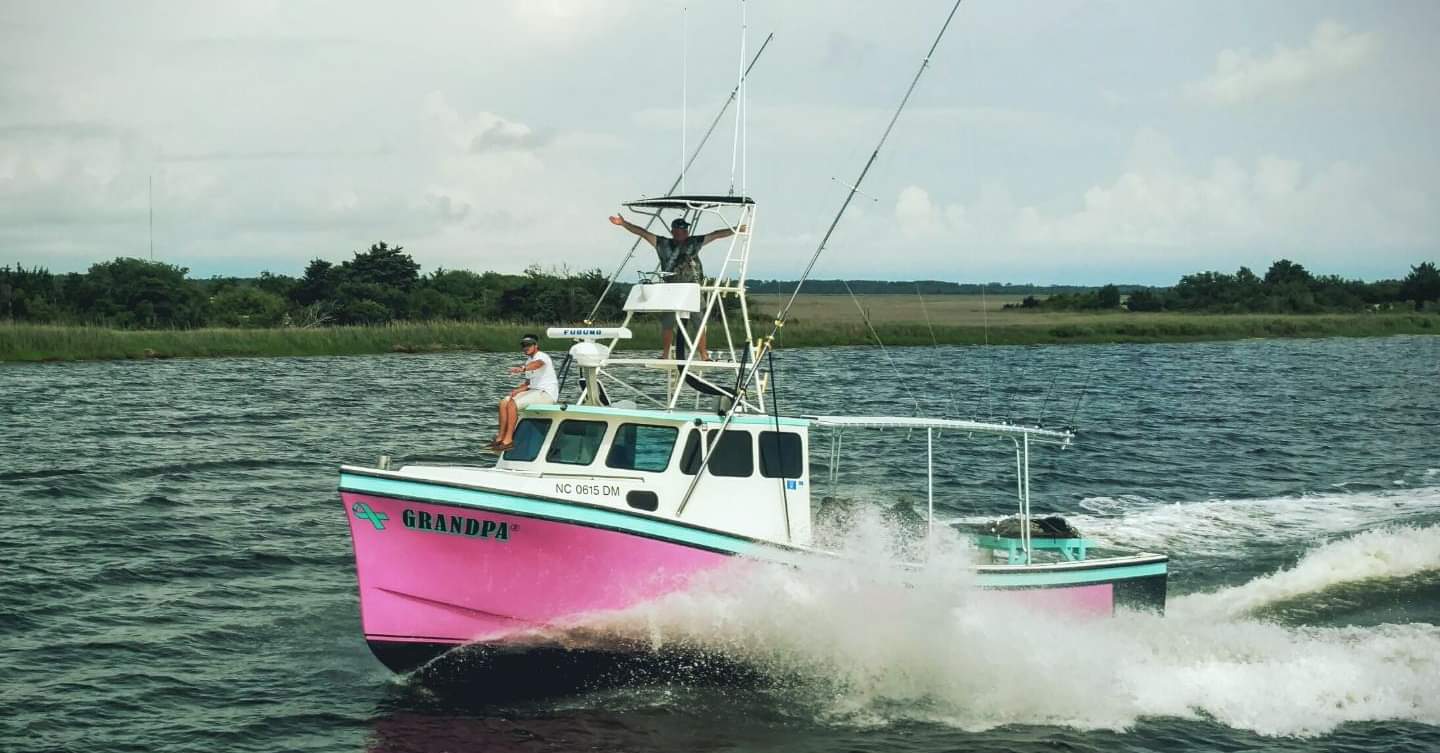
Looking for a fishing adventure that'll get the whole family hooked? Captain and Mrs. Holly at Grandpa Charters have been putting folks on fish in the Outer Banks for years, and they know exactly where to find the action. Whether you're brand new to fishing or just want a relaxed day on the water, this inshore charter delivers the perfect mix of excitement and family fun. With room for up to 6 anglers, you'll have plenty of space to spread out and enjoy some of the best fishing the North Carolina coast has to offer.
What to Expect on the Water
Your day starts with a choice that makes all the difference. Captain Holly will talk through your options based on your group's experience level and what's biting. If you've got beginners or younger anglers in your crew, the Pamlico Sound is your sweet spot. This massive shallow water system stays protected from ocean swells, making it perfect for kids and first-timers to get comfortable with their sea legs while still catching plenty of fish. The water here is typically calmer, so you can focus on learning how to read your rod tip and feel those subtle bites that make inshore fishing so addictive. For groups ready to step it up a notch, the nearshore waters offer bigger fish and more variety. You'll still stay within sight of land, but you'll be targeting species that pack more punch and give you stories worth telling. Captain Holly reads the conditions daily and knows which spots are producing, so you're always fishing where the fish are feeding, not just hoping they show up.
Tackle and Techniques
Grandpa Charters comes loaded with everything you need to put fish in the cooler. You'll be working with medium-action spinning rods that are forgiving for beginners but sensitive enough to detect those light-biting species like croaker and spot. The tackle box includes a variety of rigs depending on what you're targeting - bottom rigs with circle hooks for flounder and sea trout, sabiki rigs when the Spanish mackerel are running in schools, and specialized setups for those lucky days when cobia cruise through. In the Sound, you'll mostly be working shrimp, cut bait, and artificial lures around grass beds and drop-offs where baitfish congregate. The nearshore game shifts to trolling spoons and bucktails, plus live bait when conditions are right. Captain Holly will teach you to read your fish finder, spot working birds, and recognize the subtle signs that separate successful anglers from those who just cast and hope. The boat's electronics include GPS and sonar that reveal underwater structure where fish stack up, turning what looks like empty water into productive fishing spots.
Species You'll Want to Hook
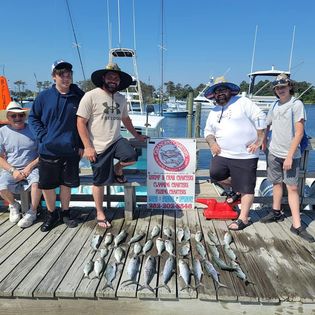
Sea trout are the bread and butter of Outer Banks inshore fishing, and for good reason. These spotted beauties typically run 12-18 inches, with keeper-sized fish hitting 14 inches or better. Spring and fall offer the best action when they move into shallow grass flats to feed. What makes sea trout special is their willingness to hit both live bait and artificials - they're aggressive enough to give beginners confidence but smart enough to challenge experienced anglers. The way they fight with quick runs and head shakes keeps everyone engaged, plus they taste fantastic on the dinner table.
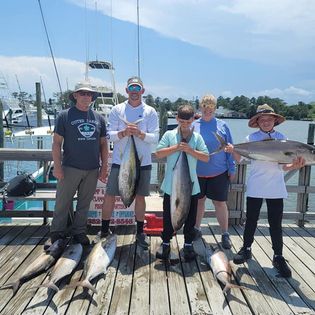
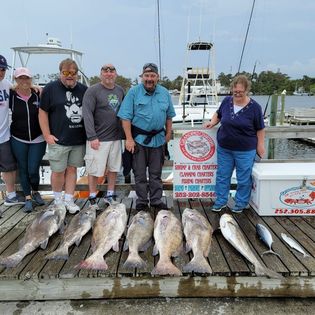
Cobia are the crown jewel of nearshore fishing, though their season runs short and sweet from late spring through early summer. These brown sharks (as locals sometimes call them) can stretch 30-40 inches and fight like freight trains. What gets anglers excited about cobia is their curiosity - they'll often follow the boat and investigate baits, giving you a front-row seat to the action. When one hits, everyone on board knows it. They make long, powerful runs and use their broad sides to leverage against your drag. Catching a cobia is a team effort that gets the whole family involved.
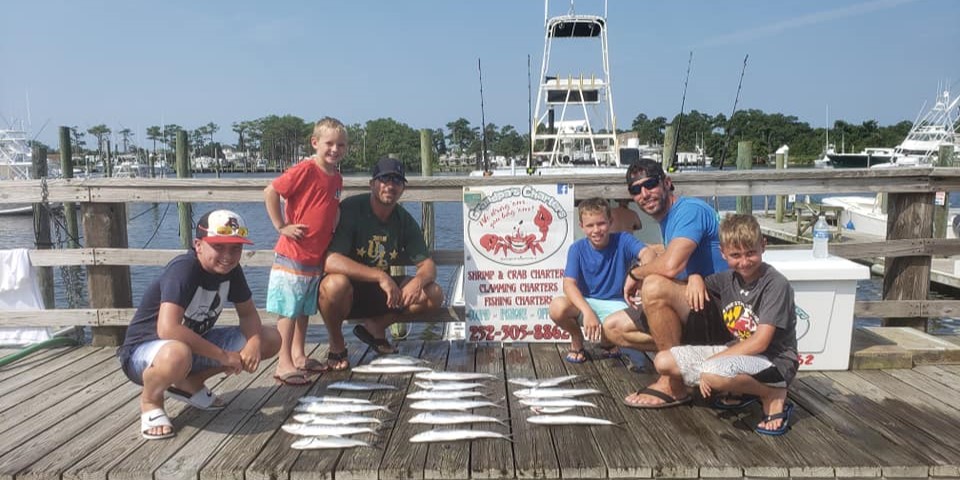
Spanish mackerel bring non-stop action when schools move through the area, typically from late spring through early fall. These streamlined speedsters rarely exceed 2-3 pounds, but they make up for size with pure aggression. When you find a school, it's game on - they'll hit small spoons, bucktails, and live bait with reckless abandon. Kids especially love Spanish mackerel because they bite frequently and fight hard for their size. The trick is finding the schools, which often reveal themselves by diving birds and surface activity.
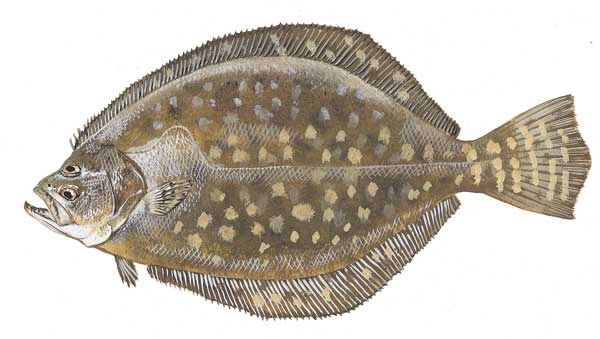
Southern flounder are the ultimate ambush predators, lying flat in sandy pockets waiting for unsuspecting prey. These flatfish can surprise you with their size, especially the fall "doormat" run when big females move toward inlets. Flounder fishing requires patience and technique - you need to feel the subtle pickup, count to three, then set the hook. There's something deeply satisfying about fooling a flounder with the right presentation. They're also among the best eating fish in these waters, with sweet, flaky white meat that's hard to beat.
Bluefish are the aggressive opportunists of the inshore world, showing up in schools that can turn a slow day into chaos in minutes. They range from small "snapper" blues perfect for kids to larger "chopper" blues that can stretch 15-20 inches. When blues are feeding, they'll hit almost anything you throw at them - metal lures, cut bait, even bare hooks if the feeding frenzy is intense enough. They fight with determination and make excellent cut bait for other species. The key with bluefish is being ready when they show up, because the bite can turn on and off like a light switch.
Time to Book Your Spot
Grandpa Charters has built their reputation on putting families on fish while creating memories that last long after the trip ends. Captain and Mrs. Holly understand that not every angler comes aboard with the same skill level, and they adjust their approach to make sure everyone has a great time on the water. With the flexibility to fish the protected waters of Pamlico Sound or venture to the
 Private Trip
 Inshore Fishing
 Raleigh



 Family-friendly charter targeting multiple inshore species