Carolina Coast Inshore & Nearshore Fishing Trip
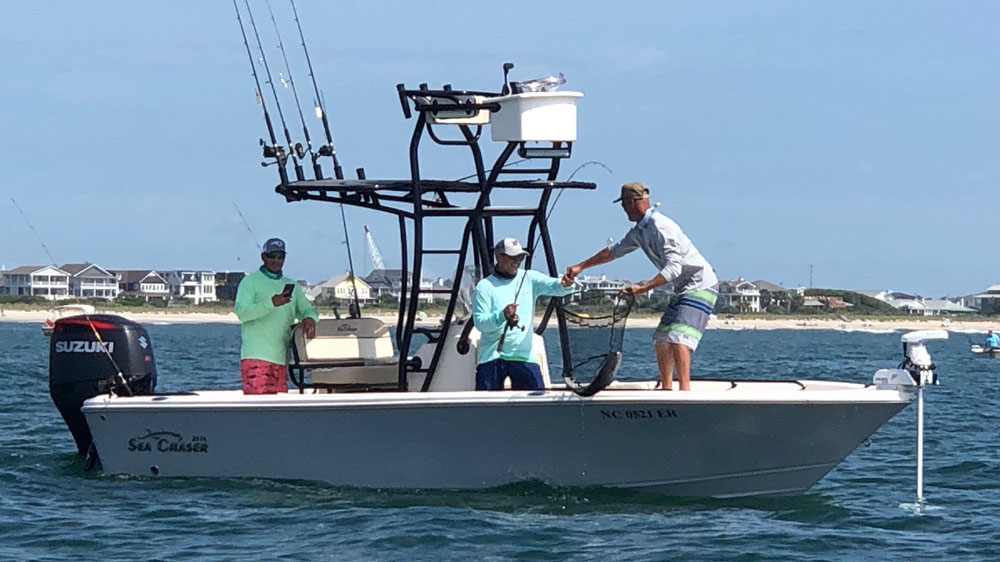
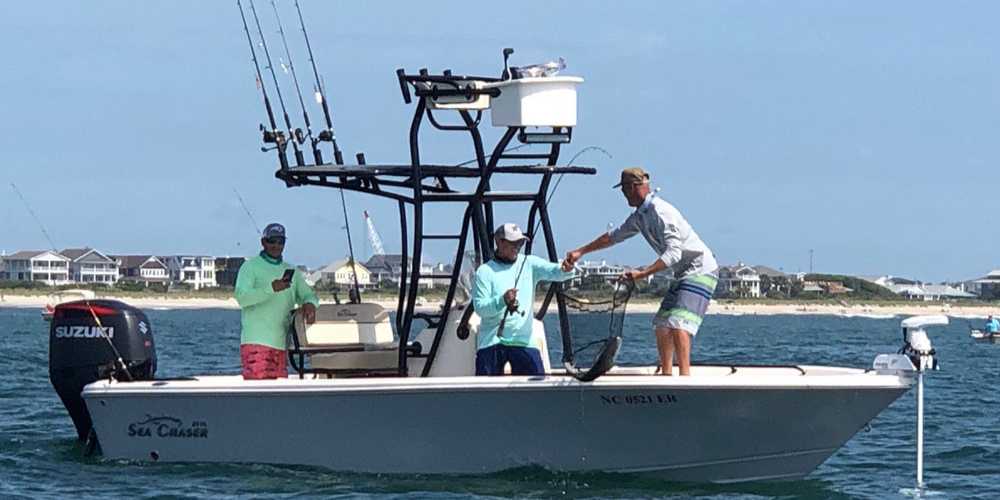
Picture this: you're out on the Carolina coast at first light, salt spray hitting your face as we fire up the engines and head toward some of the most productive fishing waters on the East Coast. This 6-hour private charter with Green Creek Outfitters gives you and up to three buddies exclusive access to prime inshore and nearshore spots where the fish are hungry and the action never stops. We'll cover everything from shallow water flats to offshore wrecks, mixing up techniques to keep your rod bent and your adrenaline pumping.
What to Expect on the Water
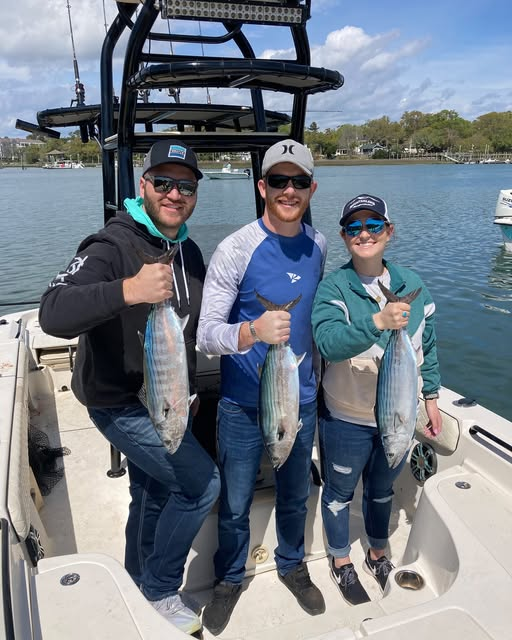
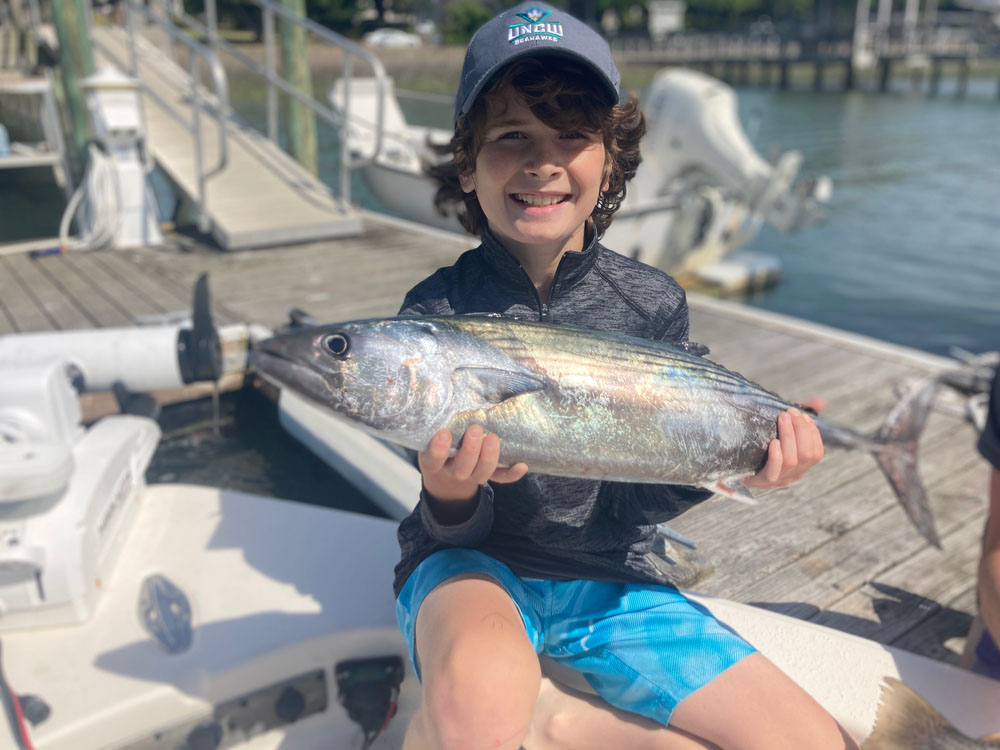
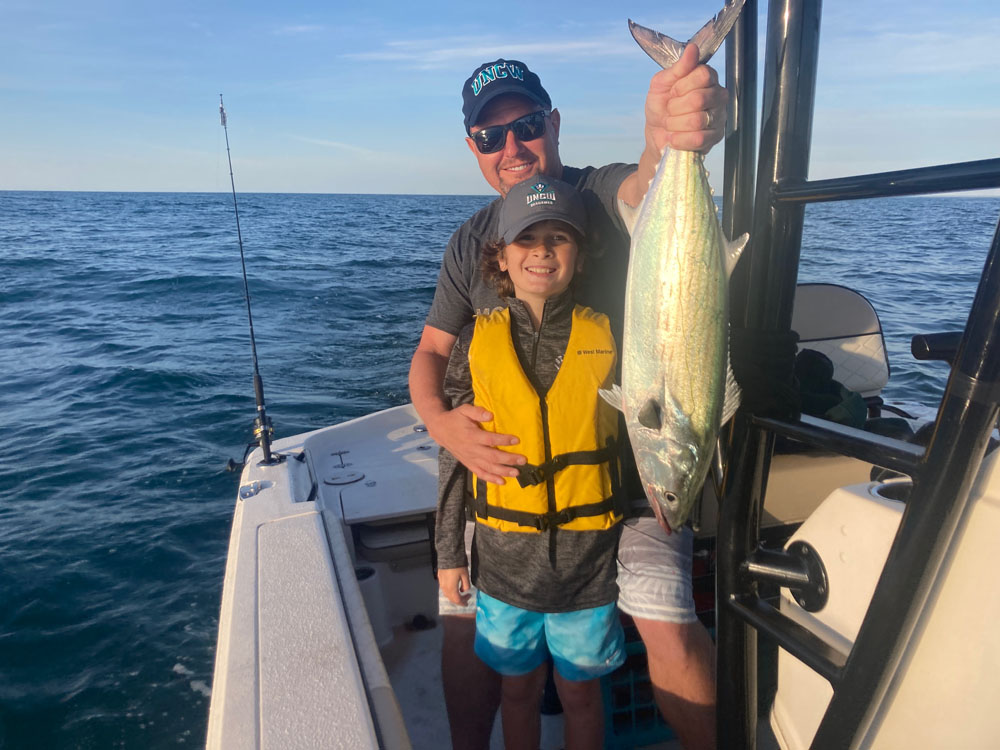
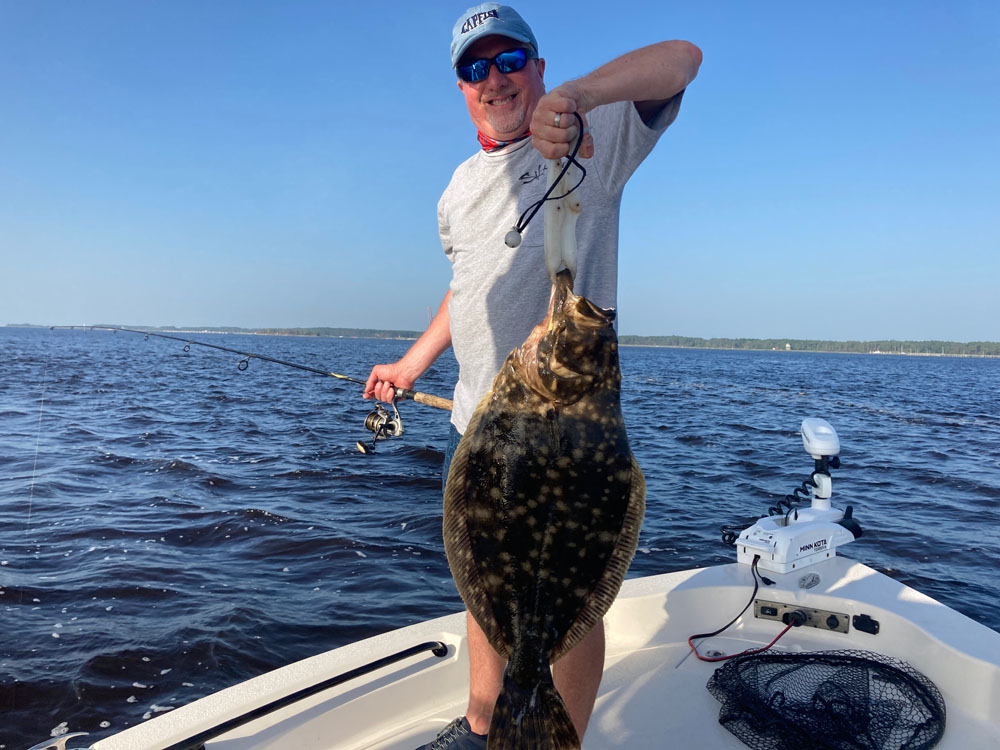
Your day starts early with a quick tackle briefing before we shove off into Carolina's legendary fishing grounds. We're talking about waters that have been producing trophy catches for generations, and Captain knows exactly where to find them. The first part of our trip focuses on trolling for Spanish Mackerel – these speedsters love to hit fast-moving lures, and when they do, you'll know it. From there, we transition to wreck fishing where the real heavyweights hang out. Flounder, Redfish, King Mackerel, Barracuda, Amberjack, and Cobia all call these structures home, and they're always looking for an easy meal. We'll fish anywhere from the back-country creeks to 10 miles offshore, adjusting our game plan based on conditions, tides, and where the bite is hottest that day.
Tackle Talk & Techniques
We run a mix of spinning and conventional gear, all top-shelf stuff that can handle whatever we hook into. For the Spanish Mackerel trolling, we'll pull small spoons and diving plugs at varying speeds until we dial in what they want. Once we hit the wrecks, it's all about vertical jigging and live bait presentations. The key is getting your bait right in the strike zone – sometimes that's 20 feet down, other times it's 80. Circle hooks are the name of the game for live bait work, especially when we're targeting the bigger predators like Cobia and Amberjack. Don't worry if you're not familiar with these techniques; part of what makes this trip special is learning from a guide who's been working these waters for years. We'll teach you how to read your fishfinder, feel the difference between a fish and structure, and most importantly, how to fight these hard-pulling species without breaking them off.
Species You'll Want to Hook
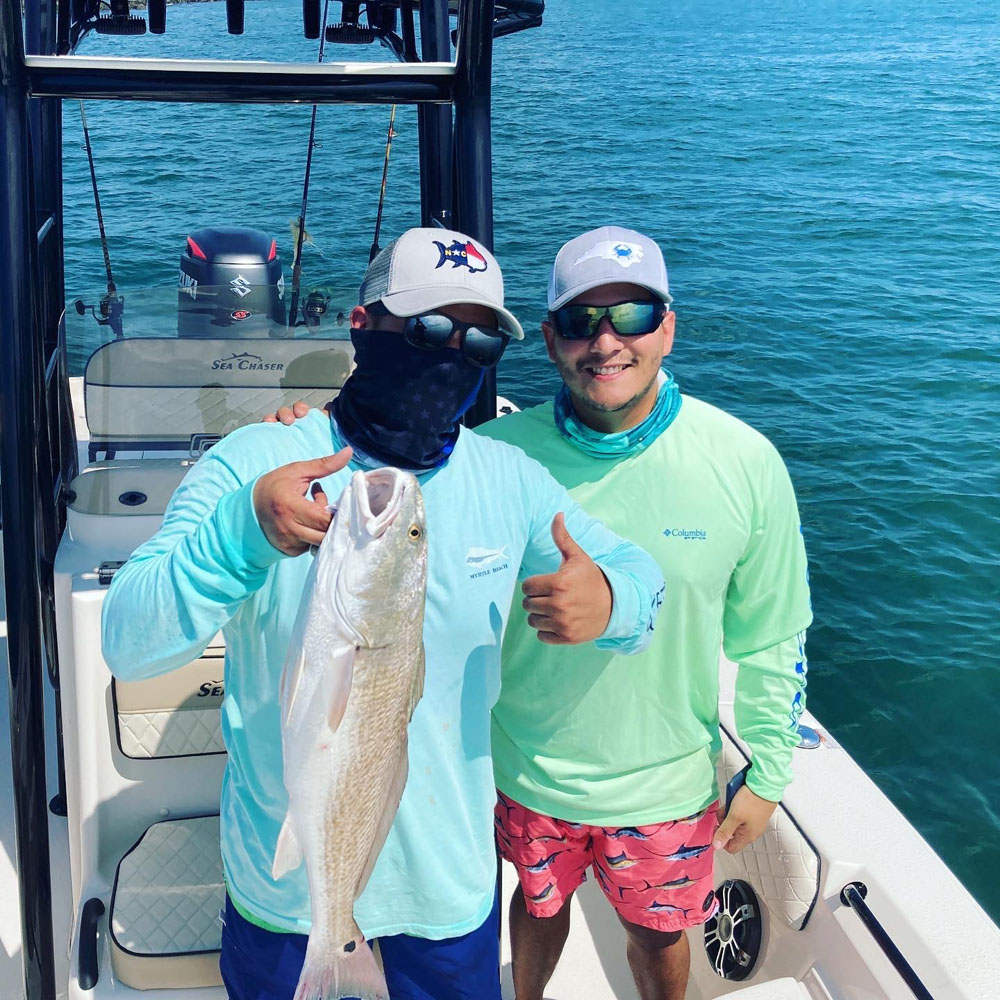
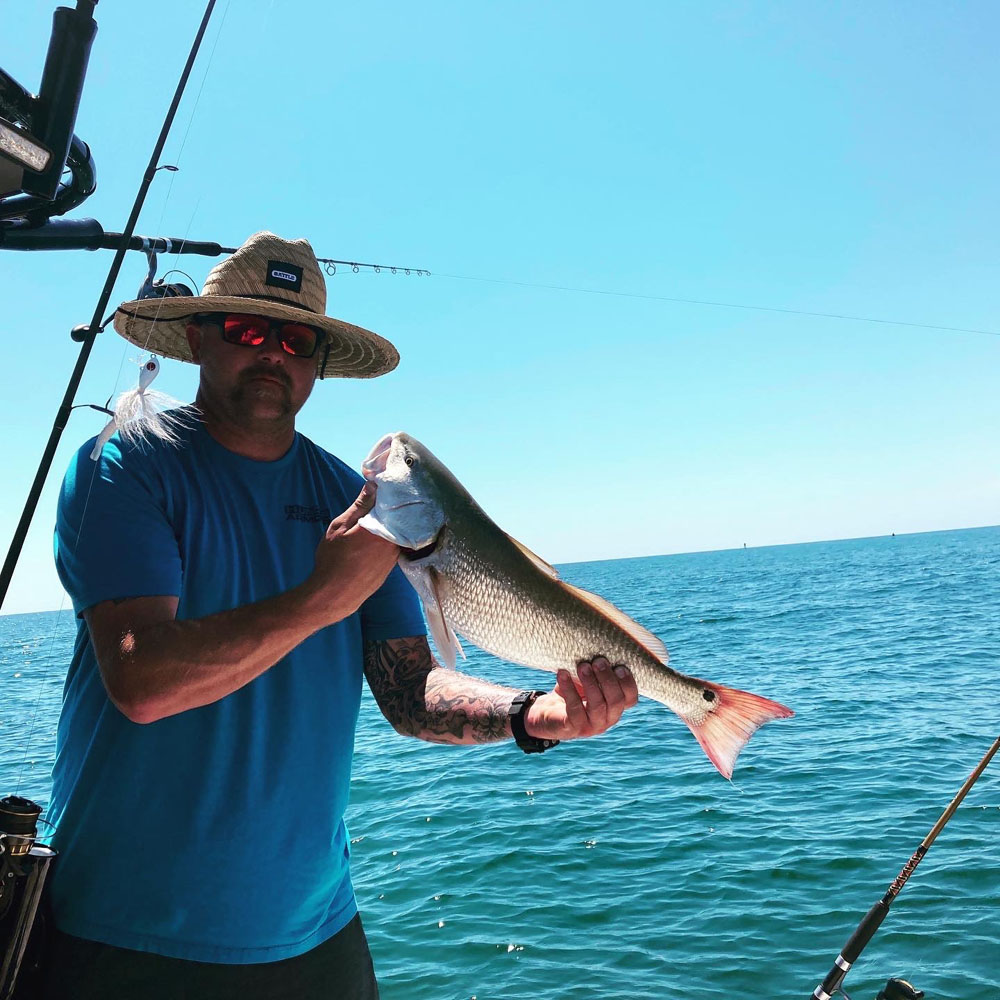
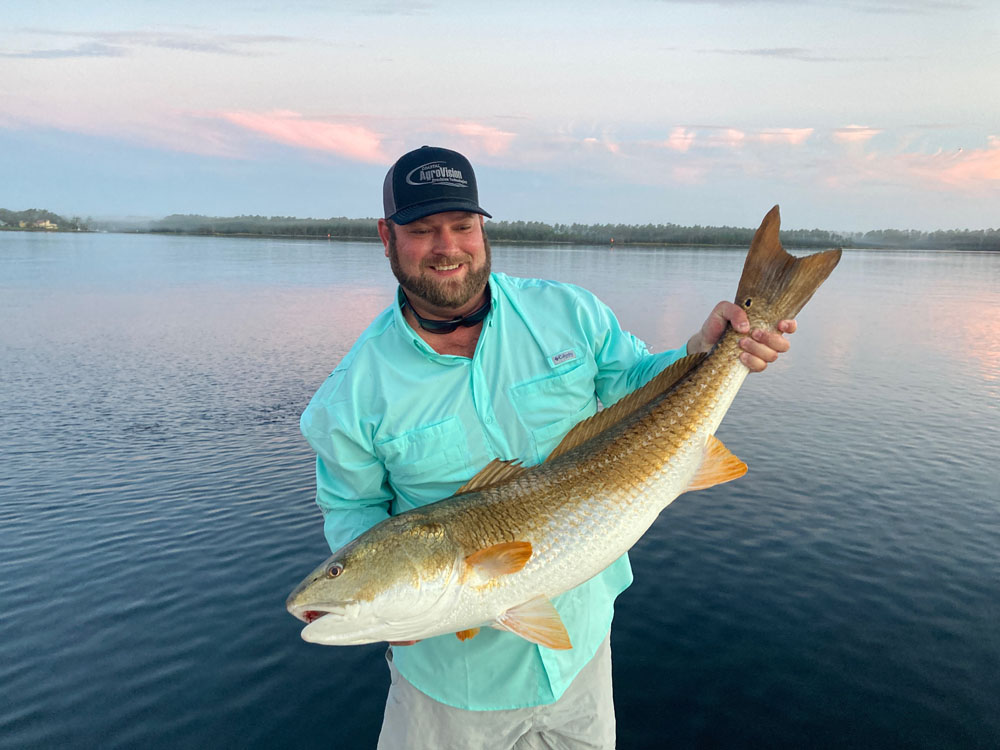
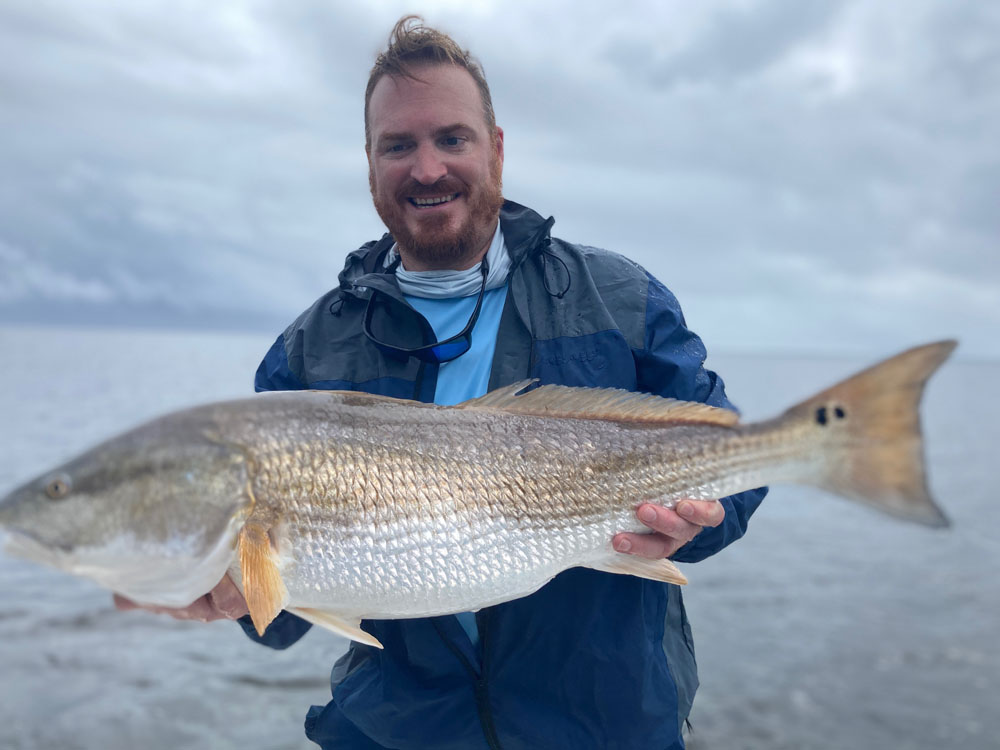
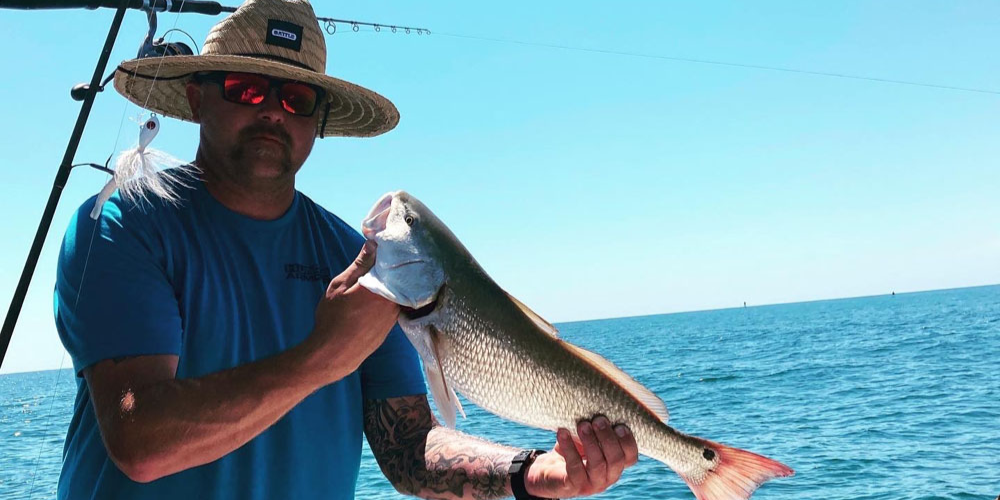
Redfish are the bread and butter of Carolina inshore fishing, and for good reason. These copper-colored bruisers average 20-35 inches and fight like fish twice their size. Peak season runs from late spring through early fall, and they love hanging around oyster bars, grass flats, and creek mouths during moving tides. What makes Redfish so special is their willingness to eat – cut bait, live shrimp, or artificial lures, they're not picky. When you hook one, get ready for multiple runs and that classic head-shaking fight that keeps your drag screaming.
Mahi Mahi, or Common Dolphinfish as they're technically known, are the most colorful fighters you'll encounter on this trip. These offshore beauties show up in late spring and stick around through summer, following warm water currents and floating debris lines. They're built for speed with their compressed bodies and can reach 30+ mph when they want to. Mahi typically run 10-25 pounds in our waters, though bigger bulls are always possible. What anglers love most is their acrobatic fighting style – expect multiple jumps and long runs that'll test your drag system.
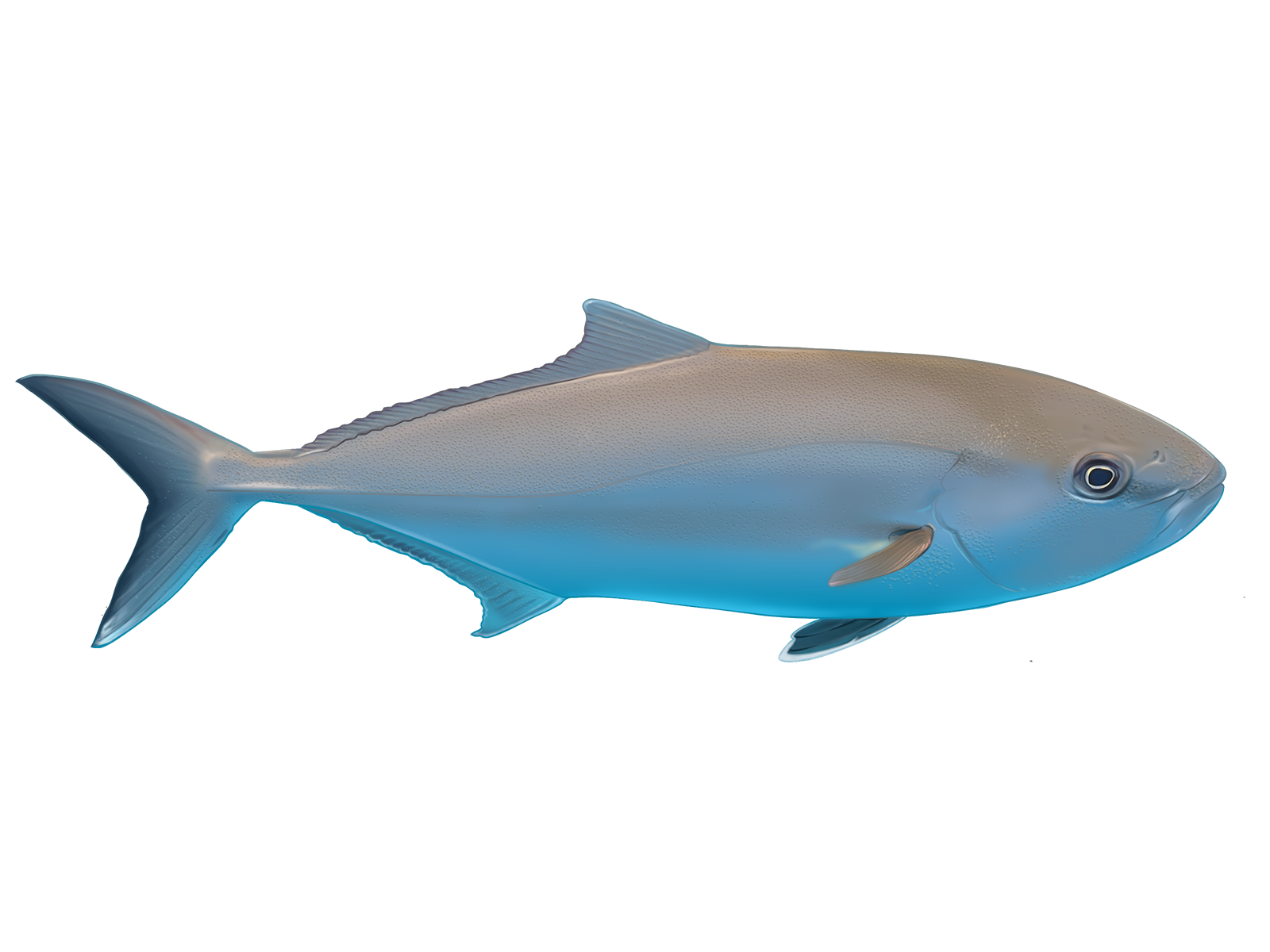
Greater Amberjack are the reef bullies that every serious angler wants to tangle with. These powerful fish live around wrecks and hard bottom areas, often in 60-200 feet of water. AJ's are notorious for their initial run straight back to structure, so you better be ready to turn their head quickly or kiss your tackle goodbye. They're year-round residents but fish best during cooler months when they move into shallower water to feed. A 30-40 pound Amberjack will give you an arm workout you won't forget, and their white, flaky meat is some of the best eating around.
Great Barracuda are the toothy predators that keep things interesting around the wrecks. These silver bullets can reach 40+ inches and hit lures with explosive force. They're ambush predators that love to lurk around structure, waiting for baitfish to get too comfortable. Barracuda are most active during warmer months and are famous for their blistering initial runs and unpredictable jumps. Many anglers love them for their aggressive nature and the challenge they present with their razor-sharp teeth – wire leaders are a must when these guys are around.
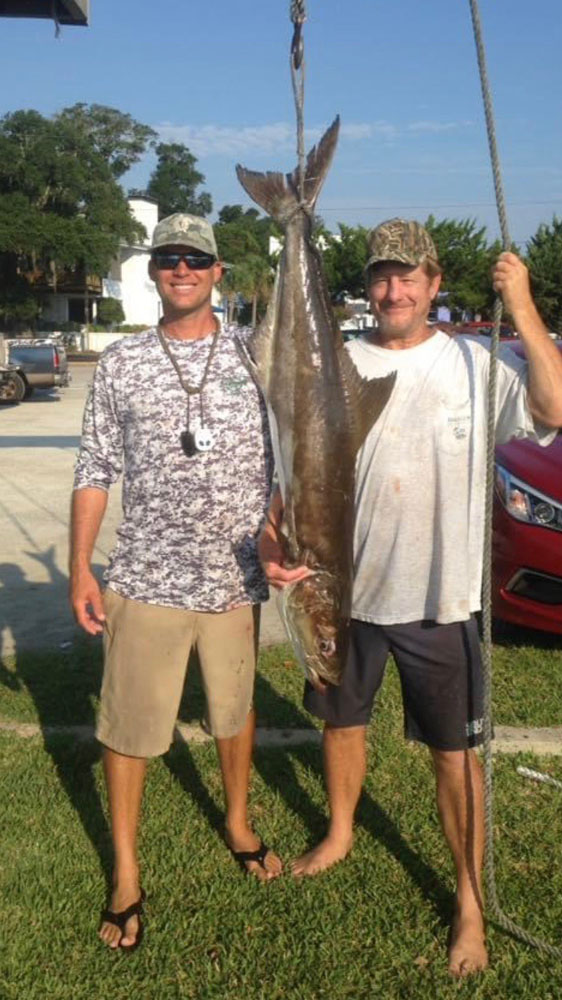
Cobia are the ultimate prize fish on this trip, often called the "brown sharks" for their appearance and curious nature. These fish are nomads, following rays and sharks around reef areas looking for stirred-up food. Spring and fall migrations bring the best Cobia action, with fish ranging from 25-60 pounds not uncommon. What sets Cobia apart is their intelligence – they'll often follow your bait right to the boat, giving you a chance to see exactly what you're fighting. They're incredible table fare and provide a long, steady fight that'll test your endurance and drag system.
Time to Book Your Spot
This 6-hour private charter gives you the flexibility to fish at your own pace while targeting multiple species across different types of water. With a capacity for up to 4 anglers, it's perfect for families, buddy trips, or corporate outings. Remember that gratuity isn't included – standard practice is 10-20% of your trip total for good service. The Carolina coast offers world-class fishing year-round, but the best dates fill up fast, especially during peak seasons. Whether you're a seasoned an
 Private Trip
 Inshore Fishing
 Wilmington



 Six-hour private charter targets multiple Carolina coast species