Offshore Fishing Port Aransas
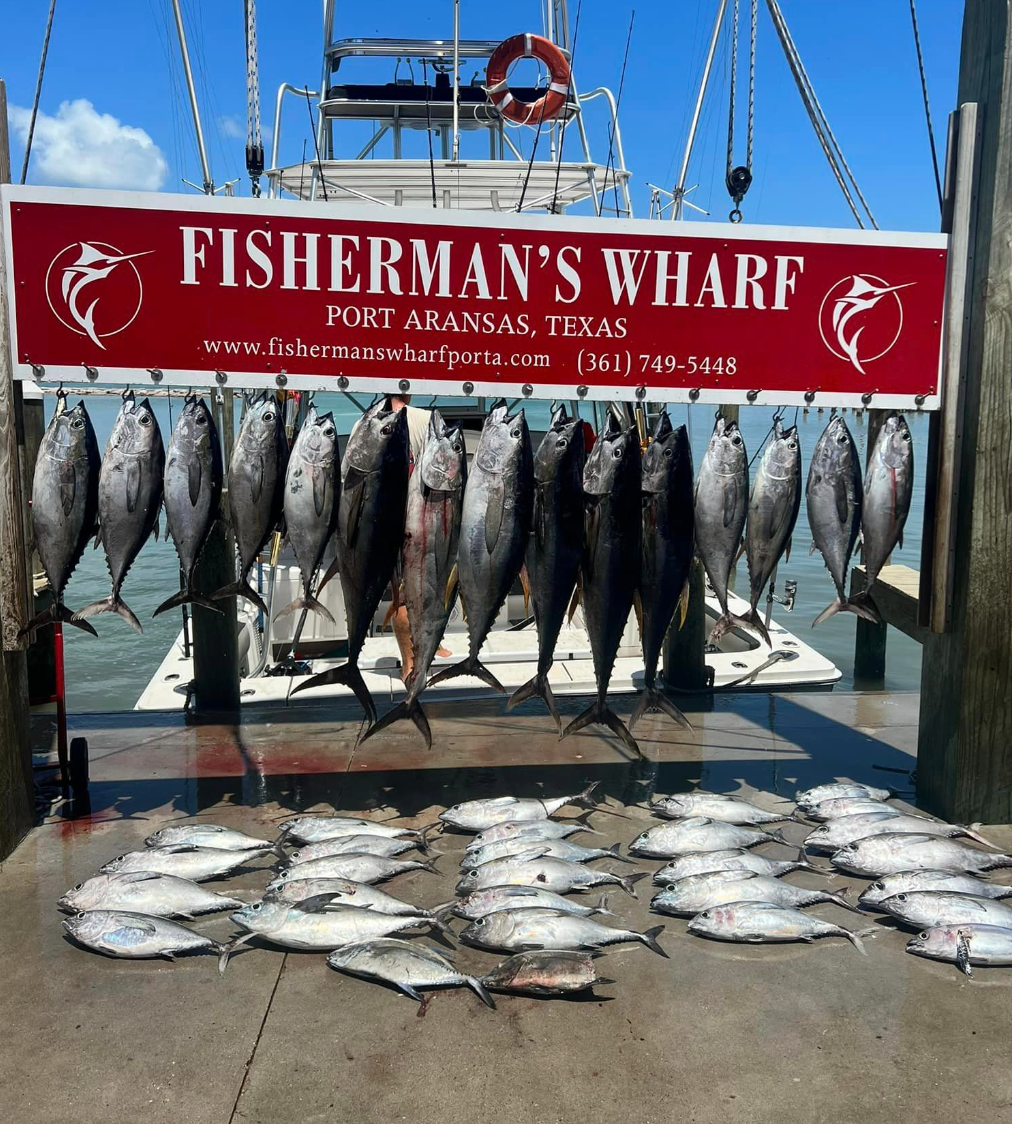
When you're ready to leave the bay behind and test your skills against the big boys, Gulf Magic fishing has exactly what you're looking for. Our offshore fishing charters take you into the deep blue waters off Port Aransas, where the real monsters swim. We're talking billfish territory here – sailfish, marlin, and swordfish that'll give you stories to tell for years. This isn't your typical half-day bay trip. We're going deep, staying overnight, and giving you the full offshore experience that serious anglers dream about.
What to Expect on the Water
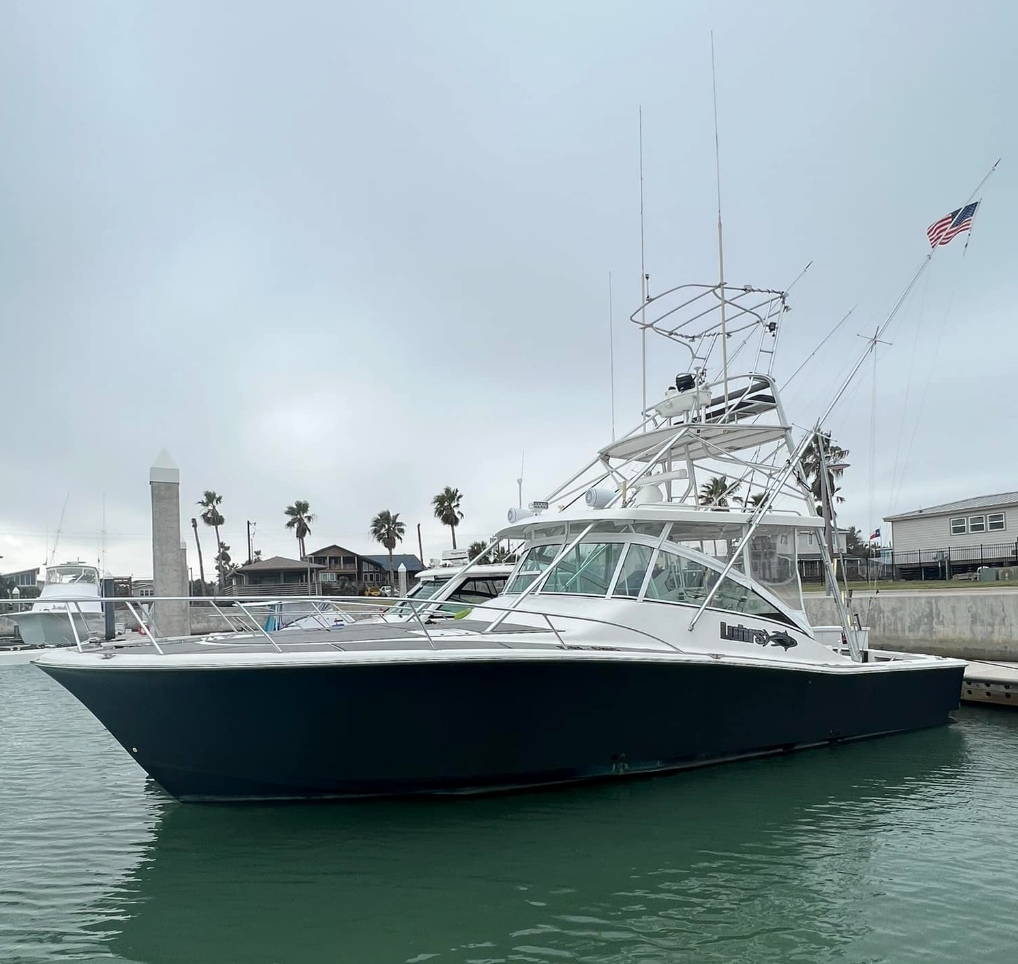
Our vessel is set up for the long haul with three comfortable beds and a full galley, so you can focus on fishing without worrying about the basics. We keep our groups small – just six anglers max – which means everyone gets prime real estate at the rail and personal attention from our crew. The overnight format gives us time to really work the water, hit multiple spots, and adjust our strategy based on what we're seeing out there. You'll wake up to sunrise over the Gulf, coffee brewing, and lines already in the water. Port Aransas sits perfectly positioned where the continental shelf drops off, giving us quick access to those blue water edges where pelagic species cruise. We're usually running 20-30 miles offshore to hit the best structure and temperature breaks where these fish feed.
Trolling the Deep Blue
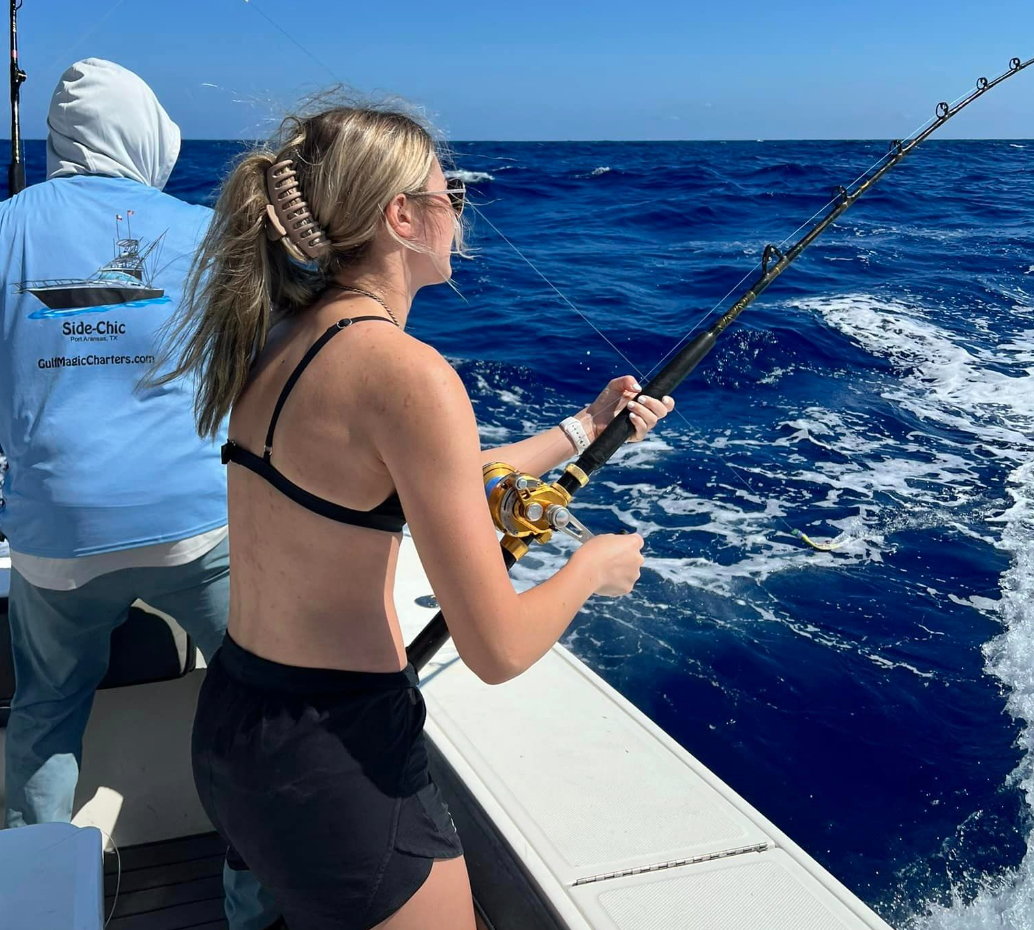
We run a spread of high-speed trolling lures and live bait to cover water efficiently and trigger aggressive strikes from fast-moving pelagics. Our setup includes outriggers, downriggers, and center riggers to present baits at different depths and distances from the boat. When we're targeting swordfish, we switch to deep-dropping techniques with electric reels and heavy tackle, working depths of 1,200 to 1,800 feet during daylight hours. The crew handles all the technical stuff – rigging, bait prep, and reading the electronics – while you focus on the fight. We watch for bird activity, temperature breaks, and structure on the bottom machine to locate feeding fish. When a billfish comes up behind the spread, everything changes fast. The crew will coach you through the fight, but these fish test every bit of your skill and endurance.
Species You'll Want to Hook
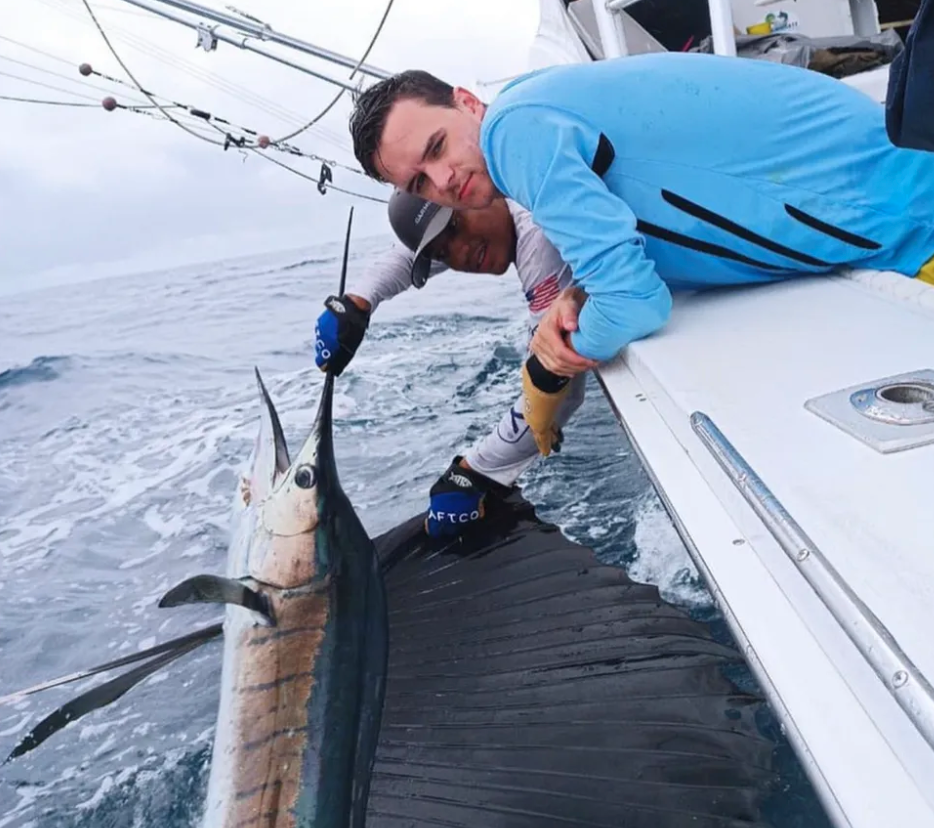
Atlantic Sailfish are the most common billfish you'll encounter in these waters, especially from April through October when they're most active. These fish average 40-80 pounds and are absolutely spectacular fighters, known for their aerial displays and long runs. What makes sailfish special is their speed and agility – they'll come up hot behind a trolled bait, light up with those electric blues and purples, then absolutely explode when they feel the hook. The Gulf waters off Port Aransas hold good numbers of sails, and they're often found around floating debris, weed lines, and temperature breaks.
Blue Marlin represent the holy grail of offshore fishing here. These are the fish that can change your life in a single hookup. Blues in our waters typically range from 200 to 600 pounds, with the occasional monster pushing 800 or more. They're most active from May through September, and they prefer the deeper, cleaner blue water beyond the shelf. When a blue marlin decides to eat your bait, you'll know it immediately – they hit with incredible force and often come completely out of the water. The fight can last hours, and landing one is an achievement that puts you in an elite group of anglers.
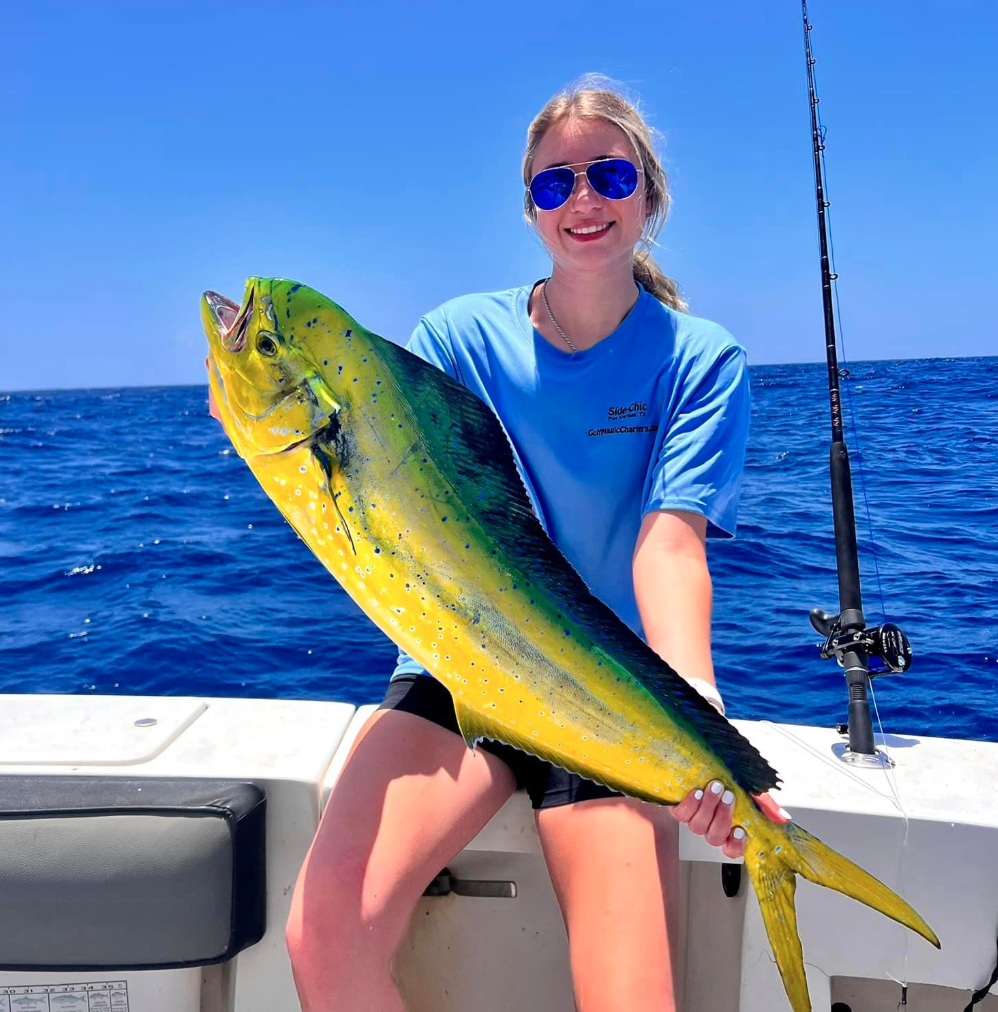
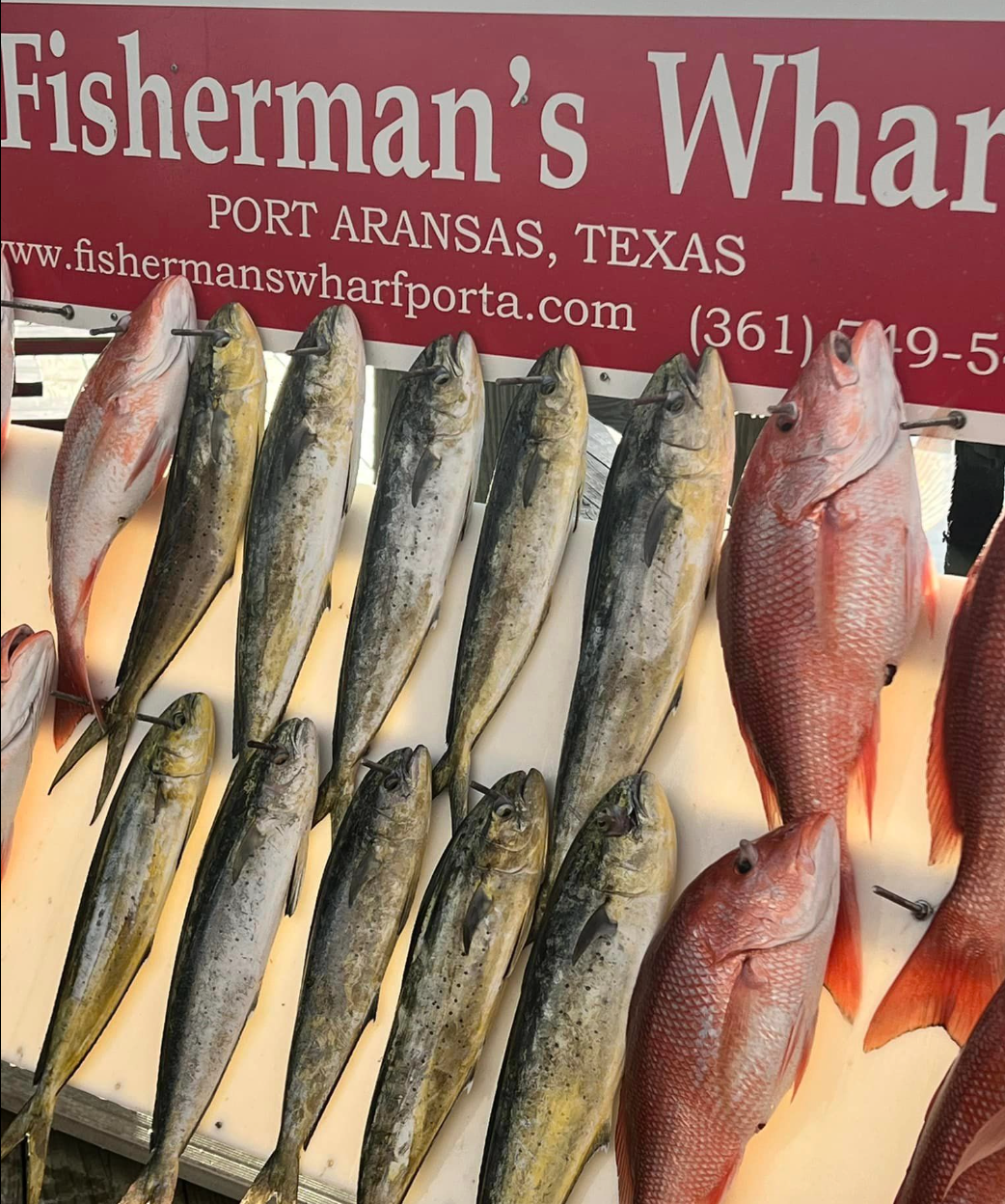
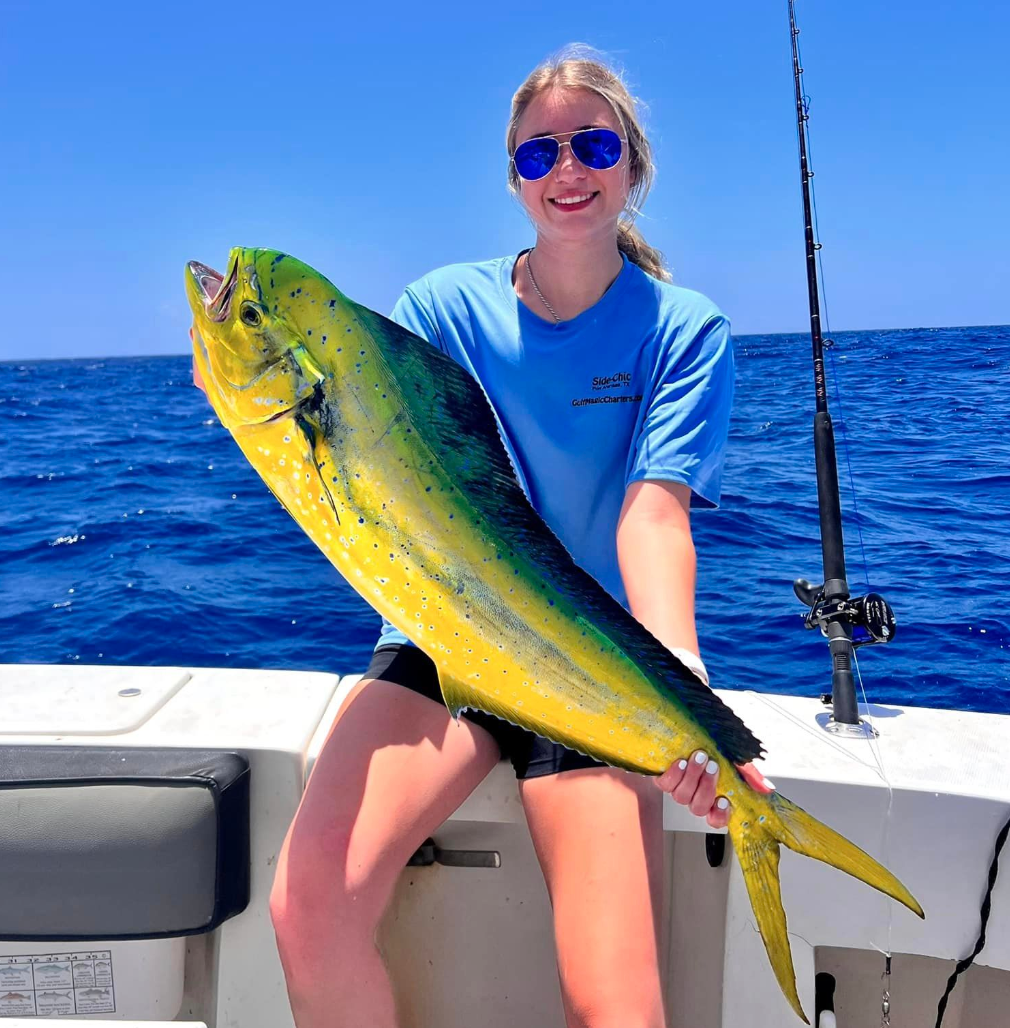
Mahi Mahi or Common Dolphinfish bring non-stop action and incredible table fare to the mix. These fish travel in schools, so when you find one, there are usually more around. They average 10-30 pounds with bulls reaching 40-60 pounds, and they're active year-round with peak seasons in spring and fall. Mahi are attracted to floating objects, so we work around weed lines, debris, and any structure we can find. They're aggressive feeders and will hit both lures and live bait. What anglers love about mahi is their willingness to bite, their acrobatic fights, and the fact that they're absolutely delicious on the dinner table.
White Marlin are smaller than their blue cousins but pound-for-pound some of the best fighting fish in the ocean. They typically weigh 40-80 pounds and are known for their incredible jumping ability and stubborn fights. Whites are most common from June through September in our area, often mixed in with sailfish around the same structure and temperature breaks. They're notorious for their acrobatic displays, often spending more time in the air than in the water during the fight. Many consider white marlin the perfect billfish – big enough to be challenging but not so big that the fight becomes a grueling endurance test.
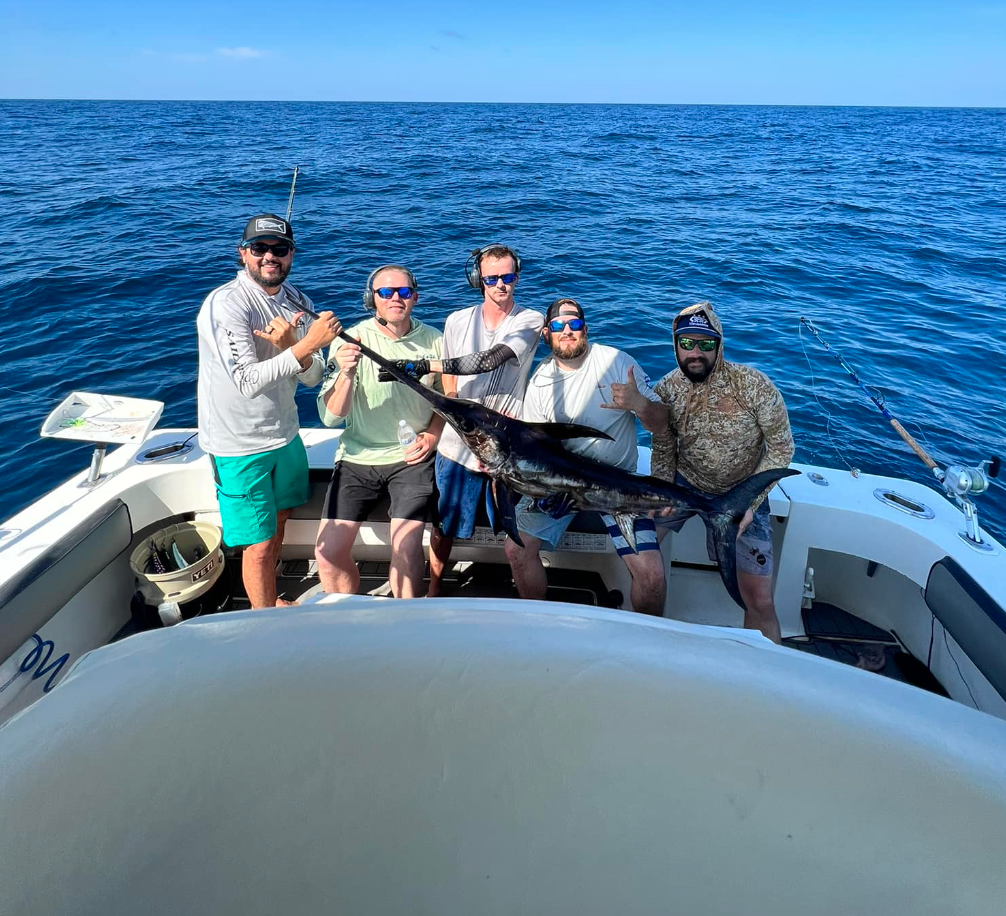
Swordfish fishing is a whole different game that we love introducing anglers to. These fish are primarily night feeders, but we target them during the day using deep-dropping techniques in 1,200-2,000 feet of water. Swords average 50-200 pounds in our area, with the potential for much larger fish. They're incredibly strong, methodical fighters that use their size and the deep water to their advantage. What makes swordfish special is their prehistoric appearance, their reputation as one of the toughest fish in the ocean, and the technical challenge of catching them. Landing a daytime sword is considered one of the pinnacles of offshore fishing achievement.
Time to Book Your Spot
This is the kind of fishing trip that separates the weekend warriors from the serious anglers. You'll come back with a new appreciation for what the Gulf of Mexico has to offer beyond the typical inshore scene. Whether you're looking to check billfish off your bucket list or you're already addicted to the offshore game, this overnight charter gives you the time and positioning to make it happen. Our crew knows these waters, the gear is top-notch, and the boat is equipped for comfort during the long haul. Don't wait around thinking about it – the
 Private Trip
 Offshore Fishing
 Port Lavaca


 Offshore fishing charter targets sailfish and swordfish species