Offshore Fishing Charter in Carolina Beach
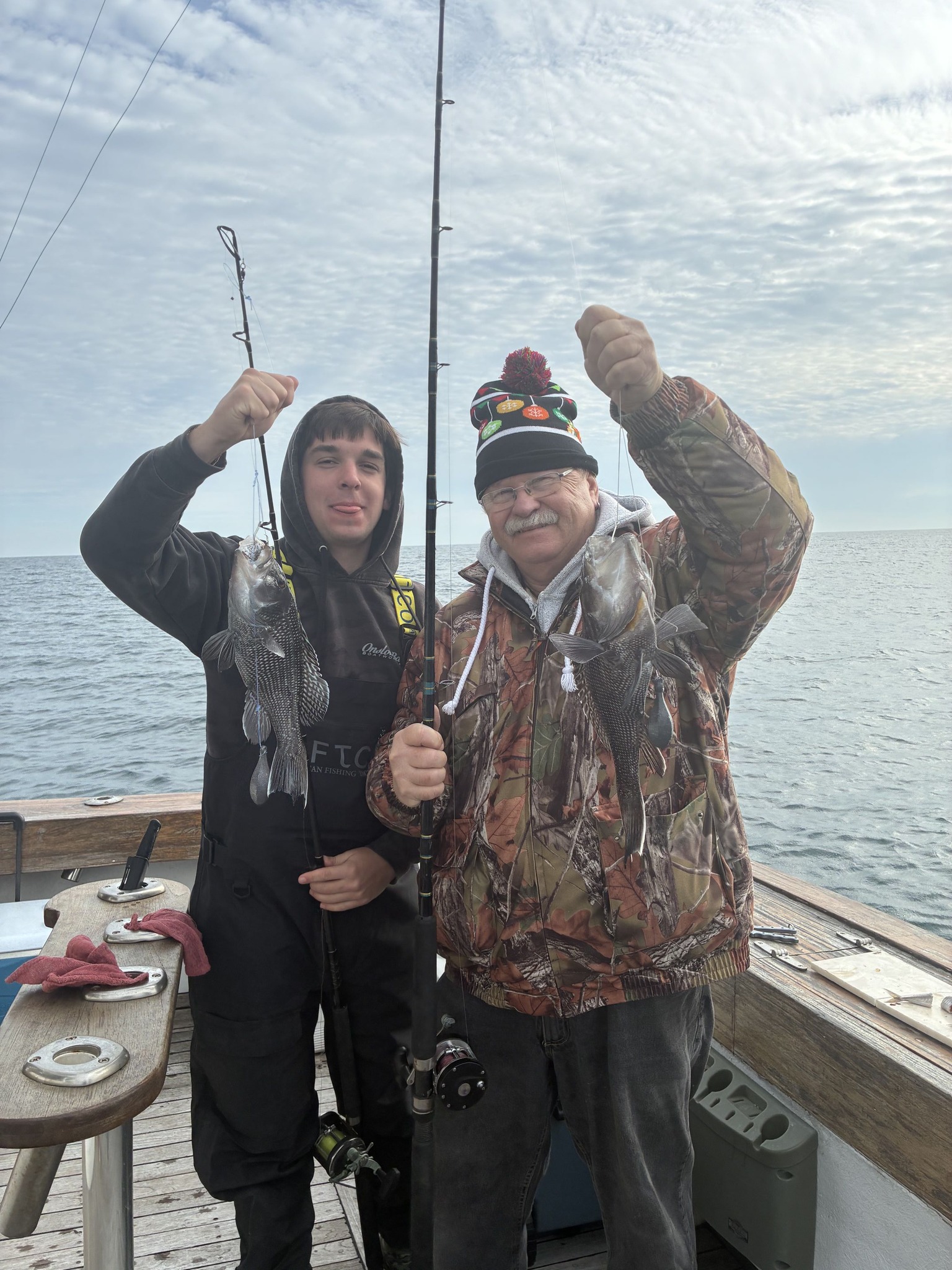
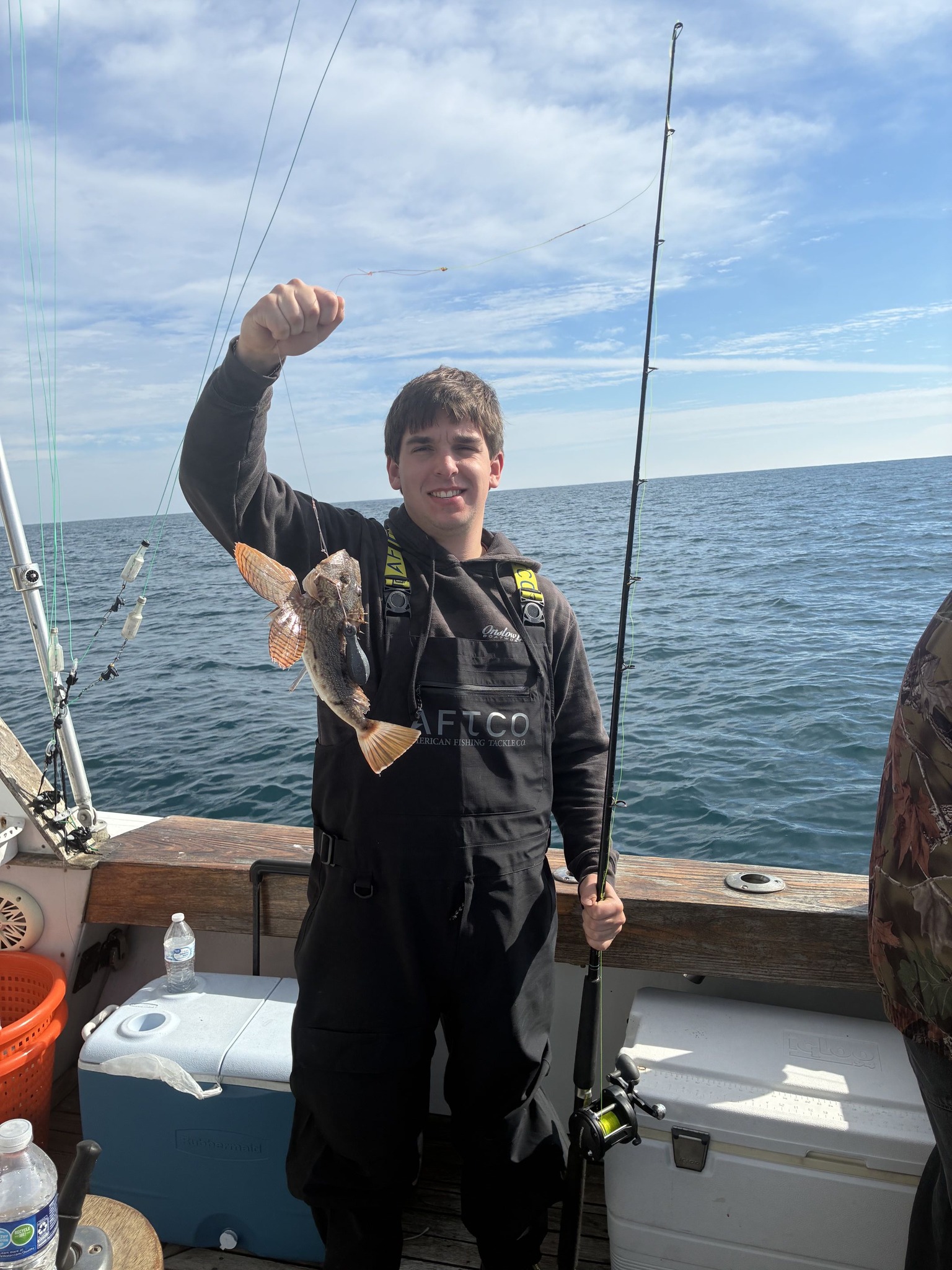
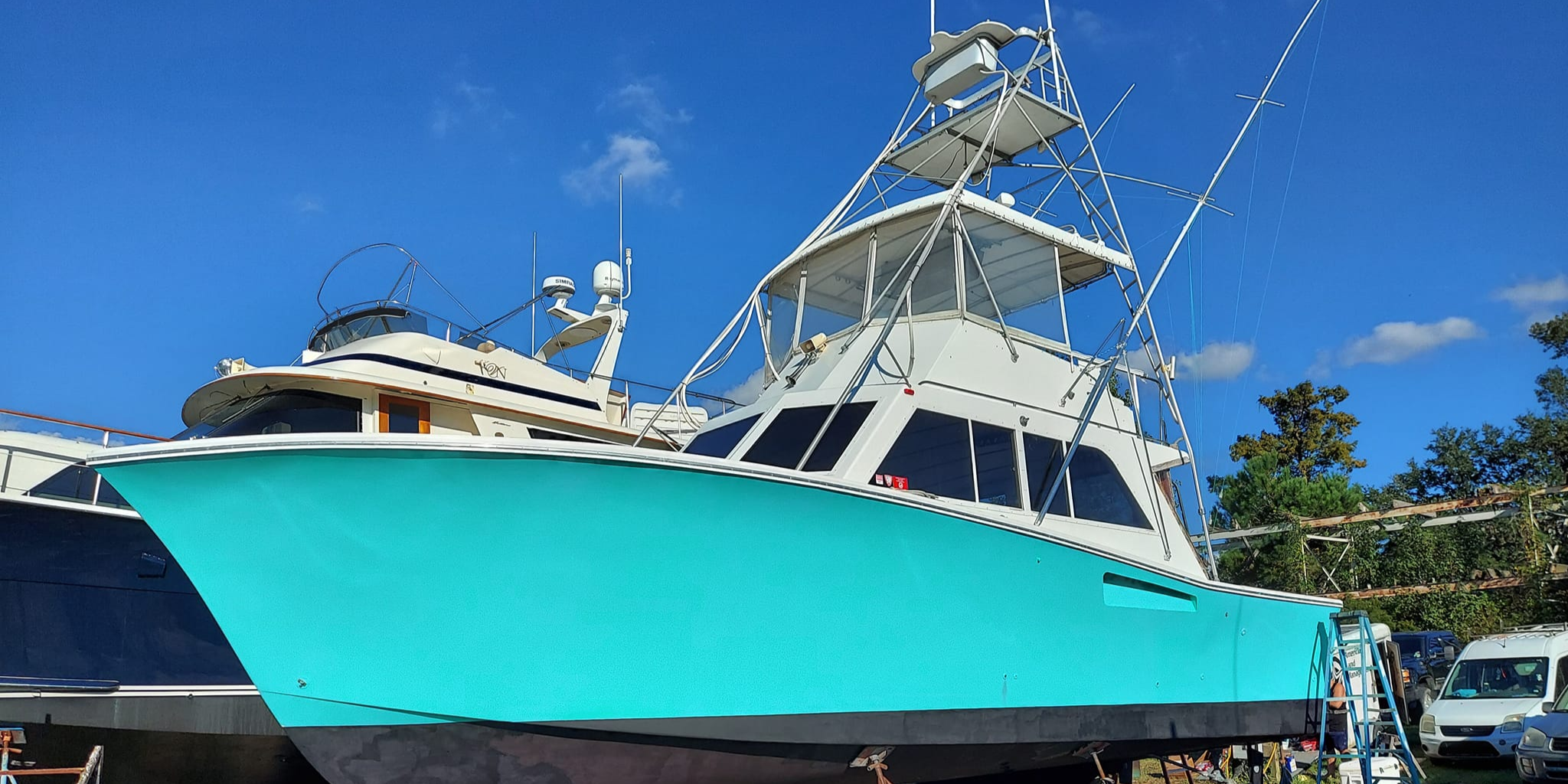
Looking for a solid half-day charter that puts you on fish without breaking the bank? This 4-hour morning offshore trip with Gypsy Dawn Charters hits all the right notes. We're talking about a private charter that takes you and up to 5 buddies out through Carolina Beach Inlet into some of the most productive nearshore waters along the North Carolina coast. Captain Todd and his crew know these waters like the back of their hand, and they've got one mission: putting you on bluefish, amberjack, and whatever else is biting that day. No crowded party boats, no rushing – just you, your group, and some serious fishing action.
What to Expect on the Water
Your morning starts at Carolina Beach with a quick boat briefing before we motor out through the inlet. The ride to the fishing grounds is short and sweet – we're not burning half your charter time getting there. Once we hit the productive water, lines go down and the real fun begins. This is prime trolling territory where the Gulf Stream pushes baitfish close to shore, and that means hungry game fish are never far behind. The boat comes equipped with all the tackle you need, plus your fishing licenses are covered. Whether you're a complete rookie or you've been fishing these waters for years, Captain Todd tailors the trip to make sure everyone gets in on the action. Families love these trips because there's enough variety to keep everyone engaged, and the four-hour window is perfect for kids who might get restless on longer charters.
Trolling Tactics & Gear Setup
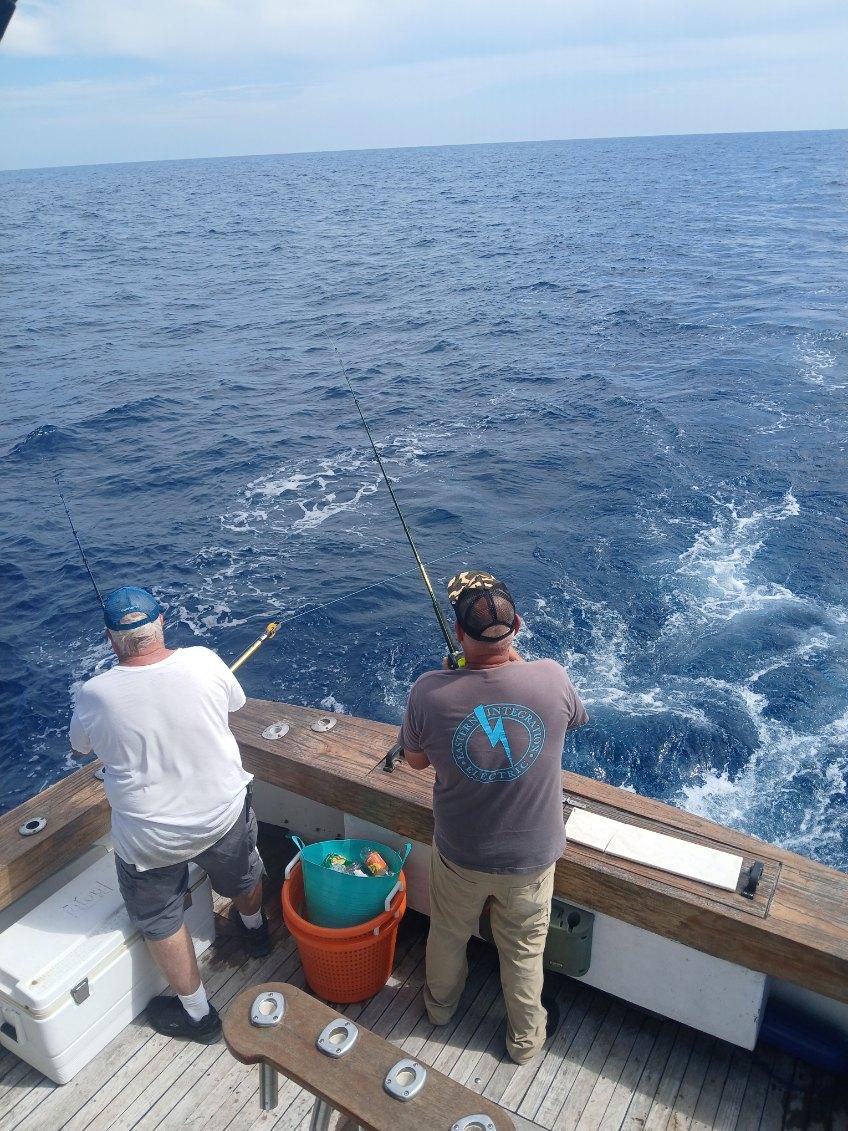
We run a spread of trolling rigs designed specifically for the species we're targeting. The boat carries a mix of medium and heavy tackle – think 20 to 50-pound class gear that can handle everything from scrappy bluefish to bruiser amberjack. The trolling spread typically includes a combination of spoons, diving plugs, and rigged baits that mimic the local forage. Speed and depth are everything out here, and that's where the captain's local knowledge really shines. These nearshore waters have structure, drop-offs, and current breaks that hold fish, but you need to know where to look. We'll adjust our trolling pattern based on what's showing on the fish finder and what's been producing lately. When something hits, the real excitement begins – and don't worry if you need coaching on fighting technique or how to work the reel. That's what we're here for.
Customer Stories
"Absolutely best charter ever! Justin and Captain Todd know there stuff! Highly recommend and telling all our friends! Thanks guy for the Fun Information and Fish" - Mark
Species You'll Want to Hook
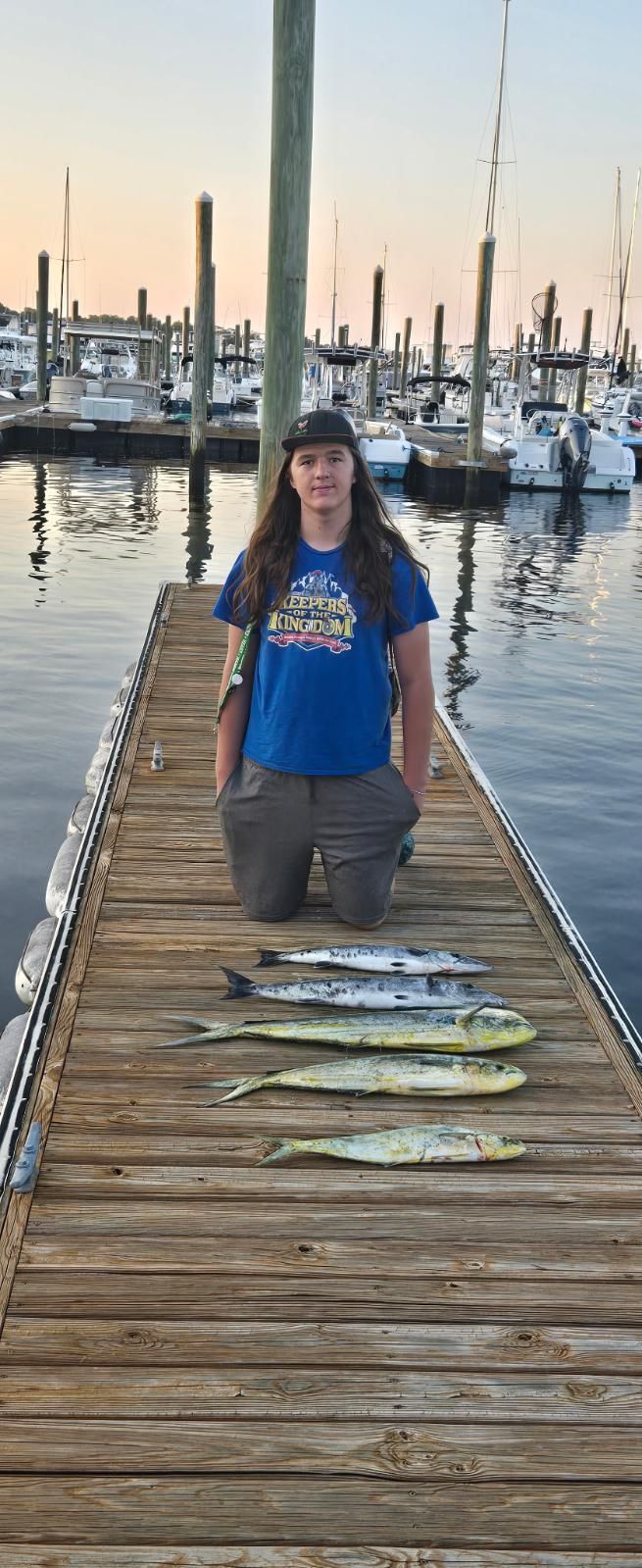
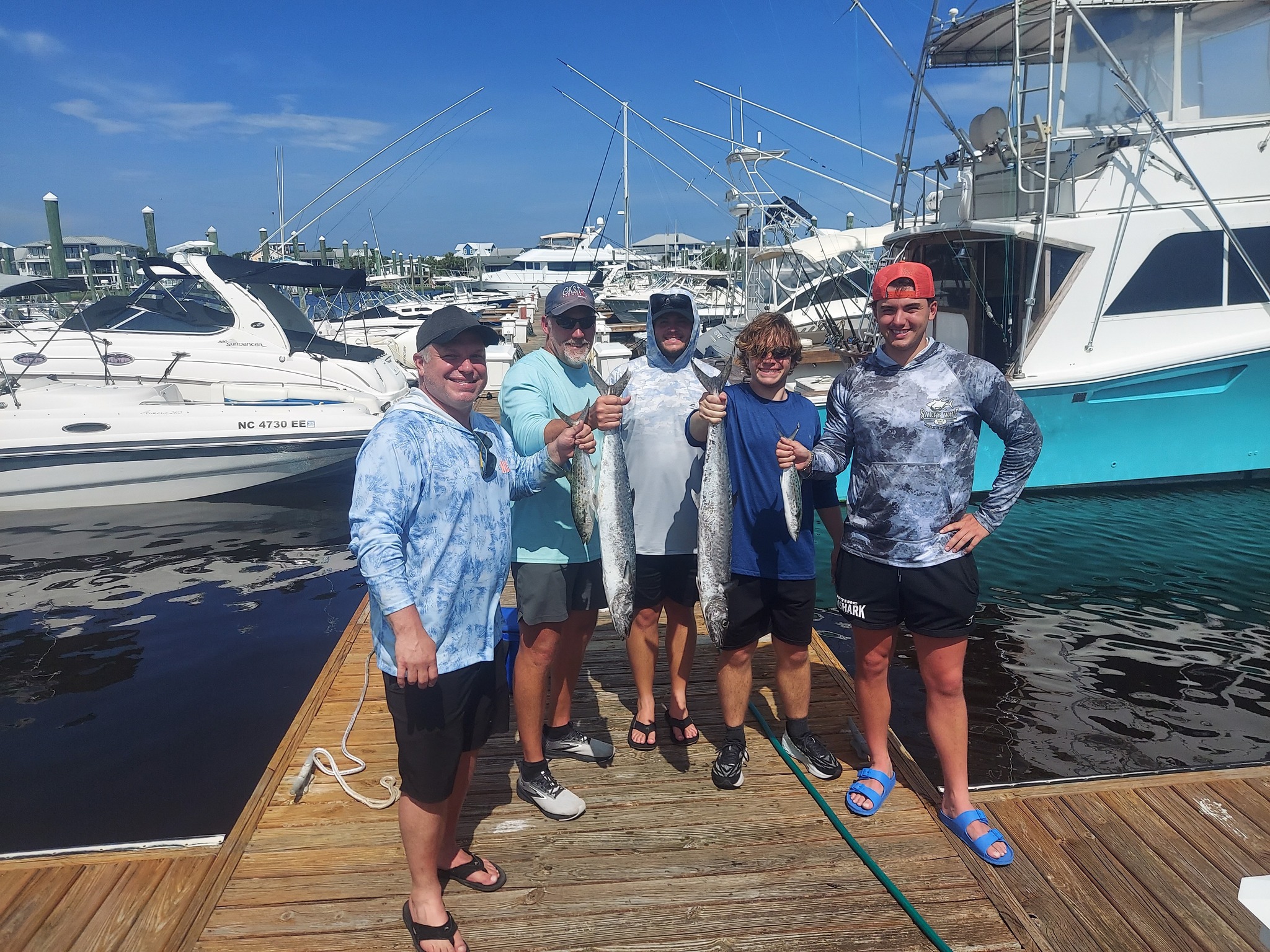
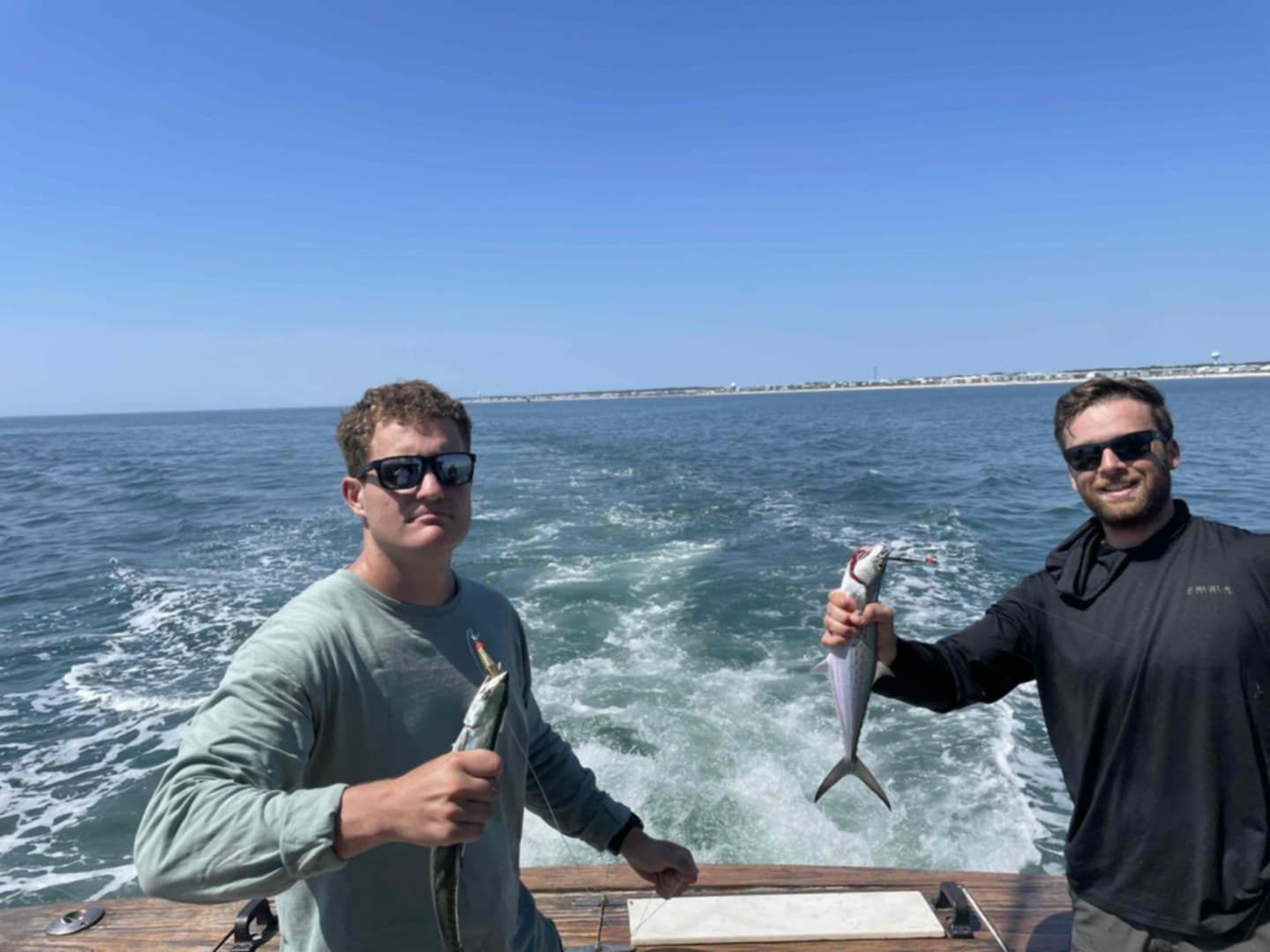
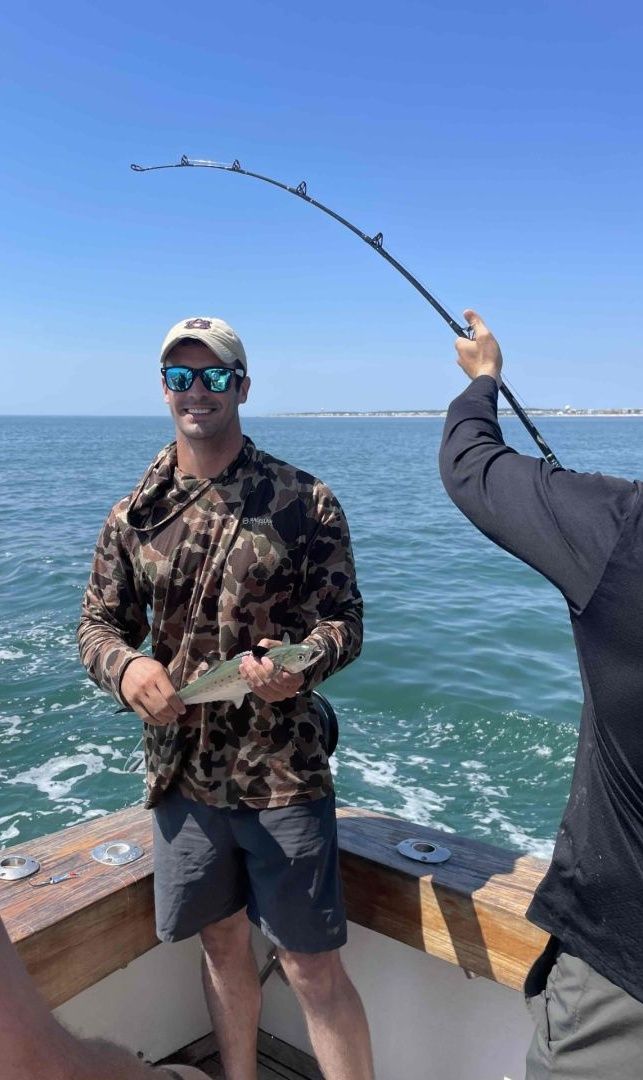
Spanish Mackerel are one of the most reliable catches on these nearshore trips, especially during the warmer months from late spring through early fall. These silvery speedsters typically run 1 to 3 pounds and fight way above their weight class. They're absolute rockets when they hit a trolled spoon or small plug, often clearing the water multiple times during the fight. Spanish mackerel travel in schools, so when you find one, there are usually more around. They're also fantastic table fare – firm, white meat that's perfect for grilling or making fish cakes.
Bluefish are the bread and butter of Carolina Beach offshore fishing, and for good reason. These aggressive predators show up in huge schools and absolutely demolish anything that looks like food. Blues range from smaller "snappers" around 1-2 pounds up to hefty "choppers" that can push 10 pounds or more. They're notorious for their razor-sharp teeth and bulldog fighting style. When you hook into a school of feeding blues, the action can be non-stop. They're most active during spring and fall migrations, but you can find them here pretty much year-round.
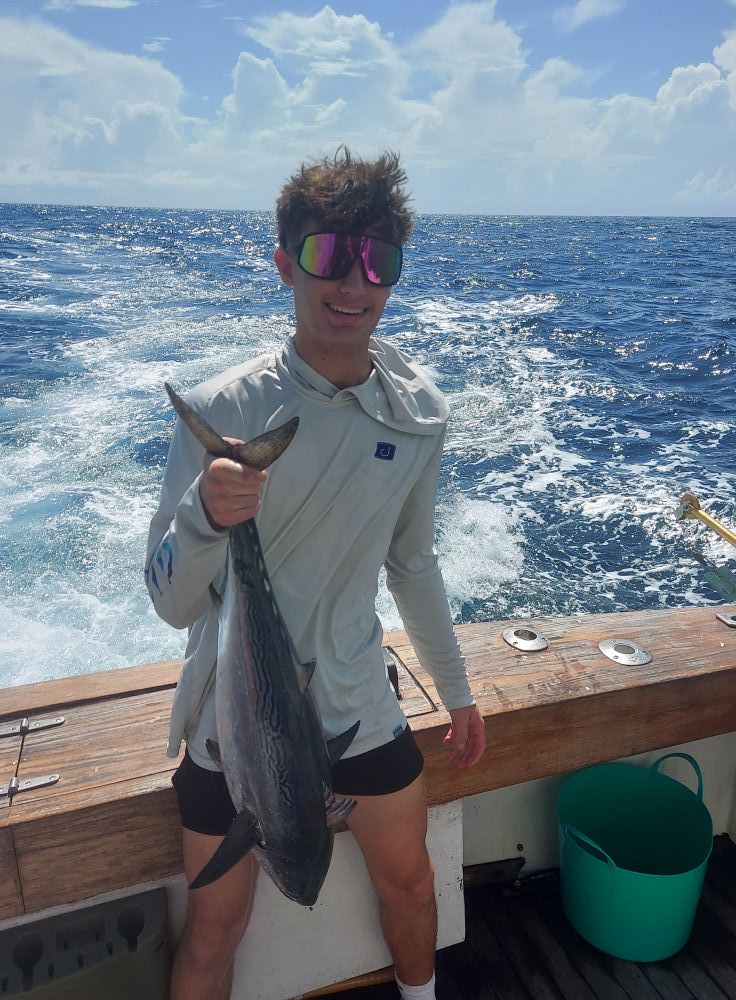
King Mackerel, or "smoker kings" as the locals call them, are the crown jewel of nearshore trolling. These fish can range from schoolie-sized 10-pounders up to genuine trophy fish over 30 pounds. Kings are lightning fast and known for spectacular jumps and blistering runs that will test your drag and your arms. Peak season runs from late spring through early fall when they follow bait schools along the coast. Landing a nice king mackerel is a bucket-list experience for most anglers – they're challenging to catch and absolutely delicious on the table.
Mahi Mahi, also called dolphinfish or dorado, are the wildcards of these trips. When Gulf Stream water pushes close to shore, these colorful fighters sometimes show up in the nearshore zone. Mahi are absolutely stunning fish with their golden-green coloration and aggressive surface strikes. They're incredibly acrobatic fighters that will jump, tail-walk, and give you a show you won't forget. Most mahi caught on these trips range from 5 to 20 pounds, though bigger bulls occasionally crash the party. They're considered some of the best eating fish in the ocean.
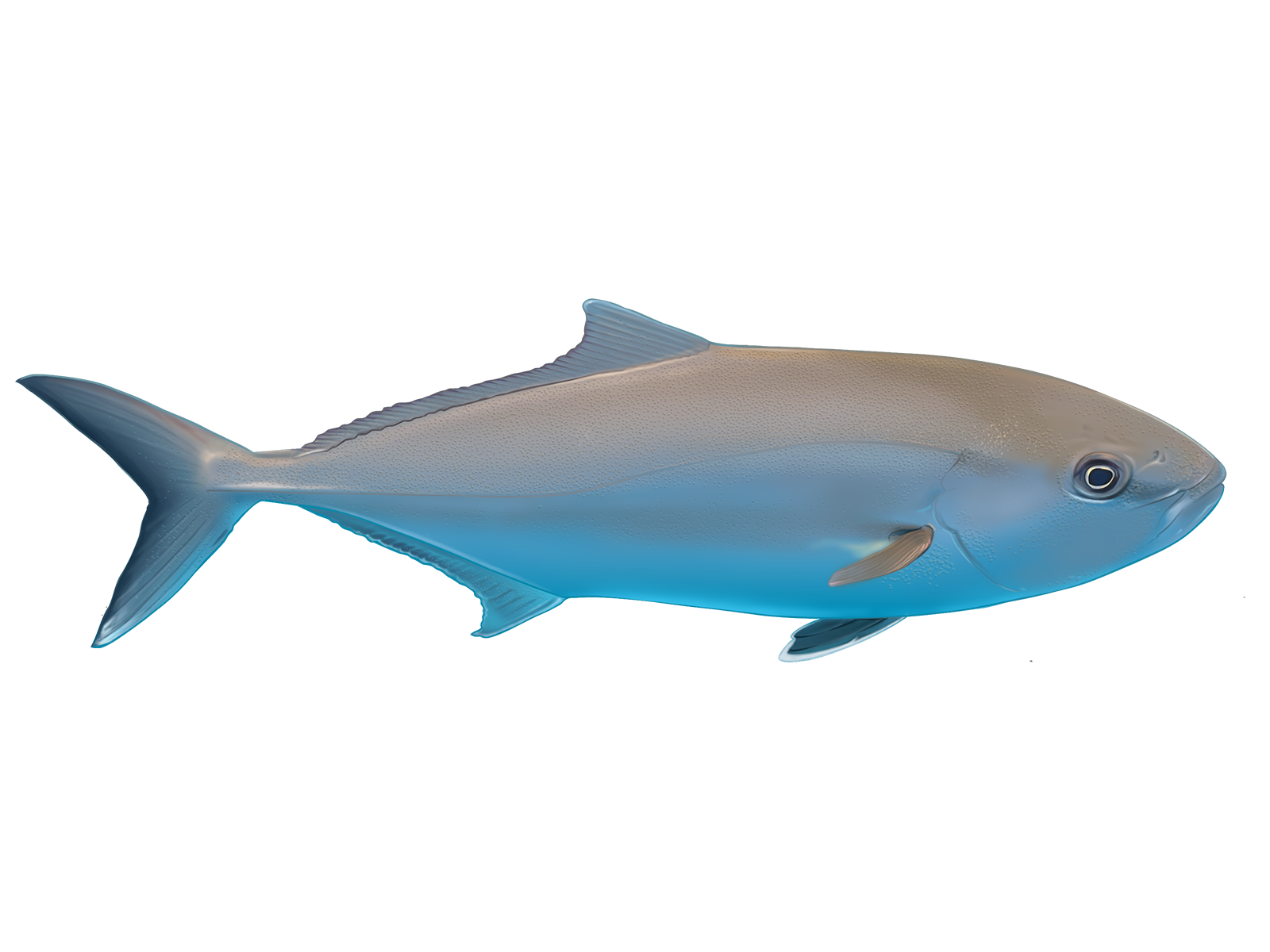
Greater Amberjack are the muscle cars of the nearshore fishing world. These powerful bottom dwellers typically hang around structure and can grow to impressive sizes – 20 to 40-pound fish are common, with occasional giants topping 60 pounds. AJs are notorious for their initial powerful run straight down toward the bottom, testing both your tackle and your technique. They're year-round residents but tend to be most active during cooler months. Fighting a big amberjack is a real workout, but the satisfaction of landing one makes every aching muscle worth it.
Time to Book Your Spot
This charter represents everything that's great about Carolina Beach fishing – reliable action, professional guidance, and a price point that won't empty your wallet. Captain Todd and the Gypsy Dawn Charters crew have built their reputation on putting clients on fish while showing them a great time on the water. The 4-hour format is perfect for families, first-time charter guests, or
 5.0(1 Reviews)
 Private Trip
 Offshore Fishing
 Carolina Beach


 Private 4-hour morning charter targets bluefish and amberjack