3 Hour Flood Tide Fishing - Charleston, SC
If you're looking to experience Charleston's world-class inshore fishing during prime conditions, this 3-hour flood tide trip with Captain Hal Gray hits all the right notes. We're talking about getting on the water when the tide is pushing hard into the creeks and marshes around Isle of Palms and Charleston Harbor – that's when the Redfish get active and the bite really turns on. This isn't some cookie-cutter charter where you're just another face in the crowd. With only 2 guests max, you get personalized attention and plenty of rod time to dial in your technique.
What to Expect on the Water
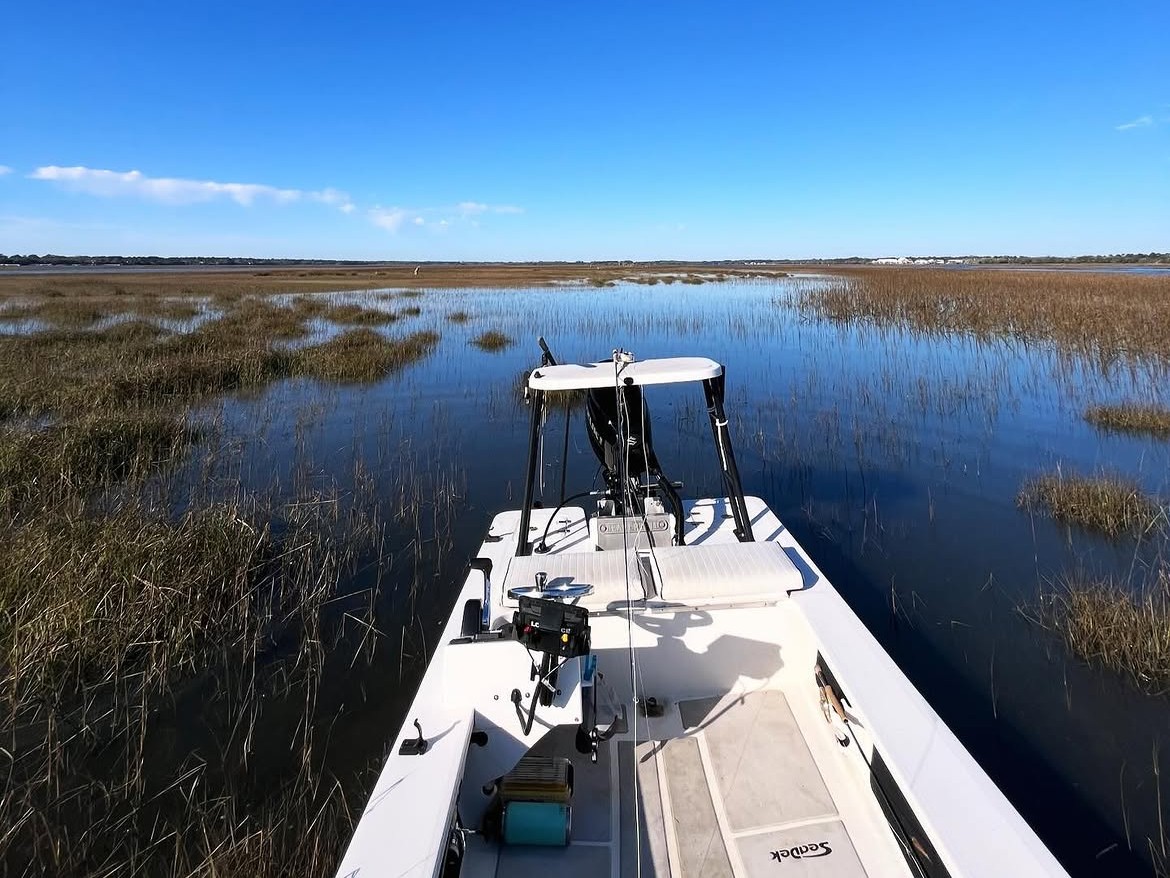
Captain Hal knows these Lowcountry waters like the back of his hand, and he's built this trip around timing the flood tide perfectly. We'll launch from Isle of Palms Marina and run straight to the productive shallow-water zones where fish stack up during incoming water. Think oyster bars, creek mouths, and grass flats that come alive when that tide starts pushing bait into the back country. The beauty of flood tide fishing is that you're working with nature's dinner bell – as water floods the marshes, it brings crabs, shrimp, and small fish right to where the bigger predators are waiting. Captain Hal provides all the gear you need, from rods and reels to bait and tackle, so you can focus on learning his techniques and putting fish in the boat. Whether you're a weekend warrior or someone who's never held a fishing rod, he'll adjust the approach to match your skill level.
Techniques and Tackle
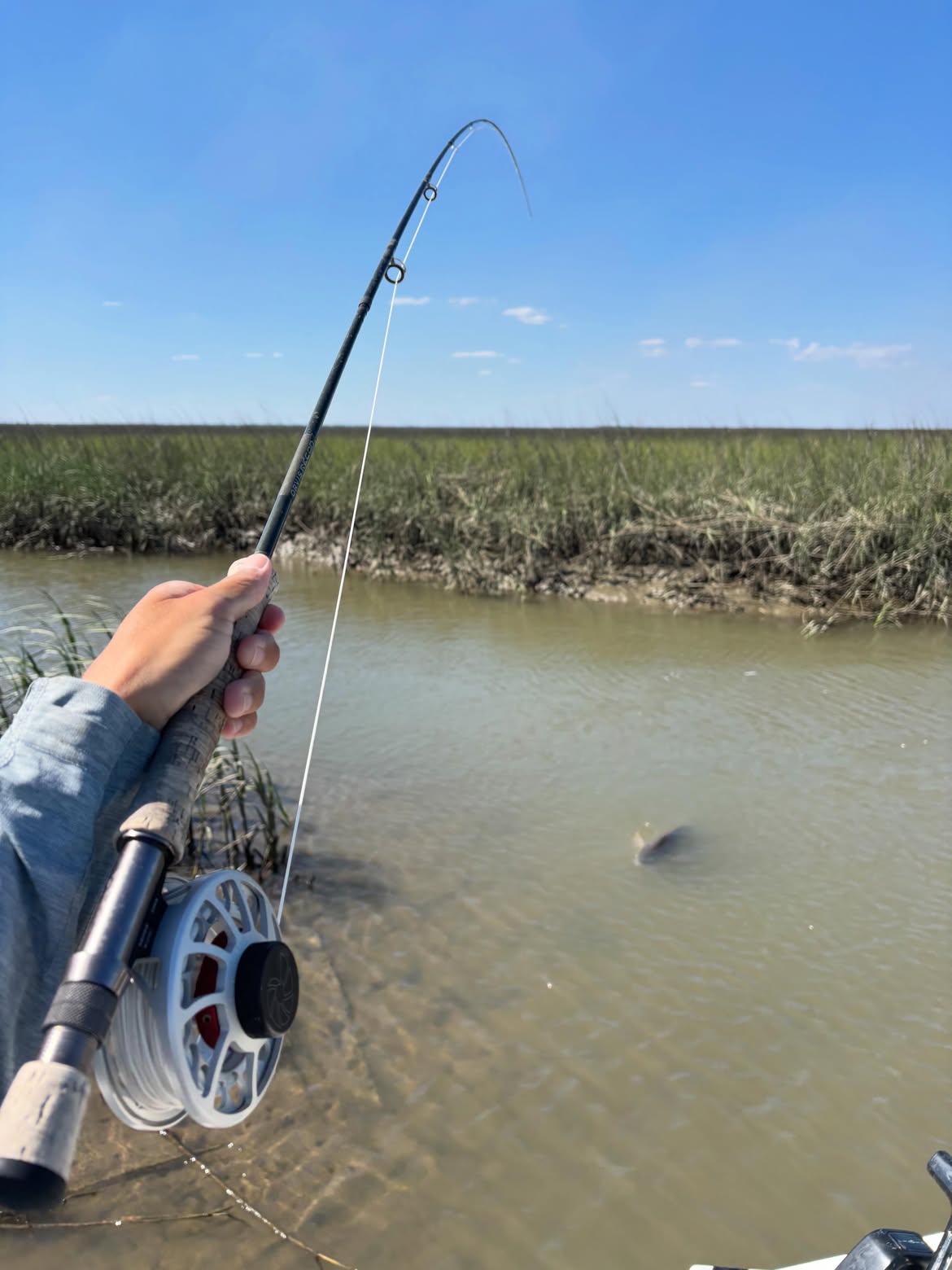
Flood tide fishing in Charleston's inshore waters is all about reading the water and positioning yourself where fish funnel through during tidal movement. Captain Hal runs light tackle setups that let you feel every bump and tap – we're talking spinning reels with 15-20 lb braid and circle hooks that give these fish a fighting chance while keeping your catch rate high. The technique varies based on what we're targeting, but expect to work with live shrimp under popping corks, throw artificial baits like paddle tails and spoons around structure, and maybe even sight-fish to tailing Redfish in skinny water. The key is staying mobile and following the bite as conditions change throughout the trip. Charleston's tidal creeks and marsh systems create natural highways for fish, and during flood tide, they're all moving in predictable patterns if you know where to look.
Target Species
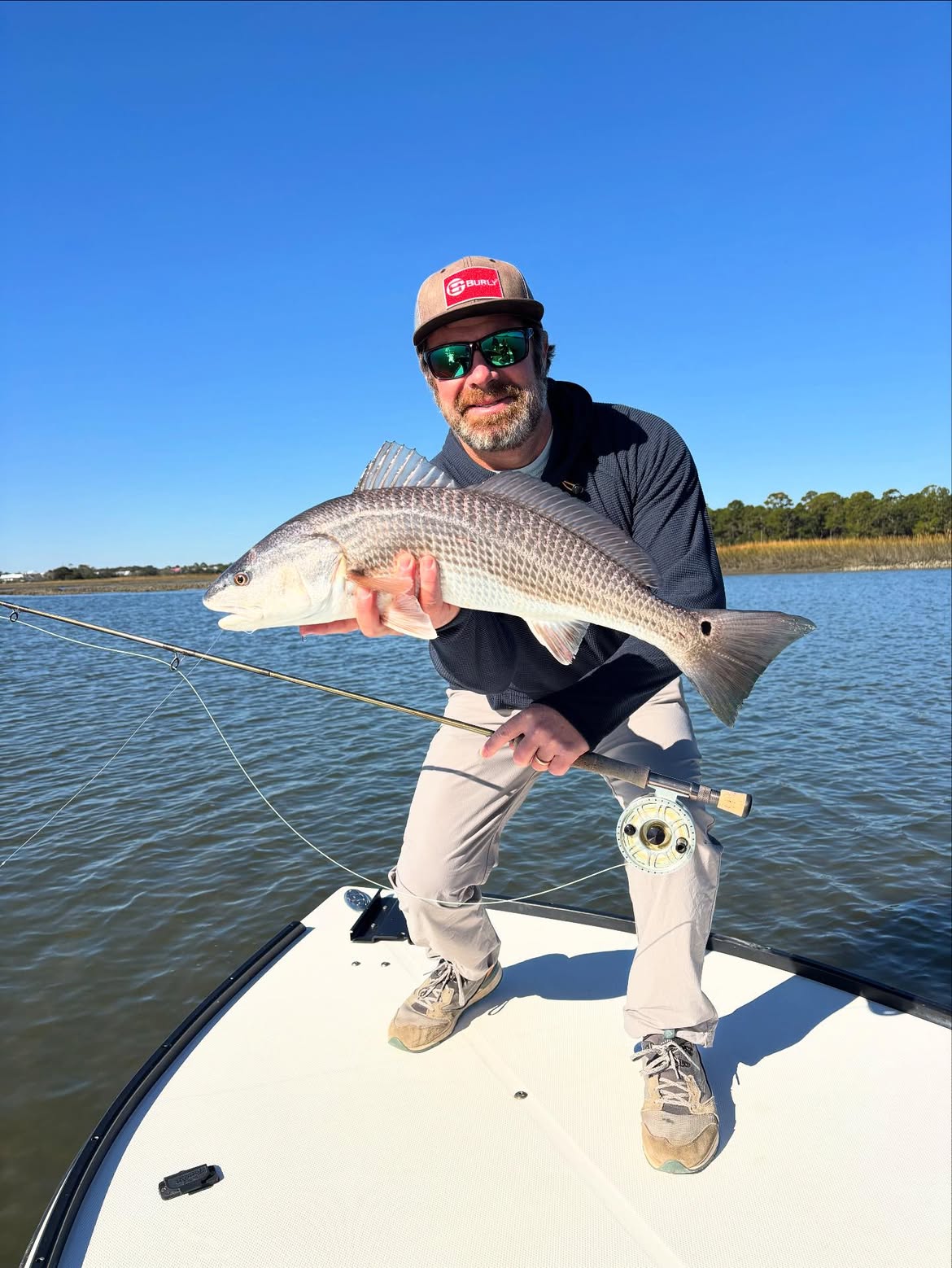
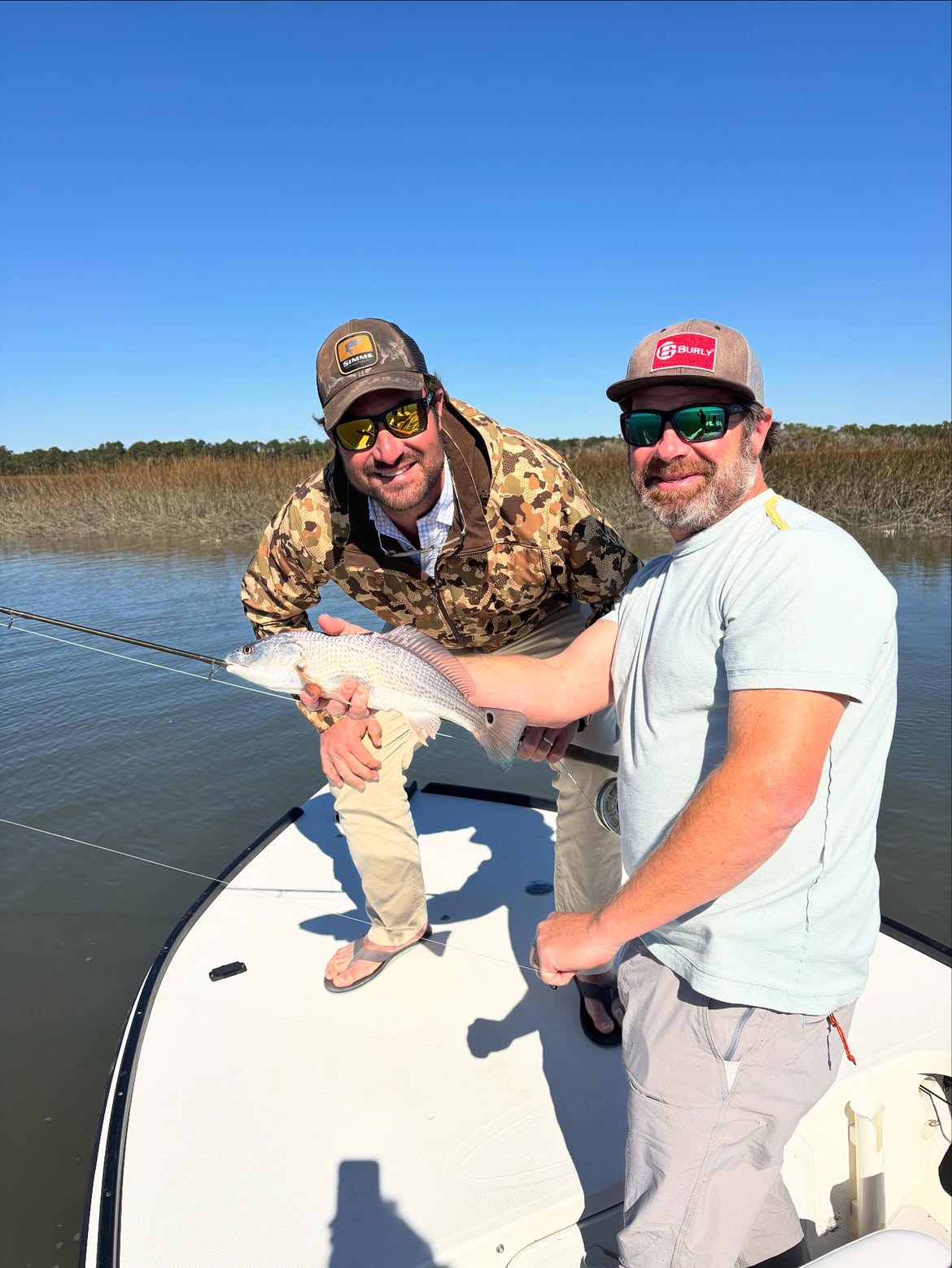
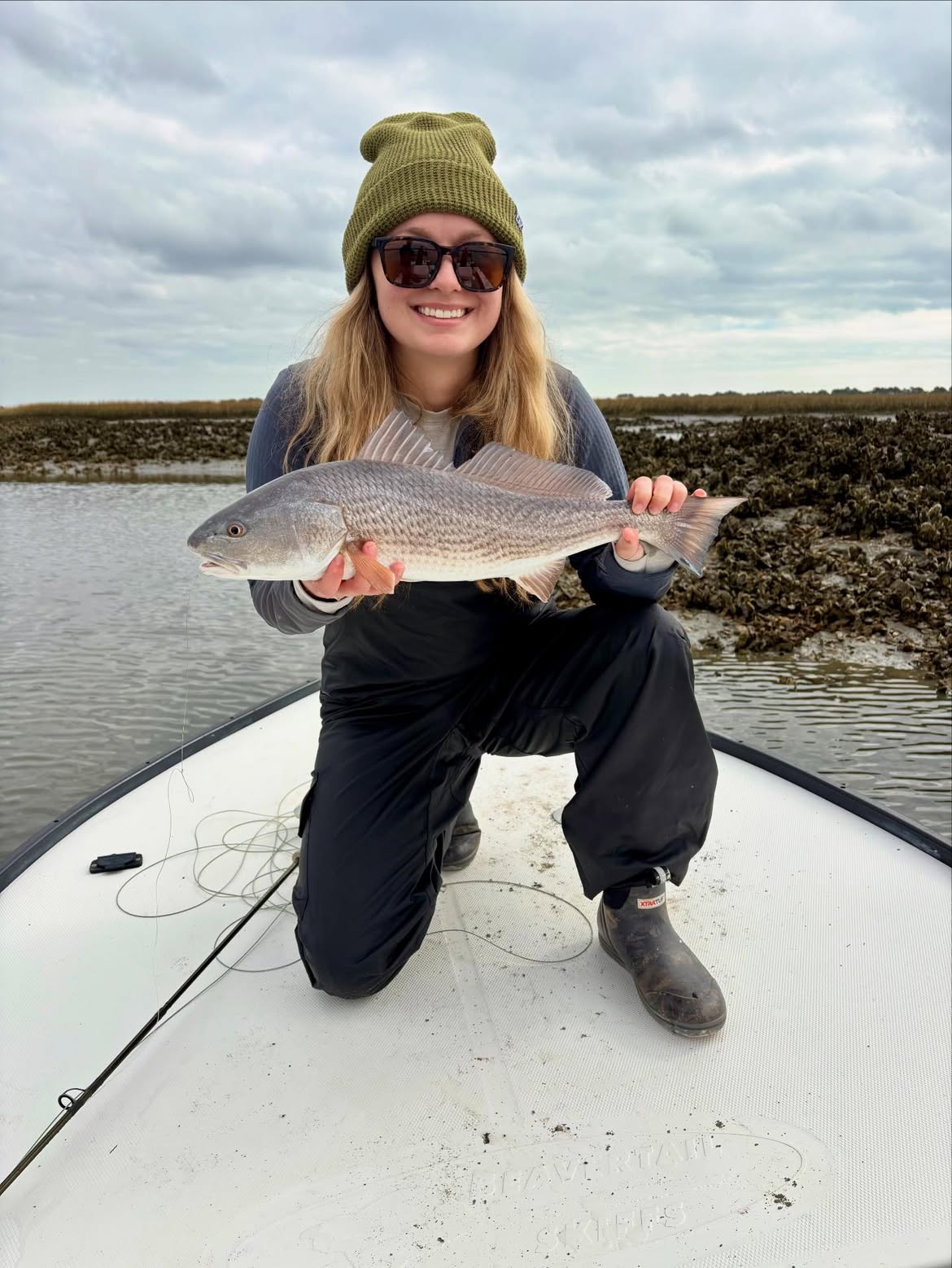
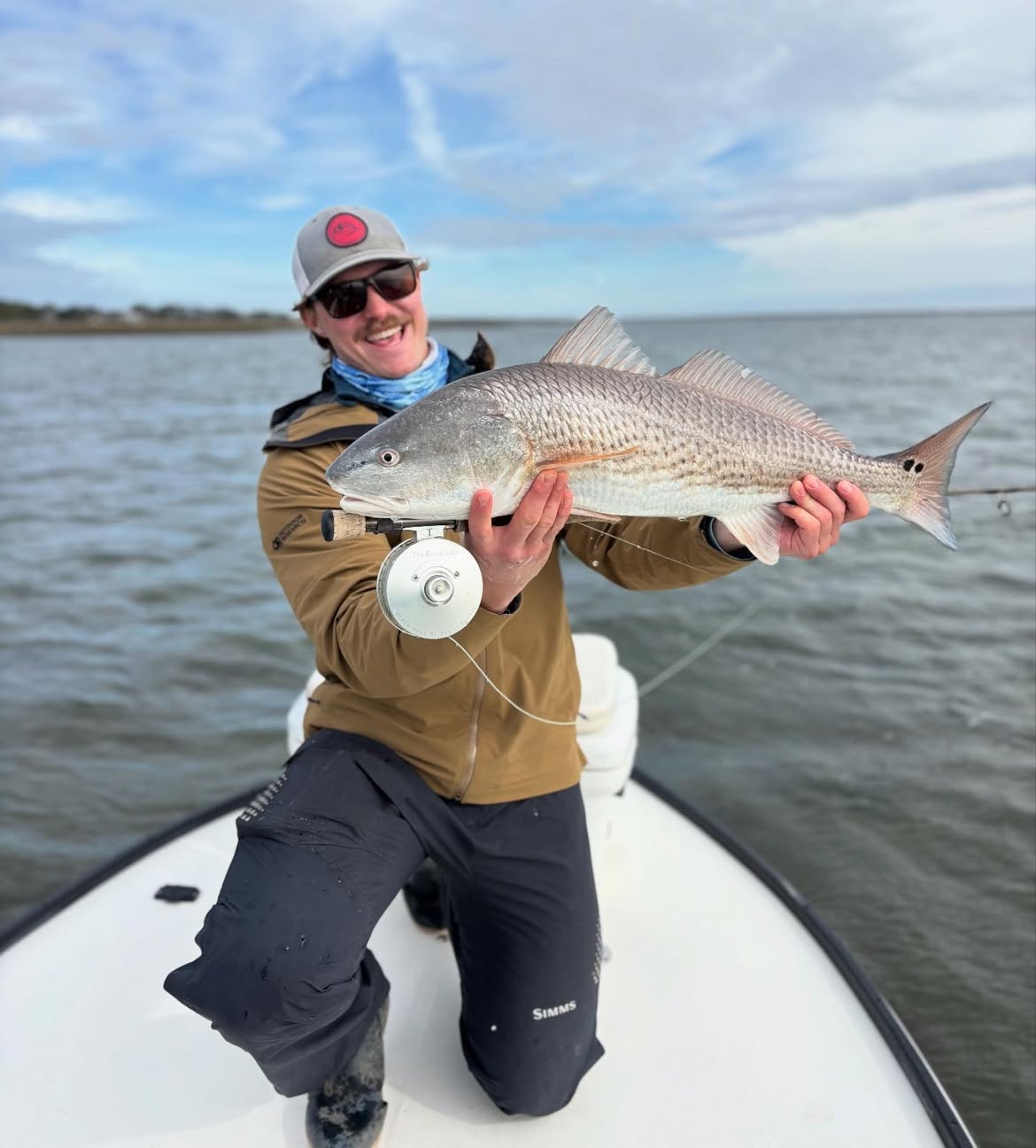
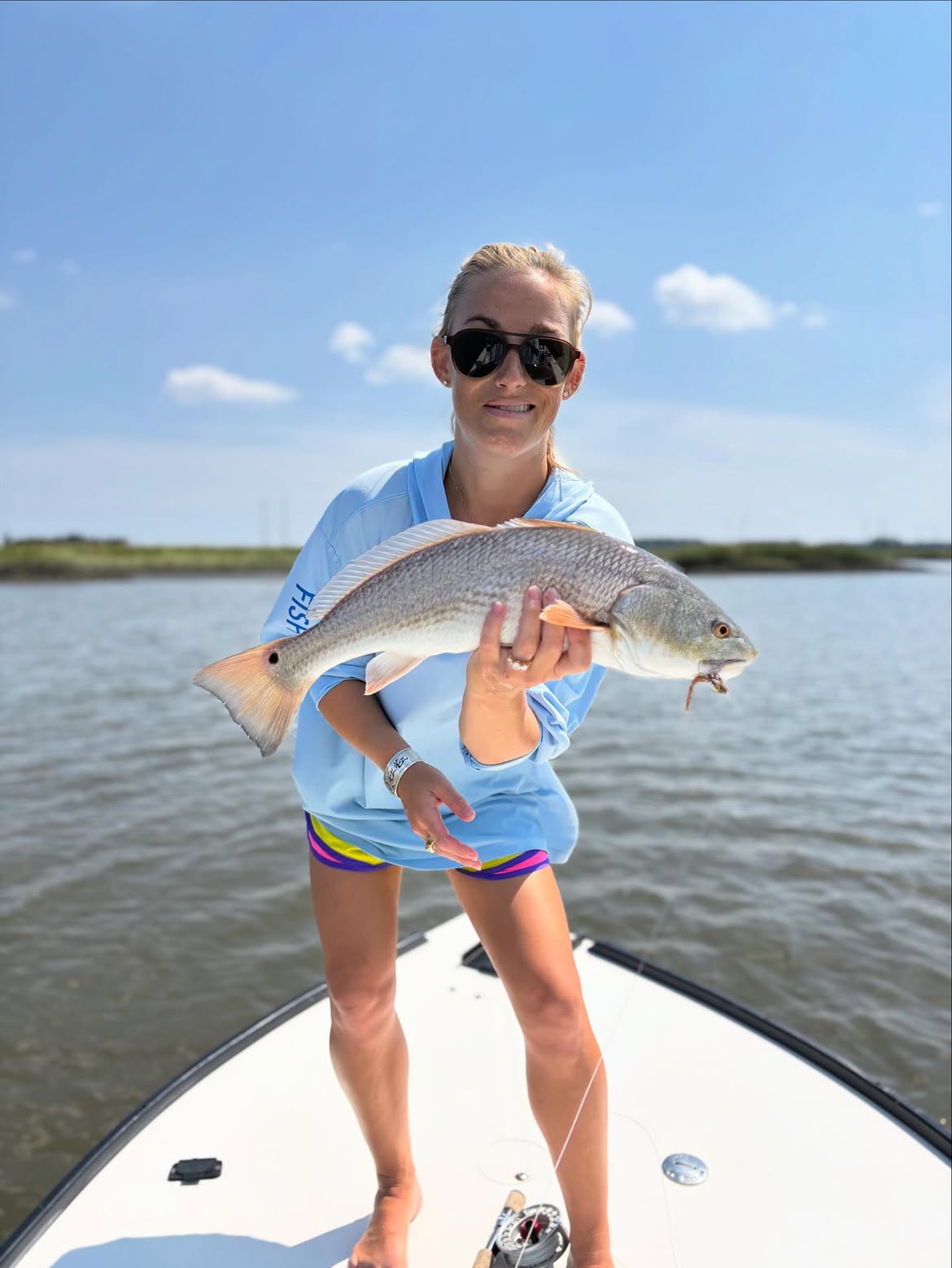
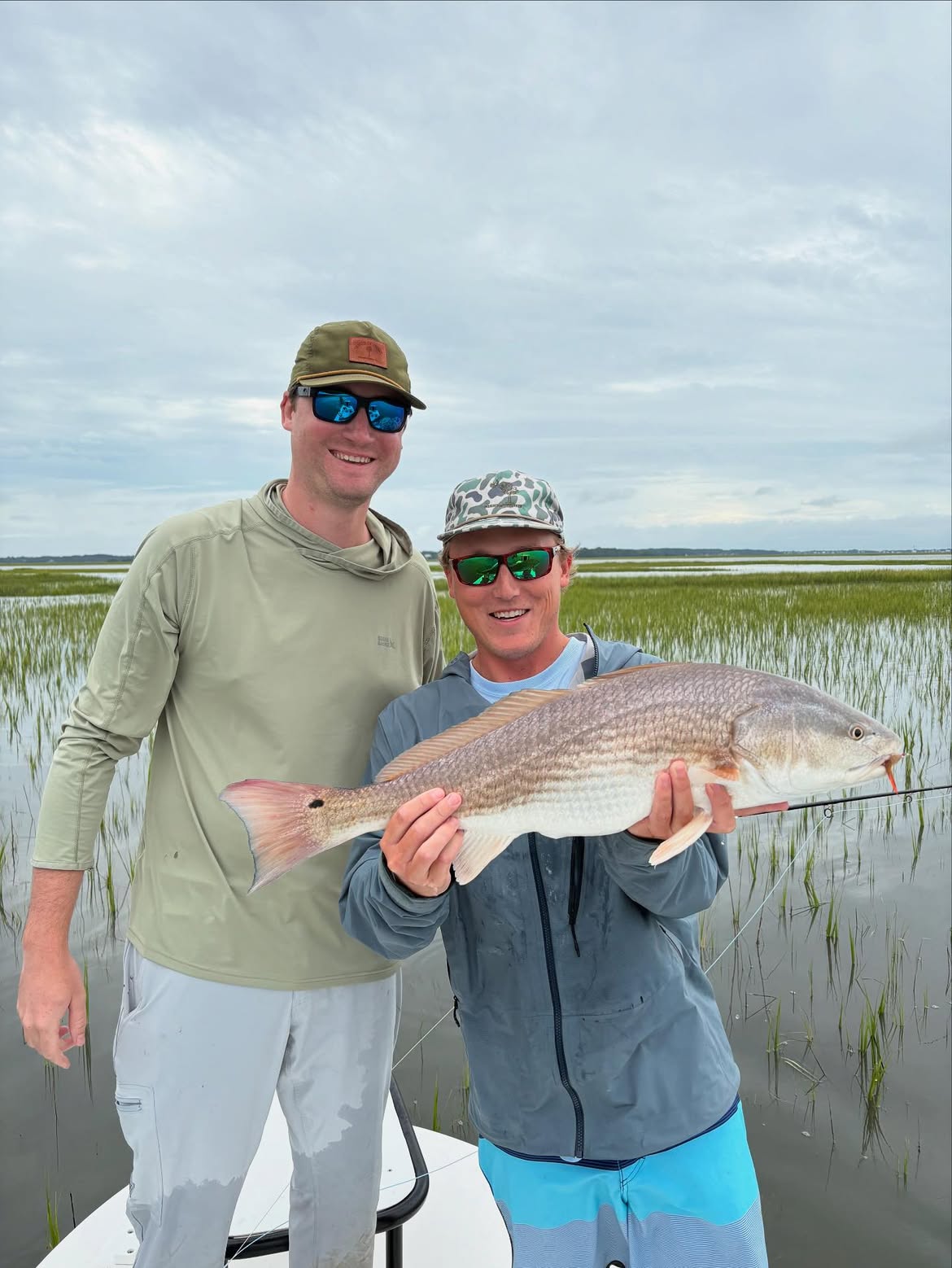
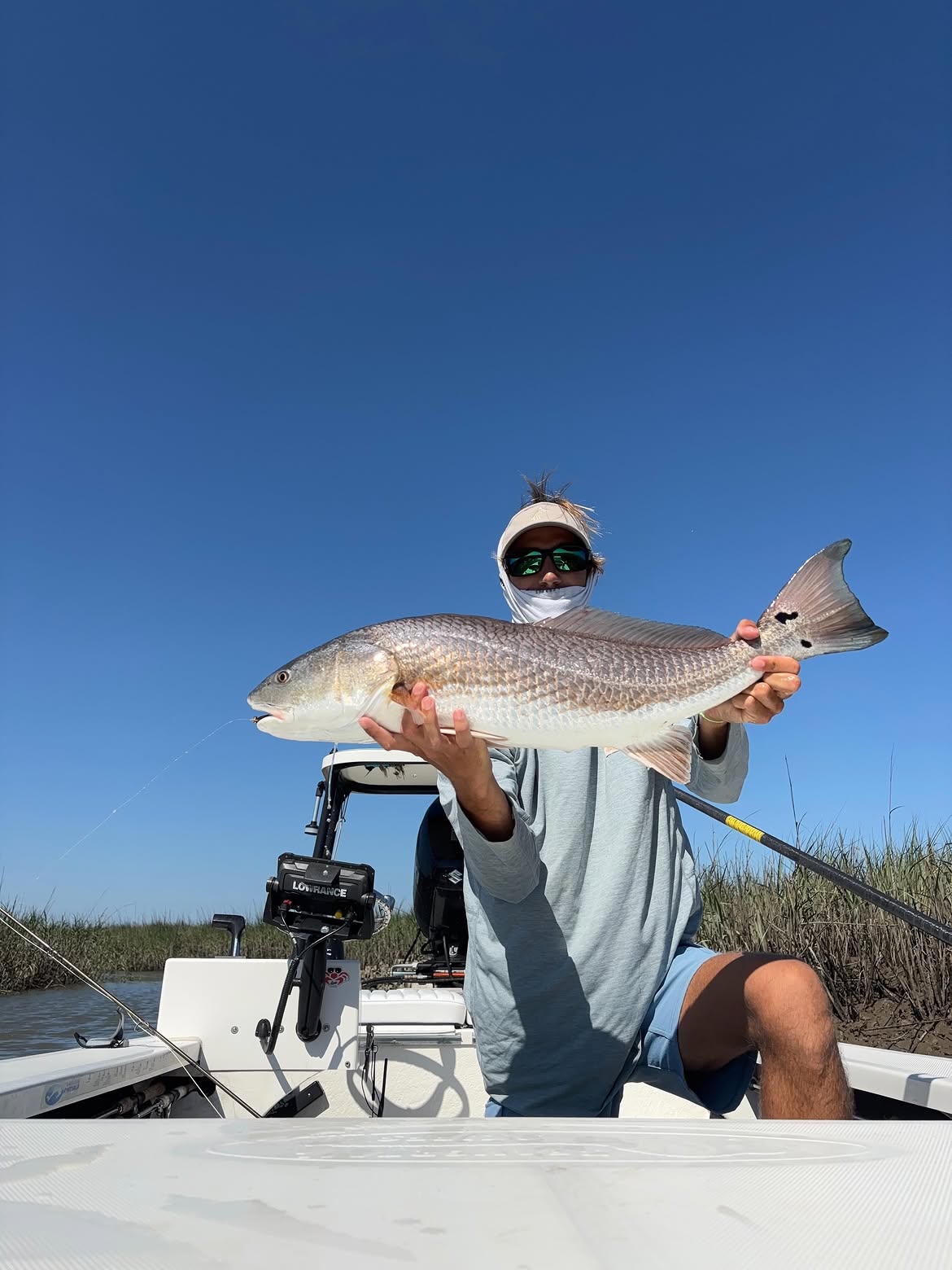
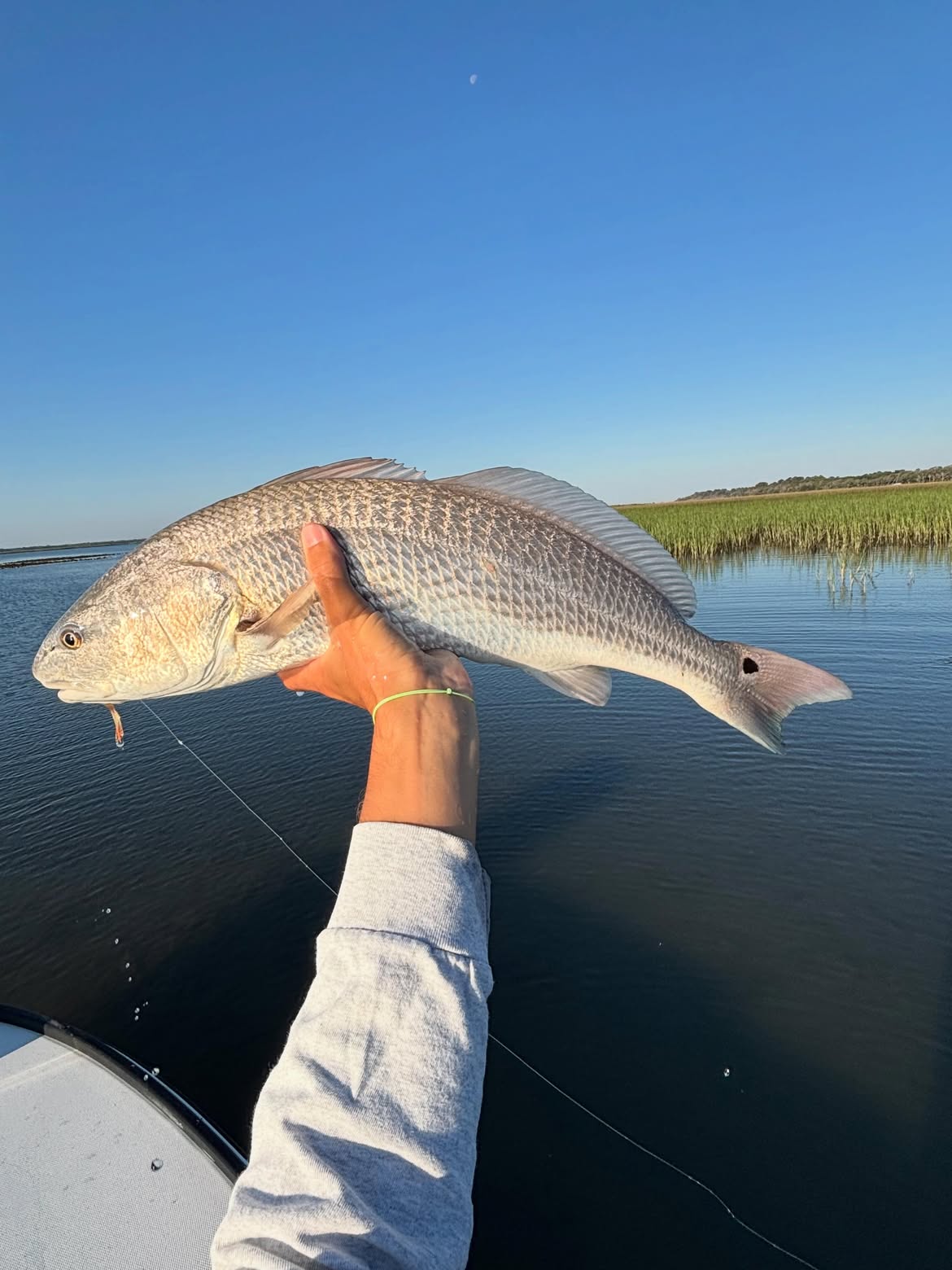
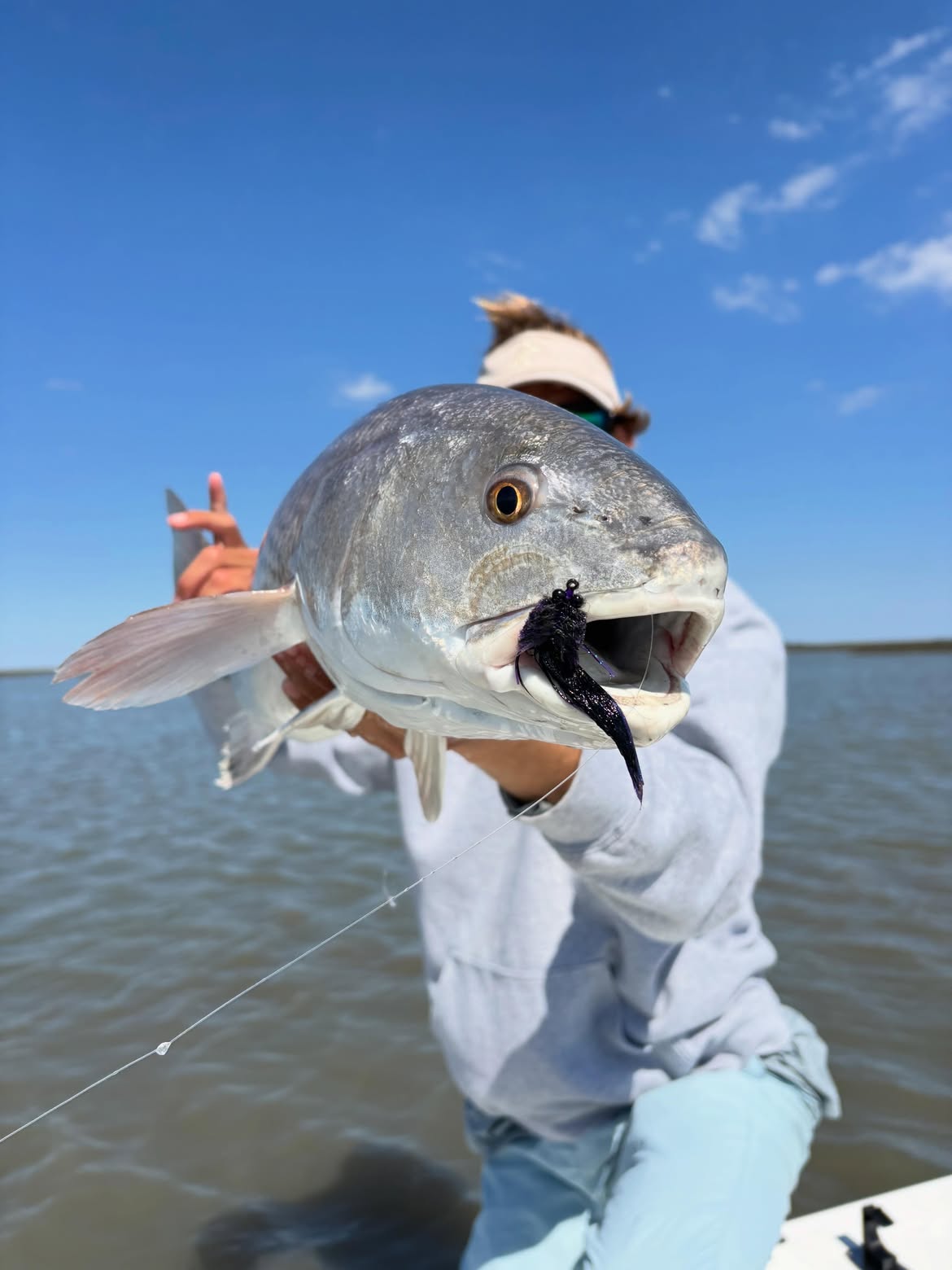
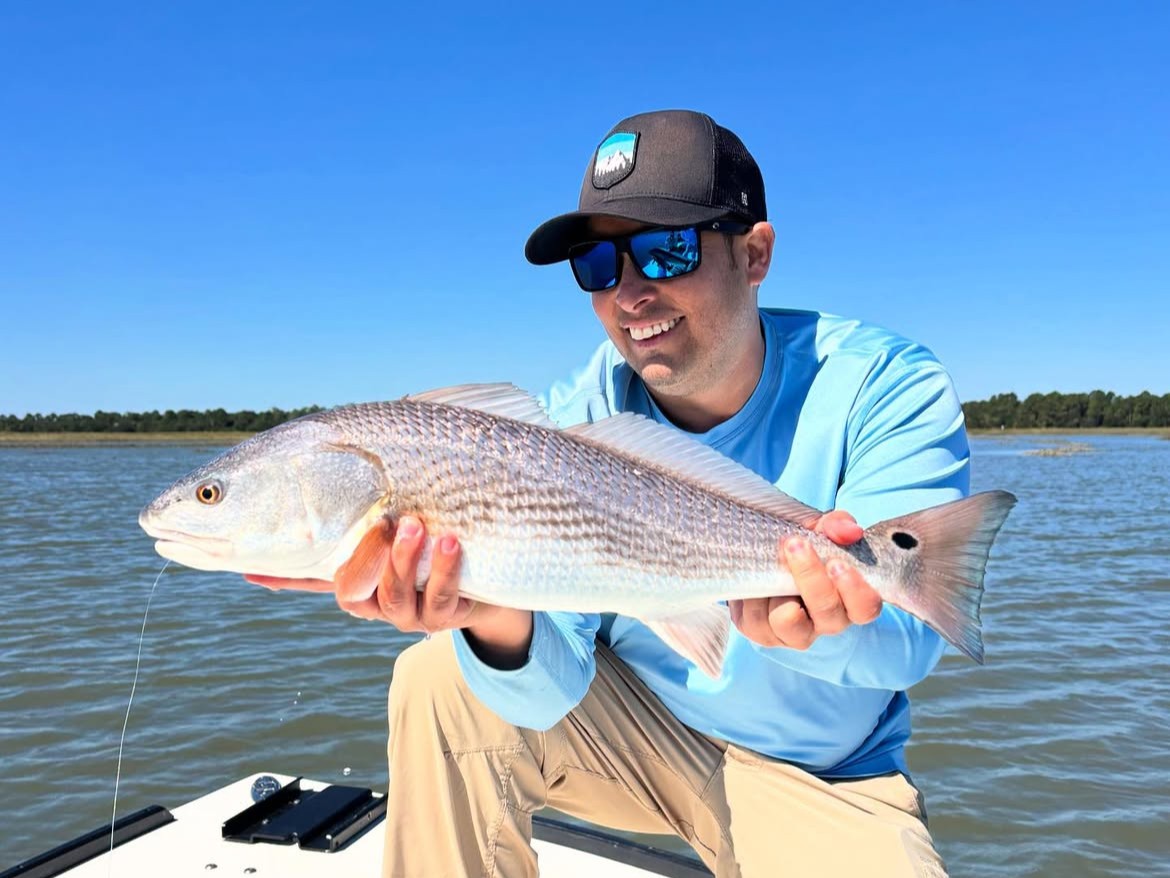
Redfish are the star of the show on this trip, and for good reason. These copper-colored bruisers love flood tide conditions because it gives them access to shallow feeding areas where they can pin crabs and shrimp against oyster bars. Charleston Reds typically run 18-27 inches – perfect slot-size fish that fight like freight trains and make for great table fare. The best part is watching them tail in shallow water, where you can actually see their backs and tails breaking the surface as they root around for food. Fall through spring tends to be prime time, but these fish are catchable year-round if you know their patterns.
Black Drum are the heavyweights of the inshore scene, and Charleston Harbor holds some real tank drums that'll test your drag settings. These fish are structure-oriented, hanging around bridge pilings, oyster beds, and dock lines where they can crush crabs and shellfish. They're not flashy fighters like Redfish, but they're bulldogs that use their size and the current to their advantage. During flood tide, they move up onto feeding flats where the water gets muddy from their rooting – a dead giveaway that drums are in the area. Most fish run 5-15 pounds, but don't be surprised if you hook into a 20-30 pound bull that makes you question your gear choices.
Speckled Trout add some finesse to the mix, especially around grass beds and creek mouths where they ambush baitfish during tidal changes. Charleston's Specks are typically 14-20 inches, with occasional "gator trout" pushing 4-5 pounds that make your heart skip a beat. They're more temperature-sensitive than Reds or drums, so timing and location become critical. During flood tide, they often suspend in the water column around structure, making them perfect targets for soft plastics worked under popping corks. The bite can be subtle – just a slight tick or weight on your line – but when you set the hook, they come up fighting and jumping.
Sheepshead round out the crew with their notorious reputation for being bait thieves, but that's what makes them fun to target. These black-and-white striped convicts have human-like teeth for crushing barnacles and shellfish, and they'll test your reflexes with quick, light bites. Charleston's dock lines, bridge pilings, and oyster beds hold good numbers of Sheepshead, especially during cooler months when they're more active in shallow water. They're excellent eating – some say the best-tasting fish in the marsh – but you've got to earn them with precise presentations and quick hook sets.
Time to Book Your Spot
This 3-hour flood tide trip gives you a concentrated dose of Charleston's top-rated inshore fishing without eating up your whole day. Captain Hal's local knowledge and personalized approach make it perfect for anyone wanting to experience what makes Lowcountry fishing so special. You'll come away with a better understanding of how tidal fishing works, some great fish stories, and hopefully a cooler full of dinner. The small group size means you get hands-on instruction and plenty of opportunities to work on your technique. Whether you're visiting Charleston or you're a local looking to up your fishing game, this trip delivers the goods when the tide is right and the fish are biting.
 Private Trip
 River Fishing
 Charleston, SC


 Three-hour flood tide fishing targeting redfish in Charleston waters