Marathon 4 HR Reef Fishing Adventure
Marathon's reef fishing scene is where serious anglers come to put their skills to the test, and this 4-hour charter with Harmony Charters delivers exactly what you're looking for. You'll be fishing productive reef structures where the bottom comes alive with activity, giving you multiple shots at quality fish that'll make your drag sing. The beauty of reef fishing in Marathon is the variety – one minute you're battling a hard-fighting jack, the next you're working a crafty snapper up from the depths. Captain Arthur knows these waters like the back of his hand, positioning you over the sweet spots where fish stack up and feed. With a maximum of 6 anglers, you get plenty of room to work and personal attention when you need it most. This isn't just another half-day trip – it's your chance to experience some of the Florida Keys' most consistent fishing action.
What to Expect on the Water
Your morning starts with a comfortable ride to Marathon's prime reef zones, where underwater ledges and coral formations create perfect ambush points for feeding fish. The crew sets you up over structure that's been producing consistently, and you'll feel the difference immediately when your bait hits bottom. Reef fishing here means working different depths and techniques – sometimes you're dropping live bait to the bottom for grouper, other times you're working the mid-water column for snapper that cruise these feeding areas. The action tends to be steady rather than explosive, which gives everyone aboard a real chance to get hooked up. Captain Arthur reads the water conditions and adjusts throughout the trip, moving between spots to keep rods bent and fish coming over the rail. You'll spend your time actively fishing productive water, not just hoping for a bite while staring at empty ocean.
Techniques and Tackle Setup
Reef fishing in Marathon requires the right approach, and the crew has it dialed in perfectly. You'll be using medium to heavy tackle that can handle both the fish and the structure you're fishing around. Bottom rigs with circle hooks are the bread and butter here, loaded with live pilchards, sardines, or cut bait depending on what the fish are eating that day. The key is getting your bait down to where fish are holding without getting hung up in the reef itself – something that takes local knowledge and the right weight for current conditions. When targeting snapper, you might find yourself fishing lighter leaders and smaller hooks, while grouper fishing calls for stouter gear that can turn fish away from their rocky hideouts. The crew handles all the rigging and re-rigging, so you can focus on feeling for that subtle tap or aggressive slam that signals game time. Electronic fish finders help locate schools and structure, but it's reading the bite and adjusting your presentation that puts fish in the boat.
Customer Stories
"Our original charter was canceled due to winds, but Harmony Charters saved the day! With a bigger boat, they agreed to take us out last minute, and it turned out to be the only day we could fish with our friends. Despite the challenging weather, Captain Arthur had us on fish the entire morning. Thanks to the crew for turning what could've been a disappointing day into an amazing trip! We really appreciated the great experience!" - Alexis
Species You'll Want to Hook
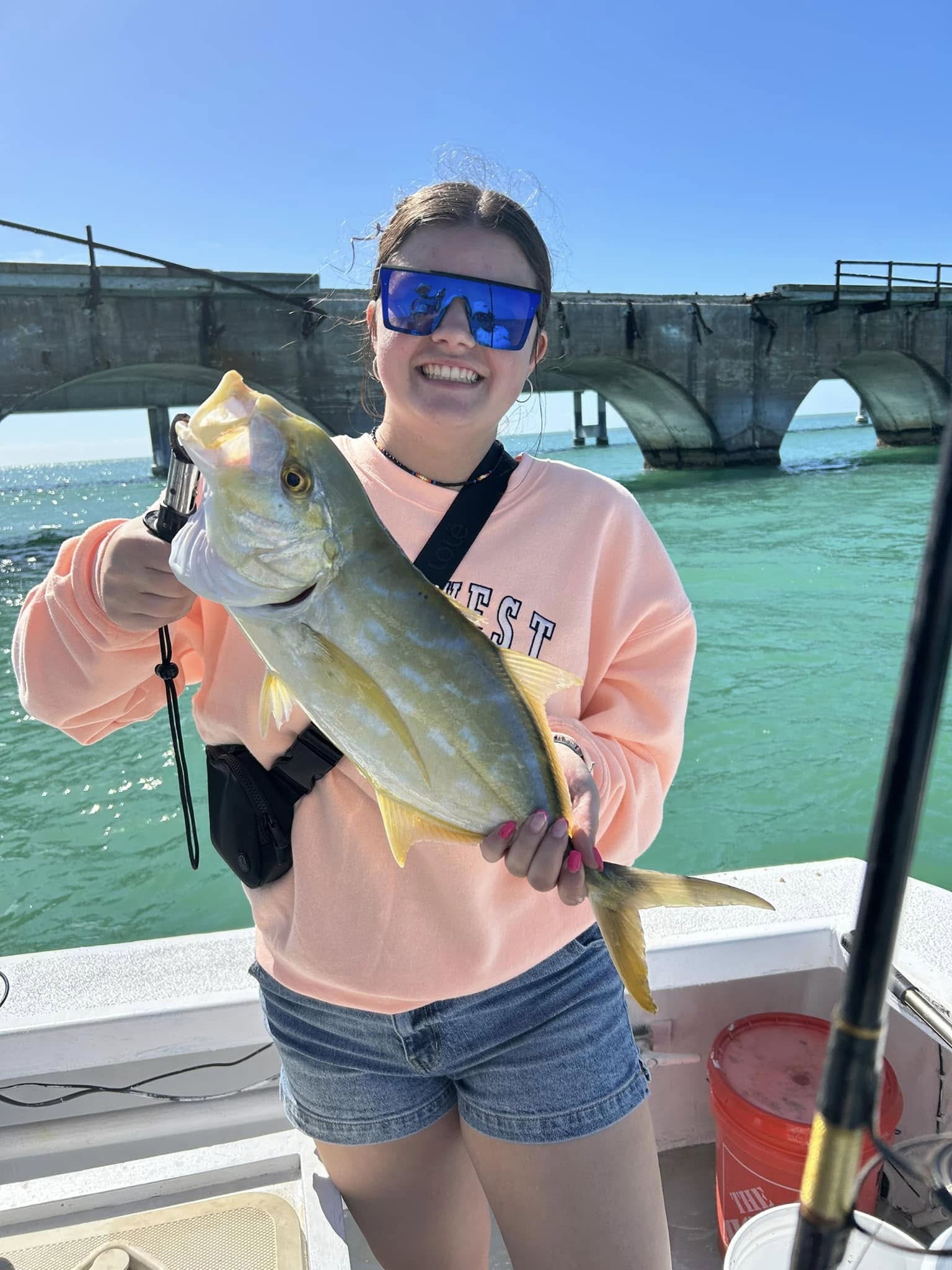
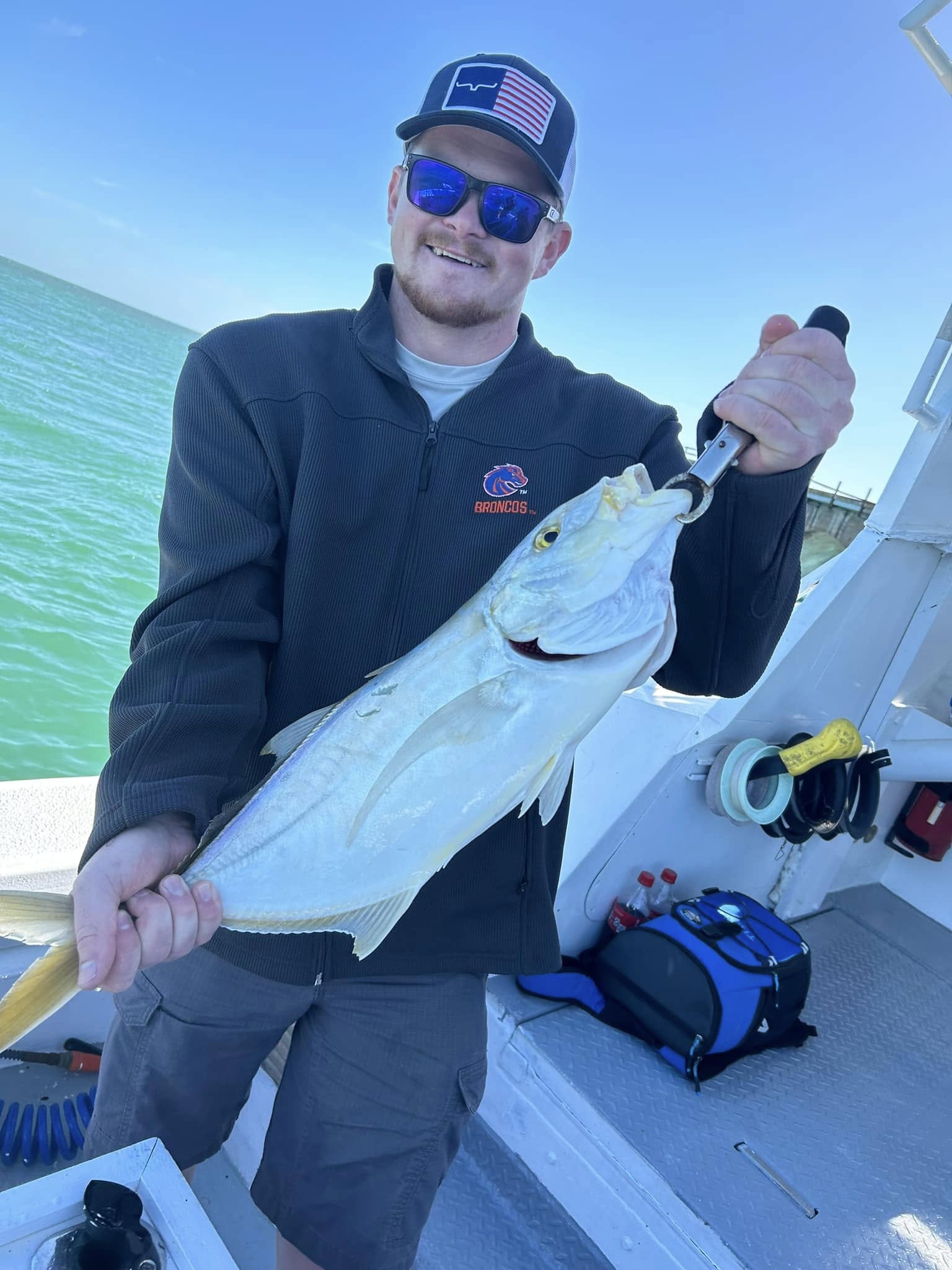
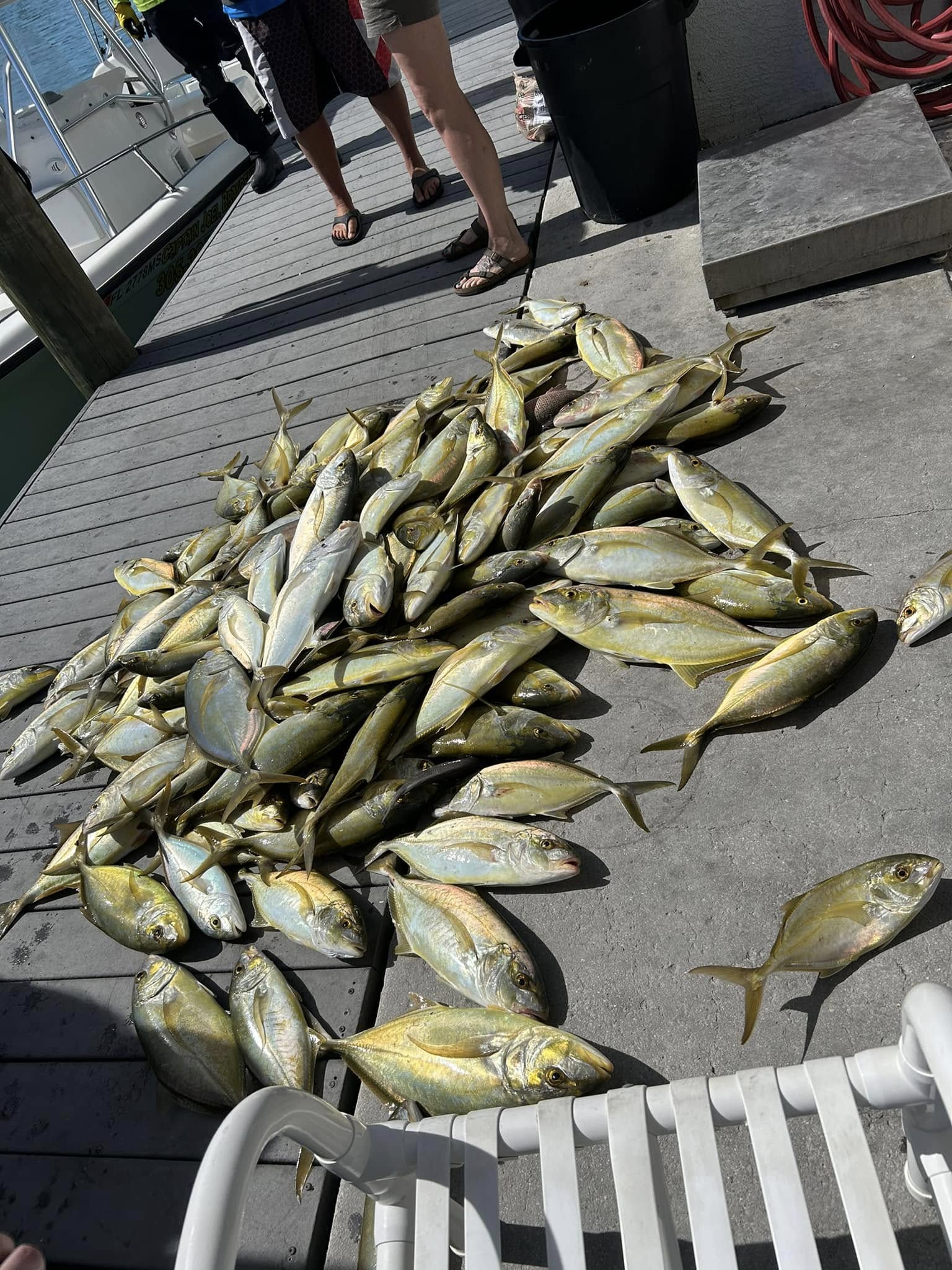
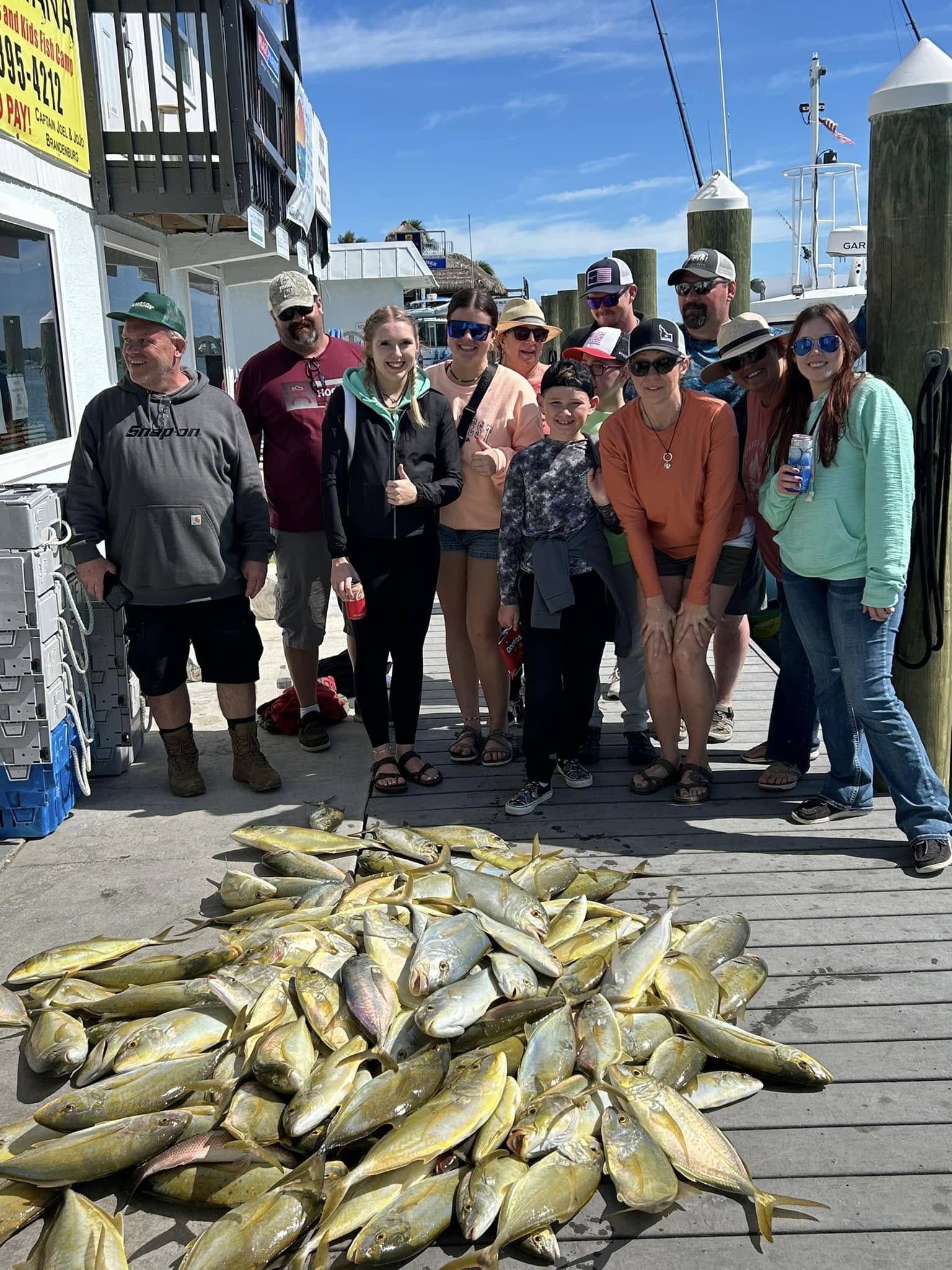
Crevalle Jack are the powerhouses of Marathon's reef system, and when one grabs your bait, you'll know it immediately. These fish average 15-25 pounds but can push much larger, and they fight like they're twice their size. Jacks are most active during moving water periods and love to patrol reef edges where smaller fish congregate. What makes them special is their never-give-up attitude – they'll make multiple runs, testing your drag and your arms throughout the fight. They're year-round residents but peak during warmer months when baitfish are most abundant around the reefs.
Black Grouper represent the prize catch for many reef anglers, combining size, fight, and outstanding table fare. These bottom dwellers can range from legal keepers around 24 inches up to true giants exceeding 40 pounds. They're ambush predators that lie in wait around coral heads and rocky outcroppings, striking fast when the right meal swims by. The trick with grouper is getting them away from structure quickly – they'll try to cut you off or wedge themselves into crevices. Peak season runs from late spring through early fall, though Marathon's year-round populations mean you always have a shot.
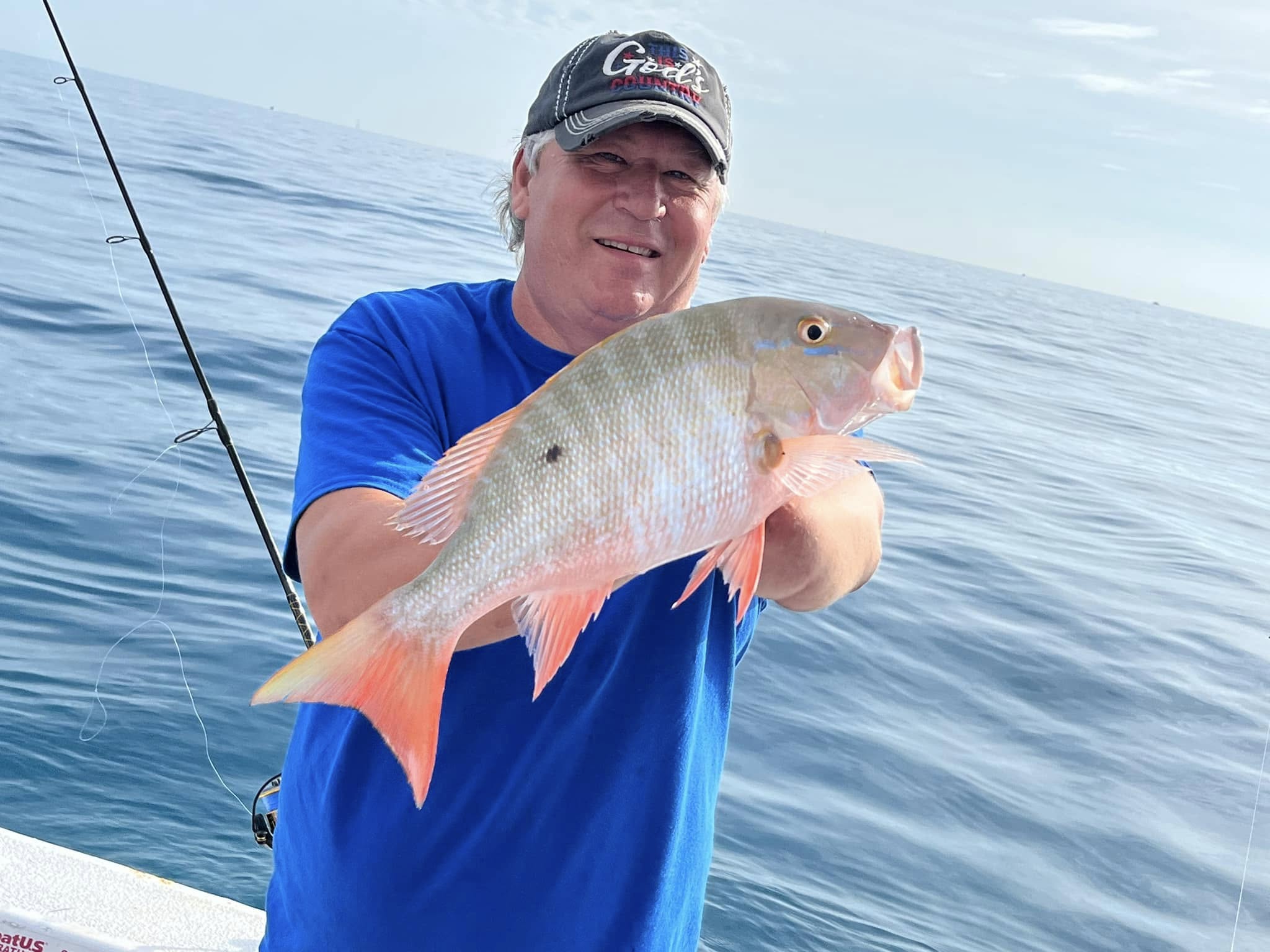
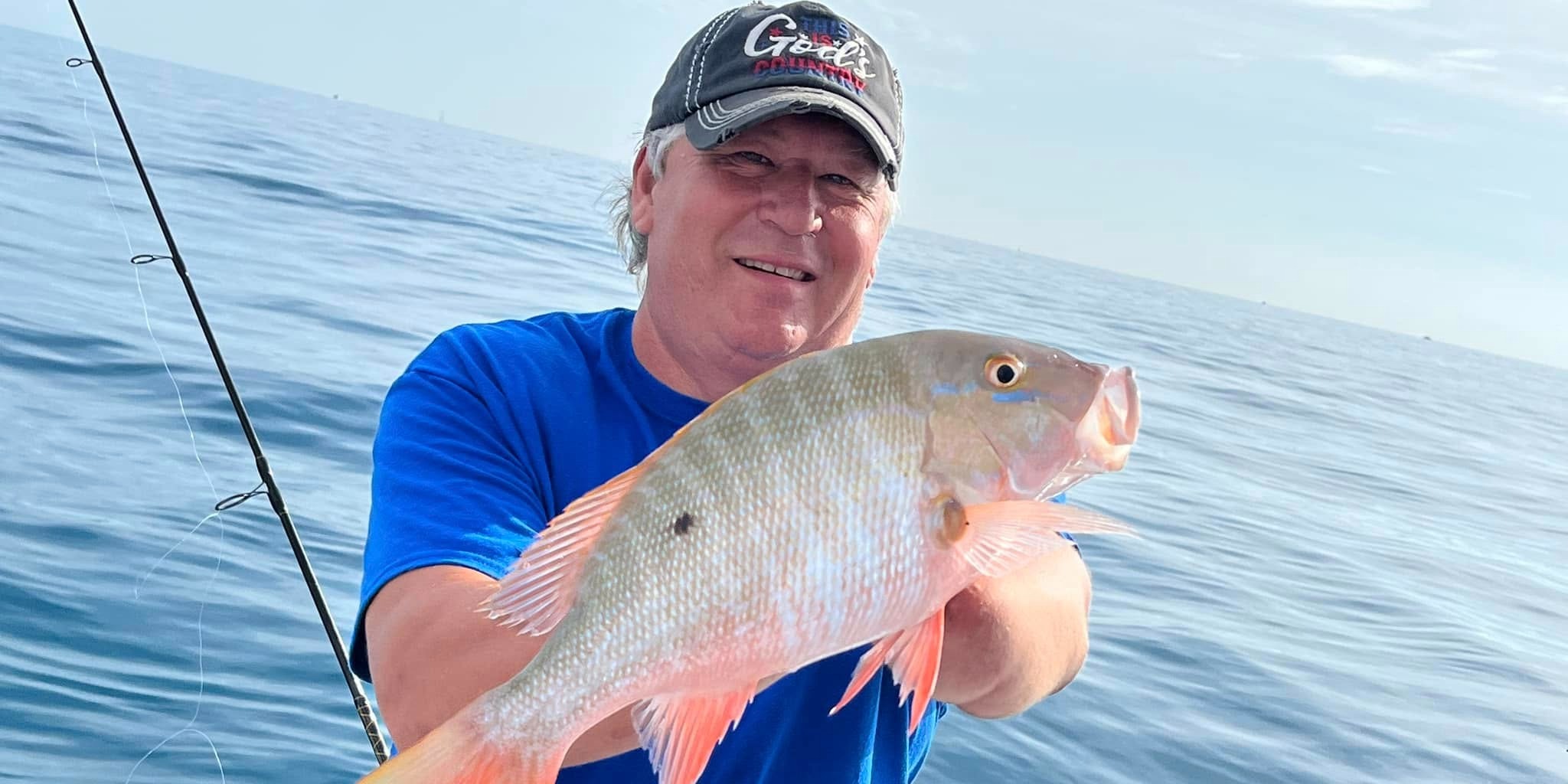
Mutton Snapper are the glamour fish of the snapper family, with their distinctive black spot and pink coloration making them instantly recognizable. They typically run 3-8 pounds on the reefs, with larger specimens possible during peak season. Muttons are smart feeders that often require finesse tactics and quality bait presentation. They school up around structure during spawning season in summer months, creating some of the year's best action. Their firm white meat and fighting ability make them a customer favorite, and they're often the fish that gets people talking about their next trip back.
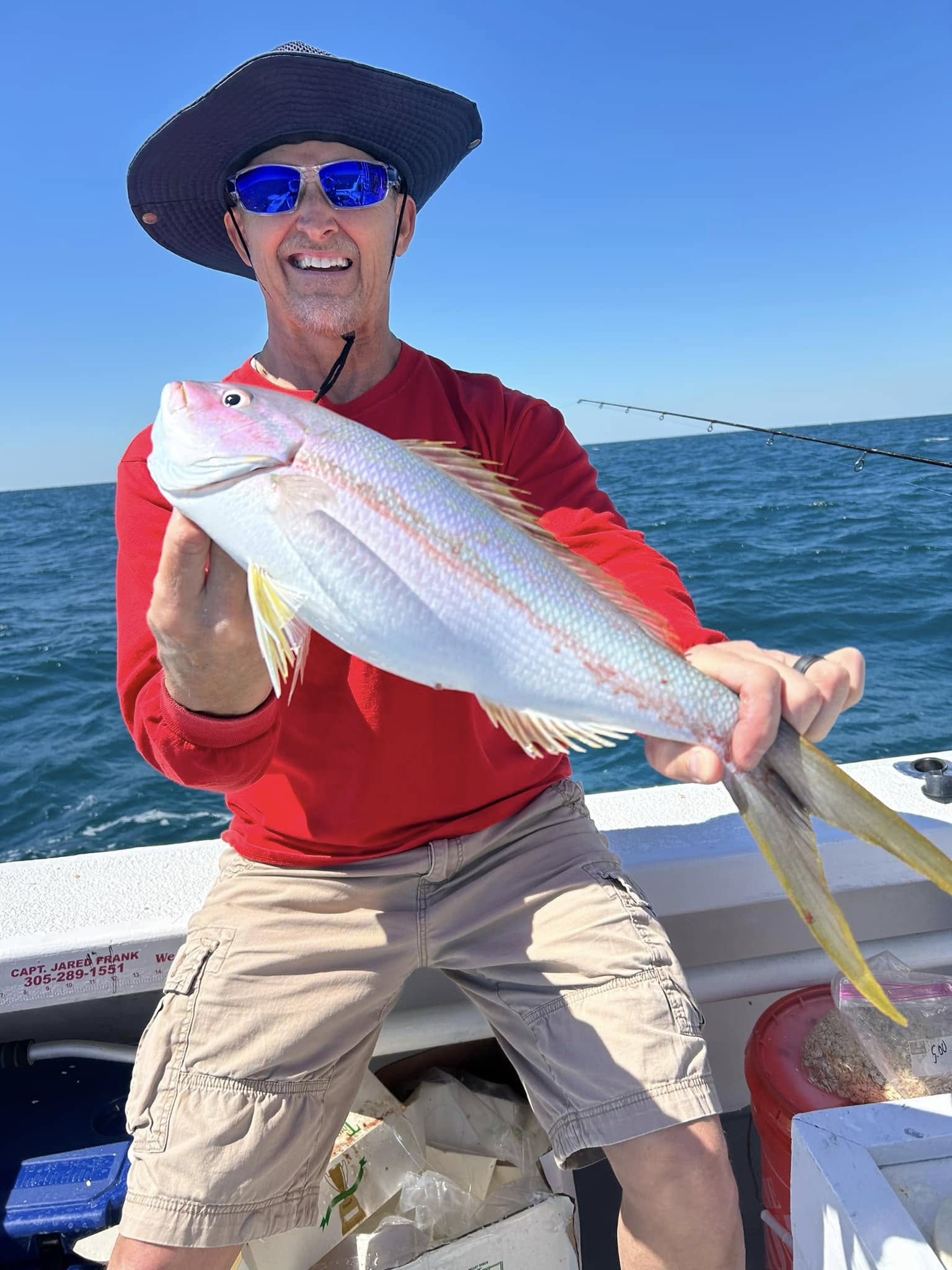
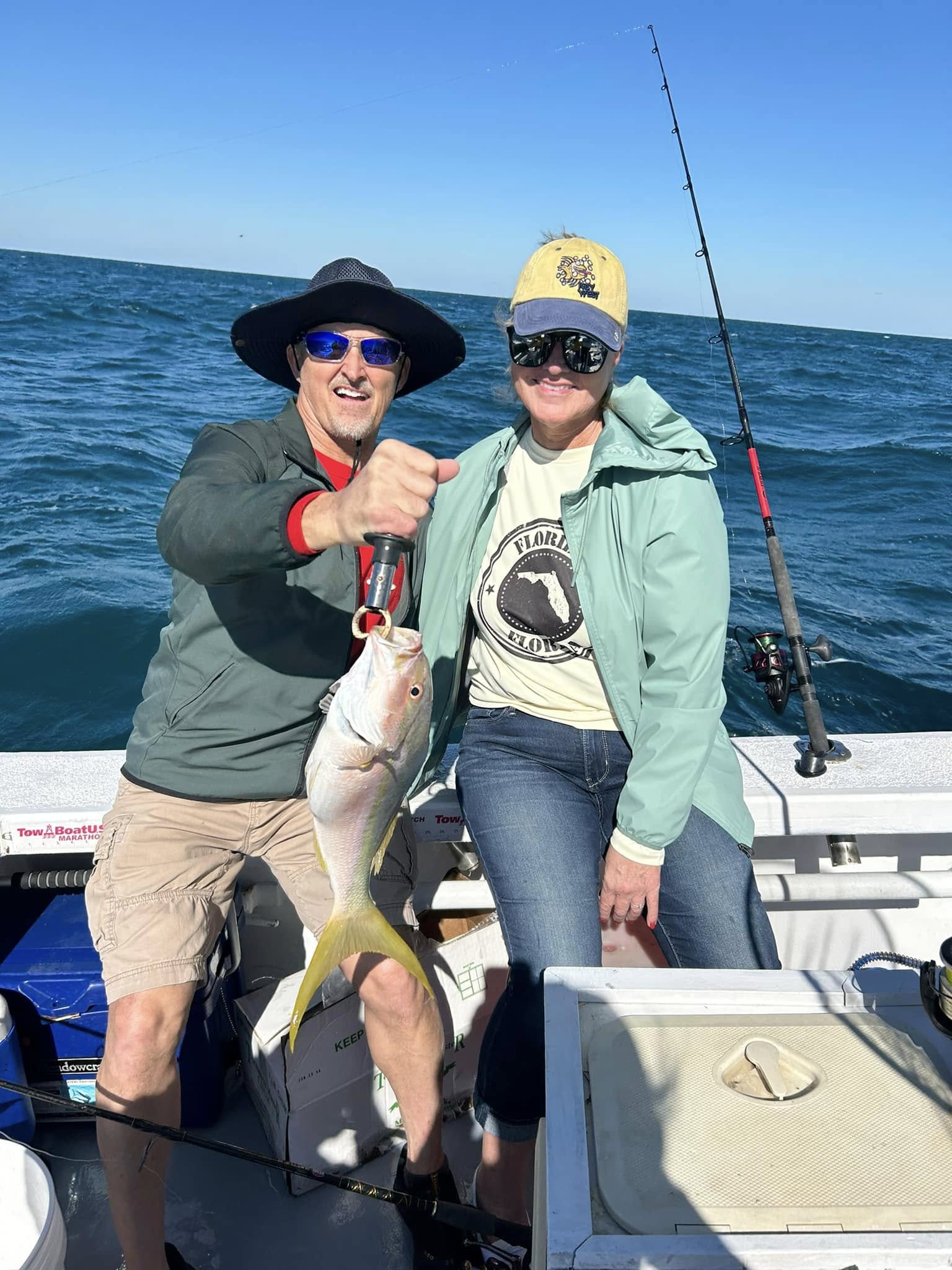
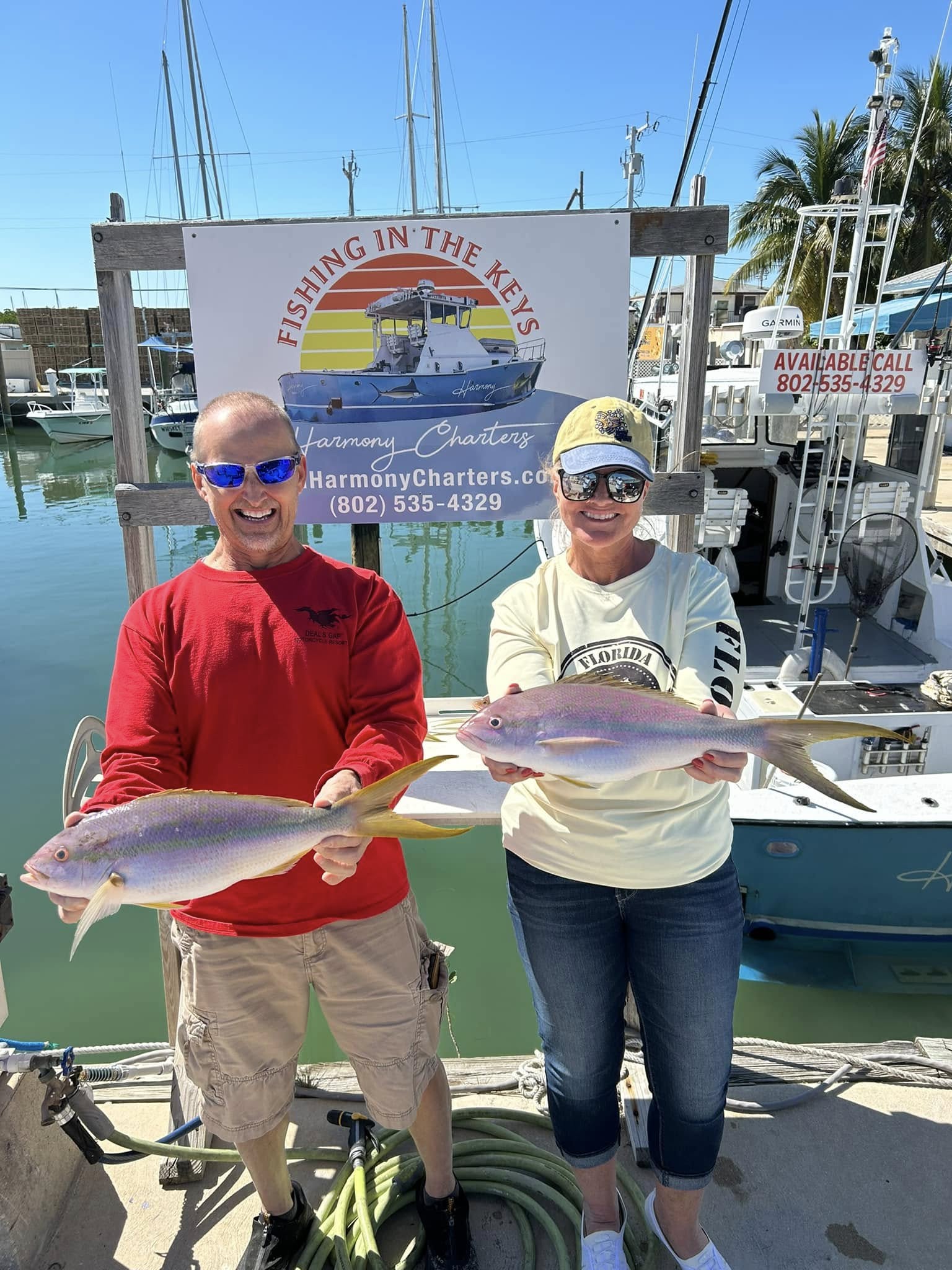
Yellowtail Snapper might be smaller than their mutton cousins, but they make up for it with sheer numbers and acrobatic fights. These reef regulars average 12-16 inches and are incredibly consistent biters when you find them schooled up. They feed throughout the water column, from bottom to near surface, and respond well to live bait and small jigs. Yellowtails are excellent eating and perfect for anglers who want steady action and multiple fish. They're most active during warmer months but present year-round opportunities for reef fishermen.
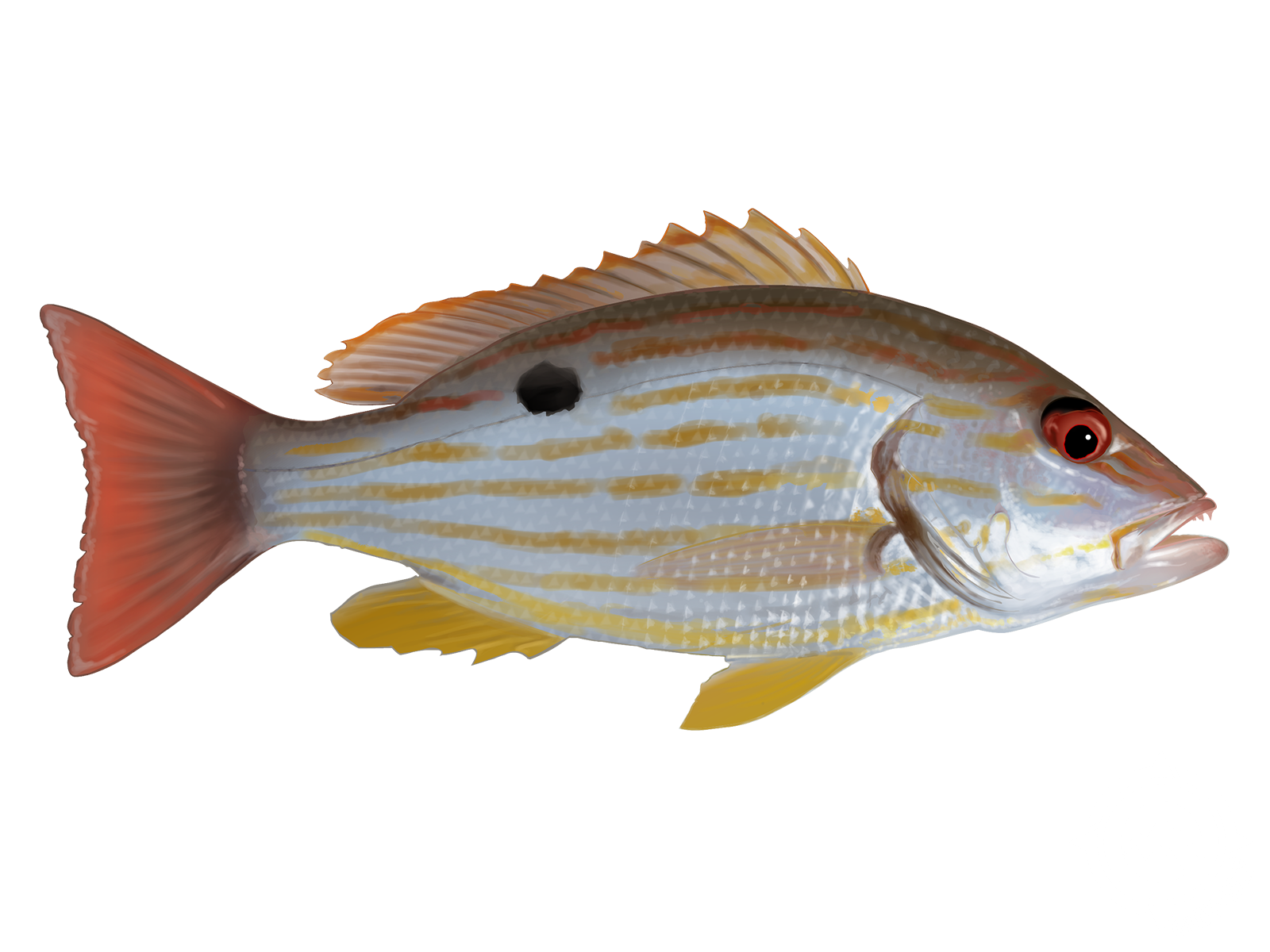
Lane Snapper round out the reef species mix, providing excellent action for light tackle enthusiasts. These colorful fish rarely exceed 14 inches but are aggressive feeders that often save the day when larger species aren't cooperating. They school heavily around reef structure and compete aggressively for baits, making them perfect for getting kids or inexperienced anglers hooked up. Their smaller size means you can target them with lighter tackle for maximum sport, and they're surprisingly good eating
 5.0(1 Reviews)
 Private Trip
 Wrecks/Reefs Fishing
 Marathon, FL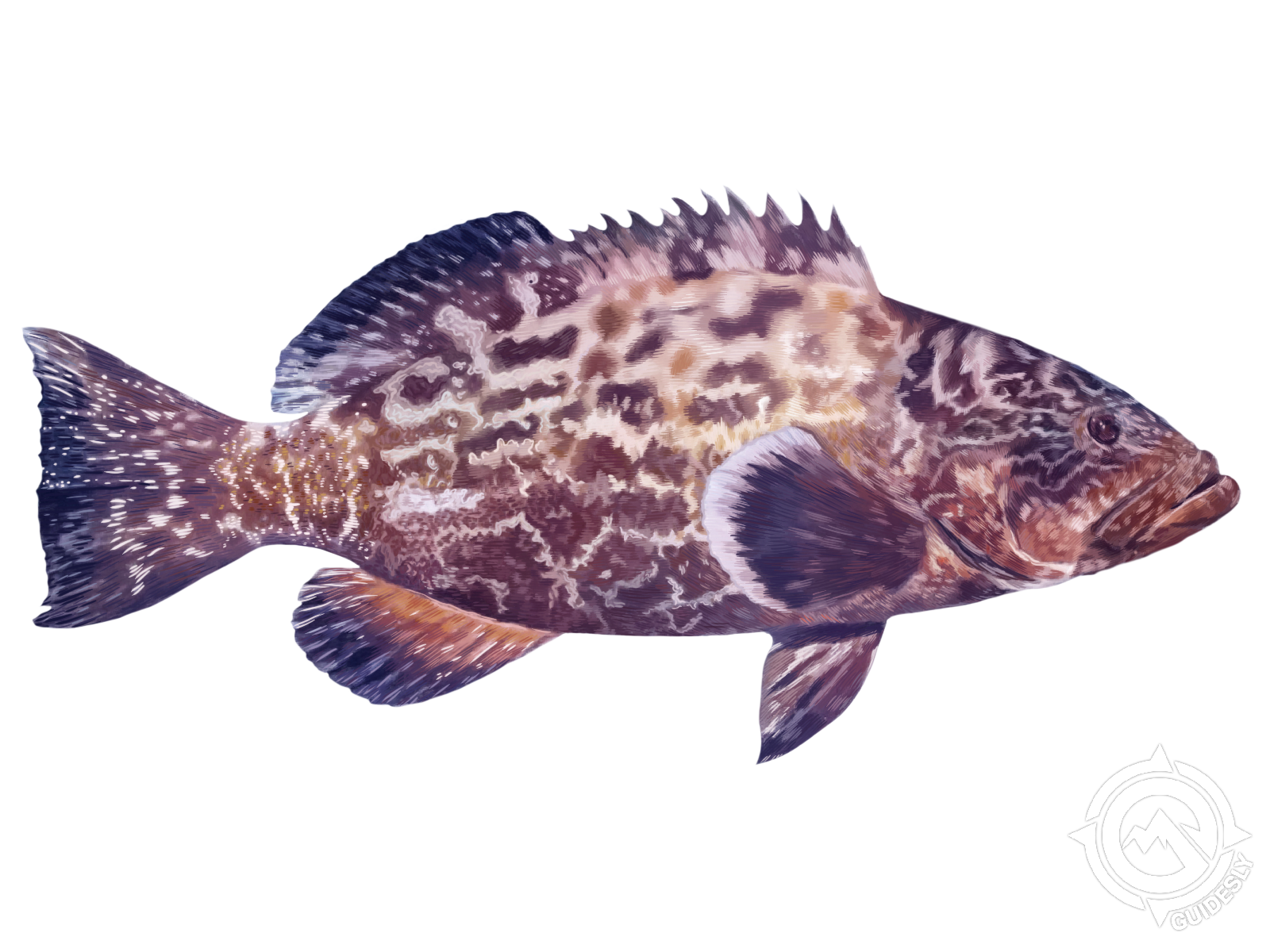


 Four-hour reef fishing adventure targeting multiple snapper species