Gulf Stream Offshore Fishing - Hatteras NC
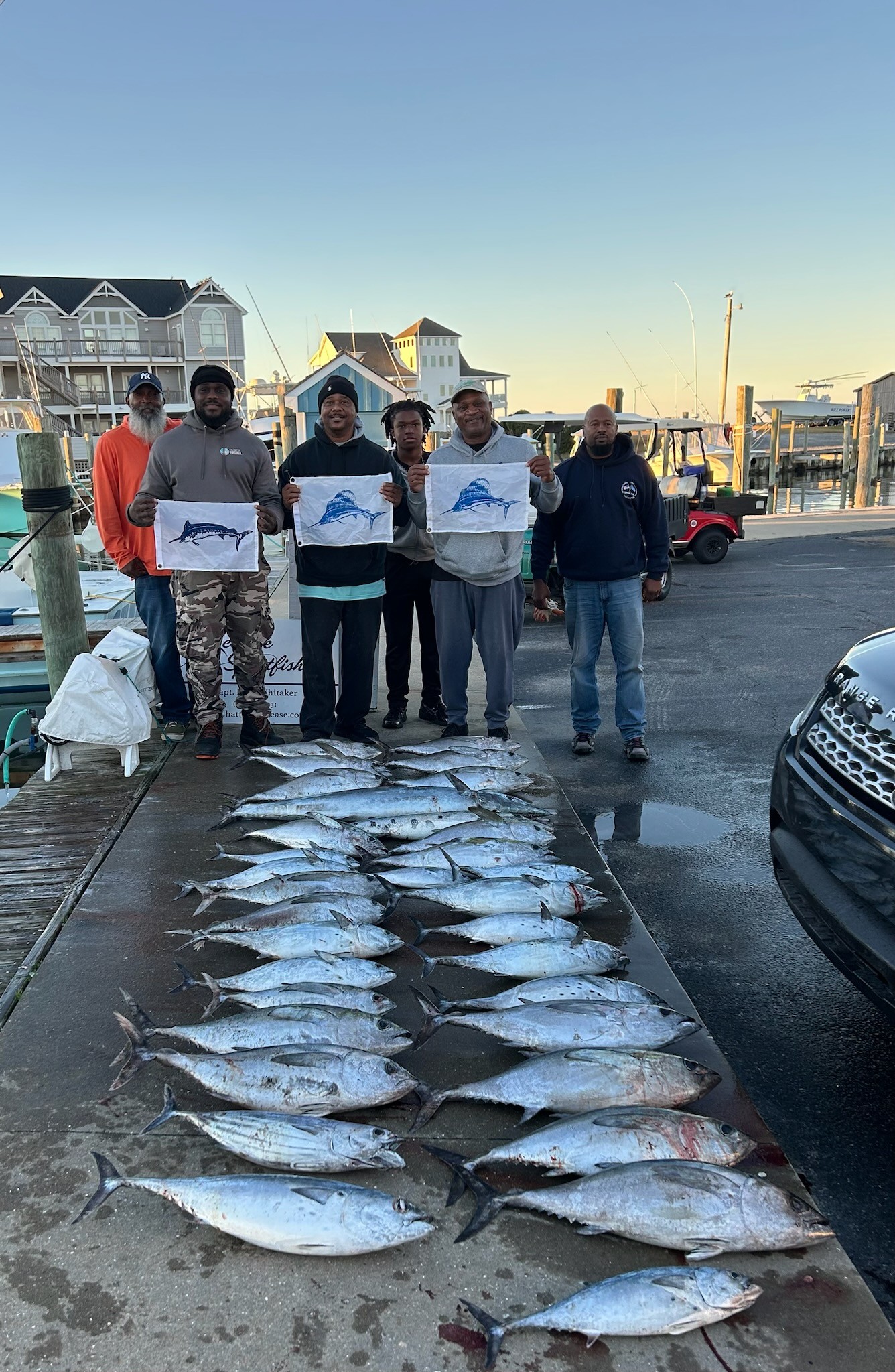
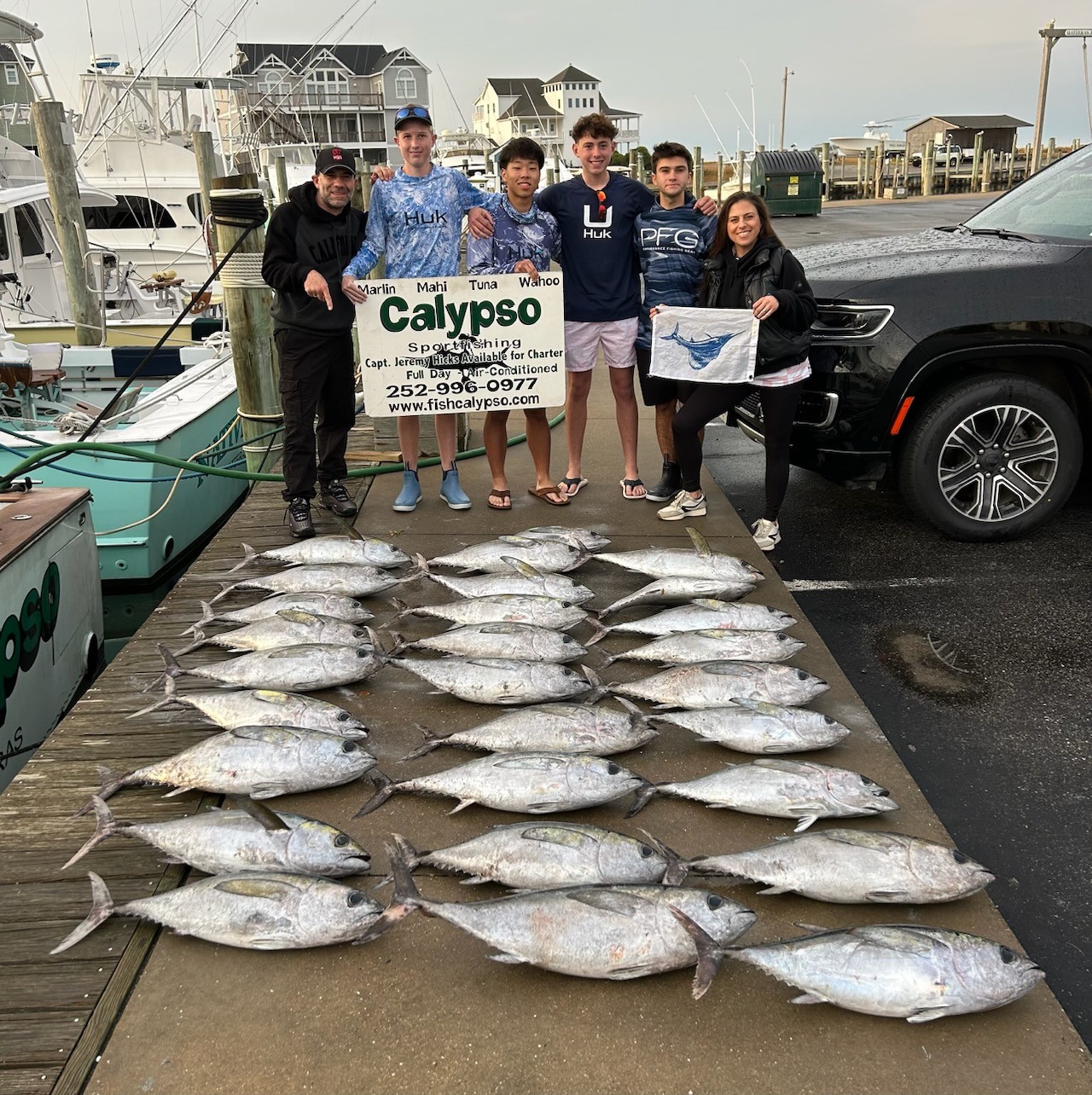
When you're ready to leave the inshore crowds behind and chase the big ones in blue water, this 11-hour Gulf Stream charter from Hatteras delivers exactly what serious anglers are looking for. You'll be working the legendary offshore waters where the Continental Shelf drops off into some of the most productive fishing grounds on the East Coast. With 11 hours on the water, your captain has the time to run out to the best spots, work multiple areas throughout the day, and really put you on fish. This isn't a quick half-day trip – it's a full commitment to offshore fishing at its finest.
What to Expect on the Water
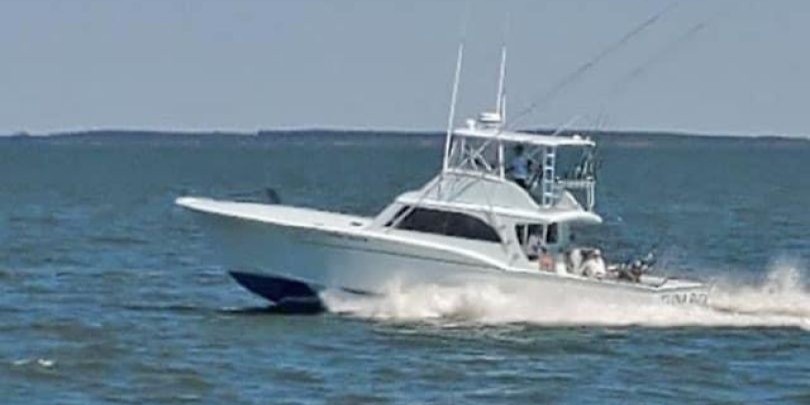
Your day starts early at the Hatteras marina, where you'll meet your captain and crew before heading out into the pre-dawn darkness. The run to the Gulf Stream takes time, but that's where the magic happens – once you hit that blue water and see the temperature break on the fish finder, you know you're in business. The boat carries up to 6 anglers, which means everyone gets plenty of room to fish and fight their catch without getting tangled up. Your captain knows these waters like the back of his hand and will be watching for birds, temperature breaks, current edges, and structure that hold fish. The extended time frame means you're not rushed – if the bite is hot in one spot, you can stay and work it. If things slow down, there's plenty of time to move and find active fish.
Trolling the Blue Water
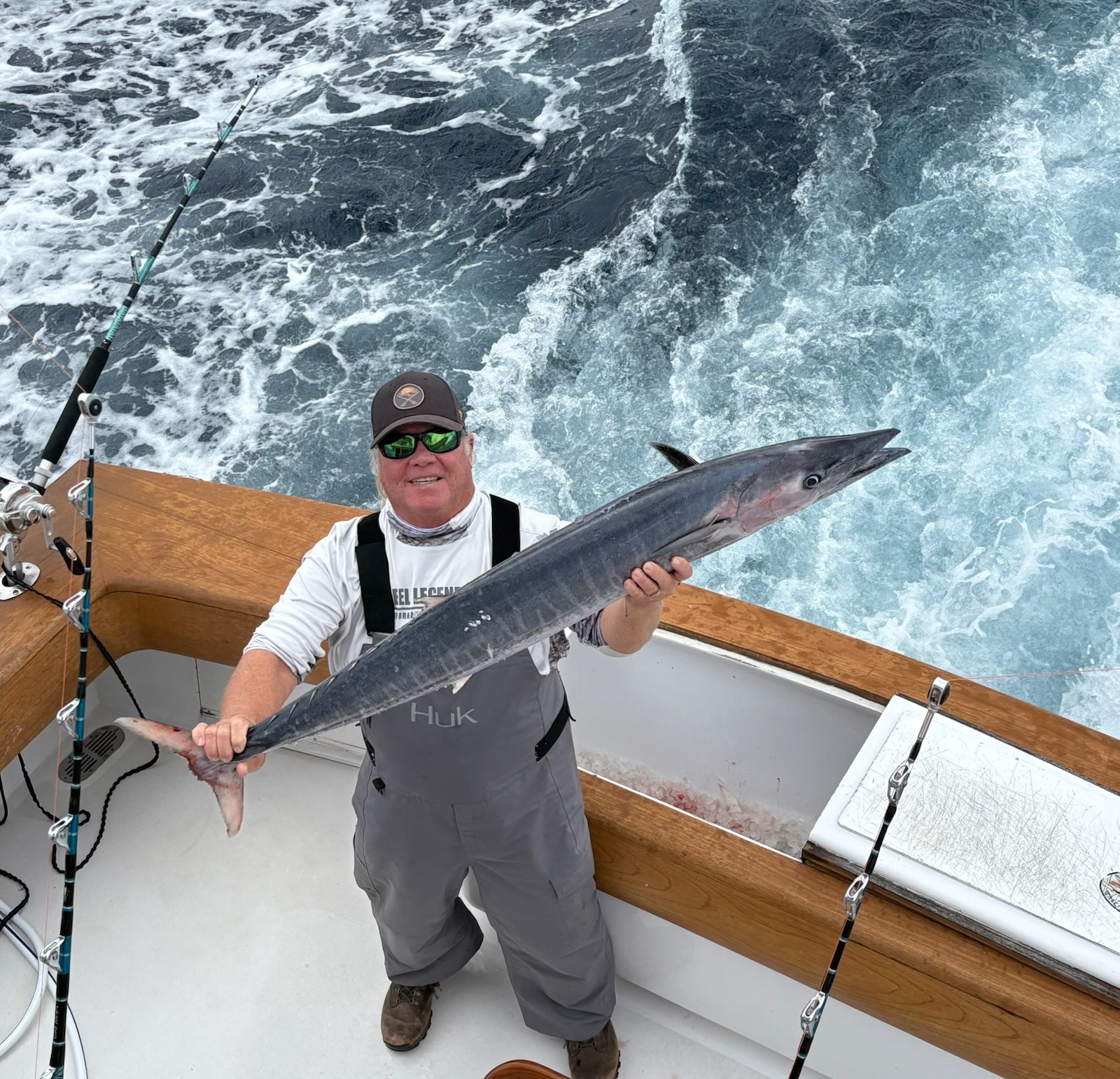
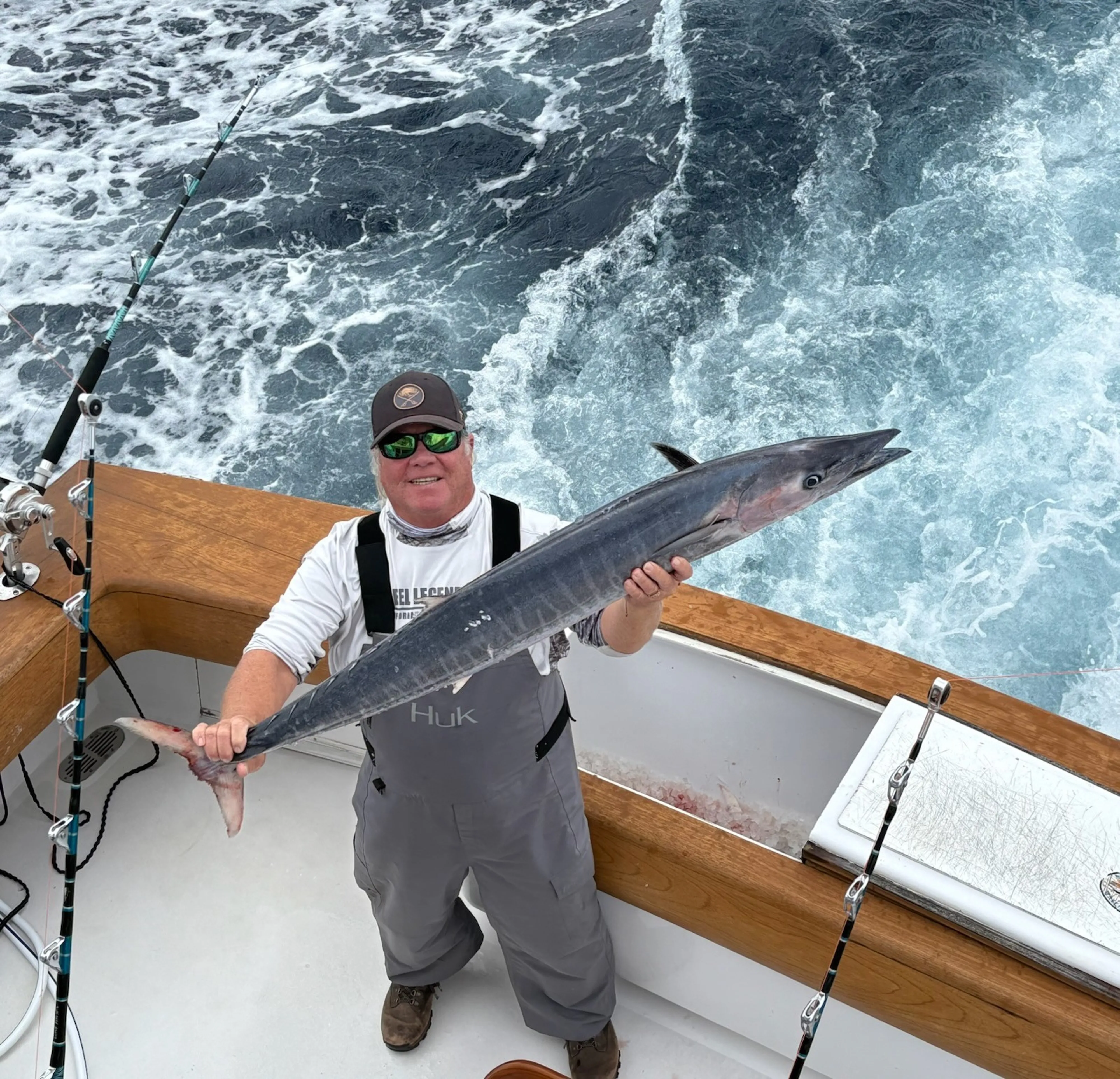
This charter runs a serious trolling spread designed to attract everything from wahoo and mahi to billfish. You'll be pulling a mix of ballyhoo, cedar plugs, lures, and teasers at different depths and distances behind the boat. The crew handles all the rigging and bait prep – your job is to be ready when that reel starts screaming. When a fish hits, everyone reels in their lines except the angler fighting the fish, giving you clear water to battle your catch. The captain and crew coach you through the fight, helping you pump and wind effectively to get that fish to the boat. All tackle is provided, from the heavy trolling gear for billfish down to lighter spinning tackle for mahi and smaller pelagics that might show up around floating debris or weed lines.
Species You'll Want to Hook
White Marlin are the stars of the show in these waters, especially during summer and early fall. These fish typically run 50-80 pounds and put on an aerial display that'll get your heart pumping. They're aggressive feeders and will often tease behind the boat before committing to a bait. The peak season runs from June through September, with August being particularly hot. What makes white marlin special is their fighting style – they jump, tail-walk, and never give up until they're at the boat.
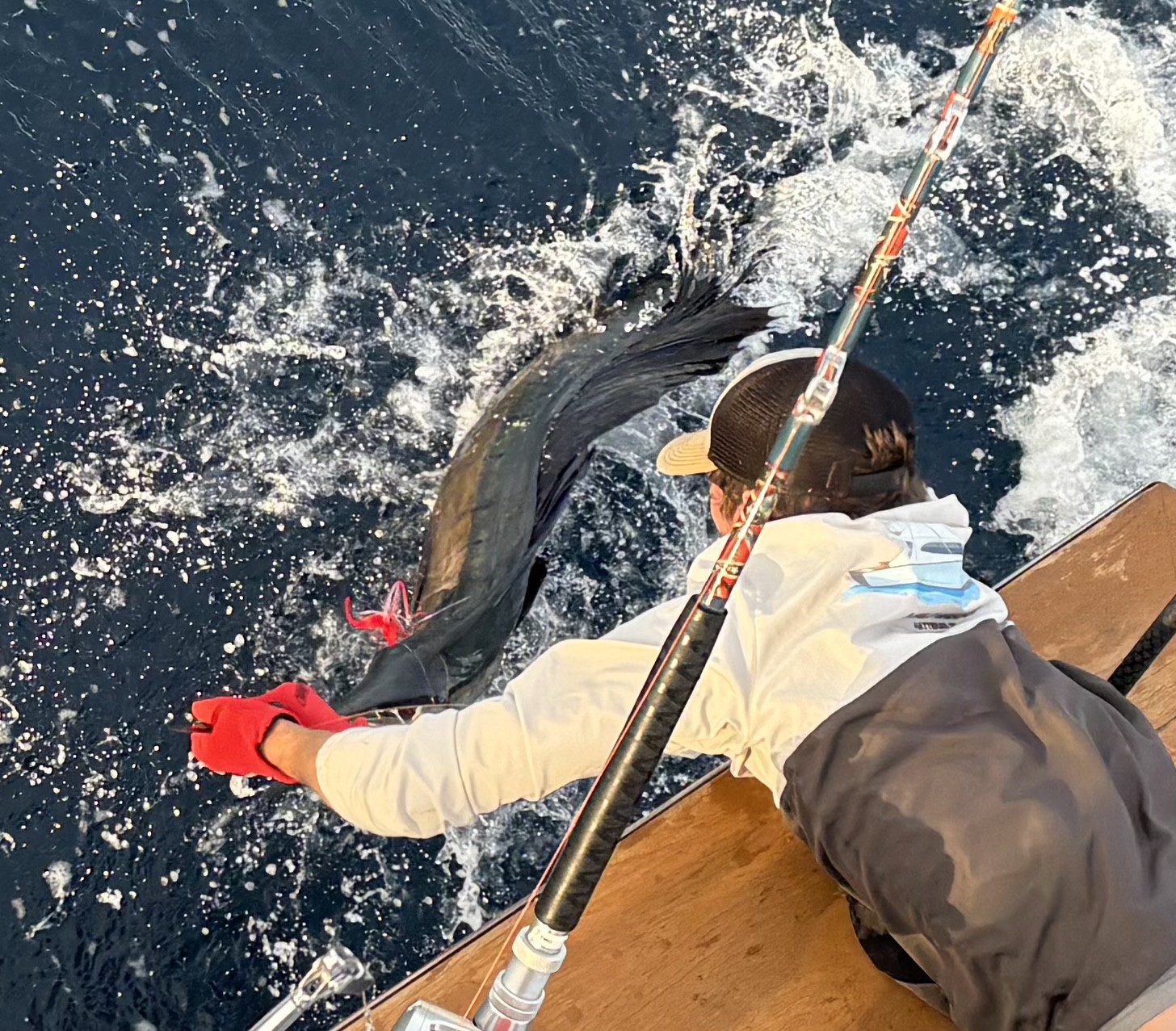
Atlantic Sailfish show up year-round but are most common during the cooler months from late fall through early spring. These fish are built for speed and acrobatics, often clearing the water multiple times during a fight. They average 30-50 pounds in these waters and are considered one of the most beautiful fish in the ocean with their massive dorsal fin and electric blue coloring. Sailfish are catch-and-release only, making for great photos and memories without impacting the fishery.
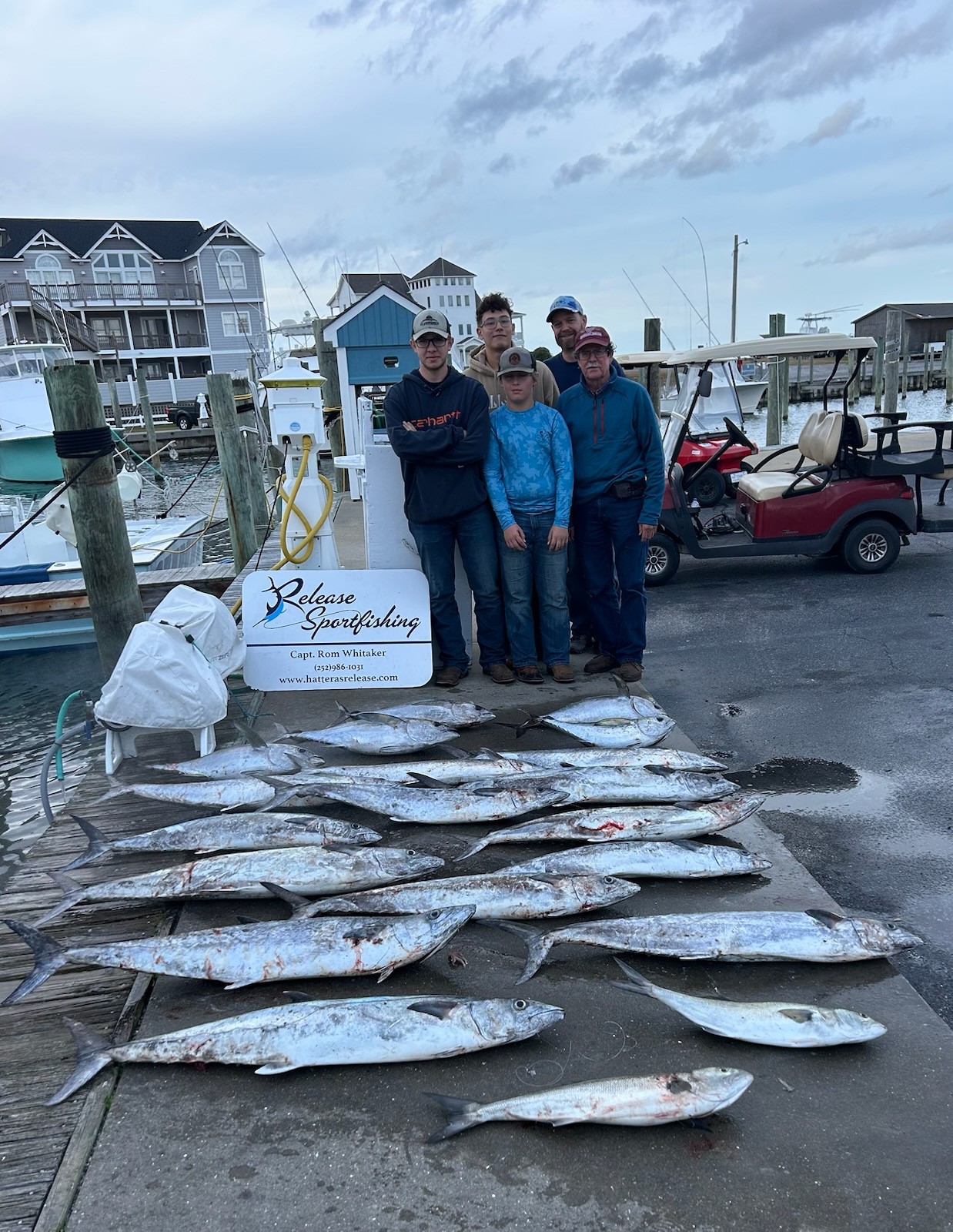
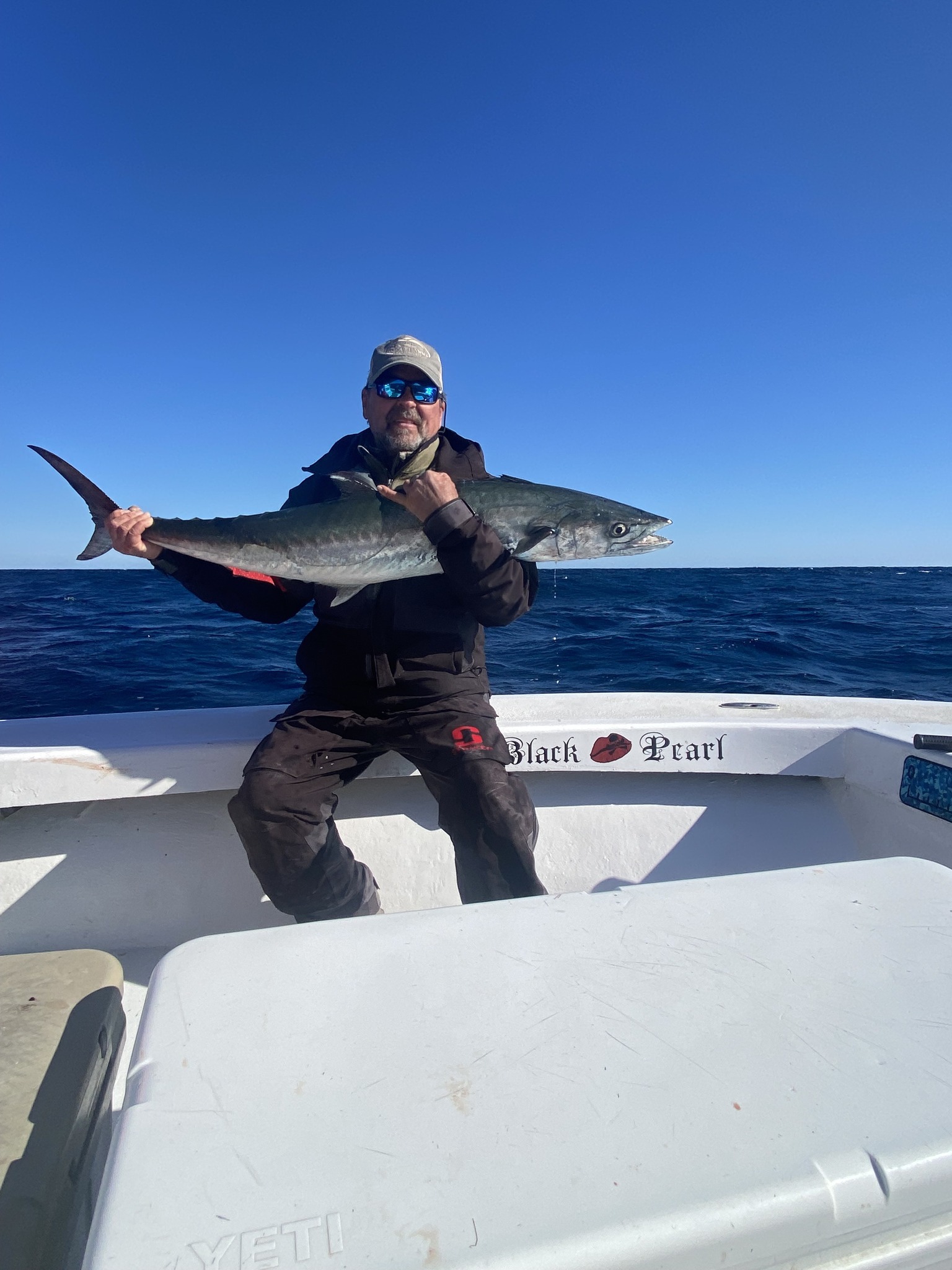
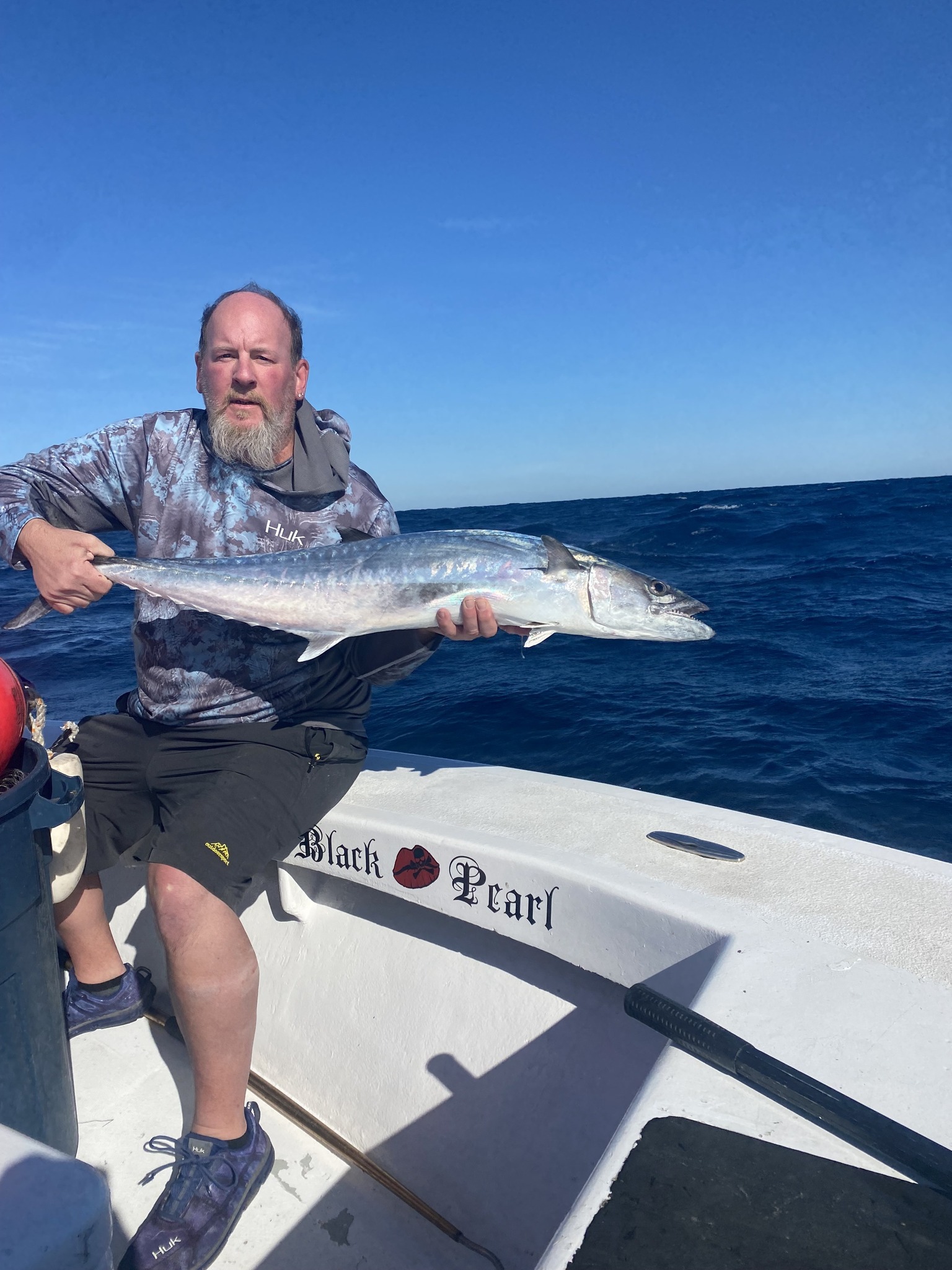
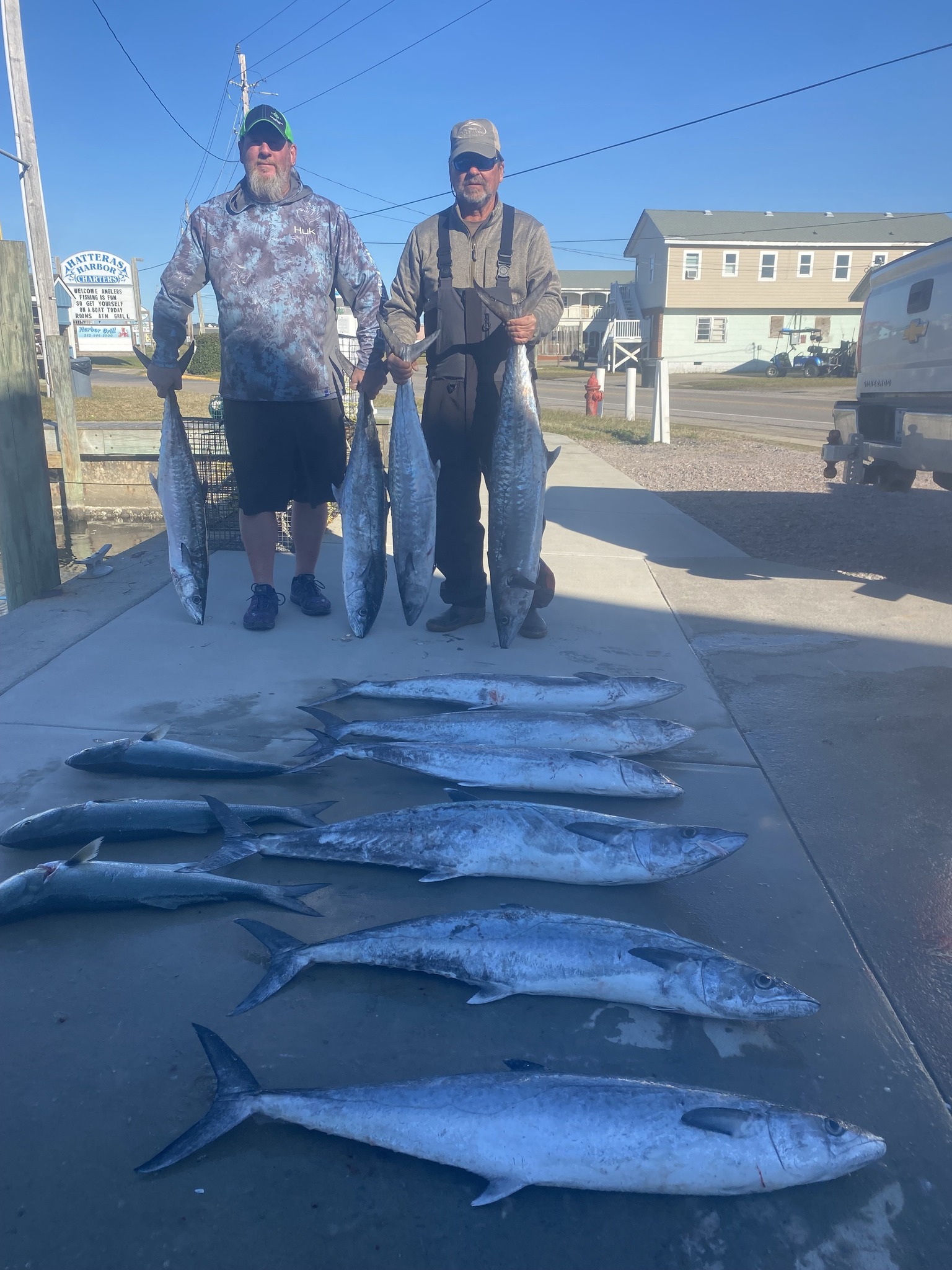
King Mackerel, or "smoker kings" as locals call the big ones, are year-round residents that provide both great fights and excellent table fare. The larger fish typically hold in 60-120 feet of water along the shelf edge, while smaller kings can be found closer to shore. Fall months produce the biggest kings, with fish over 40 pounds not uncommon. They're known for their blistering initial runs and their razor-sharp teeth that can cut through leader in a heartbeat.
Blue Marlin are the ultimate prize – these giants can exceed 500 pounds and represent the pinnacle of offshore fishing. While less common than white marlin, blue marlin encounters happen throughout the summer months, particularly around the full moon phases. When you hook a blue marlin, everything else stops. The entire crew focuses on helping you land what might be the fish of a lifetime. Even a smaller blue marlin in the 150-200 pound range will test your endurance and technique.
Mahi Mahi, also called dolphinfish or dorado, are pound-for-pound some of the hardest fighting fish in the ocean. They're also among the most beautiful, with brilliant gold and green colors that light up when they're feeding. Mahi often travel in schools, so when you find one, you'll usually find more. They're attracted to floating debris, weed lines, and structure, making them a favorite target when trolling the Gulf Stream. Peak season runs from late spring through early fall, with fish ranging from small schoolies to bull mahi over 30 pounds.
Time to Book Your Spot
This 11-hour Gulf Stream charter represents serious offshore fishing at its best. You're getting extended time in world-class waters with an experienced captain who knows how to find and catch fish. The Hatteras area is renowned as one of the top billfish destinations on the East Coast, and this trip puts you right in the heart of the action. Whether you're chasing your first marlin, looking to land a personal best mahi, or just want to experience the rush of blue water fishing, this charter delivers. The longer timeframe means better odds of success and more opportunities to work different areas based on conditions and fish activity. Book early, especially during peak season – trips like this fill up fast with serious anglers who know quality when they see it.
 Private Trip
 Offshore Fishing
 undefined, undefined


 11-hour Gulf Stream charter targeting tuna, wahoo, and marlin