Kids-Friendly Offshore Charter – Hatteras NC
Getting kids hooked on deep sea fishing starts with the right trip, and this 11-hour offshore charter from Hatteras is built specifically for young anglers ready to experience the real deal. You'll head out into the legendary Gulf Stream waters where the fishing gets serious, but the crew keeps things fun and manageable for kids. With an experienced captain who knows these waters like the back of his hand and a crew that's great with young fishermen, this trip gives families the chance to chase some of the Atlantic's most prized gamefish without the intimidation factor that can come with hardcore offshore charters.
What to Expect on the Water
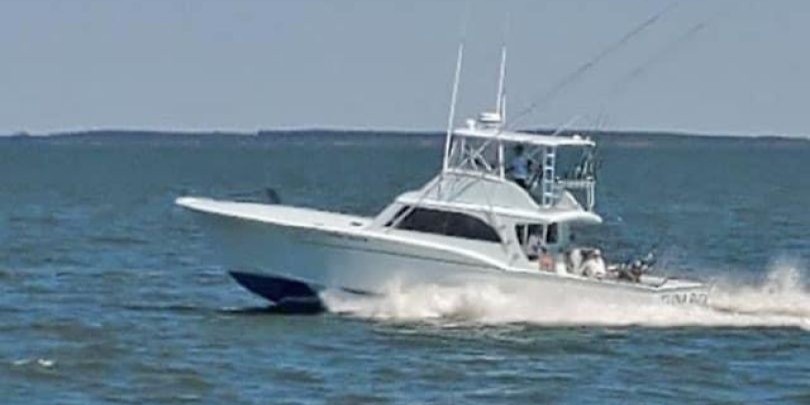
This isn't your typical half-day trip – you're looking at 11 hours of prime Gulf Stream fishing time, which means you'll have plenty of opportunities to get into fish without rushing. The boat holds up to 6 anglers, so it stays comfortable and gives everyone room to fight fish without getting tangled up. Your captain will run out to where the blue water meets the current breaks, targeting the temperature changes and structure that hold baitfish – and where baitfish go, the big predators follow. The crew handles all the rigging, bait prep, and net work, so parents can focus on helping their kids while everyone stays safe on deck. You'll cover a lot of water throughout the day, moving between productive areas as conditions change and fish move with the current.
Trolling the Blue Water
Most of your fishing will be trolling with a spread of lures and rigged baits designed to attract pelagic species cruising the Gulf Stream. The crew runs a mix of ballyhoo, diving plugs, and skirted trolling lures at different depths to cover the water column effectively. When fish hit, the excitement builds fast – these offshore species make long runs and put up fights that get everyone on the boat pumped up. For smaller kids, the crew can put them in a fighting belt and help them work the fish, making sure they stay connected to the action without getting overwhelmed. Between trolling passes, you might stop to chunk bait or cast live baits around floating debris or weed lines where mahi-mahi love to hang out. The techniques stay straightforward, but the results can be spectacular when you hook into a school of hungry fish.
Top Catches This Season
White Marlin are the crown jewel of Hatteras offshore fishing, typically showing up from late spring through early fall when water temperatures climb into the 70s. These fish average 50-70 pounds and put on an aerial show that'll have kids talking about the trip for years. They're incredibly acrobatic, jumping repeatedly when hooked, and the sight of a white marlin greyhounding across the surface gets everyone on deck scrambling for cameras. Most are released after a quick photo, making this a conservation-minded fishery that teaches young anglers about sustainable practices.
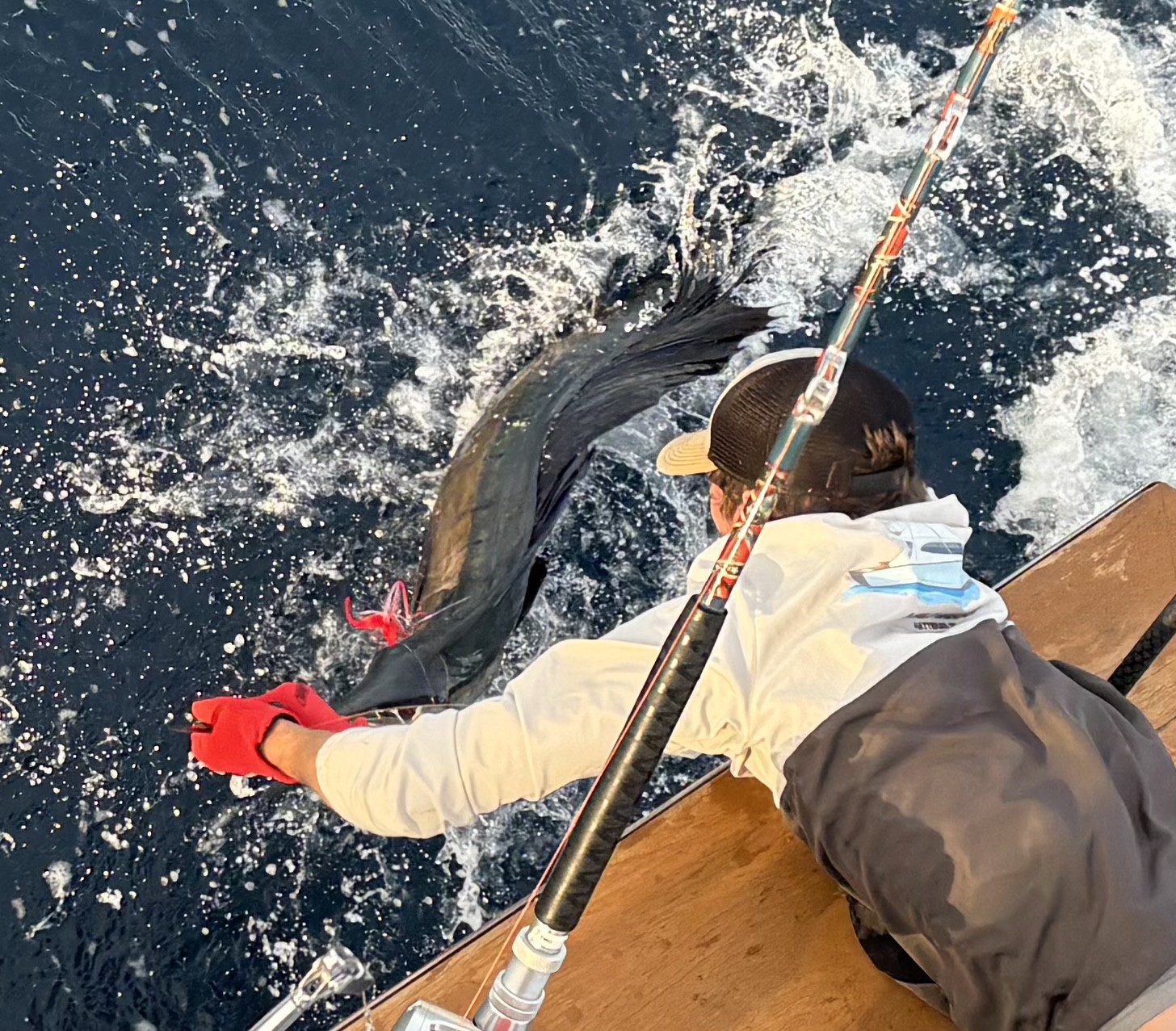
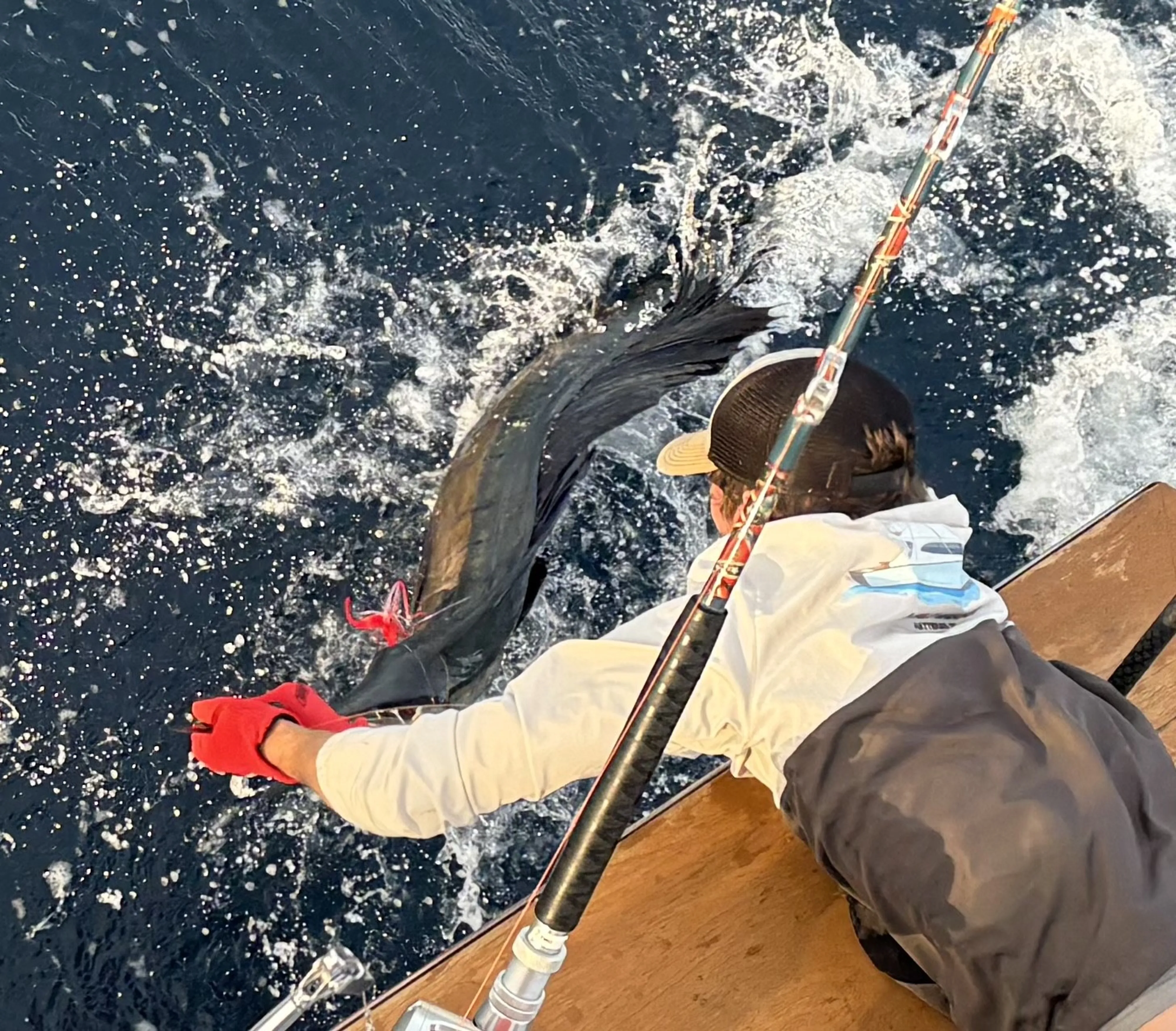
Atlantic Sailfish bring similar excitement with their spectacular jumps and lightning-fast runs, though they're generally smaller than marlin at 30-50 pounds. They show up best during cooler months when they migrate through these waters, and their distinctive sail makes them easy to identify. Kids love the visual aspect of fighting sailfish because they spend so much time on the surface, dancing and jumping throughout the fight.
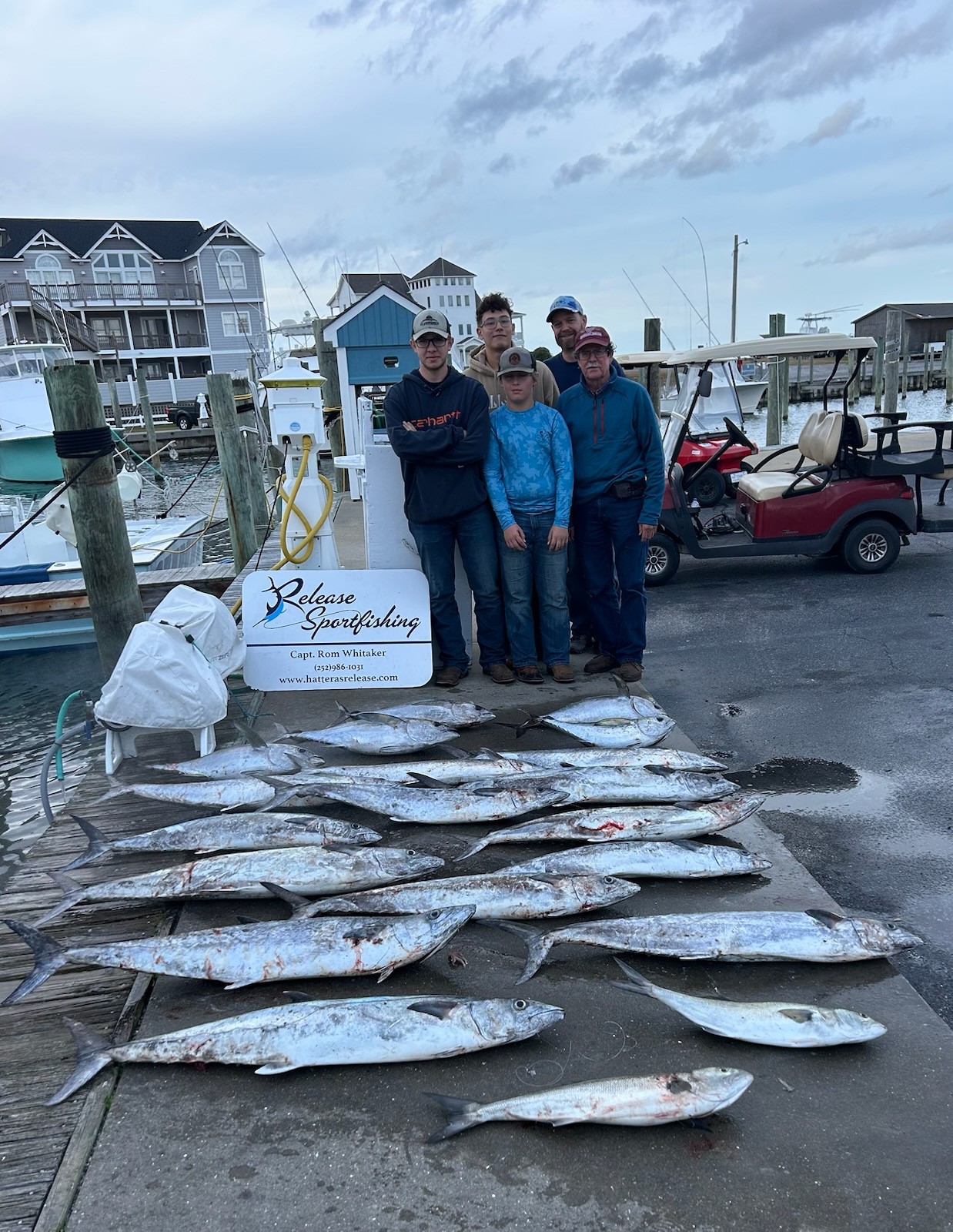
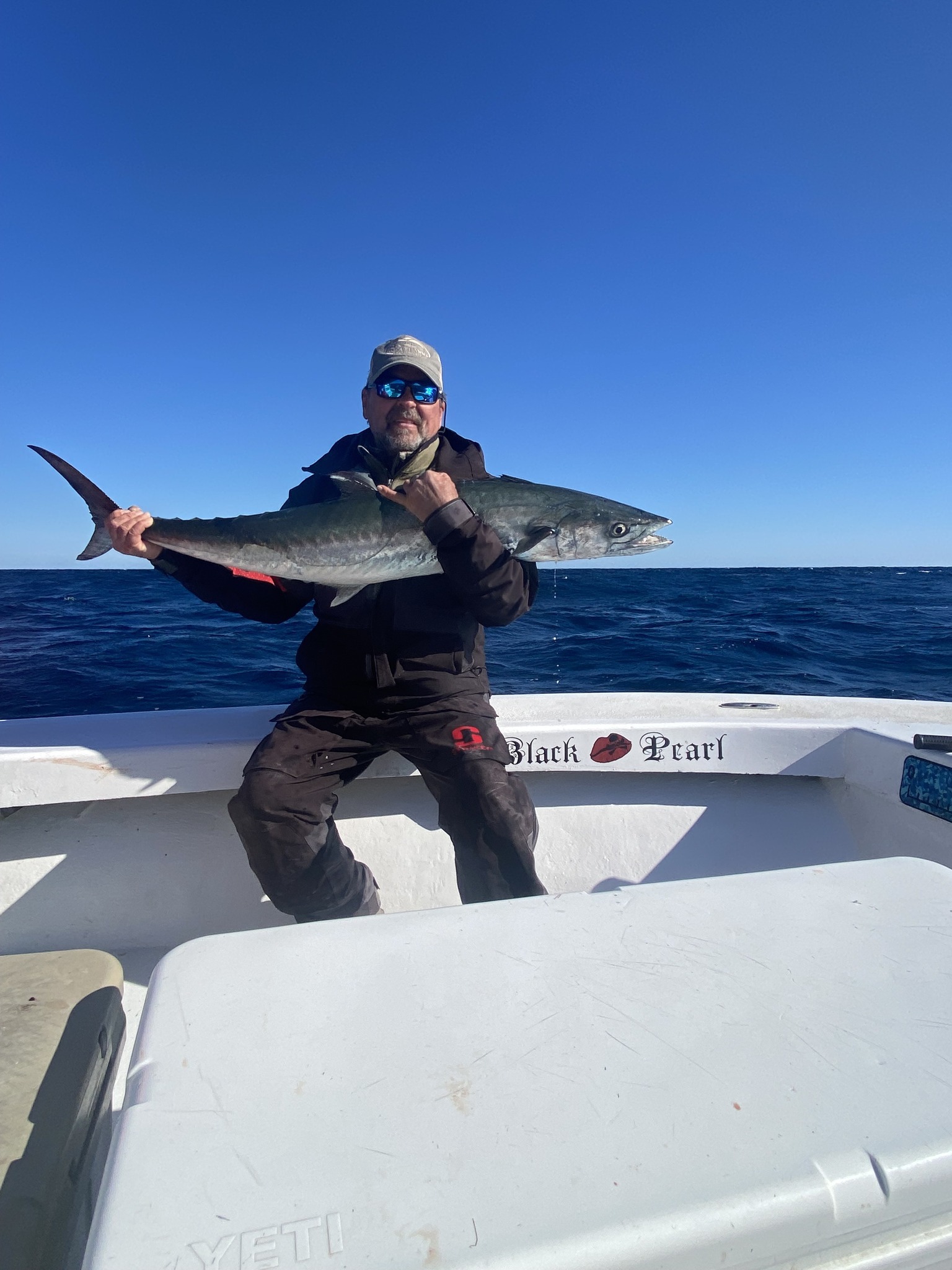
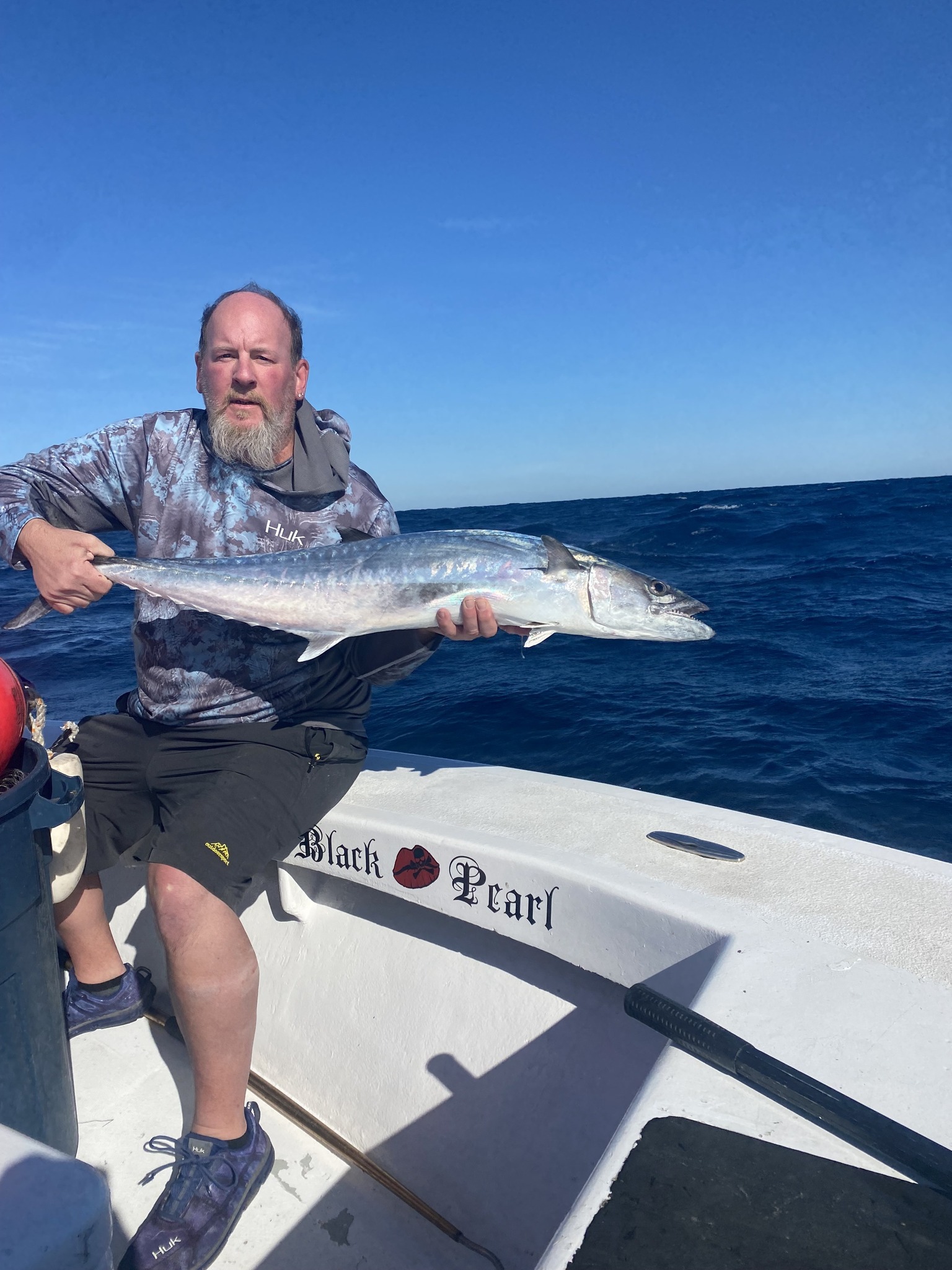
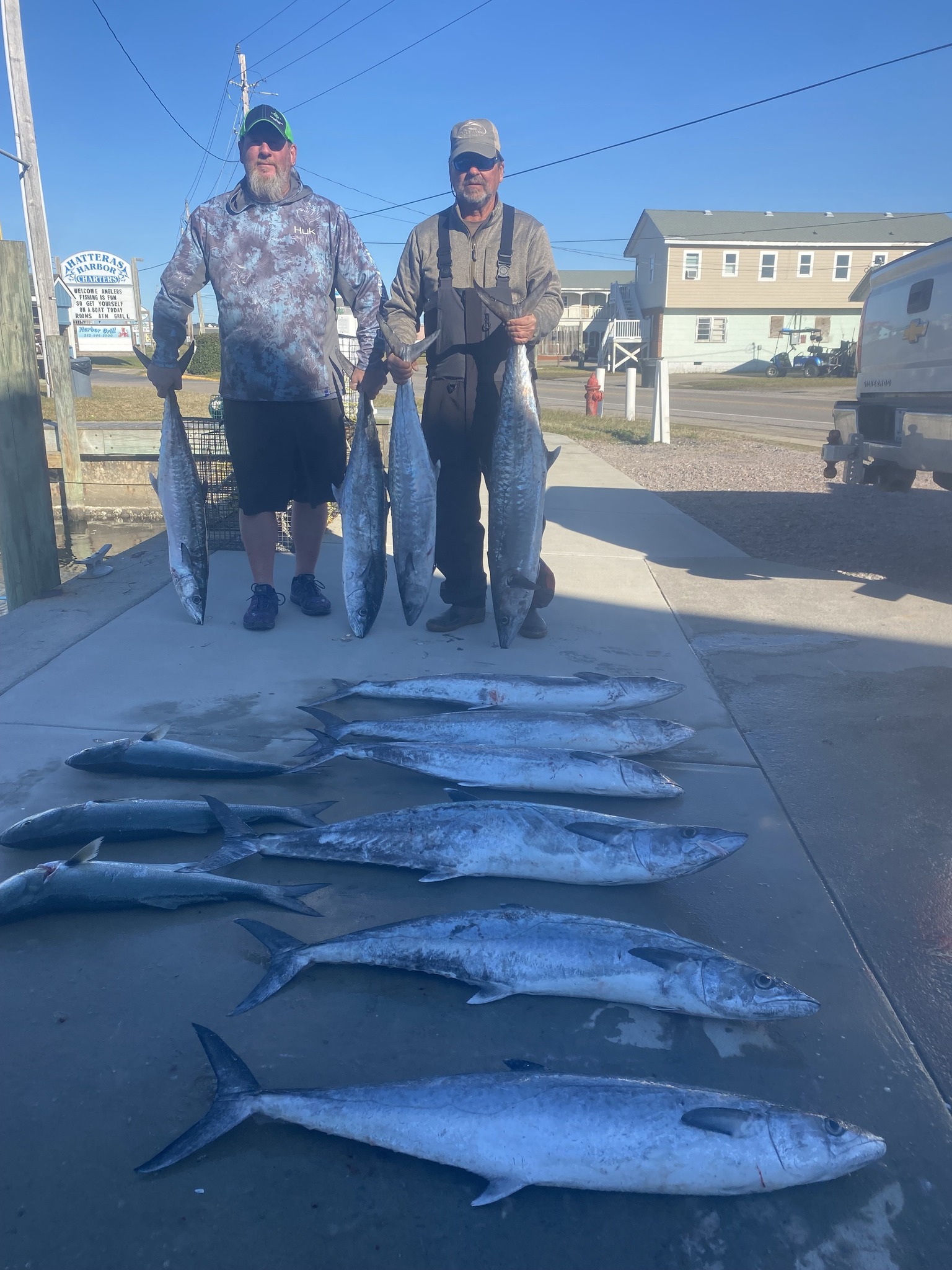
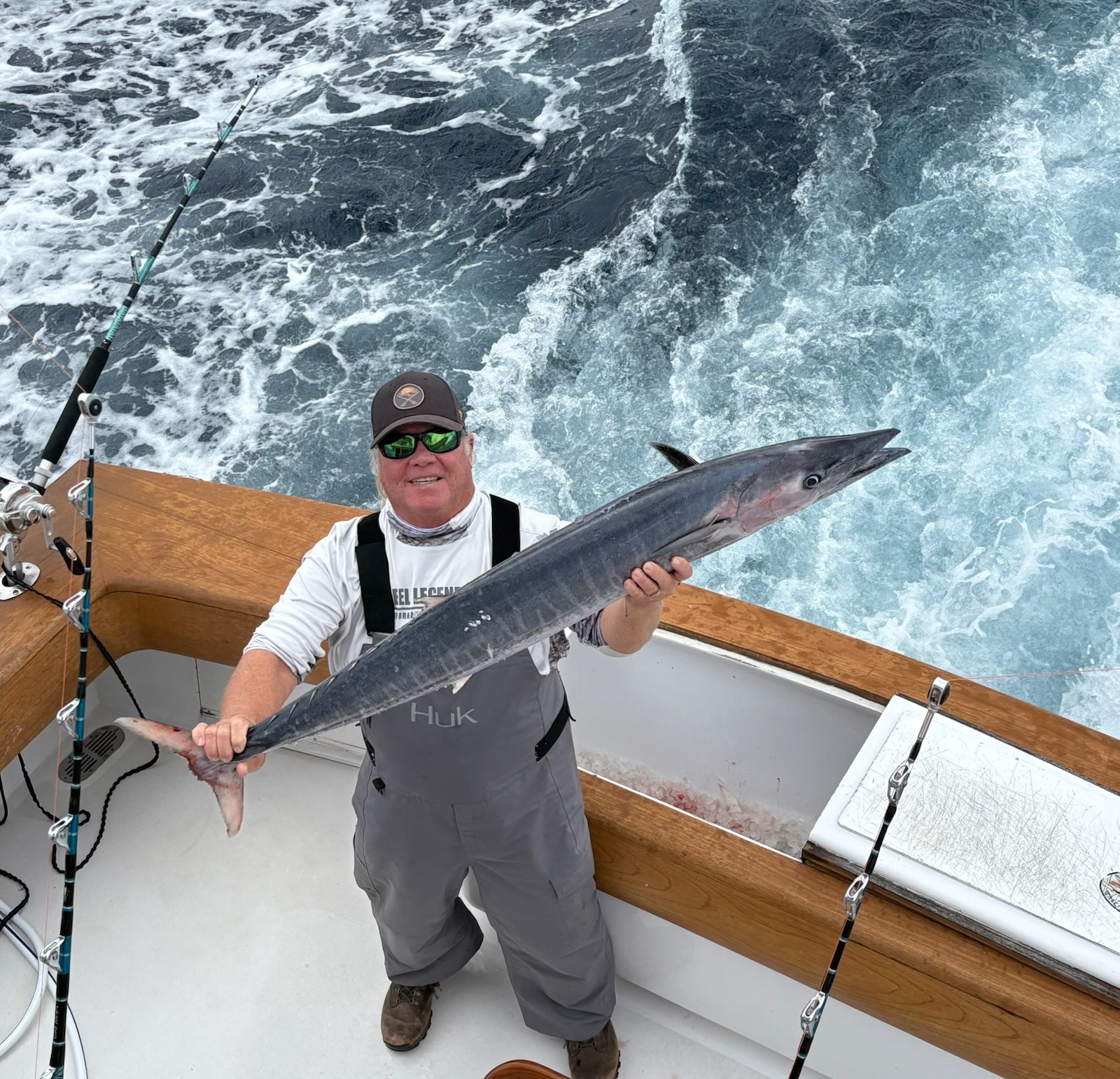
King Mackerel, or "smoker kings" as locals call the big ones, provide consistent action throughout much of the season. These fish hit trolled baits hard and make screaming runs that can strip line off the reel in seconds. They're excellent eating, so families often keep a few for the dinner table while releasing the larger breeding-size fish.
Blue Marlin represent the ultimate prize in these waters, though they're less common than their white marlin cousins. When one does eat, you're looking at a fish that can exceed 200-300 pounds, creating memories that last a lifetime. The crew knows how to handle these powerful fish safely, and most are tagged and released as part of ongoing research efforts.
Mahi Mahi, also called common dolphinfish, offer some of the most exciting action for young anglers because they often travel in schools and feed aggressively. When you find a good school, it's not unusual to catch multiple fish in quick succession. They're beautiful fish with brilliant colors that change as they fight, and they make excellent table fare, so families can enjoy their catch long after the trip ends.
Time to Book Your Spot
This trip delivers everything families want from an offshore fishing adventure – professional guidance, top-notch fishing grounds, and the chance to hook into world-class gamefish in some of the East Coast's most productive waters. The 11-hour timeframe gives you real fishing time without feeling rushed, while the kid-friendly approach means everyone stays engaged and safe throughout the day. Whether your young anglers end up battling their first marlin or loading the boat with mahi-mahi, they'll gain confidence and skills that'll serve them well on future fishing trips. The Gulf Stream fishing off Hatteras is legendary for good reason, and this charter puts families right in the heart of the action with experienced guides who know how to make it happen. Don't wait too long to book – the best offshore fishing dates fill up fast, especially during peak season when the bite is on fire.
 Private Trip
 Offshore Fishing
 undefined, undefined


 11-hour Gulf Stream fishing trip targeting Mahi and Tuna species