Chesapeake Bay Inshore Charter: 8-Hour Adventure
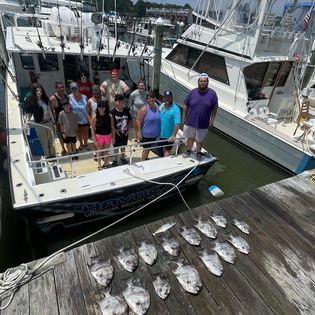
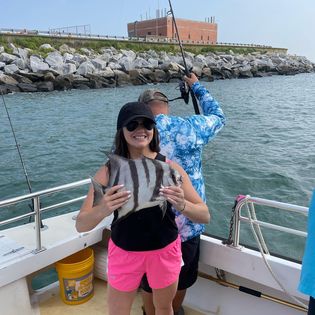
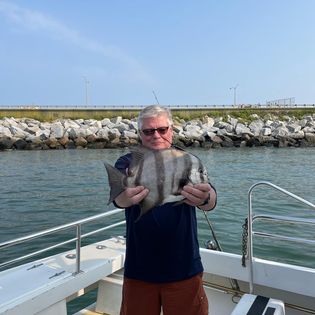
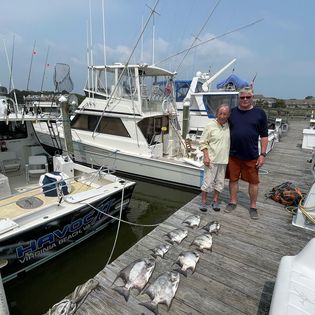
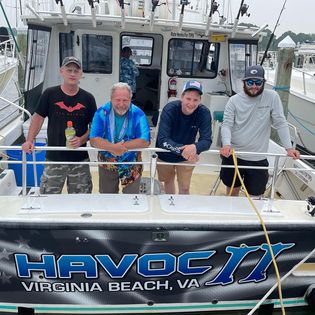
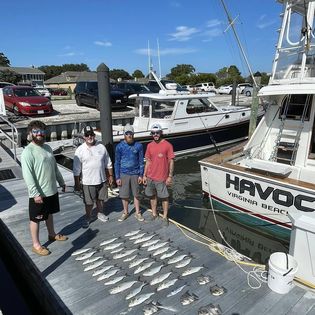
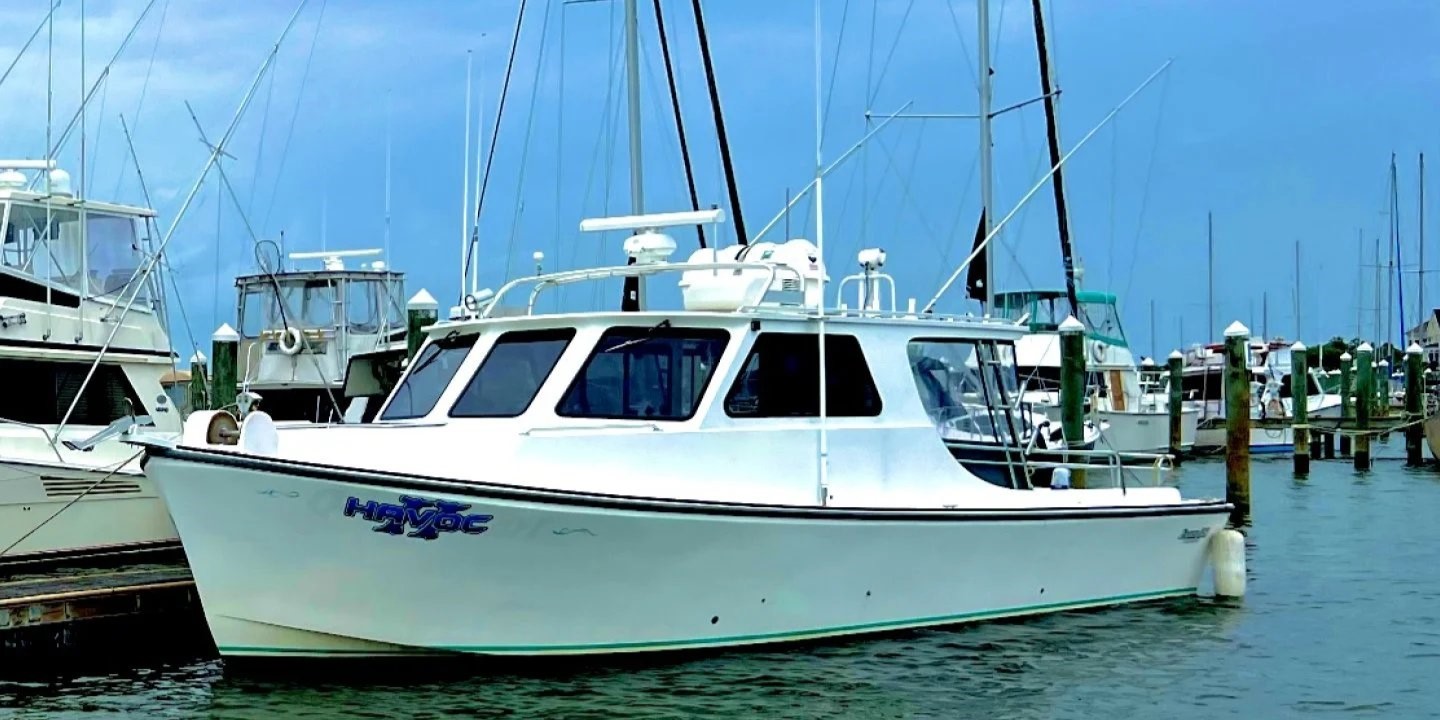
The Chesapeake Bay isn't just another fishing spot – it's a world-class inshore playground that keeps anglers coming back season after season. This 8-hour charter with Havoc Charters puts you right in the heart of some of the Mid-Atlantic's most productive waters, where you'll have shots at everything from aggressive Spanish mackerel to bruiser red drum. With a maximum of 6 anglers aboard, you get that personal touch that makes all the difference between a good day and an epic one. Pack your lunch, bring plenty of water, and get ready to experience why the Chesapeake has earned its reputation as one of the East Coast's premier inshore fisheries.
What to Expect on the Water
Your 8-hour adventure starts early, when the fish are most active and the Bay is at its best. Captain and crew know these waters like the back of their hand, from the grass beds where cobia cruise to the structure-rich areas that hold black drum and tautog. You'll cover serious ground during your trip, hitting multiple spots and adjusting tactics based on what's biting. Some days you might start sight-fishing for cobia around the pilings, then switch to bottom rigs for black seabass before finishing with topwater action on bluefish. The beauty of Chesapeake Bay fishing is the variety – you never know what's going to grab your line next. The boat's equipped with quality rods and reels, plus all the terminal tackle you'll need, though experienced anglers often bring their favorite setups. Weather permitting, expect to fish everything from shallow grass flats to deeper channel edges, with the crew constantly reading conditions to put you on the most active fish.
Techniques & Tackle Breakdown
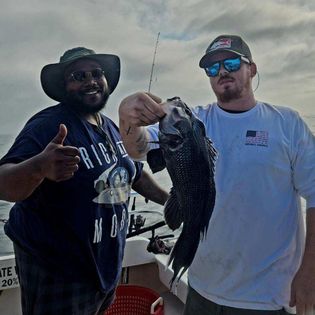
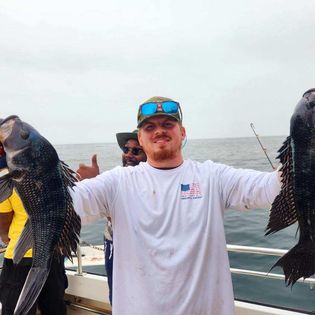
Chesapeake Bay inshore fishing is all about versatility, and your crew comes prepared with multiple game plans. Live bait fishing with spot, croaker, and eels produces consistently for red drum and cobia, especially around structure like bridge pilings and underwater humps. When Spanish mackerel are running, you'll switch to lighter tackle with small spoons, jigs, or even fly gear if conditions allow. Bottom fishing with circle hooks and sinkers targets the tasty black seabass and stubborn tautog around hard structure and wrecks. The crew provides all necessary gear, from conventional reels spooled with 20-30 pound test for the bigger fish down to spinning gear for the more finicky species. Depending on the season and conditions, you might find yourself sight-casting to cruising cobia, jigging vertically for suspended fish, or even trolling small lures along grass edges. The captain reads the water constantly – watching for diving birds, bait schools, and subtle changes in current that indicate where fish are holding. Circle hooks are standard for most applications, ensuring better hooksets and higher survival rates for any fish you release.
Target Species Breakdown
Spanish Mackerel are the Bay's speed demons, and when they're around, you know it. These chrome rockets typically show up in good numbers from late spring through early fall, often feeding aggressively near the surface. They average 1-3 pounds but make up for size with pure attitude – hitting lures with reckless abandon and putting on aerial displays that'll get your heart pumping. Look for them around bait schools, and don't be surprised when you hook doubles or triples. They're also excellent table fare when handled properly, making them a customer favorite for both action and the dinner plate.
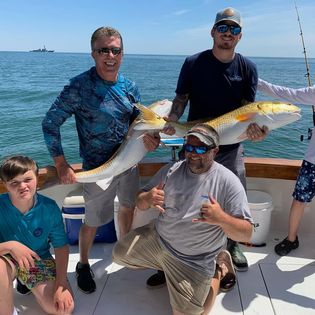
Black Drum are the Bay's bulldogs, and tangling with a big one will test your tackle and your patience. These bottom-dwellers can range from smaller "puppy drum" around 5-10 pounds up to true giants pushing 50 pounds or more. They're particularly active during cooler months and love structure like bridge pilings, oyster bars, and channel edges. Black drum fight dirty – using their broad sides and powerful tails to dig deep and test your drag system. The bigger fish are usually released to preserve the breeding stock, but they provide some of the most memorable battles you'll have in the Chesapeake.
King Mackerel represent the apex of Bay excitement when they push into the lower Chesapeake during summer and fall. These torpedo-shaped predators can stretch over 40 inches and weigh 20-30 pounds, with some true giants exceeding those numbers. Kings are structure-oriented, often found around wrecks, artificial reefs, and drop-offs where bait concentrates. They hit hard and run harder, often making blistering runs that'll empty your reel if you're not ready. Live bait is typically the ticket for kings, though they'll also smash trolled spoons and large jigs. The fight is spectacular, and the eating is even better.
Redfish, or red drum, are the Bay's most sought-after gamefish, and for good reason. These copper-colored fighters combine size, strength, and table quality in one impressive package. Chesapeake reds typically range from schoolie-sized fish around 20-25 inches up to true bull reds over 40 inches and 30+ pounds. They're ambush predators that love grass beds, oyster bars, and shallow structure where they can corner baitfish. Red drum fight with bulldogging power, often making multiple runs and using their broad tails to maximum advantage. The slot-sized fish (18-28 inches in most areas) are outstanding table fare, while the big breeders provide catch-and-release thrills.
Cobia are the Bay's gentle giants, and sight-fishing for them ranks among the most exciting angling experiences on the East Coast. These chocolate-brown fish cruise the shallows from late spring through early fall, often following rays and hanging around structure. Cobia can exceed 50 inches and 40 pounds, but they're surprisingly finicky eaters despite their size. Success often comes from precise presentations with live eels, large jigs, or bucktails worked slowly near the bottom. When
 Private Trip
 Inshore Fishing
 Richmond


 Eight-hour inshore charter targeting diverse Chesapeake Bay species