Charter Fishing in Little Water | 13-Hour Bluewater
You know that feeling when you're scanning the horizon for bird action and suddenly your outrigger starts screaming? That's what you're signing up for with this 13-hour bluewater adventure out of Little Water. This isn't your typical half-day nearshore trip – we're talking about a serious offshore run where the big boys live. High Roller Fishing Charters has put together something special here: a full day of trolling in blue water where anything can happen. The crew knows these waters like the back of their hand, and they'll put you on fish when conditions are right. Pack your sunscreen, bring your appetite for action, and get ready for some serious arm-burning fights with pelagic species that'll test your tackle and your stamina.
What to Expect on the Water
This is a marathon fishing trip, not a sprint. Thirteen hours means you'll be running hard to the offshore grounds before first light, giving you maximum time in the productive zones where the thermoclines hold bait and predators. The single angler capacity makes this a premium experience – no sharing lines, no waiting your turn, just you versus whatever decides to eat your spread. The captain will work the edges, temperature breaks, and structure that holds the species you're after. Expect long runs between spots, but that's part of the game when you're chasing pelagics. The boat will maintain a steady trolling pattern, covering serious water throughout the day. Weather permitting, you'll see some of the most beautiful blue water on the East Coast, and when the bite is on, you'll understand why offshore fishing gets into your blood. The crew handles all the rigging, bait preparation, and boat work – your job is to stay alert and be ready when that reel starts singing.
Trolling Tactics & Gear
This is classic bluewater trolling at its finest. The crew runs a spread of ballyhoo, cedar plugs, and high-speed lures designed to trigger strikes from fast-moving pelagics. You're looking at 30-80 class tackle depending on what's running, with circle hooks and quality reels that can handle sustained runs. The boat maintains speeds between 6-8 knots, adjusting based on conditions and what species are most active. Outriggers keep the spread wide and natural-looking, while the flat lines and shotgun position add variety to the presentation. The crew monitors water temperature, current breaks, and bait concentrations to position the boat in the most productive zones. When a fish hits, it's all about proper fighting technique – pumping and winding, keeping pressure on, and letting the drag do its job. The captain will maneuver the boat to help you gain line and keep you away from other lines in the spread. Wire leaders and quality swivels are essential when you're dealing with species that have razor-sharp bills and teeth that can slice through mono in seconds.
Species You'll Want to Hook
Mahi Mahi are the bread and butter of offshore trolling around Little Water. These bull dolphins are aggressive feeders that hit lures hard and put on an aerial show that'll get your heart pumping. Best action typically happens during warmer months when water temperatures climb above 70 degrees. Bulls can push 40-50 pounds and fight like they're twice that size, with multiple jumps and long runs that'll test your endurance. They school up around floating debris, sargassum lines, and temperature breaks. What makes them special is their willingness to eat – when you find a school, you can often boat multiple fish before they scatter.
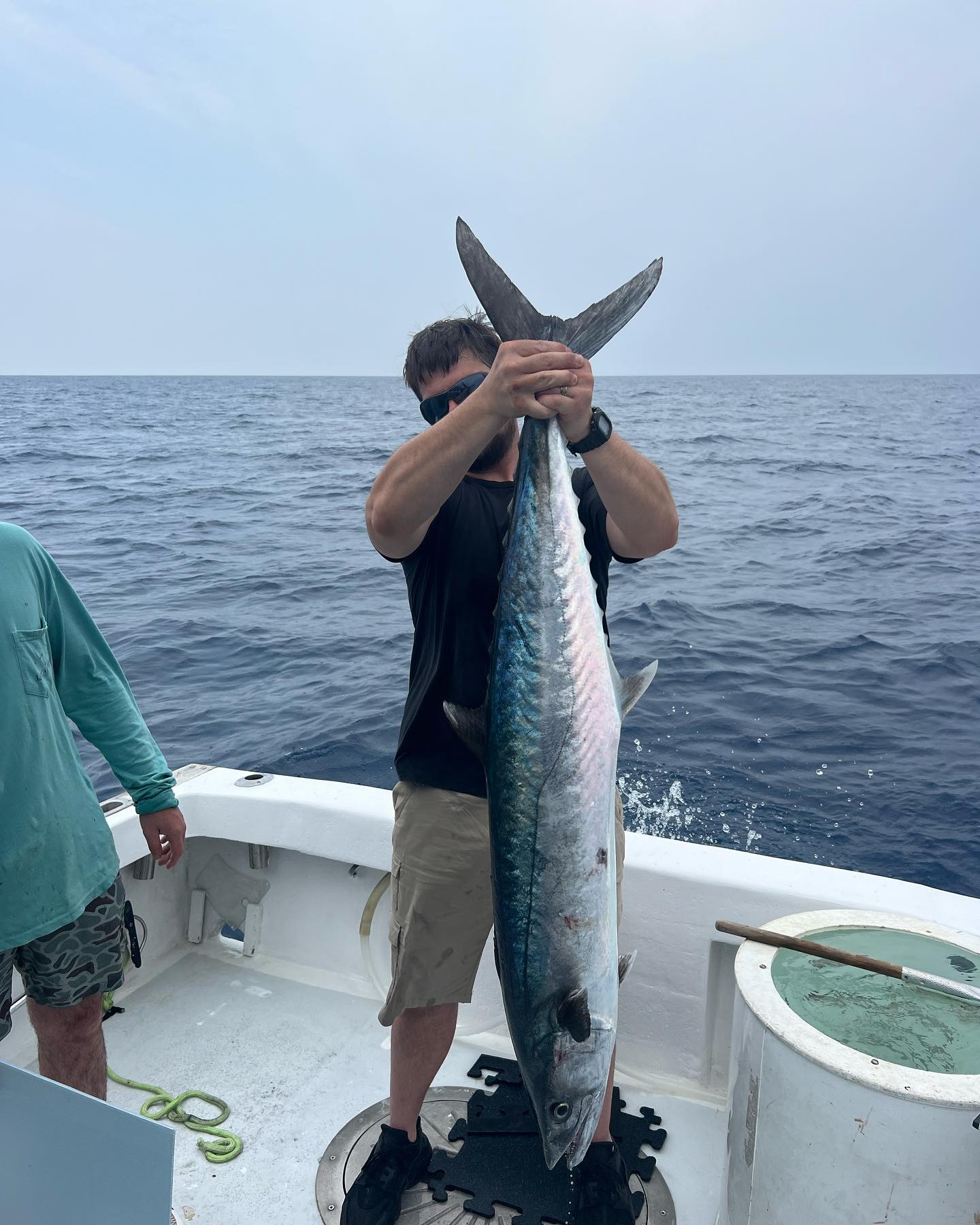
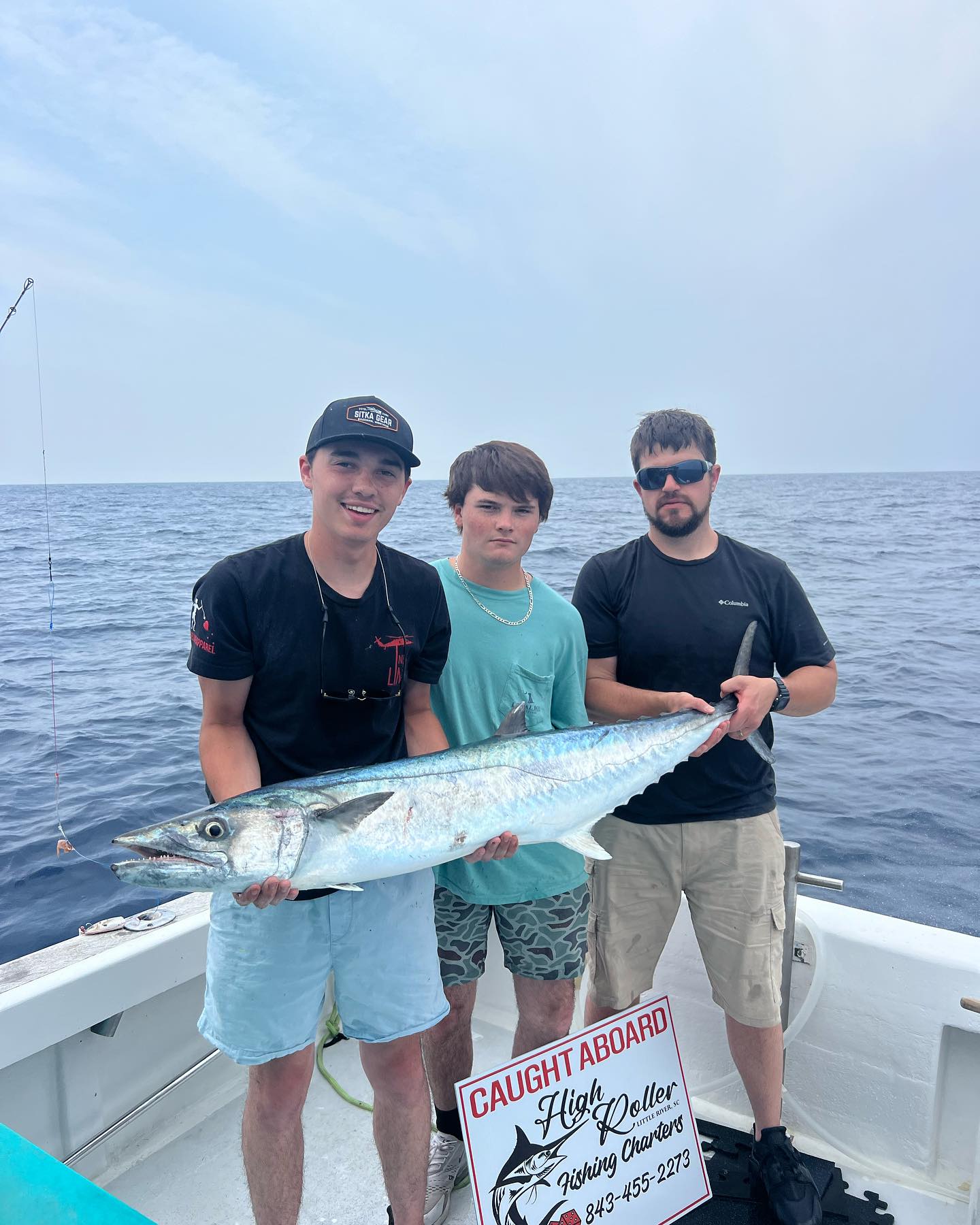
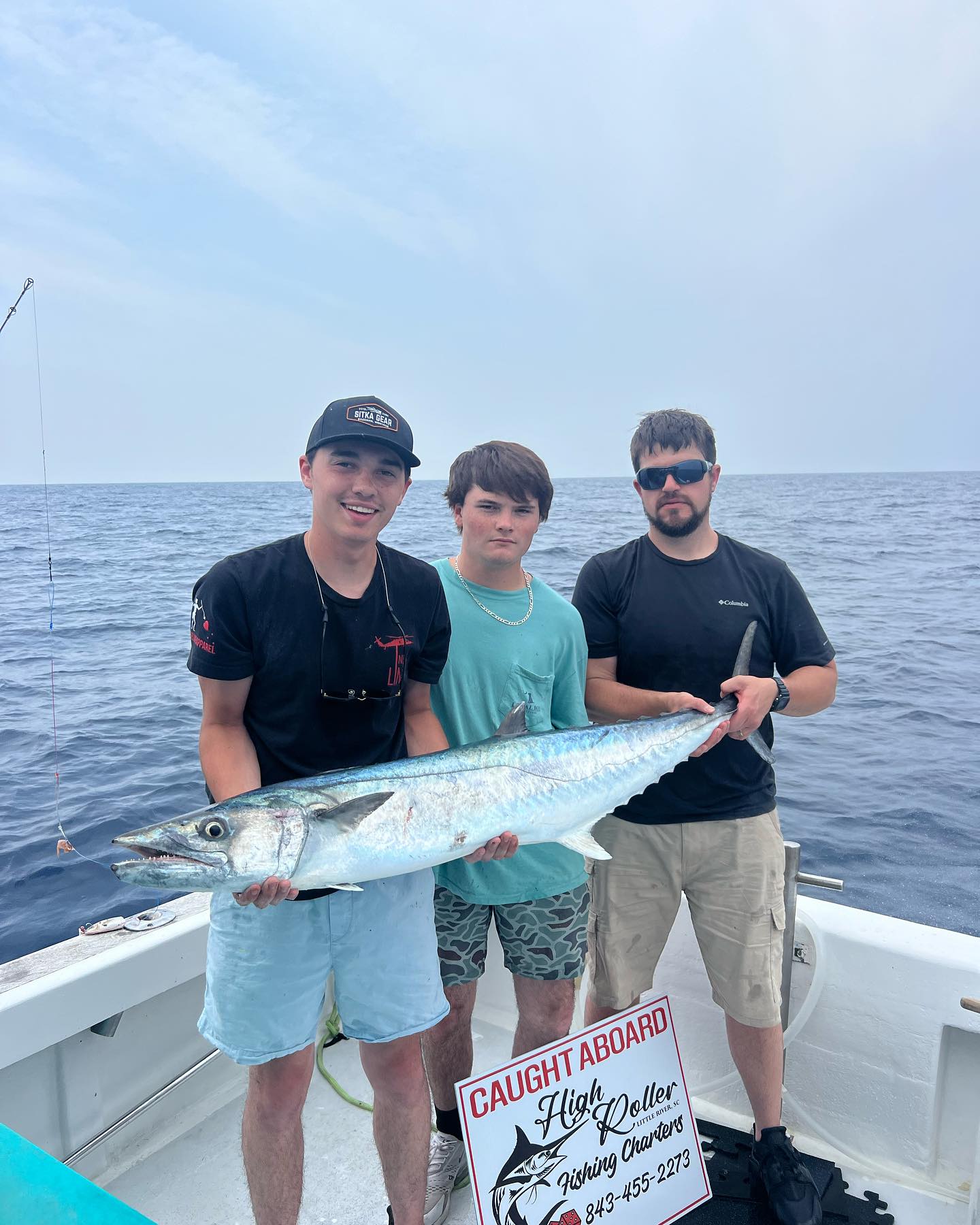
Wahoo are the speed demons of the offshore world, capable of stripping line faster than almost any other fish in the ocean. These torpedoes with teeth prefer high-speed presentations and often hit cedar plugs or strip baits trolled at 12-15 knots. Peak season runs from late fall through early spring when water temperatures drop slightly. A 40-60 pound wahoo will make your reel smoke on that initial run, and their razor-sharp teeth require wire leaders. They're prized for their incredible speed and excellent table fare – firm, white meat that's perfect for the grill.
White Marlin are the holy grail of East Coast offshore fishing. These billfish are smaller than their blue marlin cousins but pound-for-pound some of the most exciting fish you can hook. Summer months offer the best shot at white marlin, particularly around the continental shelf edge. They're notorious for their acrobatic displays, often spending more time in the air than in the water during a fight. Most whites run 50-80 pounds, but don't let the size fool you – they'll give you a workout that'll leave your arms shaking. The thrill of seeing a marlin come up behind a ballyhoo and light it up is something every offshore angler dreams about.
Albacore Tuna are the long-distance travelers that show up when conditions align perfectly. These football-shaped speedsters prefer cooler water and often appear during temperature transitions in spring and fall. They're incredible fighters that combine speed with endurance, making multiple runs and testing every knot in your tackle. Albies typically run 20-40 pounds in these waters but fight well above their weight class. They're also fantastic on the table – the light meat is prized for sashimi and steaks. Finding a school of feeding albacore is like hitting the lottery – fast action with multiple hookups possible.
Atlantic Sailfish are the acrobats of the offshore world, famous for their spectacular jumps and lightning-fast runs. These bills prefer warmer water and are most common during late spring through early fall around Little Water. A hooked sailfish will often jump a dozen times or more, walking across the water on its tail in displays that'll leave you speechless. Most sails run 30-50 pounds but their fighting ability far exceeds their size. They're typically released after a quick photo, making them a conservation success story that future generations of anglers can enjoy.
Time to Book Your Spot
 Private Trip
 Offshore Fishing
 Little River, SC, United States


 13-hour offshore bluewater trolling adventure in deep waters