NC Offshore Fishing: Full Day Deep Water Adventure
When you're ready to leave the inshore crowds behind and chase the real monsters of the Atlantic, Hoo Hunter Sportfishing has got your back. We're talking about pushing 25-35 miles offshore into North Carolina's prime blue water hunting grounds, where the continental shelf drops off and the big boys come to play. This isn't your weekend warrior trip – it's a serious angling adventure that puts you face-to-face with some of the Atlantic's most sought-after gamefish. Whether you're after that trophy sailfish photo or looking to load the cooler with mahi fillets, these deep water expeditions deliver the kind of fishing that keeps you dreaming about the next trip.
What to Expect on the Water
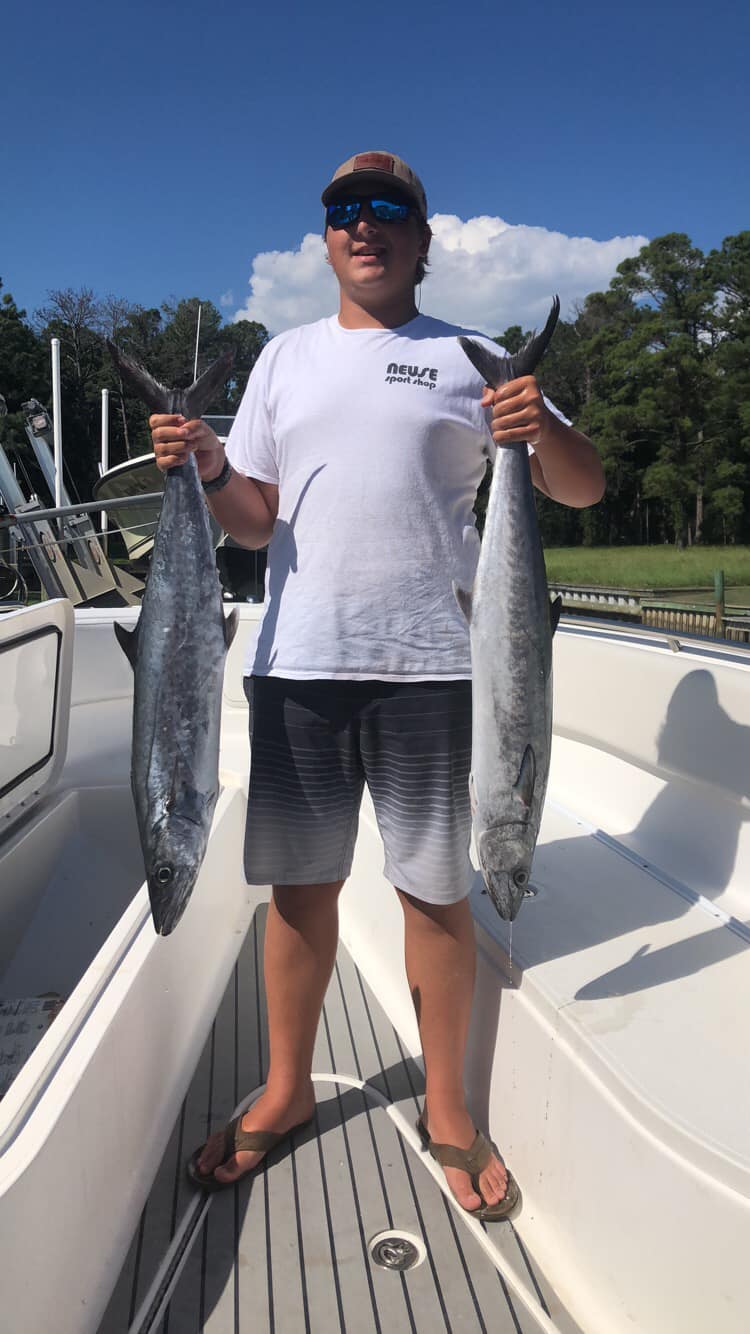
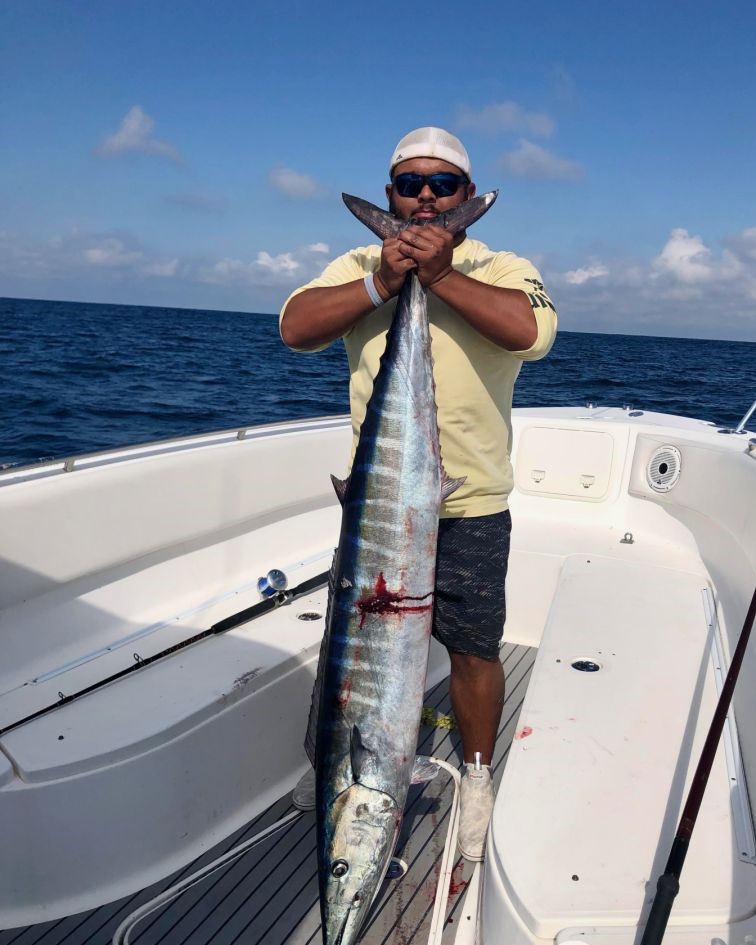
Your day starts early – and I mean early. We're usually looking at a pre-dawn departure to maximize our time in the productive waters. The run out takes about an hour and a half, giving you time to rig up, talk strategy, and watch the coastline fade into the distance. Once we hit that blue water, you'll know you're in fish country. The water color changes from green to that deep sapphire blue, and suddenly you're in a completely different world. Depending on what we're targeting and what the fish are telling us, we might start with some high-speed trolling for kings and mahi, or set up on a productive bottom spot for grouper and amberjack. The beauty of these full-day trips is we have the flexibility to adapt to what's biting and what you want to catch. Some days the mahi are so thick you can't keep the lines in the water, other days we're grinding it out on the bottom for those big gag grouper. That's fishing – and that's what makes it addictive.
Trolling and Bottom Fishing
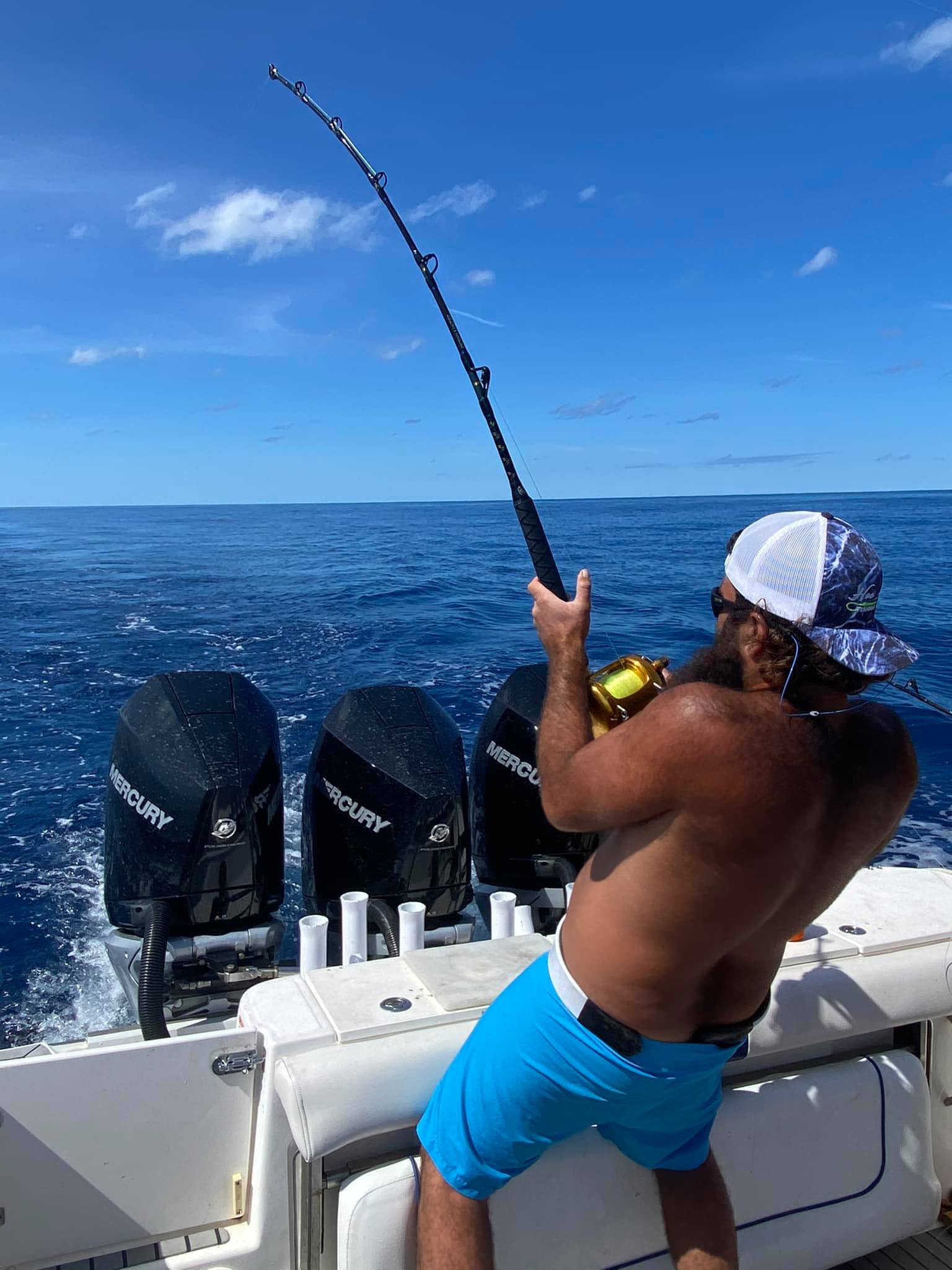
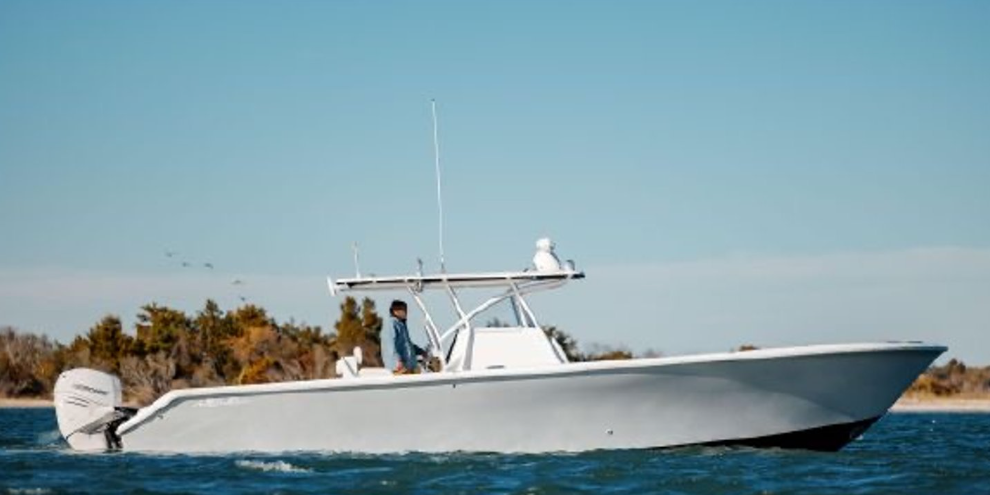
We run a versatile operation out here, switching between techniques based on conditions and what's hot. For the pelagic species like mahi and sailfish, we're pulling a spread of trolling lures – usually a mix of skirted ballyhoo, cedar plugs, and some flashy artificials. The key is covering water and staying in that 68-72 degree temperature range where the baitfish stack up. When we mark bait on the fishfinder, that's when things get interesting. For the bottom fishing, we're talking about serious tackle – heavy conventional reels spooled with braid, and enough weight to get down in 80-120 feet of water with some current running. The bottom structure out here is incredible – old shipwrecks, natural ledges, and rocky outcroppings that hold everything from massive amberjack to keeper-sized grouper. We use a mix of live bait when we can get it, and fresh cut bait like cigar minnows and squid. The trick is getting your bait down fast and keeping it in the strike zone before the sharks and barracuda tax you.
Target Species
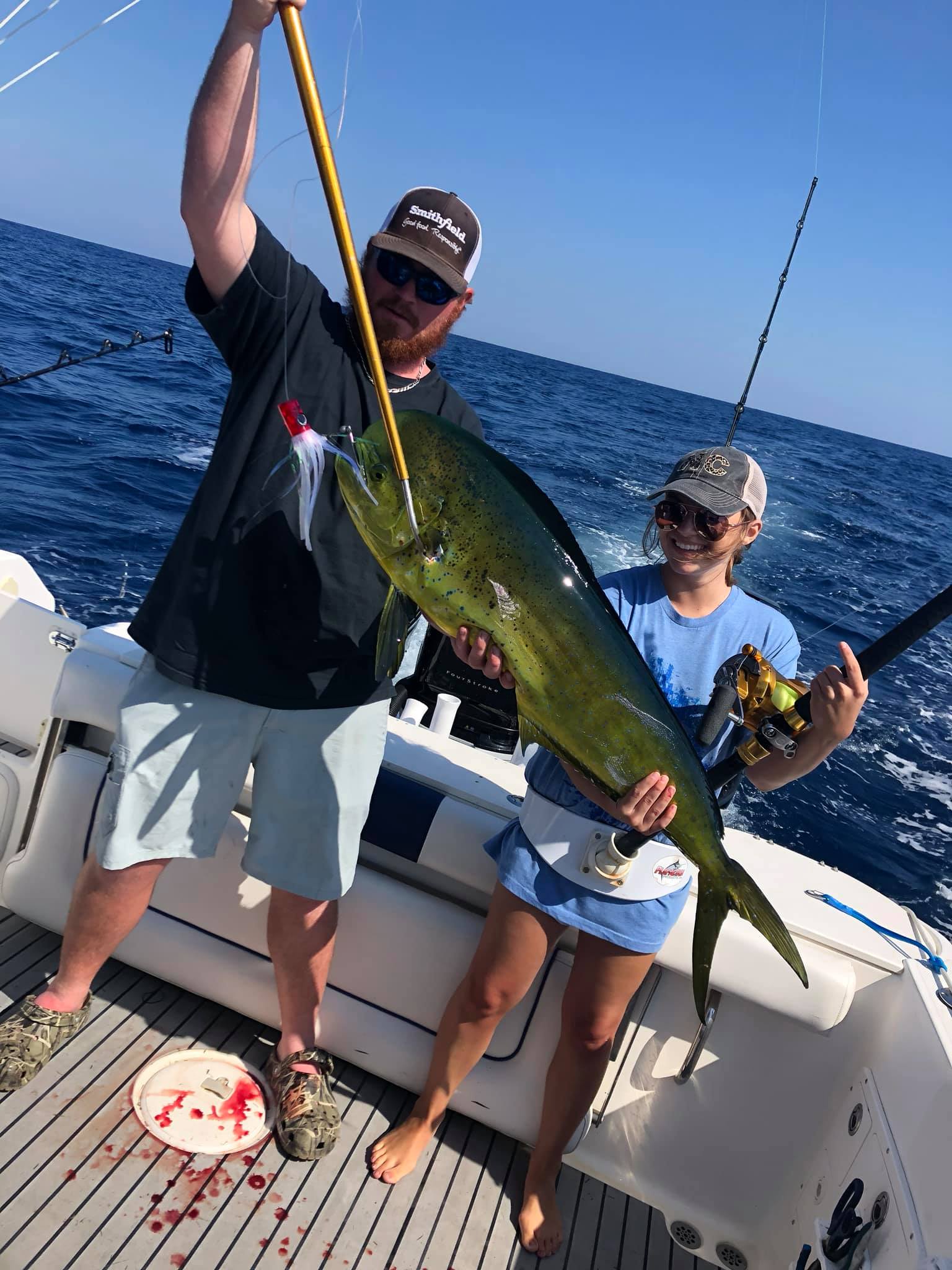
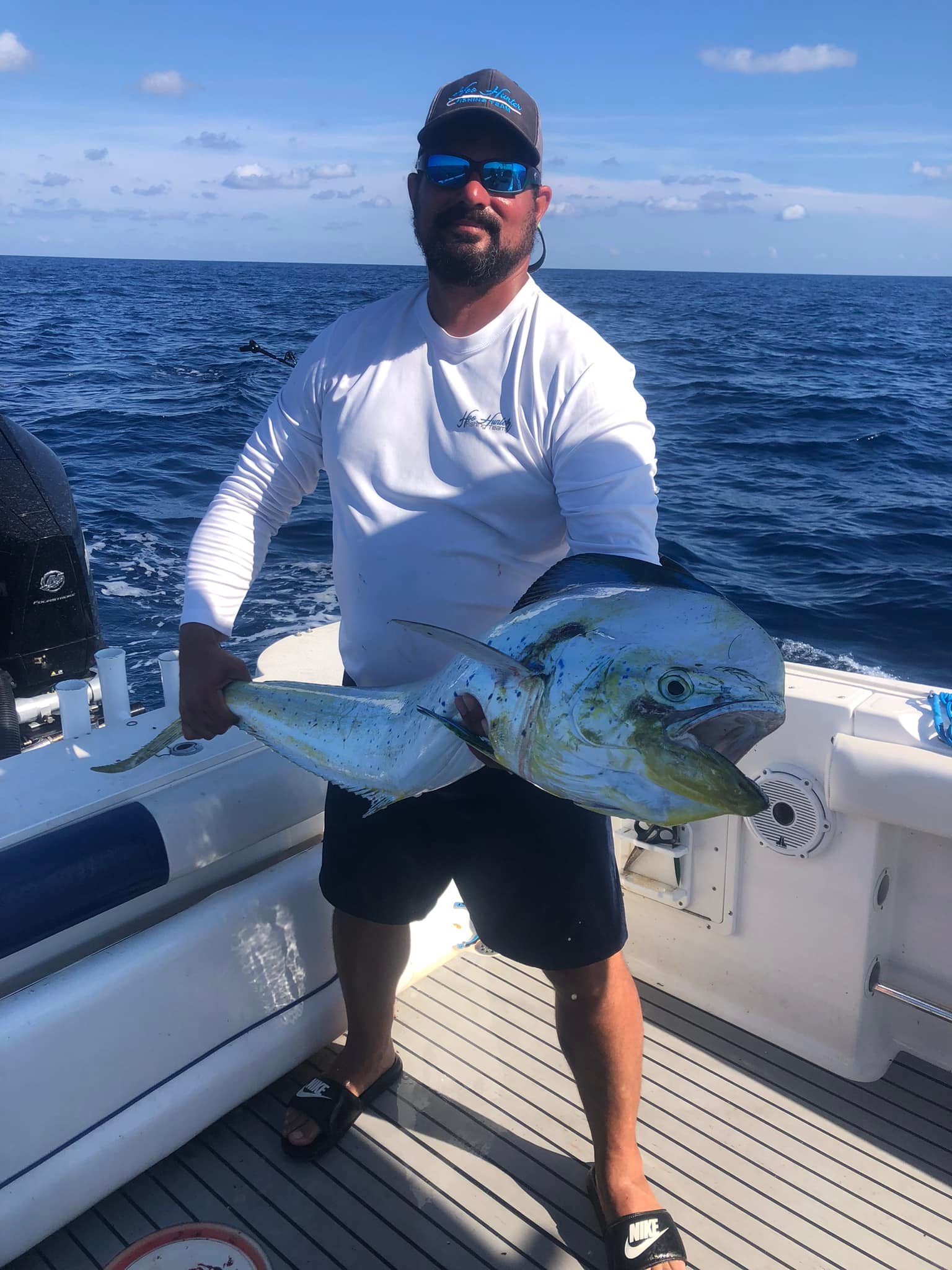
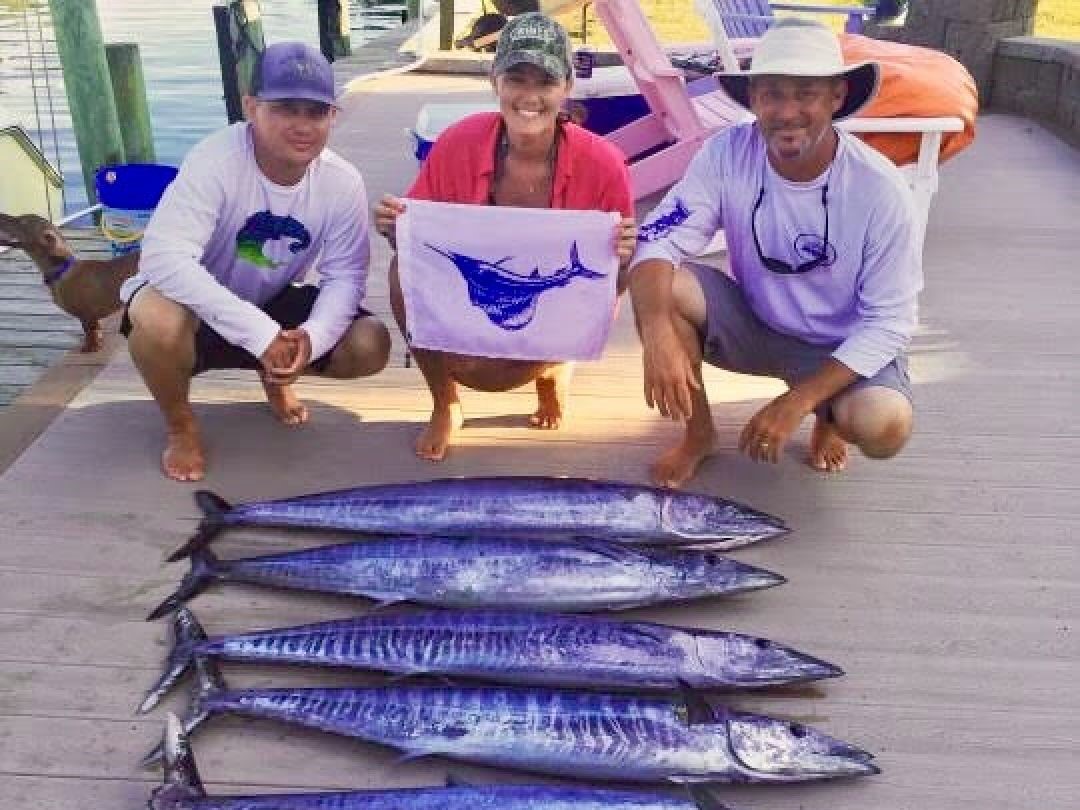
Mahi mahi are the bread and butter of our offshore program, and for good reason. These fish are pure gold – they fight like crazy, they're absolutely beautiful, and they eat like candy. Peak season runs from late spring through early fall, with the best action typically happening when we find floating debris, weed lines, or temperature breaks. A decent mahi runs 15-25 pounds, but we see plenty of bulls pushing 40+ pounds out here. What makes them so special is their aerial acrobatics – these fish will jump, tail-walk, and put on a show that'll have you grinning from ear to ear. Plus, there's nothing quite like fresh mahi tacos after a successful day on the water.
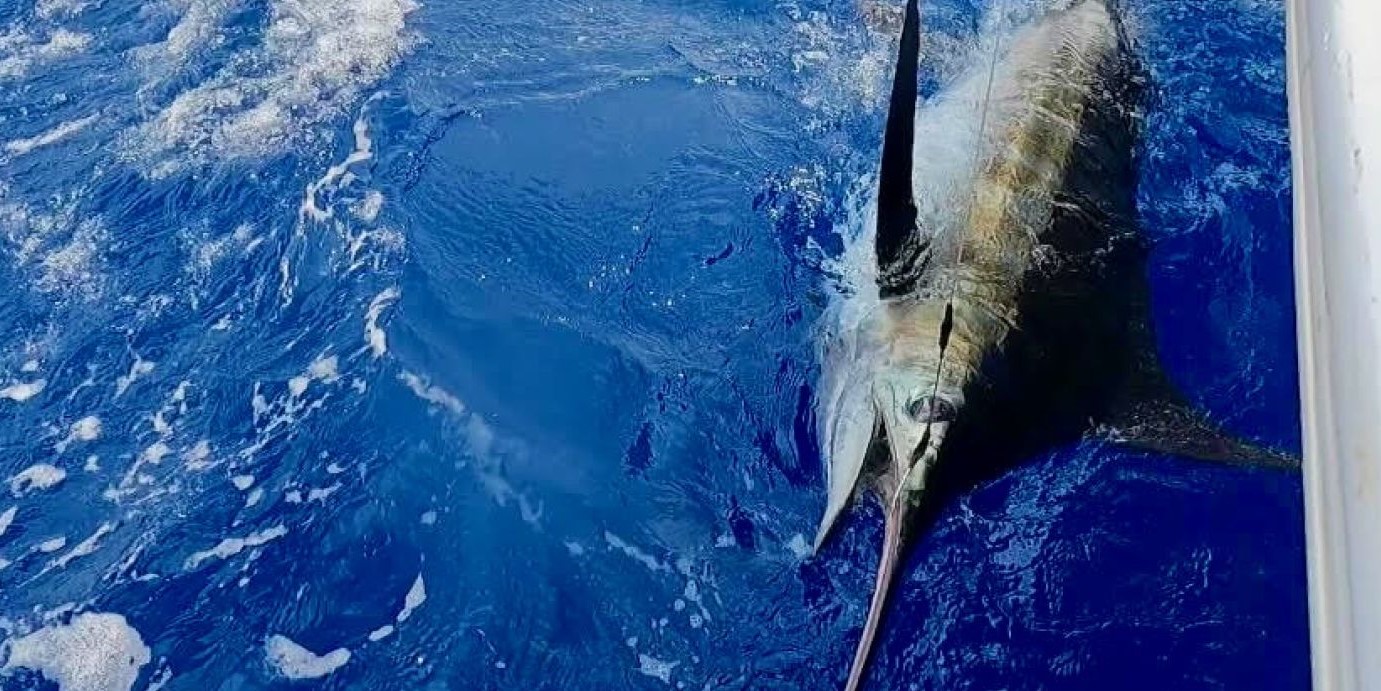
Atlantic sailfish represent the pinnacle of offshore fishing in North Carolina waters. These apex predators show up primarily during the cooler months, with peak action from November through March when the water temperatures drop into that sweet 70-75 degree range. A typical sail runs 6-7 feet and 40-60 pounds of pure lightning. When one lights up behind your teaser and comes up with that sail fully extended, your heart stops for a second. They're catch-and-release only, but trust me – the photos and memories from a good sailfish bite will last a lifetime. These fish test every aspect of your angling skills, from the initial hookup to the final leader grab.
Gag grouper are the prize of the bottom fishing world, and North Carolina's offshore structure holds some absolute tanks. These fish are smart, strong, and stubborn – everything you want in a gamefish. Prime time is during the cooler months when they move into shallower water to spawn, but we catch quality gags year-round on the deeper ledges. A good gag runs 15-25 pounds, but the real trophies can push 40+ pounds and fight like they're twice that size. The key is getting them up and away from the structure before they can cut you off – once they get their heads down and start heading for a hole, you're in trouble.
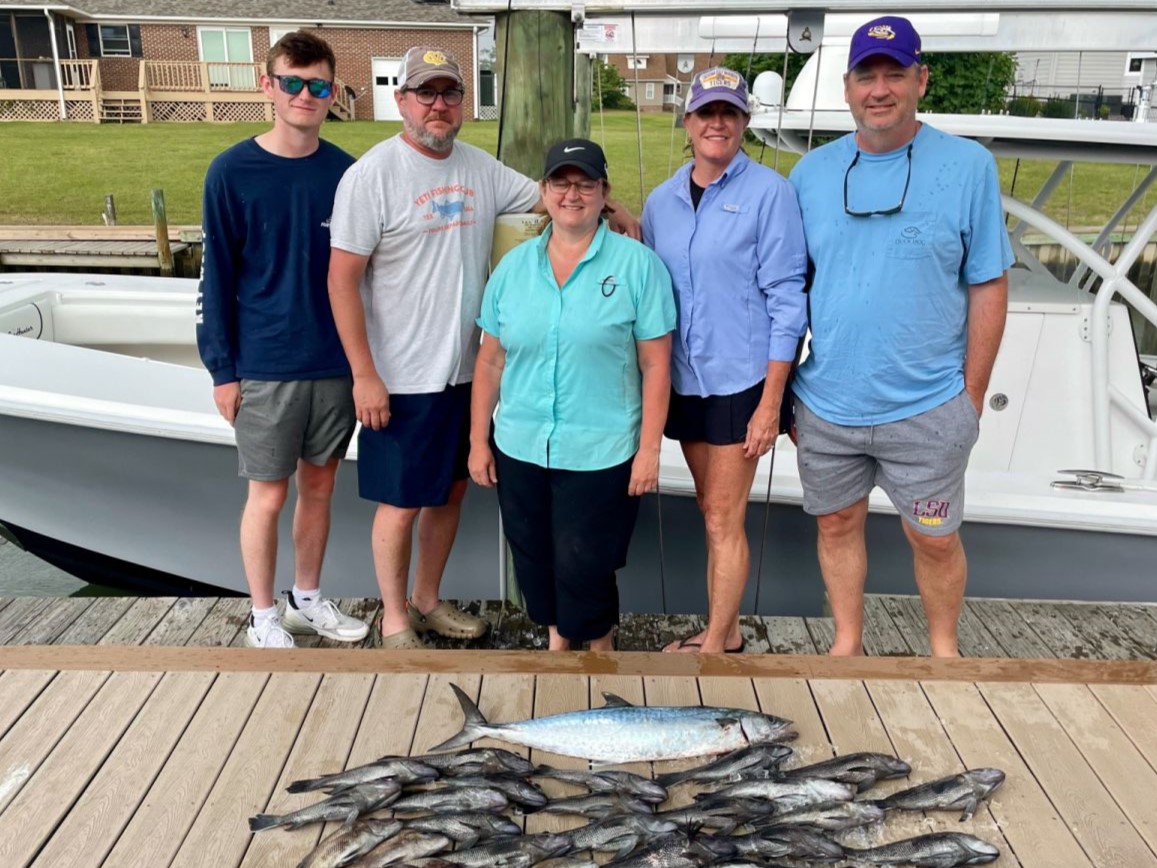
Black sea bass might not get the headlines, but they're one of the most reliable and tasty fish we target. These guys stack up on the bottom structure in numbers, and when you find a good school, you can stay busy for hours. They typically run 2-5 pounds, with some real doorknobs pushing 8+ pounds. What makes sea bass special is their consistency – when other species are finicky, you can usually count on the sea bass to keep the action going. They're also fantastic table fare, with firm white meat that's perfect for the grill or fryer.
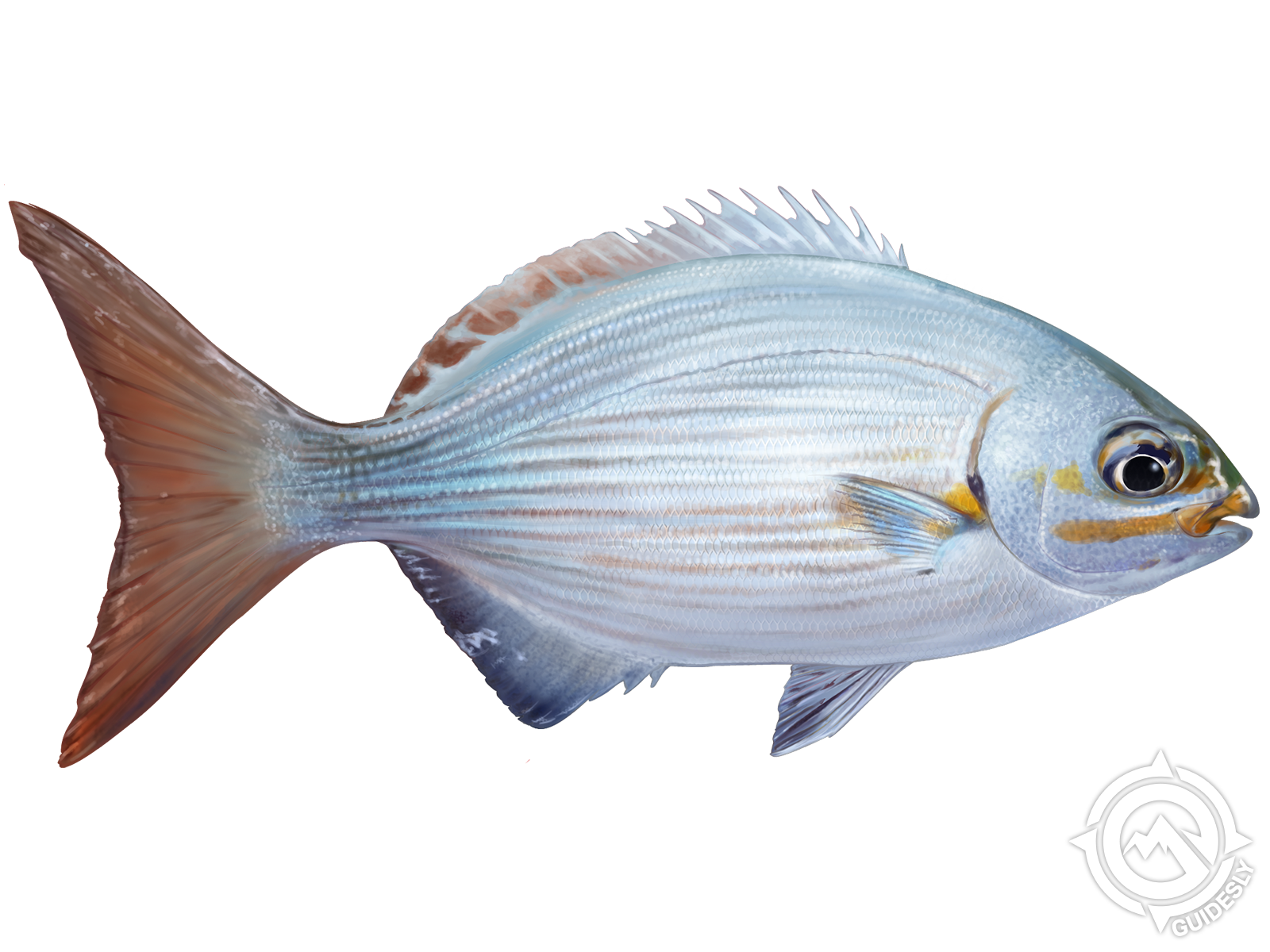
Yellow sea chub are often the unsung heroes of the offshore experience. These scrappy fighters show up around the same structure that holds grouper and amberjack, and they'll absolutely bend a rod. They're not huge – most run 3-8 pounds – but pound-for-pound, they're some of the strongest fish in the ocean. When the bigger fish aren't cooperating, a school of fired-up sea chub can save the day and keep everyone smiling
 Private Trip
 Offshore Fishing
 Washington


 Offshore fishing adventure 25-35 miles into Atlantic waters