Beginner's Guide to Louisiana Inshore Fishing
Looking to dip your toes into Louisiana's legendary fishing scene? Captain Chris has designed this 6-hour trip specifically for folks who've never held a rod or only cast a line a few times. Starting bright and early at 6:30 AM from 161 Marina Rd in Port Sulphur, you'll spend your morning learning the ropes while actually catching fish – not just watching from the sidelines. This isn't some tourist boat packed with strangers; it's a personal fishing lesson where you'll walk away knowing how to read water, set hooks, and fight fish like you've been doing it for years.
What to Expect on the Water
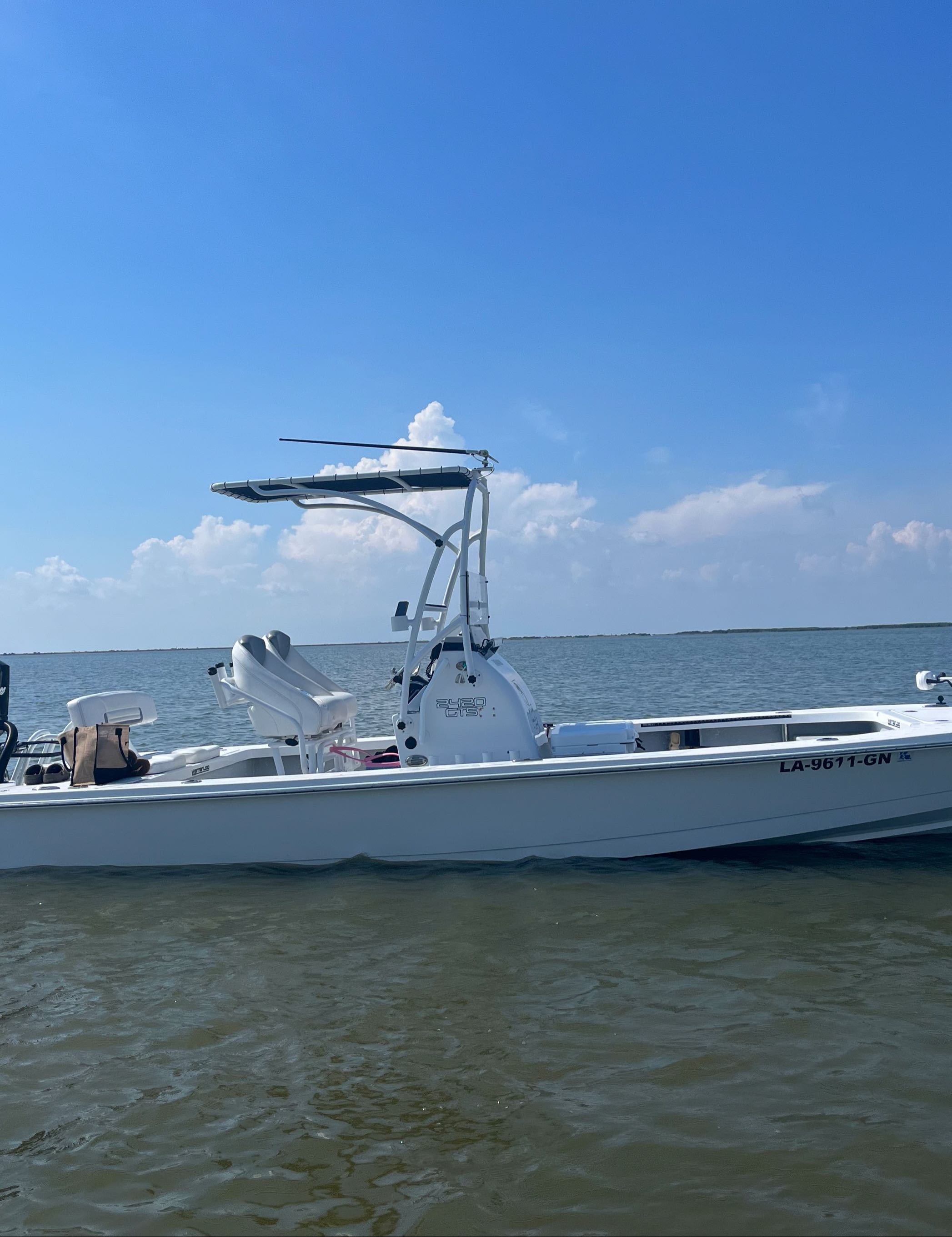
Port Sulphur sits right where the Mississippi River dumps into some of the richest fishing grounds in the Gulf. Captain Chris knows these backwaters like his own backyard, and he's picked this spot because it's forgiving for beginners but still loaded with fish. You'll be fishing the marshy flats and deeper channels where redfish cruise the shallows and sea trout hang around oyster beds. The boat stays in protected waters, so you won't be bouncing around in rough seas while trying to learn. This trip books just one angler, but you can bring up to three buddies for fifty bucks each – perfect if you want to learn together or show off your new skills to friends. All your gear is included, from rods and reels to tackle and bait, so just bring yourself and a Louisiana fishing license.
Bottom Fishing & Light Tackle
Captain Chris focuses on two main techniques that'll serve you well anywhere you fish in Louisiana. Bottom fishing is exactly what it sounds like – dropping your bait down to where fish are feeding on crabs and shrimp near the seafloor. You'll learn to feel the difference between a fish bite and your sinker bouncing on bottom, plus how to set the hook when something grabs hold. Light tackle fishing uses smaller rods and reels that let you feel every head shake and run. It's way more fun than heavy gear, and in these inshore waters, you don't need boat anchor-sized equipment to land good fish. Captain Chris will show you how to work soft plastics and live bait, read your line for subtle bites, and fight fish without breaking them off. These aren't complicated tournament techniques – they're the bread and butter methods that put fish in the boat day after day.
Top Catches This Season
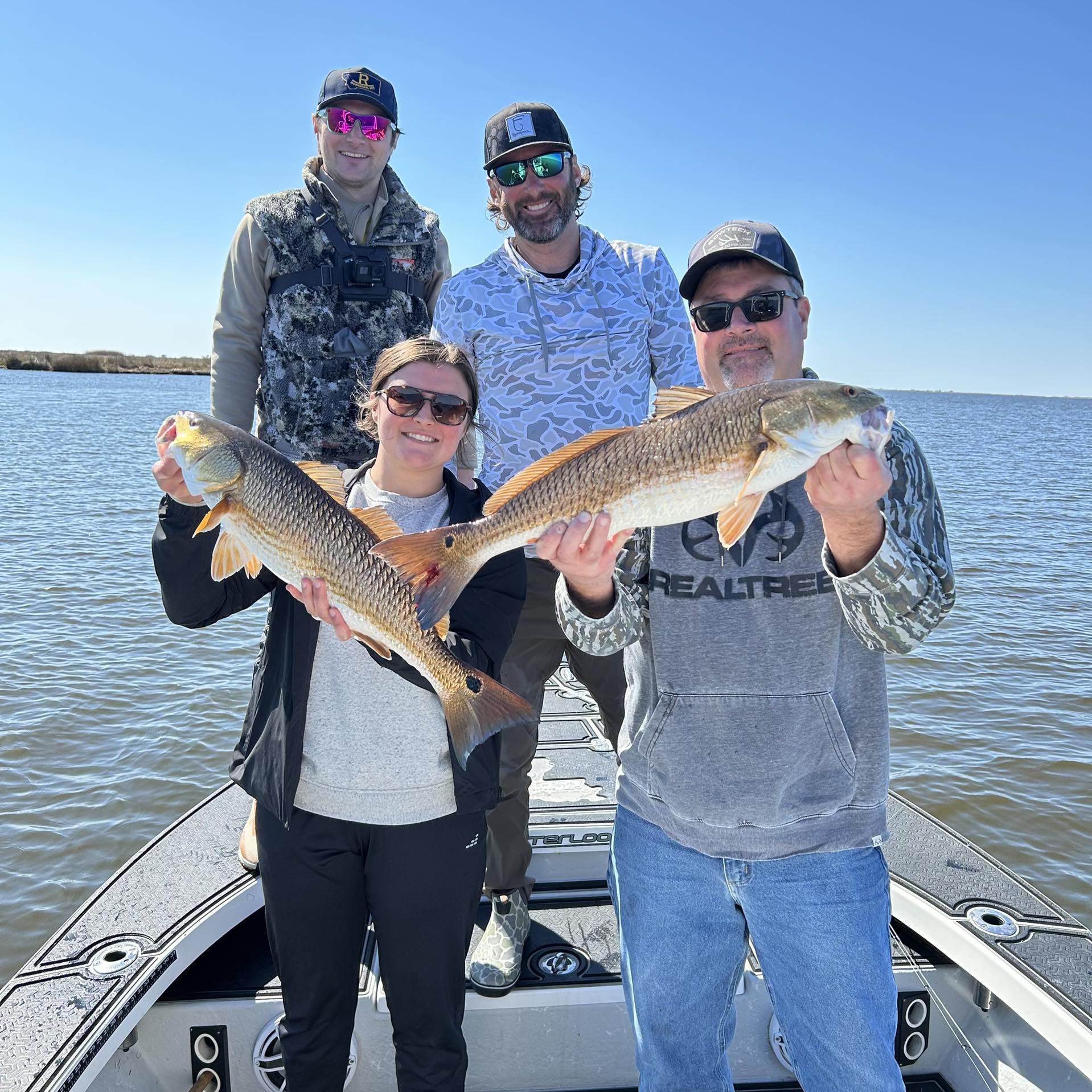
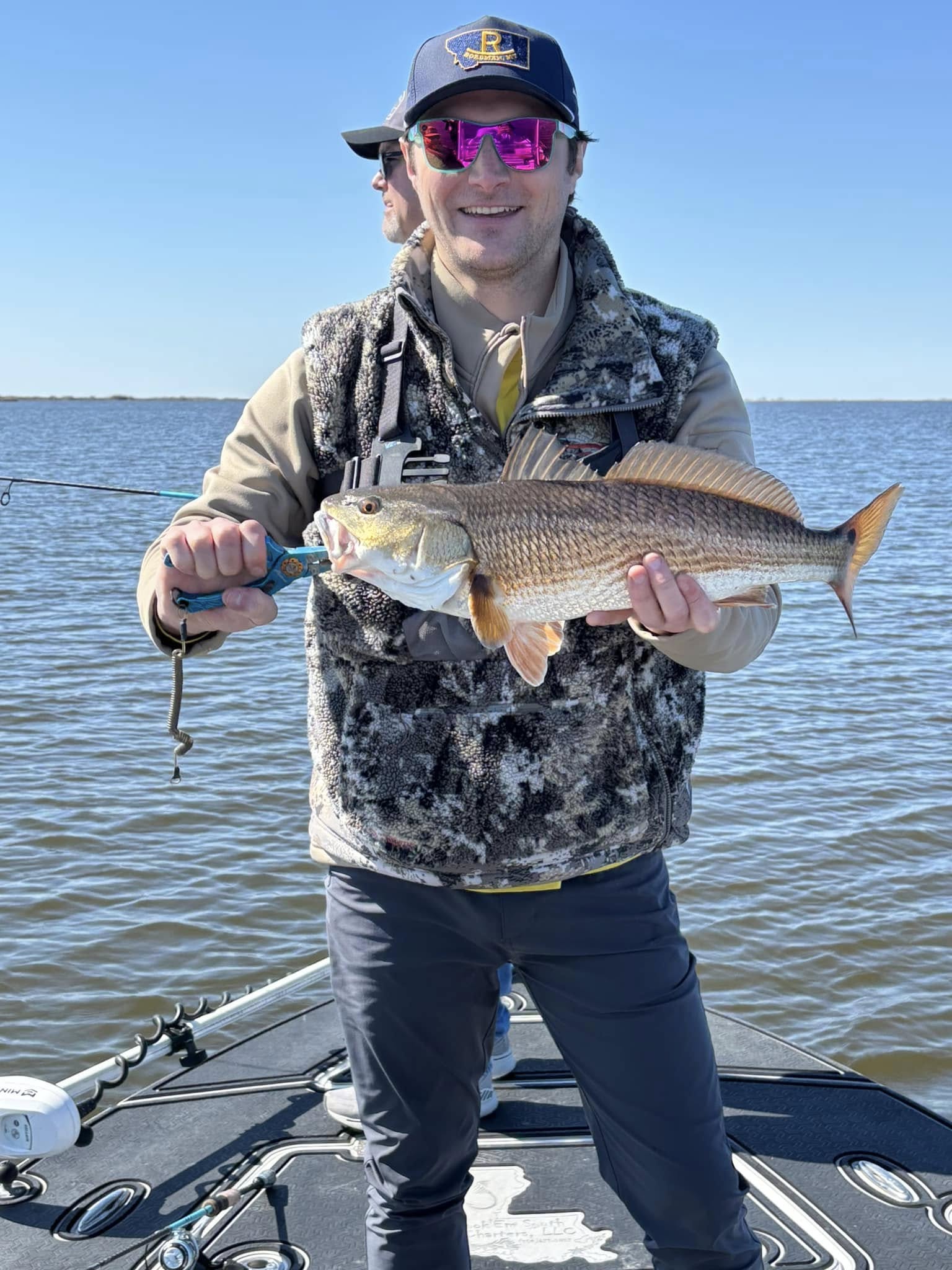
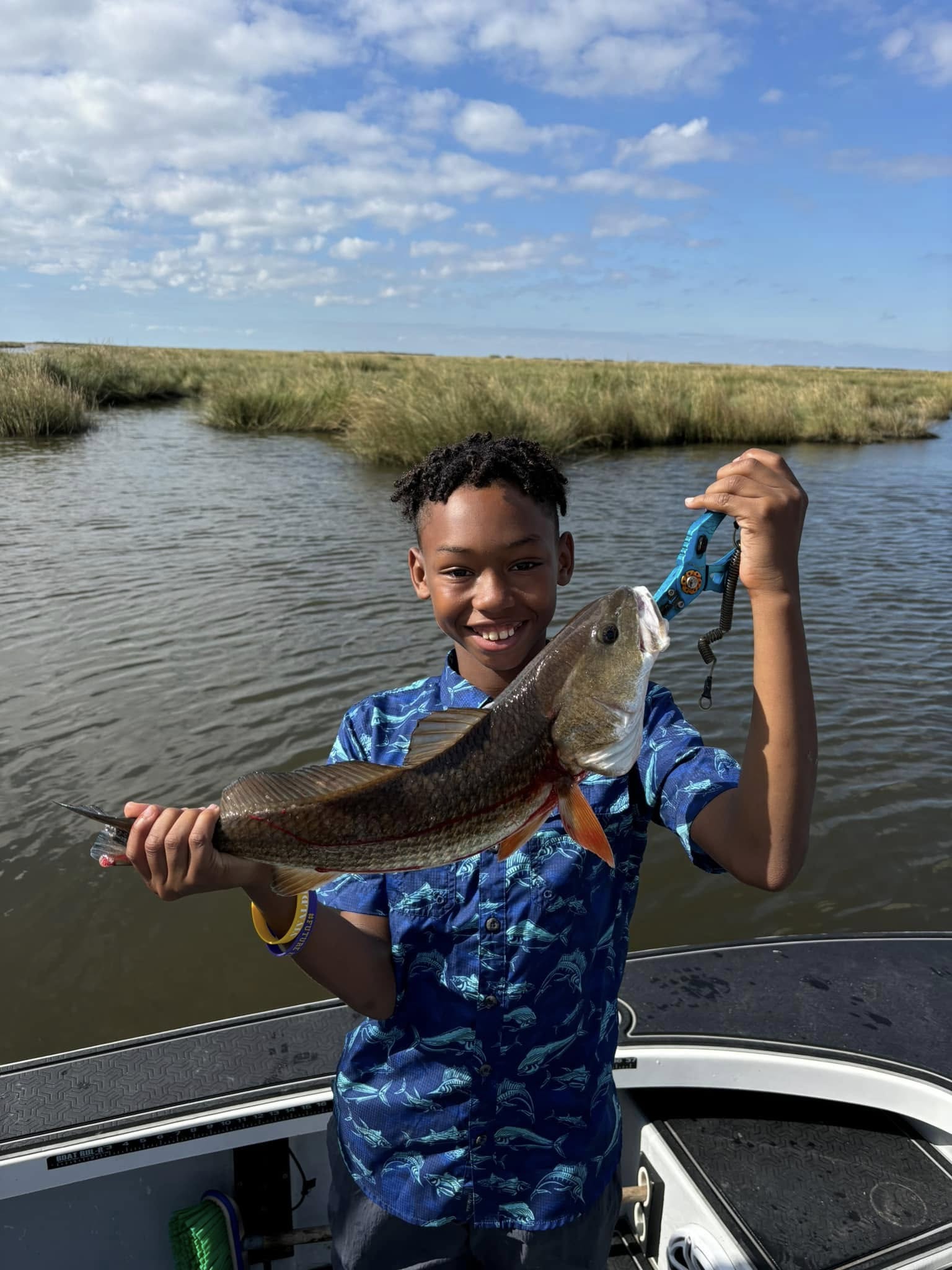
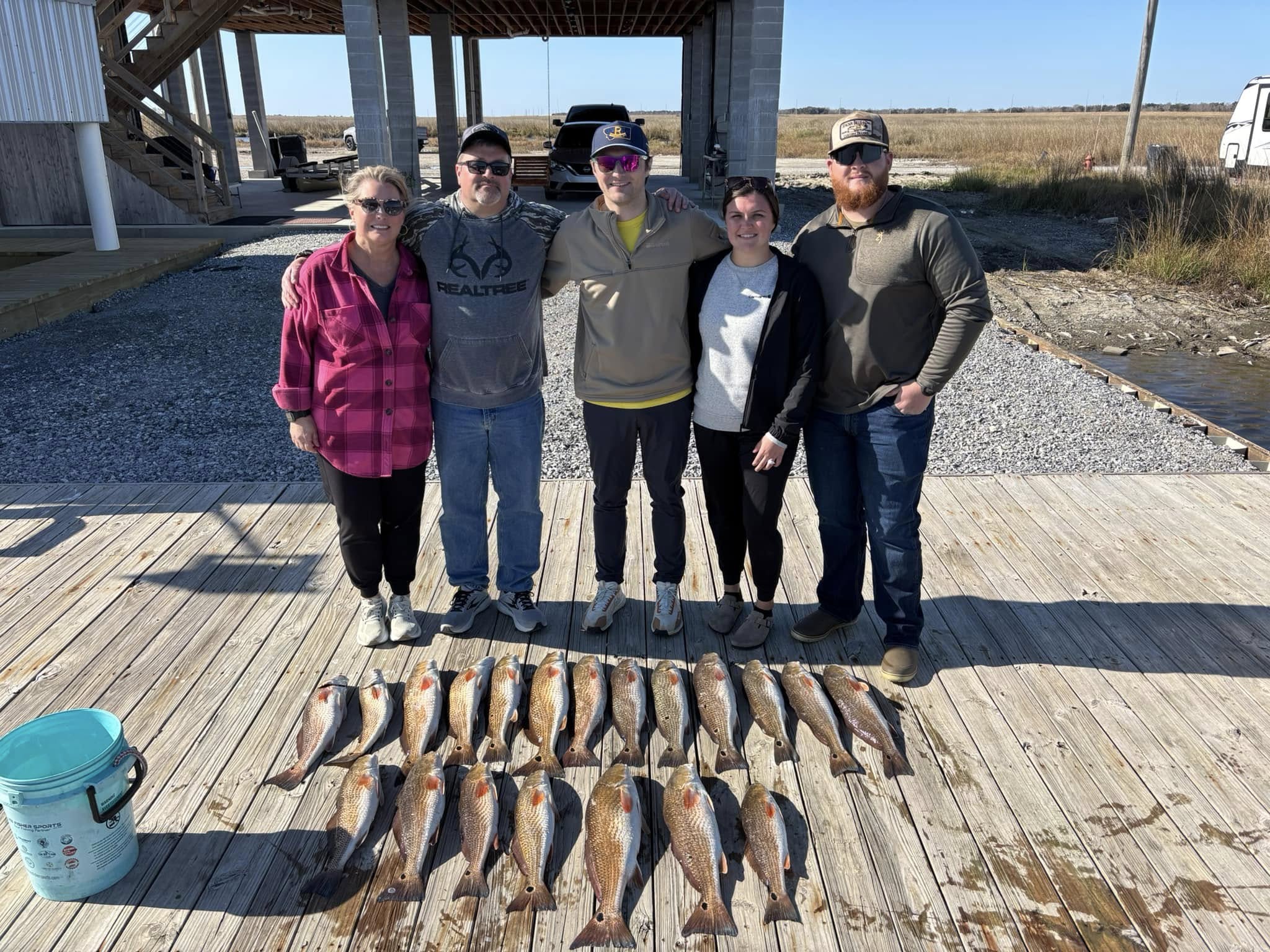
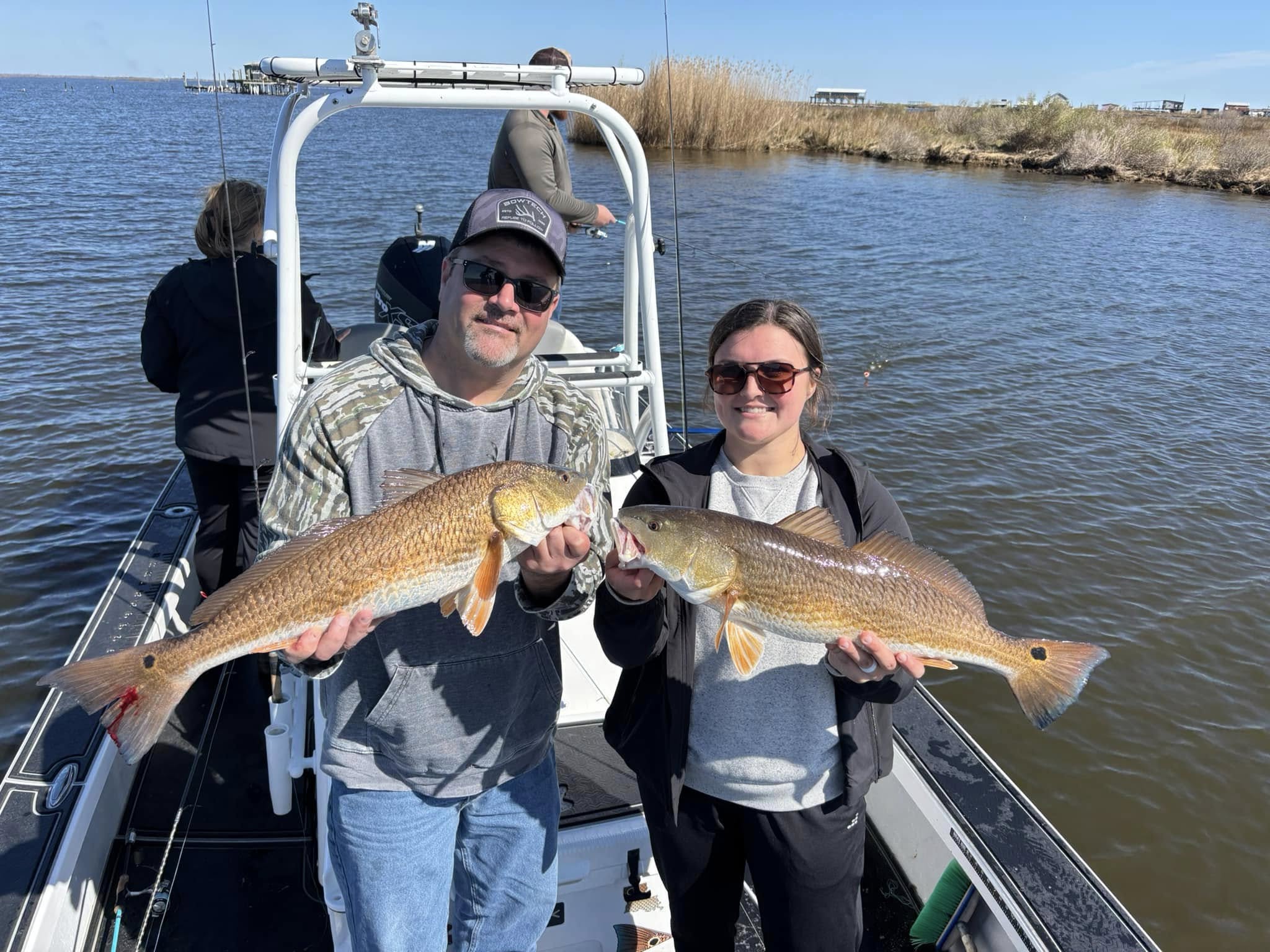
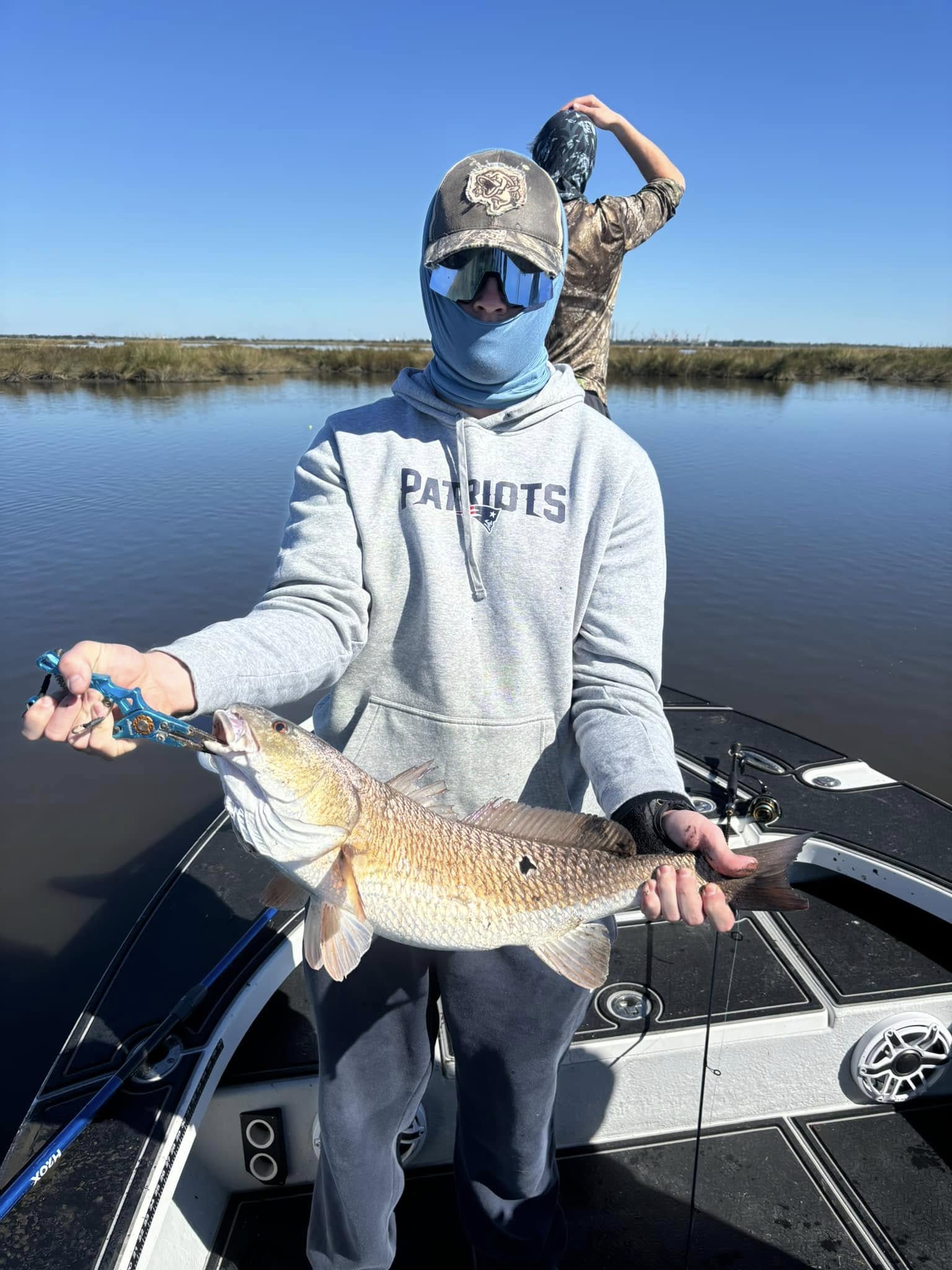
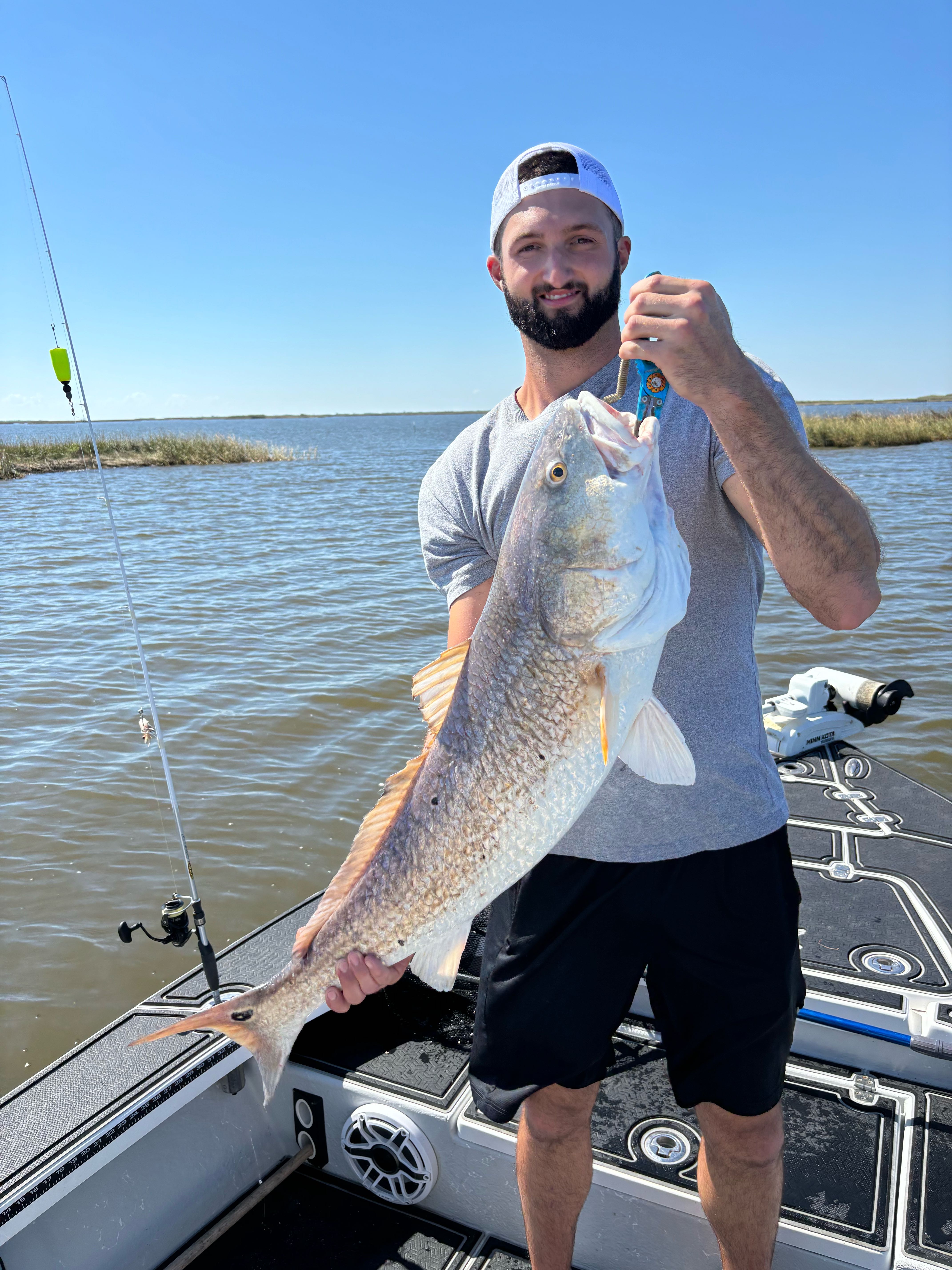
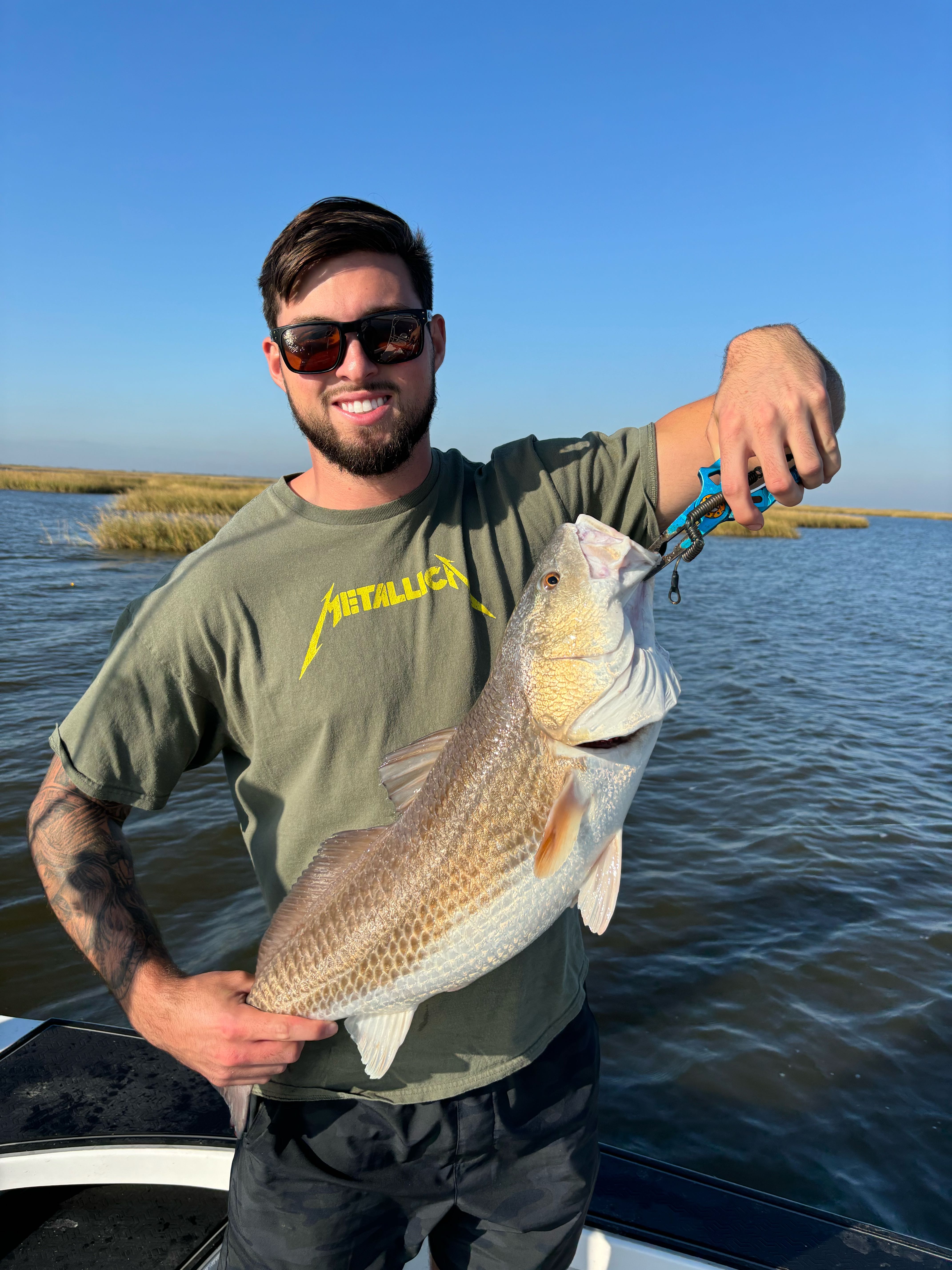
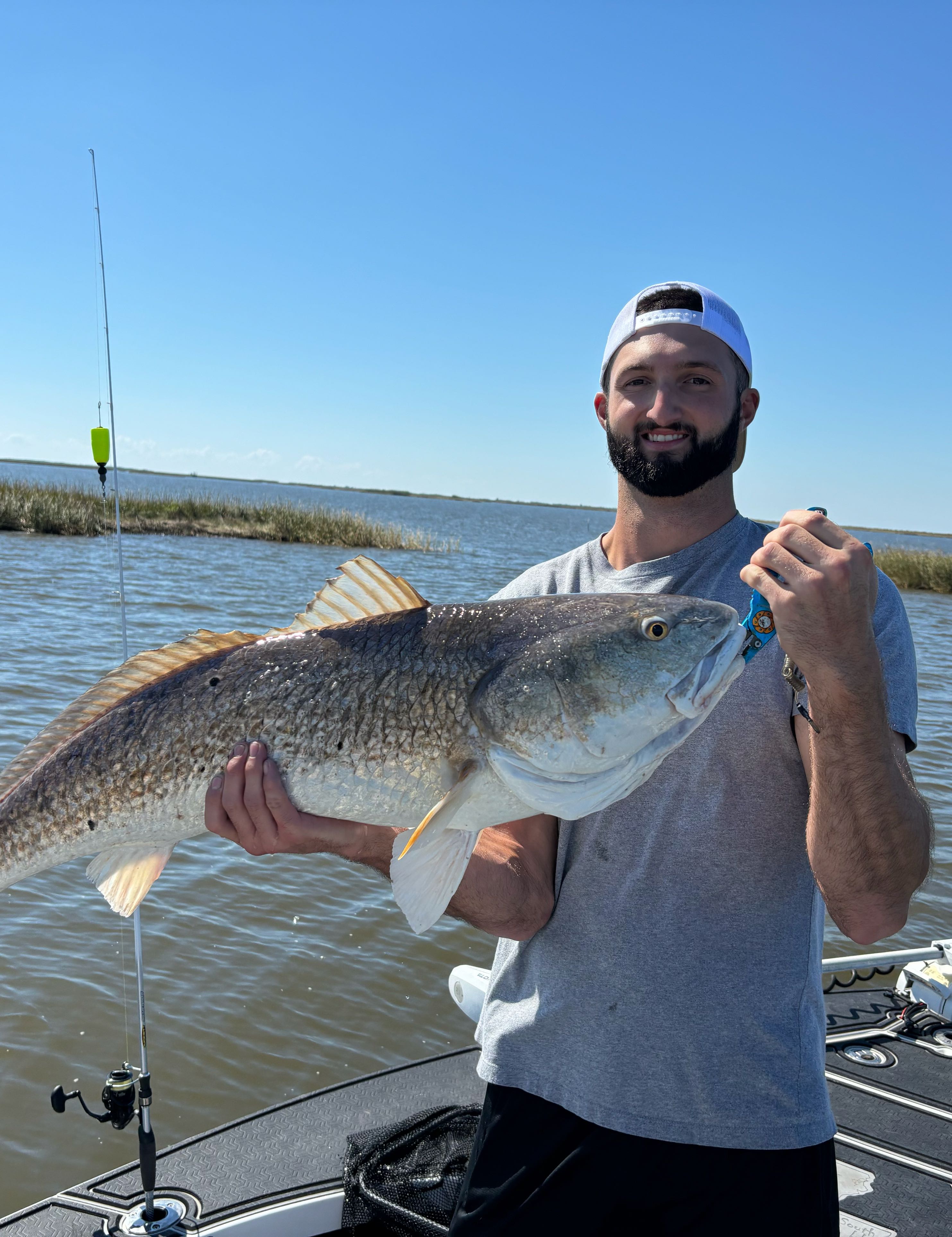
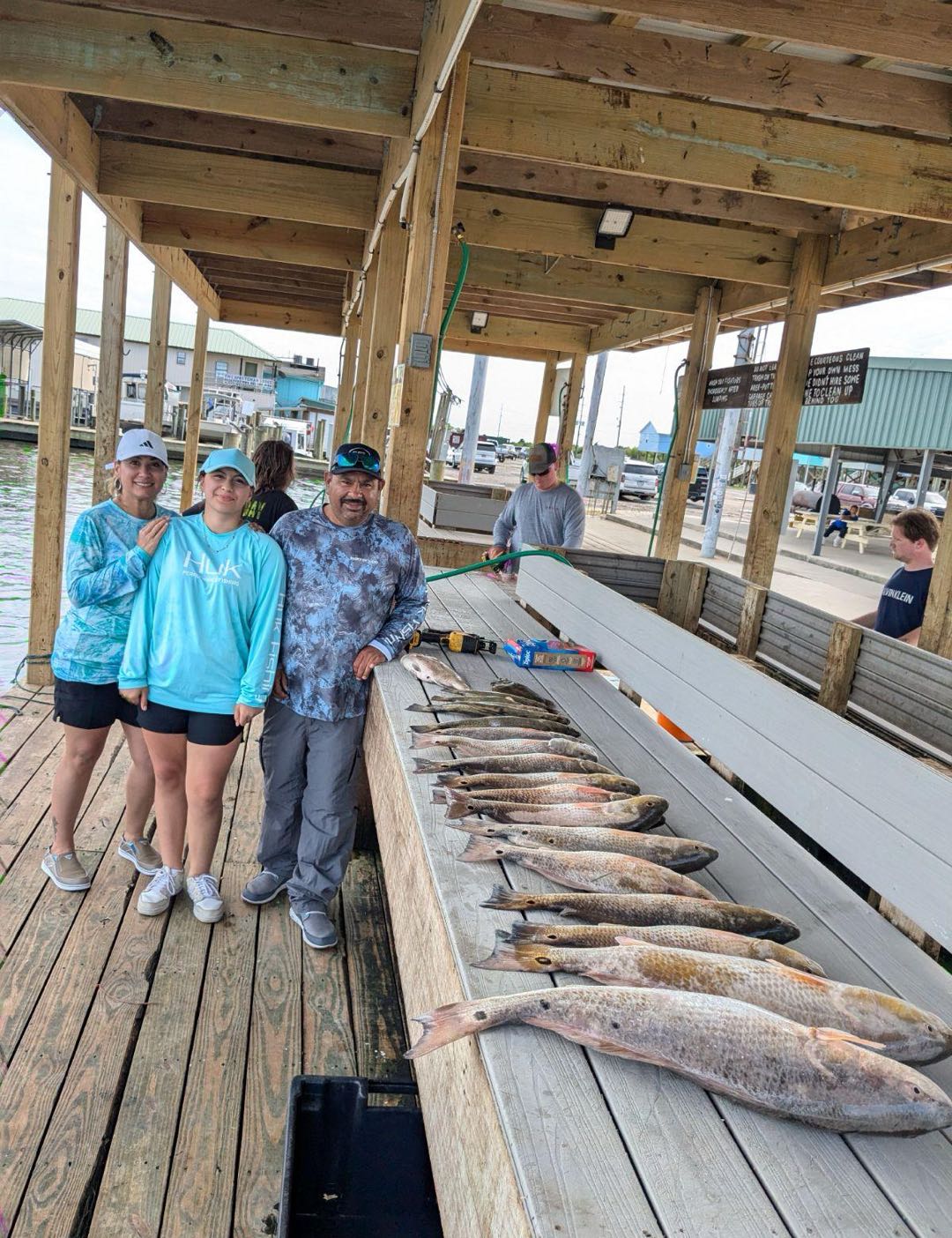
Redfish are the stars of Louisiana inshore fishing, and for good reason. These copper-colored bruisers fight like they're twice their size and show up year-round in the marshes around Port Sulphur. They'll eat just about anything you throw at them – live shrimp, cut bait, or soft plastic lures bounced along the bottom. Most redfish you'll catch run between 20 and 30 inches, perfect eating size with firm white meat. They're aggressive feeders that often travel in schools, so when you find one, there's usually more nearby. The best part? They're not spooky like some fish, making them perfect for beginners who might make a little noise or take time getting their bait in the water.
Sea trout, or speckled trout as locals call them, are another customer favorite on these trips. They're beautiful fish with distinct black spots along their silvery sides, and they put up a scrappy fight on light tackle. Specks love to hang around grass beds and oyster reefs where they can ambush small baitfish. They're more finicky than redfish, which makes them great for learning to detect subtle bites. Spring through fall offers the best action, with fish ranging from 14 to 20 inches. Their delicate mouths mean you'll learn proper hook-setting technique – too hard and you'll pull the hook right out.
Sheepshead might look funny with their human-like teeth, but they're some of the best eating fish in these waters. They're structure-oriented, hanging around pilings, rocks, and oyster bars where they can crunch on barnacles and small crabs. Catching sheepshead teaches you patience and finesse – they're notorious bait thieves that can clean your hook without you feeling a thing. When you do hook one, they make powerful runs toward cover. Most run between 12 and 16 inches, and their firm white meat rivals any restaurant fish you've ever had.
Black drum are the heavyweights of this group, with fish over 30 pounds common in Louisiana waters. Younger drum, called puppy drum, are excellent eating and fight surprisingly hard for their size. They're bottom feeders that love crab and shrimp, making them perfect targets for the bottom fishing techniques you'll learn. Drum fishing teaches you to detect subtle bites – they often just swim away with your bait rather than hitting it hard. When you hook a big one, you'll know why anglers get addicted to this fishery.
Red snapper round out the target species list, though they're more seasonal and depend on regulations. When they're open, snappers are some of the most sought-after fish in the Gulf. They're aggressive biters that live around structure in deeper water. Hooking a snapper means you're in for a fight – they'll try to get back to their rocky home and cut your line. Their bright red color and excellent table fare make them a prized catch that'll have you planning your next trip before you even get back to the dock.
Time to Book Your Spot
This trip fills up fast, especially during prime fishing months when the bite is hot. Captain Chris keeps groups small so you get the personal attention that turns beginners into confident anglers. The 6:30 AM start time puts you on the water during prime feeding hours when fish are most active. Remember to grab your Louisiana fishing license before the trip – you can get one online or at most tackle shops. Deposits are non-refundable, so make sure your schedule is clear. Whether you're looking to try something new
 Private Trip
 Inshore Fishing
 Port Sulphur


 Six-hour beginner fishing trip targeting redfish and sea trout