Full Day Fishing Trip on Cass Lake & Lake Bemidji
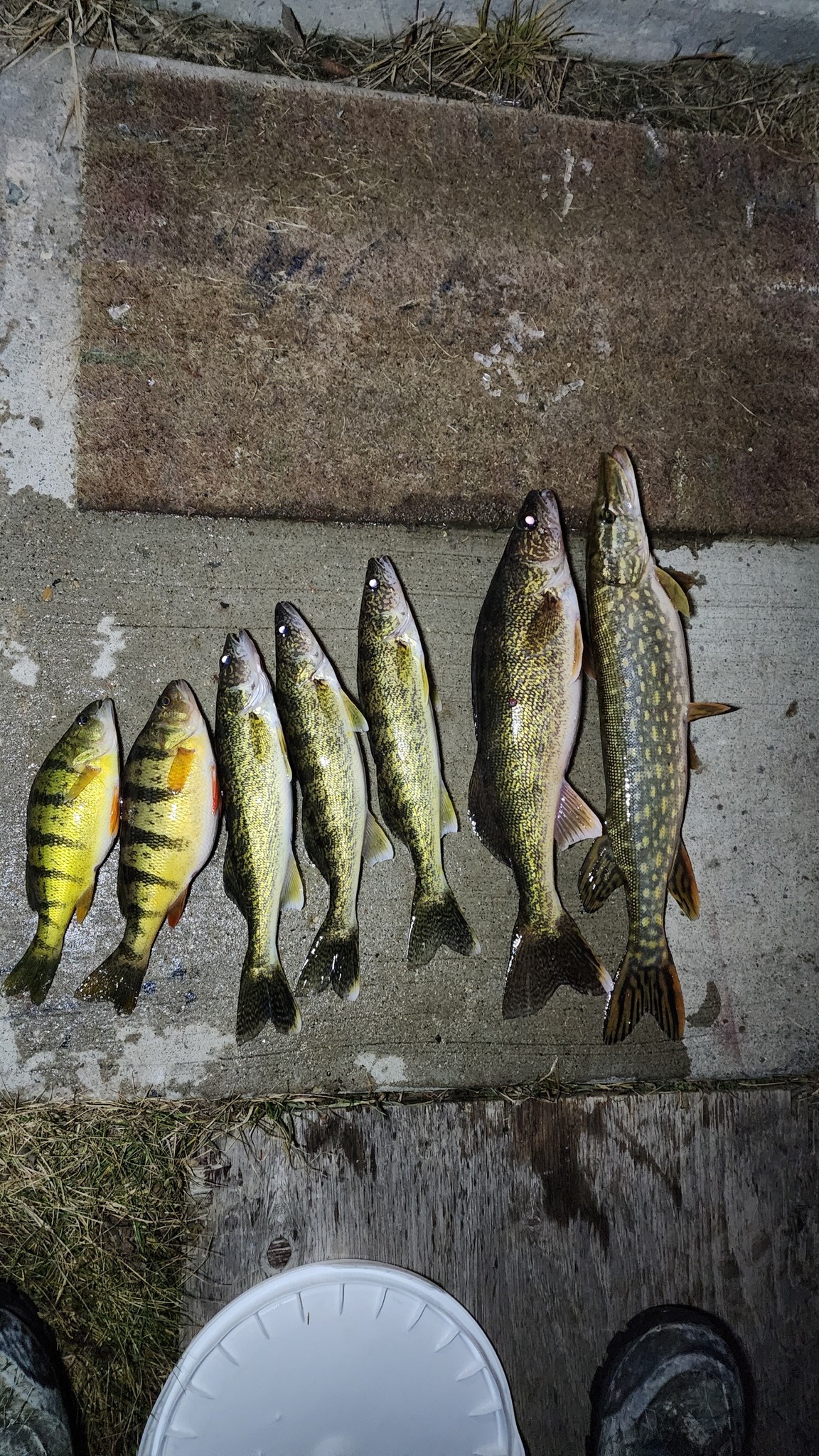
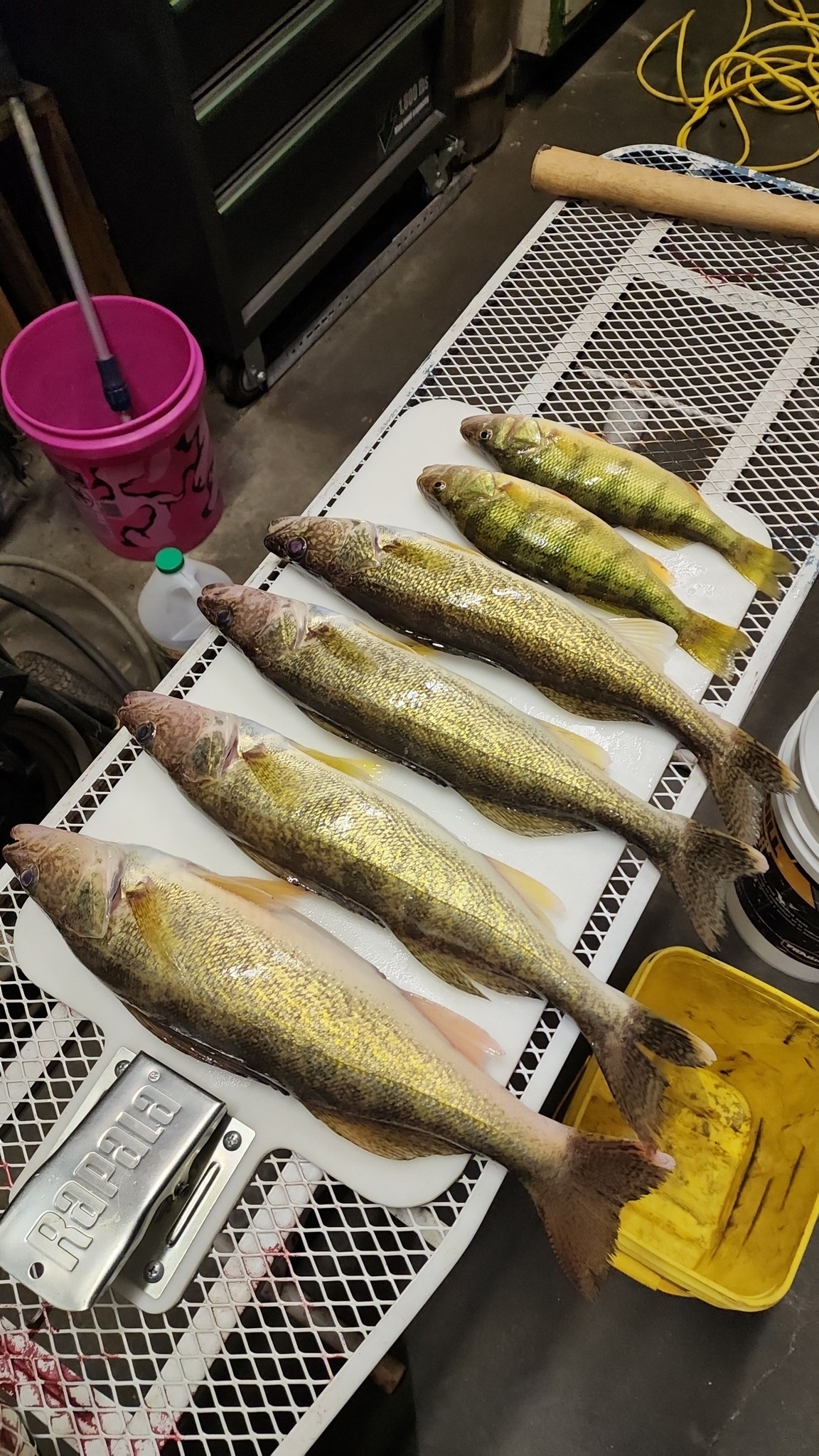
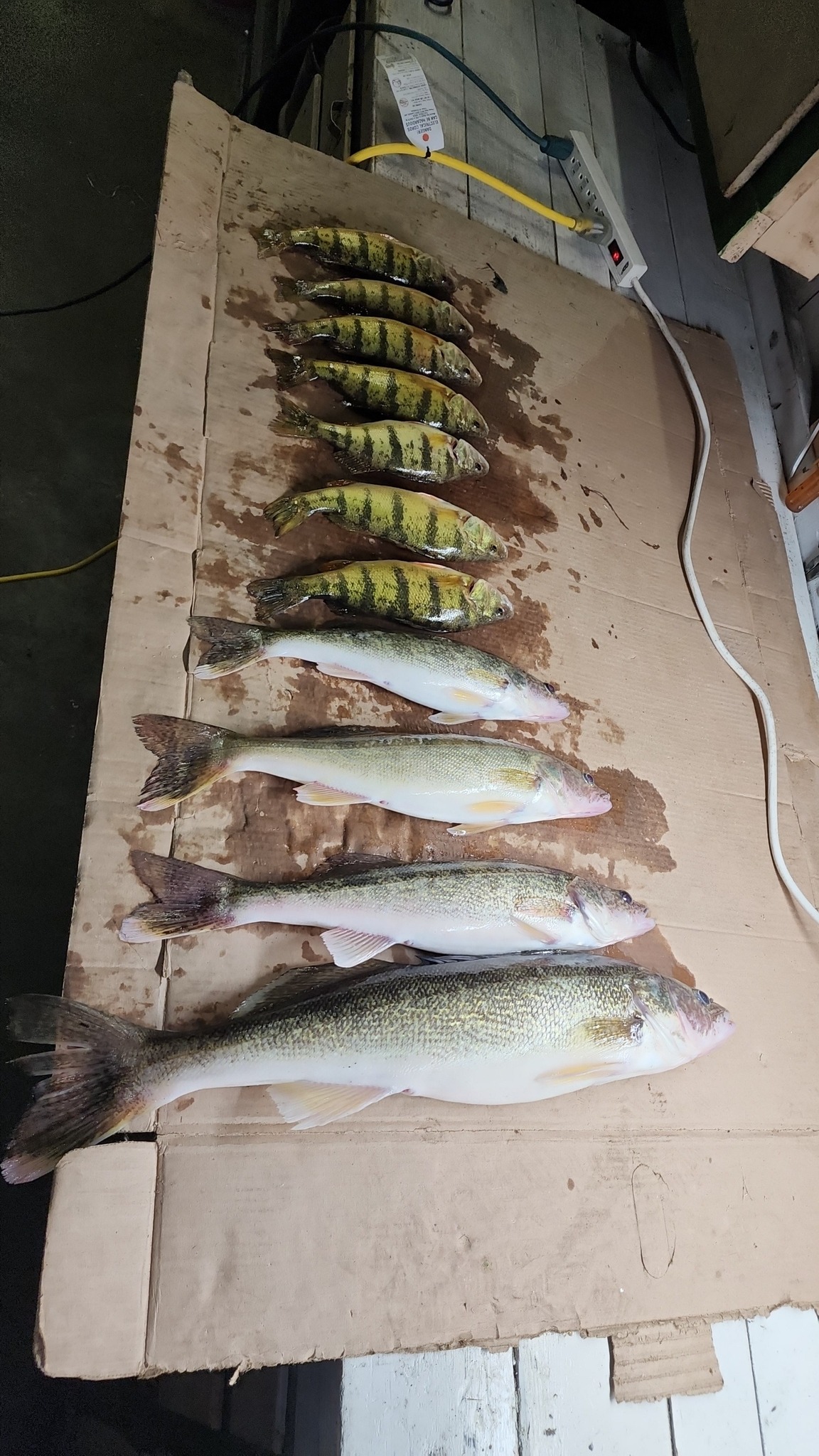
If you're looking for a solid day of fishing without the crowds, this 8-hour guided trip on Cass Lake or Lake Bemidji is exactly what you need. Starting at 8 AM sharp, you'll spend a full day targeting some of Minnesota's best fish species with a guide who knows these waters like the back of his hand. For $500 based on two anglers, you get everything included - rods, reels, tackle, bait, and life jackets. Plus, we'll clean your catch at the end of the day so you can head home with fillets ready for the pan. These lakes consistently produce walleye, northern pike, largemouth bass, crappie, bluegill, and yellow perch, making it one of the top-rated multi-species fishing destinations in northern Minnesota.
What to Expect on the Water
Both Cass Lake and Lake Bemidji offer different fishing personalities, and your guide will choose the best water based on conditions and what's biting. Cass Lake spans over 15,000 acres with plenty of structure, weed beds, and drop-offs that hold fish year-round. Lake Bemidji is smaller but packed with productive spots that locals have been fishing for generations. You'll start early to take advantage of the morning bite, when walleyes are often most active in shallow water. The guide will have you rigged up and fishing within minutes of launching, whether that means pulling jigs along rocky points for walleye or working the weed edges for pike and bass. These aren't crowded tourist waters - you'll often have entire sections of the lake to yourselves, especially on weekdays. The boat is equipped with fish finders and GPS, so your guide can quickly locate structure and baitfish that attract the species you're after.
Techniques & Tackle Setup
Your guide comes prepared with a full arsenal of techniques to match the conditions and target species. For walleyes, expect to use everything from slip sinker rigs with leeches or crawlers to jig and minnow combinations. When the bite is hot, simple lindy rigs work great, but when fish are finicky, your guide might switch to more finesse presentations like drop shot rigs or live bait on light jigs. Pike fishing often involves spoons, spinnerbaits, and larger minnows on quick-strike rigs to prevent bite-offs. Bass fishing means working soft plastics around cover, throwing topwater early in the morning, or pitching jigs into heavy structure. The panfish bite can be fast and fun with small jigs tipped with worms or waxworms. All rods and reels are quality setups matched to the techniques being used, from medium-light spinning rods for panfish to medium-heavy baitcasters for pike. Terminal tackle, weights, hooks, and fresh bait are provided, along with a full selection of proven lures that produce on these specific waters.
Target Species Breakdown
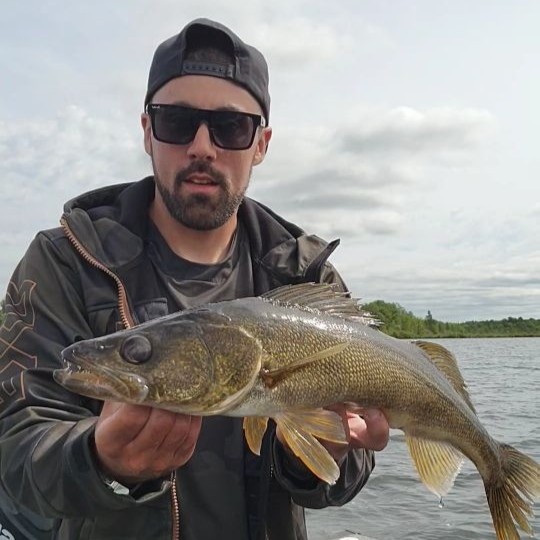
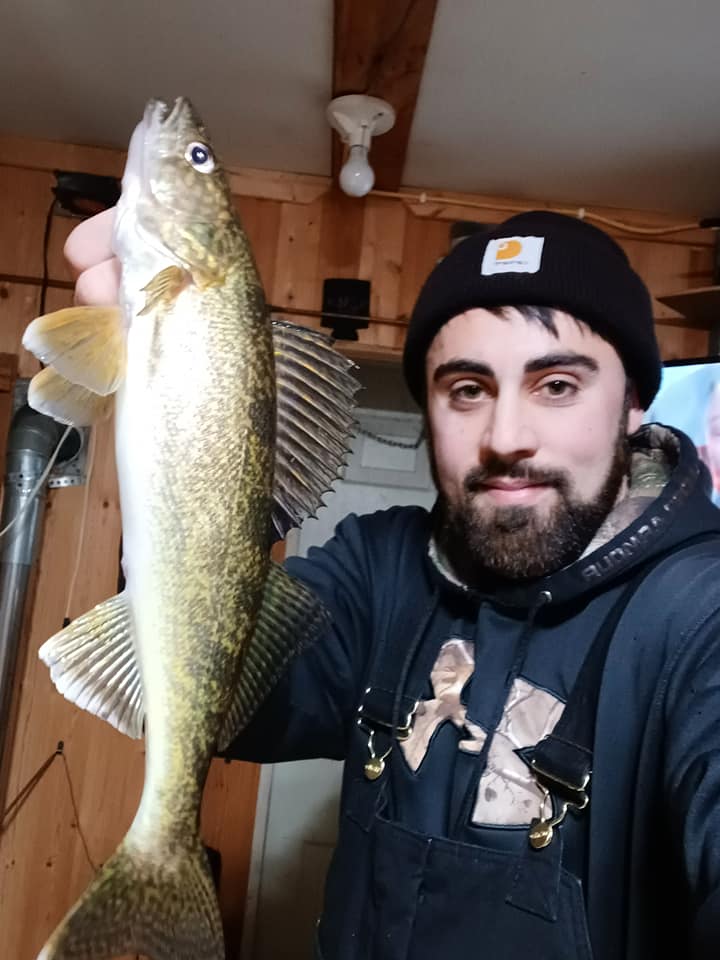
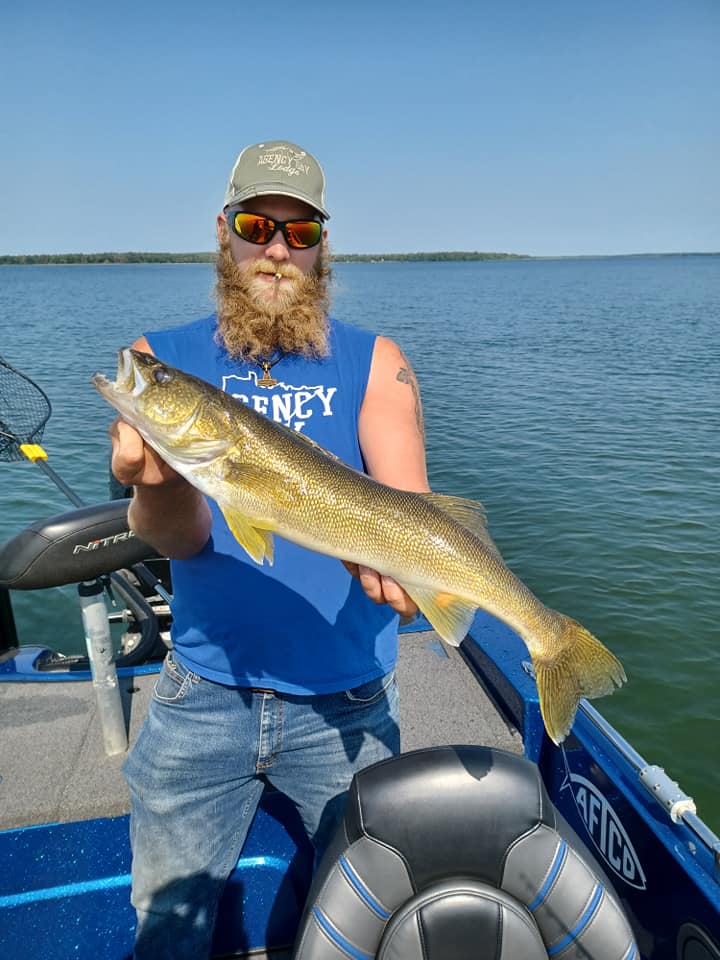
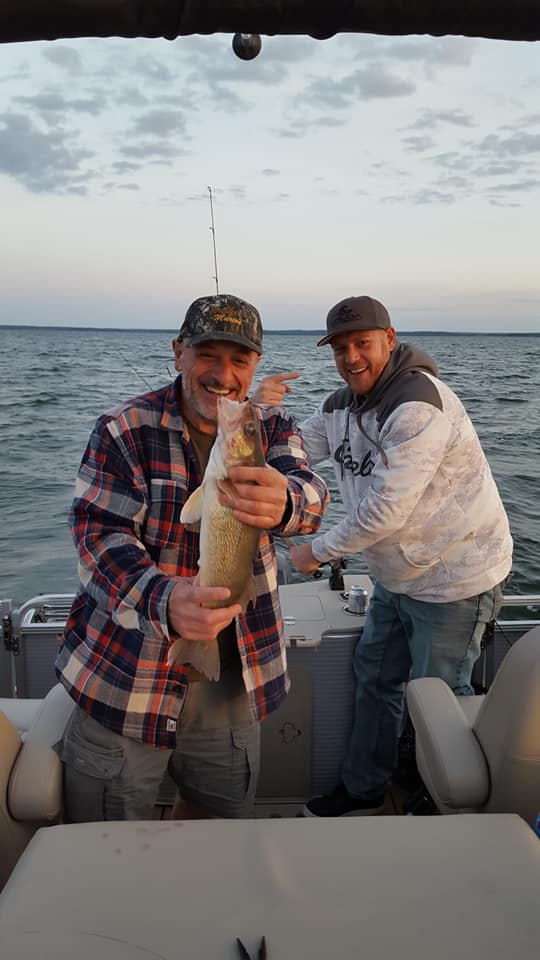
Walleye are the bread and butter of these lakes, typically running 14 to 20 inches with some real slabs pushing 24 inches or more. They're most active during low-light periods, but experienced guides know the deeper structure where they hold during midday. Spring and fall offer the best walleye action, though summer fishing can be excellent if you know where to look. These fish fight with steady pressure rather than explosive runs, but there's nothing like the feeling of a good walleye thumping your rod tip. They're also some of the best eating fish in Minnesota waters.
Northern pike in these lakes are aggressive predators that provide exciting strikes and hard fights. Most run between 20 to 30 inches, but 40-inch fish are caught regularly by anglers who know the right spots. Pike love weed edges, shallow bays in spring, and deeper structure during summer heat. They'll smash lures with bone-jarring strikes that can catch you off guard. Their razor-sharp teeth require wire leaders, and they're known for acrobatic jumps when hooked. Pike fishing stays strong from ice-out through late fall.
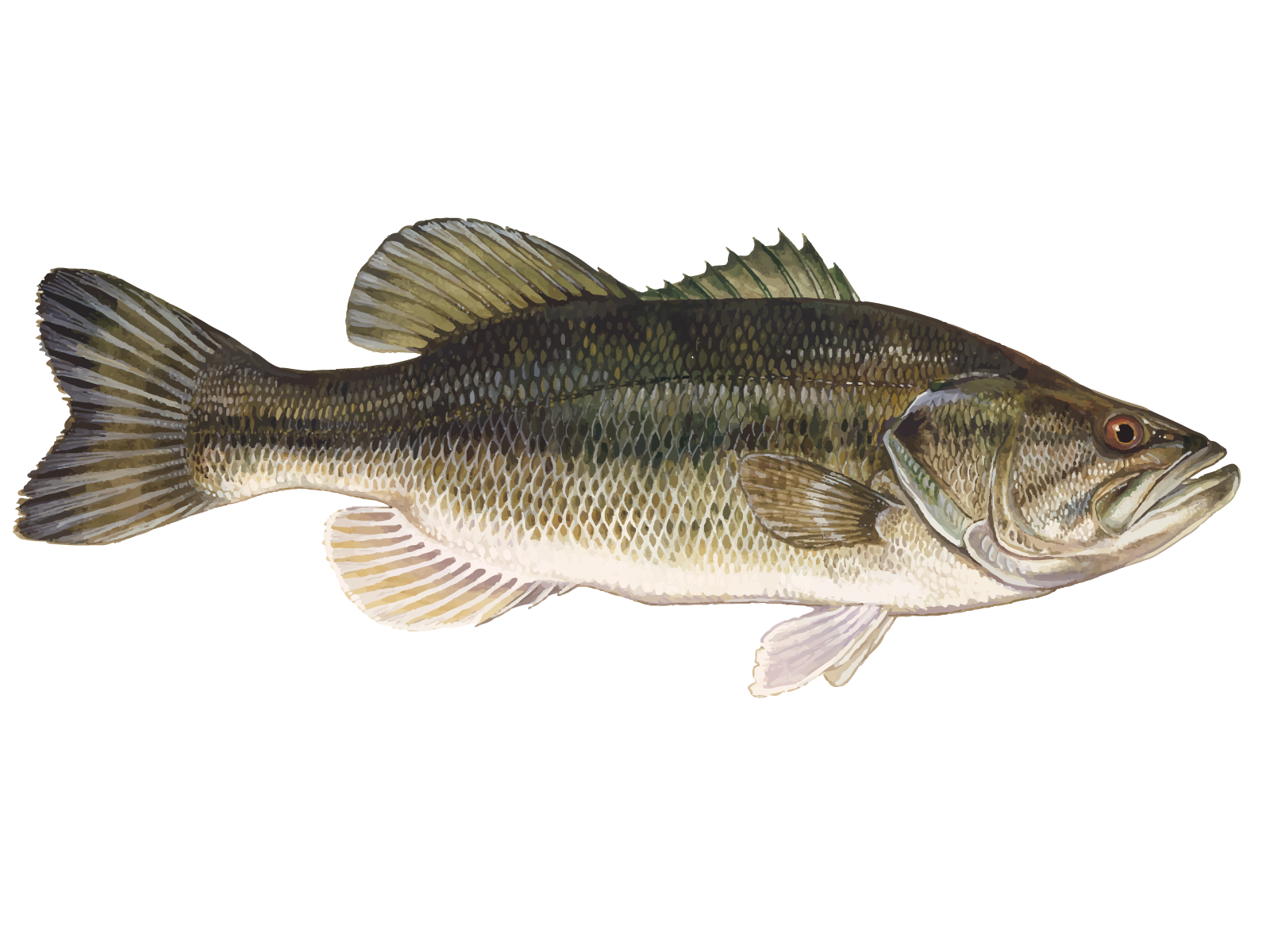
Largemouth bass thrive in the weedy bays and around fallen timber on both lakes. These fish typically range from 12 to 18 inches, with some real tanks over 20 inches lurking in heavy cover. Bass are most active during warmer months, especially early morning and evening. They're ambush predators that love to hit topwater lures with explosive surface strikes. The fight is all about power and trying to wrap your line around the nearest log or weed bed.
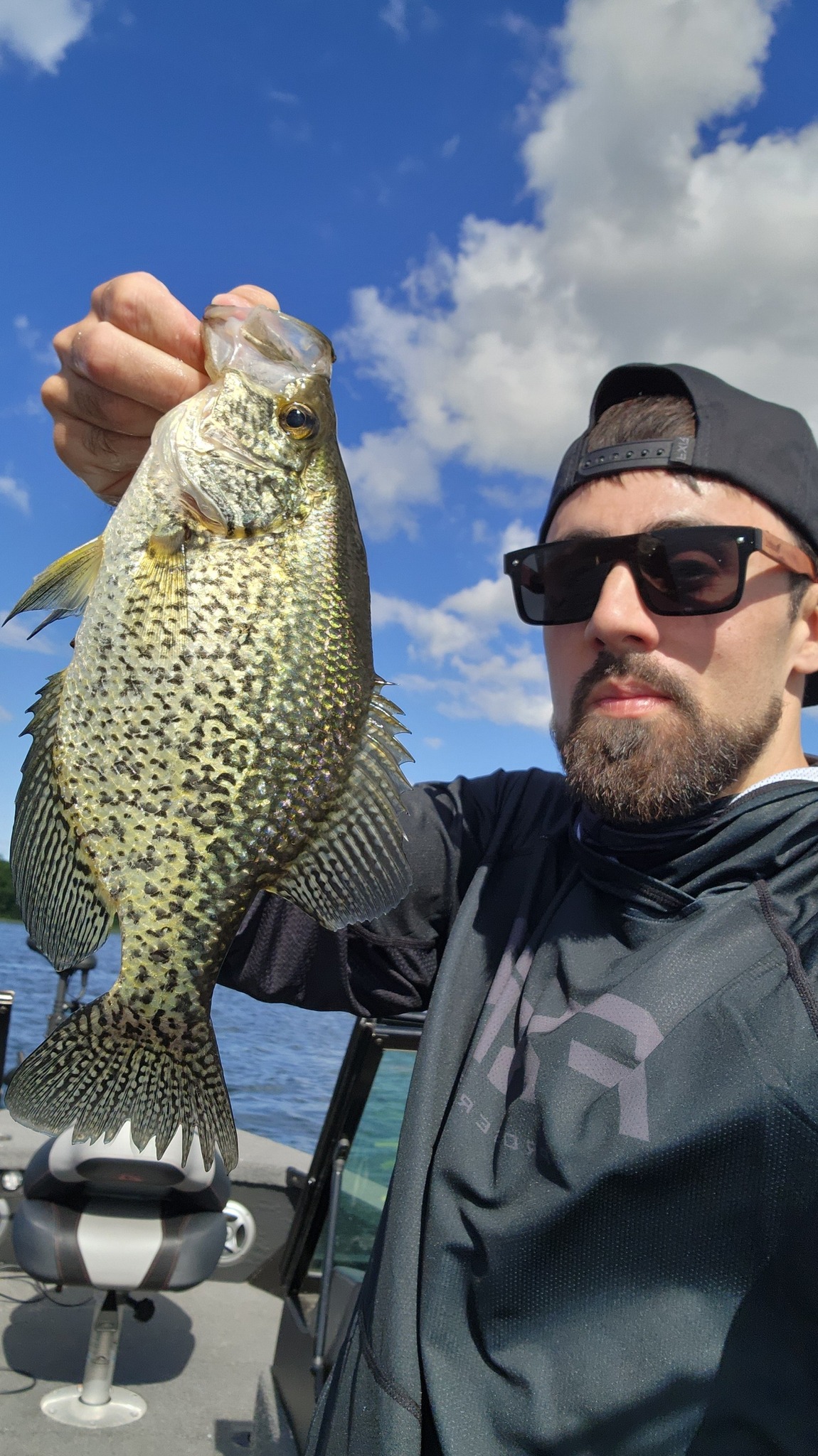
Crappie provide consistent action when you find a school, often running 9 to 13 inches with some slabs reaching 14 inches or better. They school up around structure like fallen trees, rock piles, and bridge pilings. Spring spawning time brings them shallow, but they can be found in deeper water throughout summer and fall. Crappie have paper-thin mouths, so the fight is about keeping steady pressure without ripping the hook out.
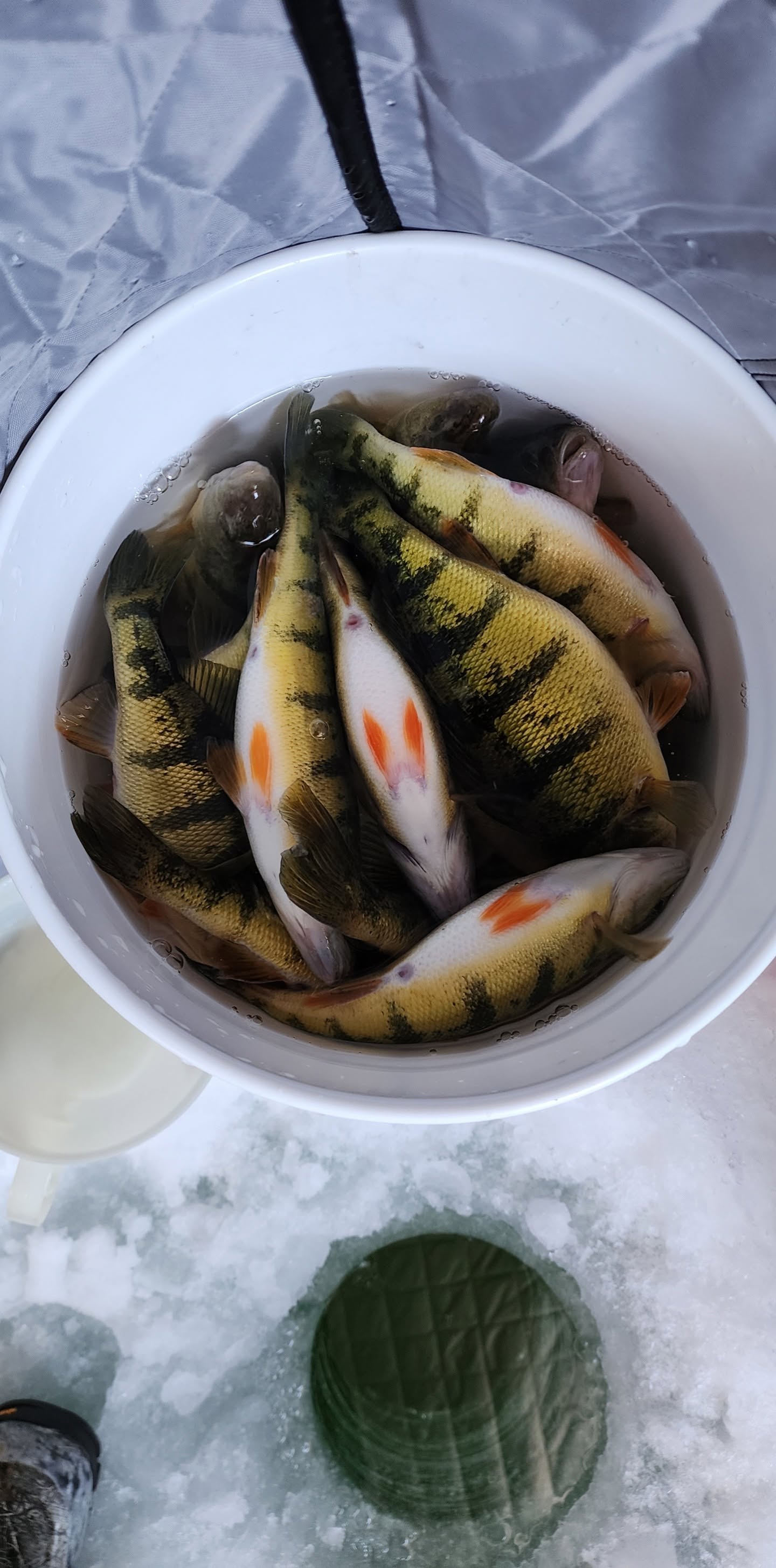
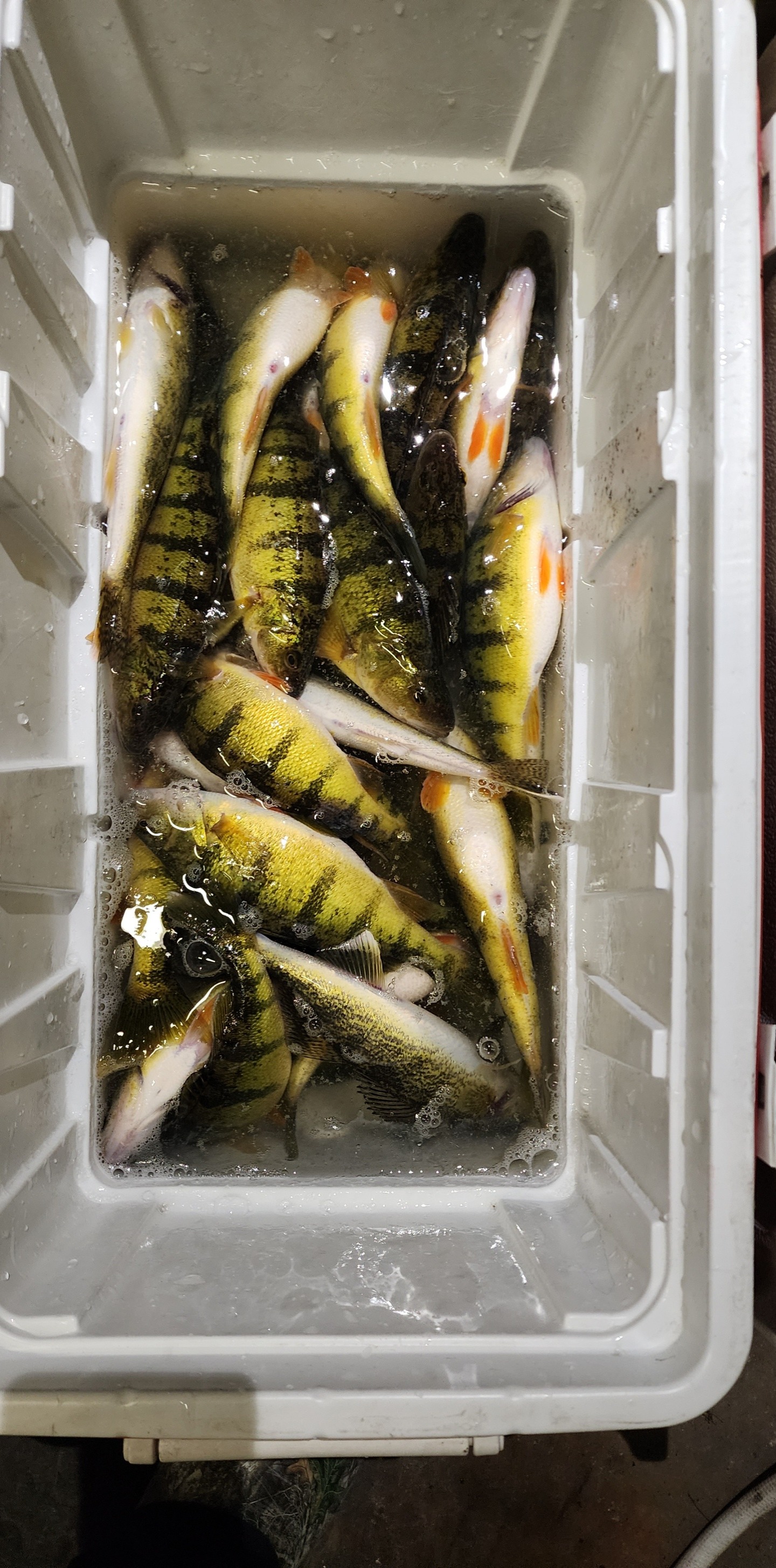
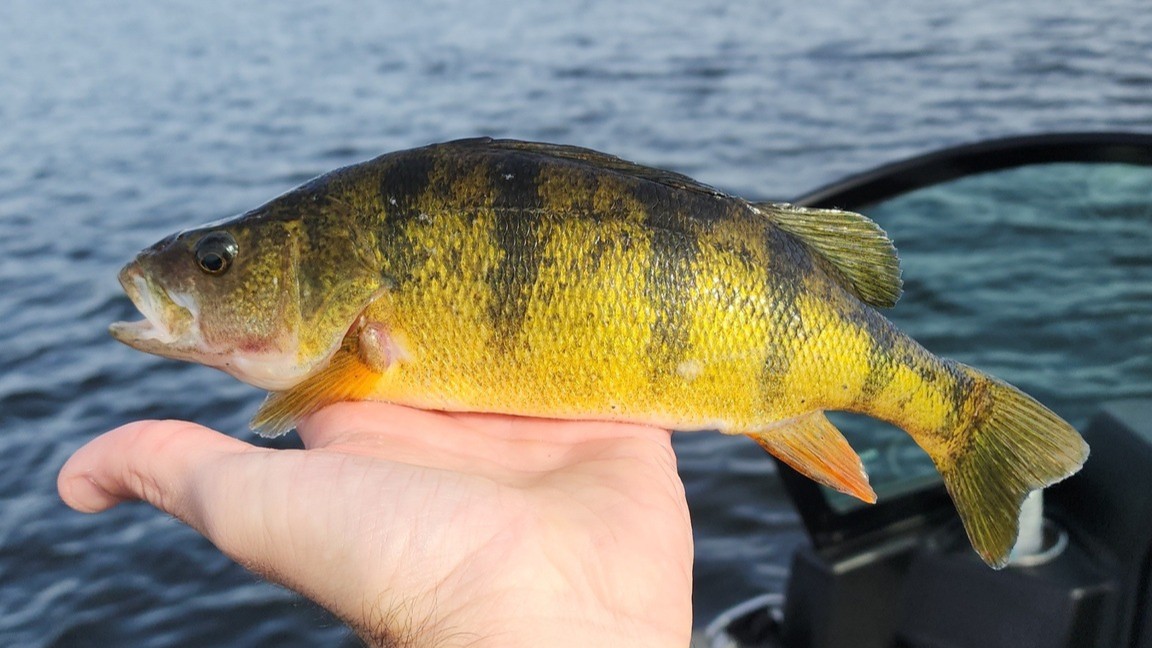
Yellow perch are fun to catch and excellent table fare, usually running 8 to 12 inches with occasional jumbos over 13 inches. They school heavily, so when you find one, there are usually more below. Perch bite year-round but are especially active during cooler months. They're curious fish that often investigate new lures, making them great for kids or beginning anglers.
Time to Book Your Spot
This full day fishing experience gives you the best chance to connect with multiple species while learning from a guide who lives and breathes these waters. Eight hours on the water means you can adjust tactics as conditions change, move between different spots, and really dial in what's working. The all-inclusive setup means you just show up ready to fish - no need to worry about gear, bait, or cleaning your catch afterward. Whether you're a seasoned angler looking to explore new water or someone who wants to experience
 Private Trip
 Lakes/Reservoirs/Ponds Fishing
 Leech Lake



 Full-day guided fishing on Cass Lake or Lake Bemidji waters