Half Day Tarpon Fishing Trip In Islamorada
If you're looking to tangle with one of Florida's most legendary fish, this half-day tarpon charter out of Islamorada is exactly what you need. Captain and crew at Hooked Up Outback Guide Service have been working these waters for years, and they know exactly where the silver kings like to roll and feed. Islamorada sits right in the heart of the Florida Keys, where the backcountry flats meet the deeper channels - prime tarpon territory that produces fish ranging from juvenile poons in the 20-40 pound range all the way up to monsters pushing 150+ pounds. This isn't your typical half-day trip where you're just hoping for action. These guides have put in the time to pattern these fish, and they're not shy about sharing their knowledge with anglers who want to learn the art of tarpon fishing.
What to Expect on the Water
Your half-day adventure starts early, typically around sunrise when tarpon are most active and the wind hasn't had a chance to blow out the flats yet. The boat heads out from Islamorada's protected harbors toward proven tarpon grounds - could be the famous Channel 2 and Channel 5 bridges where tarpon stack up during certain tides, or maybe the expansive backcountry flats where rolling fish give away their location from hundreds of yards away. The guide keeps the group small at just 2 anglers maximum, which means everyone gets plenty of shots and personalized instruction. You'll spend time learning to read the water, spotting tarpon rolls, and understanding how these fish move with the tides. The pace varies depending on what the fish are doing - some days you'll cover miles of flats looking for rolling schools, other days you'll anchor up in a channel and wait for the parade to come to you. Either way, the captain adjusts tactics based on conditions, tide, and what the tarpon are telling him.
Techniques and Tackle
Tarpon fishing in Islamorada requires specific techniques that the guide will walk you through step by step. Most fishing happens with live bait - primarily crabs, shrimp, and pilchards depending on what's available and what the fish are keyed in on that day. The captain provides all tackle, which typically includes 7-8 foot medium-heavy spinning rods spooled with 20-30 pound braid and a fluorocarbon leader heavy enough to handle a tarpon's sandpaper mouth and gill plates. Circle hooks are the standard here, both for fish safety and better hookup ratios. When sight fishing on the flats, you'll learn the art of the quiet approach - positioning the boat so you can make accurate casts to rolling or laid-up fish without spooking them. Bridge fishing requires different skills, like reading current and understanding how tarpon use structure to ambush baitfish. The guide teaches proper fighting technique too, because tarpon have a reputation for throwing hooks during their spectacular jumps. You'll learn when to bow to the fish, how to manage drag, and the importance of keeping steady pressure without overdoing it.
Target Species Breakdown
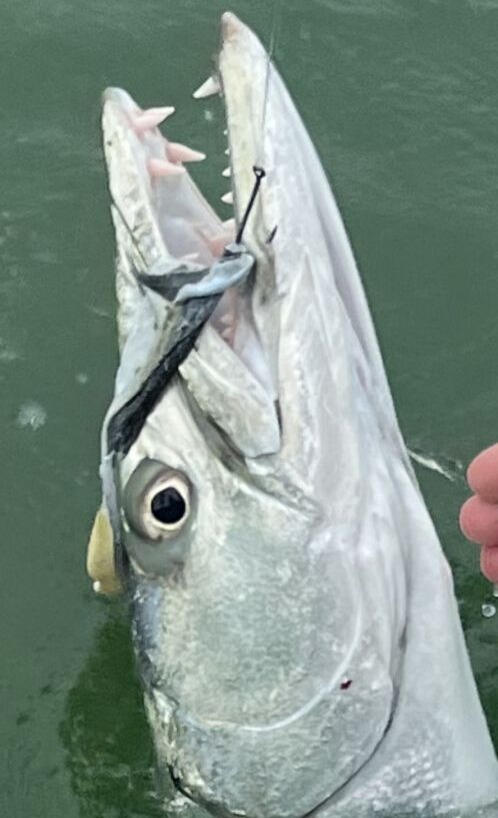
Tarpon are the undisputed kings of Islamorada's fishing scene, and for good reason. These prehistoric-looking fish can live over 50 years and grow to massive sizes, with the biggest specimens in these waters exceeding 200 pounds and stretching 7+ feet long. What makes tarpon so special isn't just their size - it's their fighting ability and aerial displays that leave anglers shaking with adrenaline. When hooked, tarpon typically make multiple jumps, sometimes clearing the water by several feet while shaking their heads violently to throw the hook. They're found year-round in Islamorada, but the best action typically runs from March through July when large schools migrate through the area. During winter months, you'll encounter more resident fish in the backcountry channels and basins. Tarpon have incredibly hard mouths, which is why circle hooks and sharp points are essential. They're also equipped with a swim bladder that allows them to gulp air at the surface, which is why you'll often see them rolling - they're actually breathing. The silver king gets its nickname from the large, reflective scales that flash like mirrors when they jump. What really gets anglers hooked on tarpon fishing is the combination of sight fishing opportunities and the sheer power these fish possess once hooked.
Time to Book Your Spot
This half-day tarpon charter fills up fast, especially during prime season when anglers from around the world come to Islamorada specifically to target these legendary fish. The 2-angler maximum keeps things personal and gives you the best shot at success, but it also means fewer available spots throughout the week. Hooked Up Outback Guide Service has built their reputation on putting clients on fish and teaching proper tarpon techniques, which is why repeat customers book multiple trips during their stay in the Keys. The captain's local knowledge and years of experience fishing these specific waters gives you a significant advantage over trying to figure out tarpon patterns on your own. Whether you're a first-timer who wants to experience the power of a silver king or a seasoned angler looking to add another Islamorada tarpon to your memory bank, this trip delivers the goods. The guides take pride in their work and genuinely want to see you succeed, which makes all the difference when you're learning to fish for one of the most challenging gamefish in Florida waters. Book early to secure your preferred dates, and come ready to learn from some of the best tarpon guides working the Islamorada flats today.
 Private Trip
 Offshore Fishing
 Islamorada
 Half-day offshore tarpon fishing in Islamorada waters