Full Day Red Chile Water Trout Adventure
The Red Chile Water below Navajo Dam is hands down one of New Mexico's premier trout fisheries, and this full-day guided float puts you right in the heart of the action. You'll spend eight solid hours working productive runs and pools where rainbow and brown trout have been thriving for decades in this world-class tailwater system. With crystal-clear flows and a healthy fish population that sees regular stocking plus wild reproduction, every cast has potential. Whether you're new to fly fishing or you've been chasing trout for years, having a local guide who knows every riffle and undercut bank makes all the difference between a good day and an epic one.
What to Expect on the Water
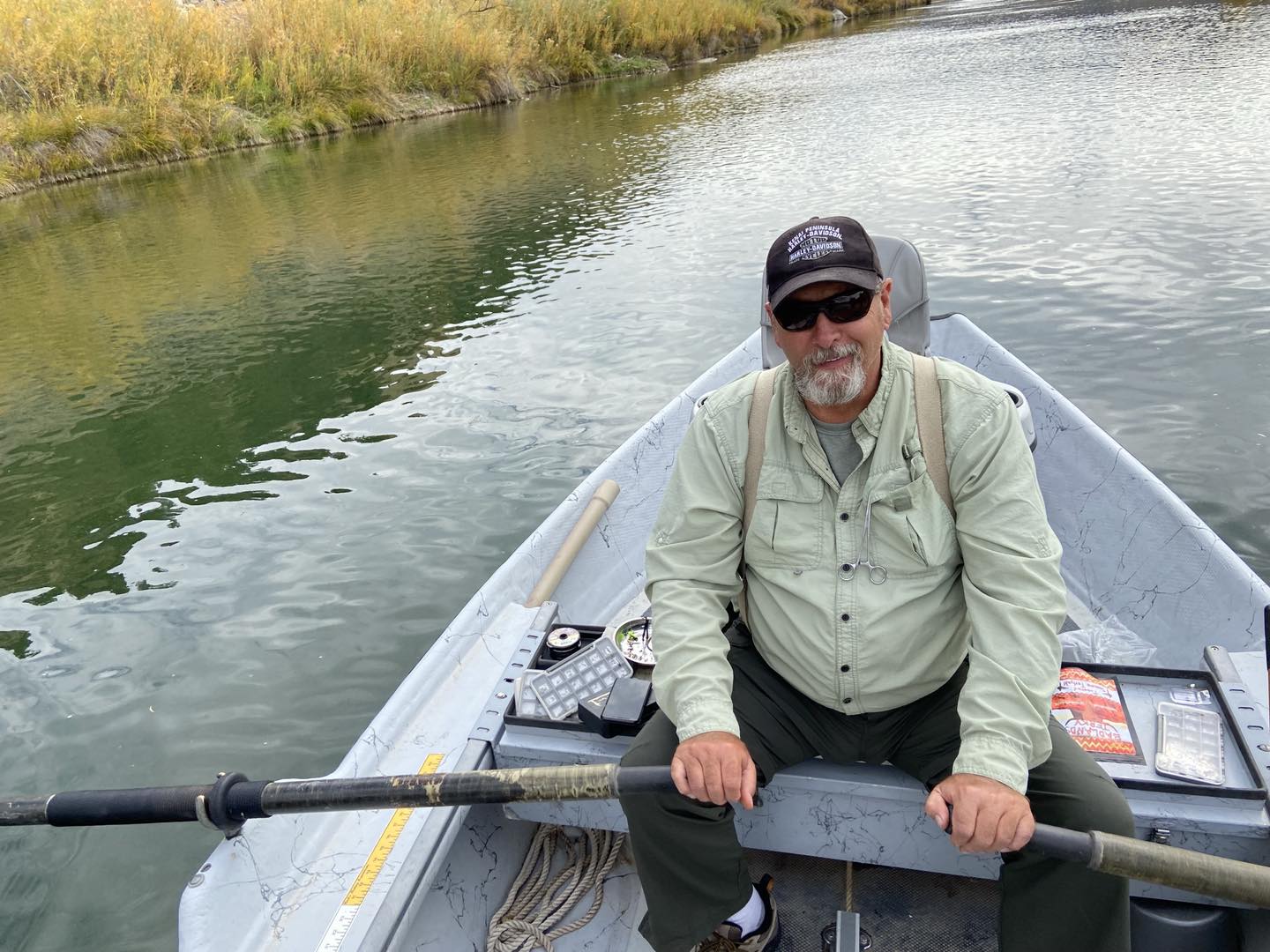
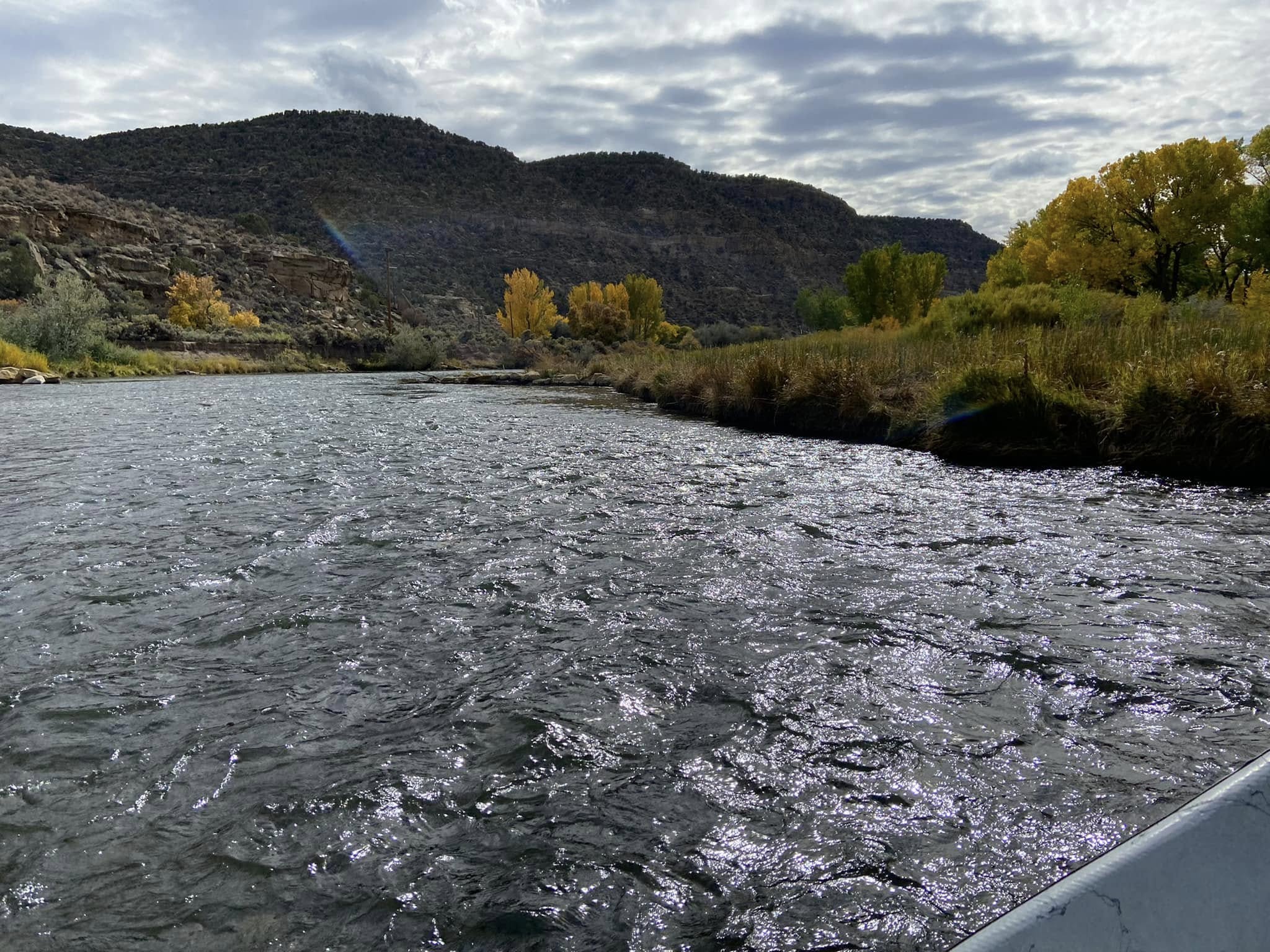
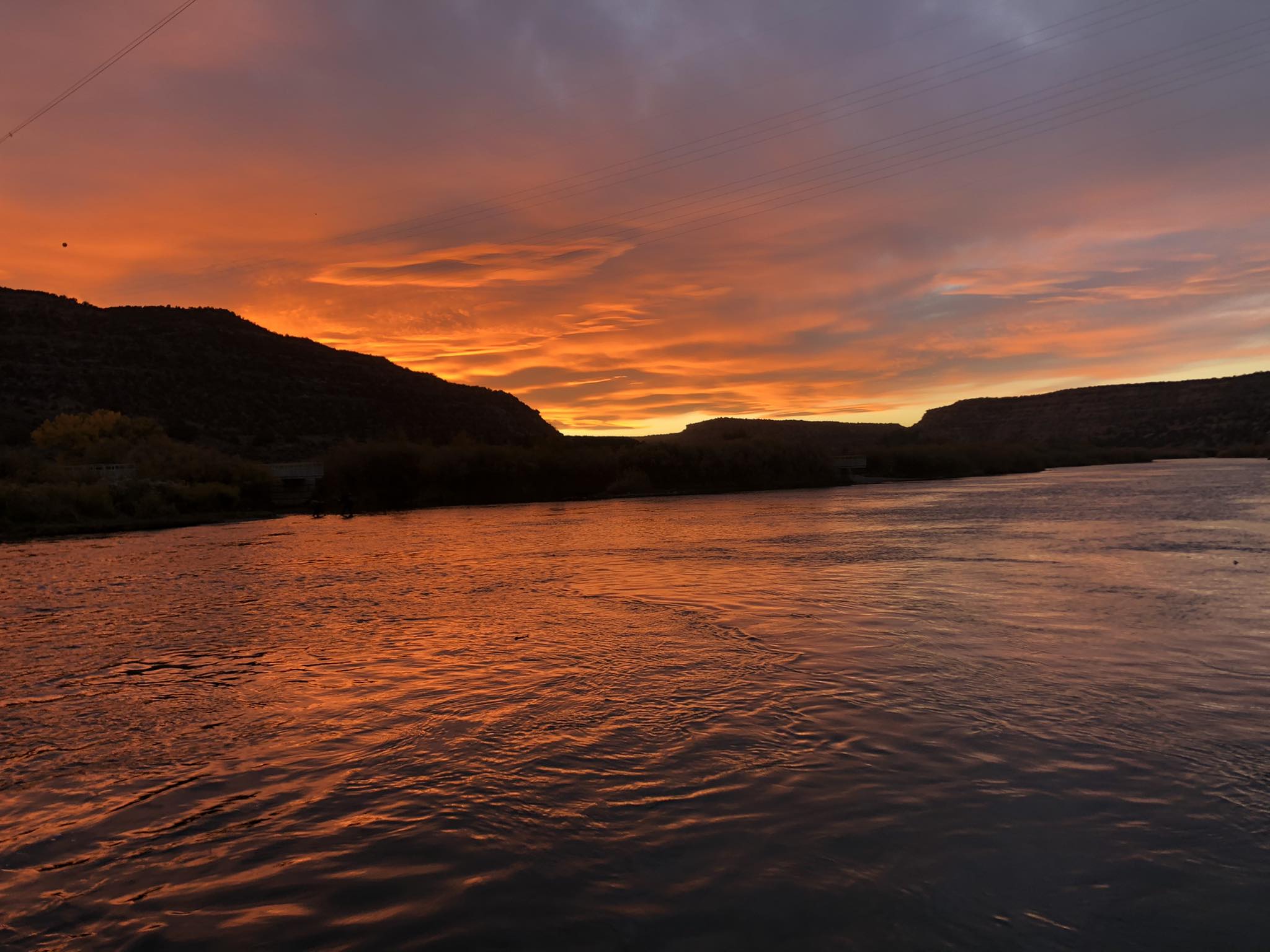
This isn't your typical crowded put-and-take fishery. The Red Chile stretch flows cold and clean year-round thanks to the dam releases, creating perfect trout habitat that consistently produces fish in the 12-18 inch range, with plenty of opportunities for something bigger. You'll launch early and cover several miles of diverse water, from fast runs where trout slam streamers to gentle pools where a perfectly drifted nymph gets rewarded with solid hookups. The boat gives you access to water that bank anglers can't reach, and your guide will position you for the best shots at feeding fish throughout the day. With only two anglers maximum per trip, you'll get personalized instruction and plenty of rod time without feeling rushed. The scenery is classic high desert - red rock cliffs, cottonwoods along the banks, and that big New Mexico sky that makes every photo look like a postcard.
Techniques That Work Here
Your guide comes equipped with everything you need - rods, reels, flies, and all the terminal tackle that's been proven on this water. Nymphing is the bread and butter technique here, especially with San Juan worms, midge patterns, and small mayfly nymphs drifted through the deeper runs. When conditions are right, dry fly fishing can be phenomenal, particularly during midge hatches or when the occasional Blue-Winged Olive emergence gets trout looking up. Streamer fishing really shines on overcast days or in the deeper holes where big browns like to ambush baitfish. Your guide will read the water and adjust tactics throughout the day based on what's working - maybe starting with nymphs in the morning, switching to streamers during midday, and finishing with dries if an evening hatch develops. The key is staying versatile and letting the fish tell you what they want. All the gear is top-rated stuff that can handle everything from delicate presentations to fighting hard-pulling trout in current.
Target Species
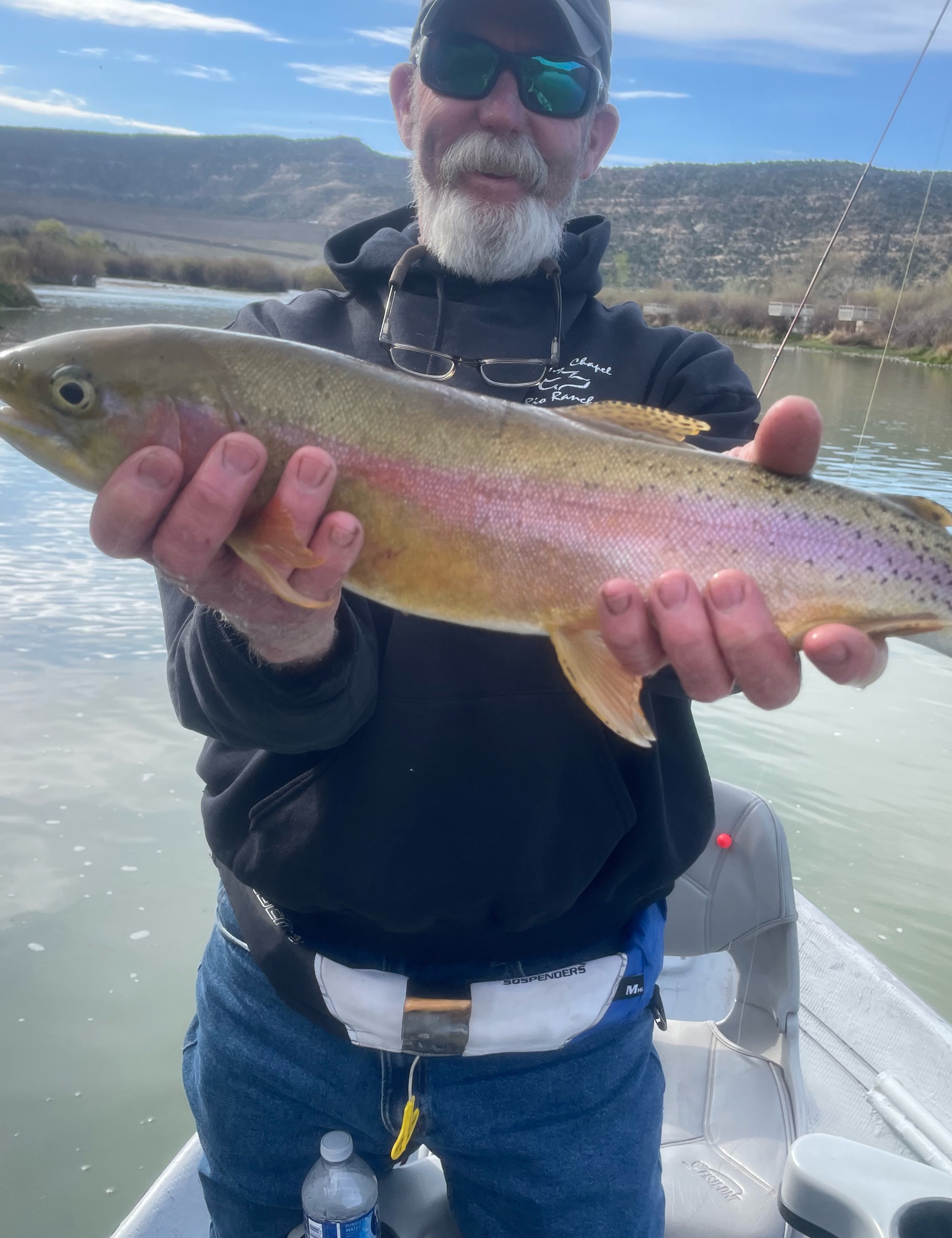
Rainbow Trout are the workhorses of this fishery, and they're absolutely beautiful fish that fight way above their weight class. Most rainbows here run 12-16 inches, but don't be surprised to hook into 18-20 inch specimens that'll test your drag system. They're aggressive feeders that respond well to nymphs, small streamers, and dry flies during hatches. Spring and fall tend to be the most productive seasons when cooler water temperatures have them actively feeding throughout the day. What makes catching rainbows here so satisfying is their willingness to eat and their acrobatic fights - these fish will jump, run, and give you every bit of excitement you're looking for. The colors are spectacular too, with bright pink stripes and chrome sides that really pop in the clear water.
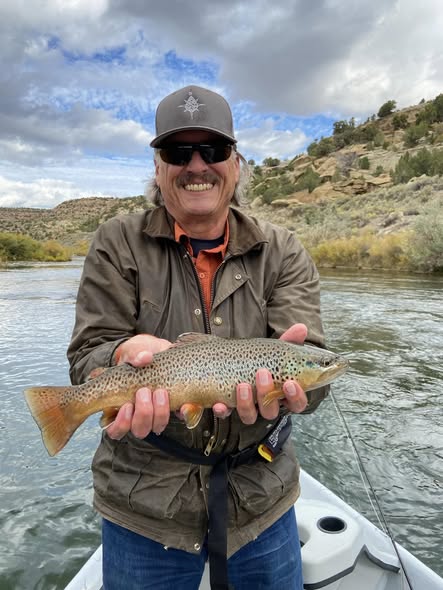
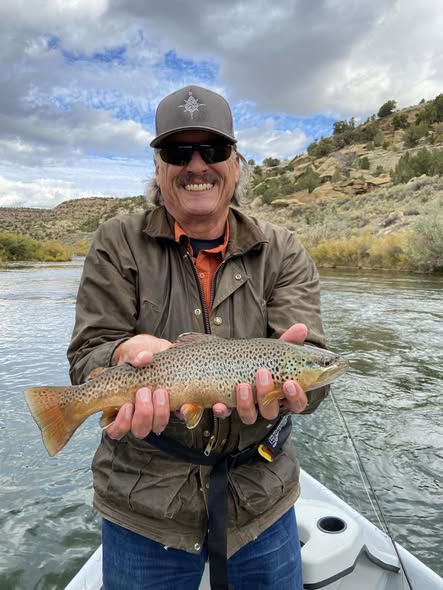
Brown Trout are the prize fish that keep anglers coming back year after year. These are smart, selective fish that have seen plenty of flies, which makes landing a good brown feel like a real accomplishment. The Red Chile holds some genuine trophy browns in the 20+ inch range, though they don't come easy. Browns here are ambush predators that love deeper holes, undercut banks, and areas with overhead cover. They're more active during low-light periods, which is why your guide might save the best brown trout spots for early morning or late in the day. When you do hook a quality brown, be ready for a fight - these fish are powerful and know how to use the current to their advantage. Fall is prime time for browns as they become more aggressive feeding up for winter, and there's nothing quite like the golden flanks and red spots of a New Mexico tailwater brown trout.
Time to Book Your Spot
The Red Chile Water at Navajo Dam delivers consistent action and beautiful surroundings that make for a perfect full-day fishing adventure. With expert local knowledge, top-quality gear, and access to some of the most productive trout water in the Southwest, this trip offers everything serious anglers look for in a guided experience. The personalized attention you'll get with just two anglers per boat means more learning, more fishing time, and better opportunities to land the trout of a lifetime. Whether you're looking to improve your technique, explore new water, or just spend a day doing what you love most, this Red Chile float trip checks all the boxes. Don't wait too long to secure your dates - the best fishing days fill up fast, especially during peak seasons when the trout are most active.
 Private Trip
 River Fishing
 San Juan River

 Full-day guided float targeting rainbow and brown trout