Fishing Charters Marathon FL
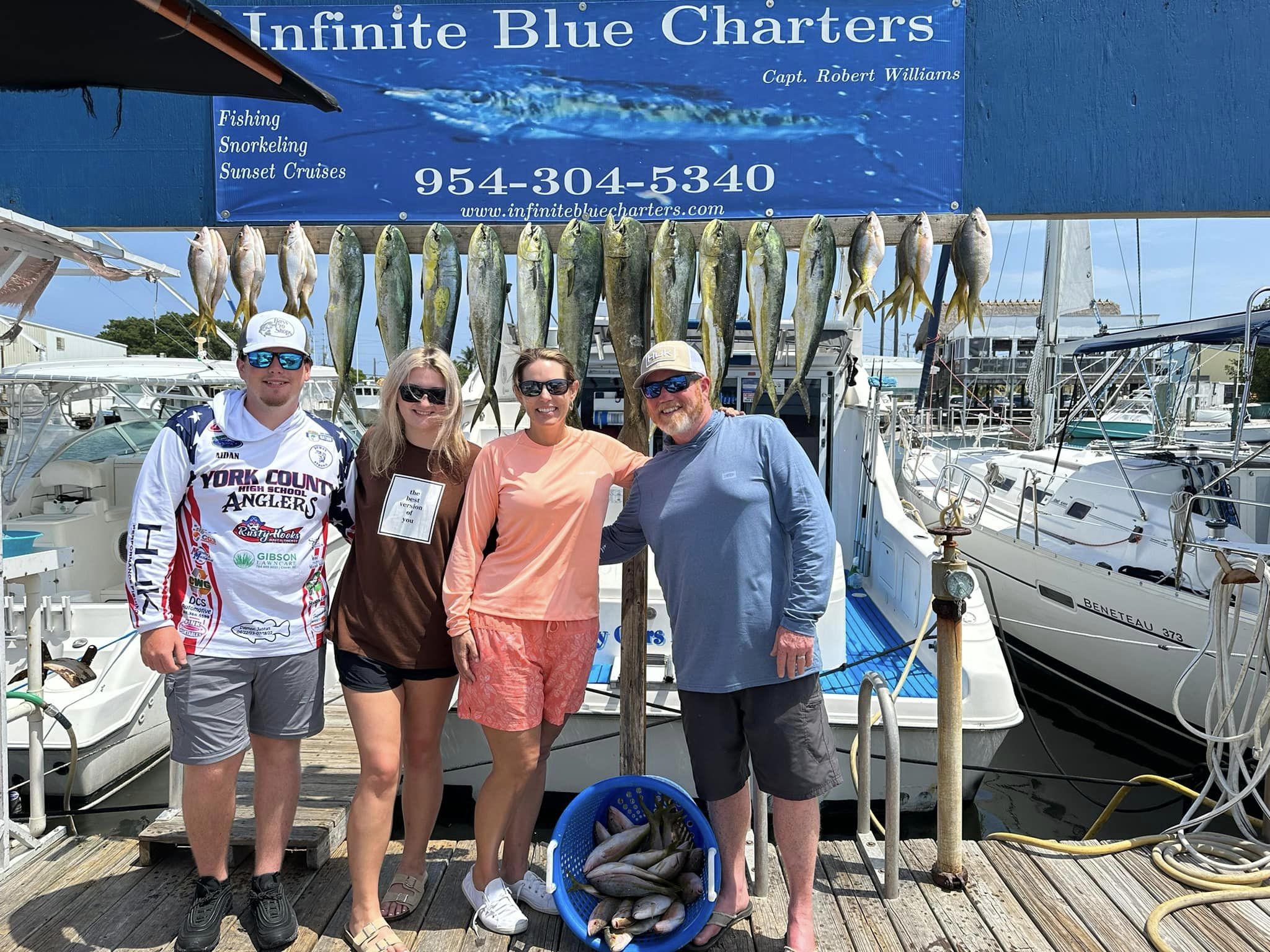
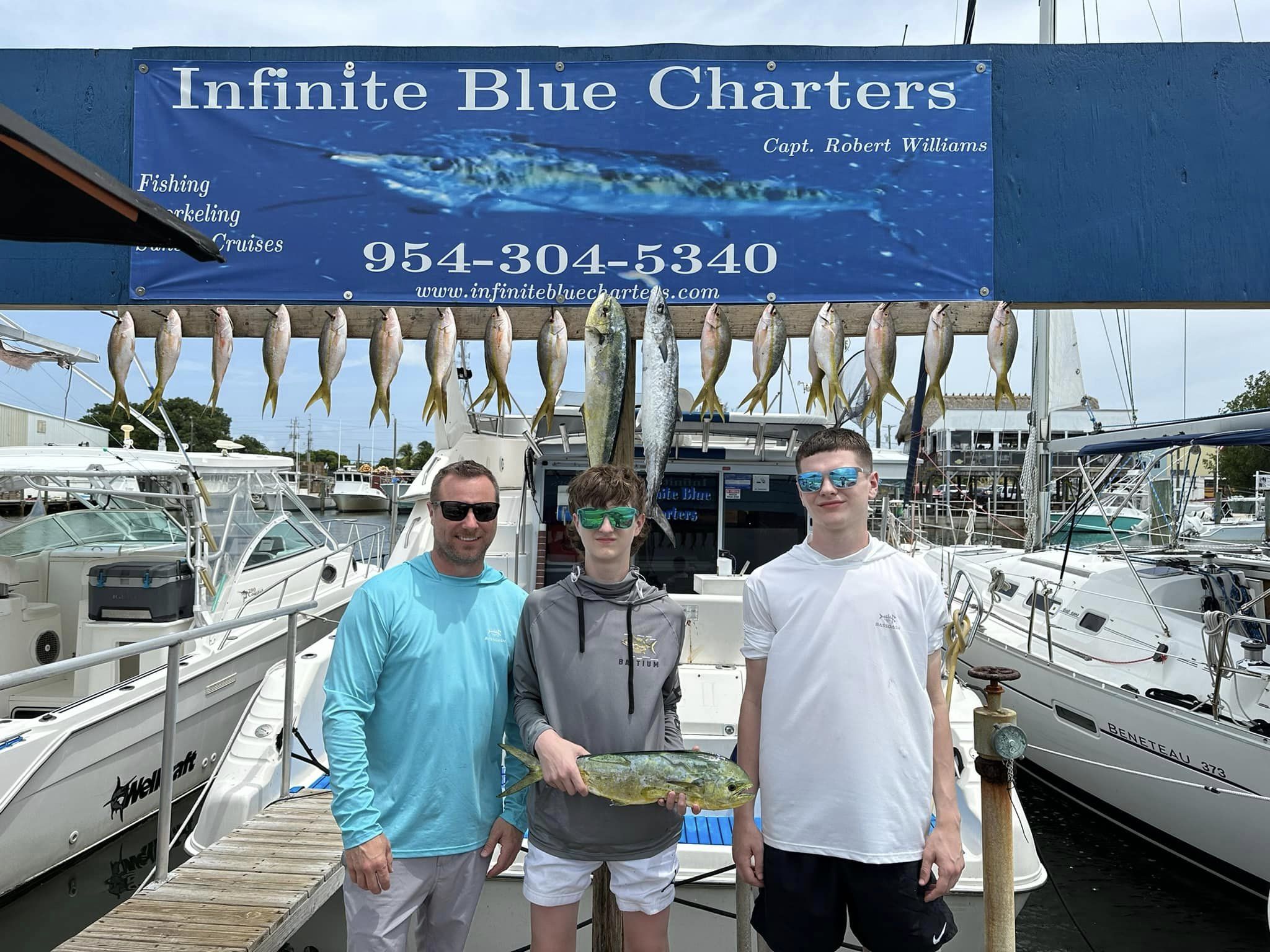
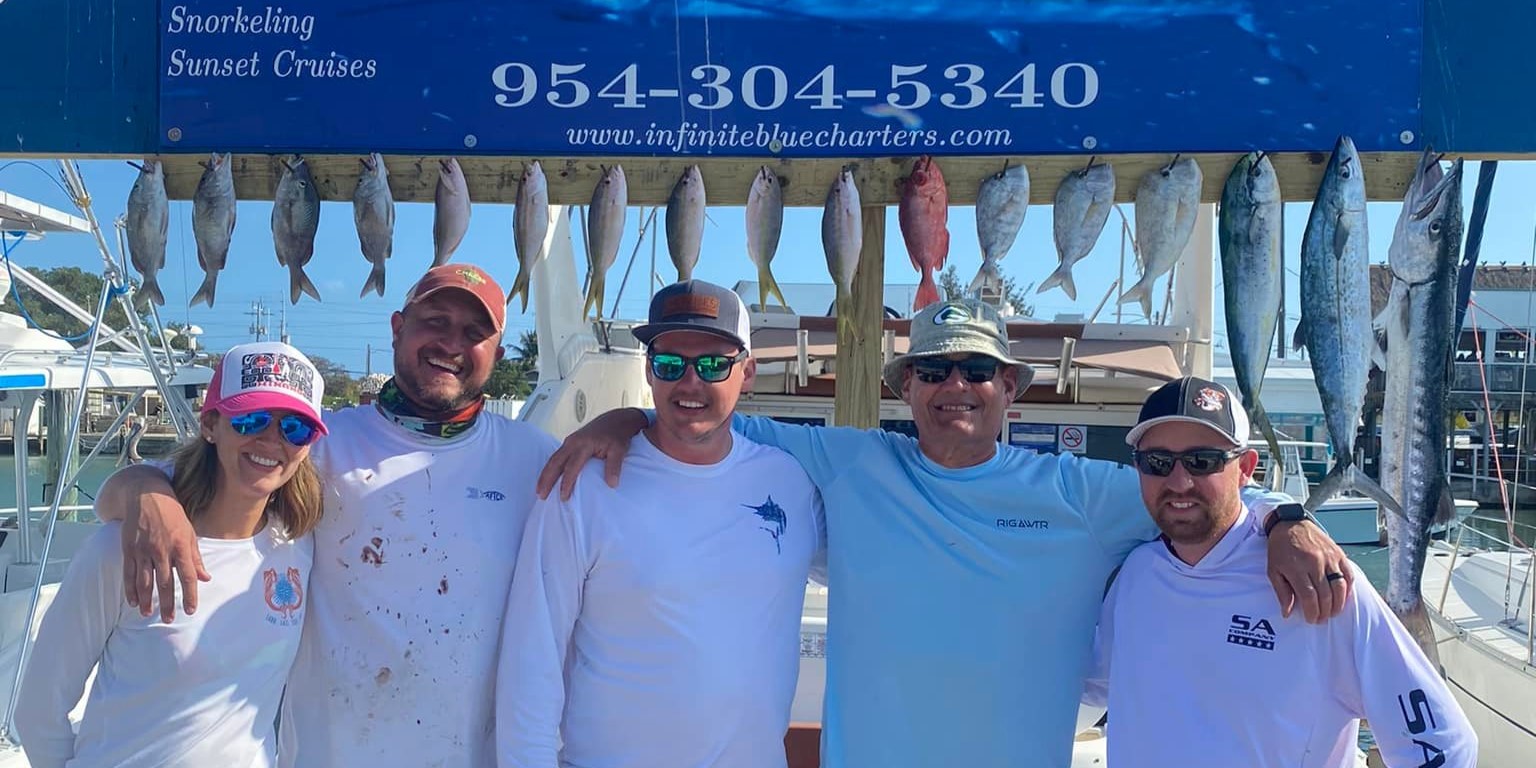
Looking for a fishing charter in Marathon that delivers both variety and action? This reef and trolling combo trip gives you the best of both worlds in one day on the water. We start the morning working the wrecks and reefs for bottom fish, then switch gears and head offshore to troll for the big pelagic species that make the Florida Keys famous. With Infinite Blue Charters, you're getting a full-day fishing experience that adapts to what's biting and keeps your lines tight from start to finish.
What to Expect on the Water
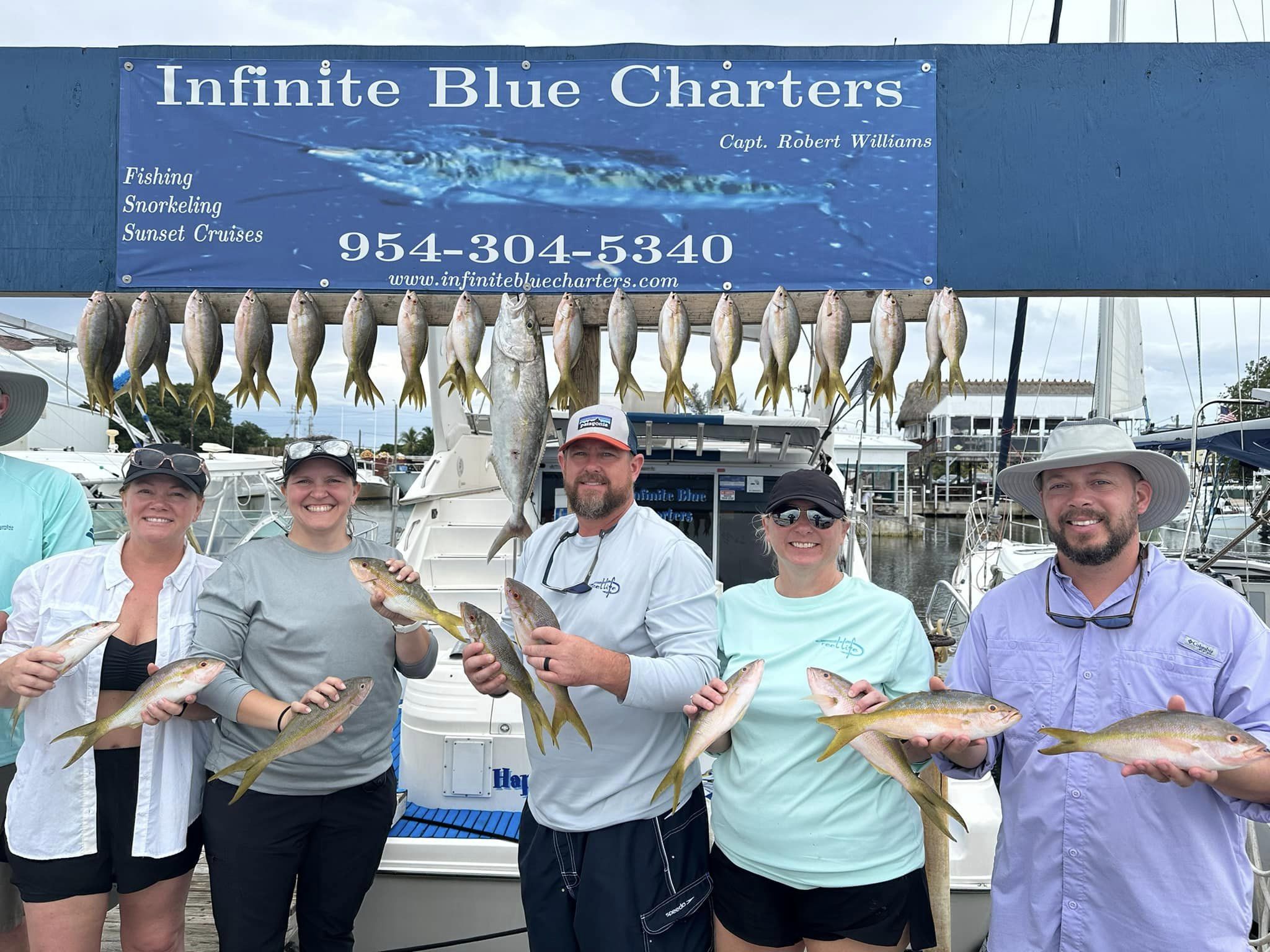
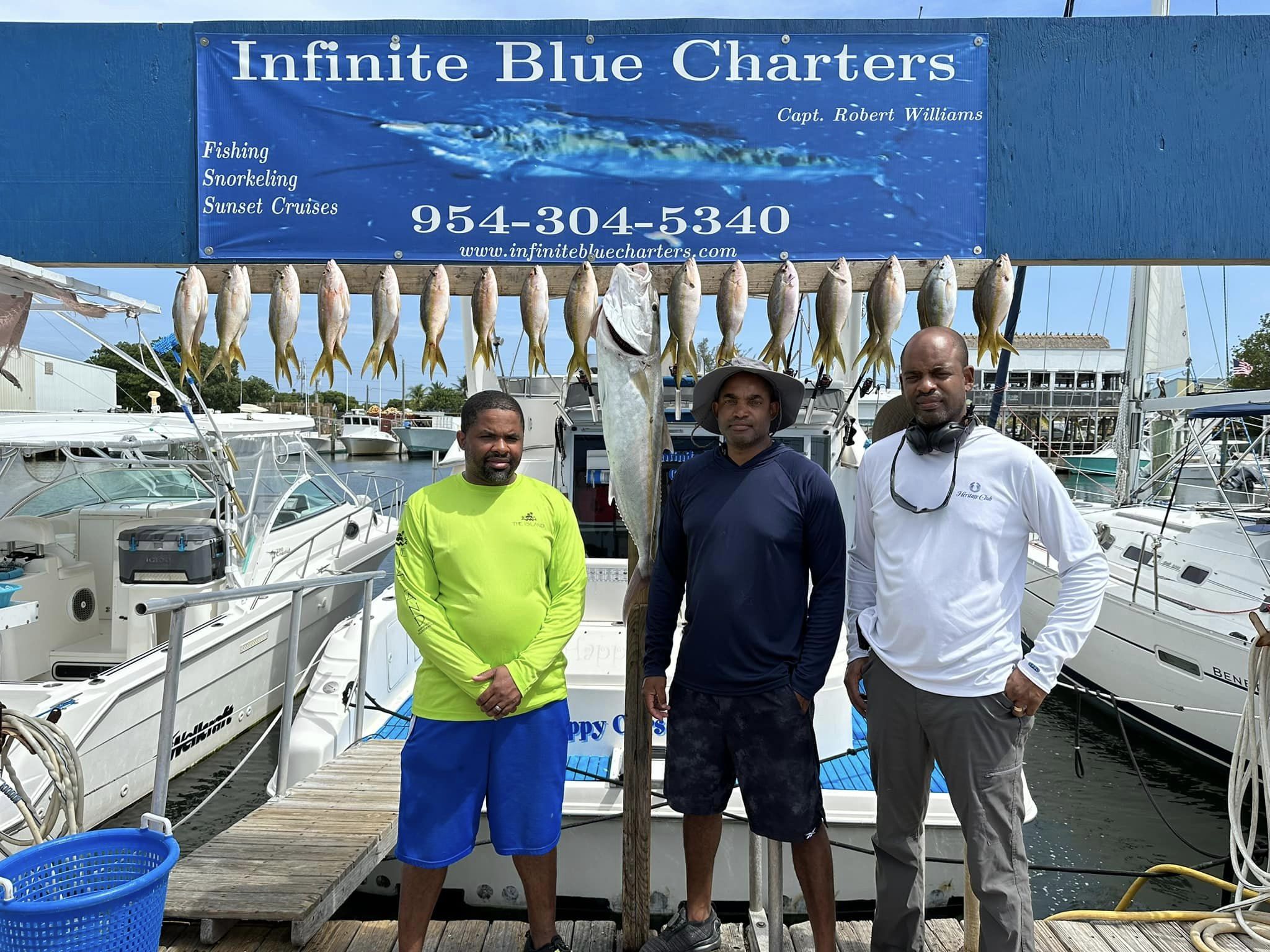
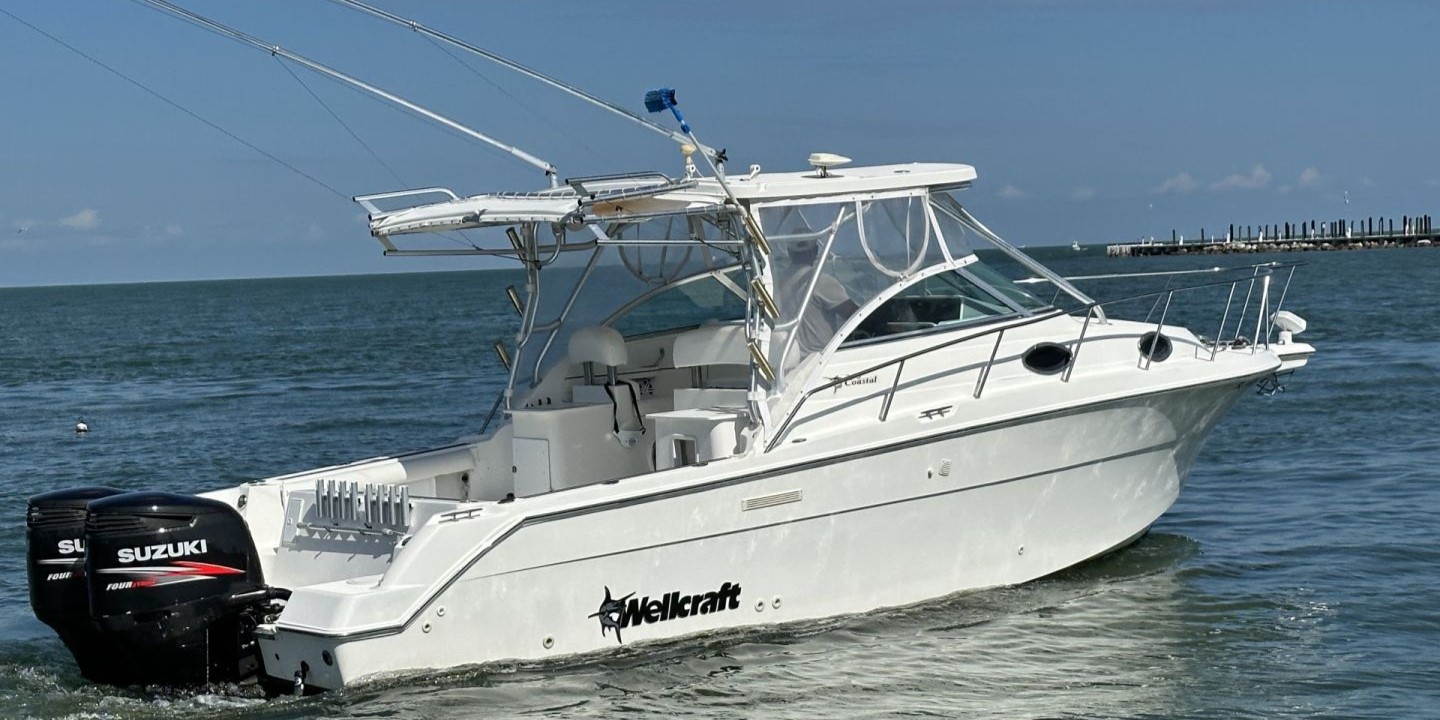
Your day kicks off with some serious bottom fishing over Marathon's productive wrecks and reef structure. We'll anchor up and drop lines loaded with fresh bait to target yellowtail snapper, mangrove snapper, and various grouper species holding tight to the structure below. The first half of the trip is all about precision fishing – working different depths and adjusting your technique based on what the fish are telling us. Once we've loaded the cooler with quality bottom fish, we pull anchor and head out to the blue water. This is where things get really interesting. We'll deploy the trolling spread with a mix of ballyhoo, lures, and teasers designed to attract mahi mahi, blackfin tuna, and wahoo cruising the offshore waters. The boat's equipped with top-shelf tackle, all the bait you'll need, and fishing licenses for your entire group of up to six anglers.
Techniques We Use
Bottom fishing the wrecks requires a different skill set than trolling the open ocean, and you'll get hands-on experience with both techniques during this charter. When we're working the structure, we're using circle hooks with fresh cut bait or live pilchards, keeping just enough tension to feel the bite without pulling the bait away from feeding fish. The key is reading the current and adjusting your weight to keep your offering in the strike zone. For the trolling portion, we run a spread of baits at different depths and speeds to cover water efficiently. We'll teach you how to work a fish on the trolling gear, when to clear other lines, and the proper technique for boat-side battles with fast-moving pelagics. The captain provides all the terminal tackle, but feel free to bring your favorite rods if you've got them.
Top Catches This Season
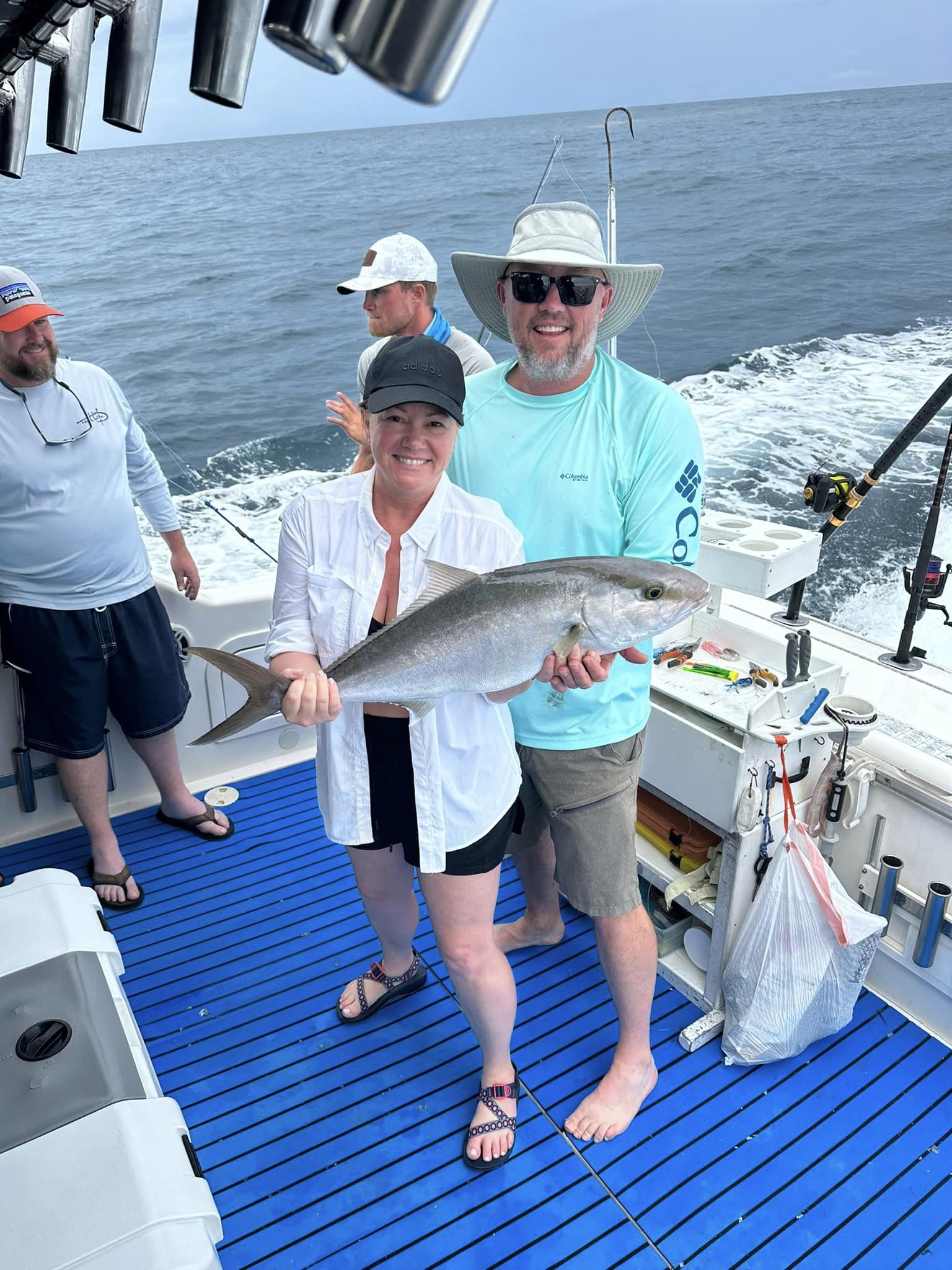
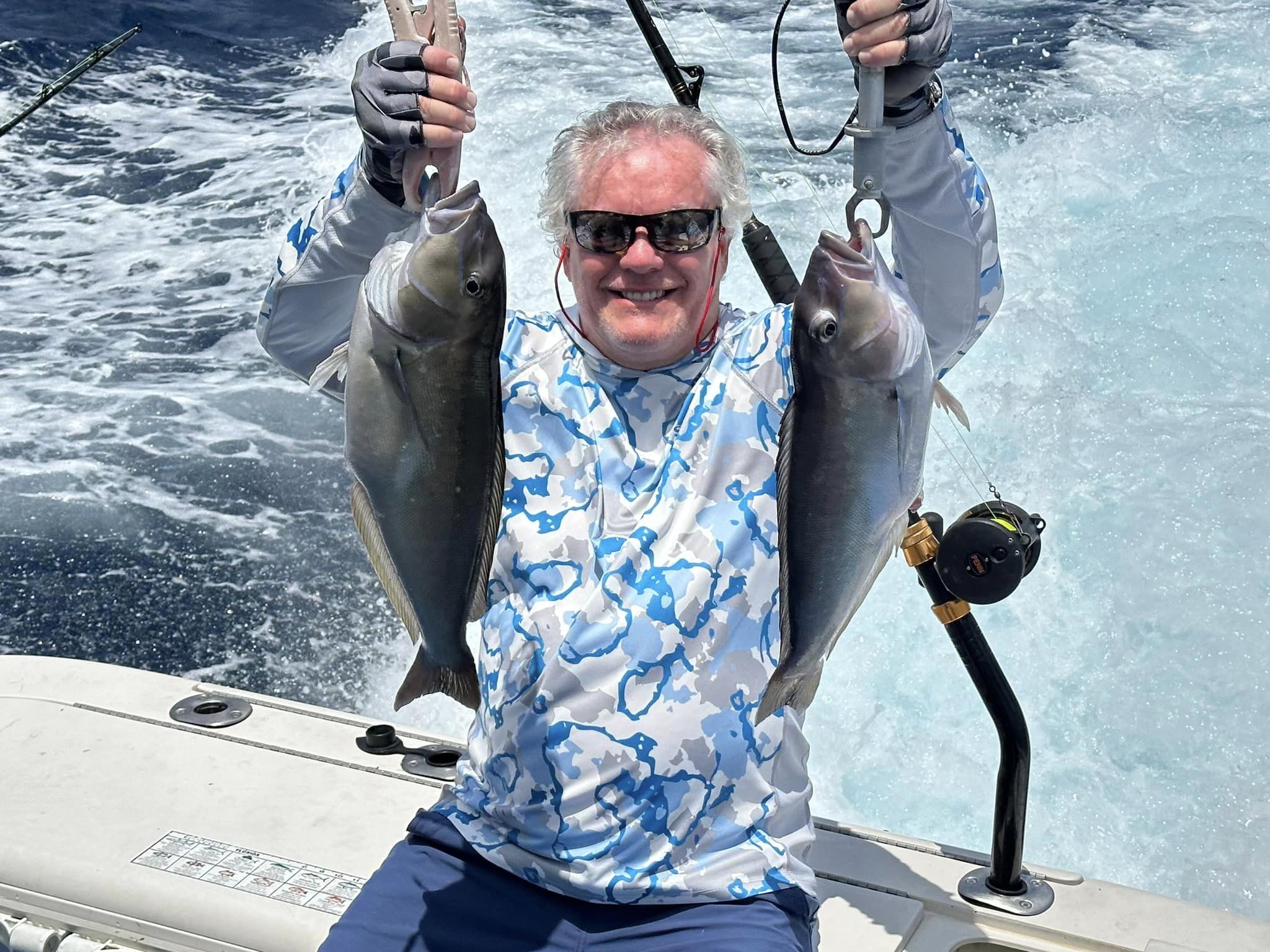
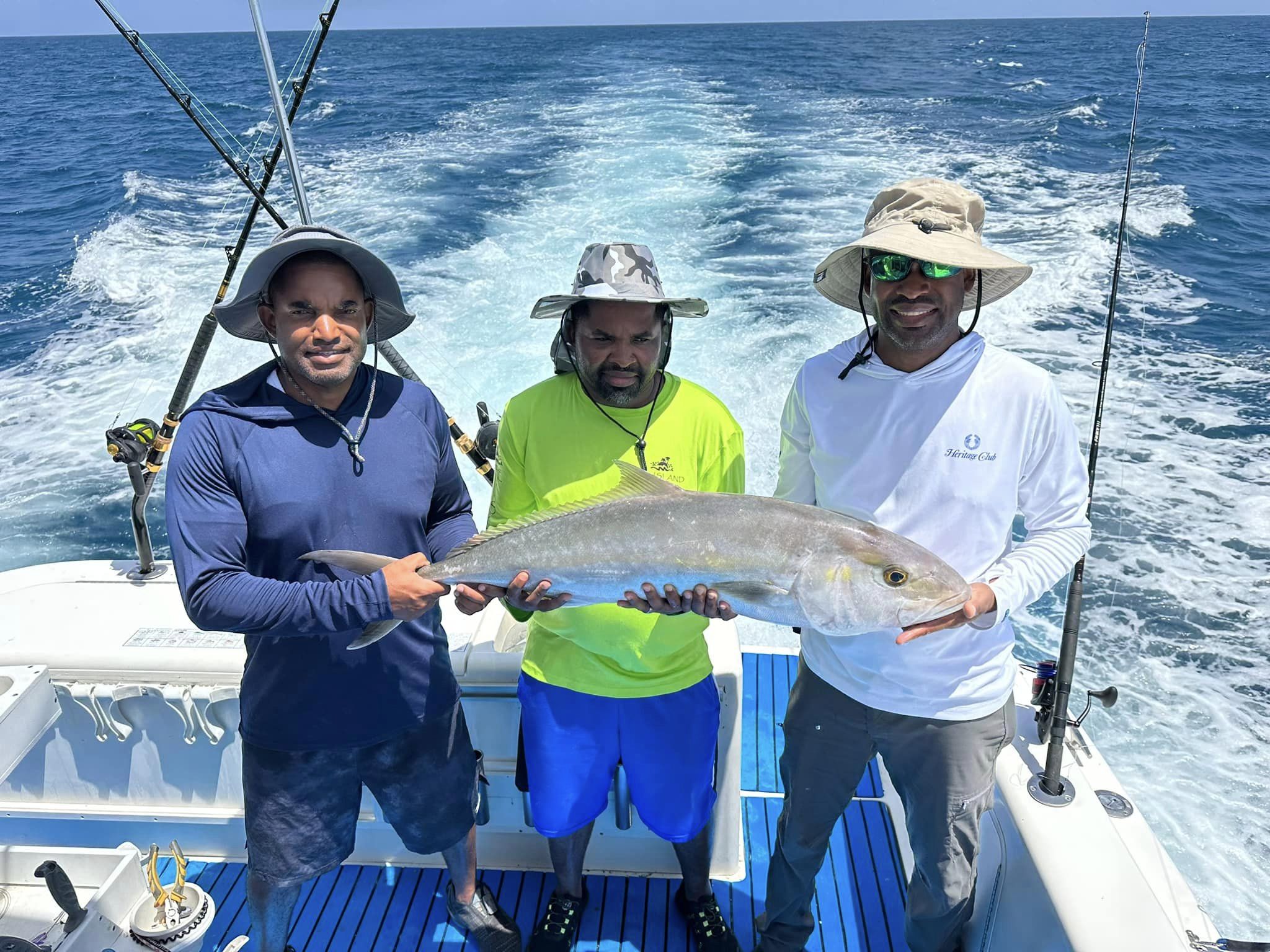
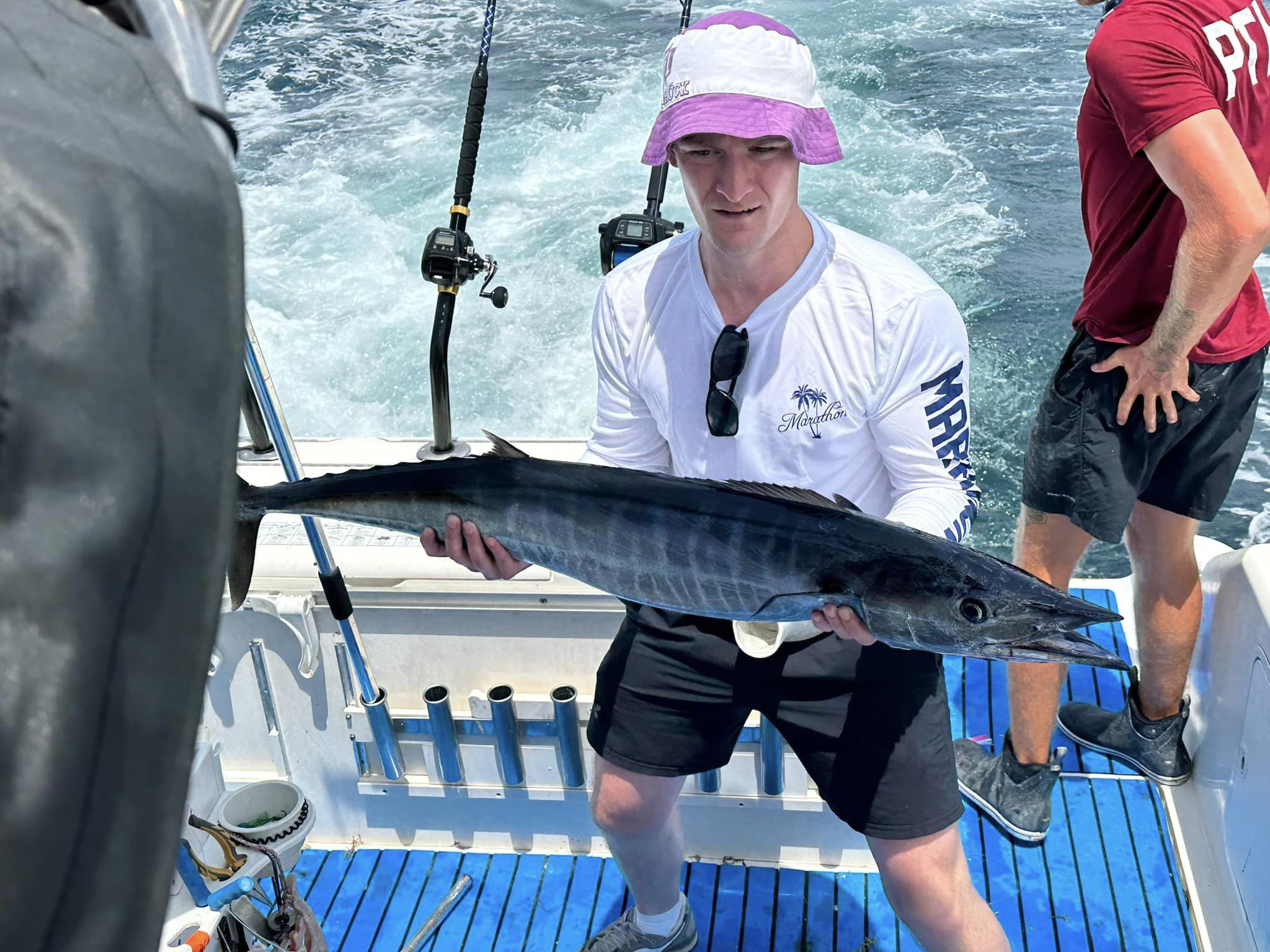
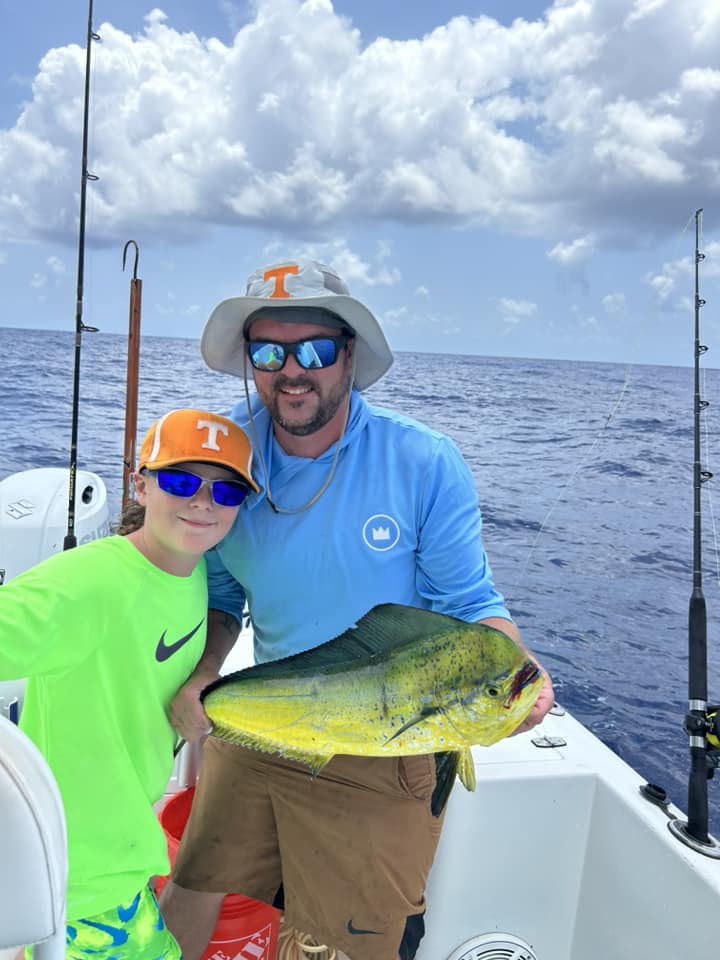
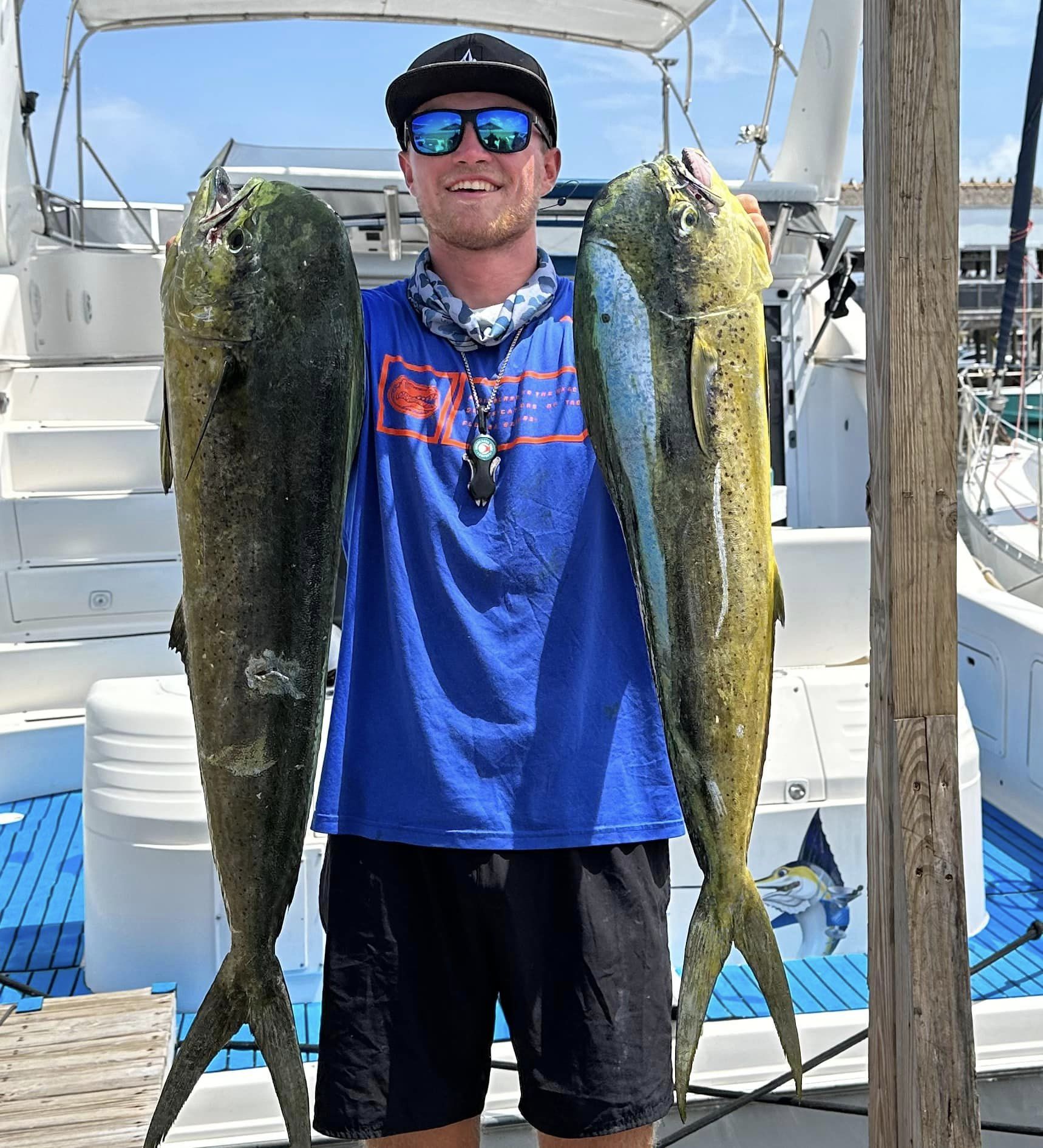
Blackfin tuna are the bread and butter of Marathon's offshore fishing scene. These hard-fighting fish typically run 10-20 pounds and show up year-round, with peak action during the cooler months from November through March. What makes blackfins special is their incredible stamina – they'll make multiple runs and test every knot in your tackle. They school up around structure and temperature breaks, making them perfect targets when we're trolling the offshore waters. Red grouper are the most common grouper species you'll encounter on the wrecks around Marathon. These bottom dwellers can reach impressive sizes, with fish over 20 pounds not uncommon on the deeper structures. They're ambush predators that hold tight to the bottom, so expect a tough fight straight down when you hook up. The best action happens during the cooler months, and they're excellent table fare. Mahi mahi, or common dolphinfish, are what many anglers travel to the Keys specifically to target. These colorful fighters put on an aerial show that's hard to match, and they're curious fish that respond well to our trolling presentations. Peak season runs from late spring through early fall, though we see them throughout the year. They school around floating debris, weed lines, and current edges – exactly where we'll be trolling. Wahoo are the speed demons of the offshore world, capable of reaching speeds over 60 mph. These toothy predators typically show up during the winter months, with December through February being prime time. When a wahoo hits your trolling bait, you'll know it immediately – they make blistering runs that can strip line off even the best reels. They're also some of the best eating fish in the ocean. Black grouper are the prize catch when bottom fishing Marathon's deeper wrecks and ledges. These powerful fish can exceed 50 pounds and provide battles that will test your technique and endurance. They're more common during the warmer months and tend to hold on the more remote structures where fishing pressure is lighter.
Time to Book Your Spot
This combination reef and trolling charter offers something for every angler in your group, whether you're after the steady action of bottom fishing or the adrenaline rush of offshore trolling. The seasonal variations keep things interesting – you never know if today's the day you'll hook into a trophy grouper or witness a pack of mahi exploding on your trolling spread. With all gear, bait, licenses, and bottled water included, all you need to bring is your crew and your appetite for adventure. Marathon's fishing is world-class year-round, but prime dates fill up fast, especially during peak season. Book your trip with Infinite Blue Charters now and get ready for a day of fishing that covers all the bases in one of Florida's most productive fishing destinations.
 Private Trip
 Wrecks/Reefs Fishing
 Marathon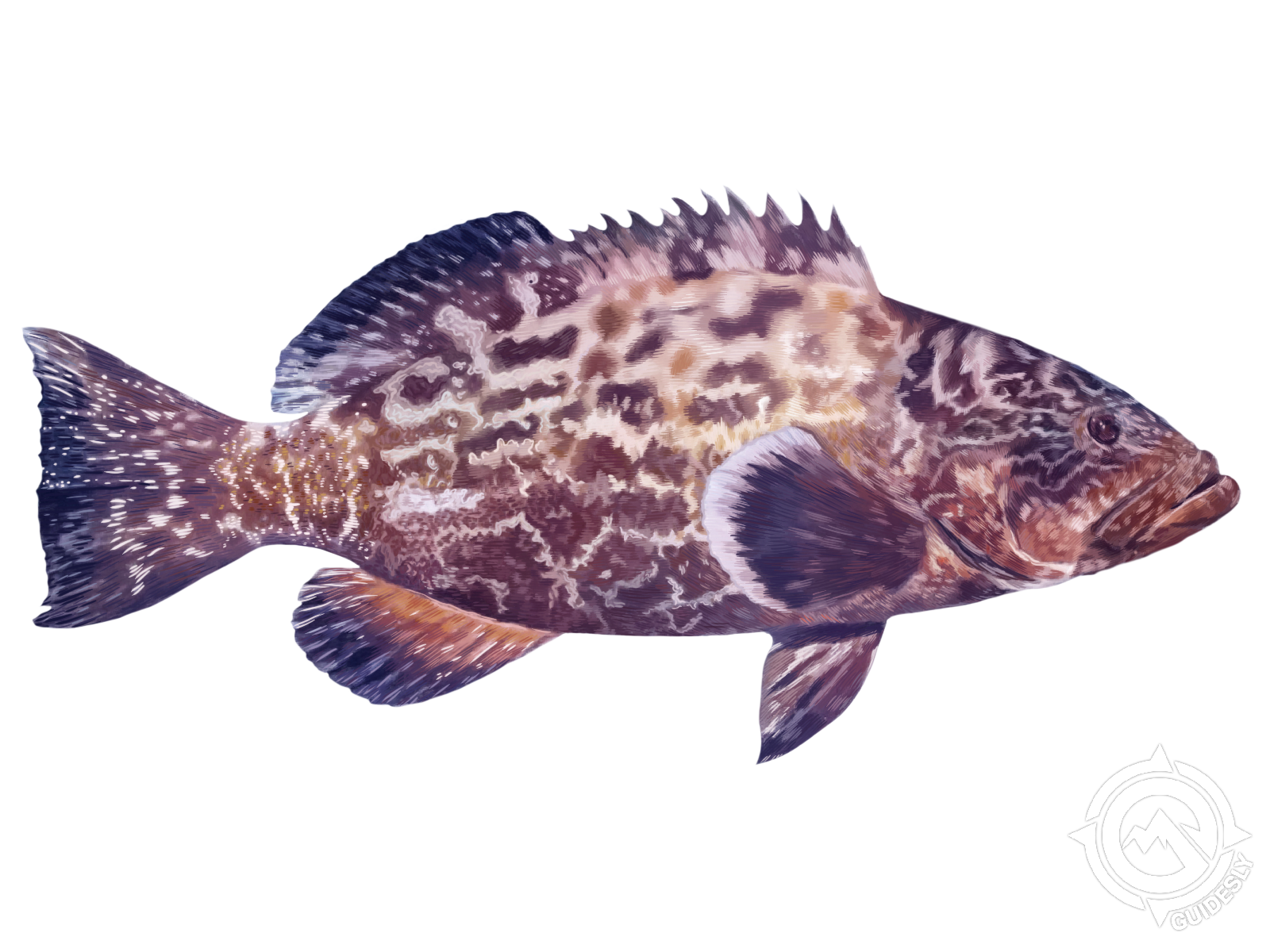


 Bottom fishing targets Yellowtail, Mangrove Snapper, and Grouper species