Big Pine Key 4 Hour Inshore Charter
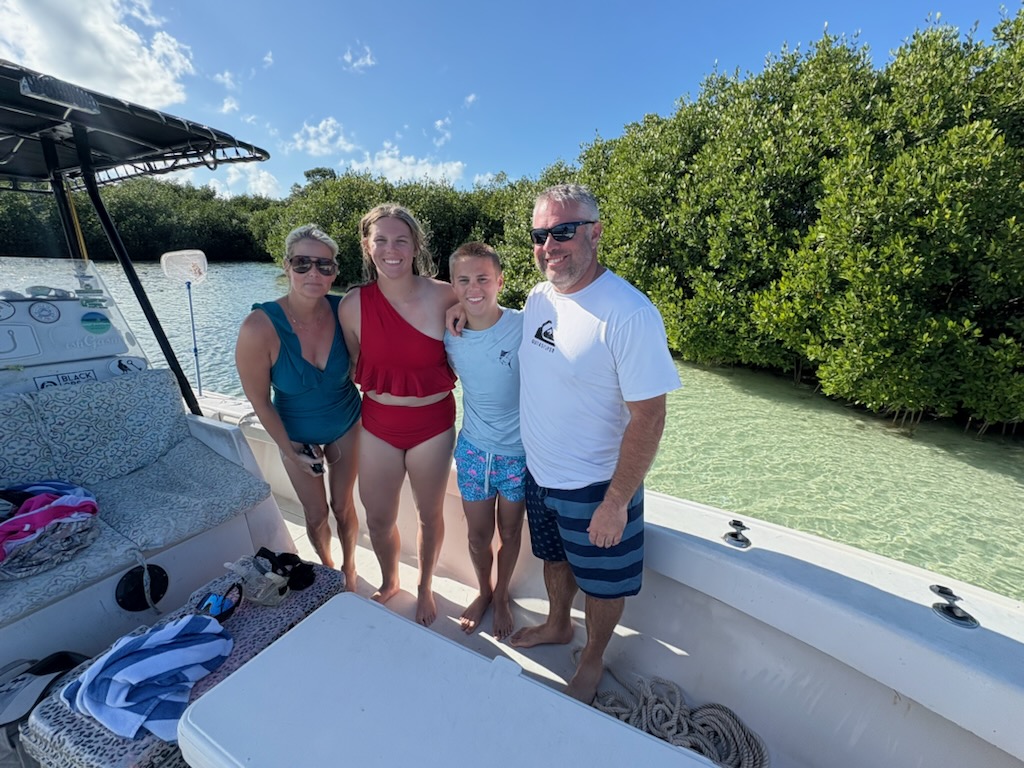
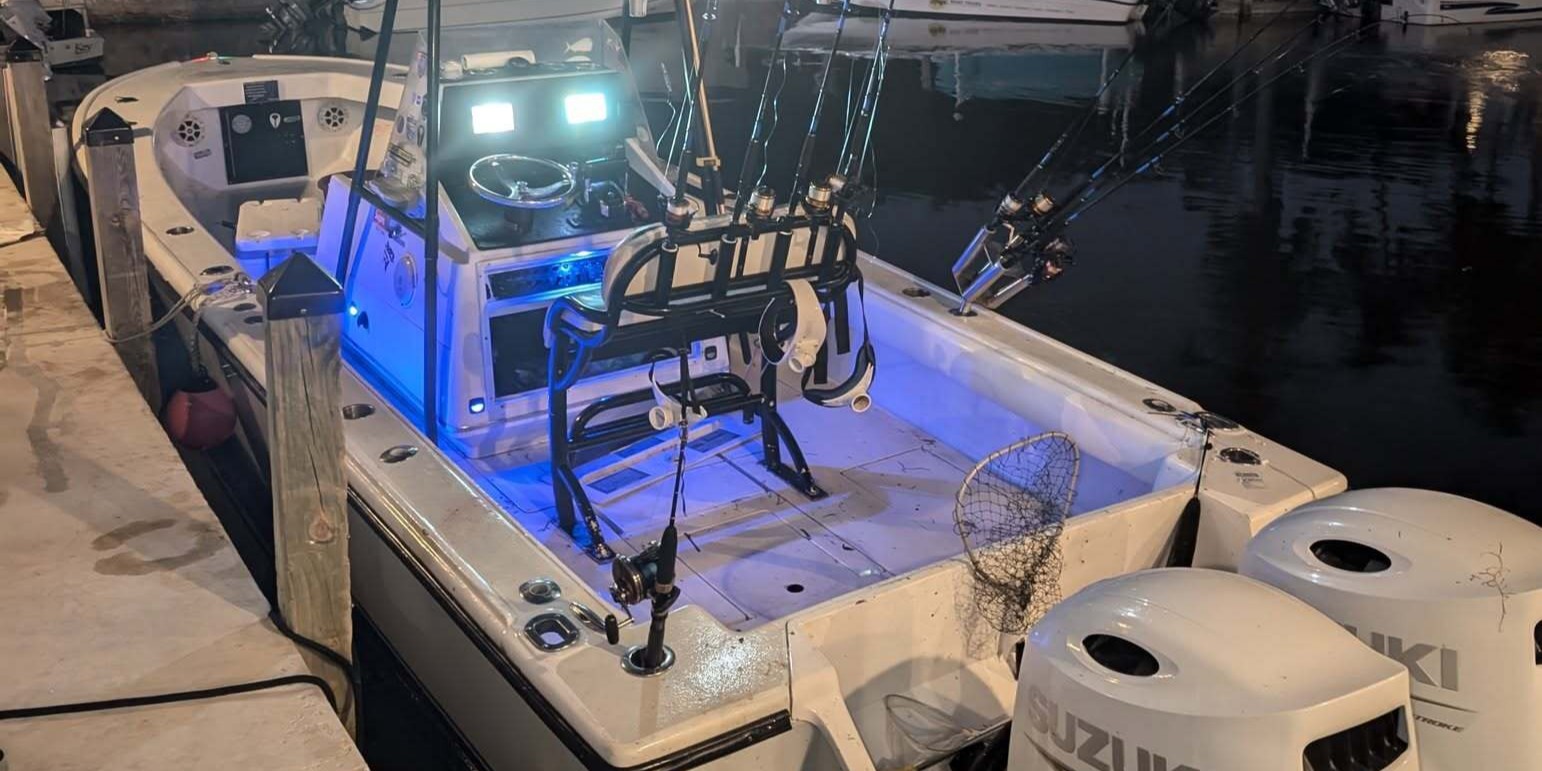
Captain Troy Phillips knows these Florida Keys waters like the back of his hand, and his 4-hour inshore trips out of Big Pine Key deliver some serious fish action. Running a clean 28-foot Intrepid center console, Troy targets the mangrove cuts, grass flats, and nearshore drop-offs where tarpon roll, snook ambush bait, and mutton snapper stack up along the edges. With morning and afternoon departure times, you'll get prime fishing windows when the fish are most active. The $700 base rate covers two anglers with all rods, tackle, and licenses included - no hidden fees or surprise charges. Kids under 12 fish free, and you can bring up to 6 total guests for $50 per extra angler.
What to Expect on the Water
Troy runs a no-nonsense operation focused on putting you on fish fast. His Intrepid gets you to the productive spots quickly, whether that's working the mangrove shorelines for snook or hitting the deeper grass flats where tarpon cruise. The boat's center console layout gives everyone room to cast and fight fish without getting tangled up. You'll start either at 8AM for the morning bite or 1PM for afternoon action - both windows produce well depending on tides and seasonal patterns. Troy reads the water conditions daily and adjusts the game plan accordingly. Some days that means sight-casting to rolling tarpon, other days it's working live bait along structure for mutton snapper and barracuda. The 4-hour window gives you enough time to hit multiple spots and target different species without wearing you out.
Techniques & Tackle Setup
Troy's got the gear dialed in for Keys inshore fishing. You'll be using medium-heavy spinning rods matched with quality reels spooled with 20-30lb braid - perfect for handling everything from feisty barracuda to bulldogging mutton snapper. Depending on conditions, you'll fish with live pilchards, pinfish, and shrimp, plus an arsenal of artificial baits including bucktails, topwater plugs, and soft plastics. The shallow water fishing here demands finesse - you're often working in 2-8 feet over grass beds and around mangrove roots where big fish spook easily. Troy positions the boat for optimal casting angles and coaches you through the techniques that work best for each species. When tarpon are rolling, you might be sight-casting with live baits or working the deeper channels with heavier tackle. For snook around the mangroves, it's all about accurate casts to the structure and being ready for explosive strikes.
Top Catches This Season
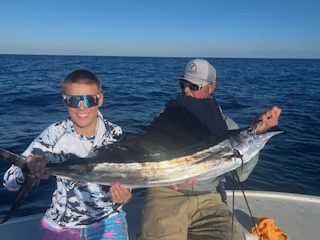
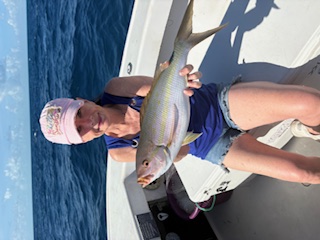
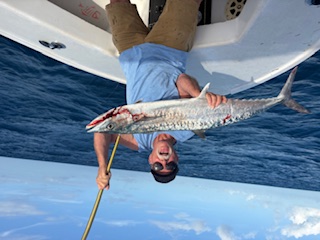
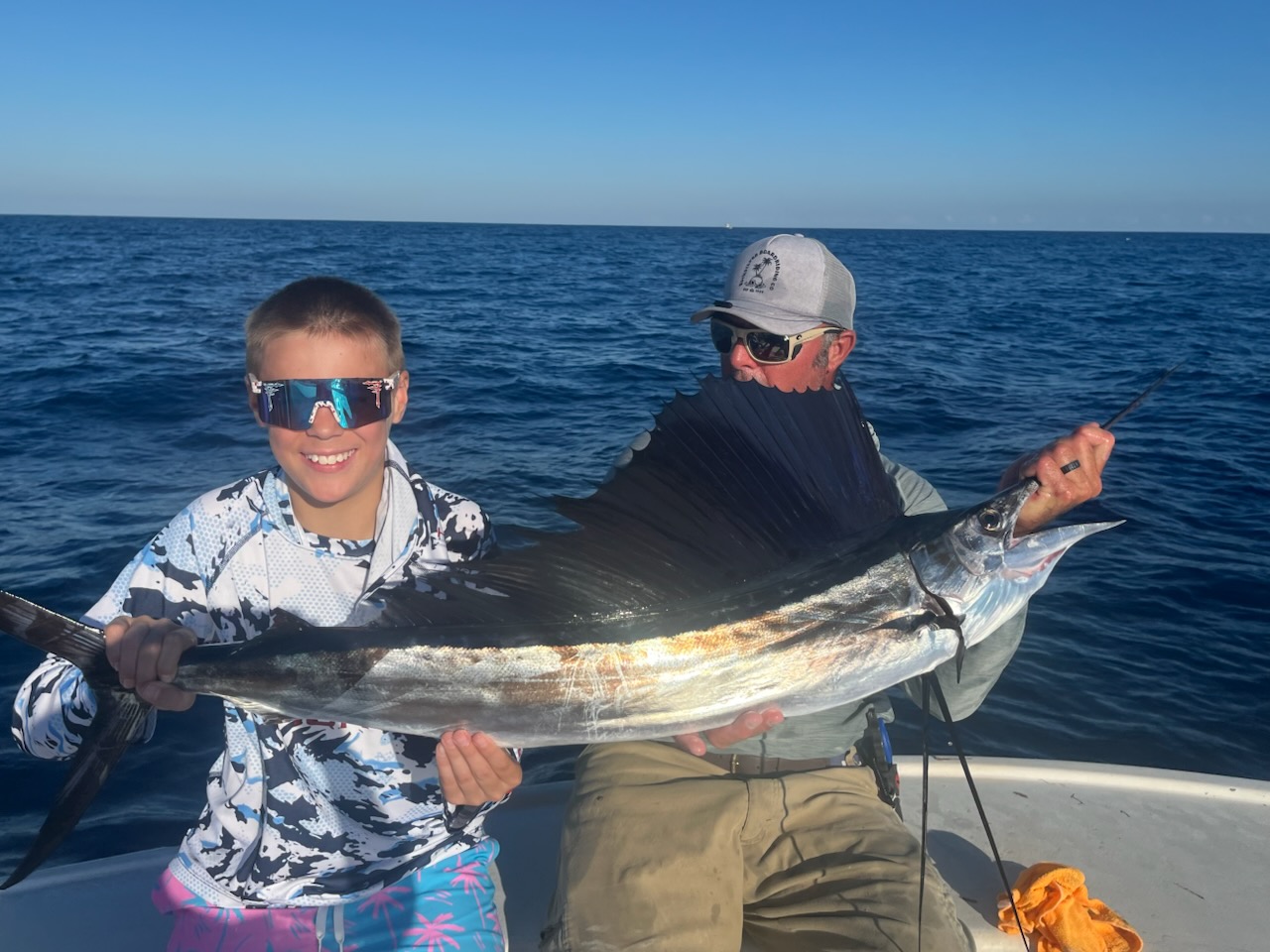
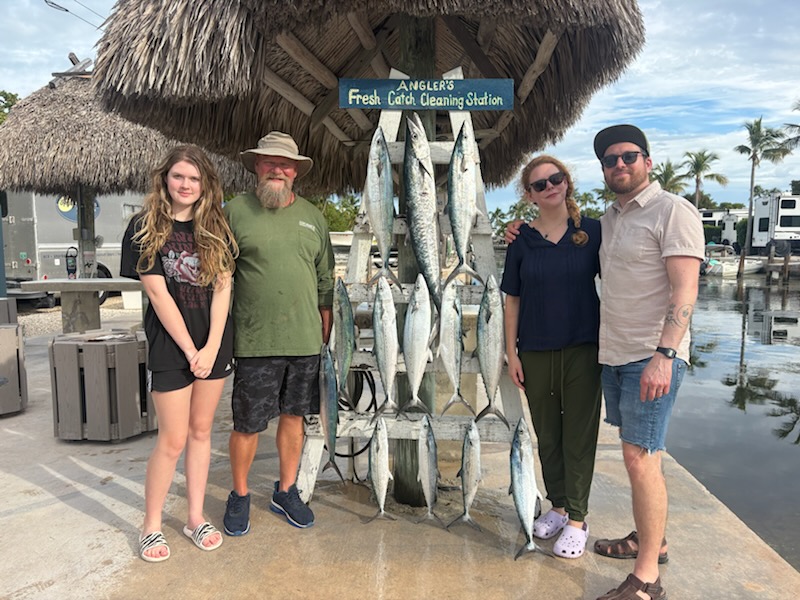
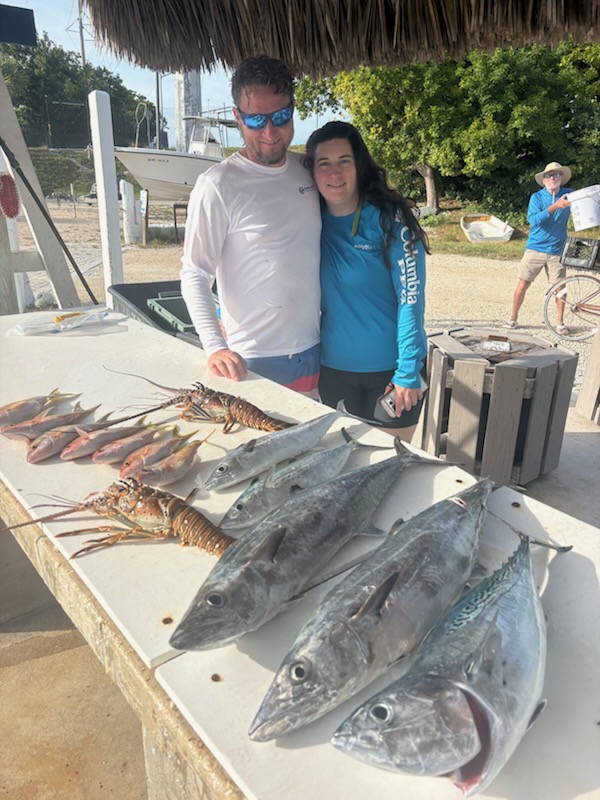
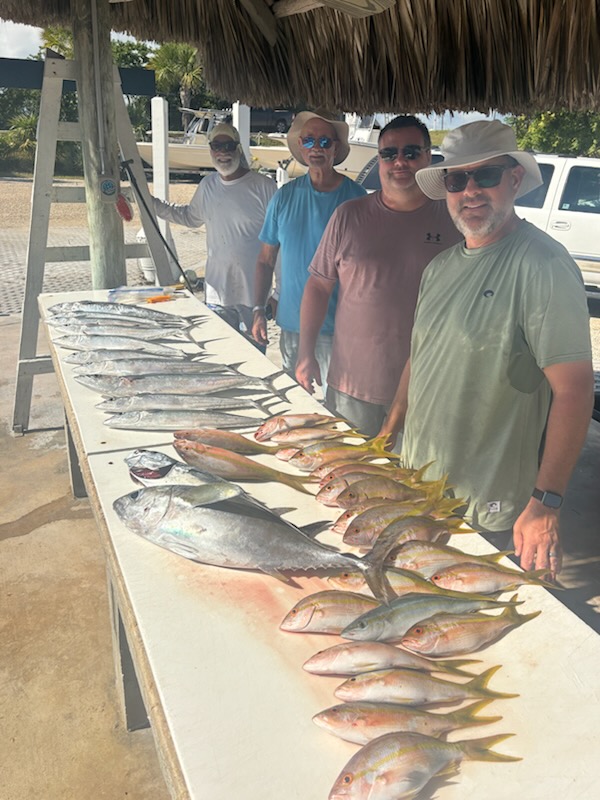
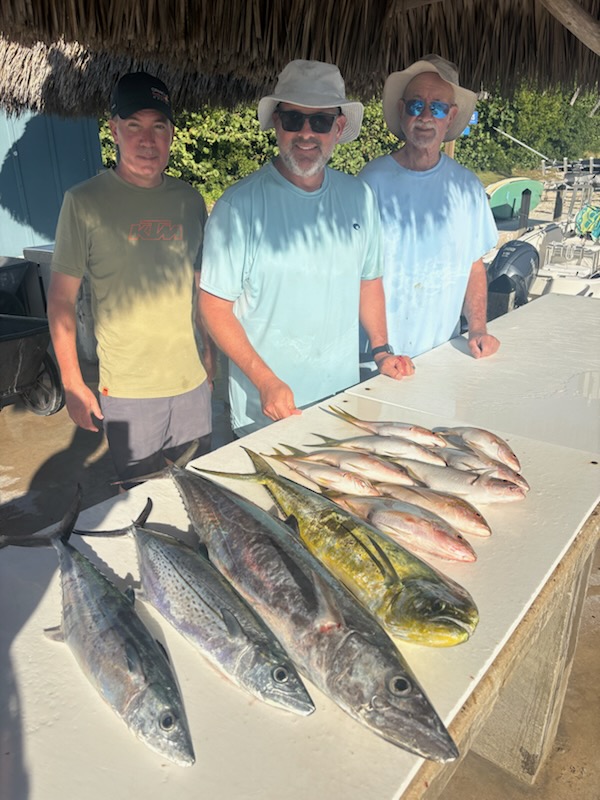
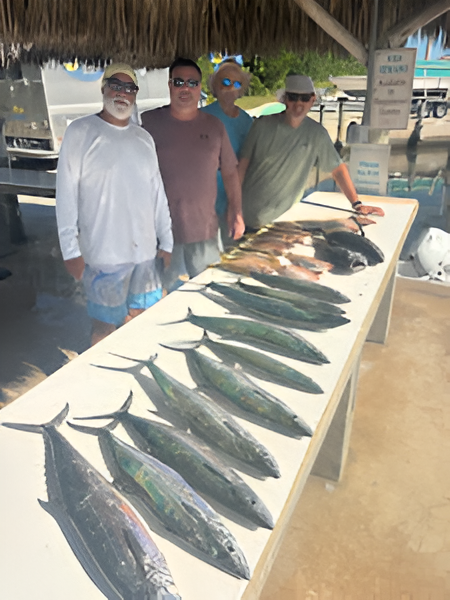
Atlantic Sailfish push into the nearshore waters around Big Pine Key, especially during cooler months when baitfish concentrate along the reef line. These acrobatic fighters average 6-8 feet and put on spectacular aerial displays once hooked. Troy targets them with live baits worked near structure drops where they hunt. The fight is pure adrenaline - multiple jumps, screaming runs, and that unforgettable bill-shaking head dance. Tarpon are the silver kings of the flats, and Big Pine Key sits right in their migration highway. From April through July, these giants cruise the shallow waters and backcountry channels. Hooking a 100+ pound tarpon in shallow water is fishing at its finest - they'll clear the water completely and test every ounce of your tackle and technique. Mahi Mahi or Common Dolphinfish show up seasonally when conditions are right, particularly around floating debris or weed lines near the reef. These colorful speedsters hit hard and fight with bulldogging runs, plus they're excellent table fare. Wahoo occasionally blast through the nearshore areas, especially during winter months. These torpedo-shaped predators can hit 40+ mph and will test your drag system with blistering initial runs. Red Snapper hold around deeper structure and provide consistent action when regulations allow. They're smart fish that require finesse presentations, but once hooked, they pull hard toward the bottom with that classic snapper headshake.
Time to Book Your Spot
This top-rated Big Pine Key charter books up fast, especially during peak tarpon season and winter months when the fishing is world-class. Troy's local knowledge and clean operation make this a customer favorite for both beginners and experienced anglers. The flexible departure times work great whether you want to start early and beat the afternoon heat or sleep in and fish the evening bite. Just remember to bring sunscreen, towels, snacks, and Bonine if you're sensitive to boat motion. With all tackle and licenses included, you just show up ready to fish. Book now to secure your dates - the Florida Keys fishing doesn't get much better than this.
 Private Trip
 Inshore Fishing
 undefined, undefined


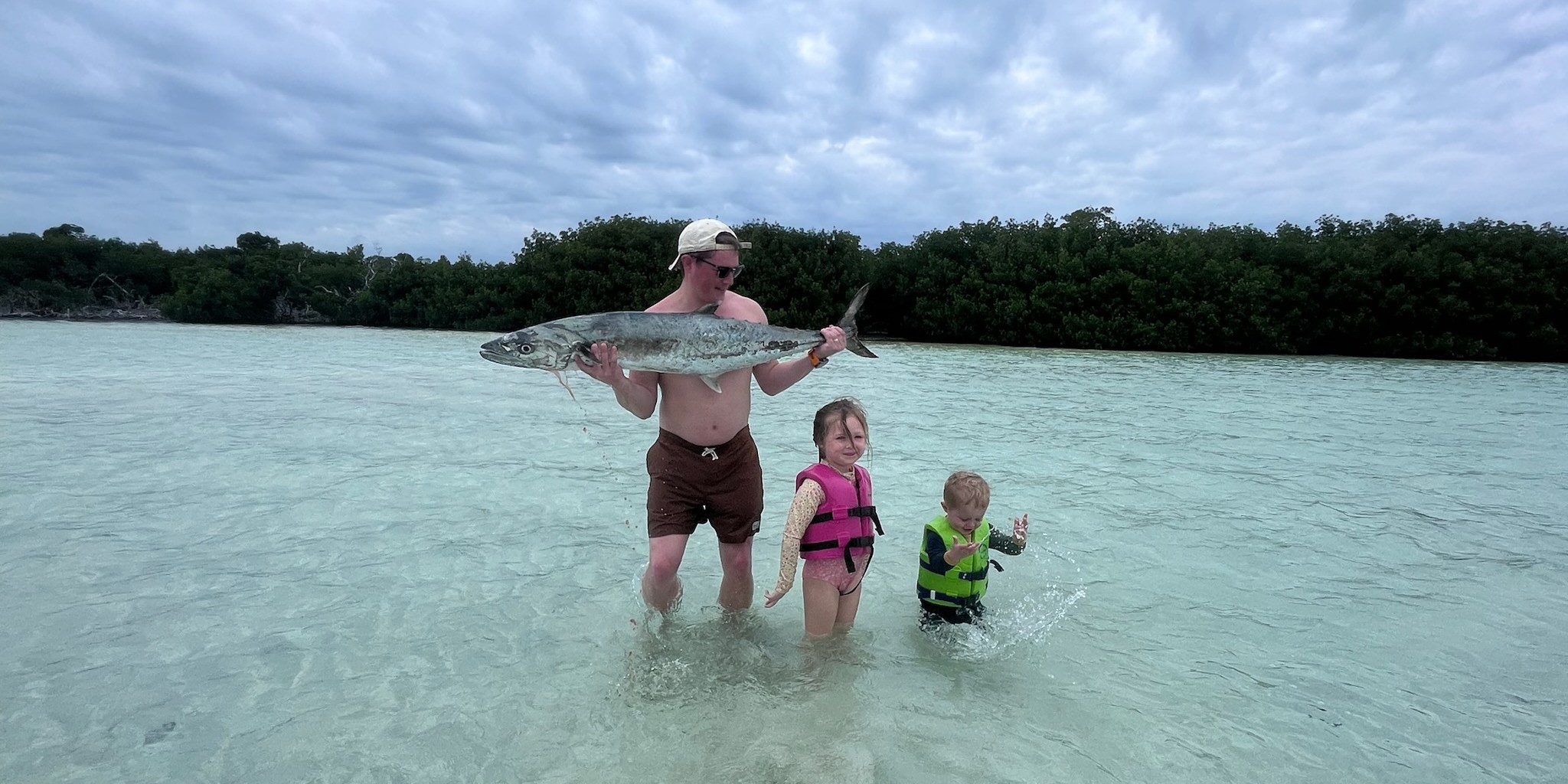
 Captain Troy leads 4-hour inshore trips from Big Pine Key