Big Pine Key Offshore Fishing
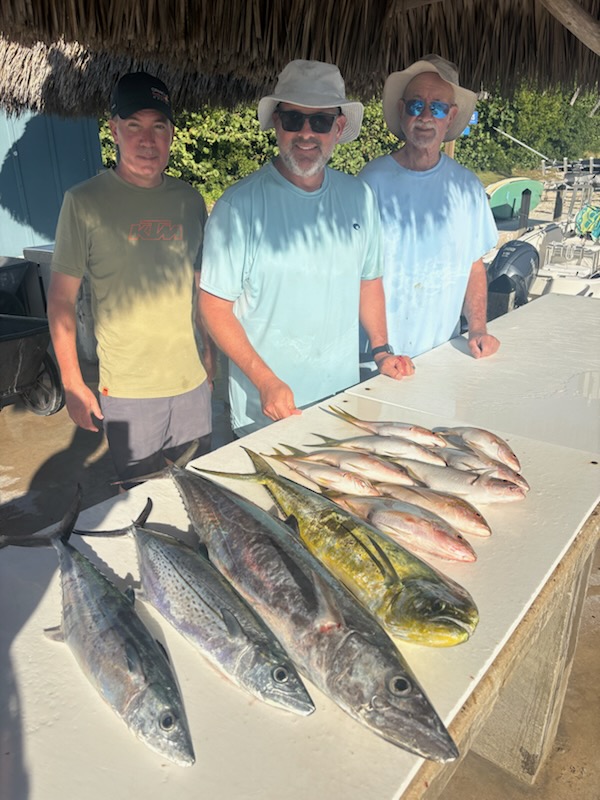
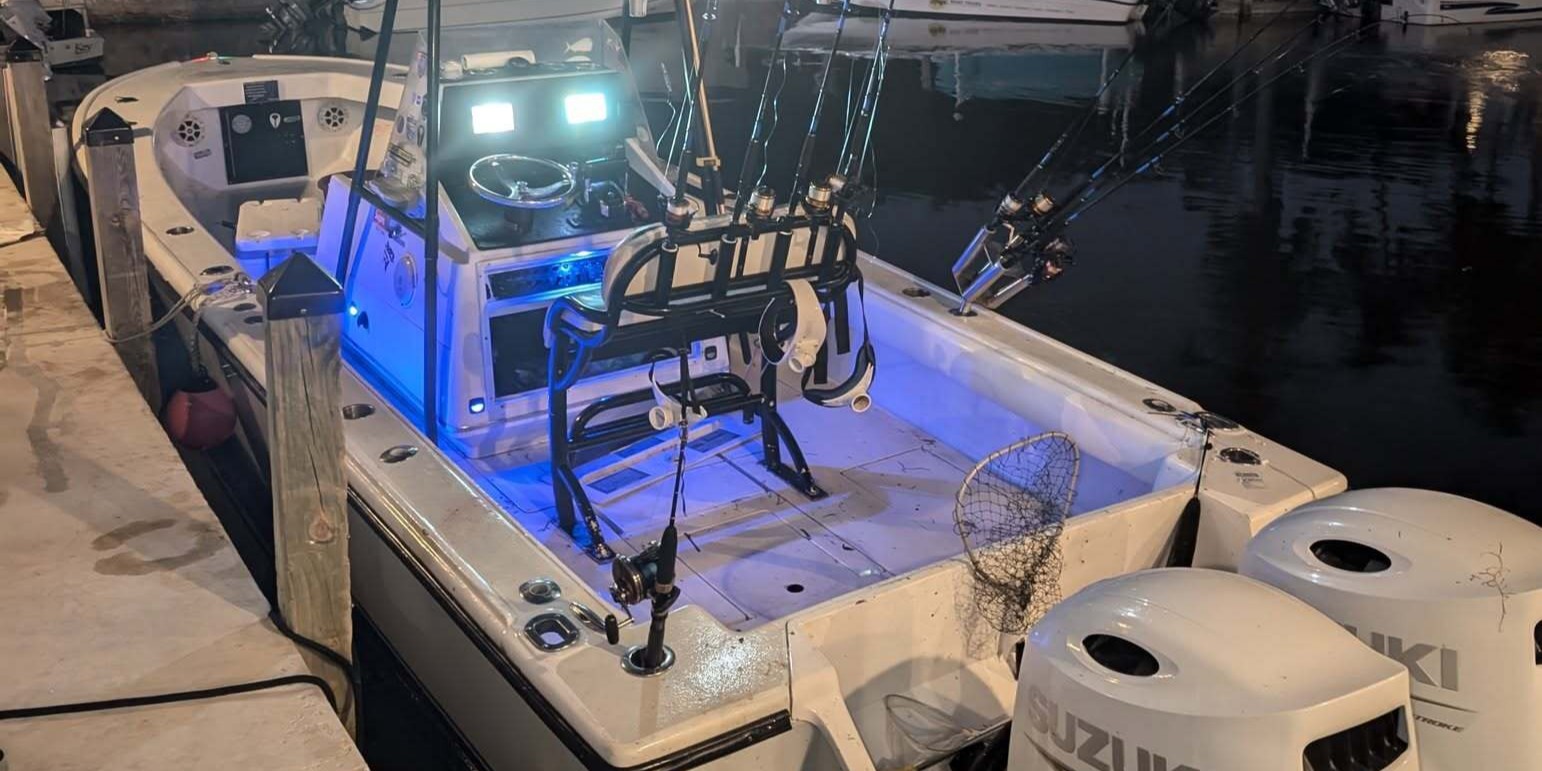
When you're looking for serious offshore action in the Florida Keys, Captain Troy Phillips has been putting anglers on fish for over two decades. This isn't some cookie-cutter charter operation – Troy grew up on these waters around Big Pine Key, learning every reef edge, current break, and seasonal pattern the hard way. His 28-foot Intrepid center console gets you out to the blue water fast with twin Suzuki 175s, and he keeps things comfortable for up to 6 guests while targeting everything from reef snapper to pelagic speedsters like sailfish and wahoo. Whether you're a family wanting to experience Keys fishing or serious anglers chasing personal bests, Troy's light tackle approach with live bait and proven presentations keeps the action steady.
What to Expect on the Water
Troy runs his operation like the local he is – no rushing, no drama, just solid fishing knowledge applied where it counts. You'll launch from Big Pine Key and depending on conditions and what's biting, he'll work the reef edges for snapper and grouper or push out to the blue water for pelagics. The boat rides smooth in typical Keys chop, and Troy keeps the gear maintained and ready. Expect live bait in the wells – pilchards, goggle-eyes, whatever's running fresh that day. He's not one to burn fuel chasing rumors; instead, he reads the water, watches for birds, and puts you where fish actually live. The trips flow naturally between trolling spreads, kite fishing when conditions are right, and live bait fishing over structure. You're looking at productive fishing time, not just boat rides to distant spots that may or may not produce.
Light Tackle Techniques
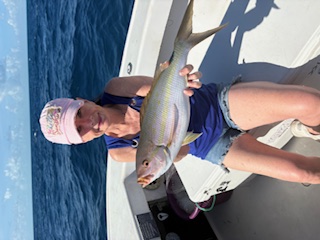
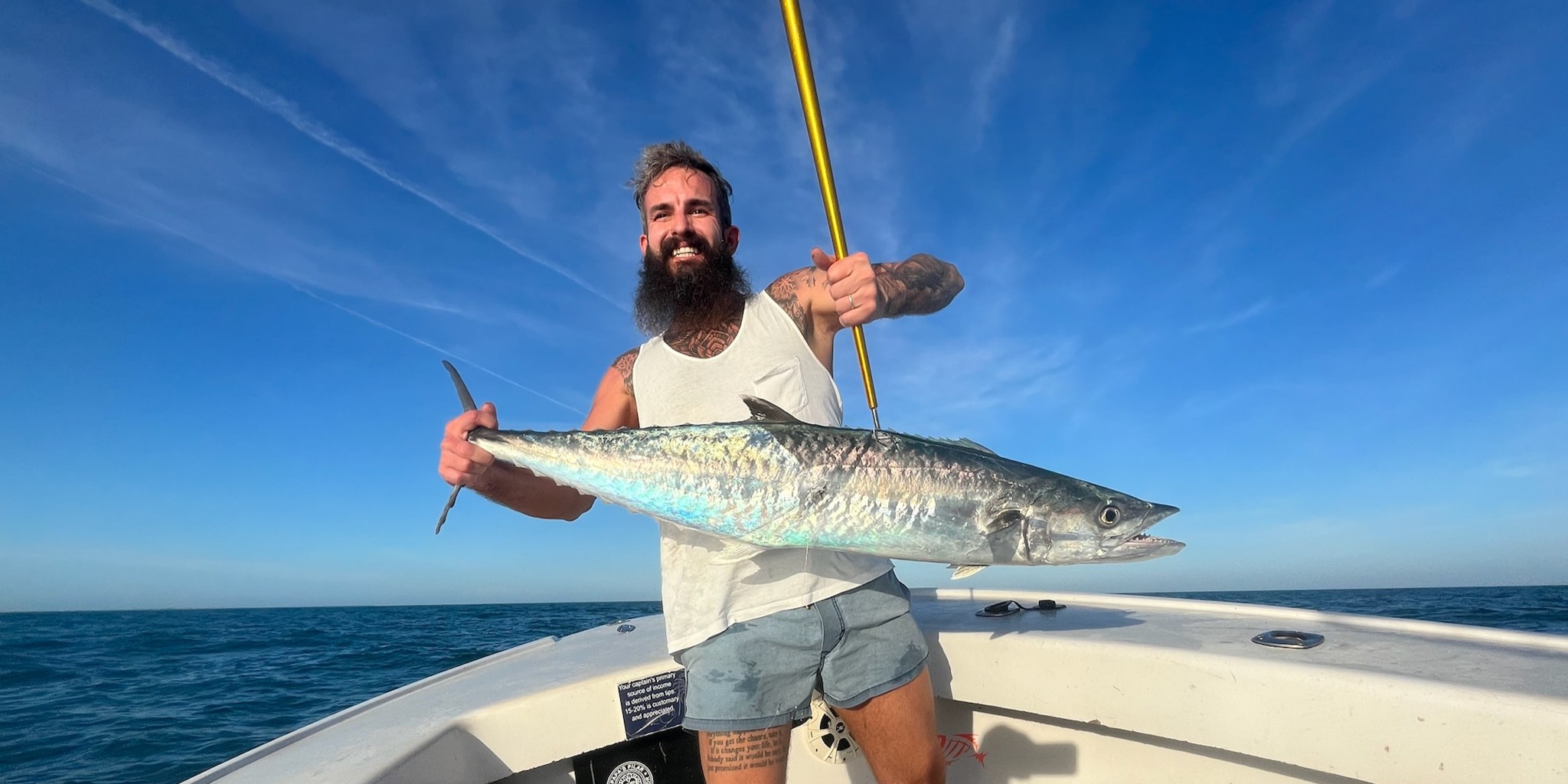
Troy specializes in light tackle fishing, which means you'll feel every run and jump without the heavy gear that takes the sport out of it. His trolling spreads feature a mix of ballyhoo, small lures, and teasers designed to pull strikes from sailfish, mahi, and wahoo cruising the offshore waters. When he switches to kite fishing – a Keys specialty – you'll watch live baits swim naturally on the surface while the kite keeps them positioned perfectly in the strike zone. This technique is deadly on sailfish and big kings that won't hit trolled baits. For reef fishing, he uses circle hooks and just enough weight to reach bottom, letting fish like mutton snapper and yellowtail feel the bait naturally before they commit. The 28-foot Intrepid gives him the stability for fighting big fish while keeping everyone safe and comfortable throughout the trip.
Species You'll Want to Hook
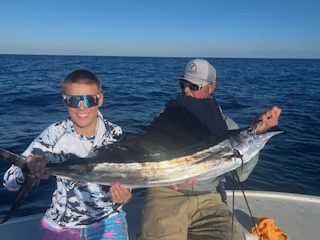
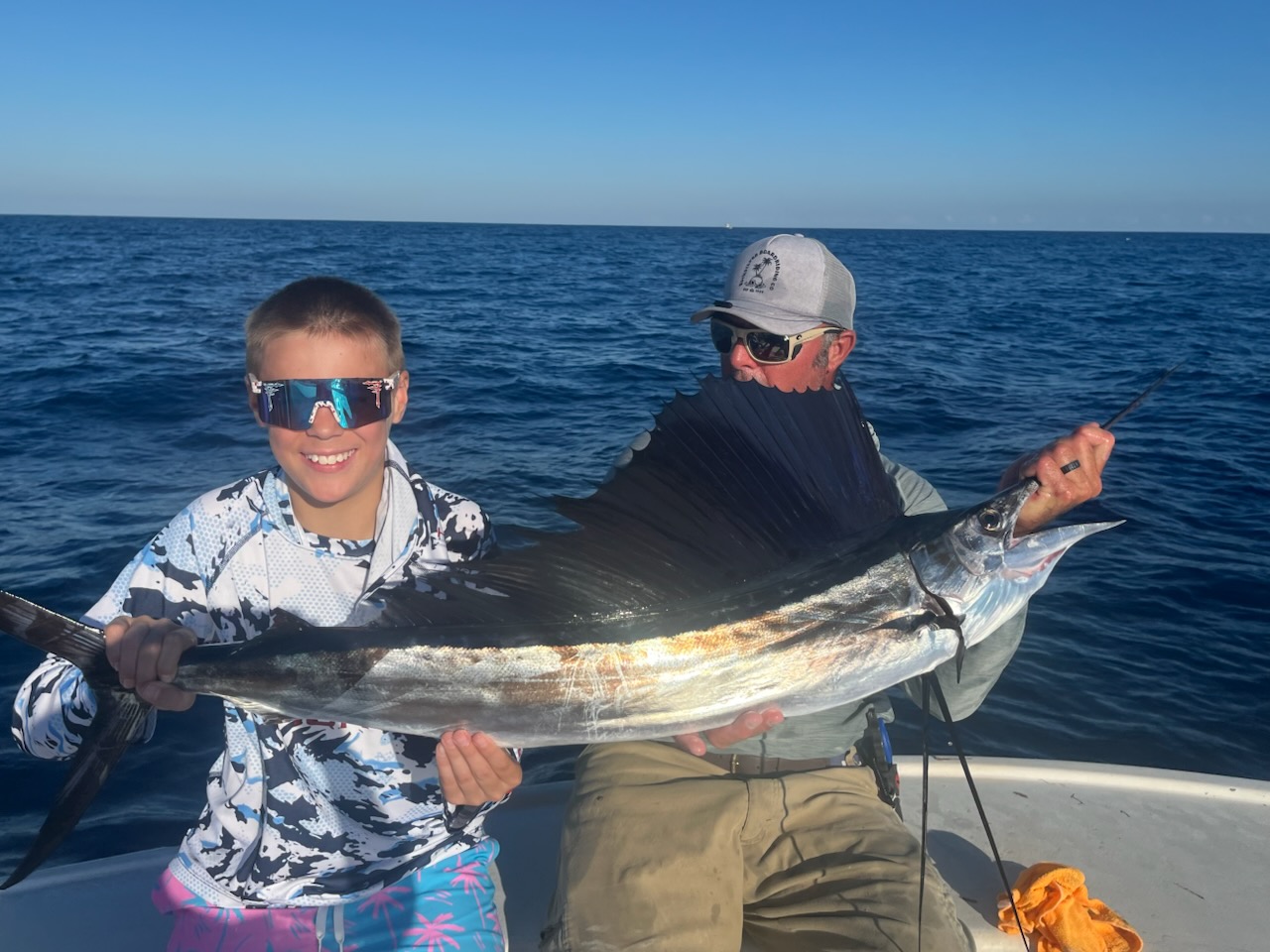
Atlantic Sailfish represent the crown jewel of Keys offshore fishing, and Big Pine Key sits perfectly positioned along their migration routes. These acrobatic billfish typically show up in good numbers from November through April, with peak action in winter months when they're moving through in schools. Sailfish average 6-8 feet and 40-60 pounds, but what makes them special is the way they fight – multiple jumps, long runs, and aerial displays that'll have you grabbing for the camera. Troy targets them with kite-fished live baits and slow-trolled ballyhoo, and when conditions align, you might see multiple hookups that'll test everyone's fish-fighting skills.
Tarpon fishing around Big Pine Key shifts with the seasons, but when they're here, they're the most sought-after gamefish in Florida waters. These silver giants range from juvenile fish in the 20-40 pound class up to mature adults pushing 100+ pounds and 6 feet long. Peak tarpon season runs May through August when they migrate through the Keys in massive schools. What sets tarpon apart is their explosive jumps – sometimes clearing the water completely – and their ability to throw hooks with violent head shakes. Troy uses live crabs, pilchards, and threadfin herring to tempt them, often sight-fishing to rolling fish or working known tarpon highways along the reef line.
Mahi Mahi or Common Dolphinfish provide some of the most consistent offshore action, especially from April through September when they're abundant in Keys waters. These colorful gamefish typically run 10-30 pounds, though bulls can exceed 40 pounds and stretch over 4 feet. Mahi are aggressive feeders that hit trolled ballyhoo, small lures, and live baits with authority. What anglers love about mahi is their willingness to bite, beautiful colors that light up when hooked, and excellent table fare. Troy finds them around floating sargassum, debris lines, and current edges where they ambush baitfish. When you hook one mahi, others often stick around, leading to multiple hookups and steady action.
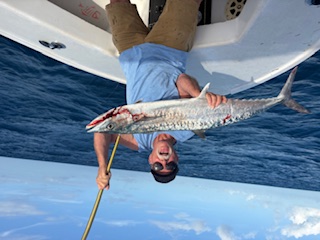
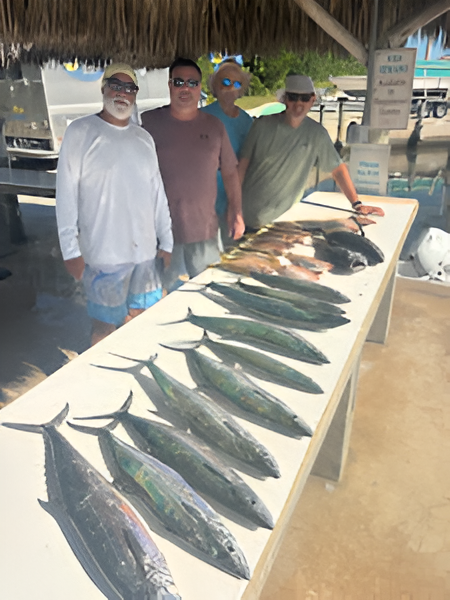
Wahoo Fish are the speed demons of the offshore world, capable of 50+ mph runs that'll smoke drag systems in seconds. These torpedo-shaped predators average 15-40 pounds around Big Pine Key, with larger specimens pushing 60+ pounds and 5-6 feet in length. Wahoo bite best from October through March, often hitting high-speed trolled lures and rigged ballyhoo. Their razor-sharp teeth require wire leaders, and their initial runs are legendary among offshore anglers. Troy targets them along reef edges and current breaks where they ambush passing baitfish. The fight is typically one blistering run followed by a steady pull to the boat, but that first run will test your drag settings and reflexes.
Red Snapper represent the bread and butter of Keys reef fishing, providing consistent action and excellent eating throughout most of the year. These bottom dwellers typically run 2-8 pounds around Big Pine Key reefs, though larger specimens over 10 pounds show up regularly. Red snapper are structure-oriented fish that live around coral heads, ledges, and artificial reefs in 40-120 feet of water. Troy uses live and cut baits on circle hooks, often combining snapper fishing with offshore trolling for a mixed bag approach. What makes red snapper special is their abundance, willingness to bite, and the fact that they're one
 Private Trip
 Offshore Fishing
 undefined, undefined


 Captain Troy Phillips offers 20+ years local guiding expertise.