Full Day Salmon River Guided Fishing Adventure
The Salmon River isn't just another fishing spot—it's where serious anglers come to test their skills against some of the most prized fish in the Pacific Northwest. Captain Jason has been working these waters for years, and he knows exactly where the salmon stack up and where the trout hold in different conditions. This full-day trip gives you the time to really dial in your technique while chasing multiple species in one of the most productive river systems around. We're talking about a proper fishing day here, not some quick tourist run. You'll be on the water long enough to adapt to what the fish are doing and make the most of every opportunity.
What to Expect on the Water
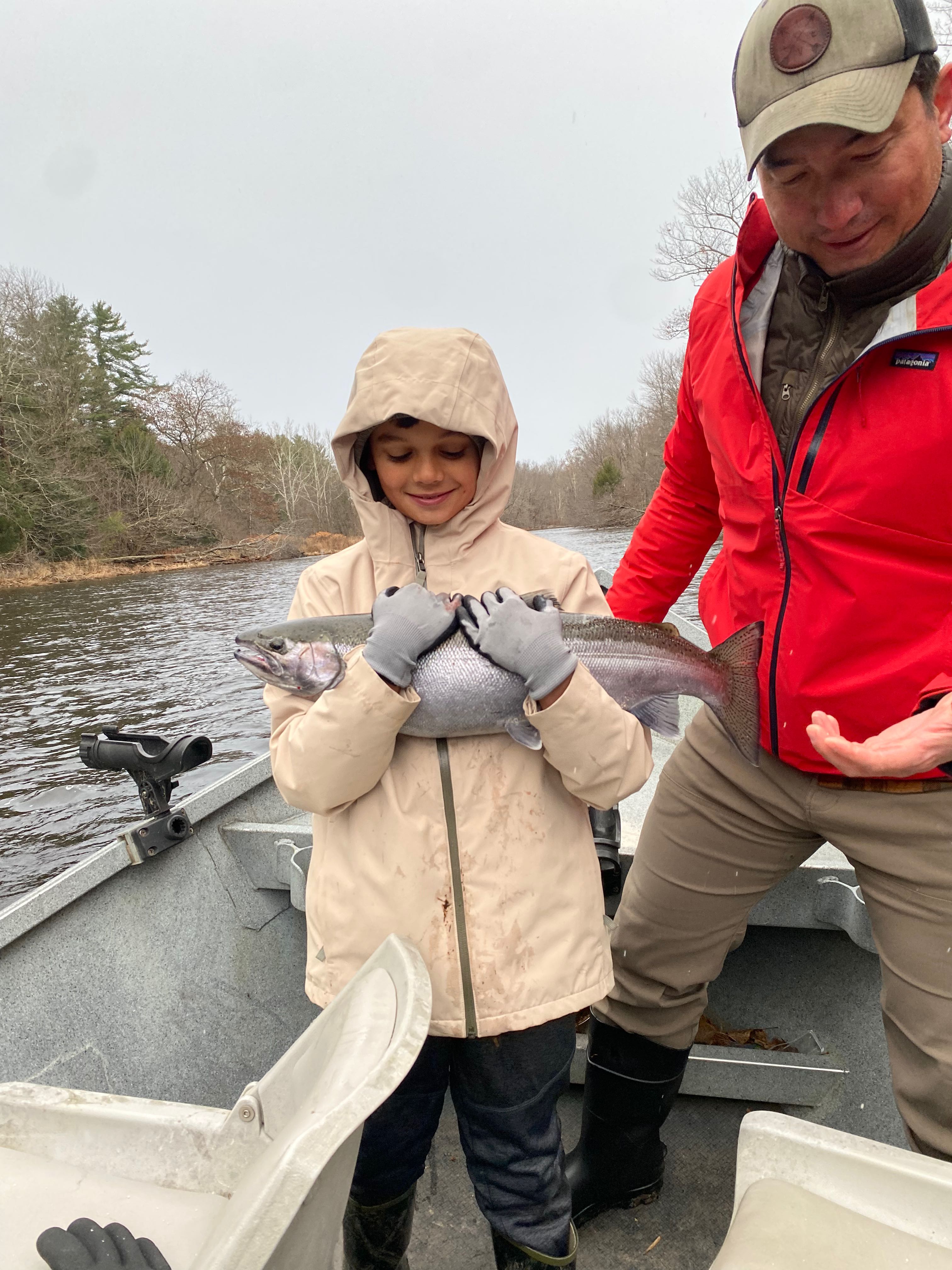
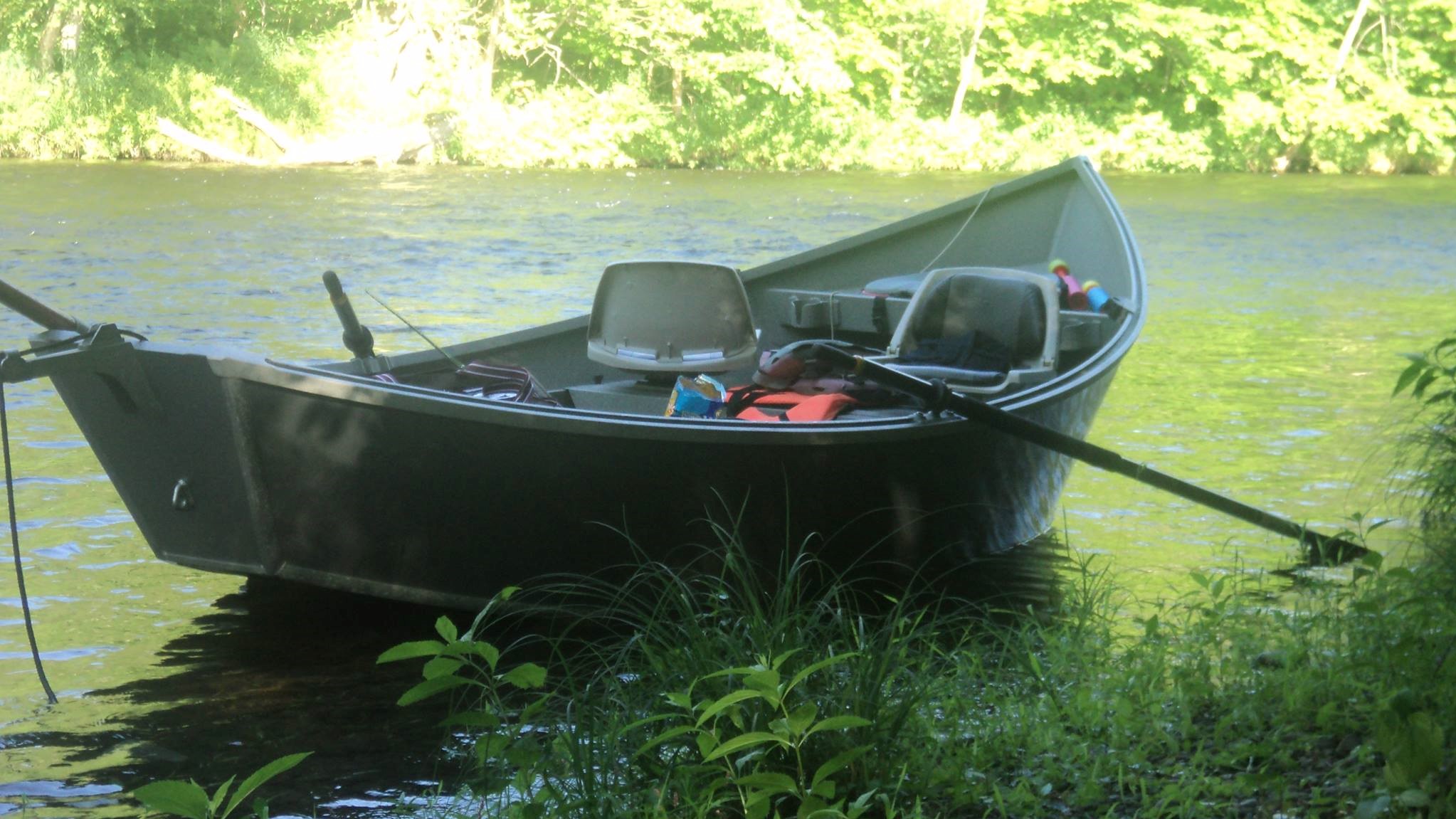
Your day starts early because that's when the fish are most active, especially during salmon runs. Captain Jason will have you positioned in prime holding water before other boats even think about launching. The Salmon River changes personality throughout the day—morning might have you working deeper pools where chinook salmon rest, while afternoon could shift to faster water where coho are pushing upstream. You'll cover different sections of the river depending on conditions, water levels, and what's been producing lately. The boat stays comfortable for two anglers, giving everyone plenty of room to work without tangling lines or bumping elbows. Jason provides all tackle, but if you've got a lucky rod or favorite reel setup, bring it along. The river demands respect—currents can be strong, and fish here don't give up easy. That's exactly what makes landing one so satisfying.
Gear and Techniques We Use
River fishing for salmon and trout requires a completely different approach than lake fishing or ocean fishing. Captain Jason runs setups specifically designed for the Salmon River's unique conditions. You'll be using medium to heavy action rods that can handle the strong current and powerful fish, paired with reels that have solid drag systems. Techniques vary based on what we're targeting—drift fishing with roe or sand shrimp for salmon, casting spinners for aggressive coho, or working flies through trout pockets. The key is reading the water and adjusting your presentation. Jason will teach you how to feel the difference between your weight bouncing on rocks versus a fish picking up your bait. Line choice matters here too—fluorocarbon leaders help in the clear water, while the main line needs enough strength for fish that can easily hit twenty pounds or more. Every setup gets checked and re-rigged as needed throughout the day because losing a fish to tackle failure isn't an option.
Customer Stories
"Captain Jay had us on bluefin more than once, and we ended up landing a 400-pound giant! The whole crew had an awesome time out there. Definitely recommend fishing with Dead On!" - Alexis
"We had an unforgettable day on the water with Captain Jay and first mate Matt. While nothing's ever guaranteed in fishing, having a crew that truly knows their stuff makes all the difference—and these guys absolutely do. We spent the full day aboard Jay's boat and were lucky enough to hook and land a stunning bluefin tuna. What an experience! It's a memory that'll stick with me for a long time. I'd head out with Captain Jay again in a heartbeat. Thanks again, guys!" - Jared
Species You'll Want to Hook
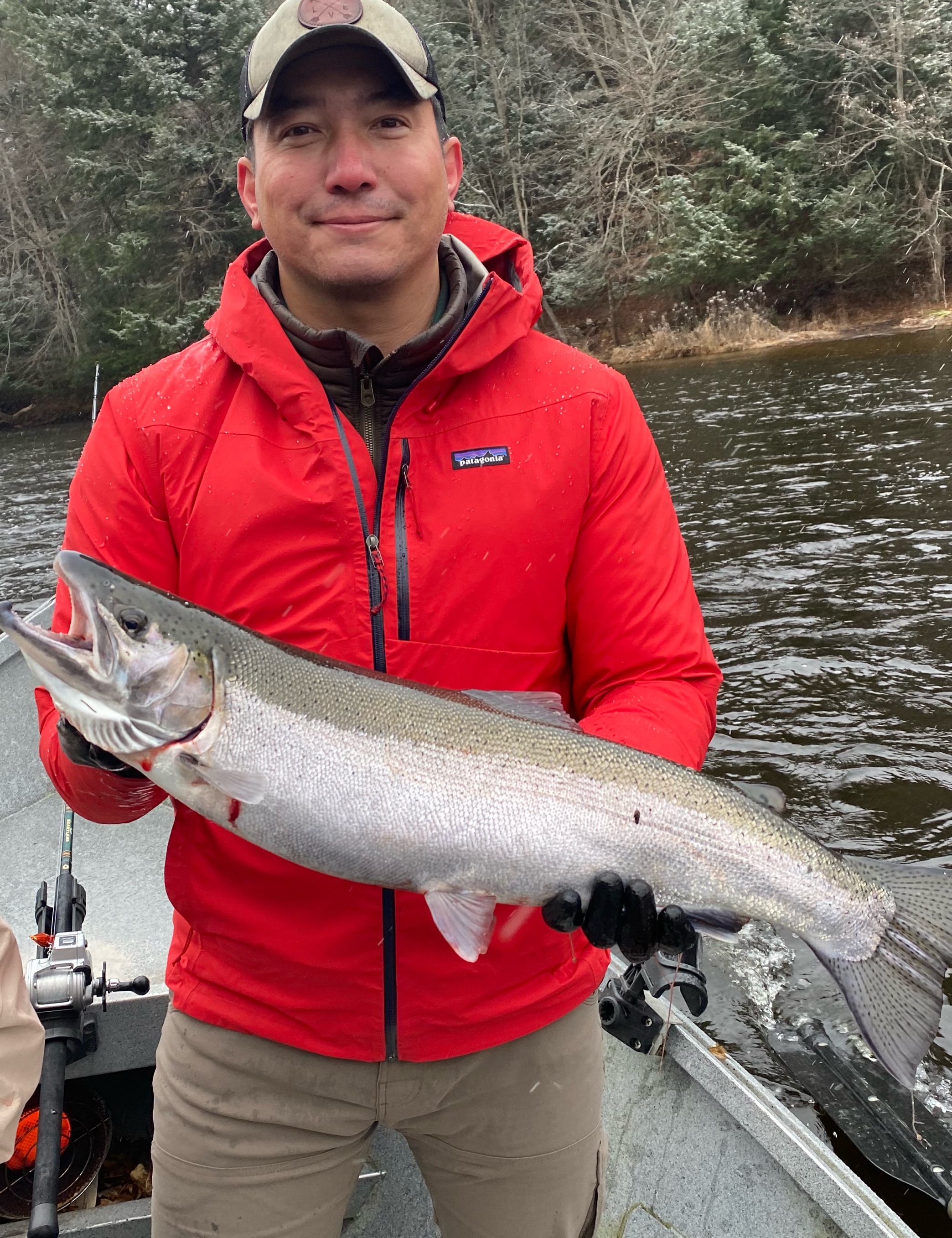
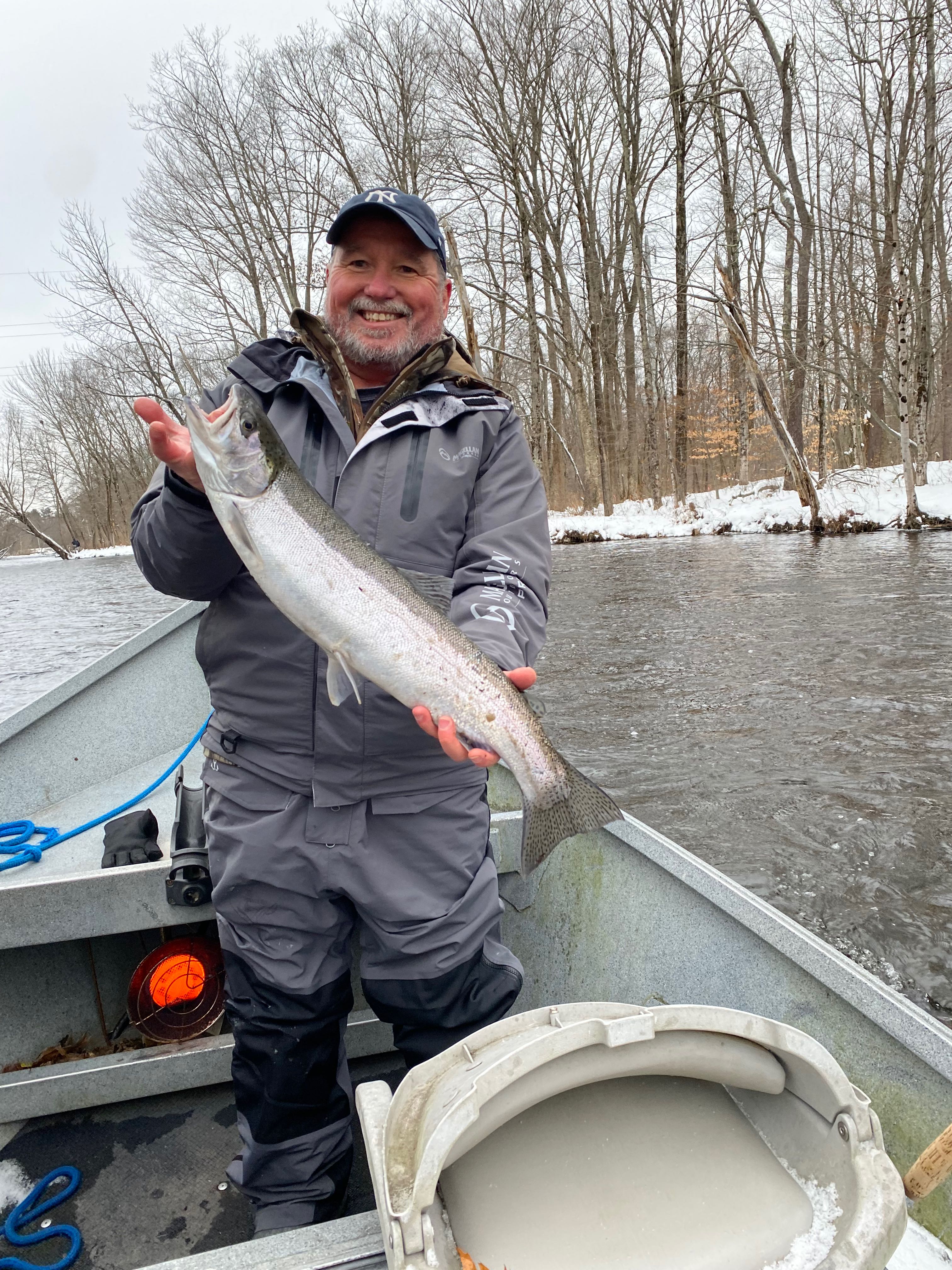
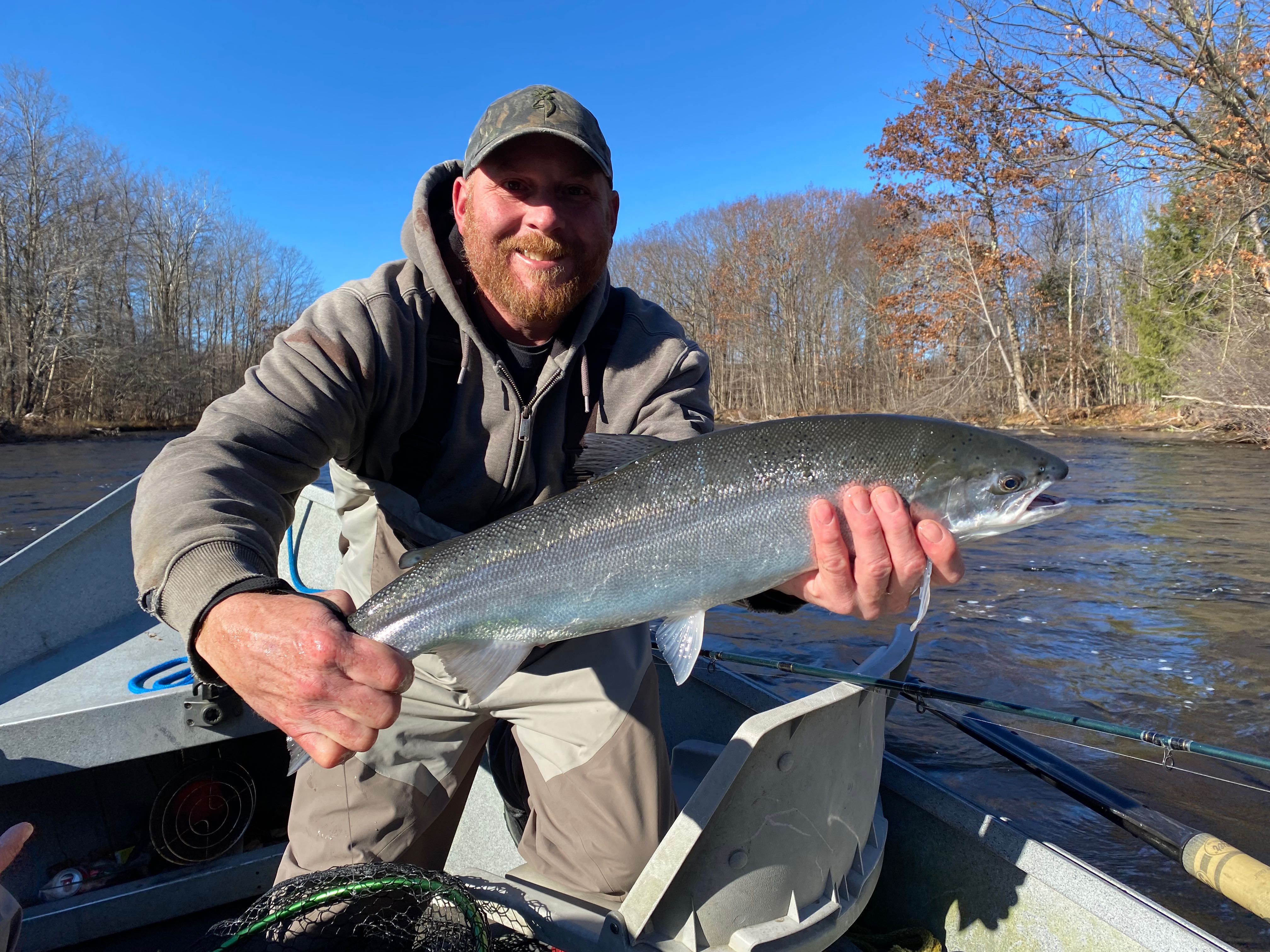
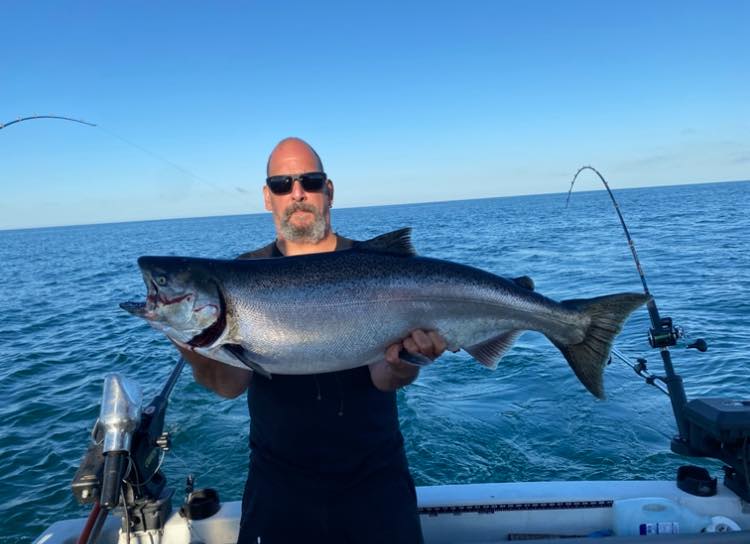
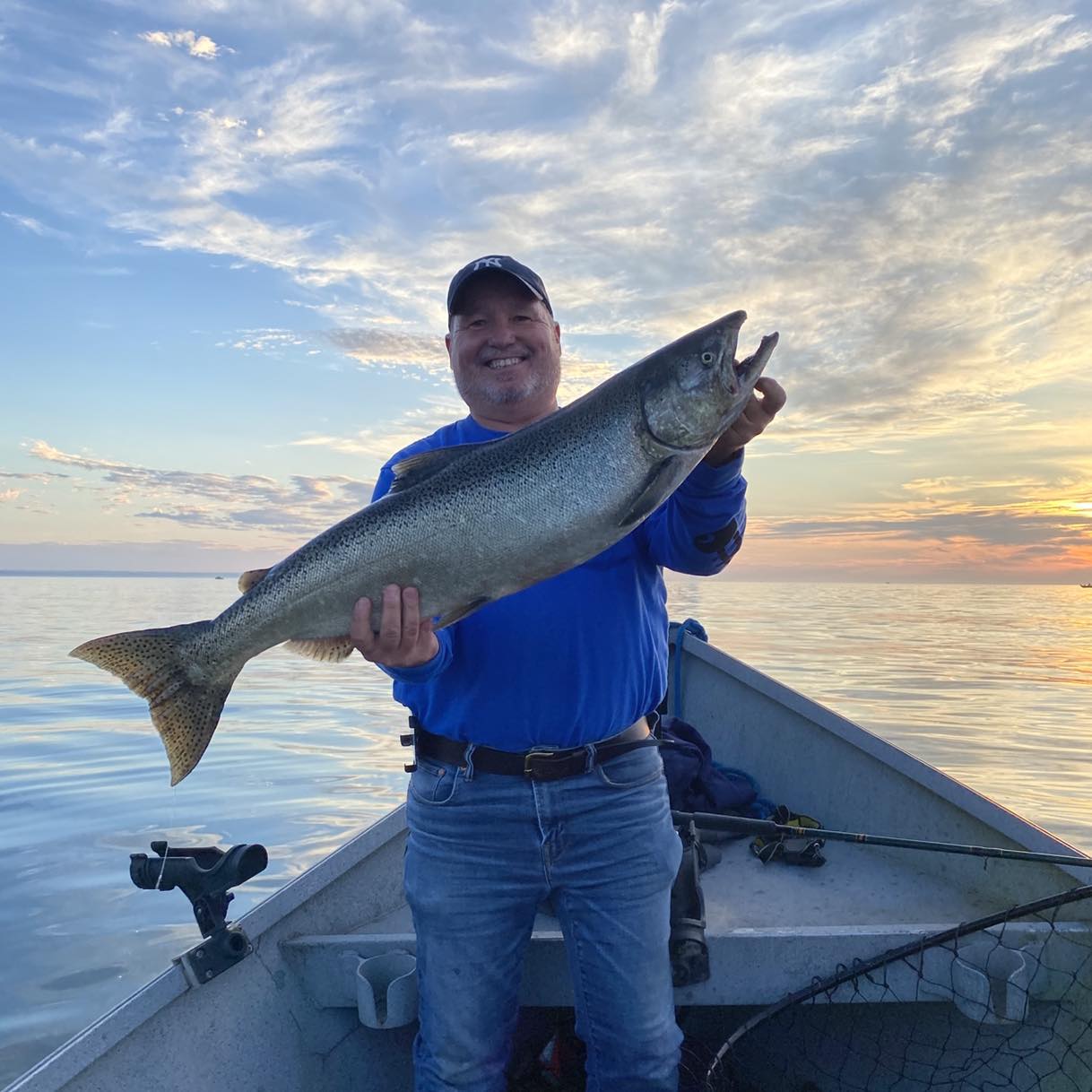
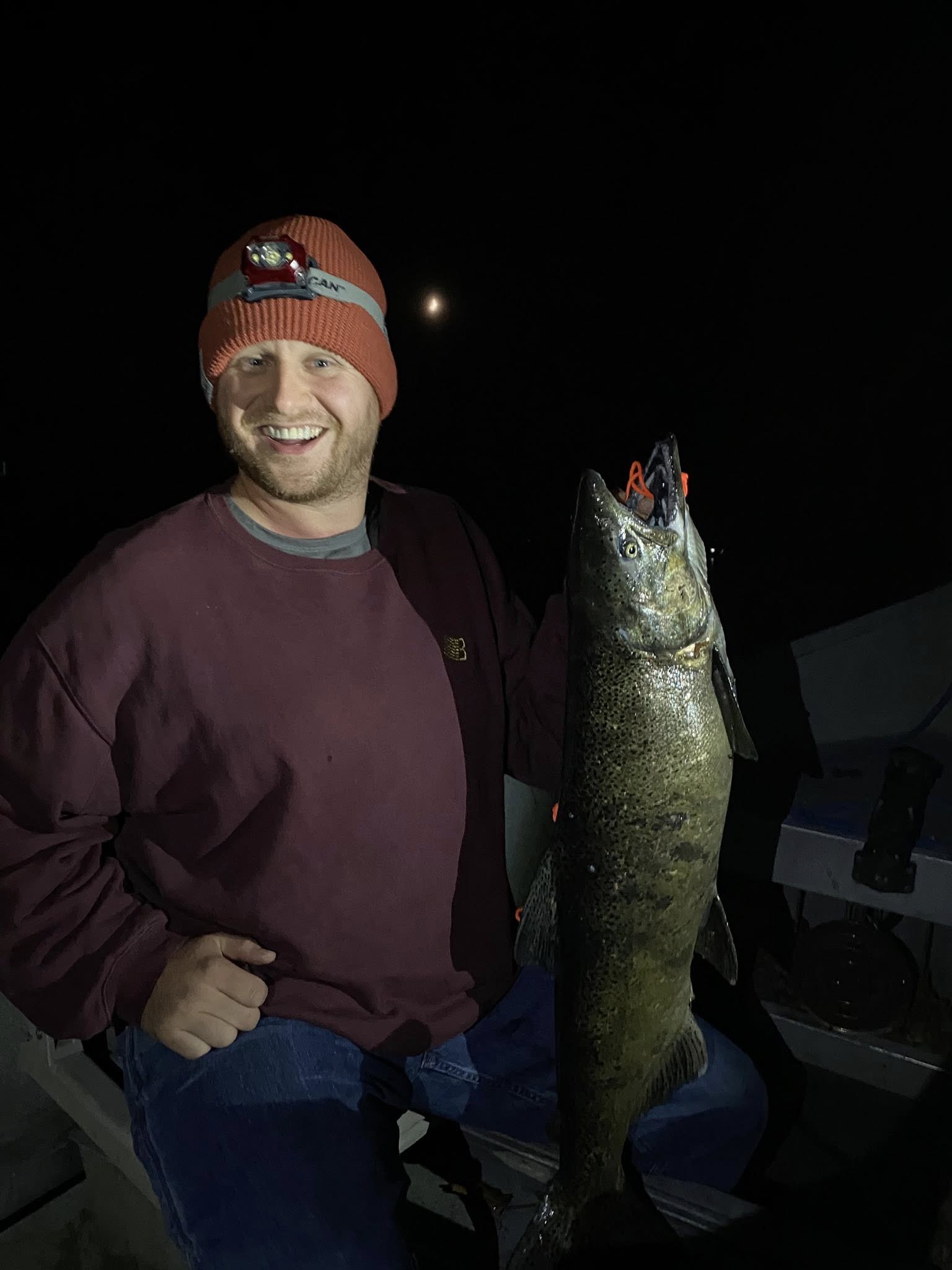
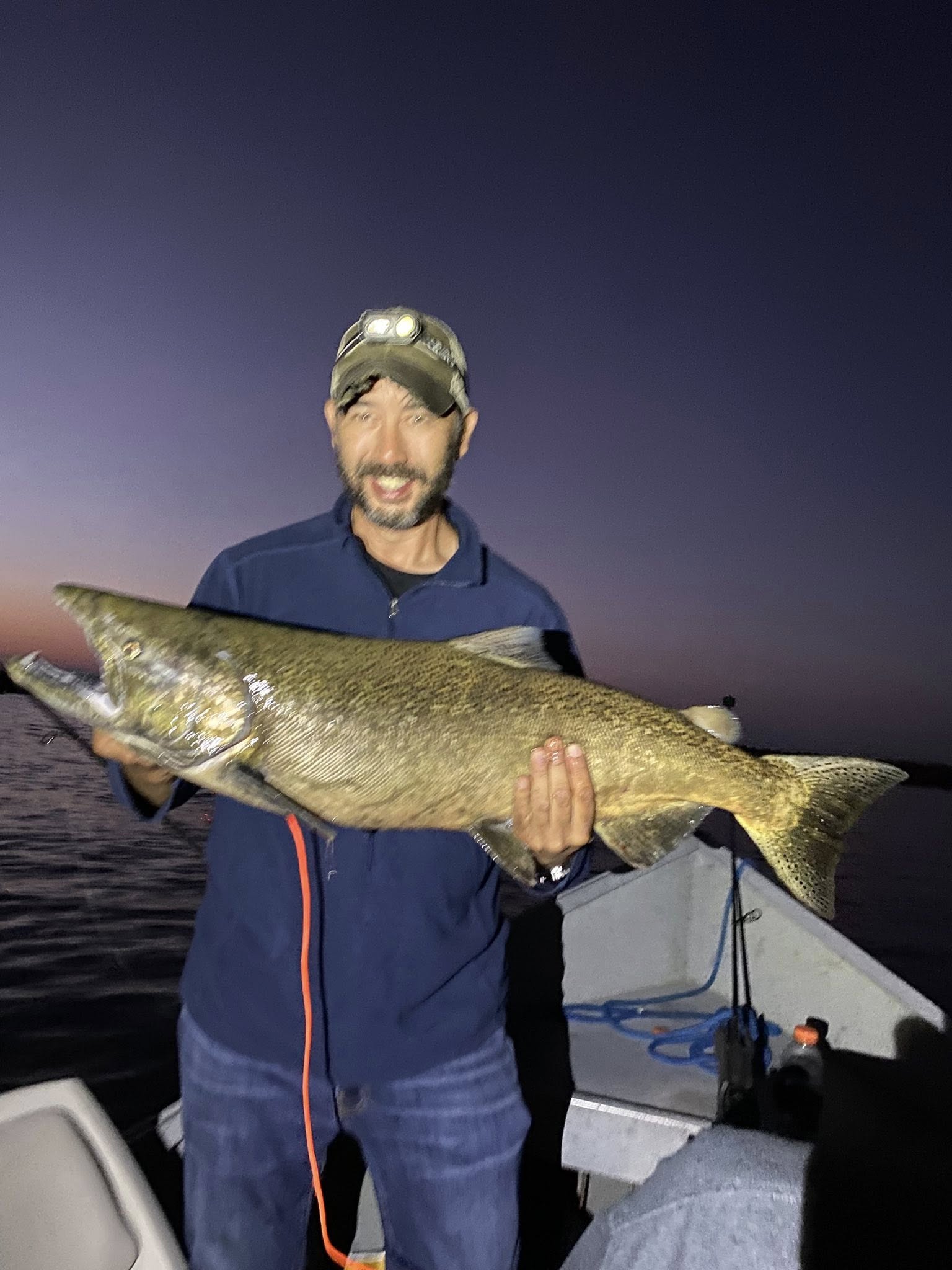
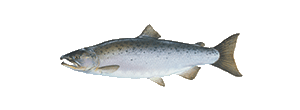
Chinook salmon are the kings of this river system, and for good reason. These fish can push thirty pounds or more, and when they decide to run, they'll test every knot and connection in your setup. Peak chinook fishing typically happens during their spawning runs from late summer into fall, when mature fish move upstream in waves. What makes hooking a chinook so special isn't just the size—it's the fight they put up in current. They use the river's flow to their advantage, making long powerful runs that'll have your drag screaming. Most anglers remember their first chinook not for how it looked, but for how it felt when it first took off.
Coho salmon bring a different kind of excitement to the river. These silver rockets are incredibly aggressive and acrobatic, often jumping multiple times during a fight. Coho typically run from late summer through fall, and they're known for hitting lures and flies with authority. What sets coho apart is their unpredictability—one minute they're sulking in deep water, the next they're aggressively chasing anything that moves. Their fighting style is all about quick direction changes and aerial displays that'll keep you on your toes throughout the entire fight.
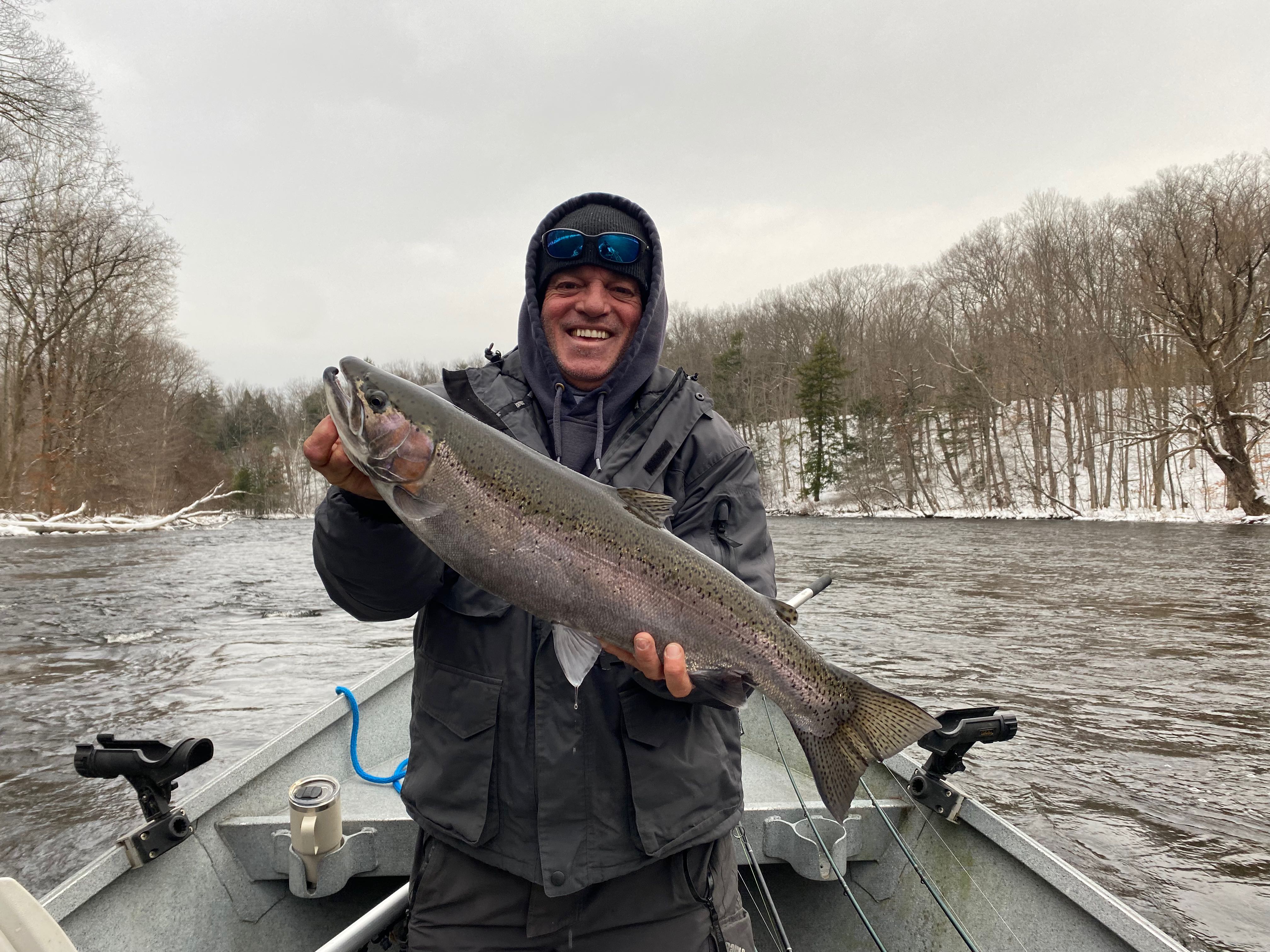
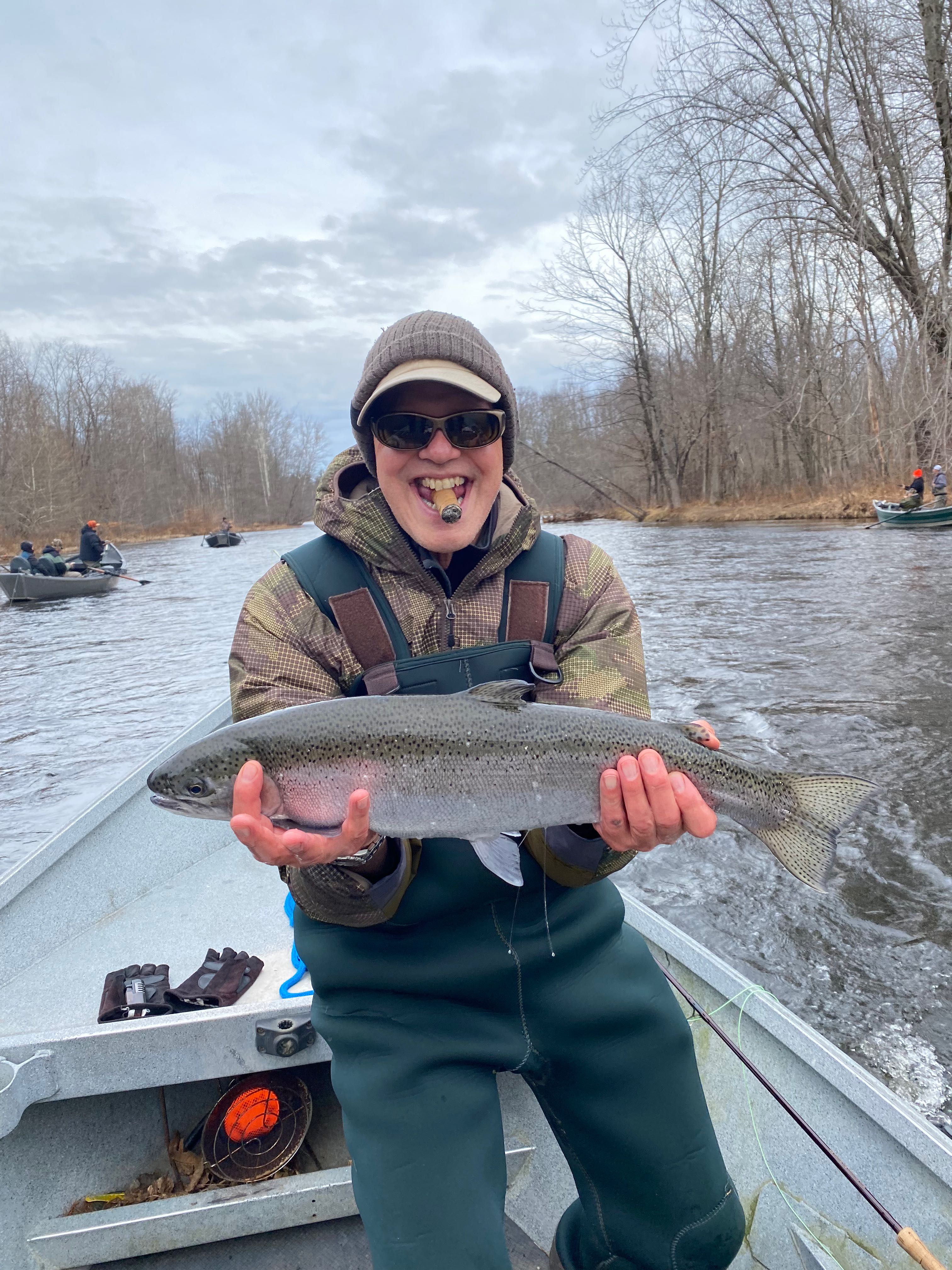
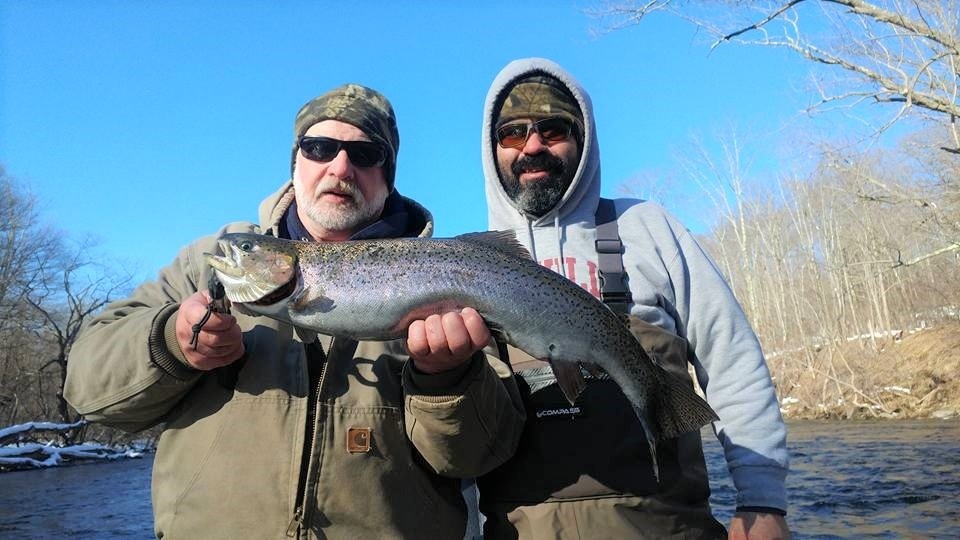
Rainbow trout in the Salmon River system are something special. These aren't your typical stocked rainbows—they're wild fish that have grown fat feeding on salmon eggs and fry. During salmon spawning season, rainbows position themselves downstream of redds to pick off loose eggs, making them opportunistic and well-fed. Spring and fall offer the best rainbow action, when water temperatures are optimal and food sources are abundant. Landing a wild rainbow that's been living free in this system is completely different from catching hatchery fish—the colors are more vibrant, the fight more determined.
Brown trout represent the ultimate river fishing challenge on the Salmon River. These fish are notoriously cautious and selective, often requiring precise presentation and perfect timing. Browns tend to be most active during low-light periods—early morning, late evening, or overcast days. What makes catching a brown trout so rewarding is earning it through skill and patience. They're ambush predators that know their territory intimately, using structure and current breaks to their advantage. When you finally connect with a quality brown, the fight combines power with cunning as they try to wrap your line around every log and rock in the area.
Time to Book Your Spot
The Salmon River delivers world-class fishing, but the best days book up fast, especially during peak salmon runs. Captain Jason's local knowledge and proven techniques give you the edge you need to make the most of your time on the water. Whether you're looking to land your first salmon or add another species to your list,
 Private Trip
 River Fishing
 Pulaski, NY


 Full day guided salmon and trout fishing experience