Kendall, FL 6-Hour Fishing Adventure
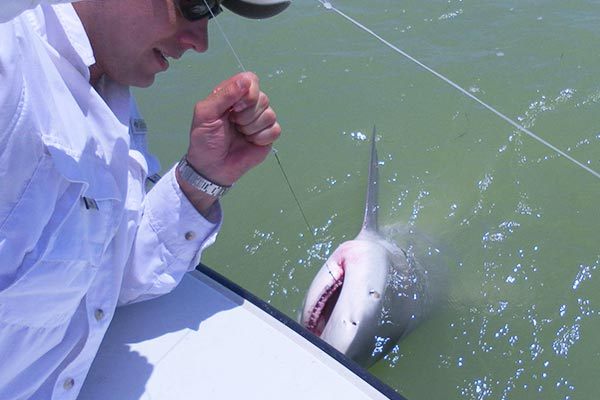
Captain Jim Hale's top-rated fishing charter out of Kendall puts you right in the heart of South Florida's best fishing grounds. This world-class 6-hour trip runs from 7:00 AM to 1:00 PM, giving you and up to 5 other anglers prime time on the water when the fish are most active. You'll target some of the most sought-after species in these waters while learning proven techniques from a seasoned local captain who knows exactly where the fish are biting.
What to Expect on the Water
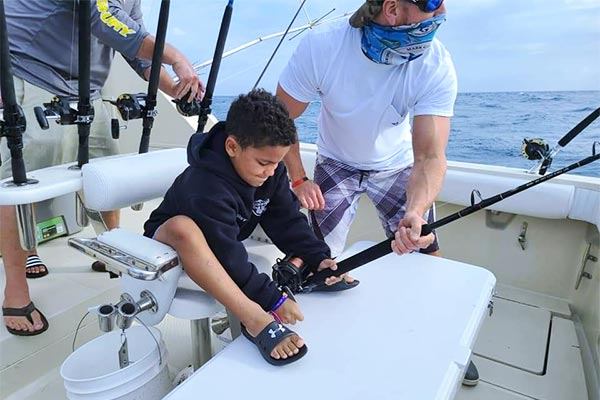
Your day starts early at the dock, and there's good reason for that – the morning bite is legendary in these parts. Captain Jim will have you heading out as the sun comes up, when the water is calm and the fish are hungry. This isn't some cookie-cutter fishing trip where you drop a line and hope for the best. You'll be working different depths, trying various techniques, and moving between productive spots based on what's happening that day. The boat accommodates 6 anglers comfortably, so there's plenty of room to fish without bumping elbows. Bring your own snacks and drinks – you'll work up an appetite out there. Don't forget sun protection and layers, because South Florida weather can change quick, and you'll be exposed for six solid hours.
Techniques You'll Master
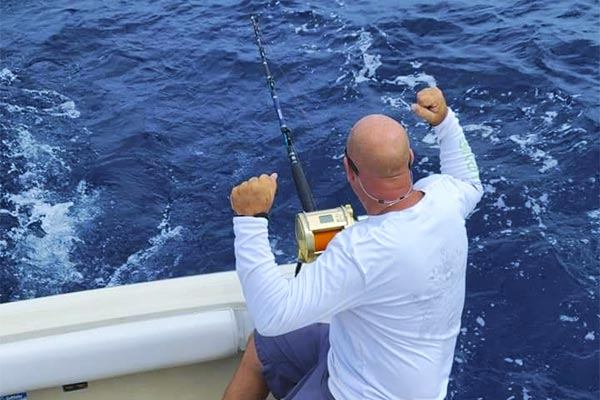
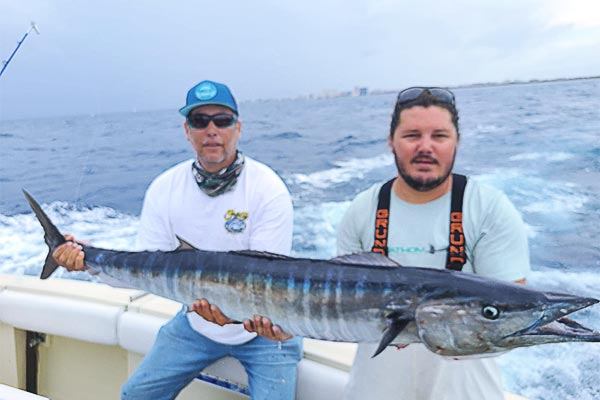
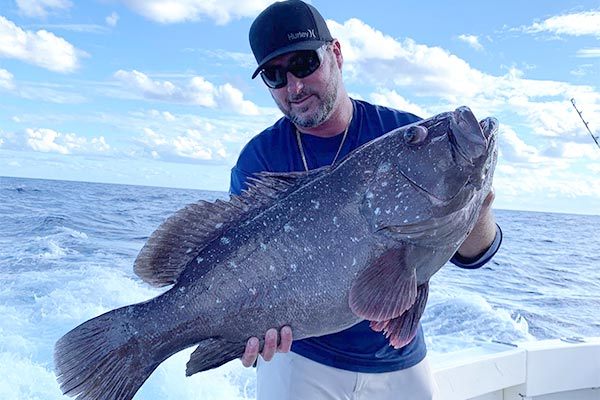
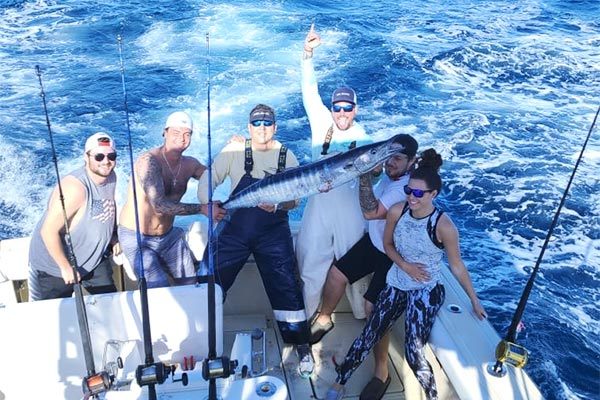
This trip is all about expanding your fishing skills while putting fish in the boat. You'll learn live bait techniques that work magic on grouper and snapper, plus trolling methods that'll help you connect with pelagic species like mahi and wahoo. Captain Jim runs a variety of setups depending on conditions – sometimes you'll be bottom fishing structure for grouper, other times you'll be working the blue water for tuna and mahi. The key is reading the water and adapting your approach. You might start the morning trolling for wahoo, then switch to live bait fishing over a wreck for grouper, and finish the day working a reef for mutton snapper. Each technique requires different skills, and Jim makes sure everyone gets hands-on experience with the methods that work best in these waters.
Top Catches This Season
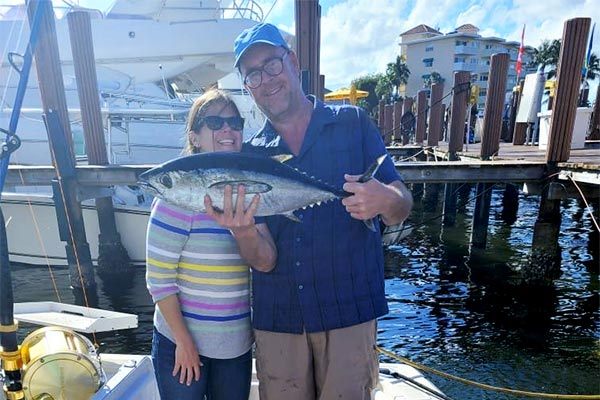
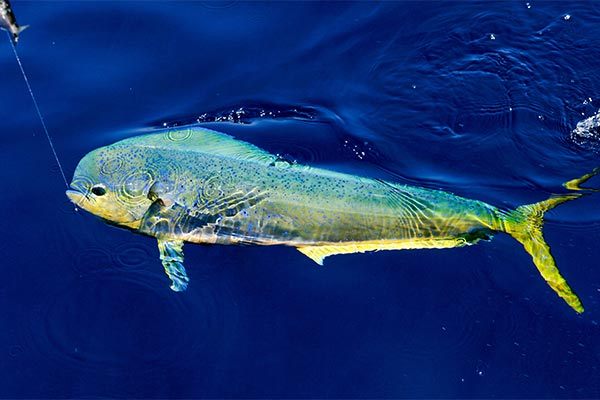
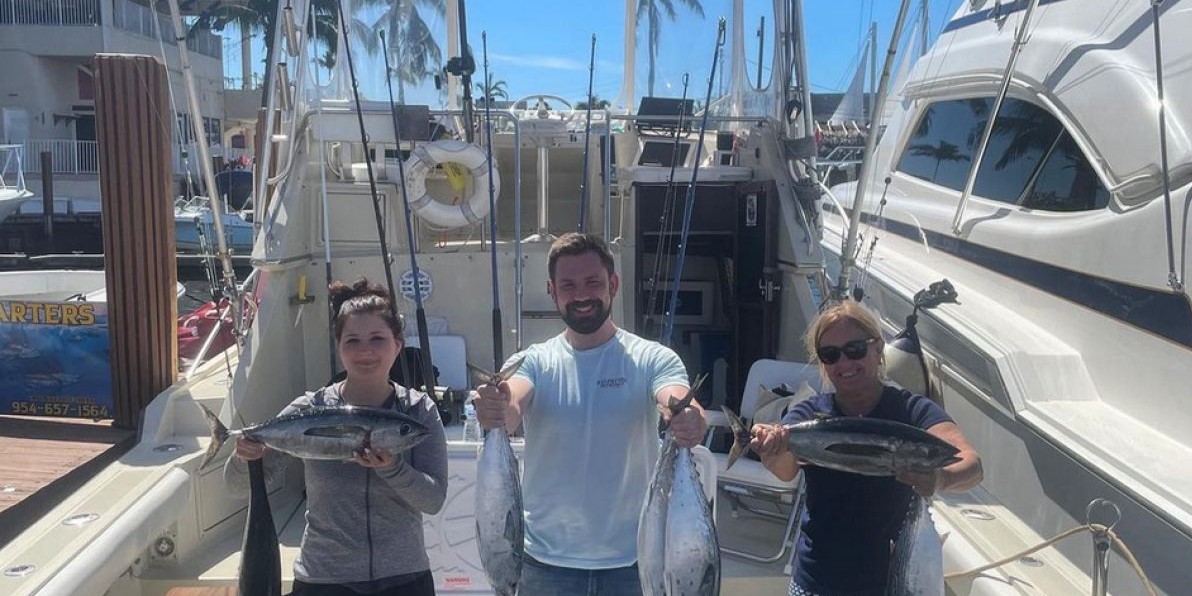
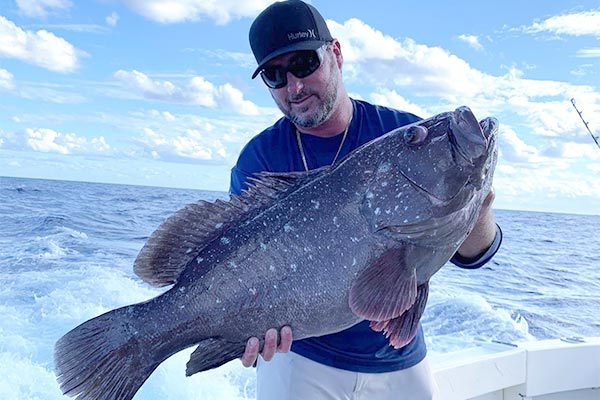
The Mahi Mahi or Common Dolphinfish are absolute customer favorites and for good reason – they fight hard, jump like crazy, and taste even better. These beautiful fish show up in spring and summer, usually around floating debris or weed lines. When you hook into a bull mahi, you're in for a show. They'll jump, run, and test your drag system like few other fish can. Wahoo are the speed demons of the deep, capable of hitting 60 mph and known for their blistering runs. They're around year-round but peak in fall and winter. When a wahoo hits your bait, you'll know it – the reel screams and the fight is on. Yellowfin Tuna are the prize catch for serious anglers. These powerful fish can weigh 30-50 pounds or more and will test every ounce of your strength and skill. They're most active in warmer months and prefer deeper, cleaner water. Mutton Snapper are beautiful fish with incredible table fare. They're smart, spooky, and require finesse to catch consistently. Fall is prime time for big muttons around the reefs. Black Grouper are the bruisers of the bottom, using every rock and crevice to try and break you off. They can exceed 50 pounds and are available year-round, though they're more active in warmer water. Gag Grouper are slightly smaller but just as crafty, known for their aggressive strikes and bulldogging fights near structure.
Time to Book Your Spot
This 6-hour trip with Captain Jim Hale delivers everything serious anglers want – variety, action, and the chance to learn from a pro who's been working these waters for years. You'll come back with new skills, great stories, and hopefully a cooler full of fresh fish. The early morning departure means you're fishing the prime bite times, and six hours gives you enough time to really get into the rhythm of different techniques and locations. Whether you're a weekend warrior looking to up your game or planning a special fishing trip with friends, this charter hits all the marks. Don't wait – the best dates fill up fast, especially during peak season when the fishing is red-hot.
 Private Trip
 Inshore Fishing
 Miami
Miami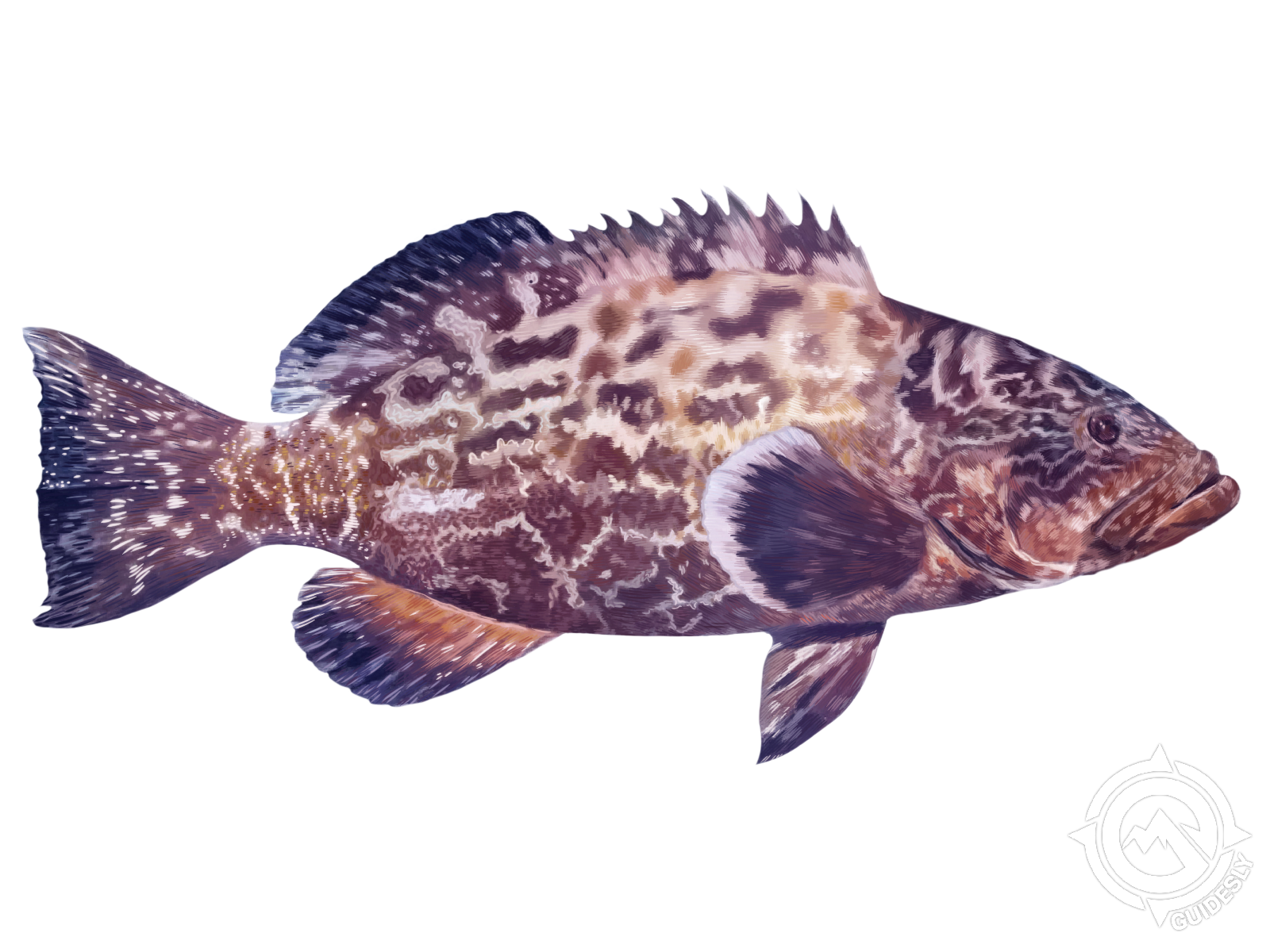


 Six-hour inshore fishing trip targeting multiple species